
Trend Report · April 30, 2026
Loan or No Loan: How to Decide on Growth Financing
Evaluate whether to take Amazon loans, crowdfund, or use payment terms to scale your growth from $300k revenue with data-backed insights for Shopify sellers.
Loan or No Loan: The Funding Crossroads
You're sitting at $300k in annual revenue, brand-direct deals locked in, more in the pipeline. The side hustle has become a real business. Now the question hits: should you take an Amazon loan, crowdfund, or stretch payment terms further? This isn't a hypothetical — it's a daily decision for sellers scaling from six figures toward seven.
The core tension: you have the revenue to qualify for loans, but every dollar borrowed cuts into margin. Crowdfunding brings cash upfront but demands a compelling story and marketing spend. Payment terms with brands preserve cash but limit your reorder capacity. Each path affects your ability to invest in SKU depth, ad testing, and inventory for the growth products that drive your next revenue jump.
For operators already managing 300k in revenue, the choice between loan or no loan often comes down to how fast you can turn inventory. If your current growth products — like baby milestone blankets, hair growth tools, and children's growth charts — have sell-through rates above 70% and stable margins, a loan can accelerate restocks and expand your product line. If sell-through is slower, you might be better off self-funding through terms or retained profits.
Why the Loan Decision Is Central to Scaling
At $300k revenue, you're past the survival stage but not yet at the scale where banks offer favorable rates. Amazon loans are tempting — easy application, fast approval — but they come with high interest and repayment tied to your sales velocity. Crowdfunding platforms like Kickstarter or Indiegogo let you validate new SKUs before committing inventory, but they require a built-in audience and a campaign that stands out. Payment terms from brands can stretch cash flow, but they depend on relationship strength and order history.
The real driver of this trend is the shift from "side hustle" to full-time business. As the source seller notes, it has turned into much more than a side hustle — so the funding strategy must shift too. You can't rely on personal savings or credit cards forever. The loan-or-no-loan question forces you to calculate your cost of capital vs. your inventory turnover rate. For growth products that have proven demand — like baby growth charts at $3.46 or scalp massagers at $0.35 — a small loan can multiply your ad spend and restock frequency without locking you into long-term debt.
Currently, the most common mistake is taking a loan without mapping it to a specific growth initiative. If you borrow $10k to test a satellite product line that hasn't been validated, you're gambling. But if you use that money to double down on top-selling SKUs with known margins, the loan becomes leverage. The decision should never be emotional — it should be a spreadsheet.
Who Needs This Guidance Now
This content serves operators who are managing real revenue but still founder-funded. They are no longer in the testing phase — they have repeatable sales and a handful of high-performing products. Their next bottleneck is capital to fuel inventory and marketing.
Shopify seller
You have 3-5 winning SKUs (e.g., baby milestone blankets, hair growth tools) with consistent monthly sales, but you're turning down bulk orders because you lack cash to stock up. A loan could unlock volume discounts and faster restock cycles.
Dropshipper
You rely on supplier lead times and thin margins. A loan lets you pre-order inventory and switch to faster fulfillment methods (like 3PL warehousing), cutting delivery times and improving customer experience without sacrificing cash flow.
Boutique buyer
You curate products with a niche audience (e.g., baby growth charts). Crowdfunding a new collection or using a small loan to test a bundle can validate demand without risking your entire budget on untested items.
How to Sell Growth Products With Loan Capital
If you decide to take a loan, your goal is to maximize the return per dollar borrowed. The products you sell should have high sell-through probability and margin structures that cover the interest cost within one inventory turn. For example, a baby milestone blanket costs $4.47 but can sell for $15-20 on storefronts, leaving $10-15 margin per unit. A scalp massager at $0.35 can be bundled into a $5-10 kit. These margins allow you to recoup loan costs quickly. Your ad angle should emphasize urgency and proven demand. Use social proof from existing sales data — "300+ sold this month" — rather than generic lifestyle shots. On Instagram and TikTok, show real usage: a parent measuring their child with a growth chart, or someone using a scalp massager in the shower. The creative should match the product's practical value, not just aesthetics. The biggest risk is over-leveraging. If you borrow against a new product line that hasn't been tested, you might end up with dead stock. Always allocate at least 70% of the loan to existing winners and only 30% to experimental SKUs. Track your inventory turnover weekly and have a backup plan — negotiate return windows with suppliers or plan flash sales to clear slow movers.
Use an Amazon loan to fund PPC campaigns on your top 3 baby growth products. Boost targeting for keywords like 'baby growth chart' and 'monthly milestone blanket' during gift-giving seasons. Estimate conversion cost at $1.50 per click, with a 10% conversion rate — loan repaid within 60 days.
⚠ Amazon loans have high interest rates (6-15%), and if sales dip due to seasonality, you may struggle to repay.
Crowdfund a bundle like 'Baby Growth Memory Kit' (growth chart + milestone blanket + photo album). Offer early-bird pricing at $25 vs. $38 retail. Use the loan from Amazon or a small business loan as a matching fund to cover initial marketing and rewards fulfillment.
⚠ Crowdfunding requires a compelling video and pre-built audience — if you don't have 1,000+ email subscribers, the campaign may fail to reach its goal.
Use a small loan to run Facebook retargeting ads for products like 'Currently Reading' enamel pins and hair growth combs. Create a funnel: a $0.47 pin as a lead magnet, then upsell to a $1.06 scalp massager or $4.32 liquid applicator. Use A/B test creative featuring 'growth' and 'progress' themes.
⚠ Shopify ad costs are rising — if your CPA exceeds $8, margins shrink quickly. Have a budget cap in place.
Top Growth Products for Your Loan-Fueled Expansion
These products align with the growth theme — baby milestones, hair growth tools, and memory keepsakes — and have proven margins that can absorb loan costs. The IDs below represent the strongest candidates for your next inventory order.
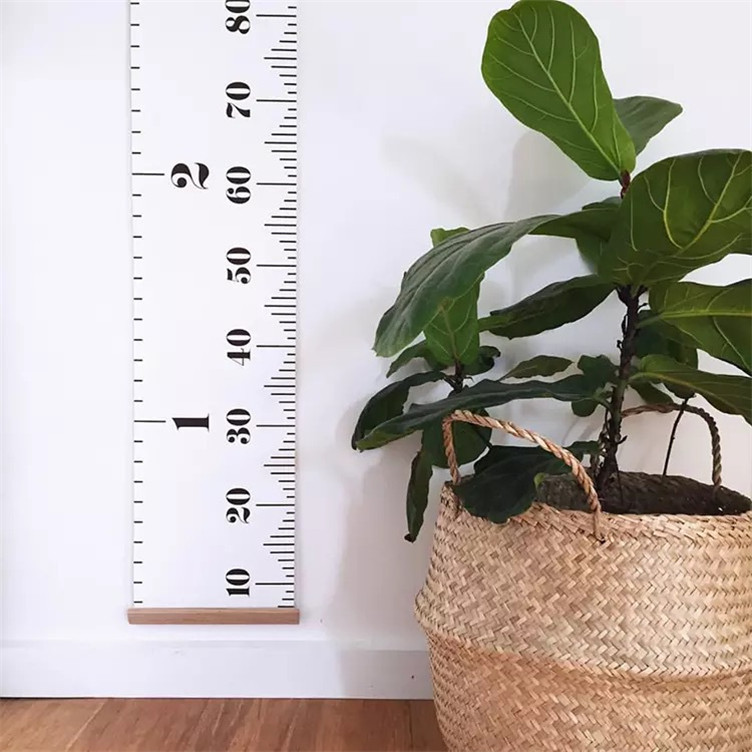
Nordic Style Children's Height Growth Chart Waterproof Canvas Hanging Ruler For Kids Baby Room Wall Decor Pine Wood Frame Growth Measurement Ruler 200cm x 20cm
$3.46
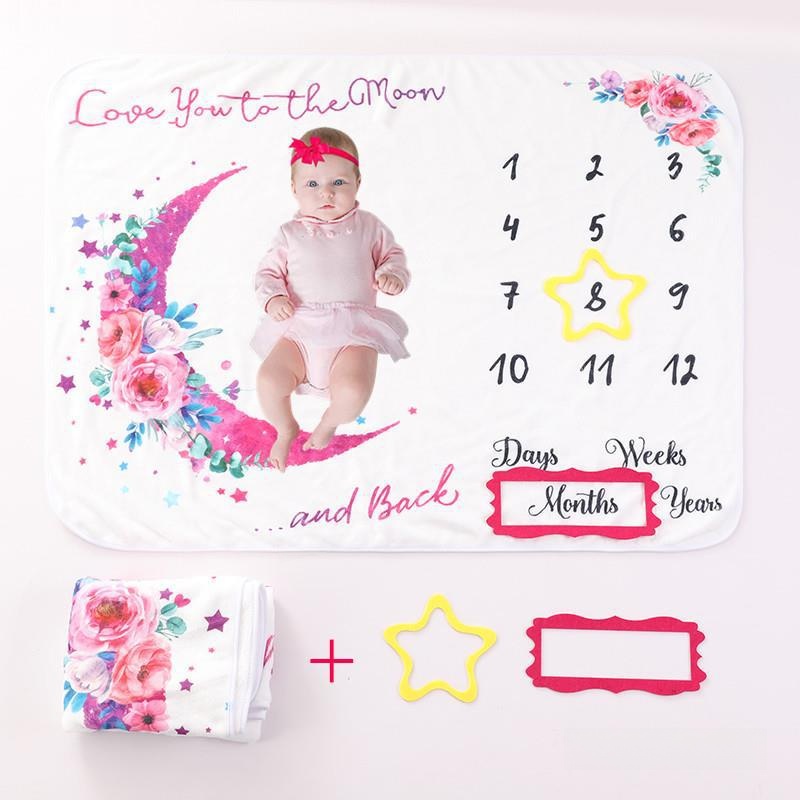
Baby Milestone Blanket Soft Flannel Newborn Photography Background Props Monthly Growth Record Blanket For Infants Baby Shower Gift
$4.47
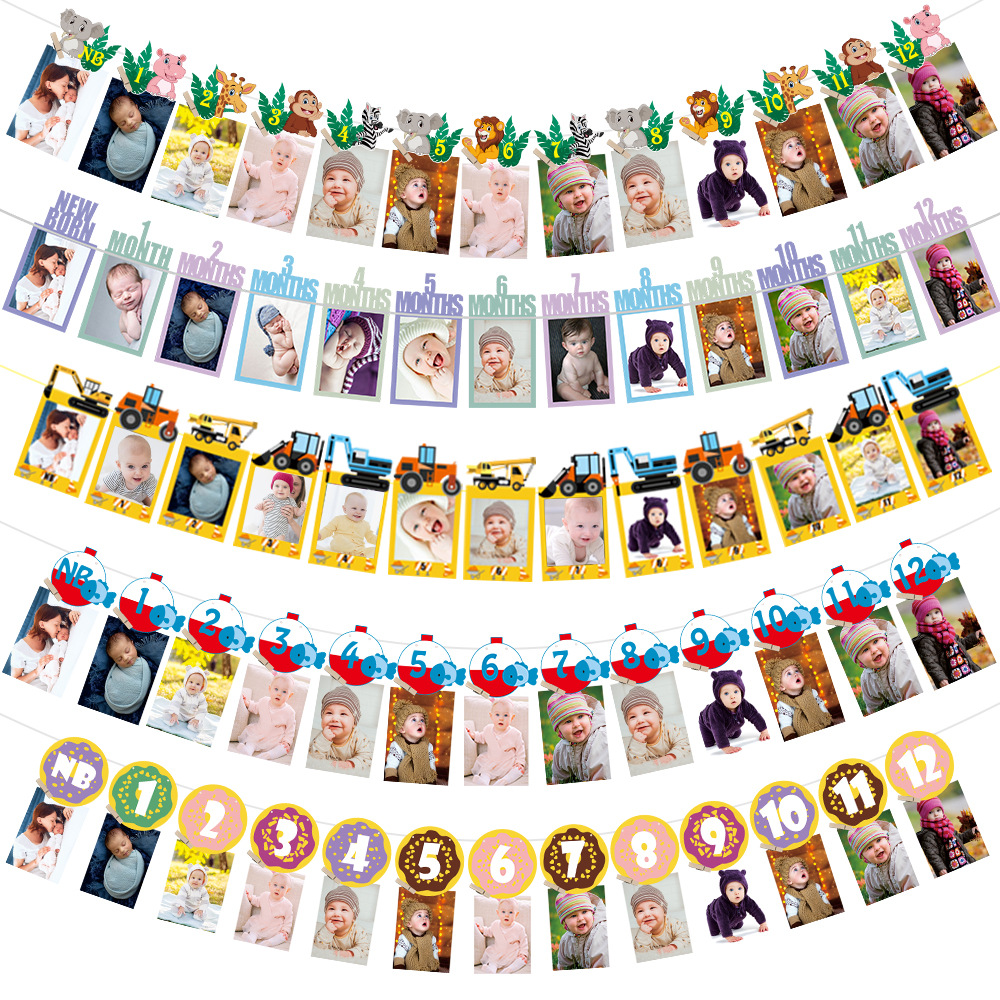
Baby First Birthday Photo Banner Paper Monthly Growth Milestone Hanging Decor For Party Baby Shower Nursery Boys Girls Decoration
$0.66
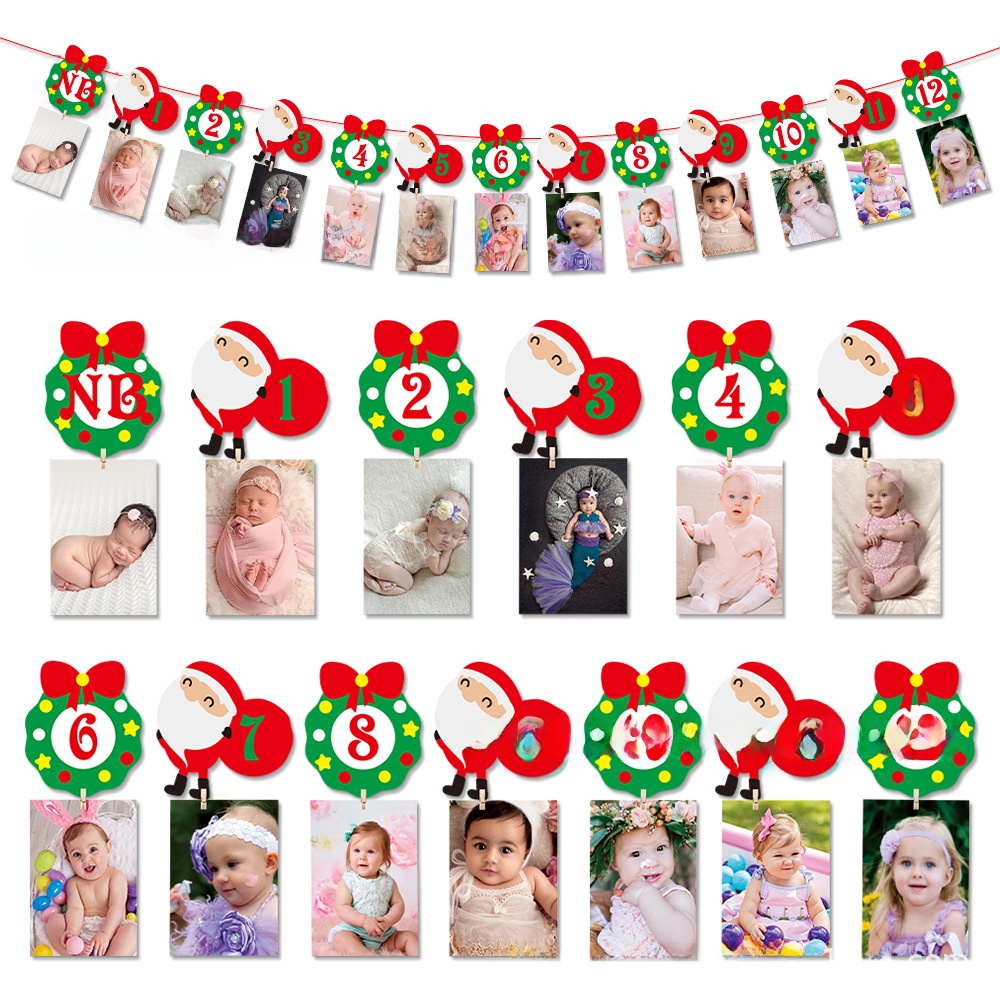
Christmas Baby First Birthday Photo Banner 12 Months Growth Record Bunting Paper Santa Claus Garland For Xmas Party Decor
$1.89
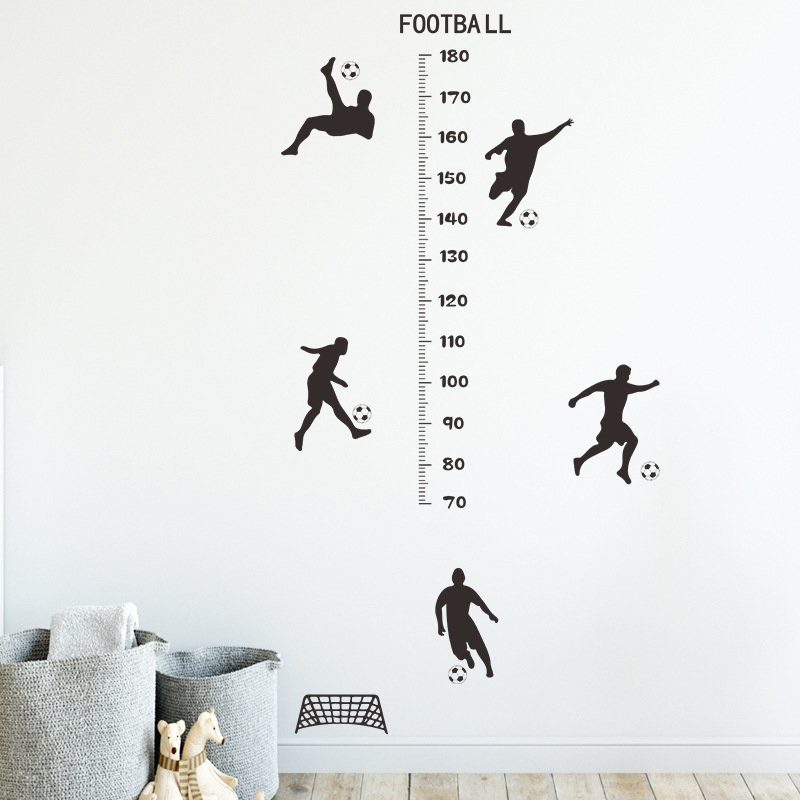
Football Soccer Boy Height Growth Chart Wall Sticker PVC Removable Silhouette Height Measurement Decal For Kids Room Kindergarten Home Decor
$1.37
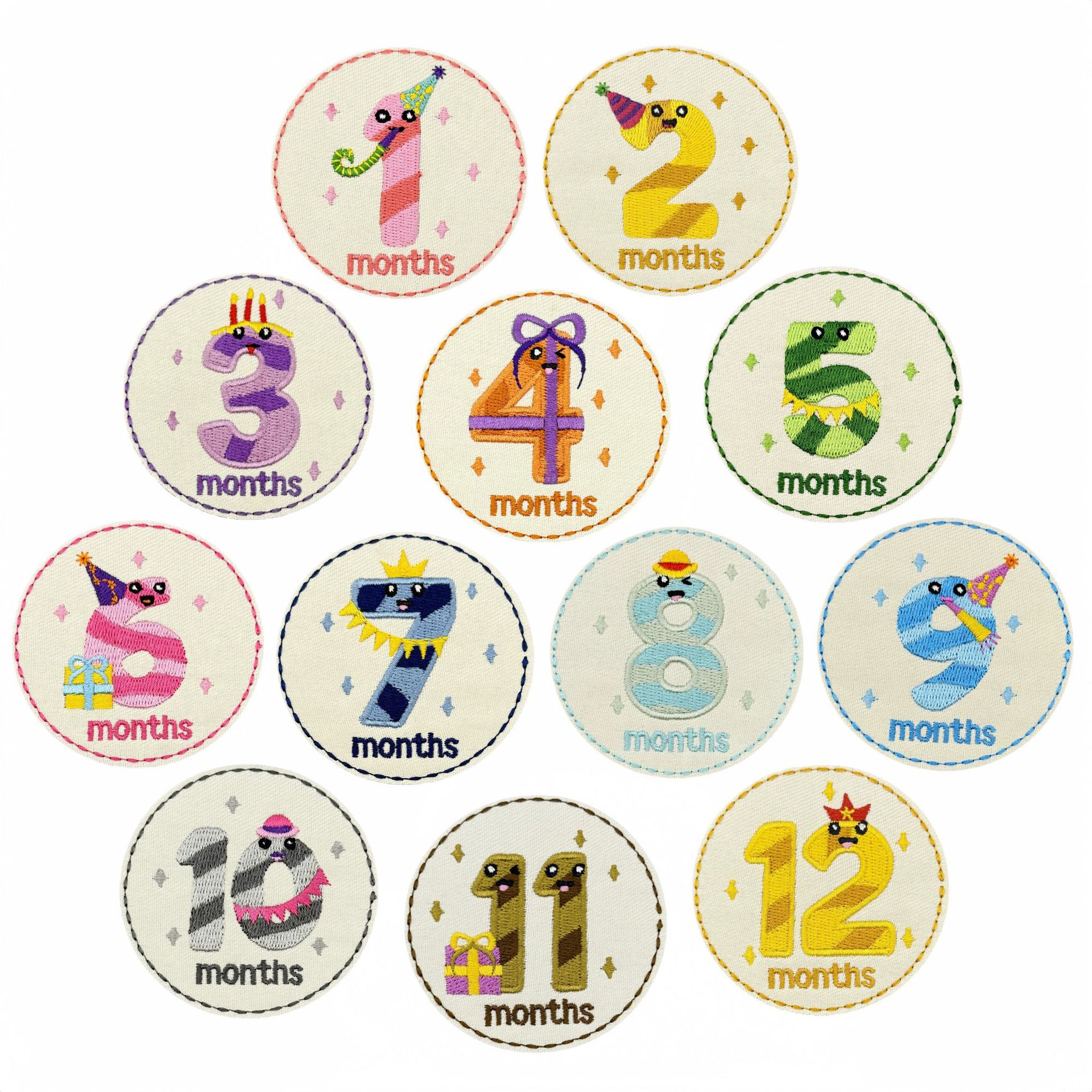
12Pcs Baby Monthly Milestone Embroidery Iron On Patches Cartoon Round Number Cloth Patches For Infant Clothing Growth Record DIY Appliques
$0.32
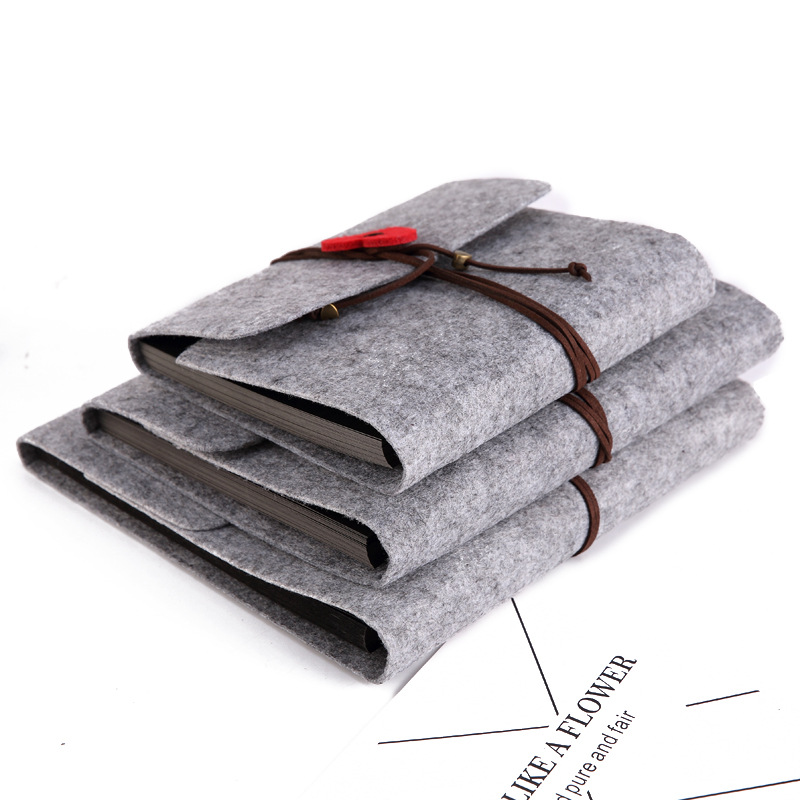
DIY Felt Photo Album Retro Scrapbook With 30 Black Sheets Heart Ornament Handmade Memory Book For Baby Growth Travel Wedding Anniversary Gift
$2.60
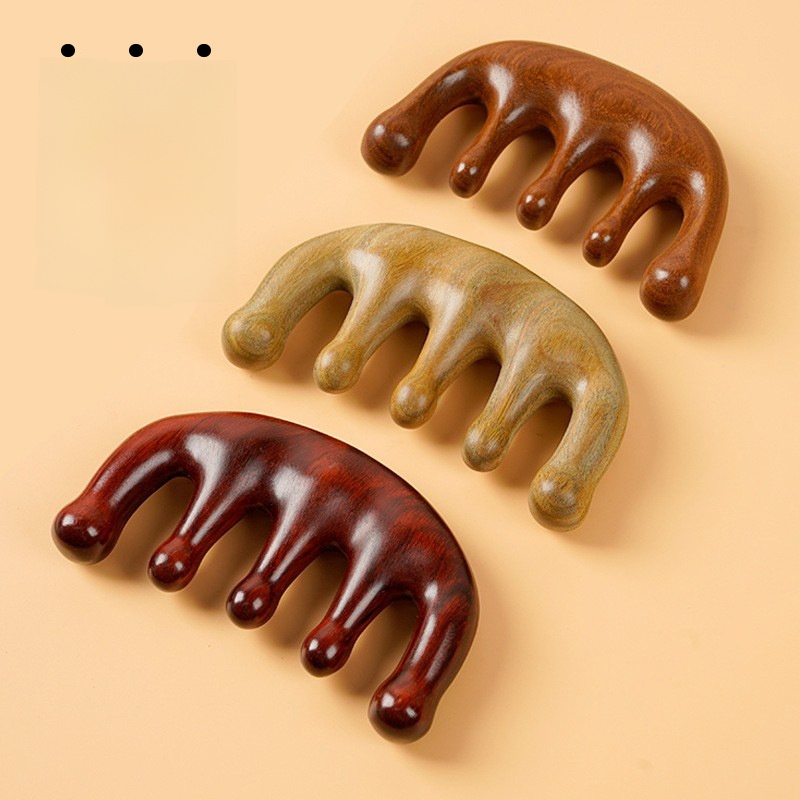
Natural Sandalwood Scalp Massage Comb 5-Tooth Meridian Scraping Tool Wooden Head Massager For Stress Relief Hair Growth Gift Box For Women Men
$0.96
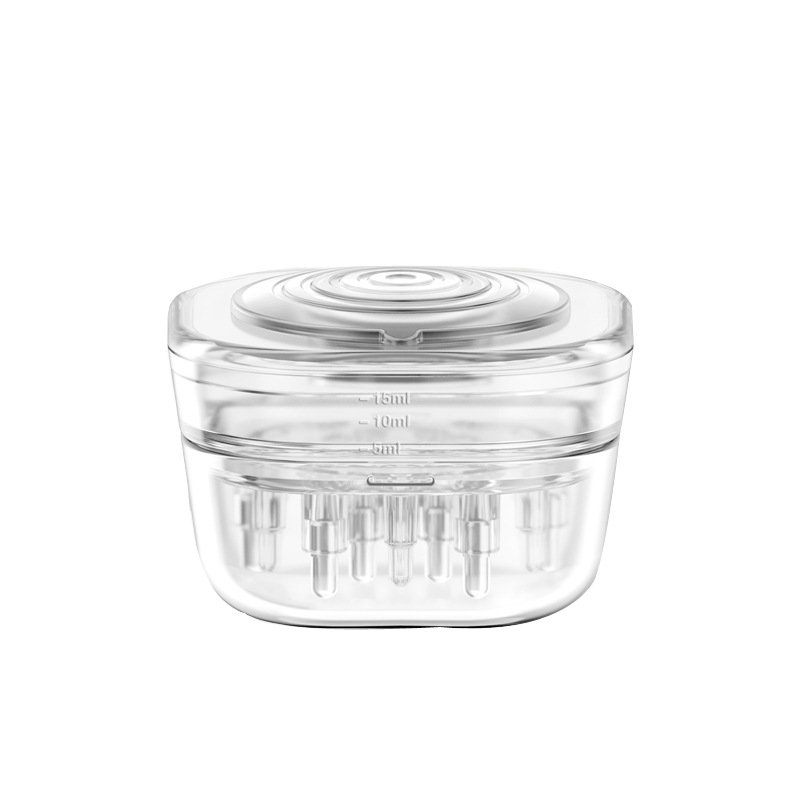
15ml Portable Scalp Applicator Liquid Guide Comb Hair Growth Oil Treatment Massage Roller Ball Transparent Scalp Care Tool With Syringe For Men Women
$4.32
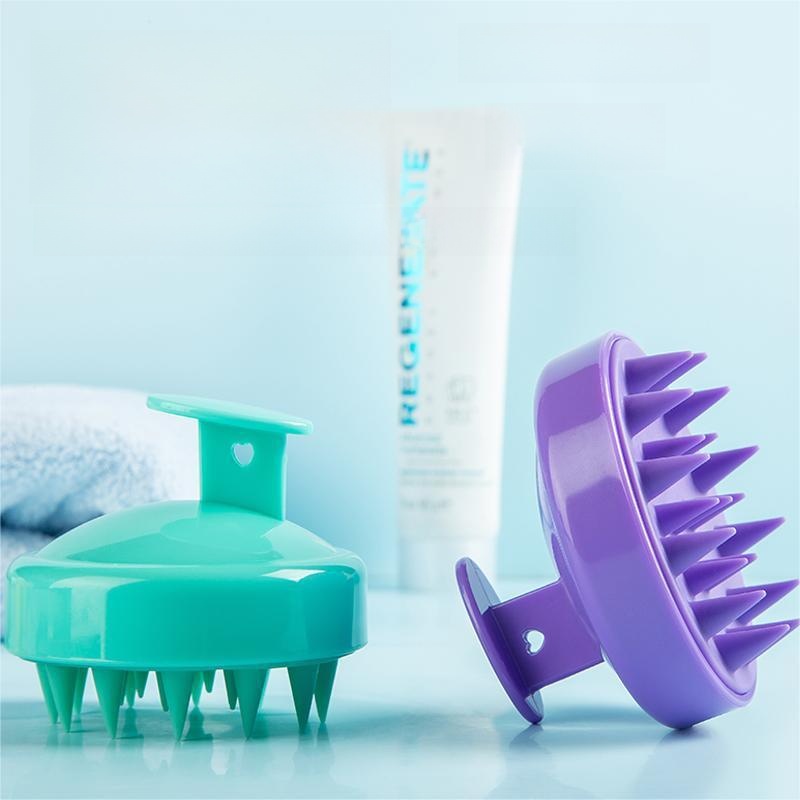
Scalp Massage Shampoo Brush Silicone Soft Teeth Hair Cleaning Comb For Home Bathroom Shower Hair Growth Scalp Scrubber Massager For Men Women Kids
$0.31
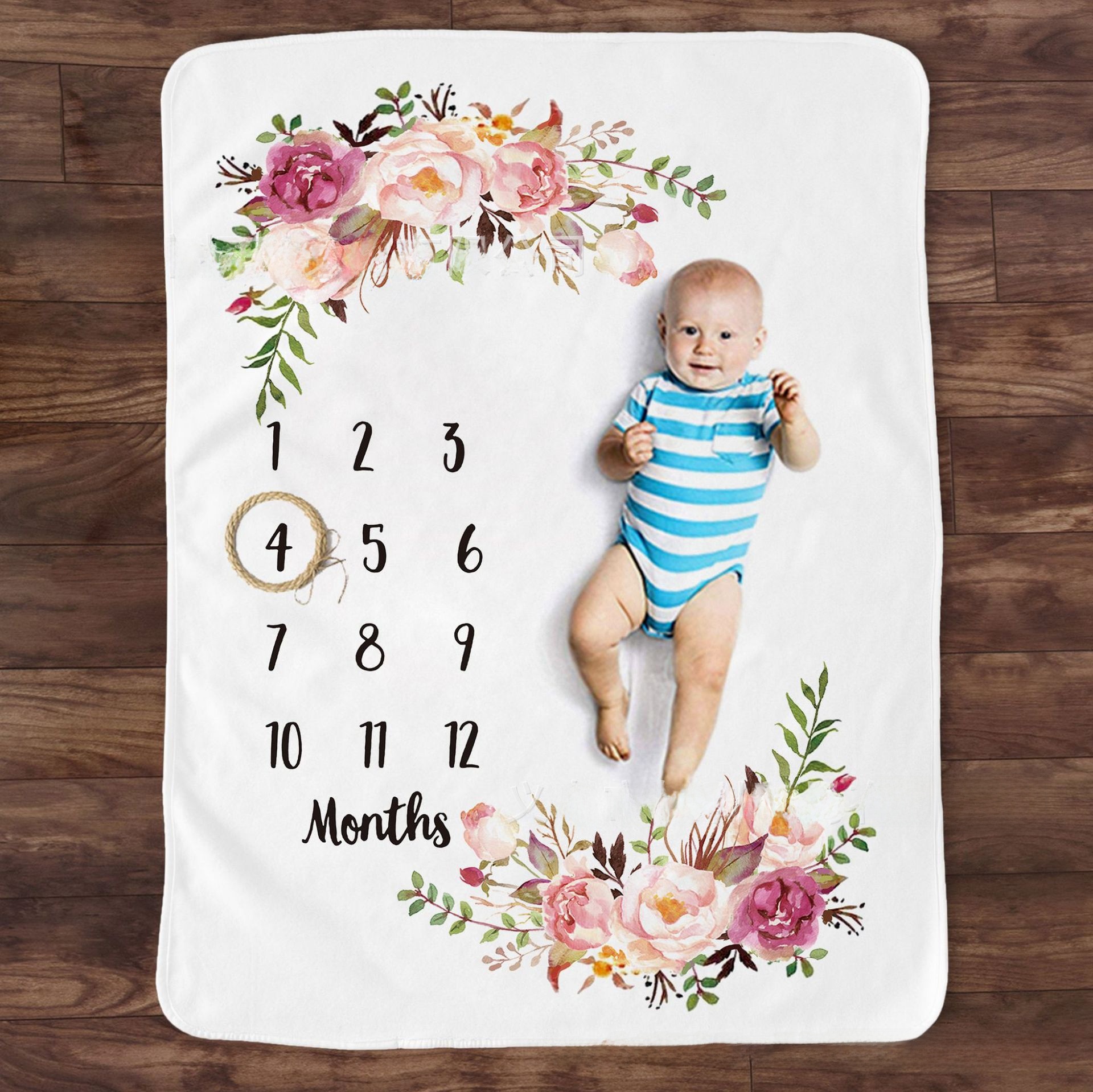
Baby Milestone Blanket Flannel Soft Monthly Growth Chart Photography Background Prop For Newborn Infant Boys Girls Floral Moon Print Milestone Rug Photography Cloth
$5.91
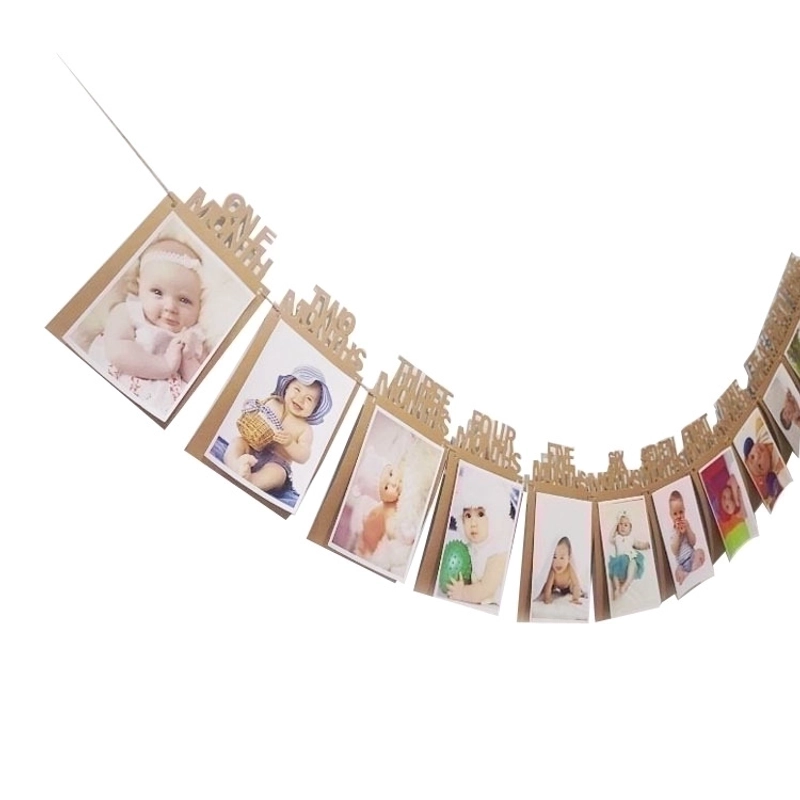
Baby 1st Birthday Photo Banner 12 Months Growth Record Picture Frame Paper Bunting Garland For Party Decoration Baby Shower Kids Nursery Wall Ornament
$0.65
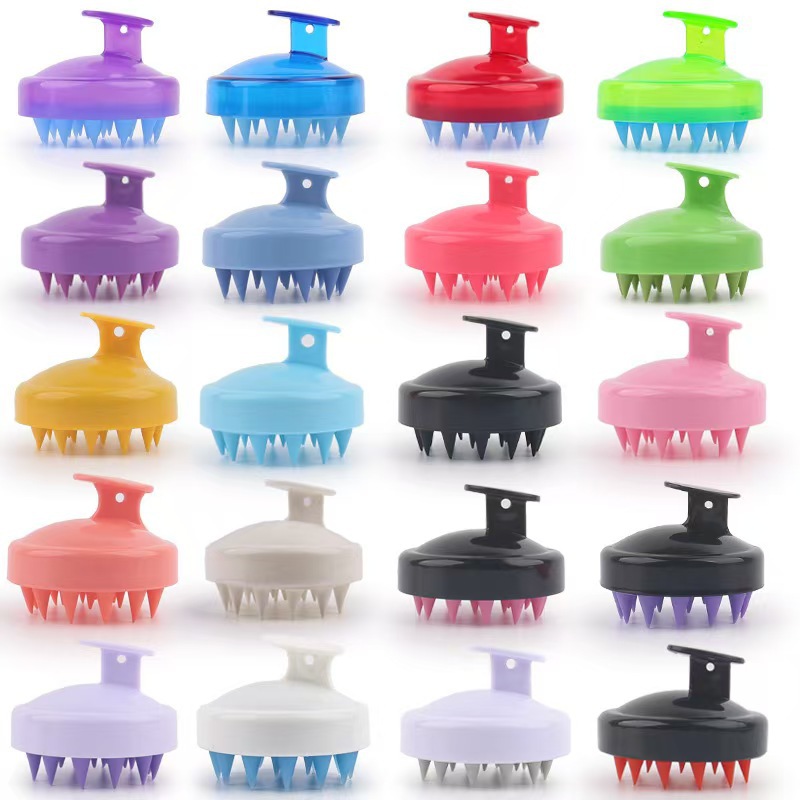
Silicone Scalp Massager Shampoo Brush Manual Head Massage Scrubber For Deep Cleaning Hair Growth Wet Dry Use Ergonomic Handle Bath Tool For Adults Kids
$0.35
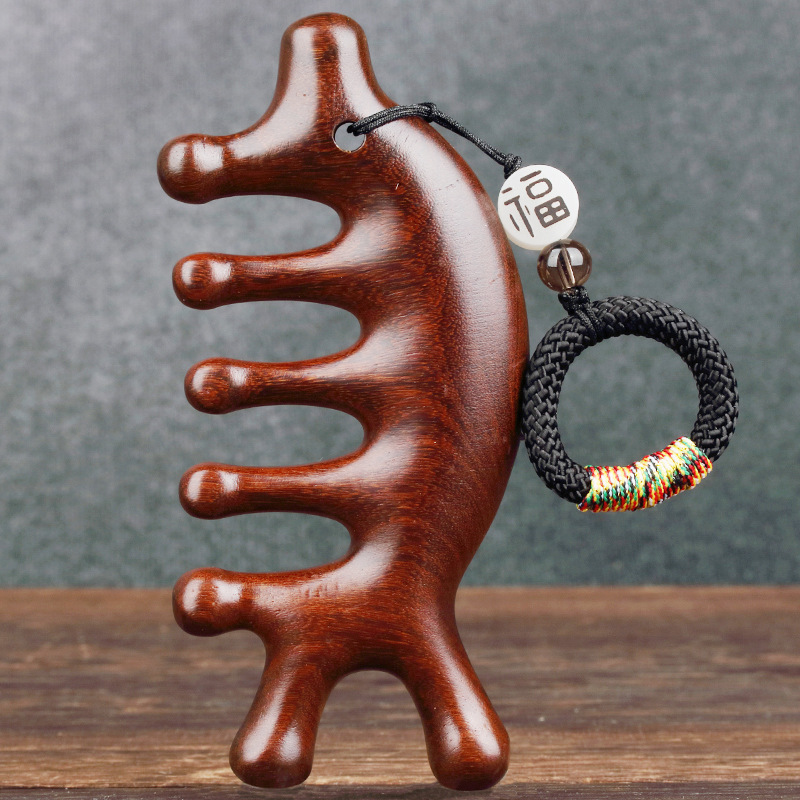
Natural Sandalwood Head Massage Comb Five-Teeth Meridian Gua Sha Scalp Massage Tool Portable Wood Hair Brush For Stress Relief Hair Growth Women Men
$1.15
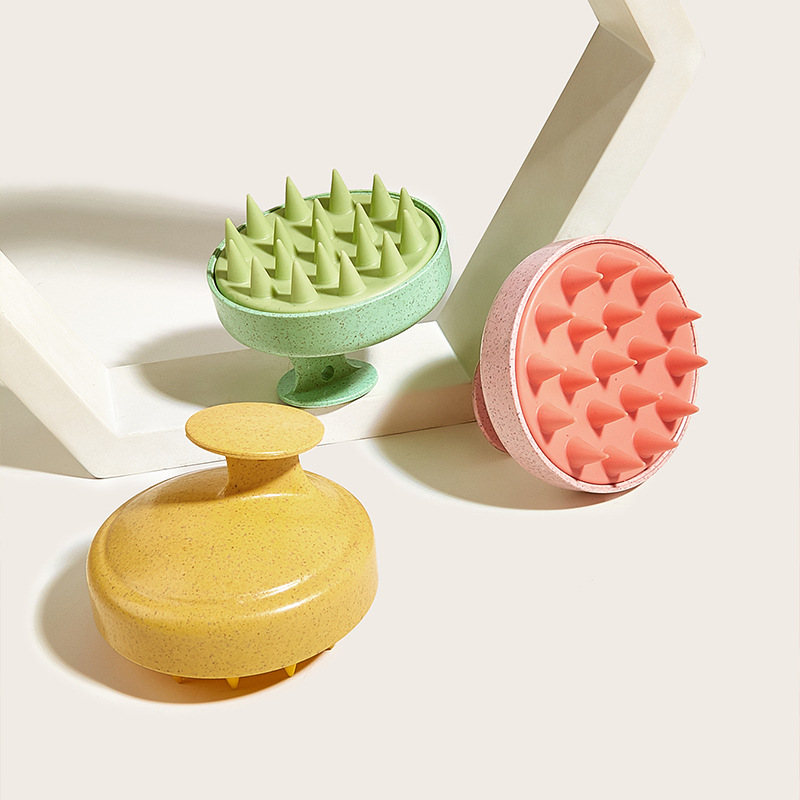
Eco-Friendly Wheat Straw Scalp Massager Brush Soft Silicone Bristles Shampoo Brush For Deep Cleaning Hair Growth Head Massage Scrubber For Women Men Kids
$0.69
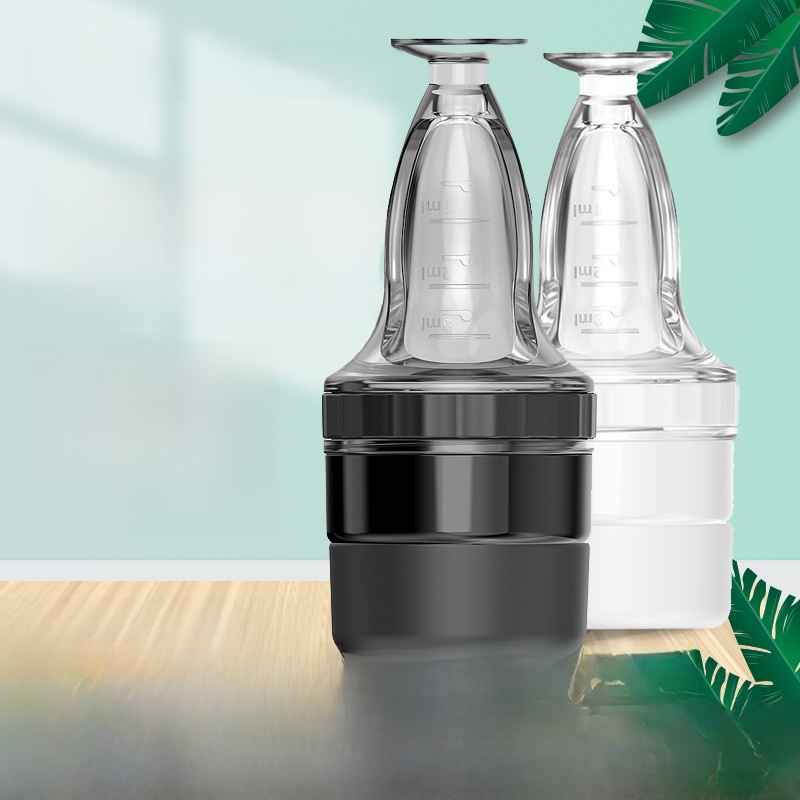
Scalp Liquid Applicator Roller Massage Comb ABS Alloy Silicone Hair Growth Serum Oil Applicator with Precise Scale Head Massager for Women Men Hair Care Treatment
$4.32
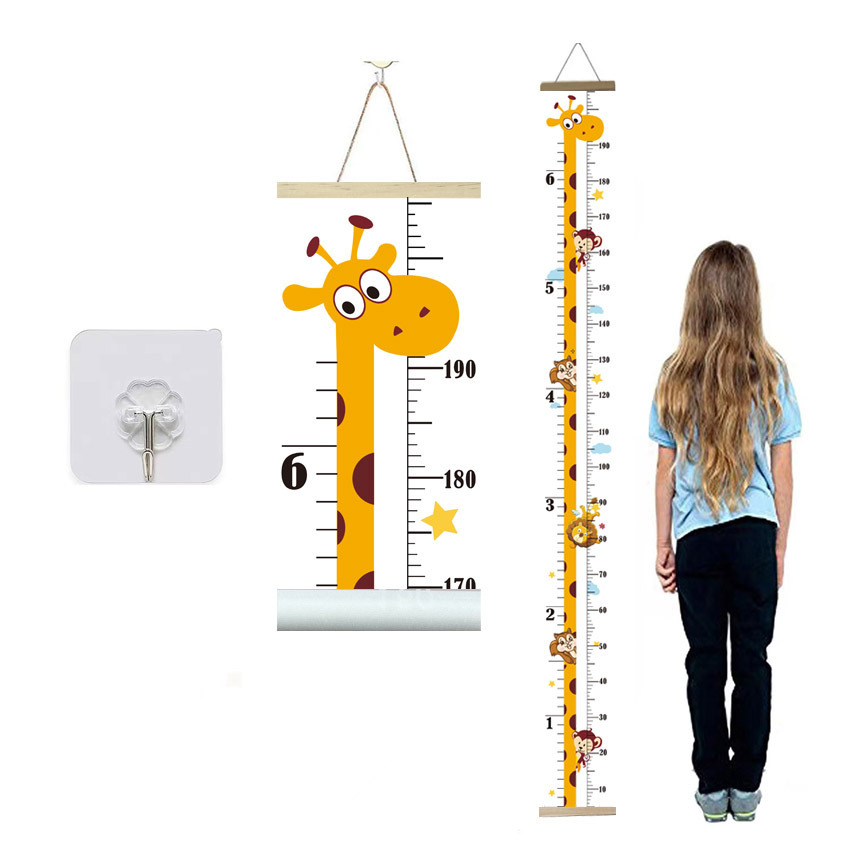
Nordic Ins Kids Height Growth Chart Canvas And Pine Wood Waterproof Hanging Wall Ruler 5-200cm Animal Pattern Nursery Bedroom Home Decor Children Baby Gift
$3.60
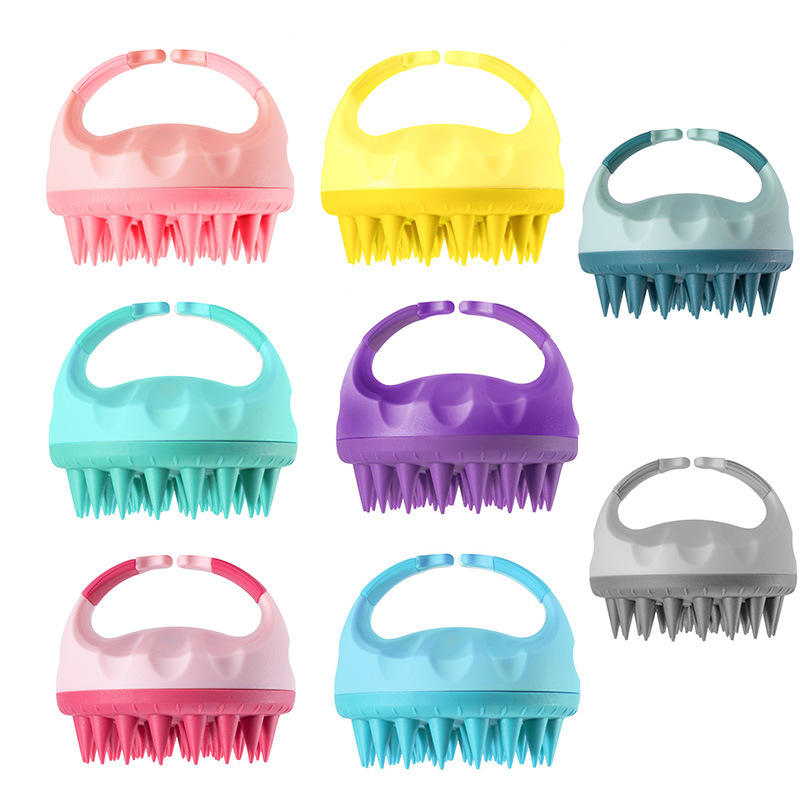
Silicone Scalp Massager Shampoo Brush Soft TPE ABS Teeth Hair Scrubber Head Massage Tool For Hair Growth Dandruff Removal For Men Women Kids Home Bathroom Use
$1.06
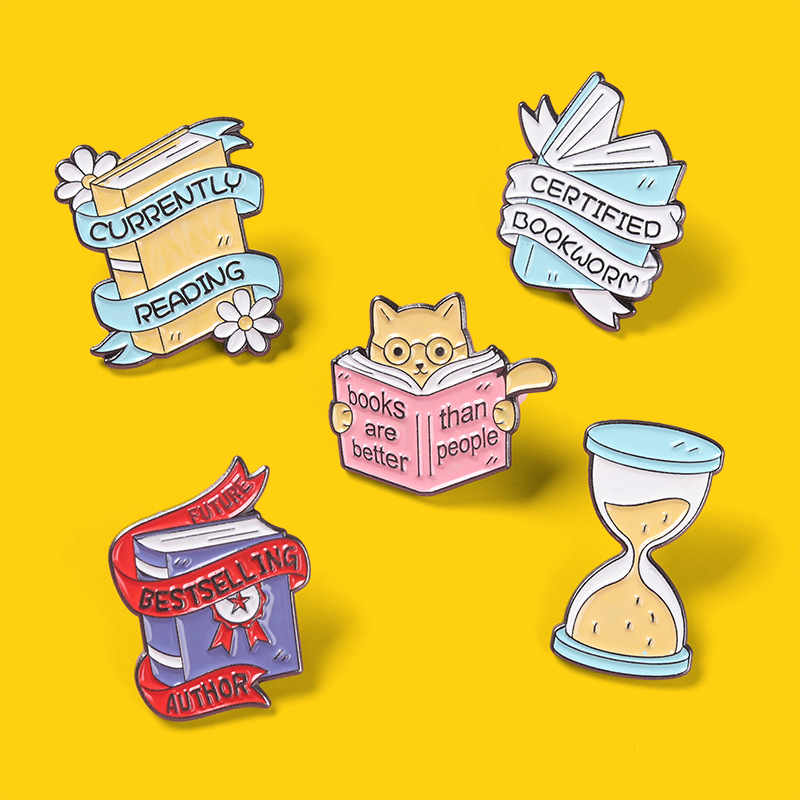
5Pcs Reading Theme Enamel Pin Set Alloy Books Cat Hourglass Brooches Currently Reading Certified Bookworm Future Author Badges For Bibliophiles Writers
$0.47
Bundles That Increase Average Order Value
Bundling growth-related products creates a thematic narrative that justifies a higher price point. Each bundle below addresses a specific buyer scenario and uses loan capital efficiently by upselling accessories with high margin.
Baby Growth Memory Kit
New parents documenting baby's first year want an all-in-one tracking solution. This bundle covers monthly milestones, height measurement, and photo storage.
- Nordic Style Children's Height Growth Charthero
- Baby Milestone Blanket Flannel Softupsell
- DIY Felt Photo Album Retro Scrapbookcomplement
Bundle at $29.99 vs. $39.97 separately — customer saves 25%, your profit per order increases by $4.
Scalp Health Starter Bundle
Men and women noticing thinning hair want to try natural growth aids without committing to expensive treatments. This kit includes tools for daily scalp care.
- Natural Sandalwood Scalp Massage Combhero
- 15ml Portable Scalp Applicator Liquid Guide Combcomplement
- Silicone Scalp Massager Shampoo Brushupsell
Bundle at $12.99 vs. $16.83 separately — higher margin because comb and brush cost under $1 each.
First Birthday Milestone Set
Parents planning a first birthday party want photo-worthy decorations that also track growth. This bundle covers the celebration and memory keeping.
- Baby First Birthday Photo Banner Paper Monthly Growthhero
- 12Pcs Baby Monthly Milestone Embroidery Iron On Patchesupsell
- Baby 1st Birthday Photo Banner 12 Months Growth Recordcomplement
Bundle at $8.99 vs. $11.75 separately — risk is low because both banners are lightweight and easy to store.