
Trend Report · May 13, 2026
Made-in-china.com vs Other Sourcing Platforms – What Actually Works for Jewelry Wholesalers in 2025
Compare made-in-china.com vs other platforms for jewelry wholesale. Actionable sourcing checklist covering supplier vetting, samples, MOQ, and hidden traps.
Made-in-china.com vs other sourcing platforms: what's actually worth using in 2025
If you're sourcing jewelry and accessories from China, the platform you choose can make or break your margins and timeline. Made-in-china.com, Alibaba, 1688, and niche alternatives all promise reliable suppliers, but the real differences show up in supplier quality, communication speed, sample policies, and pricing transparency. For a jewelry buyer—whether you're starting a Shopify store or stocking a pop-up—the wrong platform can mean dealing with slow replies, high MOQs, or inconsistent product quality.
In 2025, the landscape has shifted. Made-in-china.com has strengthened its verification badges and supplier response guarantees, making it a solid contender for first-time importers who want a balance between cost and reliability. Meanwhile, Alibaba remains the volume king but can be harder to navigate for smaller orders. The key insight from recent sourcing conversations is that product category matters significantly—jewelry, with its many subcategories (costume, bridal, men's, etc.), has better supplier options on platforms where factories specialize in small-batch, customizable work. This article provides a practical sourcing checklist to help you vet suppliers, order samples, and avoid common traps, all while keeping the made-in-china.com vs other platforms decision front and center.
Why platform choice is newly critical for jewelry sourcing
The rise of direct-to-consumer brands and fast-fashion cycles means jewelry buyers need faster sample turnaround and lower MOQs than ever. Made-in-china.com has responded by integrating sample-ordering workflows directly into supplier profiles, which cuts out the back-and-forth email stage. Other platforms like Alibaba still rely on chat-based negotiations, which can stall sample requests for days. For a category like jewelry—where design tweaks and color variations are common—the ability to get a physical sample within 7-10 days is a competitive advantage.
Moreover, the type of product you're sourcing dictates which platform performs best. Costume jewelry with high volume potential (e.g., basic chain necklaces or earring studs) tends to have competitive pricing on Alibaba because suppliers there optimize for bulk. But for specialty items like engraved bracelets or bridal hair accessories, made-in-china.com often surfaces smaller, more flexible manufacturers who are willing to do 50-100 piece MOQs with custom engraving. This makes the platform particularly attractive to new entrepreneurs who can't commit to 500-unit minimums. The profitability improvement comes from reducing dead stock—ordering smaller batches with faster sell-through, and only reordering what moves.
Who benefits most from this sourcing checklist
This checklist is built for buyers who are actively comparing sourcing platforms and need a structured way to evaluate suppliers across quality, communication, and pricing. It's especially relevant if you're trying to decide between made-in-china.com and Alibaba for your next jewelry order. The following profiles reflect common starting points:
Shopify seller
You need reliable suppliers who can do 50-200 piece MOQs with consistent quality for your online store. Platform vetting helps you avoid suppliers that ghost after first order.
First-time importer
You're new to importing and need clear sample policies, payment terms (e.g., T/T 30% deposit), and a supplier base that's used to small first orders. Made-in-china.com's verification badges reduce risk.
Established buyer
You already run a wholesale or retail operation and want to diversify suppliers across platforms. You're looking for better pricing on specific subcategories (e.g., stainless steel chains vs. sterling silver).
Sourcing Vetting Checklist – Made-in-china.com vs Other Platforms
Phase 1: Supplier Identification
✓ Search for your product category on both made-in-china.com and Alibaba. Compare at least 5 supplier profiles per platform.
Why: Different platforms surface different supplier types. For jewelry, made-in-china.com often shows smaller factories that handle customization.
✓ Check verification badges: Gold Supplier on Alibaba, Verified Manufacturer on made-in-china.com. Cross-reference with Trade Assurance if available.
Why: Verification badges indicate that a third party has checked the supplier's business license or factory. Not a guarantee, but a useful filter.
Phase 2: Sample Ordering
✓ Request samples from 2-3 shortlisted suppliers for the same product (e.g., product 518113). Ask for photos of the actual sample before shipping.
Why: Sample quality tells you about material consistency, plating finish, and assembly accuracy. It's your only physical reference.
✓ When ordering samples, use a courier account (FedEx/DHL) and ask for the sample cost to be deducted from your first bulk order.
Why: Many suppliers on made-in-china.com will deduct sample fees (up to $50) if you place a bulk order of 200+ pieces within 30 days.
Phase 3: Quality Control (QC)
✓ When you receive samples, test them for strength, finish, and any advertised material claims. For example, check if 'sterling silver' (product 134670) is hallmarked or leaves a green mark on skin.
Why: Plating quality and metal composition are the most frequent complaints in jewelry sourcing. A simple rub test (use a white cloth) can reveal cheap metal transfer.
✓ If ordering more than 200 pieces, hire a third-party inspection service (QIMA, SGS) to perform a random sampling at the supplier's warehouse before shipment.
Why: Inspectors check product dimensions, defects, packaging, and labeling. The cost (around $200-400) is worth avoiding a batch with a 5% defect rate.
Phase 4: Negotiation & Payment
✓ Negotiate payment terms: aim for 30% deposit, 70% after inspection and before shipment. Avoid 100% upfront.
Why: Holding back 70% until after inspection gives you leverage if quality is off. This is standard practice for made-in-china.com suppliers with Trade Assurance.
✓ Get a proforma invoice that includes: product description, unit price, MOQ, lead time, shipping terms (FOB or EXW), and defect policy (e.g., 3% acceptable defect rate, replacement for excess).
Why: Clear documentation prevents disputes. The defect policy is especially important for jewelry where plating inconsistencies are common.
Phase 5: Shipping & Logistics
✓ For first orders, use FOB (Free on Board) to control the shipping leg. Ask for the loading port (Shenzhen/Yiwu are common for jewelry).
Why: FOB gives you the ability to choose your own freight forwarder, often saving 10-15% on shipping costs compared to CIF.
✓ Get a shipping timeline in writing: production time + transport. For sea shipment from China to US west coast, budget 20-25 days total.
Why: Jewelry inventory can date quickly; knowing exact arrival time helps plan launch dates.
Actionable sourcing tactics for jewelry wholesalers
Once you've identified potential suppliers on made-in-china.com, the next step is turning those leads into deliverable inventory. The tactics below focus on the sourcing pipeline itself—from initial contact to freight booking. These apply whether you're ordering earrings for a shopify launch or bracelets for a flea market stall. Remember: every tactic comes with a specific risk that can eat into margins if not managed.
Use advanced filters: set 'verified manufacturer' and 'North America export experience'. For jewelry, narrow by 'custom logo' and 'small order accepted'.
⚠ Smaller factories may have inconsistent production capacity; one bad batch can delay your entire launch.
Always pay for samples separately via credit card (PayPal if possible). Request 2-3 variants per product (e.g., gold/silver options for product 518462). Compare side-by-side.
⚠ Suppliers may send 'gold plated' samples but ship 'gold tone' alloy in bulk. A 5% quality check is mandatory.
For orders under $2,000, do a self-inspection on a random 10% sample if volume is under 500 units. Over 500 units, pay a pre-shipment inspector ($250-400).
⚠ Inspector may miss subtle plating issues; ask for specific tests (e.g., rub test on chain clasps).
Use a freight forwarder with consolidated LCL options for small orders (2-5 CBM). Compare quotes from 3 forwarders before booking.
⚠ Customs clearance delays can trigger storage fees. Make sure your shipment has a commercial invoice with exact HS codes (code 7117 for costume jewelry).
For costume jewelry (HS 7117.19), US duty is 11% ad valorem. For precious metal jewelry (HS 7113), duty is 5.5%. Declare correctly to avoid penalties.
⚠ Under-declaring value can trigger audits and fines. Always use actual transaction value.
Trend-aligned products from DayJewel's catalog
The products below are examples of what a jewelry buyer might source after vetting suppliers on platforms like made-in-china.com. They span bridal, minimalist, men's, and statement styles—showing the range of subcategories where platform choice affects supplier options. Consider ordering samples of these across different suppliers to test quality.
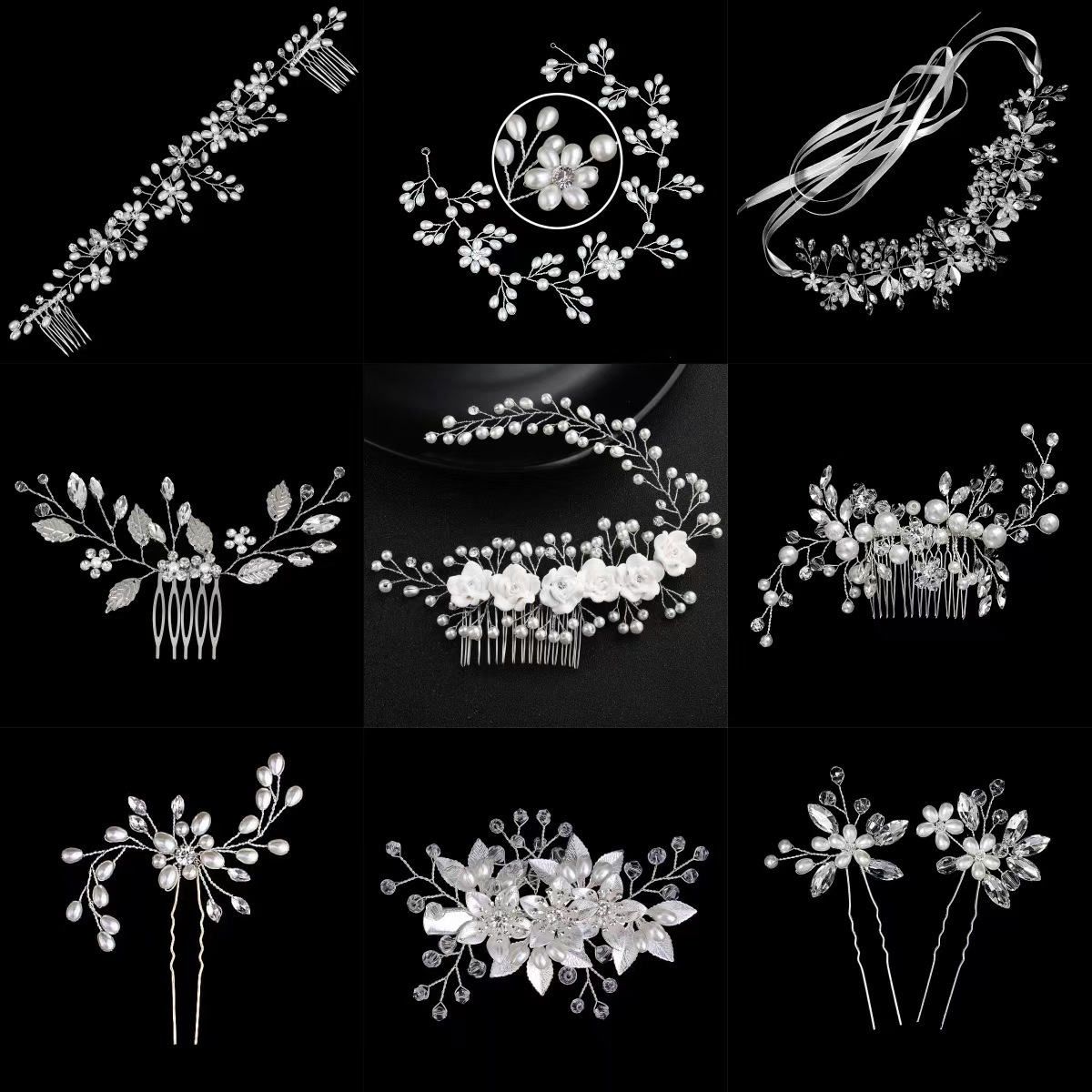
Handmade Bridal Hair Accessories Set Imitation Pearl Rhinestone Flower Leaf Hair Comb Clips Pins For Wedding Party Women Jewelry Elegant Vintage Headpieces
$0.55
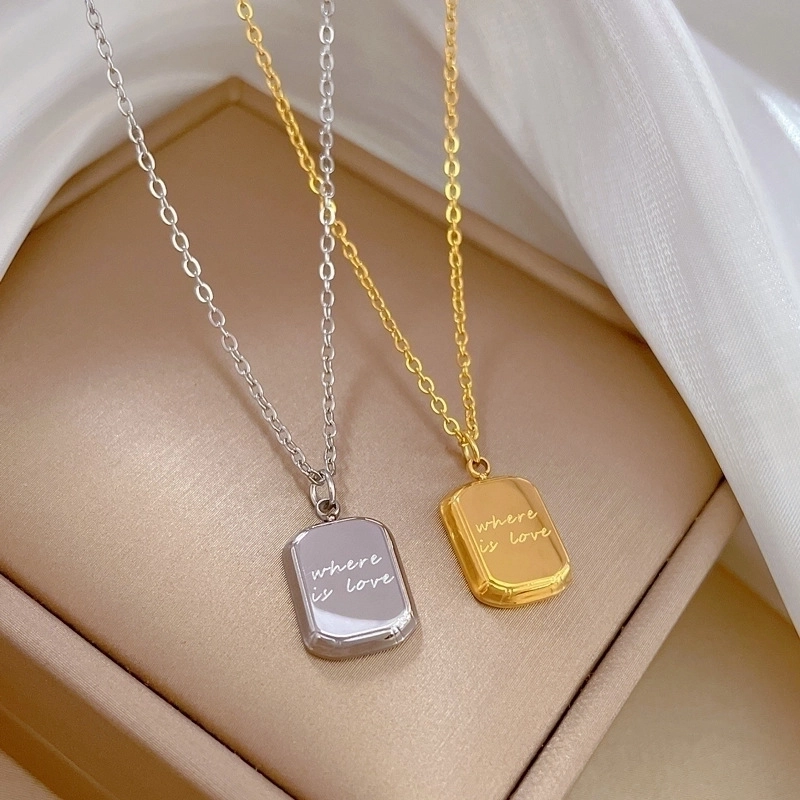
Titanium Steel Square Brick Pendant Necklace Gold Plated Where Is Love Engraved Minimalist Clavicle Chain For Women
$1.09
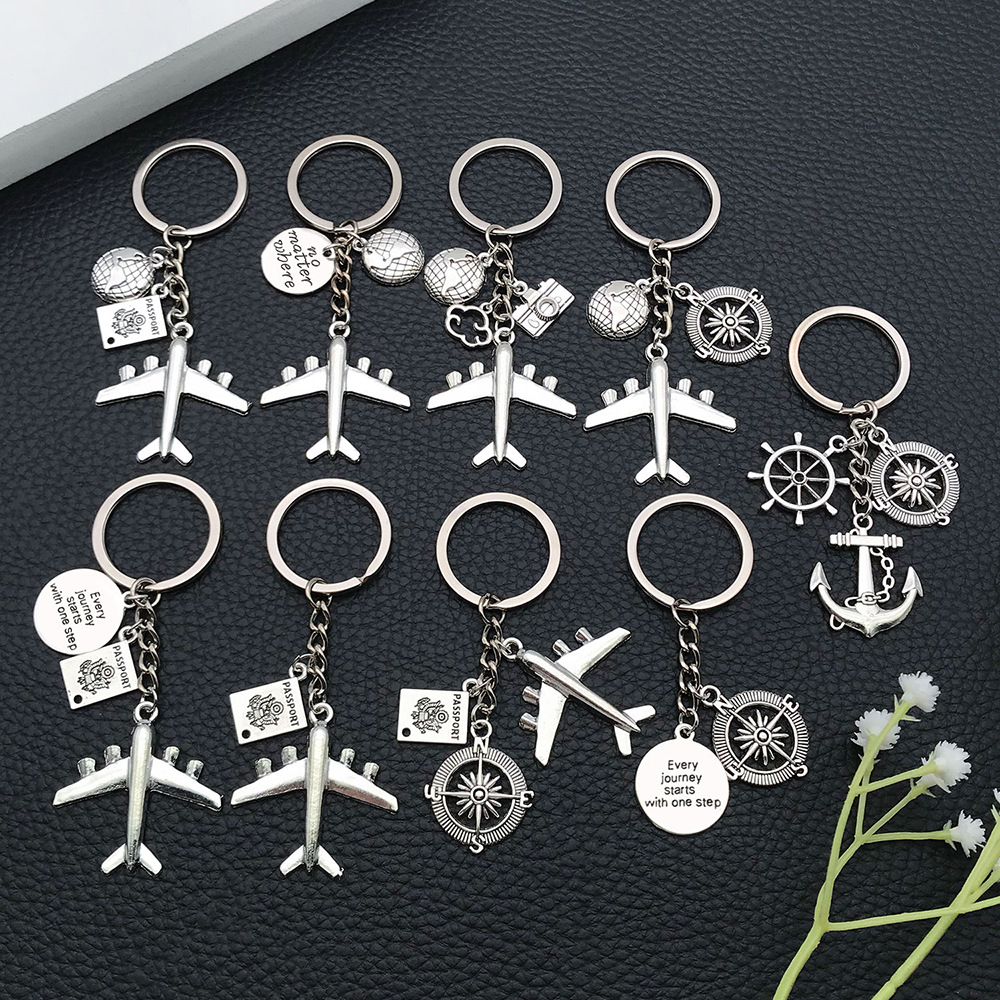
Antique Silver Zinc Alloy Travel Airplane Keychain With Globe Compass Passport Pendant No Matter Where Letter Tag For Travelers Backpack Decoration Key Ring
$0.28
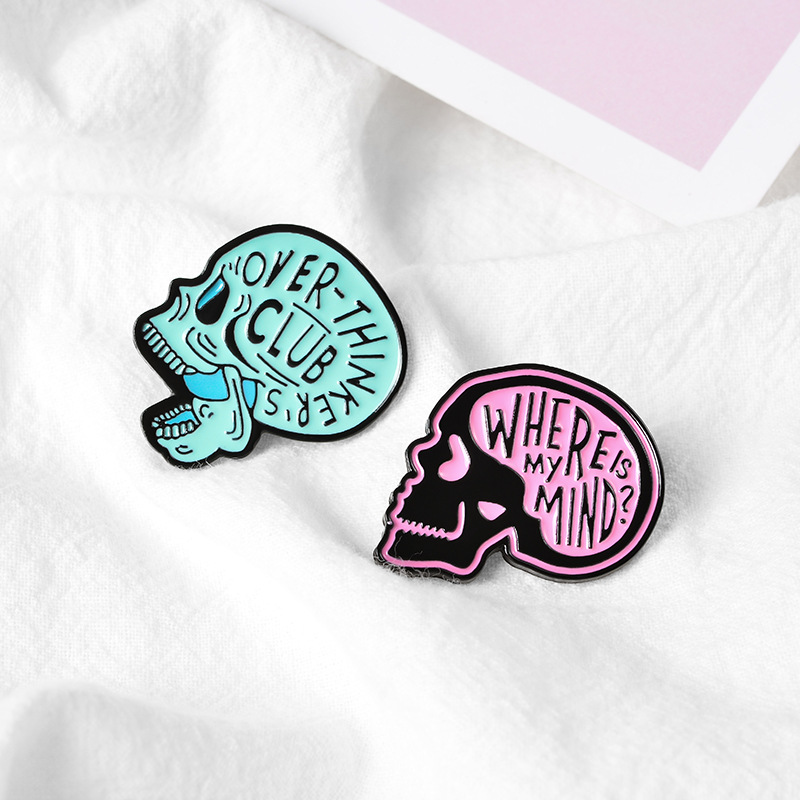
Punk Skull Enamel Brooch Pin Set Alloy Metal Letter Print Badges Over-Thinker's Club Where Is My Mind Accessories For Jackets Backpacks Unisex Jewelry
$0.52
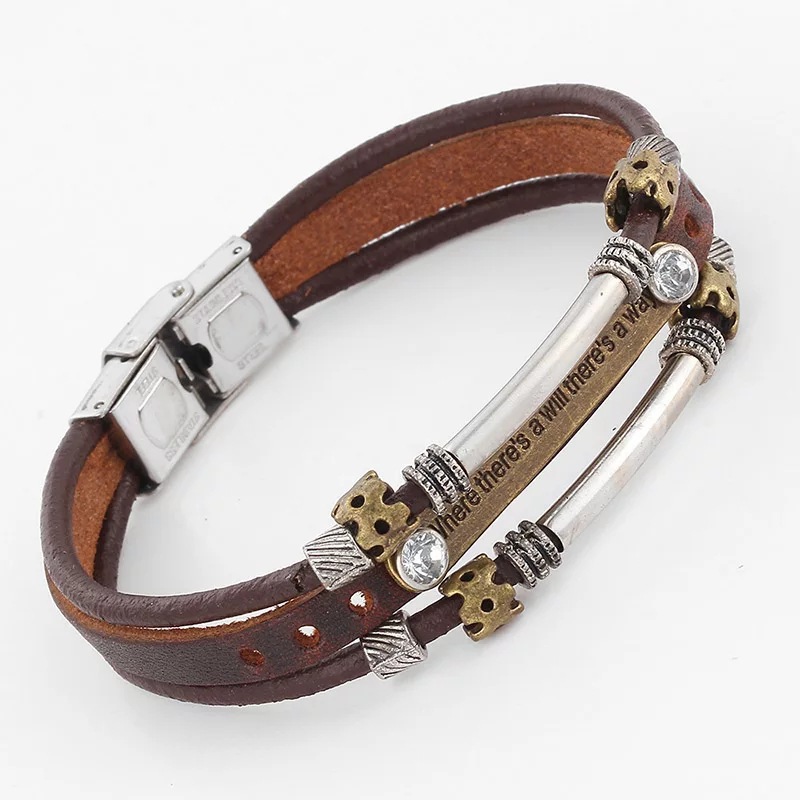
Multilayer Leather Bracelet Engraved Inspirational Quote Genuine Cowhide Alloy Retro Punk Vintage Jewelry For Men Women
$1.28
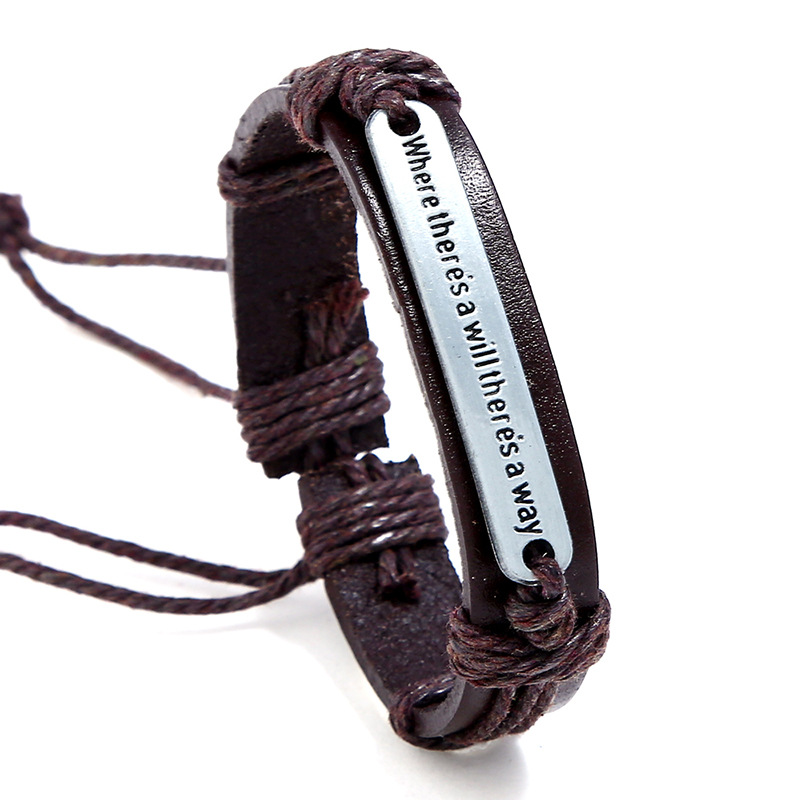
Vintage Woven Cowhide Leather Bracelet With Engraved Quote Metal Plate Where There's A Will There's A Way Adjustable Braided Hemp Rope Alloy Jewelry For Men Women
$0.47
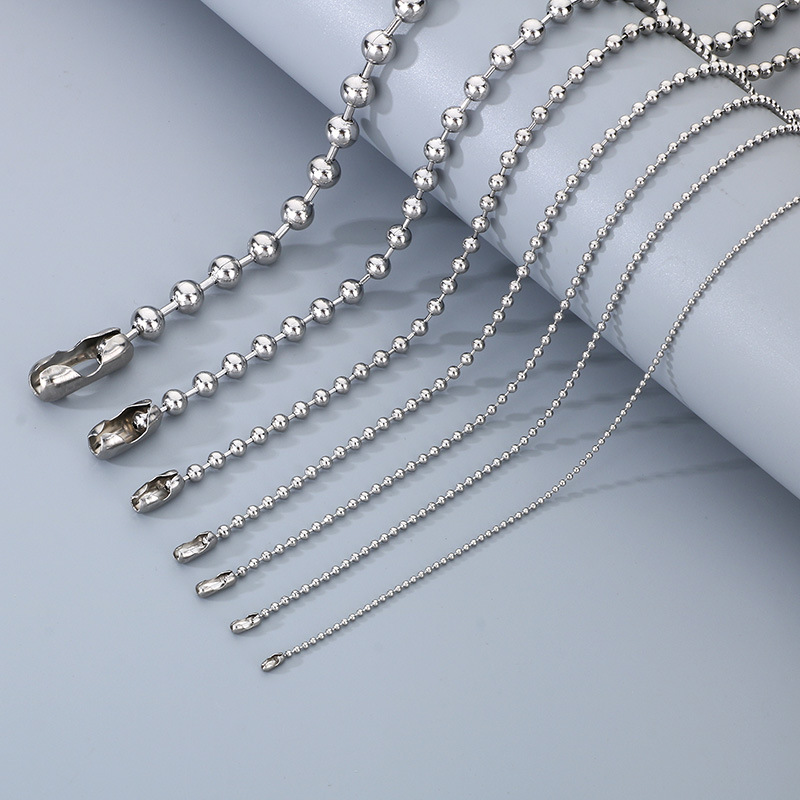
Minimalist Silver Stainless Steel Ball Chain Necklace For Men Women Unisex Basic Bead Chain Jewelry Accessory Multi Length Options
$0.60
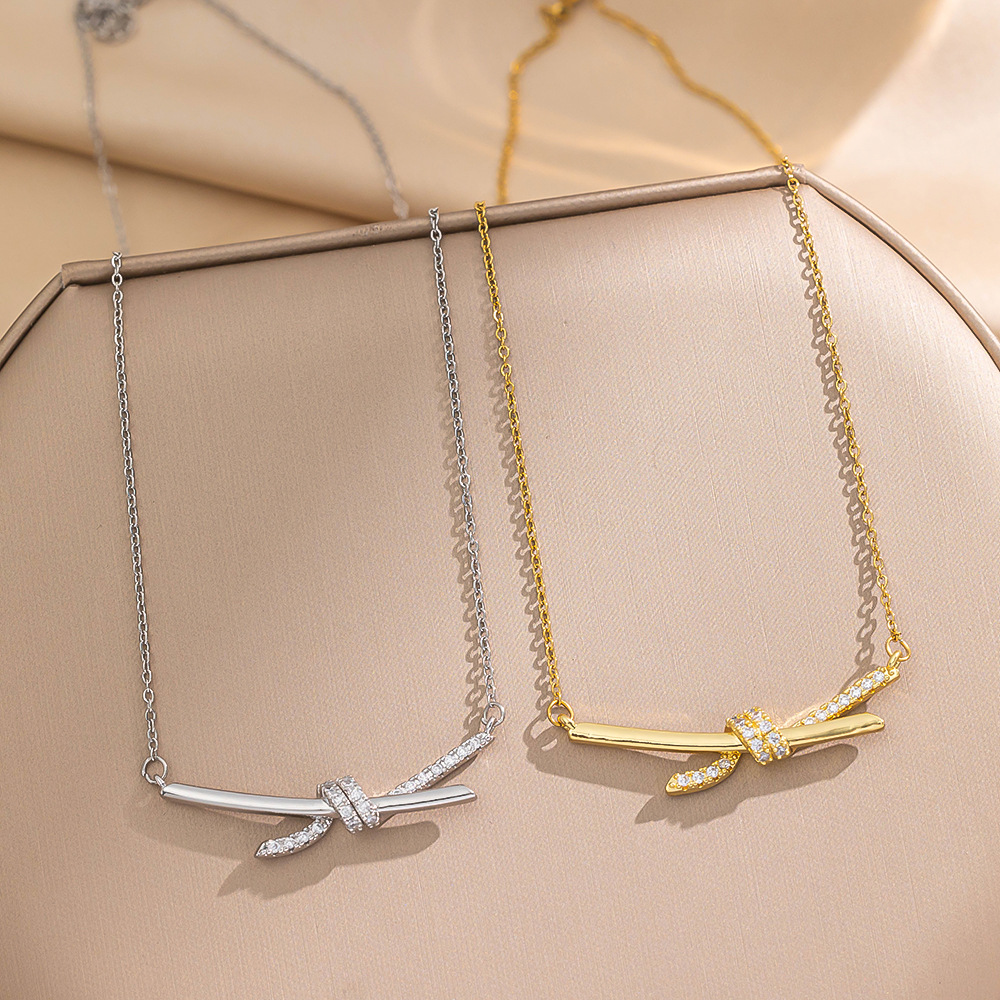
Minimalist Knot Design Stainless Steel Pendant Necklace With Sparkling Zirconia For Women Elegant Luxury Jewelry Gift Gold Silver Options
$1.37
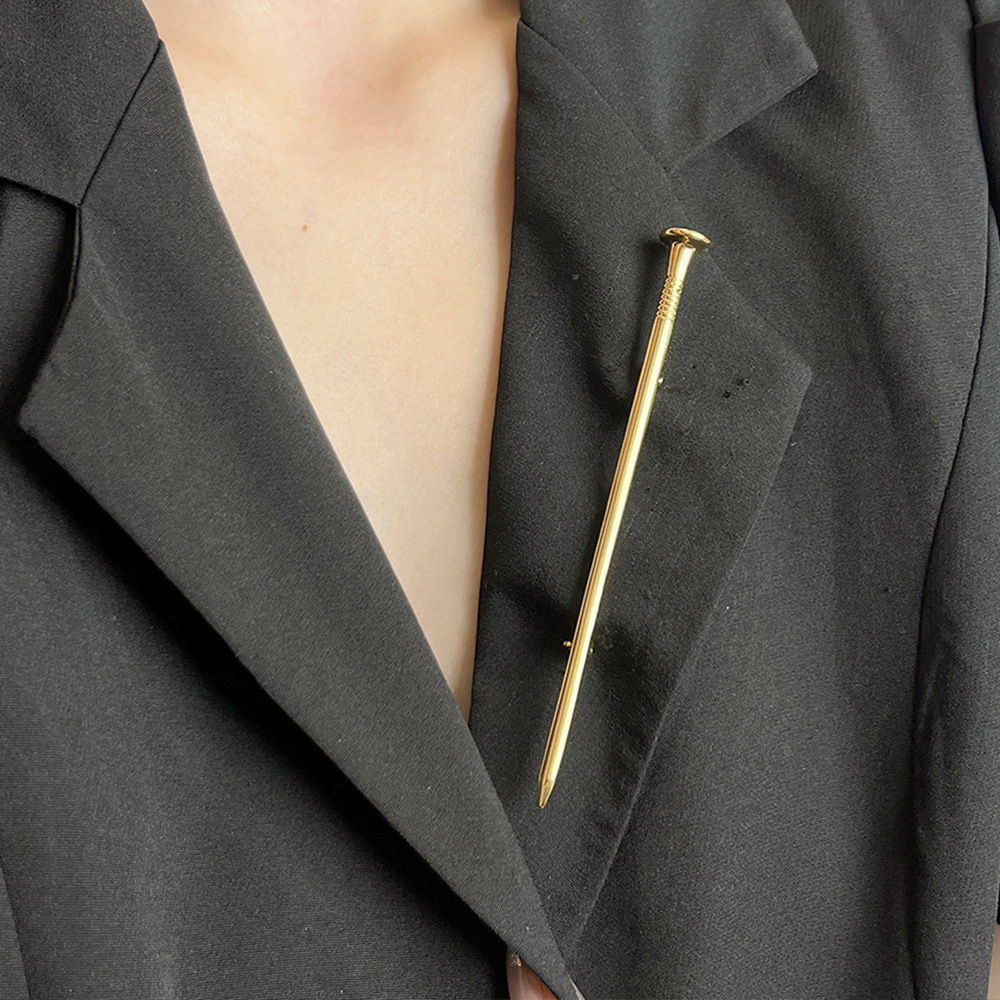
Fashion Women's Nail Shape Brooch Minimalist Alloy Electroplated Metal Pin For Suit Jacket Cardigan Decorative Jewelry Gift Gold Silver Options
$1.83
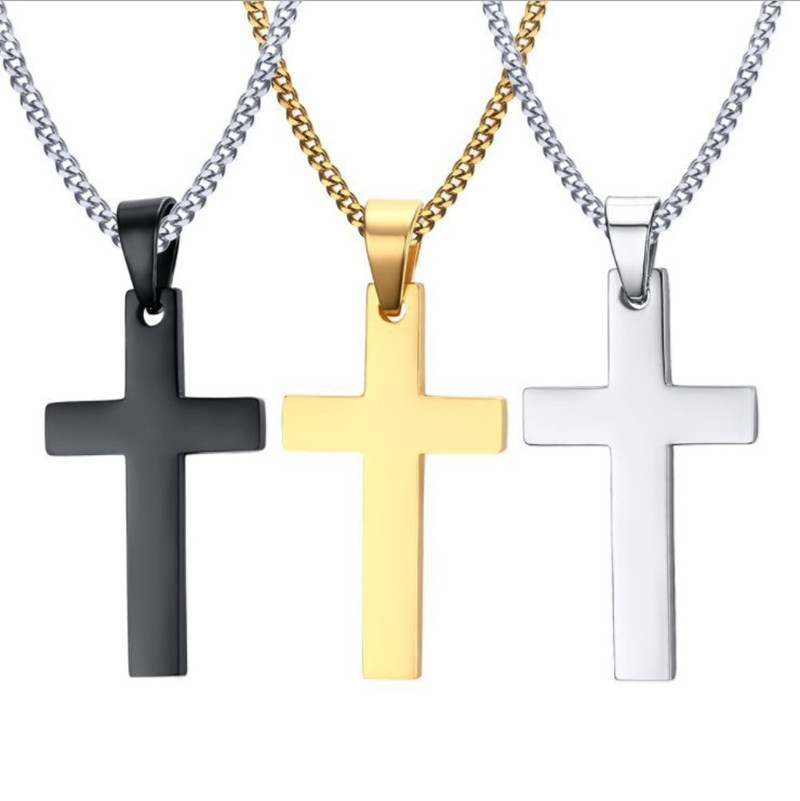
Classic Alloy Cross Pendant Necklace With 45+5CM Link Chain For Men Women Minimalist Christian Jewelry Black Gold Silver Options
$0.31
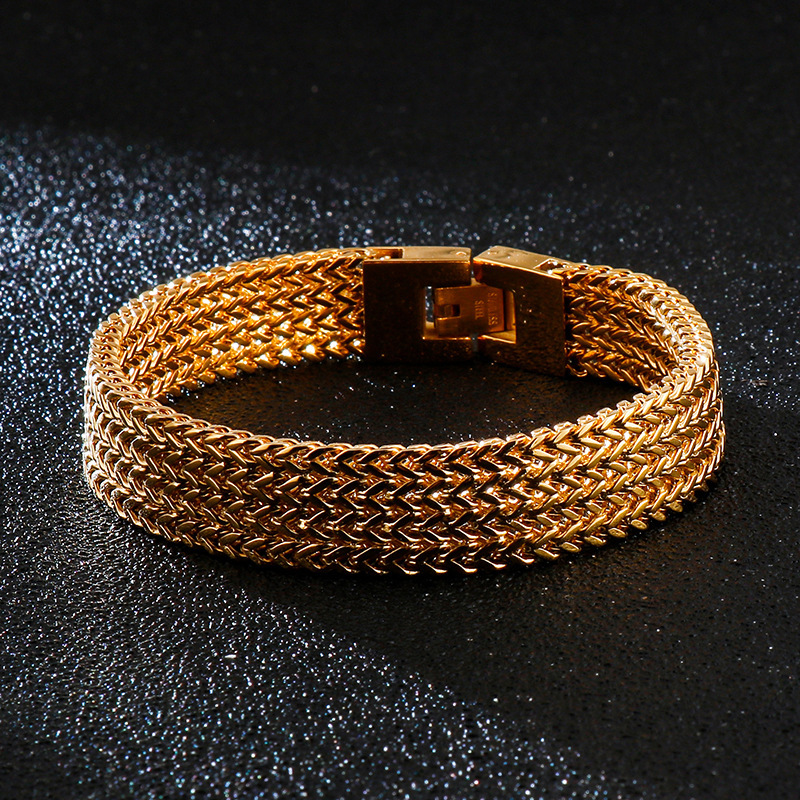
Men's Braided Stainless Steel Bracelet Industrial Fashion Wheat Chain Wristband With Fold-over Clasp Gold Silver Black Gunmetal Options Jewelry
$6.27
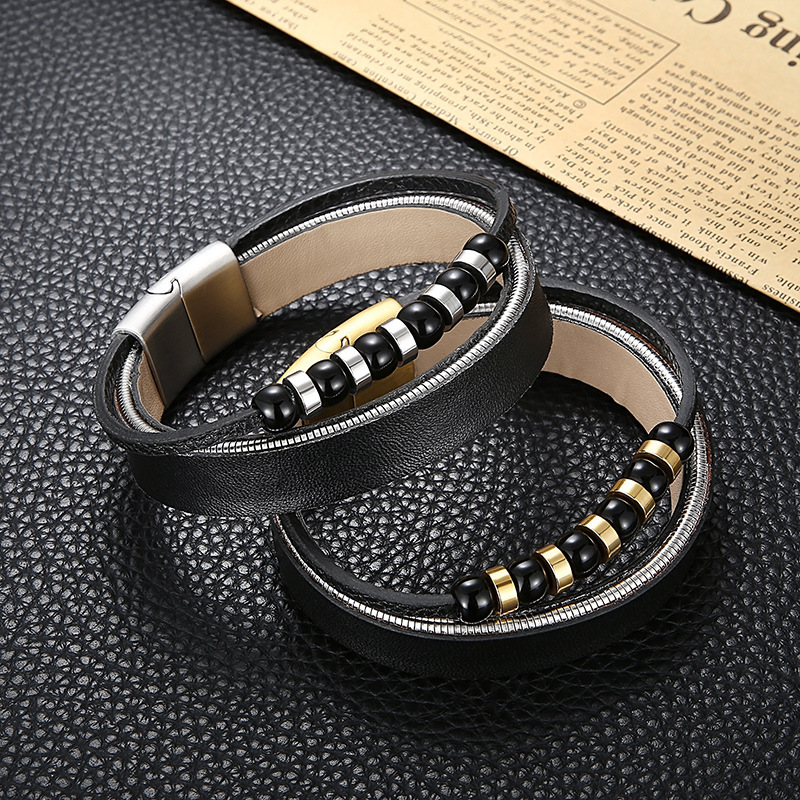
Fashion Multilayer Braided Leather Bracelet With Stainless Steel Magnetic Clasp And Black Beads Casual Men Jewelry Gift Gold Silver Options
$6.99
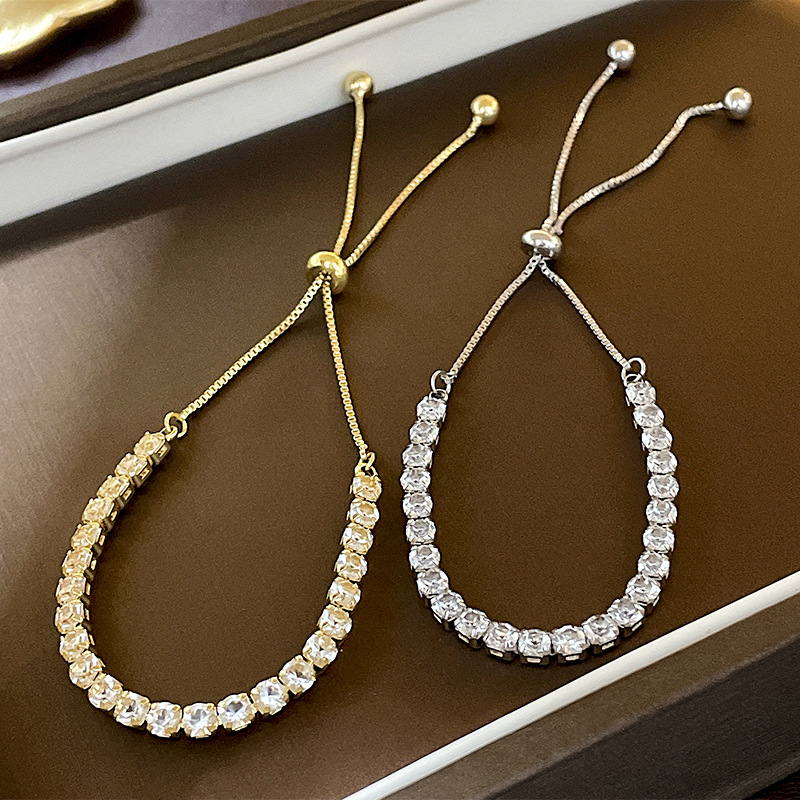
Sparkling Zirconia Tennis Bracelet Adjustable Copper Bolo Chain Bracelet For Women Elegant Party Daily Jewelry Gift Gold Silver Options Jewelry
$1.44
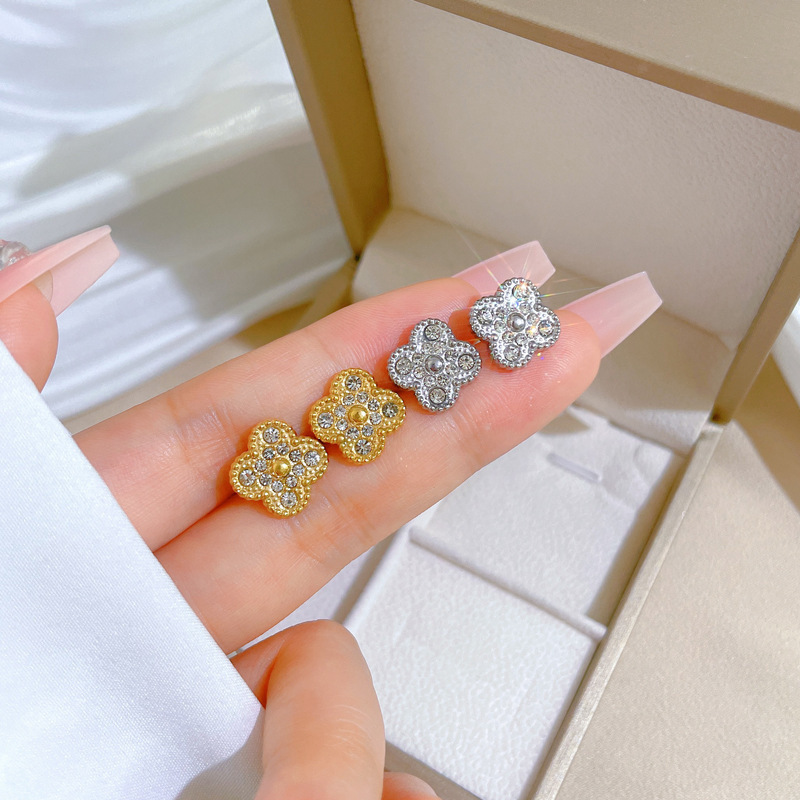
Elegant Clover Zirconia Stud Earrings Stainless Steel Micro-pave Luxury Design For Women Daily Party Wedding Jewelry Gold Silver Options
$1.16
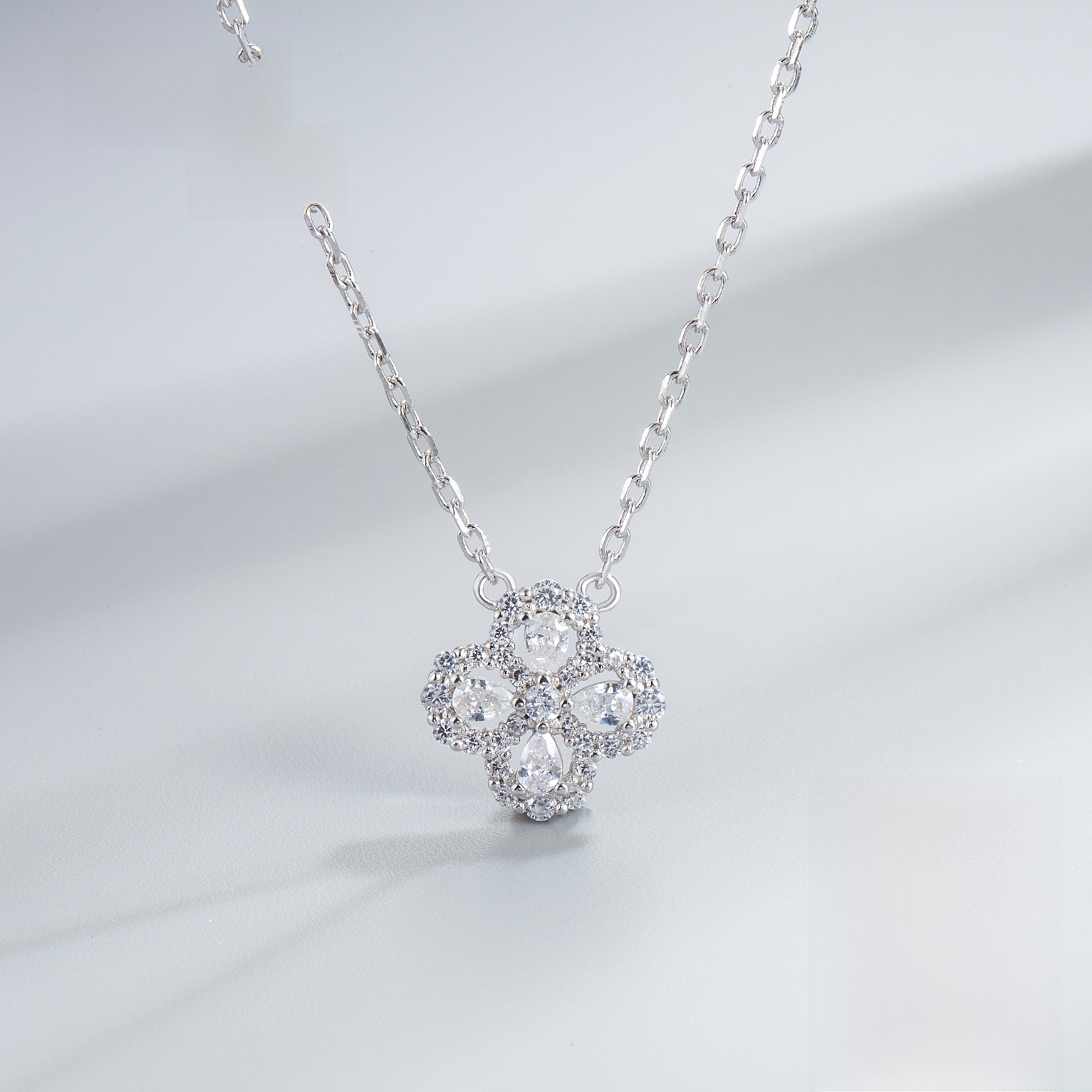
S925 Sterling Silver Clover Pendant Necklace Elegant Sparkling Zirconia Flower Design Necklaces for Women Daily Jewelry Gift Gold Silver Options
$15.48
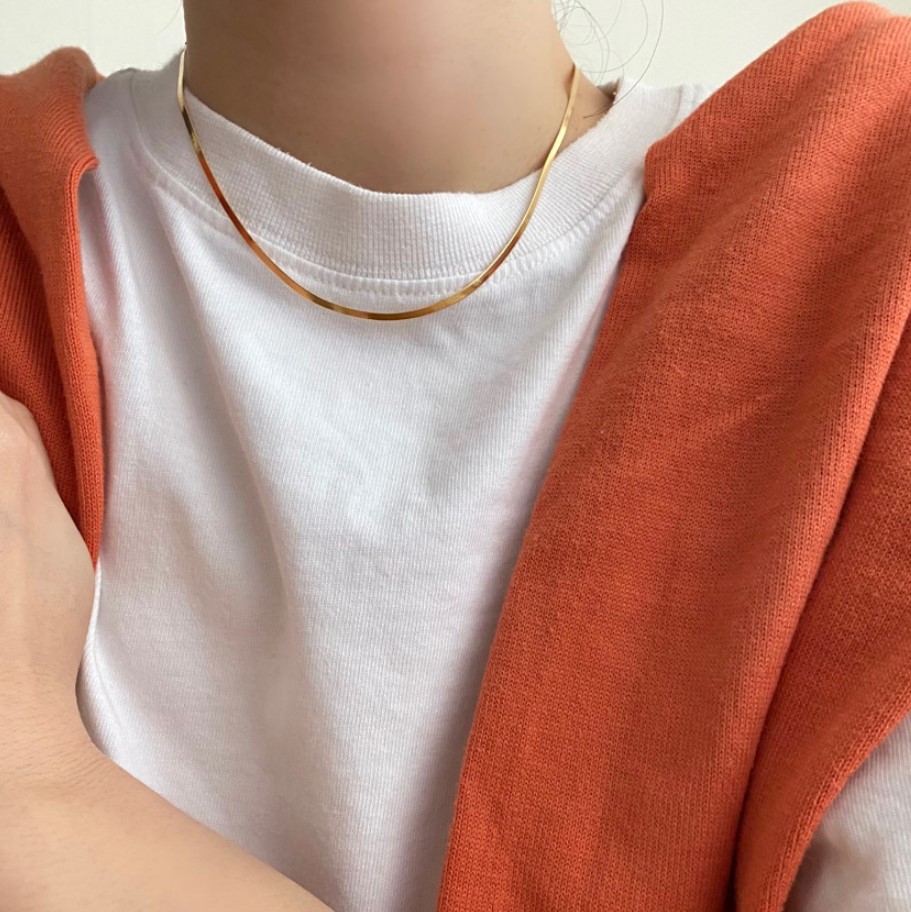
925 Sterling Silver Flat Snake Chain Necklace Herringbone Choker For Women Elegant Minimalist Commute Jewelry 18K Gold Plated Silver Options
$33.57
Curated bundles for first-time buyers
Bundling helps you test multiple supplier types in a single order. Each bundle here is designed around a specific sales scenario—shopify store launch, seasonal wedding stock, or men's accessories expansion. They also help you hit MOQ thresholds more easily when dealing with made-in-china.com suppliers who may have per-product minimums.
Starter Women's Jewelry Bundle
First-time Shopify buyer launching a women's accessories line with 3-4 SKUs to test market.
- Minimalist Silver Stainless Steel Ball Chain Necklacehero
- Elegant Clover Zirconia Stud Earringscomplement
- Classic Alloy Cross Pendant Necklaceupsell
Bundle at ~$2.20 vs $2.63 separately (saves $0.43). Good for testing price sensitivity.
Bridal & Special Occasion Bundle
Event-based seller preparing for wedding season. Products that work as bridal party gifts.
- Handmade Bridal Hair Accessories Sethero
- S925 Sterling Silver Clover Pendant Necklaceupsell
- 925 Sterling Silver Flat Snake Chain Necklacecomplement
Separate total $49.60, bundle at $45.00. High perceived value but verify sterling silver quality via sample.
Men's & Unisex Gift Bundle
Buyer expanding into men's jewelry for a pop-up or Etsy store.
- Men's Braided Stainless Steel Bracelethero
- Fashion Multilayer Braided Leather Braceletcomplement
- Titanium Steel Square Brick Pendant Necklaceupsell
Separate total $14.97, bundle at $13.50. Risk: leather bracelet may have inconsistent clasp quality across suppliers.