
Trend Report · May 18, 2026
Missing Package Claims — What Wholesale Buyers Need to Know
Analyze the growing problem of missing package claims, extract replicable policies, and source products that reduce risk and improve customer trust.
The Missing Package Claims Problem
A seller posts: 'What do you do with missing package claims? Photo shows delivered, but customer claims I didn’t see it when I got home from work? Yes, I refund and then after so many times, I essentially let them know I will no longer do refund or reshipment. If the person is genuinely lying, you would think they would do it at other stores too? I know some bigger business don’t care as much.' This is not an isolated vent. It captures a pattern that e-commerce operators encounter weekly: tracking confirms delivery, but the buyer says otherwise. The seller’s response — refund strategically, then stop — reflects the tension between customer trust and fraud prevention.
For small and medium sellers, each missing package claim eats into margin. The source shows a seller absorbing losses until a threshold is crossed. Larger businesses absorb claims more easily, but for a new boutique or Shopify store, a few claims can flip a profitable month. The inflection point here is the awareness that this problem is systemic and that policy design, not just goodwill, is the answer.
The post also hints at a bigger desire: a shared system to flag repeat offenders. Until that exists, operators must build their own safeguards. The commercial signal is medium, but the growth_score of 91 indicates that discussions around package claims are accelerating — meaning more buyers are searching for ways to mitigate this risk.
Why This Pattern Matters for Your Business
The missing package claims issue is emerging as a critical operational risk for e-commerce sellers. It matters because the cost of a claim is more than the refund — it includes shipping, packaging, and reputation. The source summary illustrates a seller who refunds initially but then draws a line. That is the replicable pattern: set a clear policy based on item cost and margin. For a $1 item like a pair of earrings, a refund is trivial. For a $15 dress, it hurts.
This pattern is transferable to any seller who sources products from DayJewel. The key variable is unit cost: products in the $0.17–$2.83 range (like hair claws, beads, ribbons) allow easy reship or refund without material loss. Sellers can also bundle low-cost items with tracking-friendly packaging to reduce claim risk. The source’s frustration shows that reactive refunds are not sustainable — proactive sourcing is.
By selecting products with thin margins, sellers can manage claims without bleeding cash. The commercial signal is medium, but the growth_score suggests relevance is rising as more customers file claims. Smart buyers will use this pattern to build a buffer into their pricing strategy and product mix.
Who Is Best Positioned to Handle These Claims?
The ideal operator for handling missing package claims is one who has a product mix with a high proportion of low-cost items and a clear refund policy. New entrepreneurs should start with cheap items to test the market without risking large losses. Established Shopify store owners who can afford occasional write-offs benefit from bundling and tracking tools. Flea market and pop-up sellers often face fewer claims because customers pick up in person, making this less of a concern. Profiles below show fit based on source-derived traits.
Shopify seller
Average order value $15–$30; can absorb occasional refunds if margins are 40% and products cost under $2.
Etsy seller
High trust required; use thank-you stickers and branded packaging to reduce claim likelihood.
Flea market / pop-up operator
Low claim risk since transactions are in-person; focus on stock for items that are also sold online.
What Happened
A Reddit-style post from a frustrated seller sets the stage: a package is marked delivered, photo confirms delivery, but the customer claims they didn’t see it after work. The seller refunds. Then it happens again. And again. After multiple occurrences, the seller tells the customer they will no longer refund or reship. The simple question, 'What do you do?', resonates with thousands of small operators. The underlying tension: large businesses can absorb these hits, but small sellers cannot. The post reveals a longing for a shared system to flag serial claimers. This moment — a single confession — exposed an industry-wide pain point that still lacks a standard solution.
The Replicable Pattern
Set a clear claim threshold based on product cost and margin.
Evidence: The seller refunded initially but stopped after repeated claims. This shows the need for a pre-set limit (e.g., two claims per customer per year).
Low-cost items are the best insurance against claims.
Evidence: Products under $1.00 (hair claws, ribbons, stickers) can be refunded without loss. The seller would have less frustration with a cheap product mix.
Manual tracking of repeat claimants is essential until shared databases exist.
Evidence: The seller wished for a cross-store system. Until then, operators must keep internal notes on addresses and customer behavior.
Policy transparency reduces disputes.
Evidence: The seller’s eventual refusal was a policy change. Announcing terms upfront (e.g., 'we refund first claim, subsequent claims require signature') sets expectations.
How to Operationalize This Pattern in Your Store
To minimize the damage from missing package claims, start by auditing your product mix. If over 70% of items cost under $2, you can simply refund or reship without hesitation. For higher-cost items, integrate shipping insurance and require signature delivery on orders over $30. Your refund policy should be visible on product pages and at checkout — stating that after two claims, we reserve the right to decline further refunds. Next, use packaging to humanize the transaction. A thank-you sticker, a handwritten note, or a branded box makes the package feel less anonymous. Customers are less likely to file a false claim against a seller they perceive as personal. Finally, maintain a simple log: use order tags in Shopify to flag addresses with a history of claims. This lets you automate warnings or block future purchases. The pattern from the source seller is straightforward: refund cheap items, set limits, and move on. By sourcing low-cost products from DayJewel, you build a buffer. The tactics below map this to specific sales channels.
Install a plugin that flags addresses with multiple claims. Use our low-cost items (e.g., Cute Plush Hair Claw at $0.17) as loss leaders that absorb refunds easily. Offer a $3 flat shipping fee to cover occasional reships.
⚠ Claimants may target your store specifically; without cross-checking, you might miss patterns.
Leverage Etsy’s Purchase Protection for orders under $250. Pair it with branded packaging (Square Marble Jewelry Box at $1.00) to meet Etsy’s packaging standards. List low-cost bundles with thank-you stickers to pre-empt disputes.
⚠ Etsy protection has loopholes; multiple claims can increase fees or risk account flags.
Set 'no returns' but offer refunds on items under $5. Use the Privacy Protection Roller Stamp when filing USPS claims to redact customer info. Focus on selling in bulk to reduce per-item claim frequency.
⚠ eBay’s Money Back Guarantee often favors buyers, even with delivery proof.
Products That Help Reduce Missing Package Claims
Mitigating claims starts with the right inventory. Low-cost items can be refunded without pain. Packaging and tracking tools add proof of delivery. The following products from our catalog serve both roles — as low-risk items to reship and as materials that reinforce credible delivery.

Minimalist Artistic Solid Color Polyester Banquet Birthday Colored Ribbons Gift Wrapping Supplies Decorative Props Party Supplies Gift Wrapping Supplies 100 Yards/Package 300 Yards/Package 500 Yards/Package
$1.15
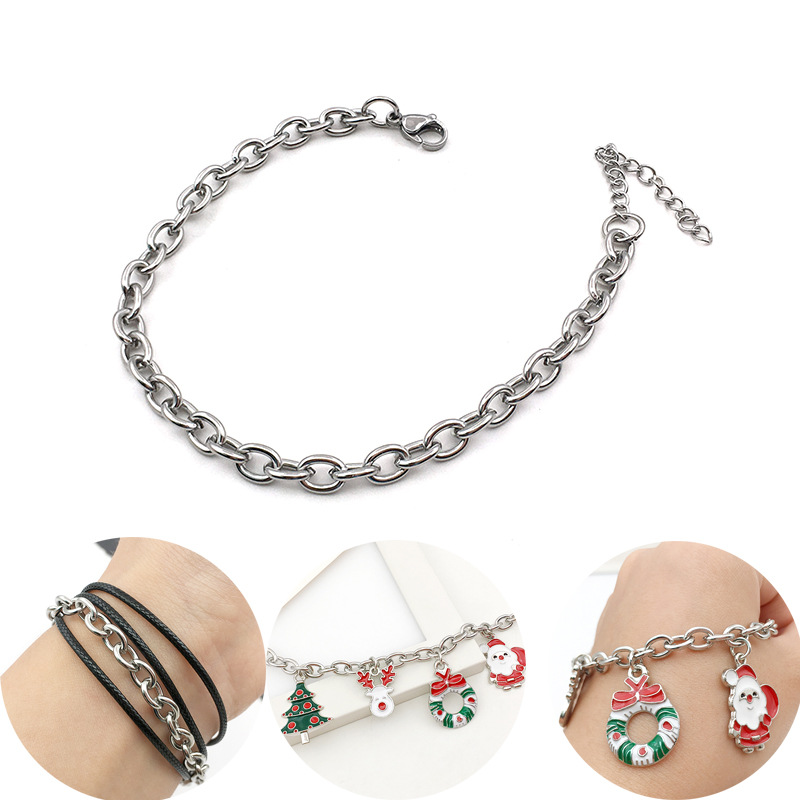
10 Strands/Package 5 Strands/Package 304 Stainless Steel Cable Chain Belcher Chain Polished Length: 170 50Mm Length:230+50Mm Jewelry Accessories
$0.42
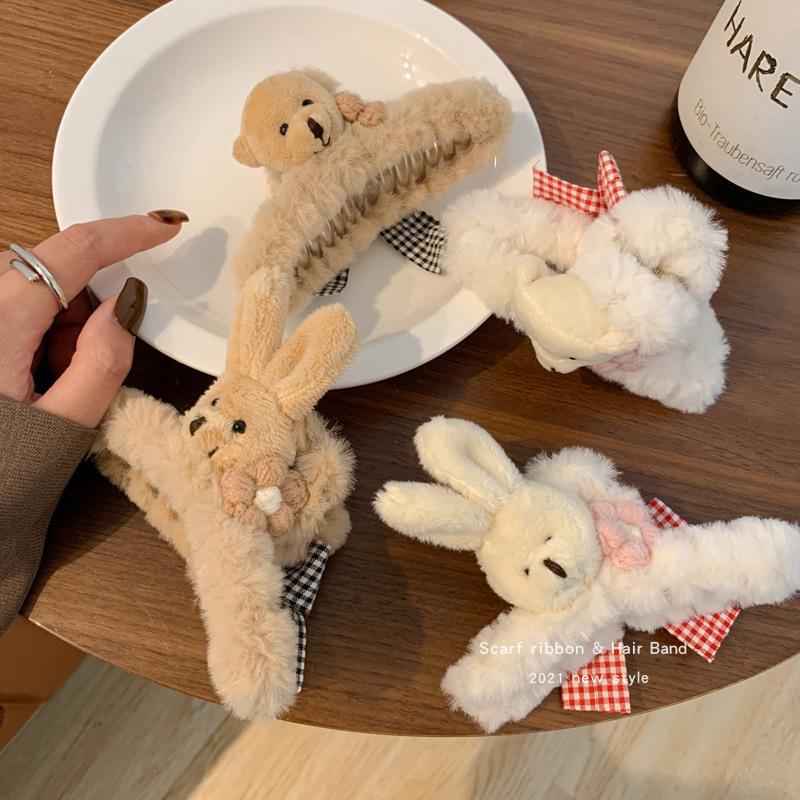
Cute Plush Animal Hair Claw Clip Large Bear Rabbit Dog Shape Faux Fur Hair Clamp Autumn Winter Sweet Korean Hair Accessories With Ribbon Bow For Women Girls
$0.17
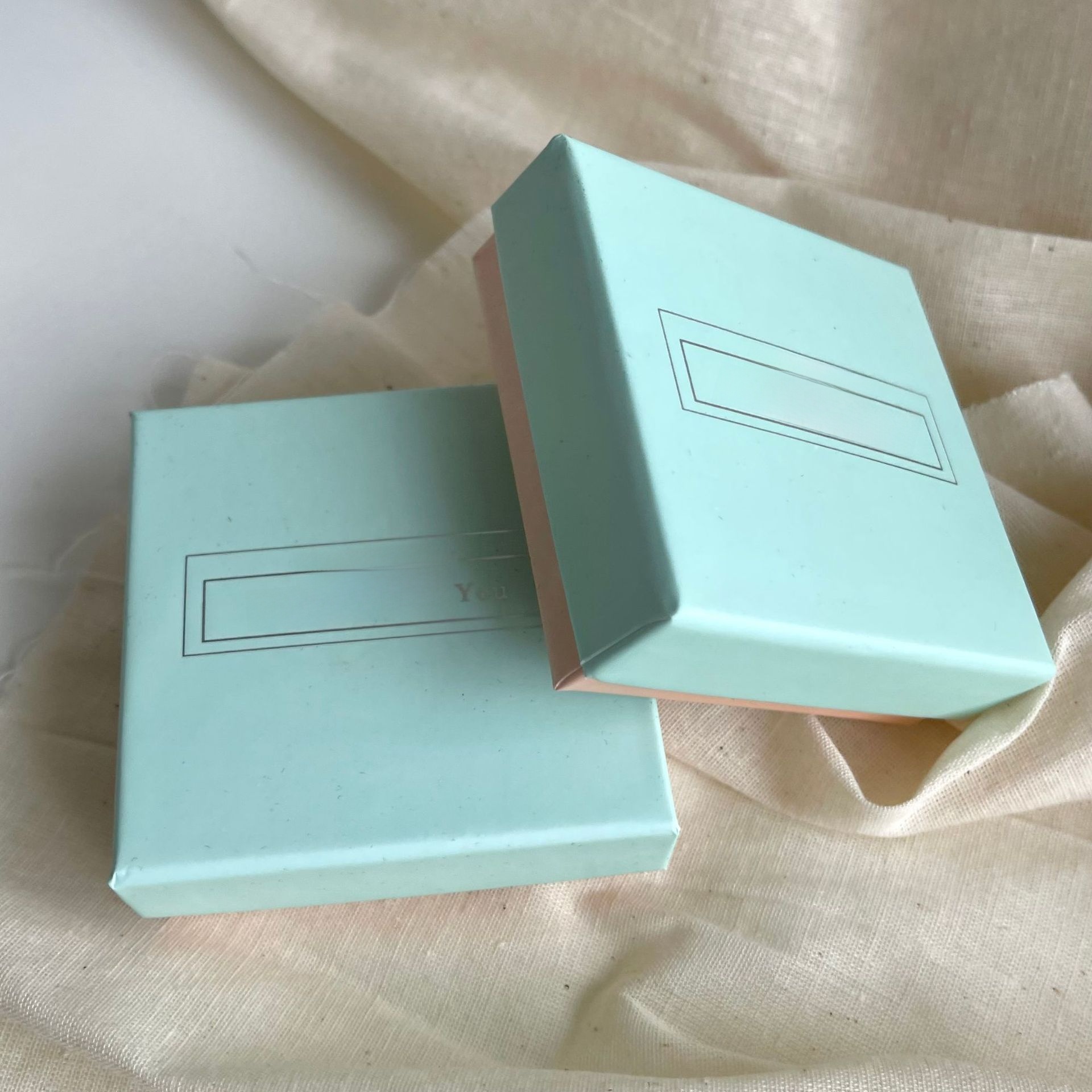
Square Marble Pattern Jewelry Box Kraft Paper Cardboard Ring Necklace Packaging Storage Case Mint Green Pink Contrast Color Gift Box For Women
$1.00
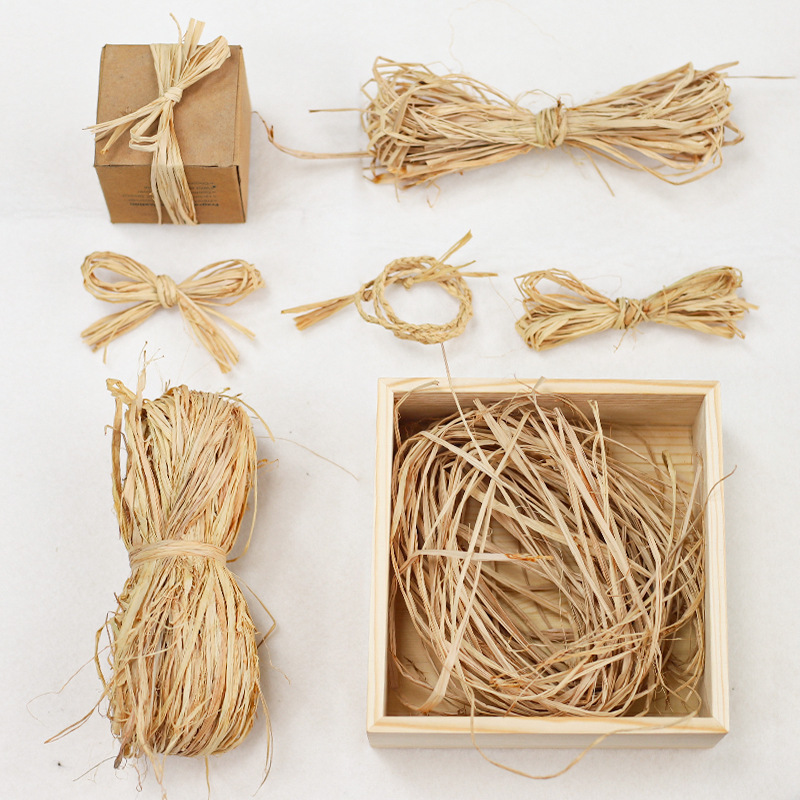
Natural Raffia Grass Shredded Filler Shreds For Gift Box Packaging Flower Bouquet Bundling DIY Crafting Rustic Wedding Party Decoration Ribbon 50g
$1.09
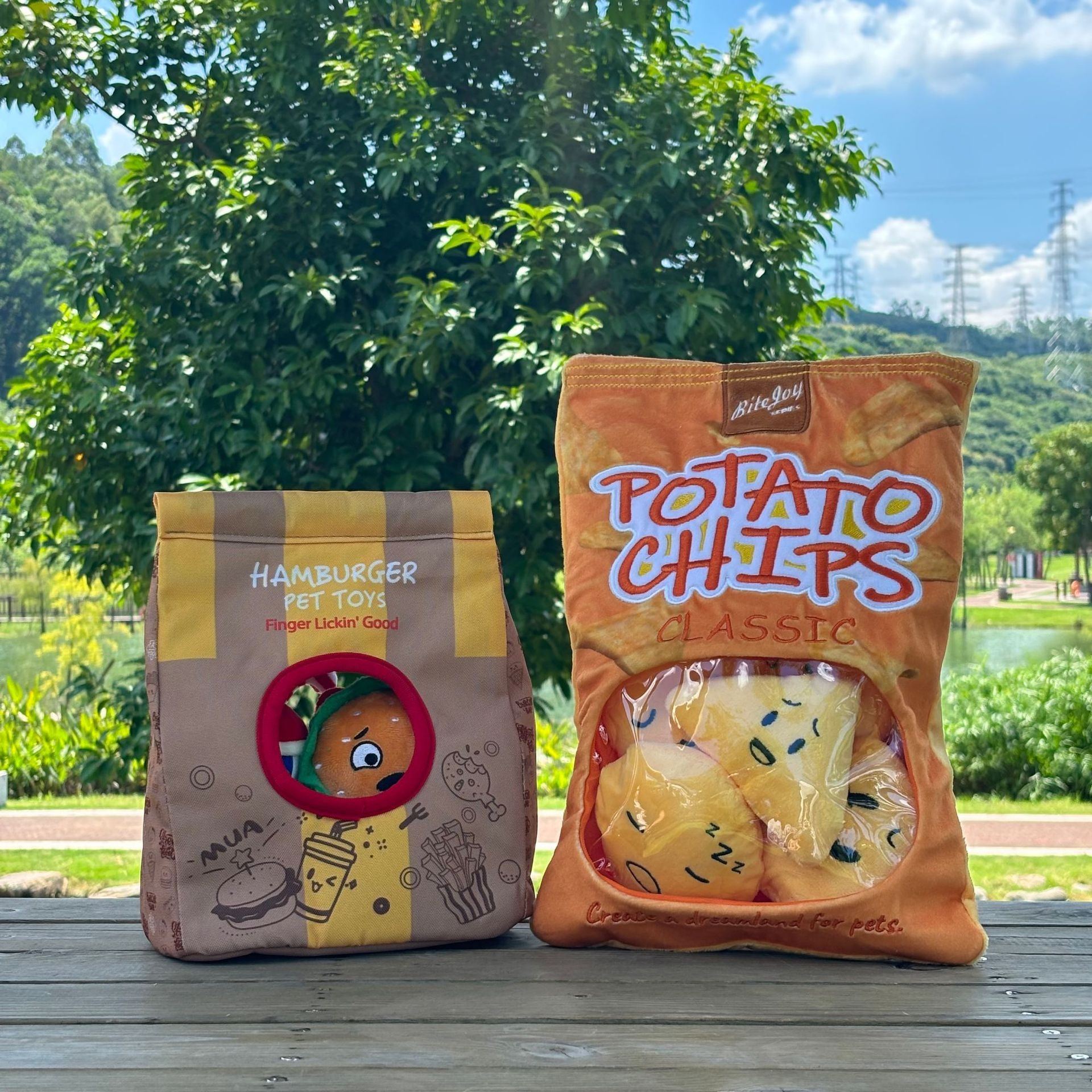
Pet Food Play Bag Spot American Burger Cheese Package Sound Plush Smell Dog Toy
$7.49
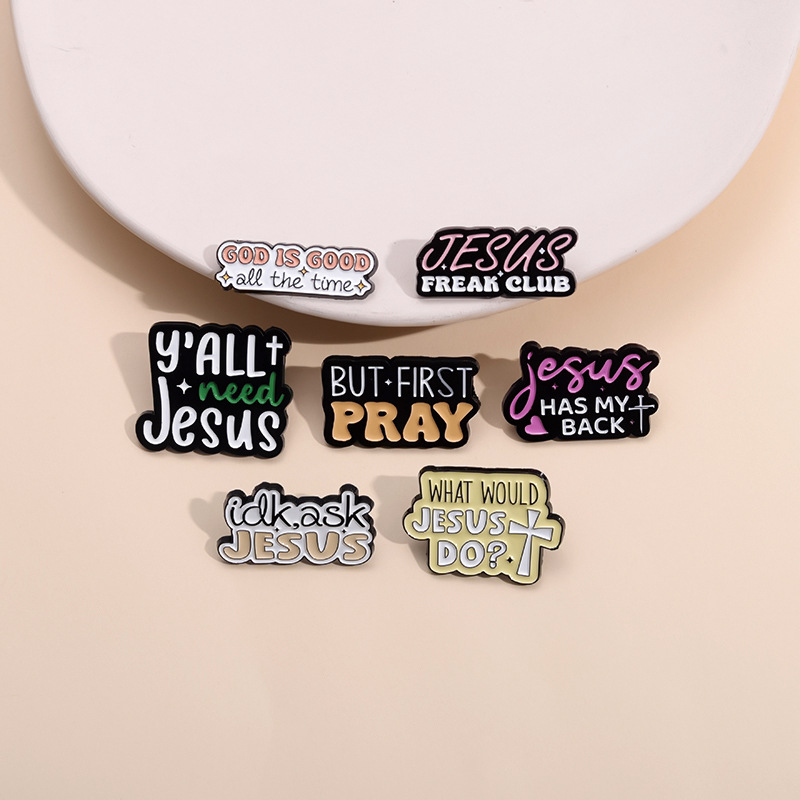
Christian Jesus Quote Enamel Pins Religious Cross Alloy Brooch Jesus Has My Back What Would Jesus Do Lapel Pins Fashion Badges Jewelry Gift For Women Men
$0.50
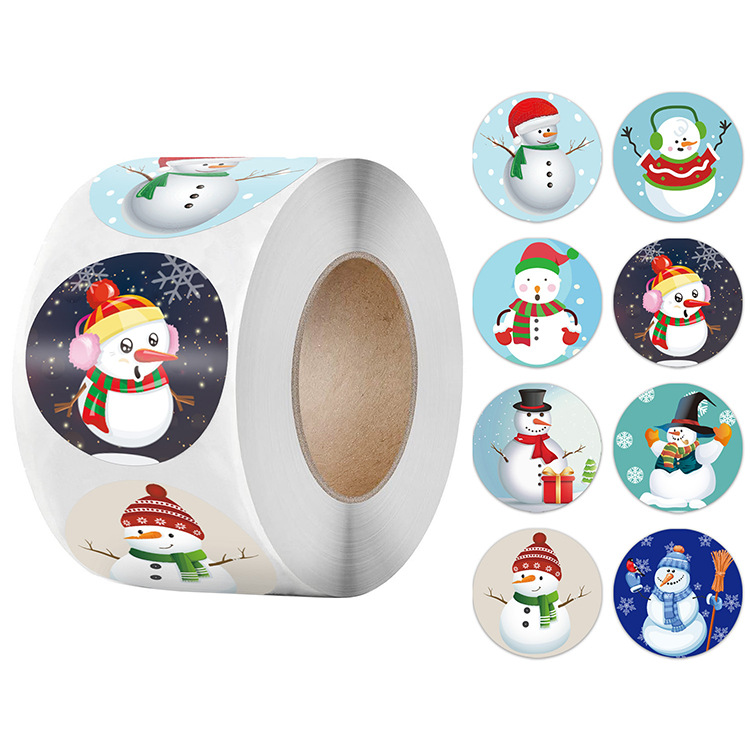
Christmas Snowman Sealing Stickers Roll Holiday Gift Label Cartoon Round Adhesive Stickers For Envelope Package Decor
$1.67

Women's Large Capacity Canvas Tote Bag Without Teachers Life Would Have No Class Graphic Print White Shoulder Bag Eco Friendly Shopping Book Bag For School Student Teachers Day Gift
$2.44
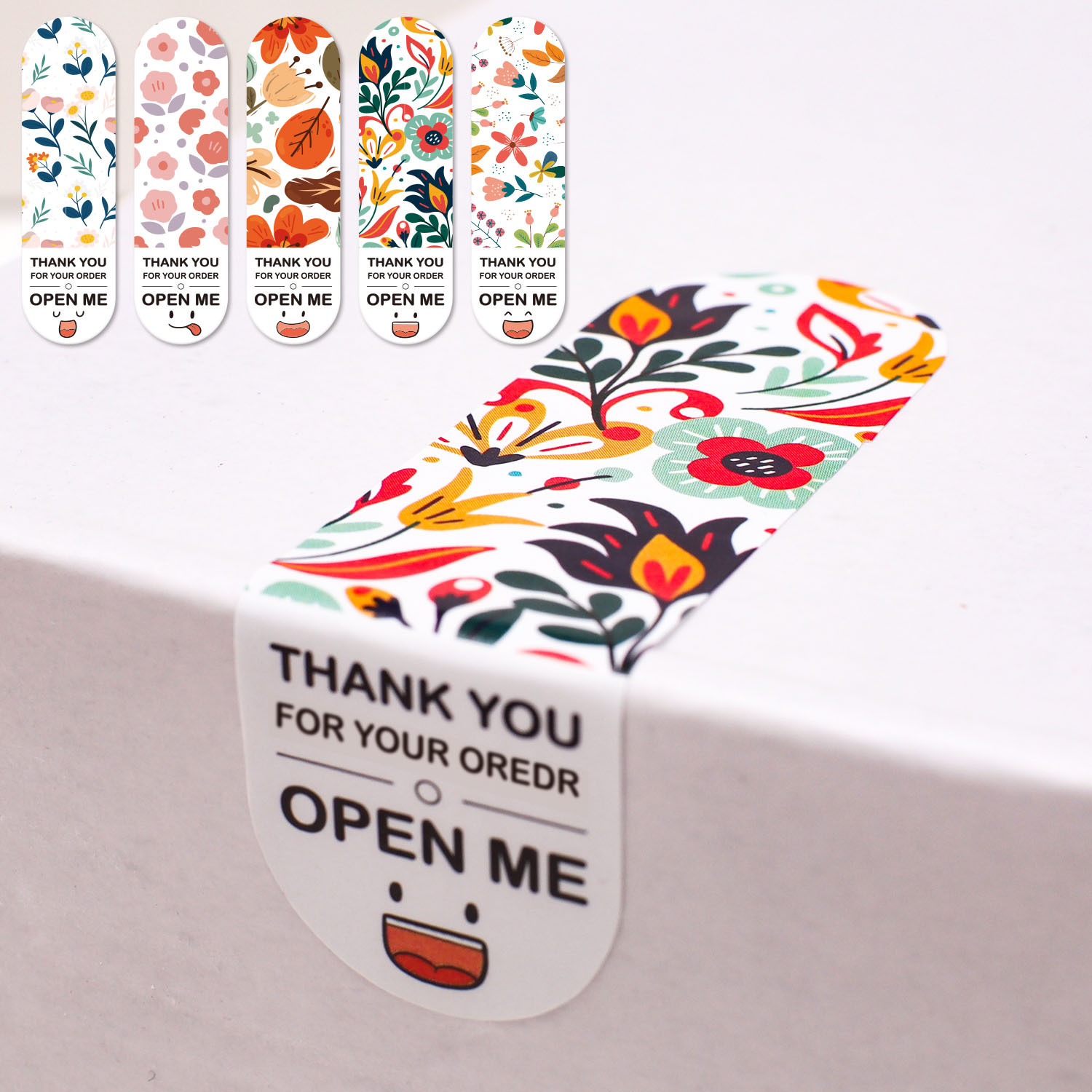
100pcs Floral Thank You For Your Order Stickers Coated Paper Adhesive Rectangle Sealing Labels For Gift Box Package Decorations
$0.47

Time Post Office Series Yuxian Vintage Stamp Sticker Package Journal Diary Diy Material Decorative Sticker 60 Pieces 4 Models
$1.30
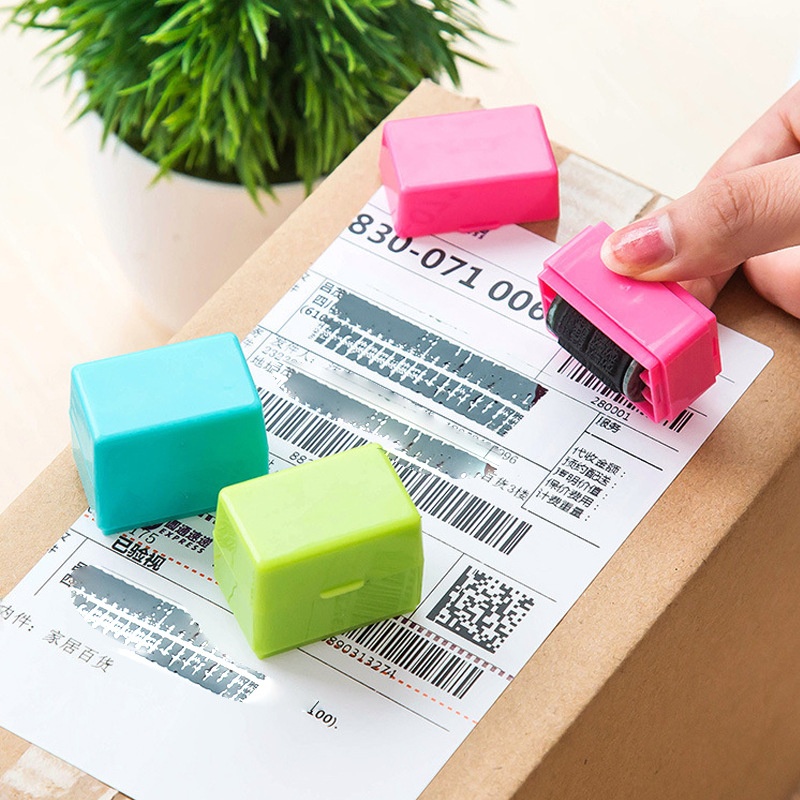
Portable Privacy Protection Roller Stamp PP Plastic Scrambled Text Garbled Character Identity Guard For Courier Bill Package Home Office Stationery
$0.54
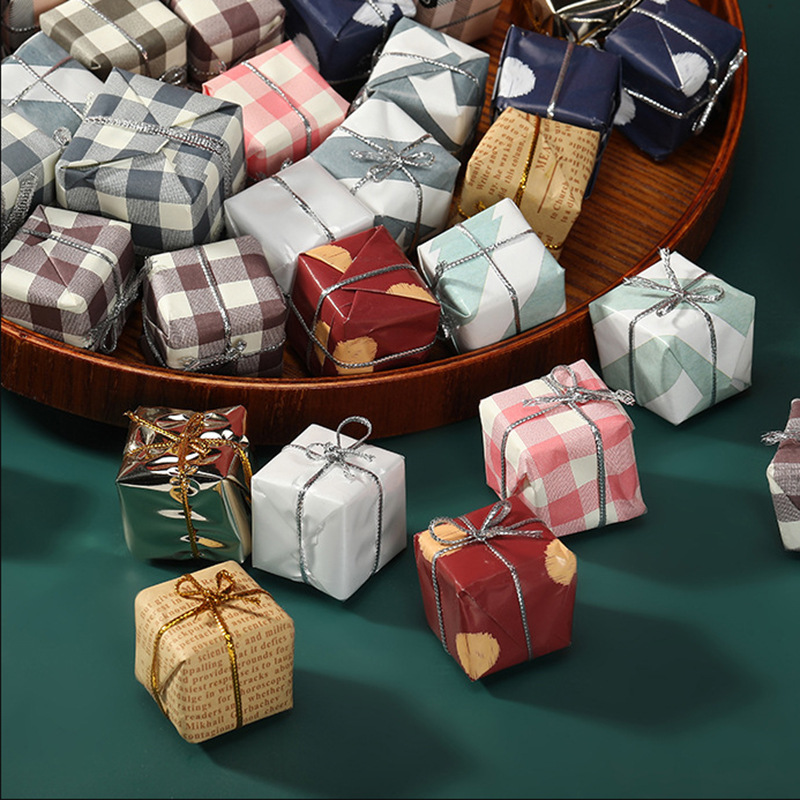
Mini Christmas Decoration Gift Boxes Foam Plaid Striped Hanging Ornaments For Christmas Tree Decor Festive Party Holiday Home Display Gift Package Accessories
$0.07
Classic Aviator Sunglasses UV400 Polarized Metal Frame Pilot Sun Glasses For Men Women Outdoor Driving Fashion Eyewear With Full Box Case Package
$6.84
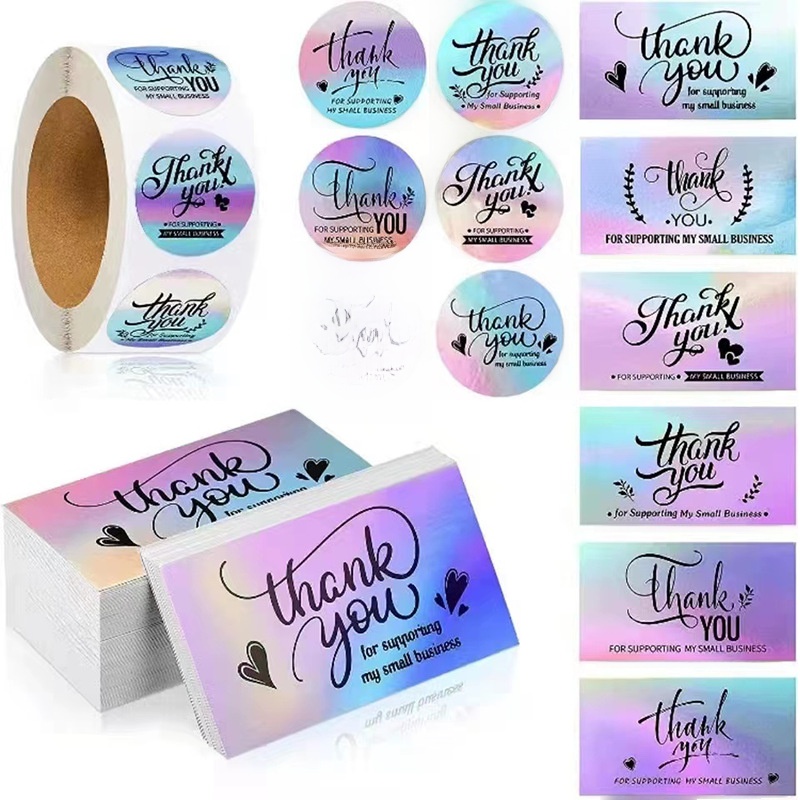
Holographic Laser Thank You Stickers and Cards Set Bronzing Small Business Support Sealing Labels for Wedding Gift Package Decoration Gradient Color Stationery
$0.03
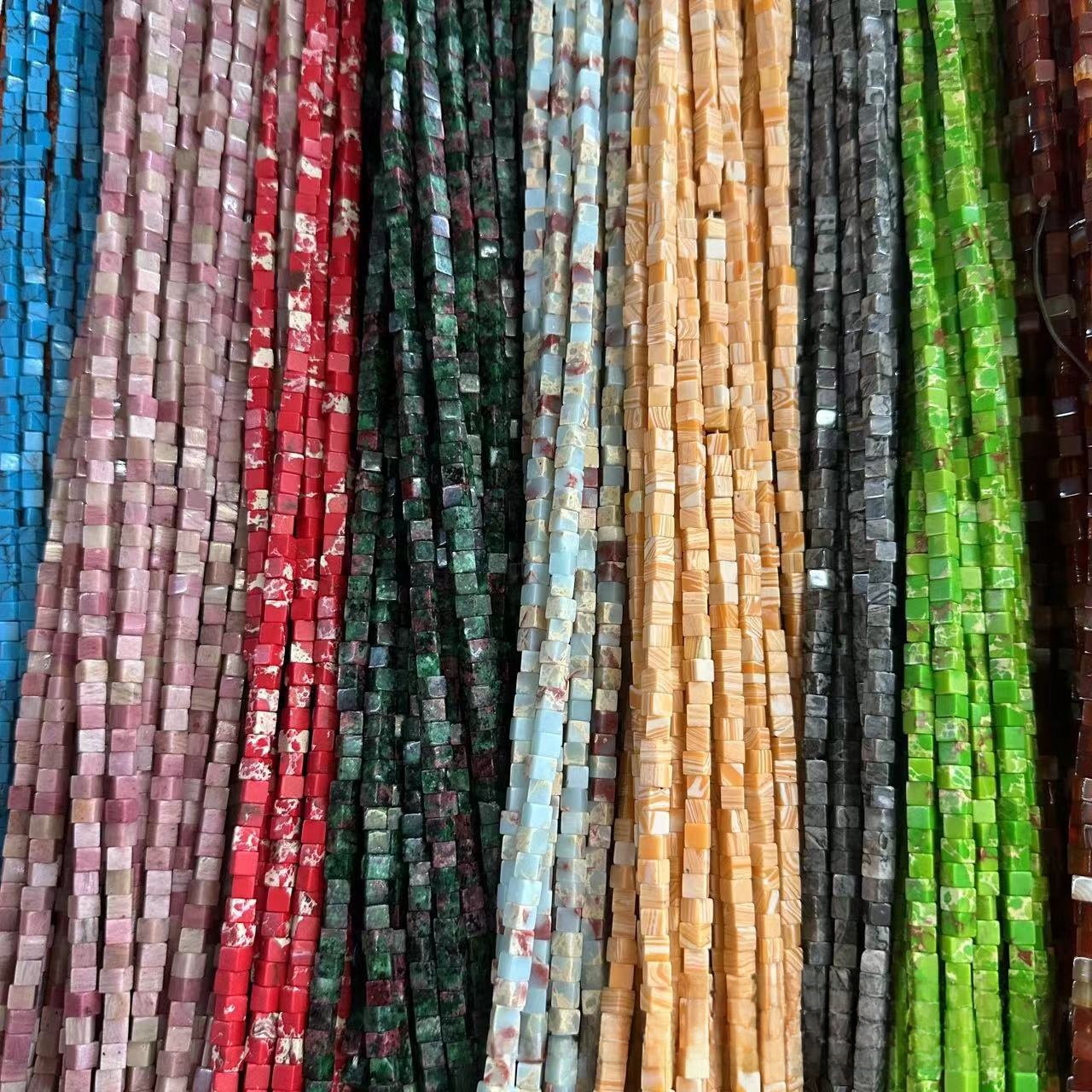
1 Strand/Package Diameter 4Mm Diameter 6 Mm Hole 1~1.9Mm Natural Stone Watermelon Coffee Picasso Jasper Serpentine Multicolor Marble Simple Polished Beads
$2.83
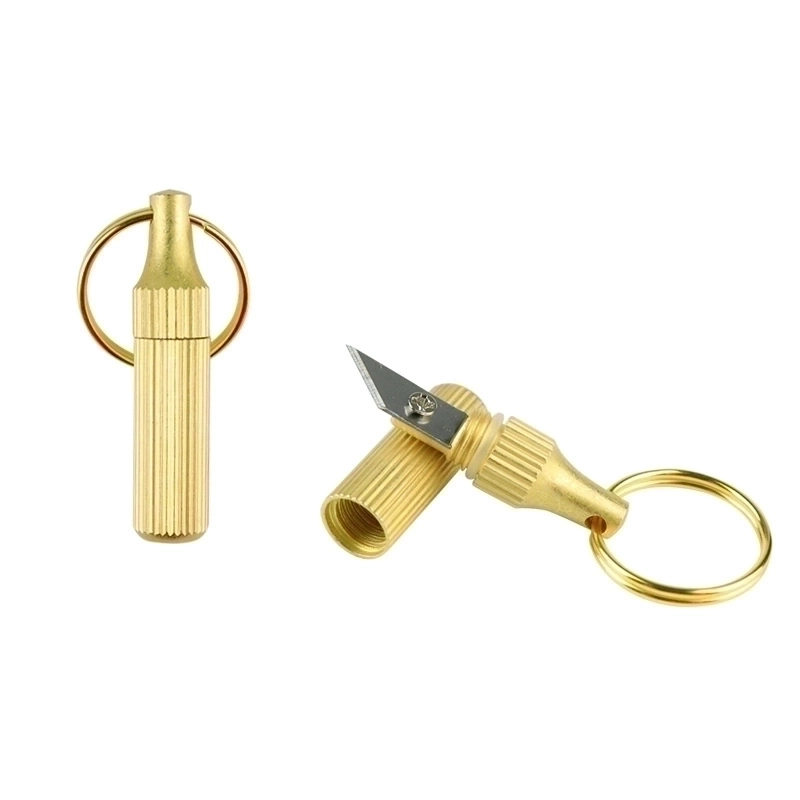
Mini Brass Capsule Utility Knife Portable Unboxing Tool With Sharp Stainless Steel Blade For Package Opening Keyring Pendant EDC Hand Tool Home Office
$0.62

50Pcs Holographic Thank You for Supporting My Small Business Cards Rainbow Laser Gradient Greeting Cards for Business Package Decoration Gift Inserts Customers Appreciation Labels
$0.72
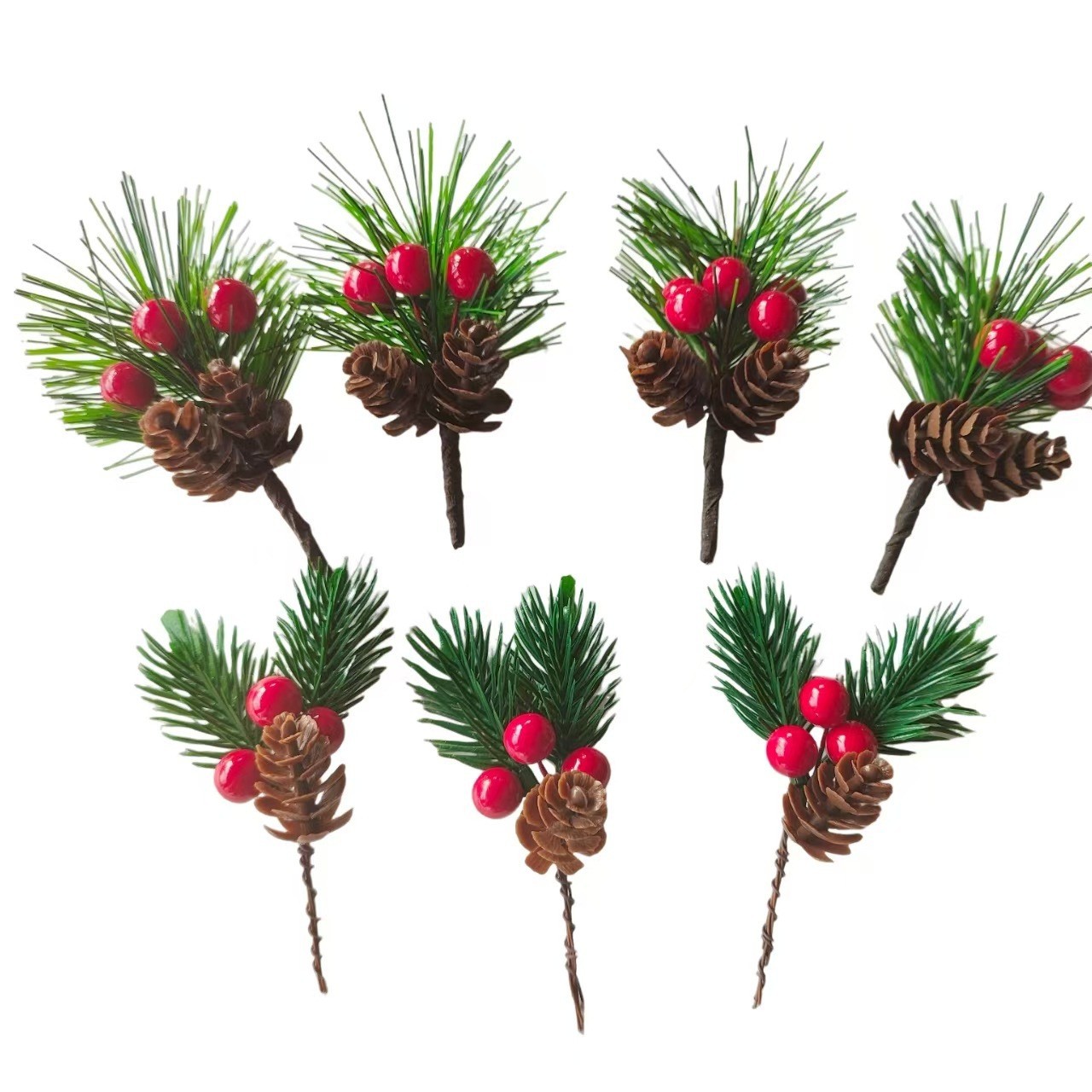
Artificial Christmas Pine Branches With Red Berries And Pine Cones Simulation Pine Needles For DIY Gift Box Package Decor Festive Party Home Winter Ornaments
$0.10
Smart Bundles to Mitigate Claims
Bundling low-cost products with tracking-friendly packaging reduces per-item risk and lifts average order value, making refunds easier to absorb. Each bundle targets a specific buyer scenario where claim risk is high.
Low-Cost Starter Bundle
First-time Shopify seller testing accessories with a $50 budget, worried about claims eating into tiny margins.
- Cute Plush Animal Hair Claw Cliphero
- 100pcs Floral Thank You for Your Order Stickerscomplement
- Mini Brass Capsule Utility Knifeupsell
Bundle at $1.06 vs $1.50 separately — saves $0.44. Each item under $2 so refund doesn’t hurt.
High-Trust Packaging Kit
Etsy seller shipping handmade jewelry who needs proof of packaging and a personal touch to reduce false claims.
- Square Marble Pattern Jewelry Boxhero
- Natural Raffia Grass Shredded Fillercomplement
- 50Pcs Holographic Thank You for Supporting My Small Business Cardscomplement
Bundle at $2.19 vs $2.95 separately. Unboxing experience encourages honest reporting.
Low-Risk Test Bundle for Dropshipping
Dropshipper testing a trend with minimal capital, needing products that can be refunded without loss if claims arise.
- 10 Strands 304 Stainless Steel Cable Chainhero
- Minimalist Solid Color Polyester Ribbonscomplement
- Portable Privacy Protection Roller Stampupsell
Bundle at $1.12 vs $1.57 separately. All items under $1.20, so refund cost is negligible.
Holiday-Low-Cost Bundle
Seasonal seller targeting Christmas markets where package theft spikes; wants cheap items to replace quickly.
- Christmas Snowman Sealing Stickershero
- Mini Christmas Decoration Gift Boxescomplement
- Artificial Christmas Pine Branchesupsell
Bundle at $1.14 vs $1.84 separately. Average unit cost under $0.50, so a few reships cost pennies.