
Trend Report · May 19, 2026
MOQ Ordering and Inventory: A Sourcing Checklist for Binder Brands
Navigate MOQ ordering and inventory pitfalls for card binders and sleeves. Practical steps for first-time importers to manage risk and maximize color variety.
MOQ Ordering and Inventory: The First-Order Hurdle
The card binder and sleeve space is growing fast, driven by collectors, small business owners, and organizers. But entering this category as a new brand comes with a common trap: the MOQ (minimum order quantity) wall. You find the right supplier, samples pass inspection, then the quote hits—100 units per color, five colors, 2,000 total units before you’ve made a single sale. That’s the scenario described in the source material, and it’s exactly what this sourcing checklist addresses.
MOQ ordering and inventory management isn’t just about hitting a number. It’s about turning a large first order into a manageable stock investment. The source outlines a catalog with different styles and colors, making it crucial to balance depth (per SKU) with breadth (number of SKUs). Without a clear plan, you’re sitting on 2,000 units of product that may or may not sell. This article walks through vetting suppliers, negotiating MOQs, and structuring your first order to minimize risk while still offering variety.
For a first-time importer, the key is to treat MOQ not as a fixed requirement but as a starting point for negotiation. Many suppliers have flexibility, especially if you commit to repeat orders or combine multiple products into one shipment. The binder and sleeve market supports this because the products are relatively lightweight (low freight cost per unit) and can be bundled together to spread risk across multiple designs.
Why MOQ Management Is Newly Critical for Binder Brands
The rise of personal organization trends—budgeting, card collecting, journaling—has created a surge in demand for binders, sleeves, and accessories. But this demand is fragmented across colors, sizes, and styles. A supplier like the one in the source summary offers samples that are “perfect,” but then requires 100 per color. That’s a classic tension: the product quality is there, but the financial commitment per SKU is steep.
What makes this category newly sourceable is the availability of low-cost, high-volume production in China—especially for PU leather, PVC, and paper-based binders. The per-unit costs are low (e.g., $0.36 for sleeve refill pages, $0.66 for a budget binder), which means gross margins can be healthy if you don’t overorder. However, the trap is that low unit prices encourage large quantities. The source mentions 2,000 total units for just five colors of one binder section. That’s 400 units per SKU—manageable if you have multiple sales channels, but risky for a startup relying on a single Shopify store or Etsy shop.
The profitable angle is to treat the first order as a test run. Instead of 5 colors, start with 2–3 best-seller colors (e.g., macaron tones like in product ID 279030). Then use the remaining budget to order complementary items like sleeves (280082) and binder clips (290686). This spreads the risk across different product types, each with distinct buyer intent. The supplier who pushed 100 per color may be open to a mixed MOQ (total 500 across 5 SKUs) if you explain your business stage. Many factories prefer a consistent partner over a one-off transaction.
Who Needs This Checklist
This checklist is built for first-time importers launching a card binder or sleeve brand, especially those negotiating their initial purchase order. It also applies to existing Shopify or Etsy sellers expanding into this category and needing to manage SKU depth without bloated inventory. The source scenario—perfect samples followed by a steep MOQ per color—is typical for new entrants. The profiles below highlight the buyer personas that will benefit most.
Shopify seller
You need to estimate sell-through rate before committing to 2000 units. Use this checklist to negotiate a lower MOQ per SKU and instead order a wider variety of products (binders + sleeves + accessories) to test demand across different price points.
Etsy shop owner
Etsy buyers look for unique colors and combos. The source's 5-color setup fits Etsy's demand for variety, but the MOQ of 100 per color can be lethal if only one color sells. This checklist helps you pick 2 hero colors and 1 complementary color, then use bundles to move slower inventory.
First-time importer
You’ve never placed an ocean freight order and the MOQ number is intimidating. The checklist breaks down each step: supplier vetting, sample QC, MOQ negotiation, and inventory planning. It also warns about freight costs for heavy items like binder sets (product ID 277546 at 0.5 lbs each).
Sourcing Vetting Checklist
Phase 1: Supplier Identification
✓ Verify supplier offers mixed-color MOQ (e.g., 100 total across 5 colors, not 100 per color).
Why: Avoid the source's trap of 2000 units for just 5 colors. A supplier that allows mixing reduces initial SKU risk.
✓ Check if they have ready stock for at least 2 of your chosen colors (e.g., macaron, holographic).
Why: Ready stock means shorter lead time (5–10 days vs 25–30). Allows you to start selling sooner and reorder fast-moving colors.
✓ Request product photos and videos of actual production runs (not just sample photos).
Why: The source had perfect samples, but production quality can vary. Request pics of the factory line to confirm consistency.
Phase 2: Sample Ordering & QC
✓ Order 1–2 samples of each expected color (at least 3 samples total) before bulk.
Why: The source found samples perfect, but colors can differ on different substrates (PU vs PVC). Test both binder types (280498 PU vs 277982 PVC).
✓ Check binder ring mechanism, zipper durability, and print alignment.
Why: Budget binders (e.g., $0.66) may have weak rings that break after 10 uses. Open and close the binder 20 times to test.
✓ Weigh each sample to estimate shipping costs.
Why: Product ID 277546 (A6 binder set) weighs about 0.5 lbs. A 100-unit order would be 50 lbs—freight cost $50–$100 via sea. Underestimate weight affects profit margin.
Phase 3: MOQ Negotiation & Order Placement
✓ Propose a tiered MOQ: 50 units per color for the first 3 colors, then 100 per color for the next 2 after reorder.
Why: Lowers initial risk from 2000 to 600 units. Once you sell 50 units of one color, reorder 100 with confidence.
✓ Combine multiple product categories (binders + sleeves + clips) into one PO to hit total MOQ.
Why: The source's supplier may have a blanket MOQ of $1,000. Adding 500 sleeves (280082) at $0.36 and 500 clips (273826) at $0.09 totals $225—helps reach MOQ without adding more binder colors.
✓ Negotiate deposit percentage and payment terms after order confirmation.
Why: First orders often require 100% prepayment, but you can ask for 30% deposit, 70% before shipping. This protects your cash flow.
Phase 4: Inventory Management & Reordering
✓ Set up a sell-through rate tracker per SKU before placing reorder.
Why: If you sell 30 units of macaron color in the first 2 weeks and only 5 of leopard, reorder macaron at 100 units and leopard at 0. Let data guide.
✓ Plan for 60-day stock cover for best-sellers, 90-day for slow movers, and 0 for unsold colors after 3 months.
Why: Binders are non-perishable but trend-driven. If a color doesn't sell in 3 months, it's likely a dead SKU. Liquidate through bundles or platforms like Mercari.
✓ Test price elasticity by offering a discount on slow-selling colors through your Shopify store.
Why: For example, sell leopard print binder (287717 at $5.04 cost) for $9.99 instead of $14.99. If it moves 50 units in a week, keep the lower price permanently.
Sourcing Tactics for First-Time Binder Importers
Sourcing binders and card sleeves is straightforward once you understand the MOQ leverage points. The key is to treat the first order as a market test, not a full inventory launch. Based on the source scenario, you’ll want to prioritize supplier negotiation, sample verification, and freight planning. Below are three tactical steps that cover the entire sourcing cycle—from identifying the right factory to clearing customs. Each tactic includes an honest risk assessment. For example, negotiating a lower MOQ per color may reduce your initial investment, but it also means you might miss out on bulk pricing discounts later. The goal is to balance SKU diversity with financial exposure. Use the checklist above to execute each phase, and reference the product bundles to structure your purchase order.
Search for 'PU leather binder supplier' with verified factory badge. Request a list of their best-selling colors (e.g., macaron from product 279030 appears in multiple listings). Ask if they have a 'hot sale' collection with ready stock—these typically allow lower MOQ (50–100 units per color).
⚠ Many Alibaba suppliers are traders who mark up prices. You might pay 20% more than factory direct. Always ask for a factory visit or video call to confirm.
Order 5 samples of different colors (include holographic 281213 and macaron 279030). Test each binder’s ring durability, zipper quality, and print adhesion. Compare to the source’s perfect samples. Use a checklist: open/close rings 20 times, weigh each, take photos under natural light.
⚠ Color on screen can differ from actual leather grain. A holographic finish may look glittery online but matte in person. Always request a video under different lighting.
For orders under 2,000 units (approx. 1,000 lbs), use LCL (less than container load) shipping. A 20ft container holds ~10,000 binders, but LCL lets you ship 500–2,000 units. Use a freight forwarder to handle customs brokerage. Ask for door-to-door delivery to avoid port fees.
⚠ LCL shipments are subject to consolidation delays. If your supplier misses the cut-off date, you may wait an extra 2 weeks. Build 2–3 week buffer in your launch timeline.
Top 16 Products for Your First Binder Order
The products below span the key categories from the source: binders, binder clips, sleeve pages, and packaging extras. Selecting 8–10 of these for your first order allows you to test different price points (from $0.09 clips to $5.04 deluxe binder sets) without committing to 100 per color on each. Use this list to create a balanced mix of hero items and complementary upsells.
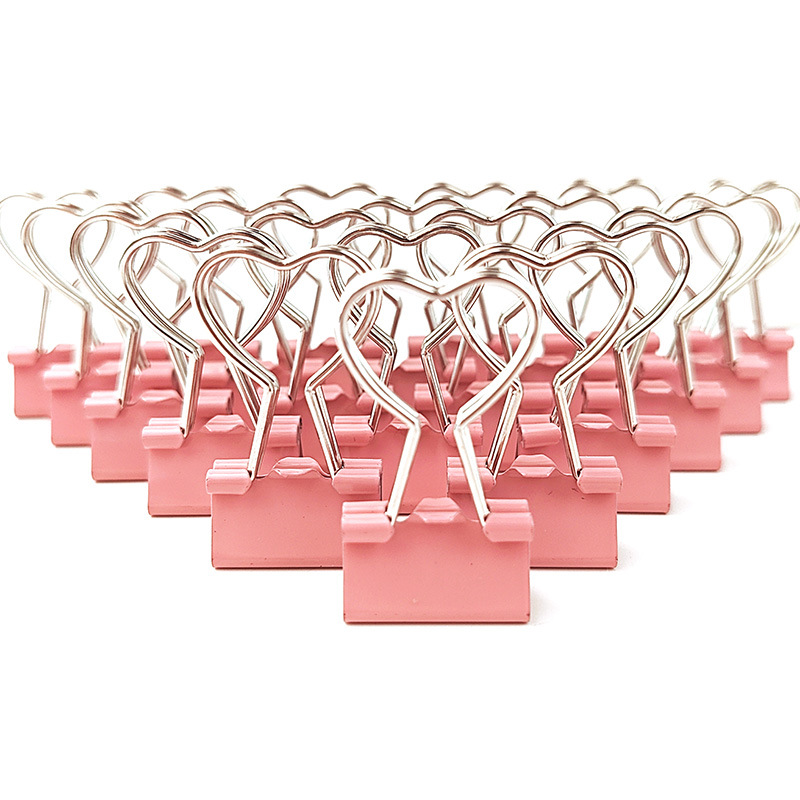
Heart Shaped Binder Clips Metal Hollow Out Paper Clips For Office School Document Organization Morandi Macaron Colors Stationery Decorative Metal Clamps
$0.15
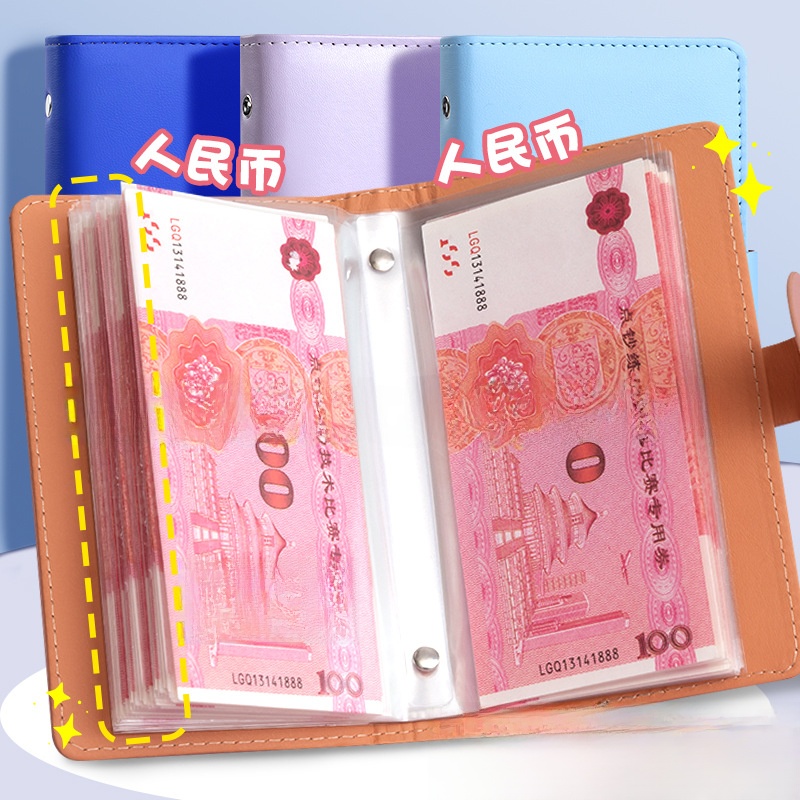
PU Leather A6 Budget Binder with Password Lock and Cash Envelopes for Money Saving Organizing 50 Transparent Sheets Money Planner Journal Binder
$0.66
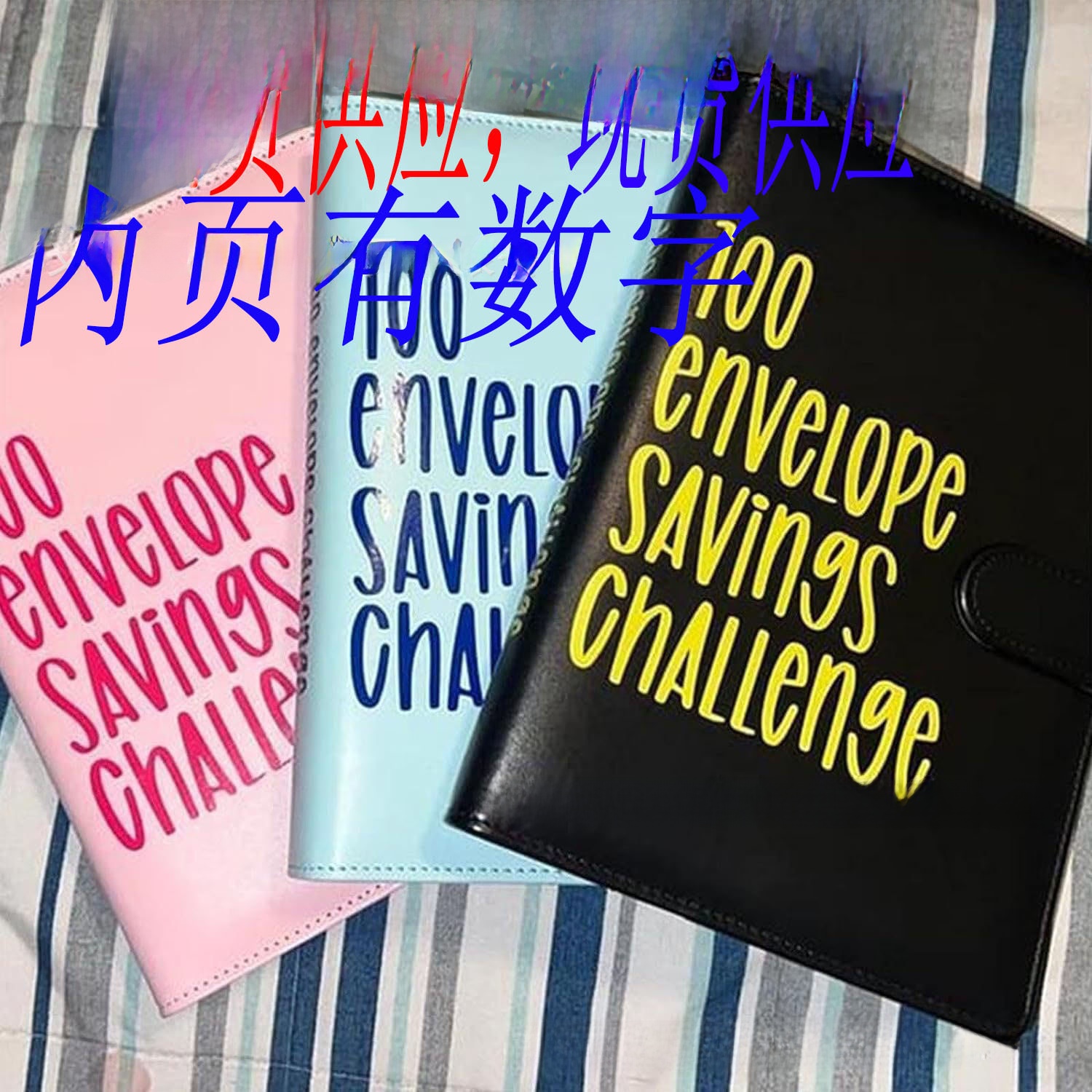
100 Envelope Challenge Binder For Money Saving PU Leather A5 Budget Binder With Cash Envelopes Savings Challenge Tracker For Financial Goal Setting Couple Gift
$1.73
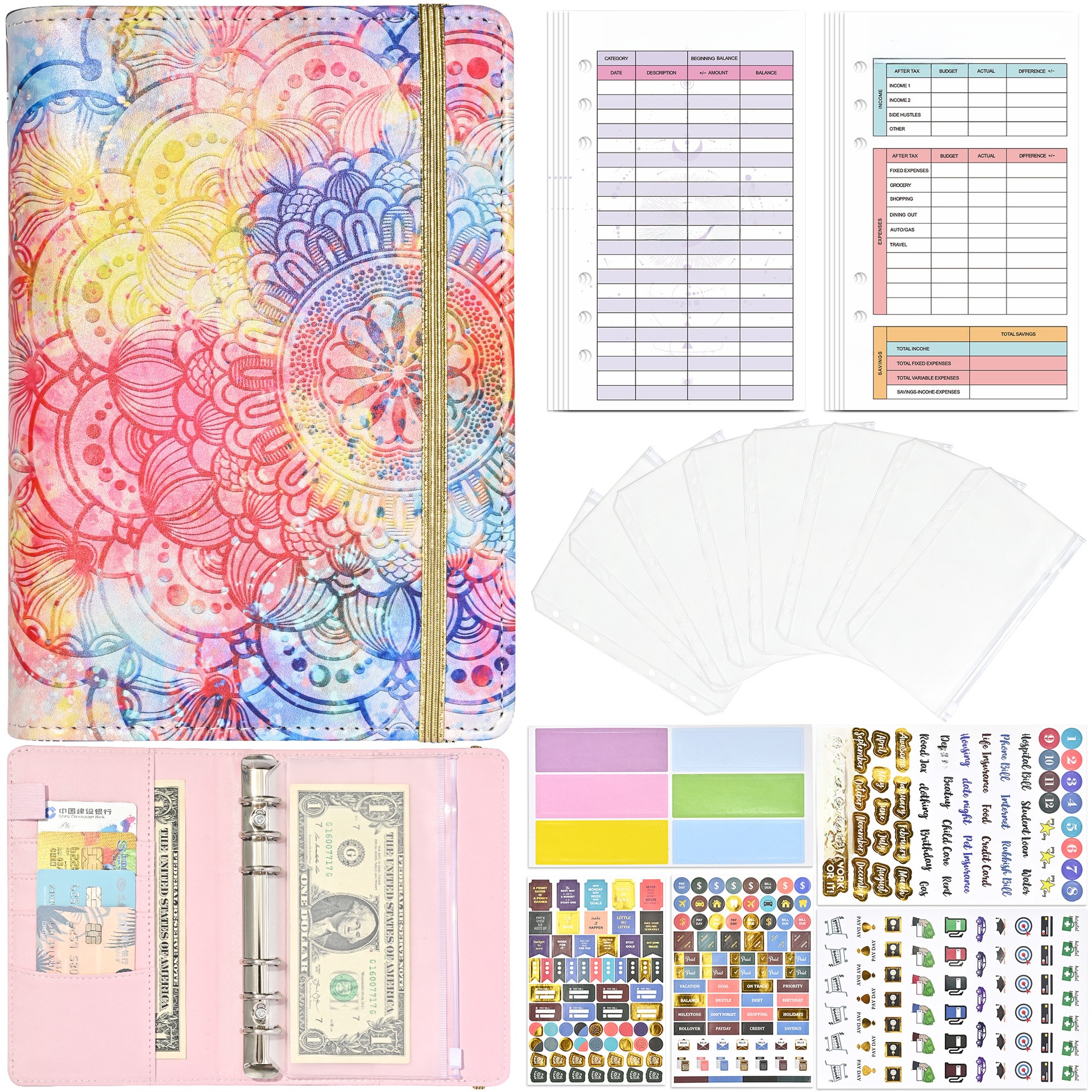
A6 PU Leather Budget Binder Set With Stainless Steel 6 Ring Binder Money Saving Cash Envelope System Monthly Expense Tracker Organizer For Financial Planning
$5.04
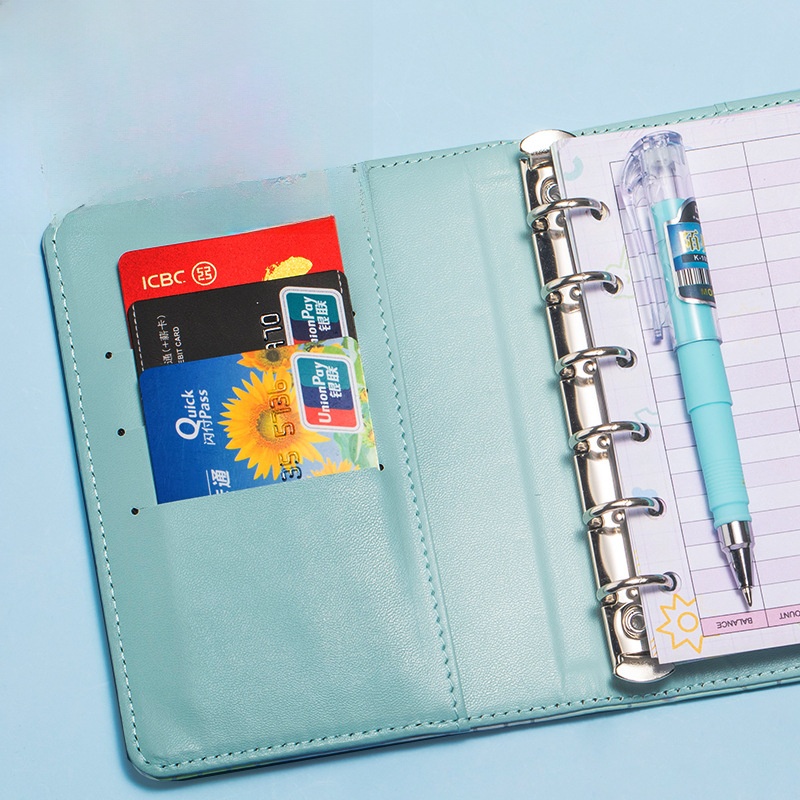
A7 Budget Binder PU Leather Puzzle Texture Holographic Money Saving Organizer With 6 Ring Binder Cash Envelopes Budget Sheets For Expense Tracking Women Students
$2.46
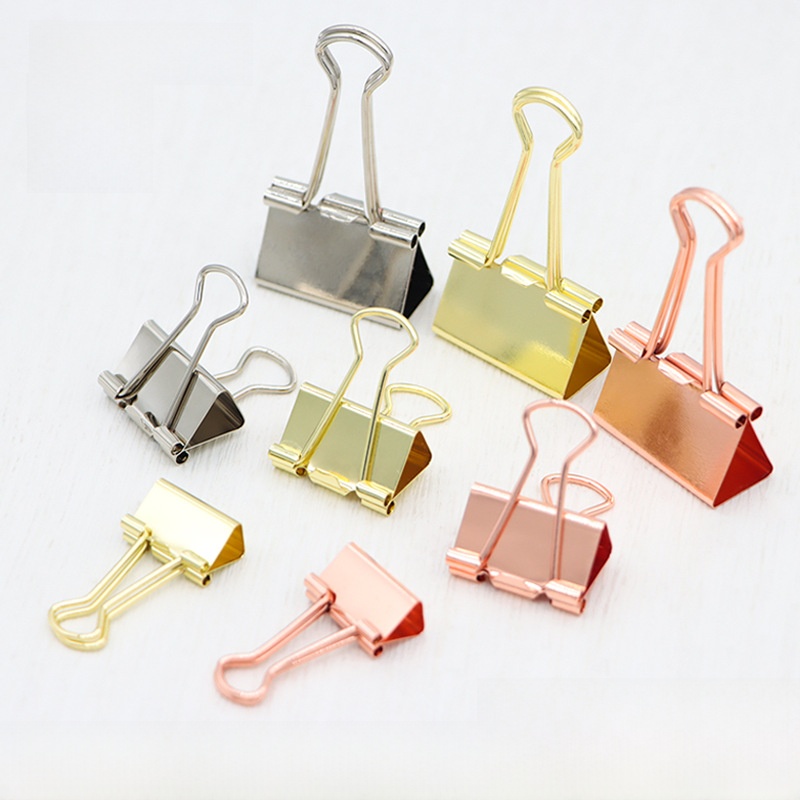
Electroplated Metal Binder Clips Rose Gold Gold Silver Document Paper Organizer Clips For Office School Home Stationery Supplies Strong Grip Binder Clips 19mm 25mm 32mm
$0.09
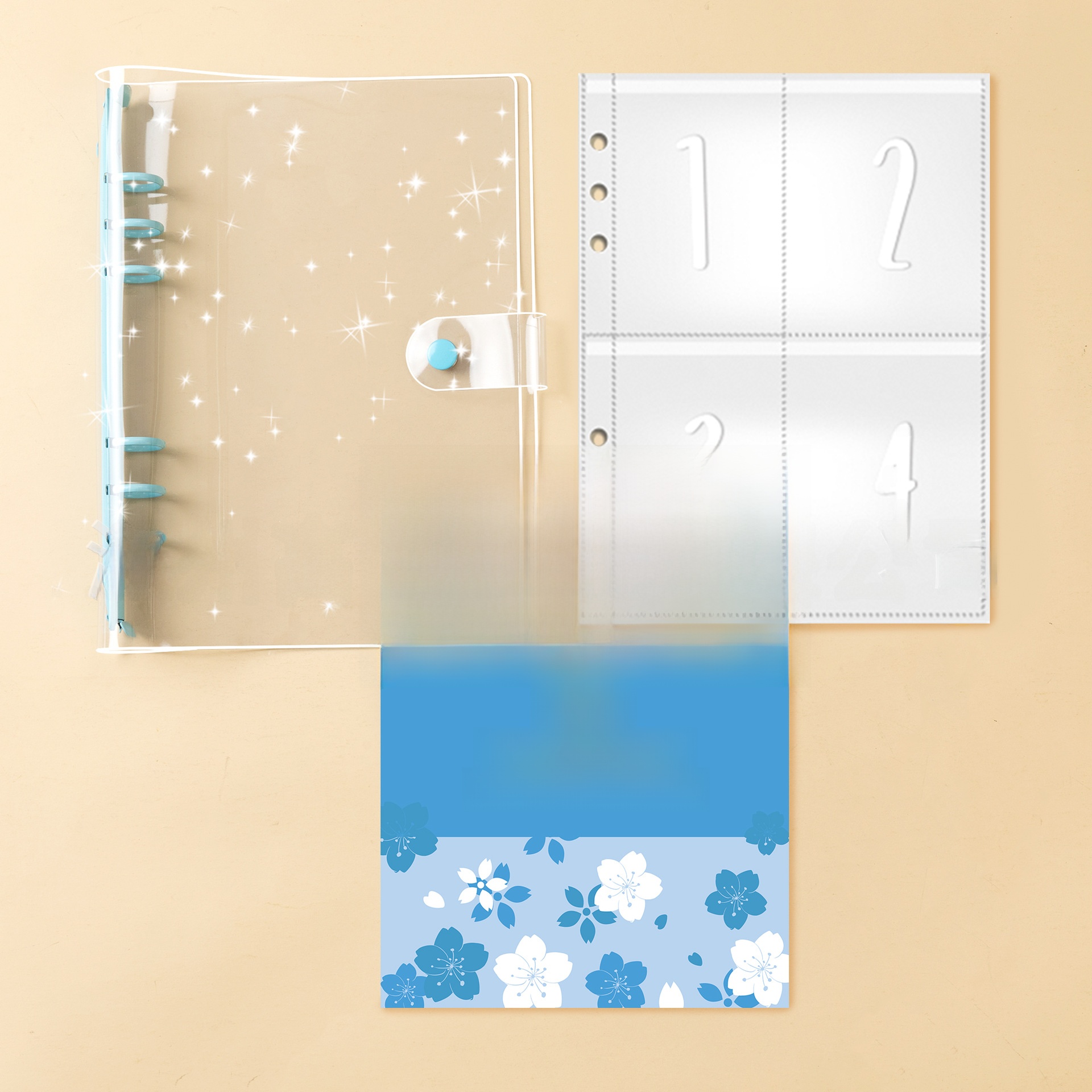
100 Envelope Challenge Binder Money Saving Binder With Cash Envelopes A5 PVC Loose Leaf Budget Planner For Savings Challenge Floral Pattern For Couples And Students
$2.45
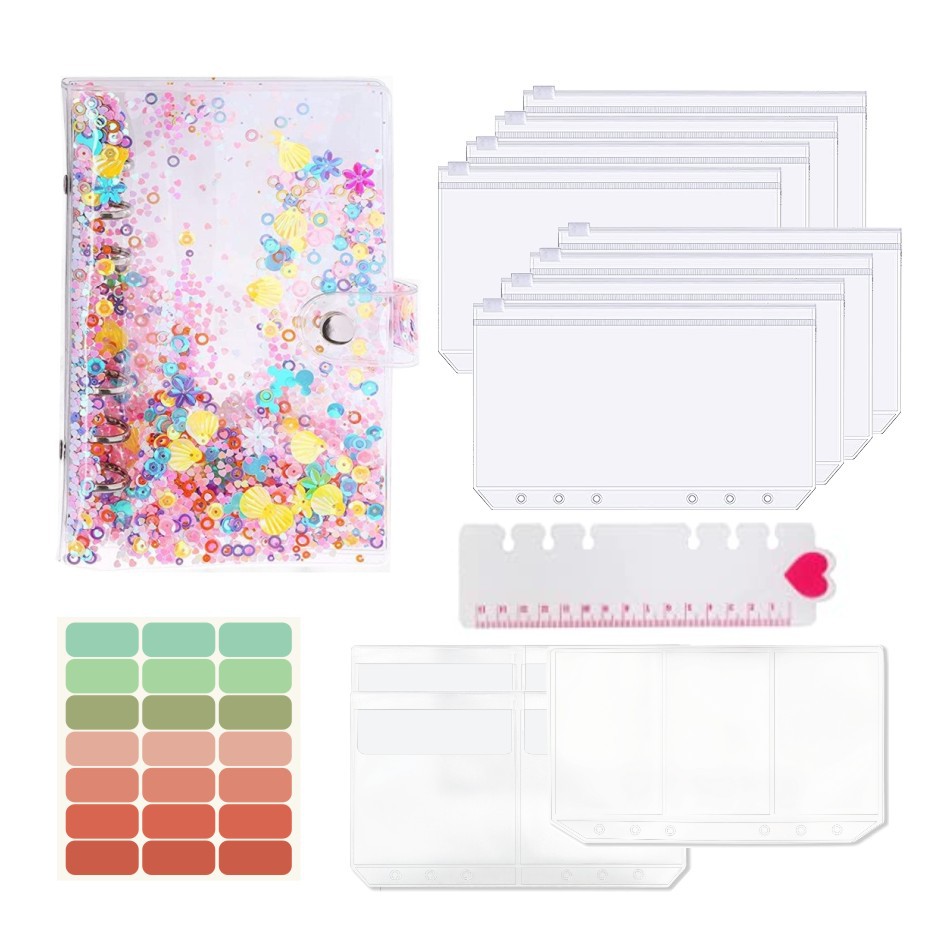
A6 PVC Budget Binder Set With Zipper Envelopes Cash Envelopes For Budgeting Money Saving Binder Organizer For Women Girls Transparent Loose Leaf Notebook For School Office
$1.01
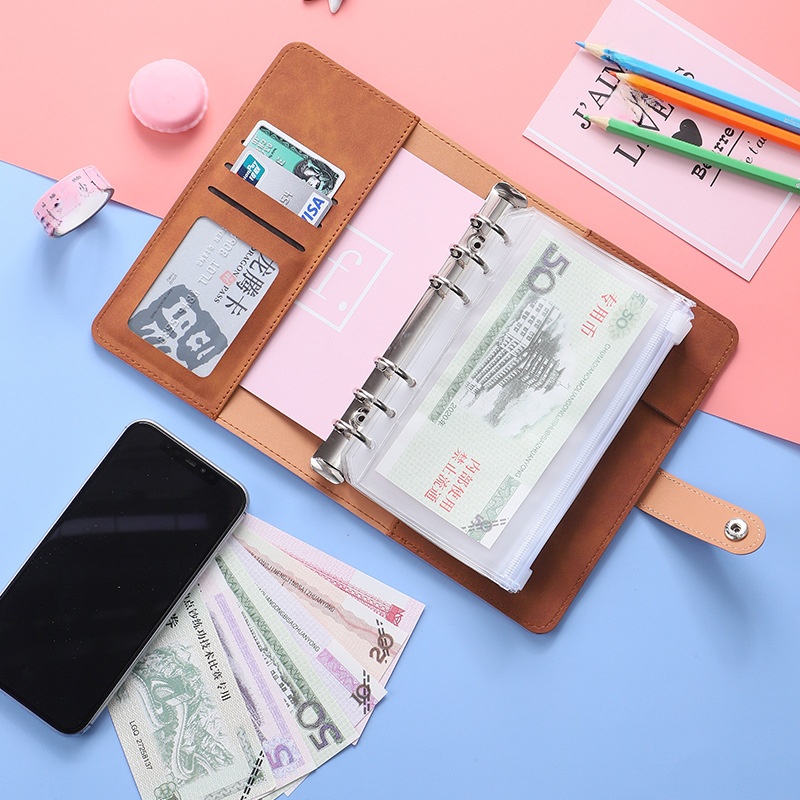
A6 A7 Macaron PU Leather Notebook Binder Refillable Budget Planner Money Organizer With 6-Ring Metal Binder And PVC Zipper Bags For School Office Savings Account Book
$1.59
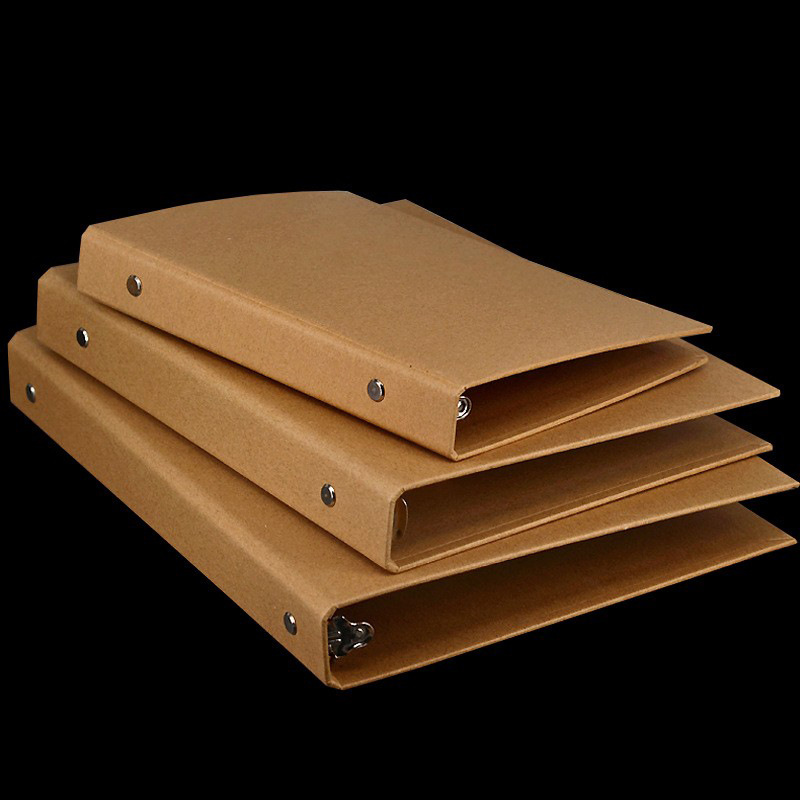
Retro Kraft Paper Loose-leaf Binder Notebook Cover Shell With Refill Paper Pages A4 A5 B5 A6 Minimalist Journal Binder For Office School Stationery DIY Photo Album
$0.42
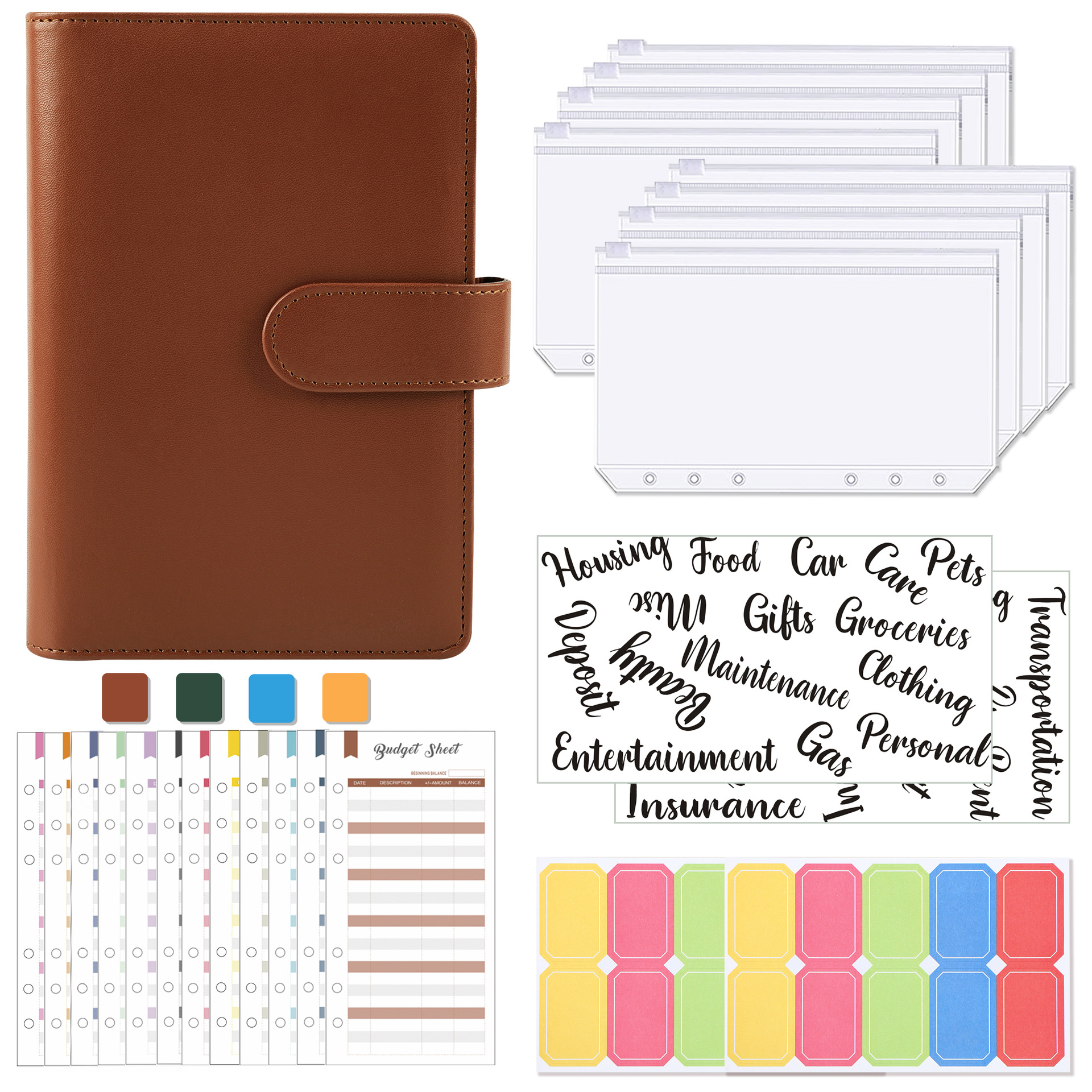
A6 Budget Binder Set PU Leather Cash Envelopes For Budgeting Money Organizer Binder With Zipper Pockets Budget Sheets And Labels Macaron Color Personal Finance Planner For Savings Management
$2.54
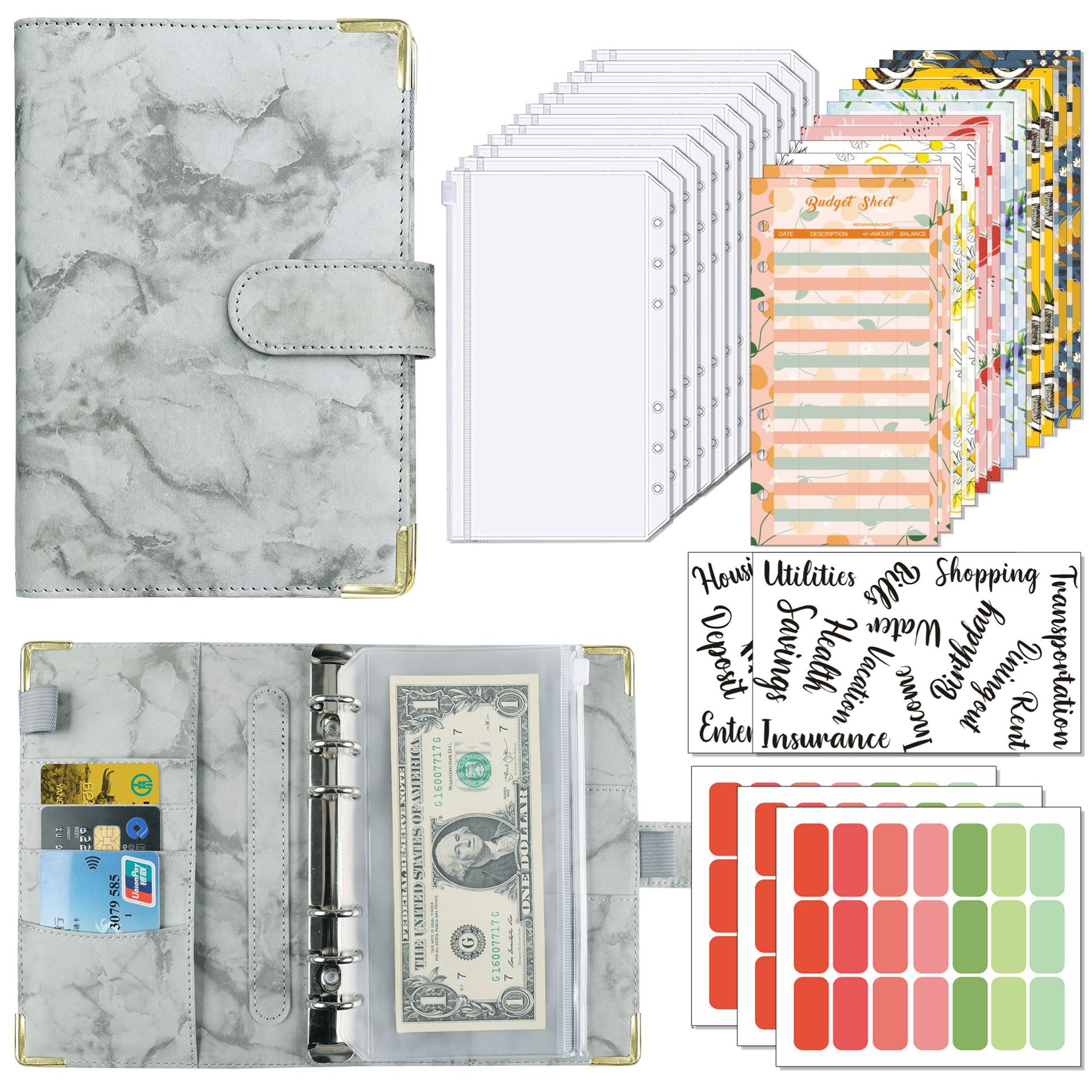
A6 Budget Binder Set Marble PU Leather Notebook With 6 Ring Binder 12 Zipper Envelopes 12 Budget Sheets And Labels For Cash Stuffing Savings Challenge Financial Planner Organizer
$4.27
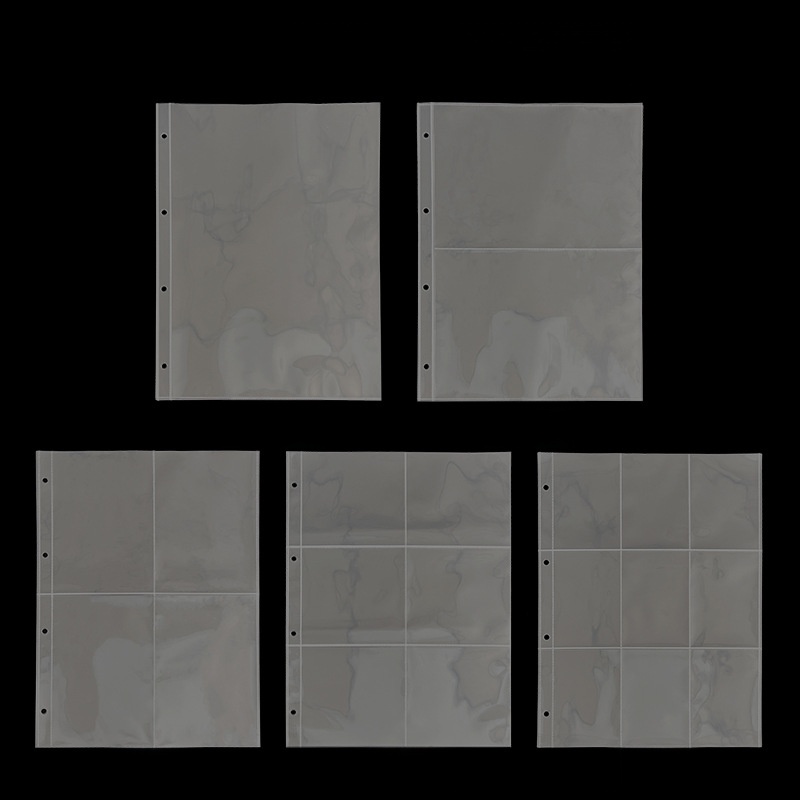
PP Plastic Transparent Frosted Holographic A4 A5 B5 A6 A7 Card Binder Refill Pages Multi-Pocket Photo Album Sleeves Binder Pockets For Card Collection Organization Students School Office Supplies
$0.36
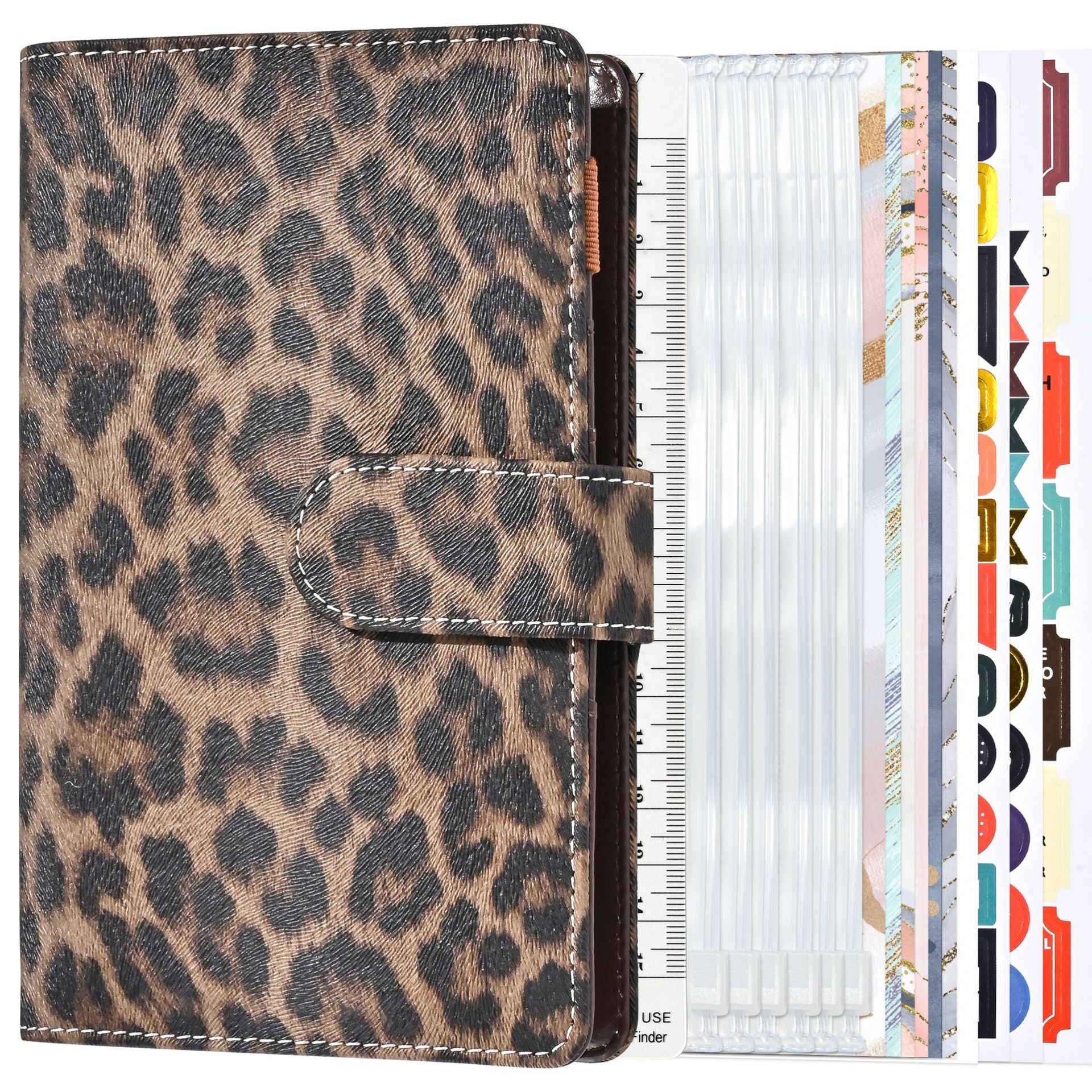
A6 Budget Binder Set Leopard Print PU Leather Loose Leaf Notebook With 6-Ring Binder Cash Envelopes Budget Sheets Stickers Ruler For Money Saving Expense Tracker Office School Planner
$5.15
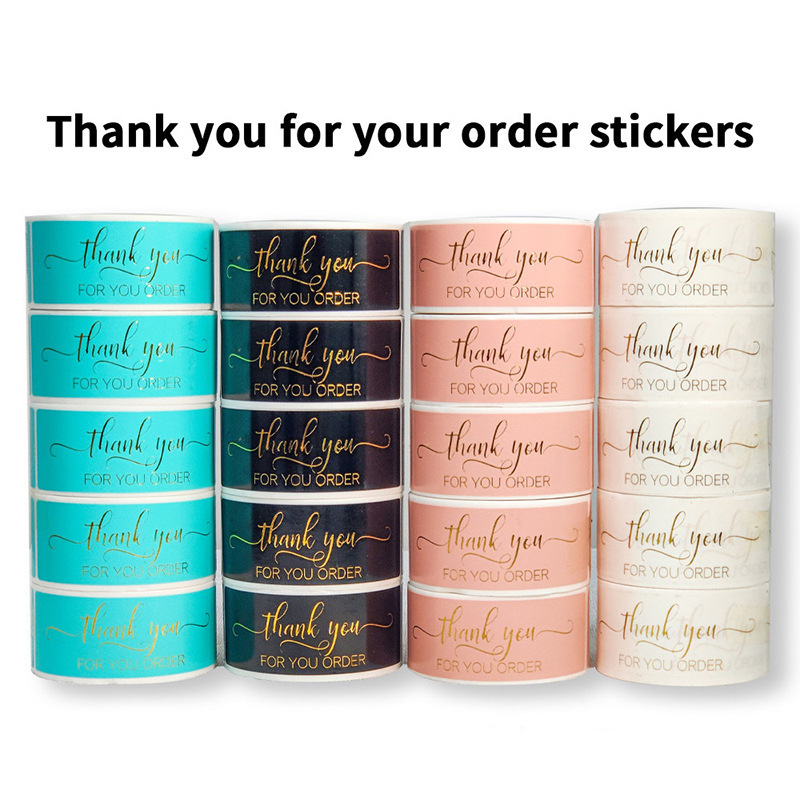
Gold Foil Thank You For Your Order Stickers Coated Paper Adhesive Labels For Gift Packaging Sealing Small Business Supplies
$1.67
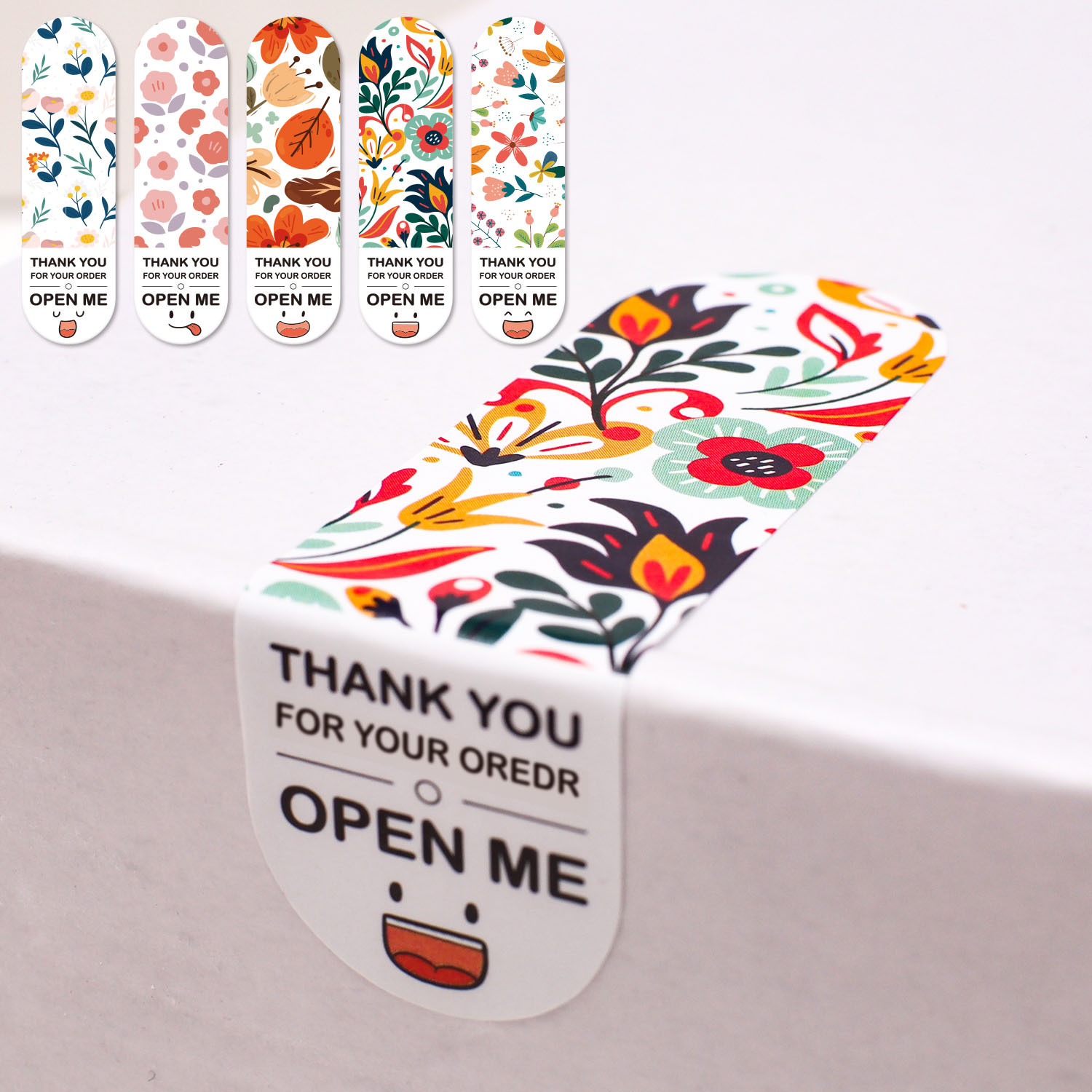
100pcs Floral Thank You For Your Order Stickers Coated Paper Adhesive Rectangle Sealing Labels For Gift Box Package Decorations
$0.47
Curated Bundles to Spread MOQ Risk
Bundling is the smartest way to hit a supplier’s total MOQ while avoiding overstock on any single SKU. Each bundle below combines a hero product with lower-cost upsells and complementary items. The pricing notes show how bundling reduces your per-unit cost and allows you to offer package deals to your customers from day one.
Starter Binder Assortment
First-time buyer wanting to test three different binder styles at low per-unit cost.
- PU Leather A6 Budget Binder with Password Lock and Cash Envelopeshero
- A6 PVC Budget Binder Set With Zipper Envelopescomplement
- PP Plastic Transparent Frosted Holographic A6 Card Binder Refill Pagesupsell
Buy 100 units of each (300 total) at full cost ~$203. Bundle price by reducing the PVC binder quantity to 50 and sleeve pages to 200 (50 binders + 200 sleeves) → total ~$133. Save 34% by mixing quantities.
Savings Challenge Starter Pack
Buyer targeting the budgeting niche with two variations of the 100-envelope challenge binder plus a matching notebook.
- 100 Envelope Challenge Binder For Money Saving PU Leather A5hero
- 100 Envelope Challenge Binder Money Saving Binder With Cash Envelopes A5 PVCcomplement
- A6 A7 Macaron PU Leather Notebook Binder Refillable Budget Plannerupsell
MOQ 100 per SKU → total $1.73*100 + $2.45*100 + $1.59*100 = $577. Negotiate 300 units across all three (100 total each) and ask for a 10% discount on the lot → ~$519. Bundling increases average order value for your customers and reduces your per-shipping cost.
Color Variety Bundle (Macaron + Holographic + Leopard)
Buyer testing color preferences across three distinct binder aesthetics without 100 MOQ per color.
- A6 A7 Macaron PU Leather Notebook Binderhero
- A7 Budget Binder PU Leather Puzzle Texture Holographiccomplement
- A6 Budget Binder Set Leopard Print PU Leathercomplement
At MOQ 100 per color, 300 units = $1.59*100 + $2.46*100 + $5.15*100 = $920. Ask for a single color per SKU but combine into one shipment. If supplier insists on 100 per SKU, offer to order 50 of each plus 150 of the macaron (best-seller prediction). Total 250 units → ~$460. Then add 50 packs of binder clips (273826 at $0.09 each) to fill the remainder without adding color risk.