
Trend Report · May 15, 2026
The India Sugar Ban Sourcing Lesson Every Jewelry Buyer Needs
A Nepali distributor's reaction to India's sugar export pause: your backup supply might already be there. Apply this lesson to accessories sourcing and avoid panic.
My opinion on India banning sugar export to Nepal. As a business owner.
In early 2025, India paused sugar exports to Nepal as part of domestic inflation controls. Instagram comments from Indian users speculated that Nepal would 'choke' without Indian sugar. But a Nepali product distributor based in Madhesh pushed back: 'I have truly never seen or eaten any sugar from an Indian brand. I have never seen Indian sugar in any shop. We have been secretly sourcing locally all along.' The post went viral, not for drama, but for exposing a blind spot in how supply chains are perceived.
The inflection point wasn't the ban itself—it was the realization that a market can appear dependent on a single foreign supplier while actually running on invisible local alternatives. In jewelry and accessories, the same dynamic plays out every day. Buyers assume they must source from big export hubs like India or China, when smaller regional makers (Nepal, Bali, Mexico) already produce similar quality at competitive prices. The sugar ban story forces a re-examination of supplier loyalty vs. real market diversity.
For a wholesale buyer, the takeaway is operational: verify your dependency assumptions. The distributor's evidence wasn't a government report—it was his own walk through local shops. That kind of ground-truthing is cheap compared to category-level surveys. If you sell bracelets, check what your competitors in your region are actually stocking, not what trade data says. The pattern repeats across categories.
Why This Pattern Matters for Accessories Buying
The sugar ban story is emerging as a case study for 'hidden supply resilience' in small markets. The Nepali distributor's observation—that Indian sugar was never actually visible in his distribution network—suggests that formal trade statistics often miss informal local supply chains. For accessories, this is critical because many new sellers fear relying solely on India or China for their inventory. They panic at tariff hikes or export bans, assuming they have no alternative. But alternatives exist: Nepal produces handmade beads, textiles, and jewelry that compete on price ($1–3 per unit) and offer unique aesthetic angles (Thangka pendants, pashmina shawls, agate bracelets).
The pattern is replicable because it's not about sugar—it's about laziness in sourcing. Most operators default to the largest visible supplier, ignoring smaller regional producers who ship globally. The Indian sugar ban made this concrete: the fear of shortage was real, but the actual disruption was minimal because alternative chains were already running. In jewelry, the same applies. A Shopify store selling silver bangles might think they need Indian or Thai factories, but European buyers can source from Nepali copper workshops or Chinese alloy suppliers—often at lower minimums.
The key insight is that 'local' doesn't mean 'your country'. It means 'not the dominant exporter everyone assumes you need'. The distributor's comment 'we will be just fine' is a statement about underutilized capacity. Wholesale buyers who proactively map these second-tier suppliers gain a negotiating edge and supply security. They can say to their main supplier: 'I know I can get similar from Nepal at $3 less.' That's leverage. And it's built from exactly the kind of ground-truthing the Nepali distributor did.
Who Can Best Apply This Pattern
This pattern is most valuable for buyers who currently rely on one or two countries for the majority of their inventory—especially newcomers afraid to test unknown suppliers. It rewards operators who are comfortable with small batch orders and supplier outreach, not mass-volume commoditized buyers.
Shopify seller
You run a boutique store and currently buy all bracelets from Indian suppliers. Testing Nepali or local makers through DayJewel's catalog lets you validate lower MOQs and differentiate product stories without risking your entire SKU base.
Flea-market / pop-up stall operator
Your customers care about origin stories. Selling 'Handmade Nepal' bracelets or shawls alongside conventional pieces gives you a margin buffer and a talking point. The sugar ban lesson proves you don't need to overstock from one source.
New entrepreneur starting first business
You have limited capital and fear supply disruptions. The pattern teaches you to start with 2-3 small suppliers from different regions—say India for agate, Nepal for beaded charms, and China for hardware. That way, one export halt doesn't kill your launch.
What Happened
In mid-2025, India announced a pause on sugar exports to Nepal, citing domestic inflation. On Instagram, Indian commenters predicted chaos: 'Nepalese will choke without our sugar.' A Nepali product distributor from Madhesh, who runs a small import/export firm, saw the post and replied with a blunt observation: he had never seen Indian sugar in any shop in his region. 'I have truly never seen or eaten any sugar from an Indian brand,' he wrote. 'We have been secretly sel...' His point was clear—Nepal already had local supply chains that made the ban irrelevant for his market. The comment went viral among trade-focused audiences, not because of politics, but because it revealed a blind assumption about dependency.
The Replicable Pattern
Perceived dependency often exceeds actual dependency.
Evidence: The distributor's ground-level survey of local shops showed zero Indian sugar, contradicting the narrative that Nepal relied on India. In jewelry, you may think you need a specific Chinese alloy supplier, but local craft sellers may already offer comparable bangles at similar prices (e.g., DayJewel's Nepal-style bangles at $2.75). You only discover this by checking.
Small-scale ground-truthing beats big data.
Evidence: The distributor didn't use customs databases—he walked shops. For accessories, test-ordering 5 units from a secondary region gives you real lead times, defect rates, and customer reaction—data no trade report can provide.
Backup supply doesn't need to be invisible—just unutilized.
Evidence: The sugar alternative existed locally but was ignored. Similarly, many DayJewel products from Nepal (e.g., shawls at $8.36, coasters at $2.59) are available to global buyers now, but most Shopify sellers don't source from them simply because they haven't tried.
How to Sell Products Using This Supply Diversity Pattern
The sugar ban story is a selling advantage in itself. Customers increasingly care about supply chain resilience and origin. You can structure your product line around the 'local alternative' narrative: offer a 'Nepal Collection' alongside your standard India items, and market it as a curated hedge against trade disruptions. Use social proof—mention that real distributors in Nepal source locally, and you're applying the same logic to jewelry. Tactically, start with a small A/B test: run one ad set promoting your 'Nepal Heritage Bundle' (incense, pendant, coasters) and another promoting your standard 'Indian Silver Bangle Set'. Measure which generates higher engagement and margin. The secondary origin often attracts niche buyers (e.g., ethical shoppers, diaspora communities) willing to pay a premium. For flea-market sellers, having a physical 'Made in Nepal' sign can double dwell time. Operationally, maintain two supplier lists: one primary, one secondary. When the primary is disrupted, you pivot the secondary story immediately. The sugar ban lesson is that you don't need to build the backup from scratch—it's already available, just waiting for you to place the first order.
Post short videos comparing the Nepal incense bundle ($1.04) to a generic Chinese incense stick. Highlight the local craft story. Use the caption 'Nepal's secret supply chain saved us'. Run a series showing unpacking of alternate products.
⚠ Limited audience targeting—works best for users interested in meditation/ethnic style. Not a broad market.
List the 'Nepal Heritage Bundle' with detailed photos of the thangka pendant and wool coasters. Add a story card explaining the sugar ban parallel. Use tags: nepal handmade, supply chain, alternative sourcing.
⚠ Etsy algorithm requires strong keywords and reviews; slow start for new shops. May need to discount initially.
Post a carousel titled 'The Sugar Ban Test' showing what happens when you source from Nepal vs. India. Use DayJewel product images. Drive DMs for a bundle link. Build trust by referencing the distributor's story.
⚠ Requires active DM management and a small following. Low conversion rate unless you have 1k+ engaged followers.
Create a 'Diversify Your Inventory' section. Offer a bundle that includes one item from each region (India agate, Nepal incense, China bangle). Price at a 15% discount vs individual. Use exit-intent popup: 'Tired of supplier risk? Get our backup bundle.'
⚠ Requires site traffic; conversion rate depends on copy. Best for stores with existing email list of 500+.
Products That Prove Local Alternatives Work
These items from DayJewel's catalog demonstrate the diversity of sourcing available beyond the usual India/China axis. Each originates from makers in Nepal, India, or other regions, and can serve as a substitute or complement in a mixed supply strategy. The price points ($1–$8) allow low-cost testing.
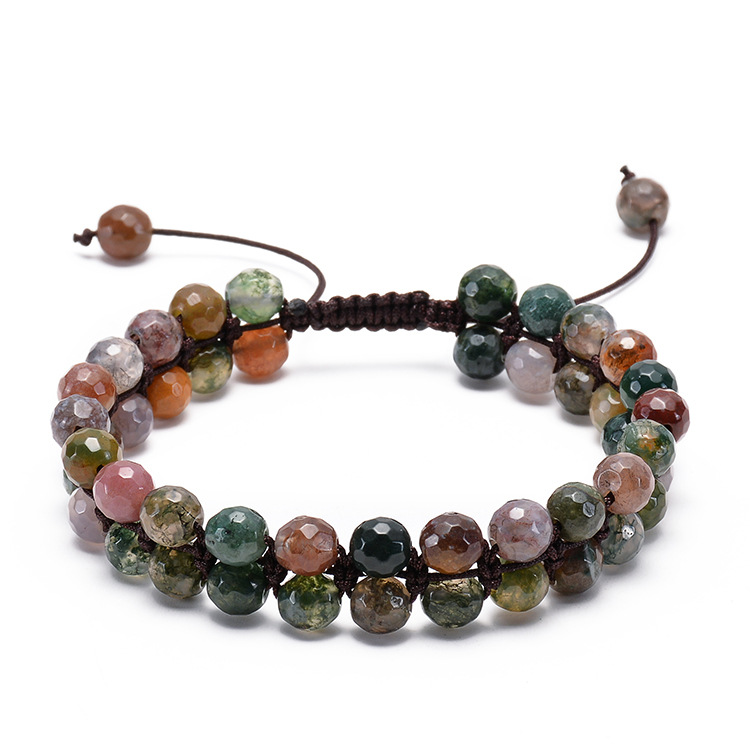
Handmade Natural India Agate Faceted Beads Double Layer Woven Bracelet Adjustable Braided Drawstring Stone Jewelry for Women Gift
$3.20

Luxury Stainless Steel Roman Numeral Bangle Set For Women With Cubic Zirconia Inlay Triple Color Gold Rose Gold Silver Fashion Jewelry Bracelet
$6.47
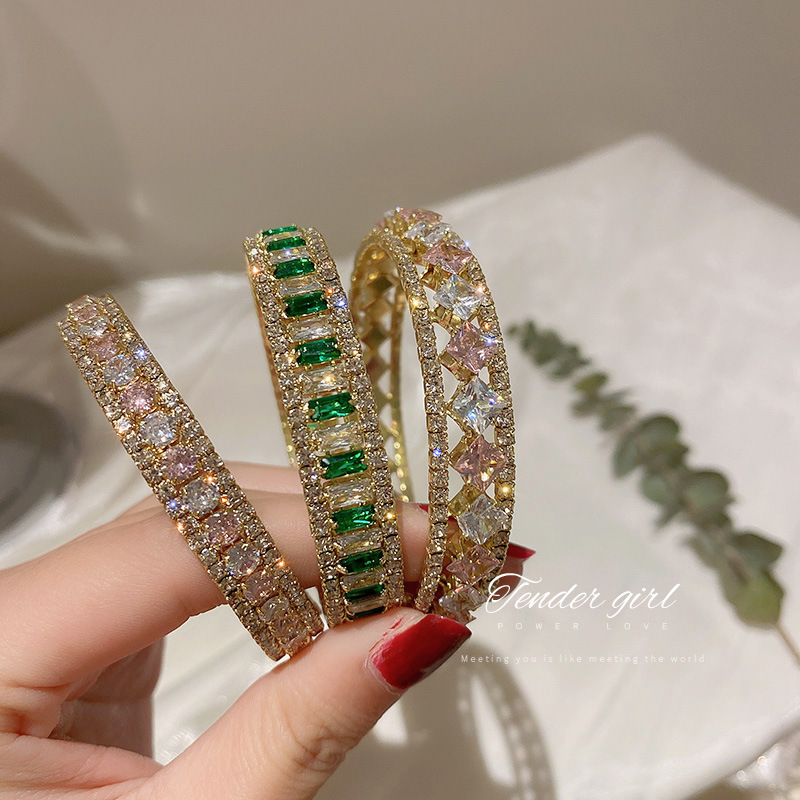
Luxury Zirconia Gold Plated Alloy Bangle Bracelet For Women Elegant Emerald Green Pink Clear Rhinestone Geometric Hollow Jewelry Wedding Party Gift
$3.09
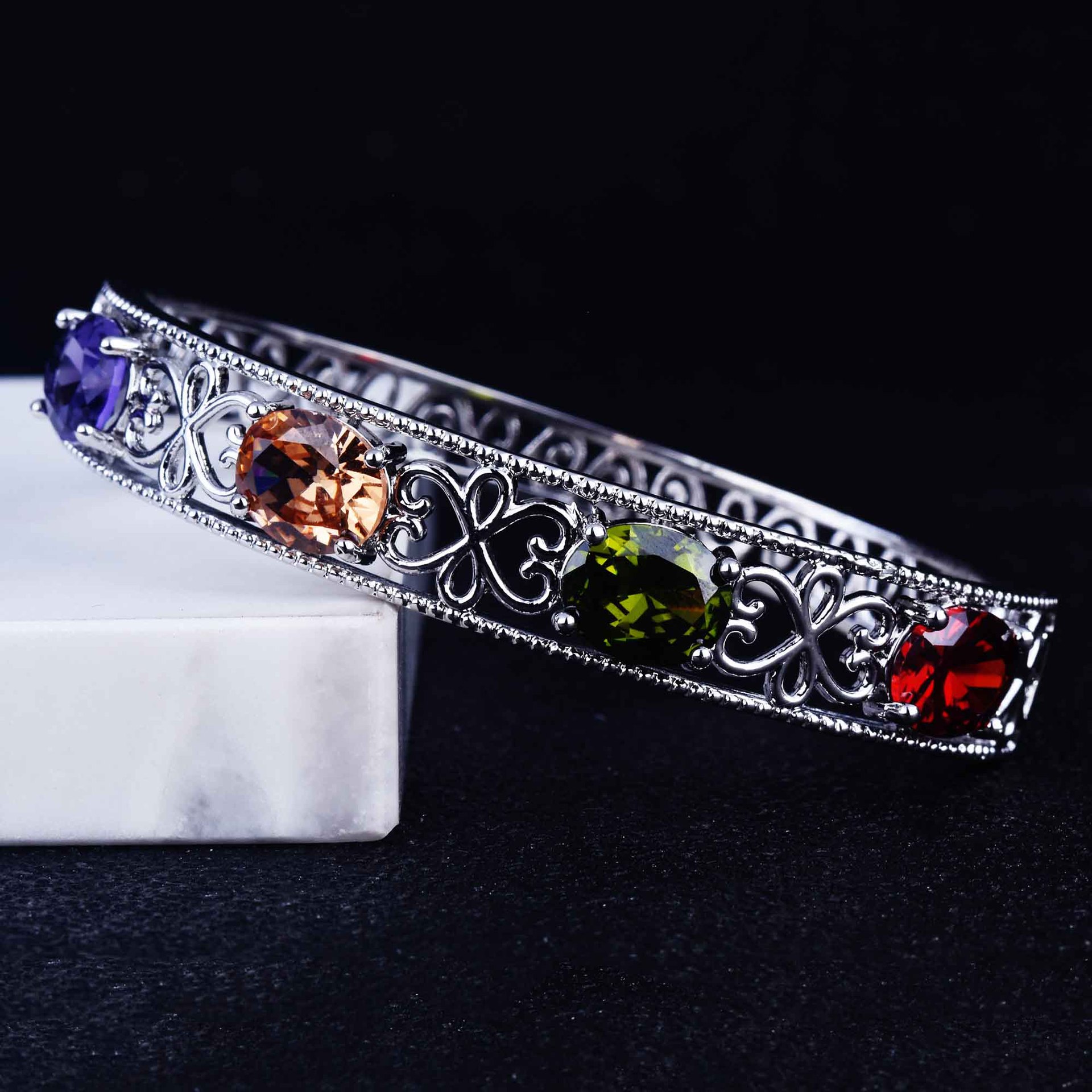
Vintage Silver Plated Copper Hollow Flower Colorful Gemstone Bangle Bracelet For Women Bohemian Ethnic Style Inlaid Zirconia Wedding Party Jewelry
$3.24
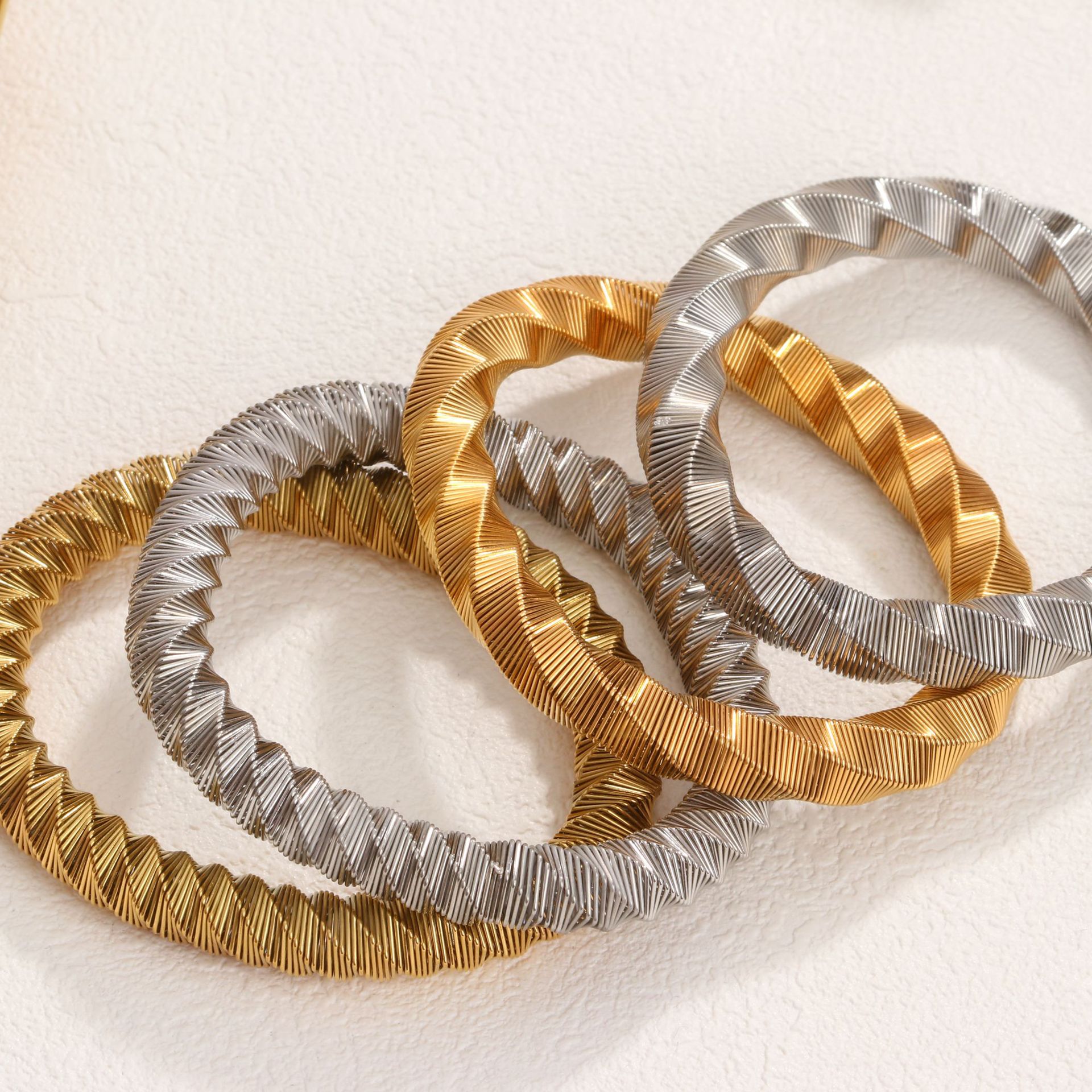
Minimalist Twisted Braided Bangle Bracelet Titanium Stainless Steel 18K Gold Plated Ribbed Wave Texture Cold Style Unisex
$2.75
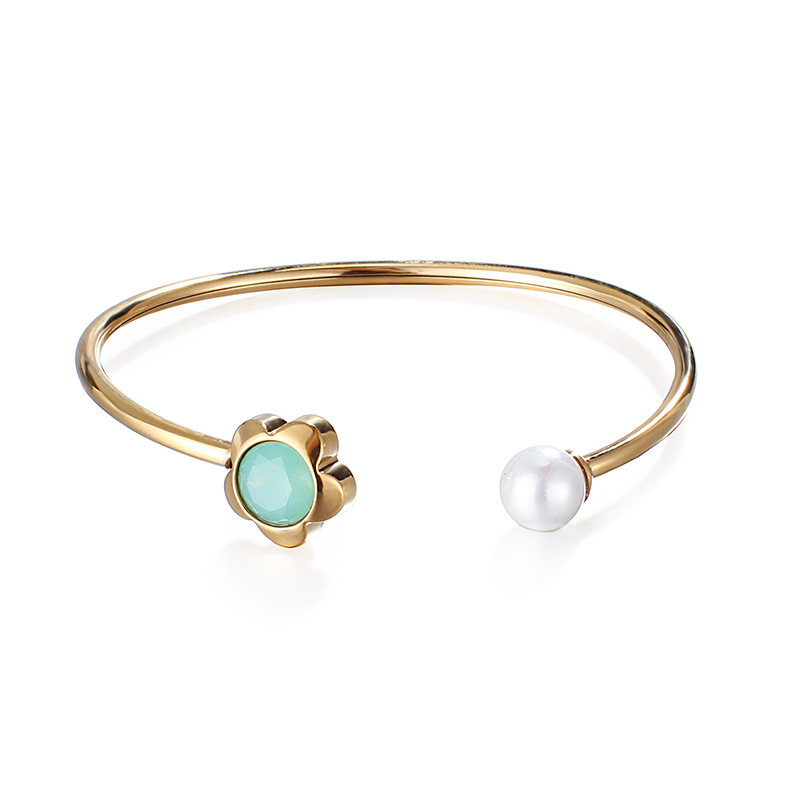
Elegant 316L Stainless Steel Open Bangle With Green Flower Crystal And White Shell Pearl Korean Style Adjustable Gold Rose Gold Silver Bracelets For Women Jewelry Gift
$3.25
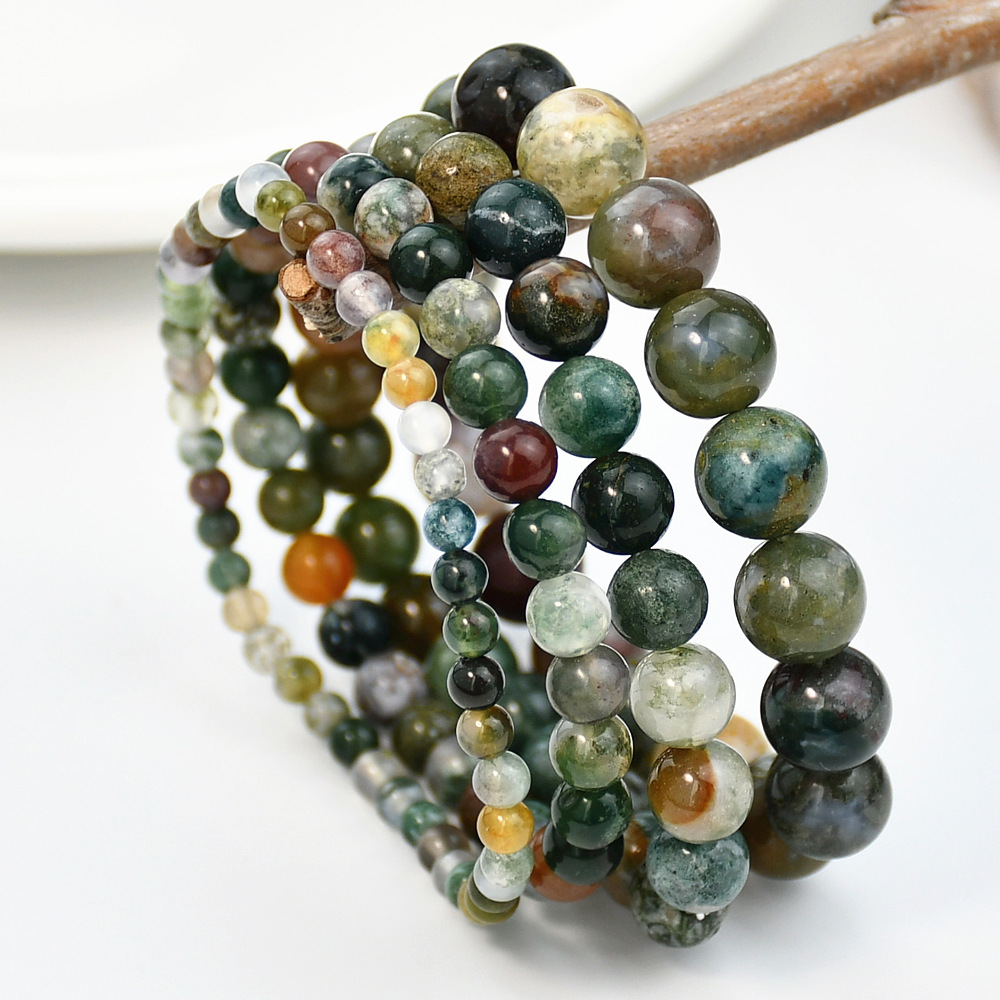
Natural India Agate Stone Beaded Bracelet For Men Women Vintage Round Healing Energy Beads Stretch Bracelet Unisex Boho Jewelry Gift
$1.02
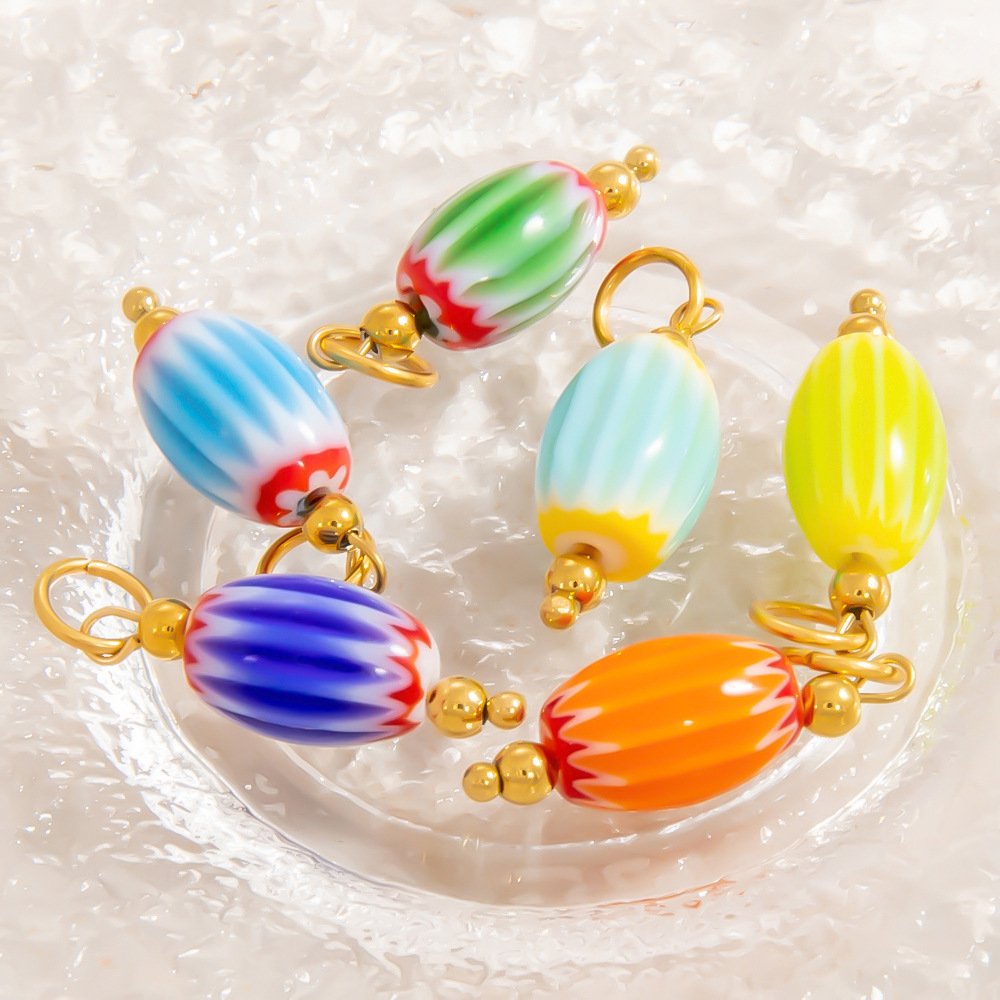
3PCS Stainless Steel Millefiori Glass Stripe Pendants Nepal Style Oval Beads Charms For DIY Necklace Jewelry Making Accessories Waterproof Hypoallergenic
$2.20
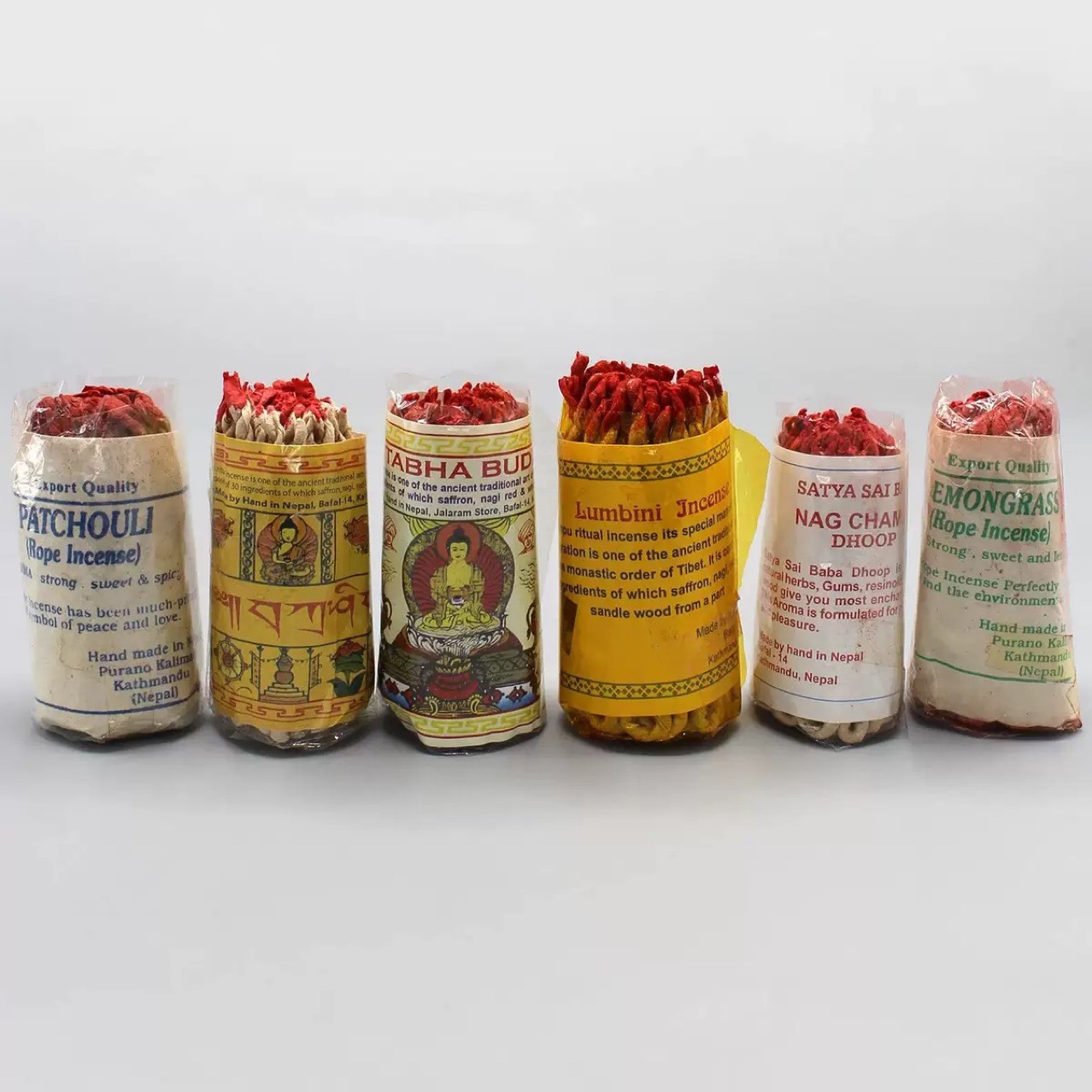
Handmade Nepal Rope Incense Natural Herbal Fragrance For Meditation Yoga Stress Relief Traditional Kathmandu Scented Lokta Paper Wrap Incense Set
$1.04
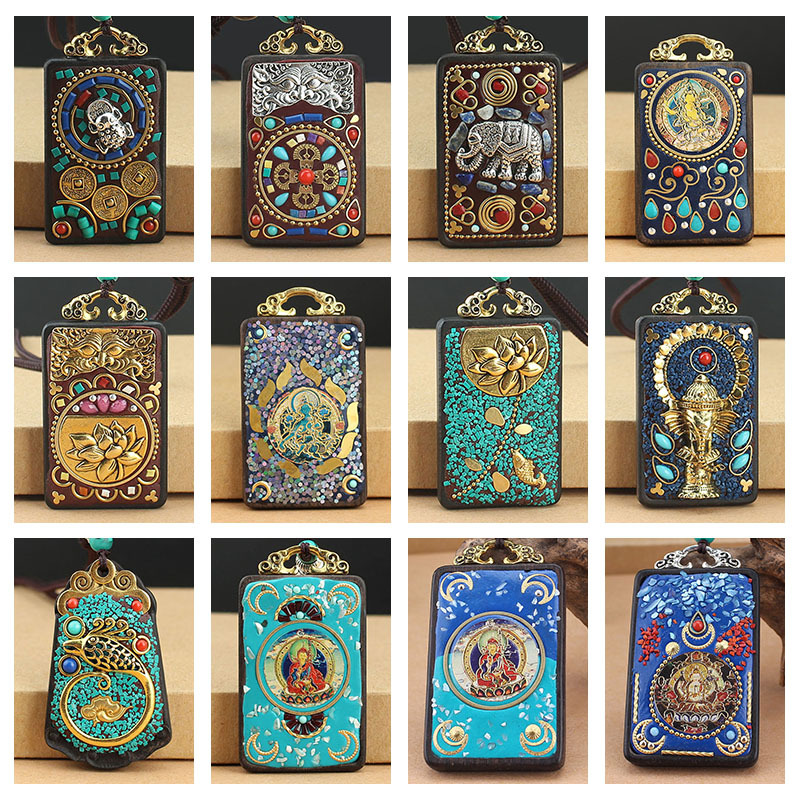
Handmade Nepal Ethnic Thangka Ebony Wood Pendant Necklace Religious Ganesha Buddha Lotus Wushi Brand Vintage Jewelry For Men Women Simulated Turquoise Braided Rope
$1.52
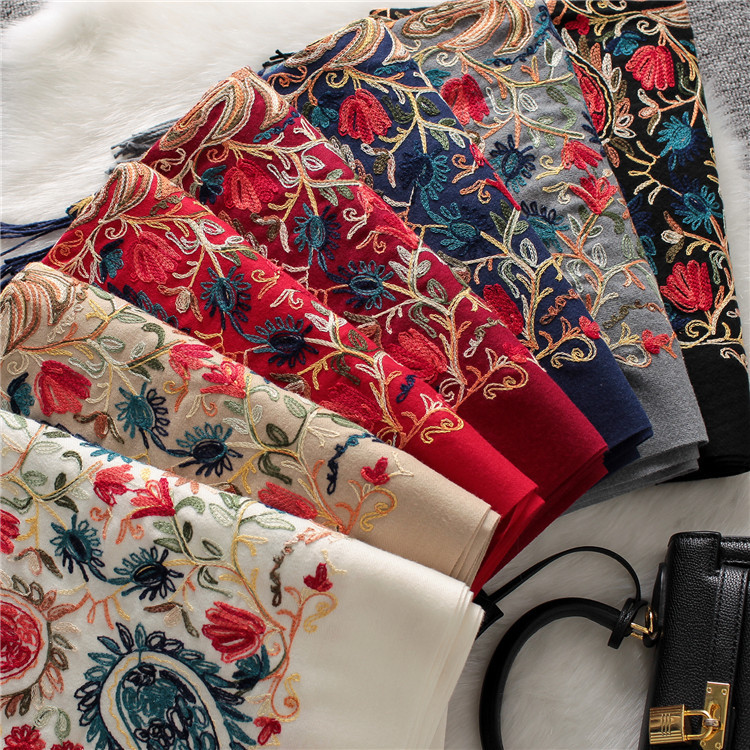
Women's Retro Ethnic Nepal Paisley Embroidered Shawl Scarf Pashmina Cashmere Blend Thick Warm Winter Wrap With Tassels For Travel Vacation Women Decorative Scarf
$8.36
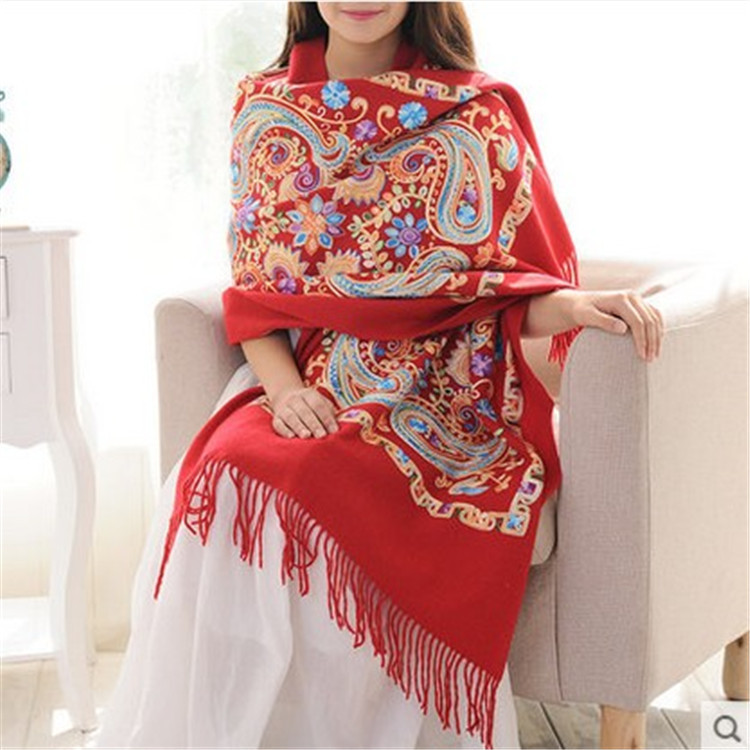
Women's Pure Wool Shawl Ethnic Nepal Paisley Embroidery Pashmina Scarf Large Thick Winter Wrap With Tassels For Travel Party Lady Luxury Warm Scarf
$8.07
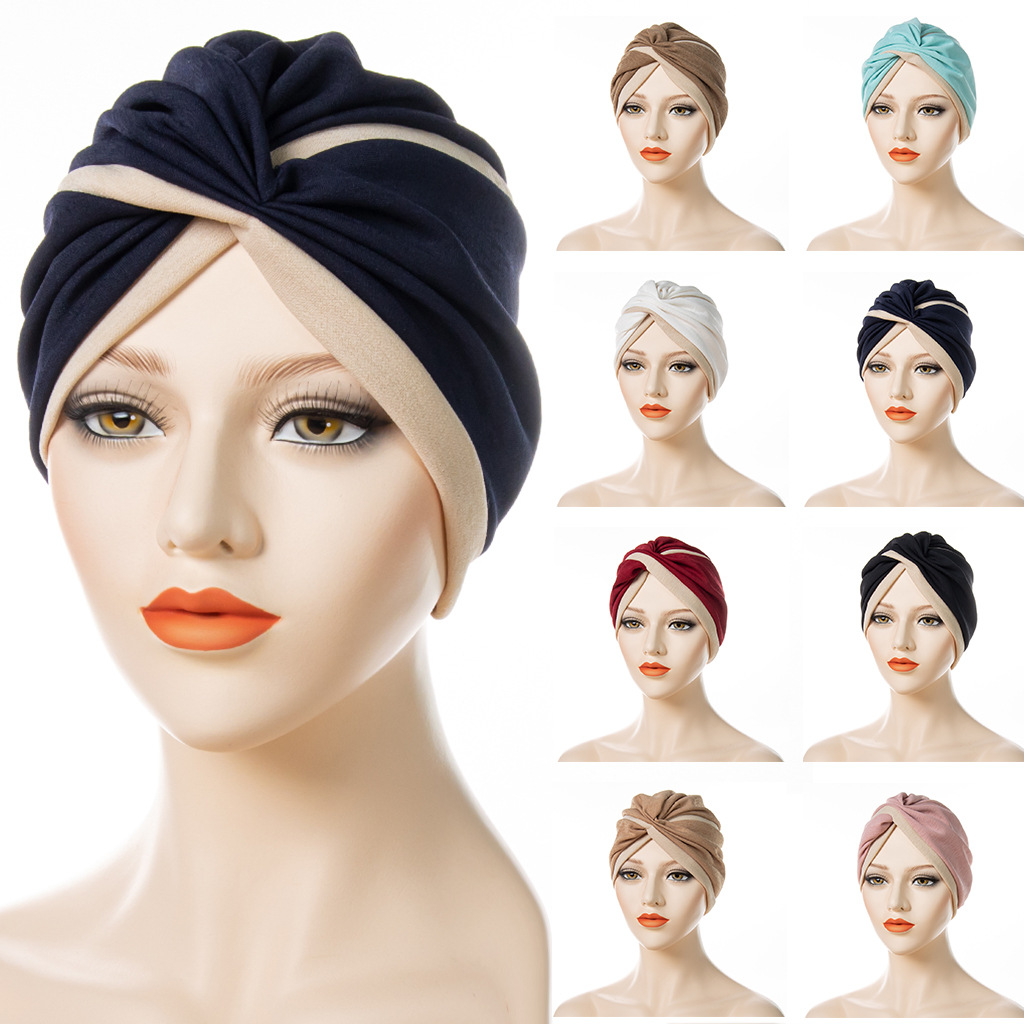
Women Muslim Turban Hat Two-Tone Color Block Crisscross Twisted Knot Pleated India Style Headwear Polyester Bohemian Ethnic Breathable Headwrap Daily Accessories
$2.12
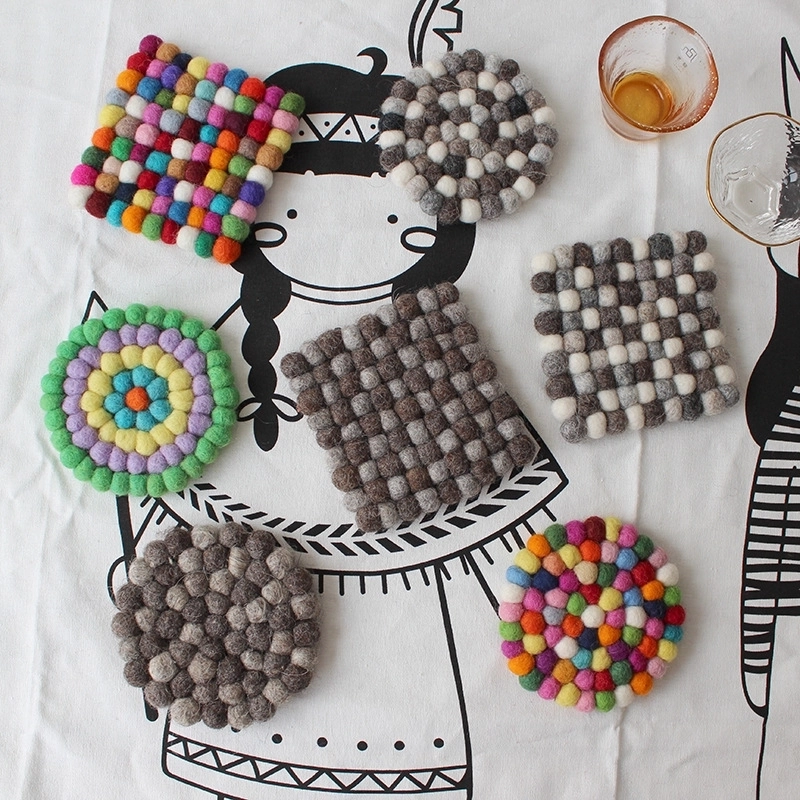
Handmade Wool Felt Ball Coasters Nepal Wool Heat Insulation Absorbent Coaster For Drinks Minimalist Round Square Felted Table Mat Kitchen Decor Gift
$2.59
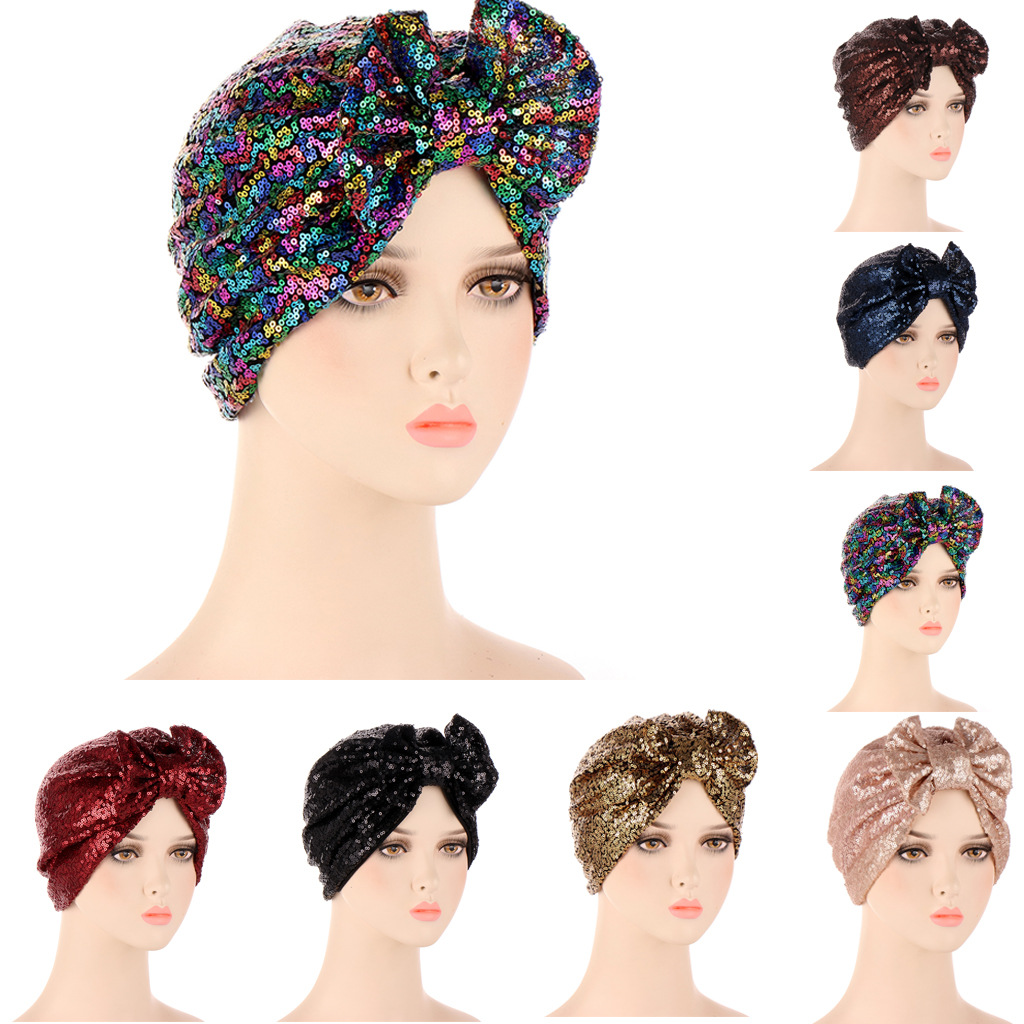
Women Sequin Turban Hat With Large Bow Knot Polyester Sparkling Muslim Headwrap India Beanie Hat For Party Wedding Daily Decoration Fashion Accessories
$2.59
Bundle Strategies for a Diversified Sourcing Approach
Bundling products from different regional suppliers lets you hedge supply risk while offering customers variety. These bundles are designed for low initial investment and high perceived value. Each combines items from DayJewel's catalog that replicate the 'hidden local supply' insight—showing buyers they don't need to rely on one source.
Nepal Heritage Bundle
A new seller wants to test Nepal-made products without committing to large minimums. This bundle covers three different categories: accessories, home goods, and incense.
- Handmade Nepal Rope Incensehero
- Handmade Nepal Ethnic Thangka Ebony Wood Pendant Necklacecomplement
- Handmade Wool Felt Ball Coasters Nepal Woolupsell
Bundle at $5.95 vs $6.65 separately – a clear value story for a test order.
Agate & Bangle Starter Kit
A Shopify seller wants to replace their single Indian bangle supplier with a mix of Indian agate and Nepali wire bangles to reduce dependency.
- Handmade Natural India Agate Faceted Beads Double Layer Woven Bracelethero
- Natural India Agate Stone Beaded Braceletcomplement
- Fashion Titanium Steel Twisted Bangle Braceletupsell
Individually $6.97, bundle for $5.49 – margin improves 21% while diversifying origin.
Warm Winter Wrap Combo
A pop-up seller targeting cold-weather markets wants to offer both shawls and headwear from different regions to avoid stockouts.
- Women's Retro Ethnic Nepal Paisley Embroidered Shawl Scarfhero
- Women's Pure Wool Shawl Ethnic Nepal Paisley Embroideryupsell
- Women Muslim Turban Hat Two-Tone Color Blockcomplement
Bundle at $13.99 vs $18.55 separately – excellent gift-segment appeal with cross-regional supply.