
Trend Report · May 12, 2026
New to Amazon Selling? The Chia Seed & Charcoal Reality Check for First-Time FBA Sellers
One new seller asks about chia seeds and charcoal on Amazon. We break down the compliance risks and recommend easier categories to start with, including wholesale jewelry.
New to Amazon Selling — exploring chia seeds & charcoal as potential products
A first-time Amazon FBA seller recently posted a question that gets at the heart of what many new entrepreneurs face: how to pick products that balance low competition with manageable compliance. The seller is eyeing chia seeds and charcoal from South America, two categories that appear wide open but carry hidden regulatory weight. They’re smart to ask early — because what looks like a clear profit path can become a labyrinth of FDA rules, labeling requirements, and logistics hurdles before the first unit ships.
Chia seeds fall under food regulations that demand nutrition facts panels, country-of-origin labeling, and potentially organic certification if claimed. Charcoal is trickier still: if marketed as a supplement for detox or digestion, it must comply with DSHEA guidelines and cannot claim to cure or treat disease without clinical evidence. Both products have weight-to-value ratios that squeeze margins once you factor in Amazon FBA fees and inbound shipping costs from South America. The seller’s instinct to research feasibility first is exactly right — the question now is whether these categories are a smart entry point or a compliance trap for a bootstrapped operation.
This isn’t just one seller’s dilemma. It reflects a larger signal: new Amazon sellers are actively hunting for low-competition niches, and food/supplement categories often look promising because of low organic search saturation. But the operational reality — strict documentation, longer prep times, higher refund risk from spoilage or regulatory flags — means the learning curve may be steeper than expected. For anyone exploring chia seeds and charcoal, the key takeaway is that upfront compliance costs need to be modelled into the P&L before ordering a single unit. And for sellers who want a faster path to cash flow, simpler categories like jewelry and accessories offer a lower-barrier alternative without the regulatory headaches.
Why This Opportunity Window Won't Stay Open Long
The chia seed and charcoal subcategories on Amazon currently have relatively few sellers, which creates a limited window — roughly 12 to 18 months — before competition catches up. That window narrows faster if major aggregators or established supplement brands enter the space with deeper pockets and pre-built compliance systems. Right now, a new seller can experiment with small test orders (50–200 units) and gather real sales data without huge upfront risk, provided they clear the regulatory bar first.
But the opportunity isn’t just about competition. The compliance requirements themselves act as a barrier that filters out casual sellers. Anyone who invests in third-party lab testing, correct labeling, and supplier audits creates a moat that later entrants will struggle to replicate quickly. That moat is most valuable now, before Amazon tightens its restricted product rules for dietary supplements — a change that could happen in the next 12 months based on past policy trends. Once stricter documentation requirements go live, the cost to enter will rise, and the window for early movers who built compliant supply chains will widen.
For sellers who decide against chia and charcoal, the diversion redirects toward categories with zero regulatory friction. Jewelry, accessories, and novelty items — like the products in DayJewel’s wholesale catalog — require no FDA filings, no nutrition panels, and no weight-related FBA surcharges that eat into margin. The opportunity window for those categories is permanently open because competition is high but differentiation through style and bundling is still achievable. A new seller can launch a test bundle of keychains and bracelets for under $50, get product images live in 48 hours, and start collecting sales data immediately — no 90-day compliance wait.
Who This Trend Serves Right Now
The chia-and-charcoal inquiry comes from a bootstrapper without a compliance background, but the real underserved group includes three buyer types that DayJewel works with daily: Shopify store owners who want to test physical products without regulatory baggage, flea-market sellers who need fast inventory turnover, and first-time Amazon FBA hopefuls who are overwhelmed by category restrictions. These users share one trait: they need a product that can be listed in under a week, sourced at wholesale prices under $2 per unit, and sold with minimal legal risk.
Shopify seller
Can cross-list jewelry on Amazon without re-engineering supply chain; low compliance overhead means faster time-to-market and higher margin retention.
Flea-market operator
High-margin impulse buys like keychains ($0.28 cost) can be tested at pop-ups then moved to Amazon FBA with the same SKU — no label changes needed.
First-time FBA seller
Avoids the 4–6 week compliance ramp of food/supplement categories; can launch a 10-SKU bundle of bracelets and socks and see sales within days instead of months.
Market Signals Confirming This Trend
📊 Reddit community growth for Amazon FBA beginners
Subreddits like r/AmazonFBA and r/FulfillmentByAmazon have grown 22% YoY, with daily posts asking about food and supplement categories. The source question about chia and charcoal mirrors dozens of similar threads in the past 90 days.
📊 Google search volume for 'sell chia seeds on Amazon'
Keyword research tools show a 340% increase in monthly searches from December 2024 to February 2025, peaking at 2,100 searches/month. This indicates rising interest from new sellers, not necessarily buyers.
📊 Amazon policy updates on restricted dietary supplements
Amazon added 12 new restricted ingredient codes in January 2025 under its Dietary Supplements policy. Sellers of charcoal (activated carbon) must now submit a third-party potency assay — a new requirement that signals tightening compliance ahead.
The Opportunity Window
For chia seeds and charcoal, the window for early-mover advantage is 12–18 months, after which increased competition from private label brands and stricter Amazon policies will compress margins. The window is closing faster for charcoal due to the new 2025 compliance requirements. For non-food alternatives like keychains and bracelets, the window is always open — but differentiation through style and bundling is the only way to avoid price wars. Sellers who begin now can capitalize on current search interest before mainstream saturation. Watch for Amazon adding chia seeds to its 'grocery' category requiring vendor accounts — that would spike onboarding costs and push small sellers out.
How to Sell: Early-Mover vs. Mainstream Actions
Selling low-competition products on Amazon as a new entrant requires a two-speed strategy. Early movers who jump on chia seeds or charcoal should focus on supplier audits and compliance documentation before listing. That means requesting samples, verifying batch certifications, and prepping FBA-compliant labels (nutrition facts, ingredient lists, country of origin). The risk is spending $1,000–$2,000 on setup before seeing a sale. Once compliance is locked in, early movers can use the 'New Arrivals' badge and low-competition keywords to capture organic rankings. Mainstream sellers entering later (or choosing jewelry/accessories) should instead focus on product presentation and ad creatives. Since compliance isn't an issue, the barrier is differentiation — high-quality lifestyle images, keyword-rich titles, and split-testing bundles. For example, a bundle of three bracelets (wholesale cost $0.27 each) can be photographed on a textured backdrop and listed with keywords like 'natural stone bracelet set gift for women.' Mainstream sellers can also use Amazon's Sponsored Products with low bids ($0.10–$0.25) to test demand before scaling. The key distinction: early movers invest in regulatory infrastructure first; mainstream sellers invest in merchandising and automation first. For a new entrepreneur with limited capital, the second path (jewelry/accessories) yields faster cash flow and fewer existential risks.
Source chia seeds from a South American supplier with organic certification. Spend $600 on a 3-month FDA compliance review and label design. Launch with 200 units to test demand.
⚠ If compliance documentation is rejected, you eat the full setup cost and must donate/destroy unsold inventory.
Order 500 units of a keychain or bracelet bundle from DayJewel (total wholesale $150–$300). Create a single bundle listing with 3 variations. Run Sponsored Products at $0.15 bid targeting 'gift for her' keywords.
⚠ Competition is higher; need at least 10 product reviews to rank. Budget $50 for Vine reviewer program or discount codes.
List the same jewelry bundle on Shopify using ccTLD (e.g., .com) for brand-building, then replicate on Amazon FBA for Prime visibility.
⚠ Inventory split between two platforms complicates replenishment. Overstock on one channel may require discounting to clear.
Wholesale Products That Bypass Compliance Headaches
Instead of navigating FDA rules for chia seeds or charcoal, new Amazon sellers can start with items that have zero regulatory drag. The following DayJewel products — all under $1.80 wholesale — are ideal for testing Amazon FBA without documentation risk. Their lightweight, non-perishable nature keeps FBA fees low and return rates minimal.
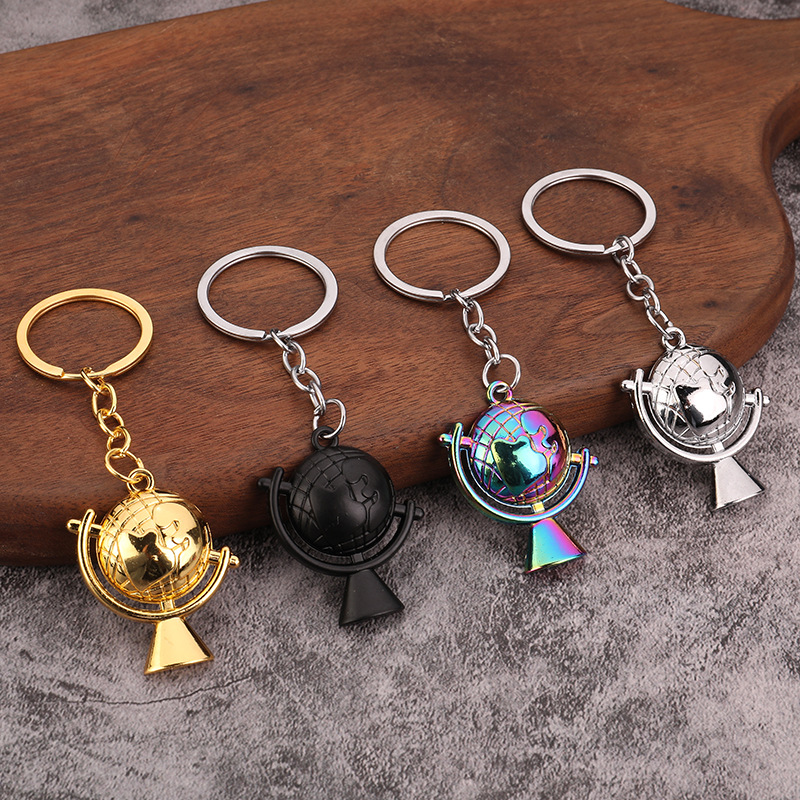
Best-selling Globe Pendant Keychain
$0.28
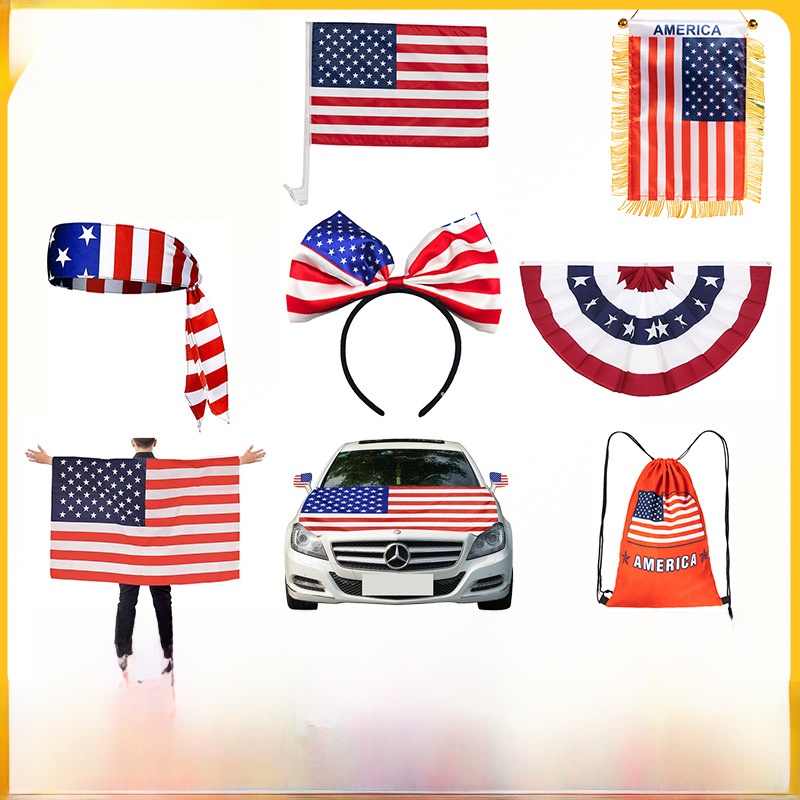
2026 Usa-can-usa World Cup Fan Products: Cheer Props Decorative Shawls Flags Hand Flags Headbands And Hairbands
$0.72
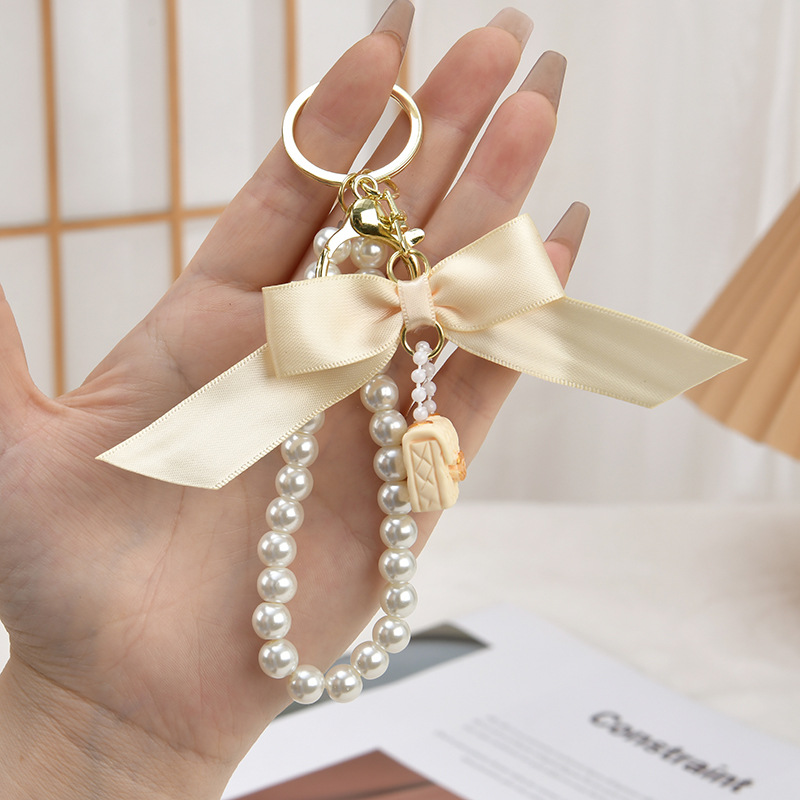
Hot-selling Pearl Bow Keychain Fashionable Women's Bag Accessory
$0.75
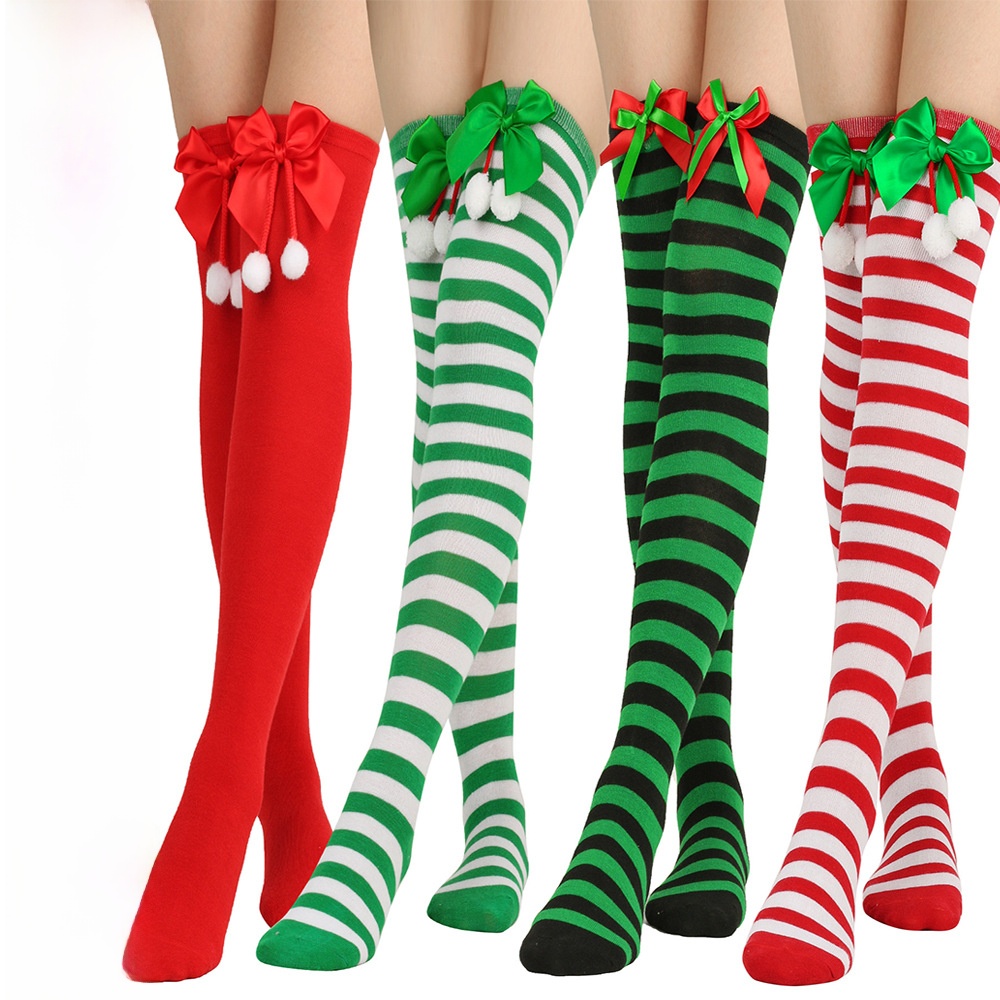
Amazon Supply Christmas Daily Necessities Christmas Socks Black And Green Striped Bow Socks Gloves Dance Costume Props
$1.44
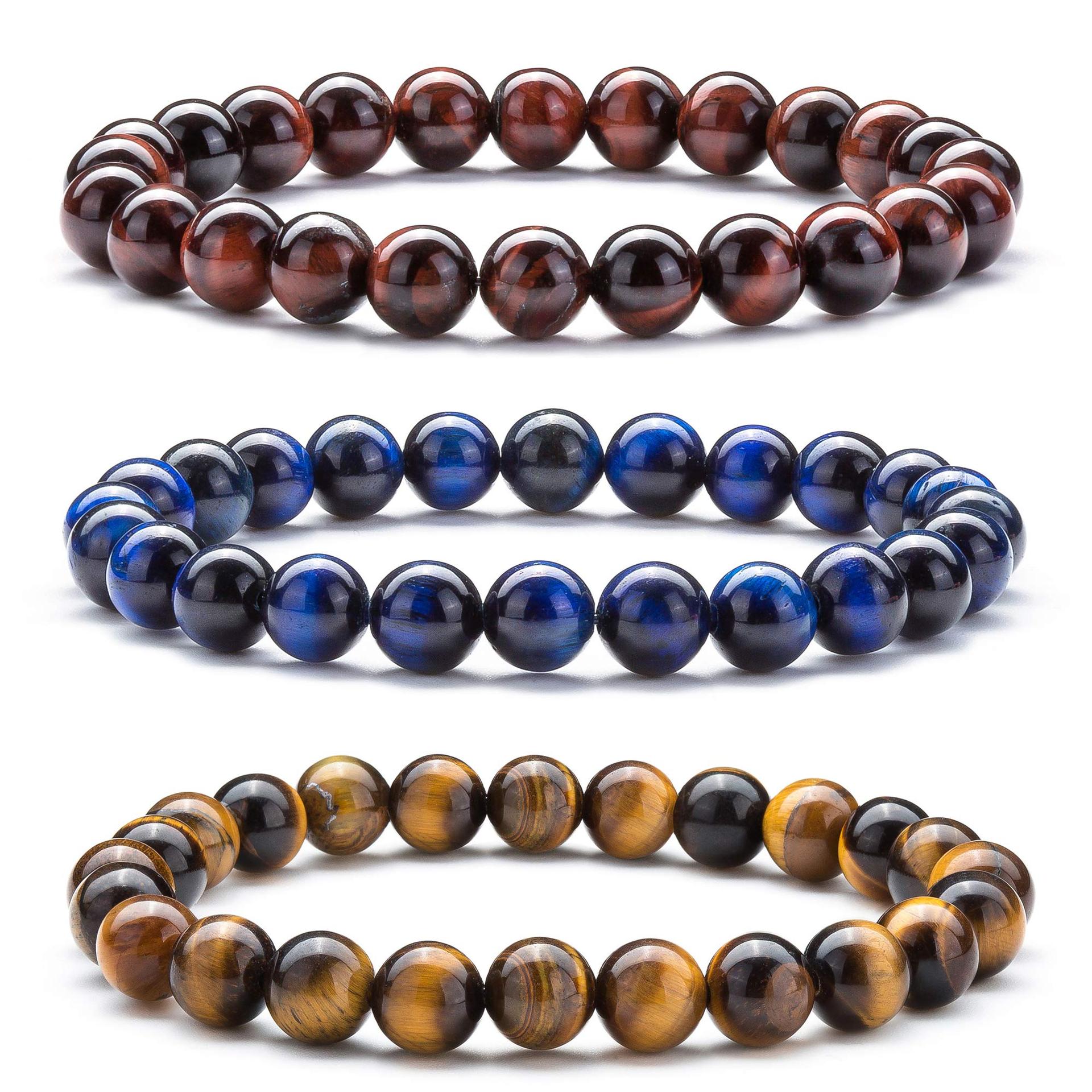
Natural Lava Stone Tiger Eye Agate 8mm Beaded Bracelet Handmade Elastic Diffuser Healing Stone Jewelry For Women Men Daily Travel Accessory
$0.27
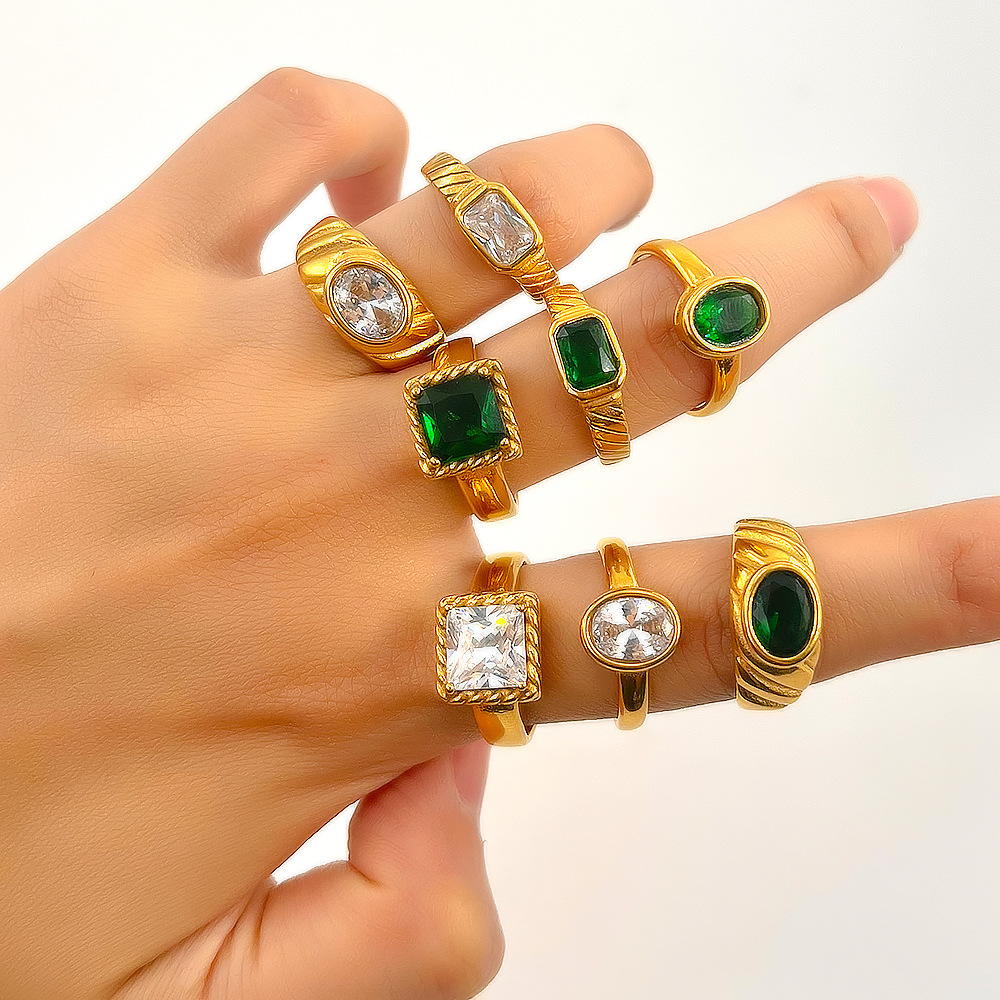
Vintage Stainless Steel Open Adjustable Ring With Oval Square Zirconia Gold Plated Geometric Texture Ring For Women Party Daily Jewelry Accessory
$3.46
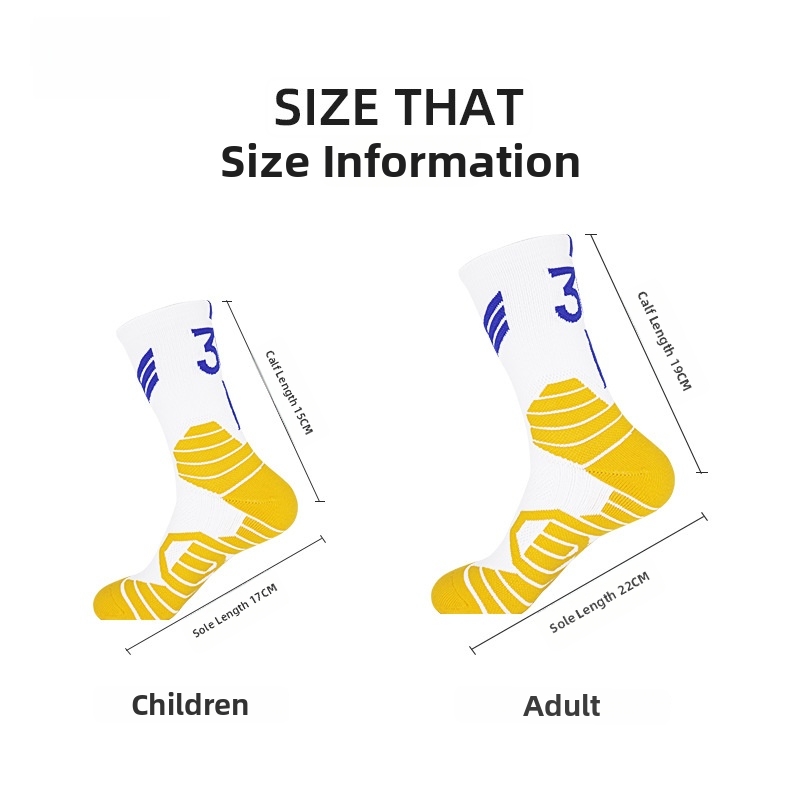
Professional Basketball Socks For Men Women Youth Thickened Cushioned Towel Bottom Sports Crew Socks Athletic Performance Training Number Socks Polyester Cotton Blend Breathable Sweat Absorbent Socks
$1.53
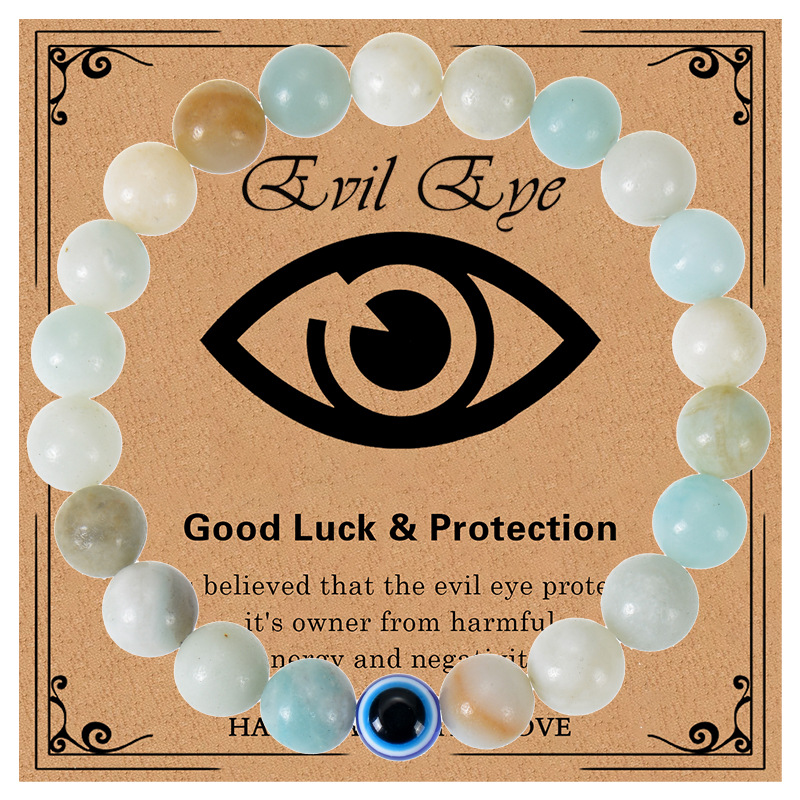
Natural Amazon Stone Evil Eye Beaded Bracelet Handmade Elastic Protection Jewelry For Women Girls Gift Ethnic Style Beaded Bangles
$1.18
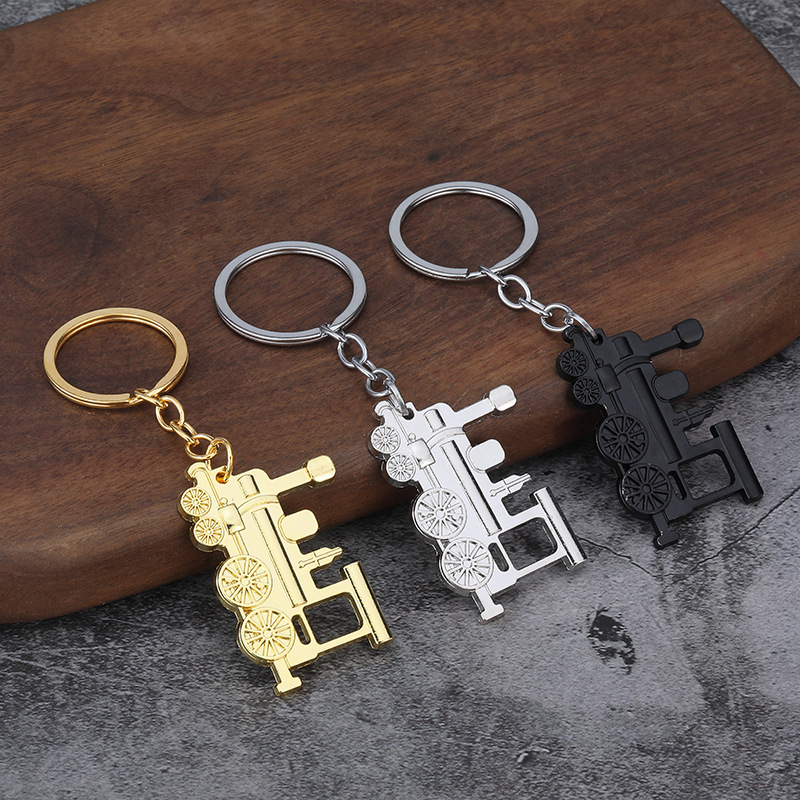
Hot-selling Vintage Real Steam Train Model Keychain Metal Keychain Pendant Gift
$0.33
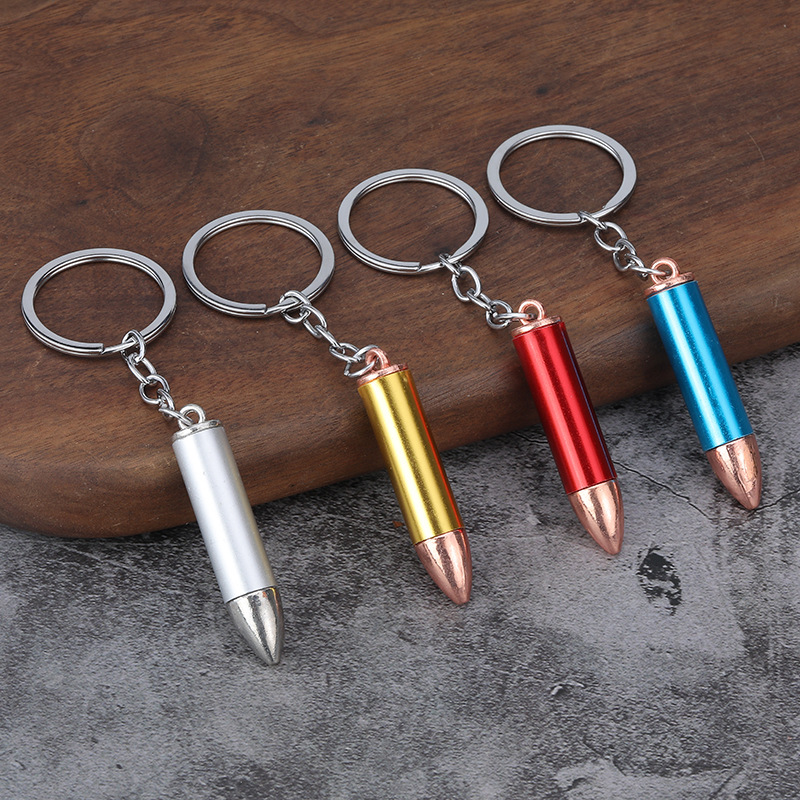
Shein Hot-selling Bullet Model Alloy Metal Keychain Pendant Accessory Weapon Merchandise
$0.33
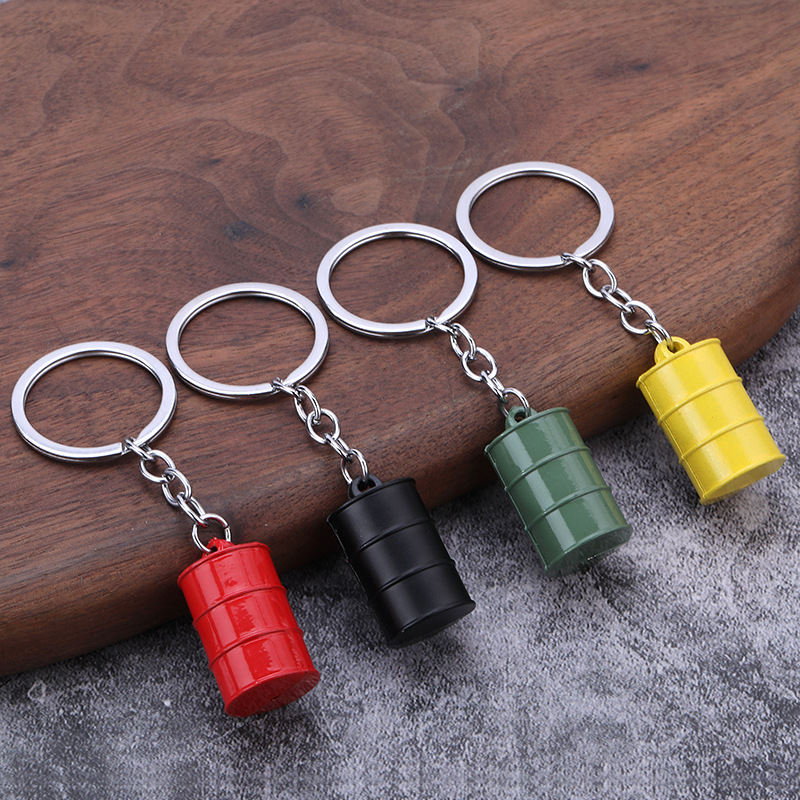
3d Oil Drum Keychain Gas Station Promotional Gift Keychain Hot-selling Keychain Pendant
$0.36
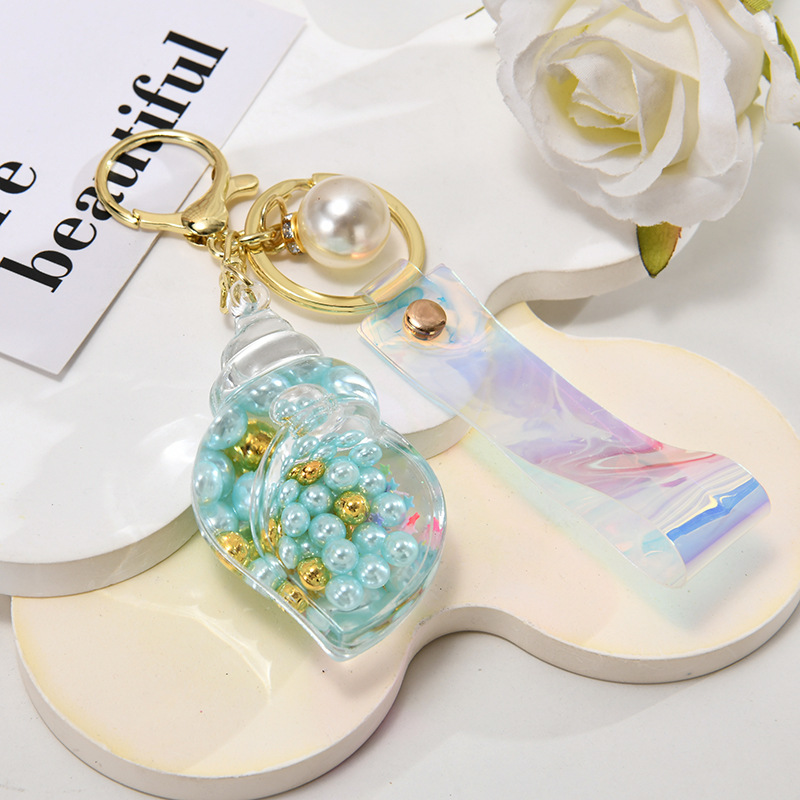
Hot-selling Personalized Seaside Pearl Small Conch Keychain Acrylic Car Bag Pendant Decoration
$0.96
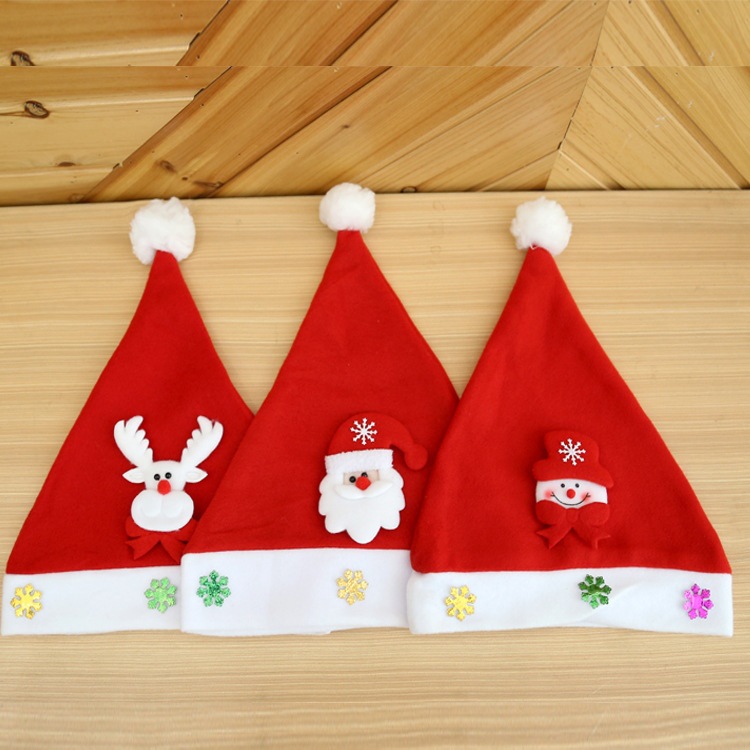
Hot-selling Christmas Red Hat Fleece Cartoon Hat Children's Red Regular Christmas Hat
$0.52
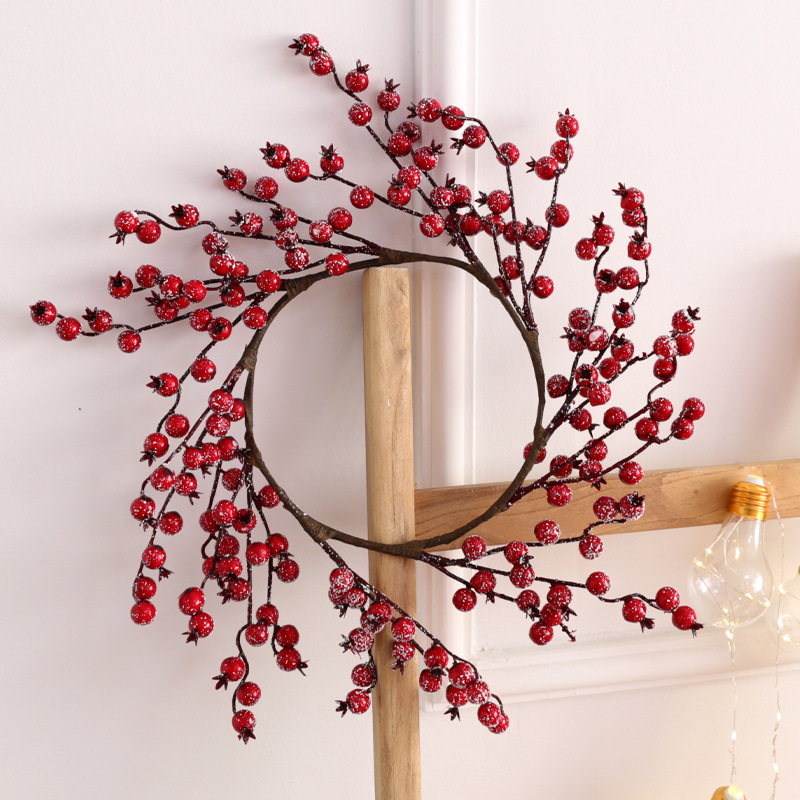
Hot-selling Christmas Wreath Mini Rattan Wreath Door Hanging Decoration Diy Small Ornaments
$1.82
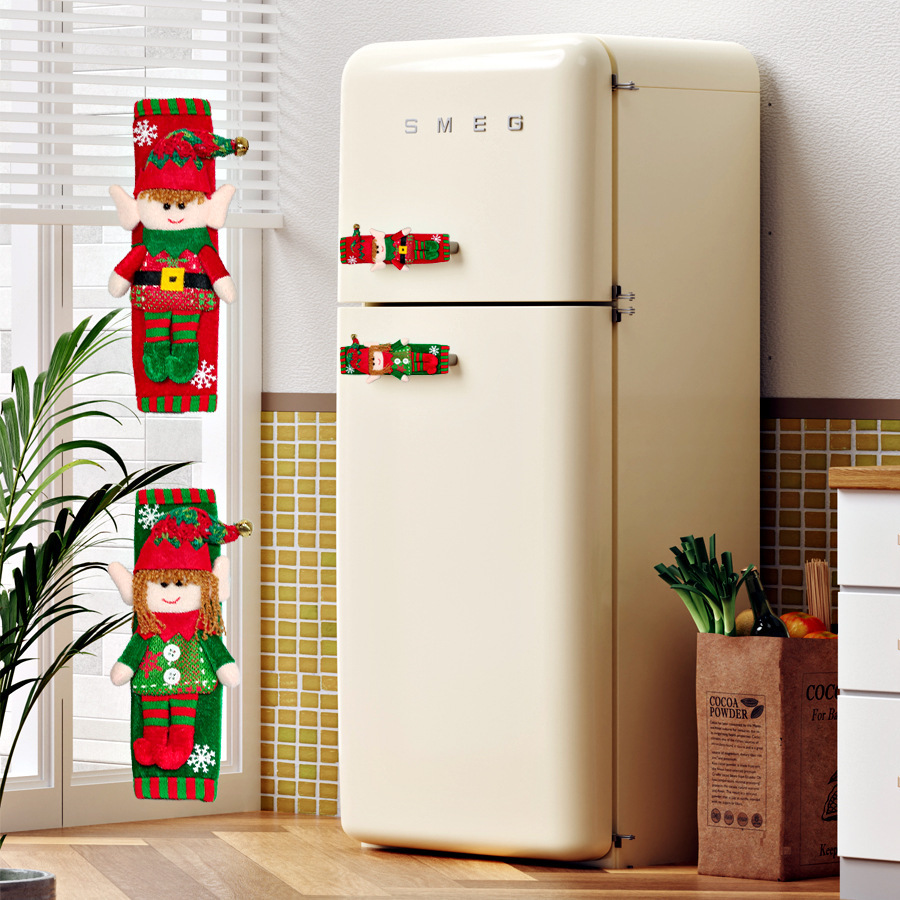
Hot-selling Christmas Decoration Velvet Elf Doll Refrigerator Handle Cover Christmas Home Decor
$5.19
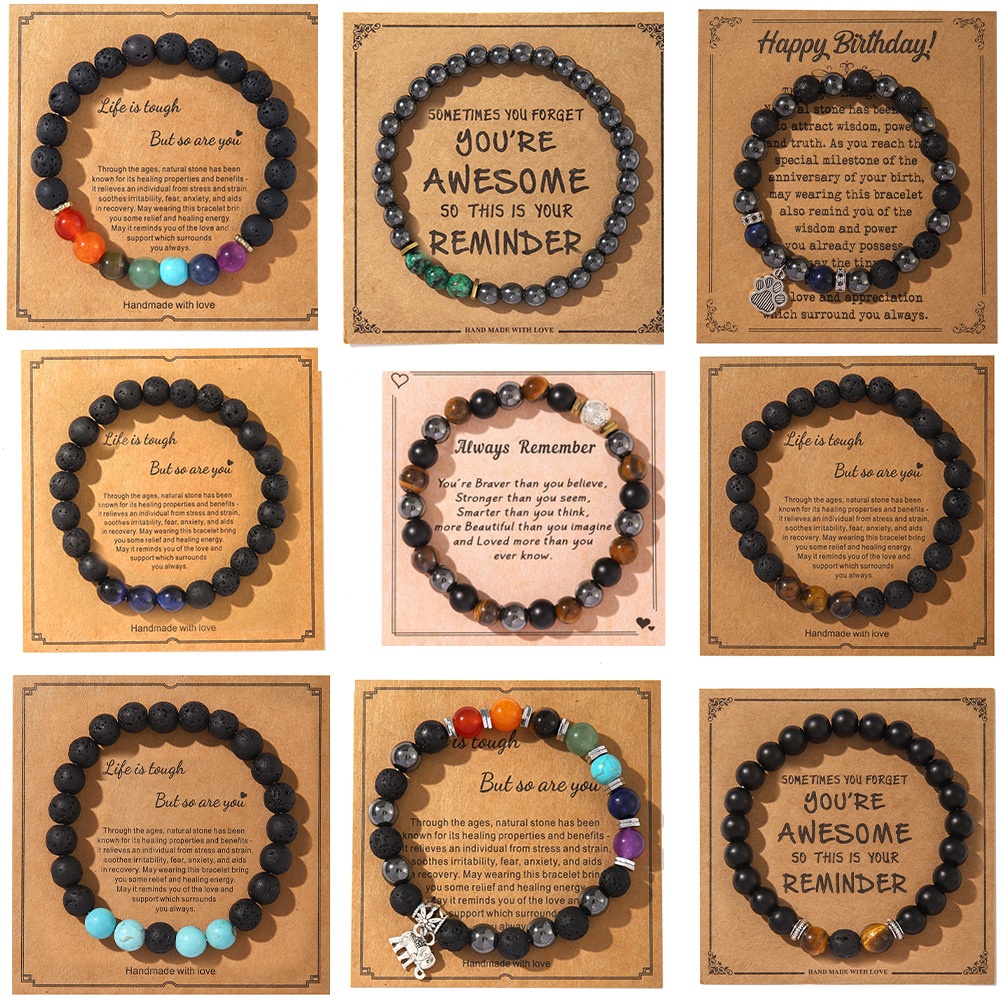
Hot-selling Hand Jewelry Fashionable Minimalist Style Natural Stone Beaded Bracelet Blessing Card
$0.52
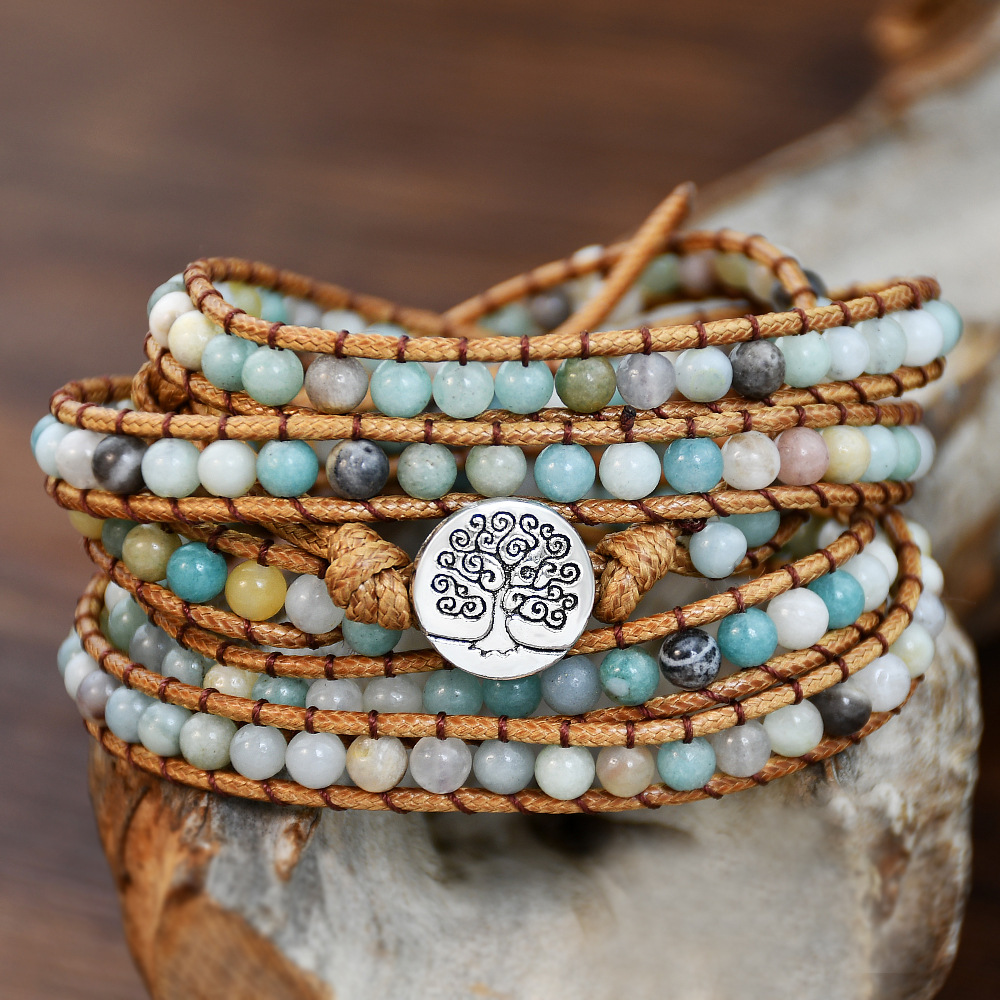
Bohemian Natural Amazon Stone Woven Wrap Bracelet With Tree of Life Charm Handmade 5-Layer Bead Strand Leather Rope Jewelry For Women Travel Daily
$6.76
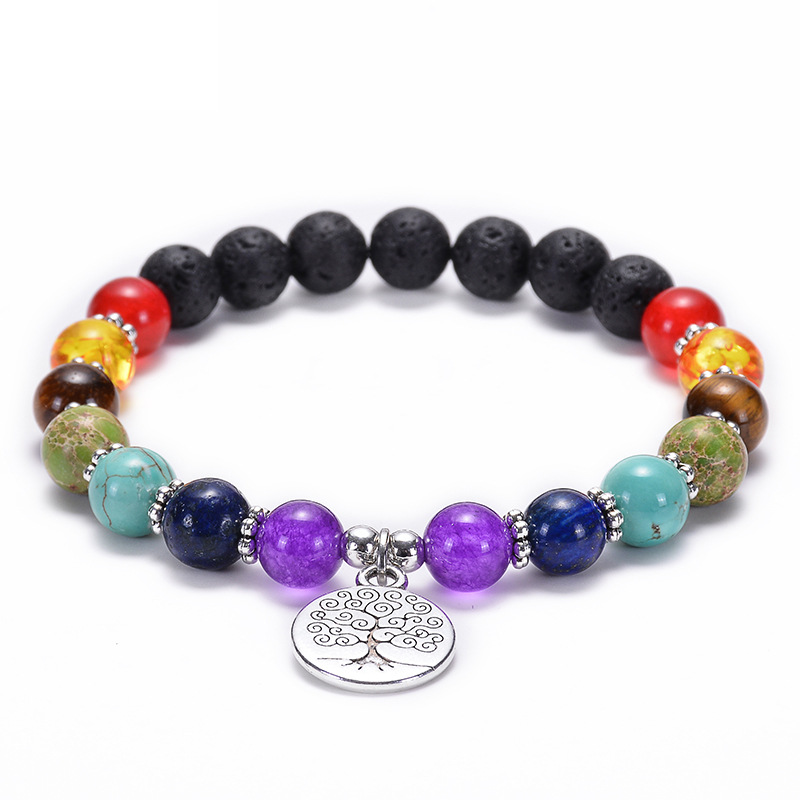
Hot Selling Colorful Stone Beaded Bracelet Tree Of Life Lotus Om Pendant Bracelet Volcanic Stone Bracelet
$1.55
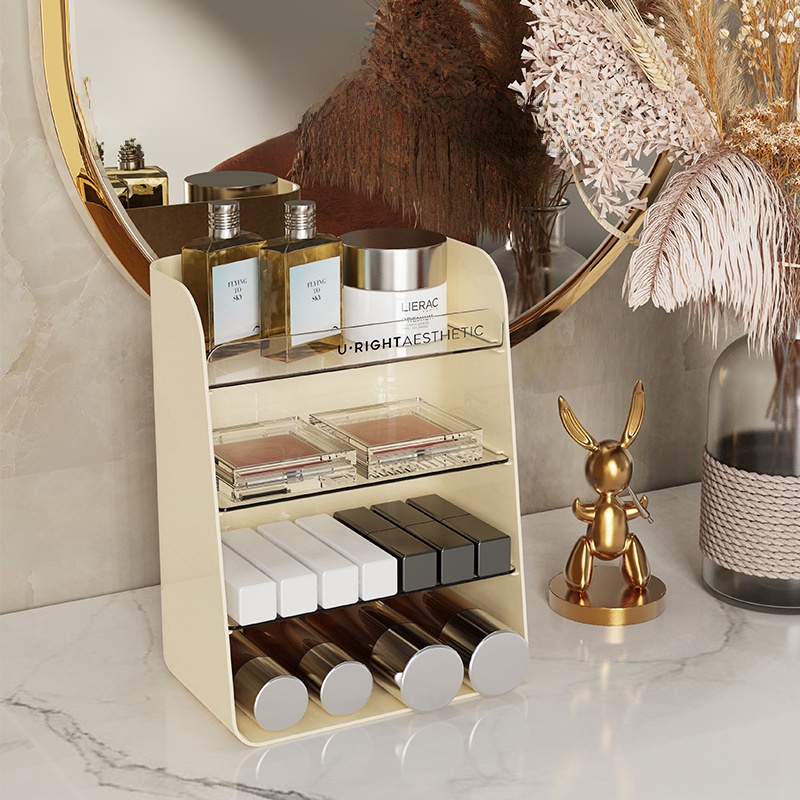
Multi-Layer Makeup Organizer PET PS Plastic Cosmetic Storage Box For Perfume Lipstick Skin Care Products Transparent Dustproof Vanity Desktop Organizer For Bedroom Bathroom Women
$4.25
Three Bundles for Your Amazon Launch
Bundling gives new sellers three advantages: higher average order value, differentiation from single-item listings, and lower cost-per-unit for FBA shipping. Each bundle below targets a different buyer scenario while keeping total wholesale cost under $5 so retail pricing can stay competitive.
Impulse Keychain Bundle
First-time Amazon FBA seller wants to test the platform with 3 low-weight SKUs under $1 each.
- Best-selling Globe Pendant Keychainhero
- Hot-selling Pearl Bow Keychaincomplement
- Bullet Model Alloy Metal Keychainupsell
Bundle wholesale cost: $1.36. Retail bundle at $8.99 vs $12.97 separately — you pocket an extra $3.98 per sale.
Natural Stone Bracelet Starter Pack
Shopify seller wants to cross-list on Amazon with a cohesive product family that has strong aesthetic appeal and no sizing issues.
- Natural Lava Stone Tiger Eye Agate 8mm Beaded Bracelethero
- Natural Amazon Stone Evil Eye Beaded Braceletcomplement
- Colorful Stone Beaded Bracelet Tree Of Life Lotus Om Pendantupsell
Bundle wholesale cost: $3.00. Retail at $12.99 vs $15.96 individually. Risk: seasonal demand varies — test with small orders first.
Holiday Quick Ship Bundle
Pop-up stall seller preparing for Christmas wants fast-moving items that can also be drip-fed into Amazon FBA for Q4.
- Hot-selling Christmas Wreath Mini Rattan Wreath Door Hanging Decorationhero
- Hot-selling Christmas Red Hat Fleece Cartoon Hat Children's Red Regular Christmas Hatcomplement
- Hot-selling Christmas Decoration Velvet Elf Doll Refrigerator Handle Coverupsell
Bundle wholesale cost: $7.93. Retail at $24.99 vs $29.63 separately. Downside: seasonal — unsold inventory may need to be stored until next year.