
Trend Report · May 13, 2026
OA Replenishables: How to Spot and Profit from Repeat-Buy Accessories
Identify replenishable accessories with steady demand. DayJewel wholesale pricing, profit scenarios, and bundling tactics for OA sellers targeting repeat sales.
OA Replenishables – The Repeat-Buy Signal
The Reddit thread 'OA Replenishables' zeroes in on a core challenge: plenty of products are profitable once, but what signals tell you something is worth buying repeatedly? For accessories wholesalers, the answer often lies in low-ASP SKUs with consistent demand – think packaging cards at $0.01 per unit or sticker sets at $0.03. These items carry high sell-through probability because every jewelry seller needs them to ship orders. The key margin trigger is volume: at $0.01 wholesale, you can retail a 100-pack for $6.99, yielding $6.98 gross profit per sale before shipping. The signal isn't flash – it's predictable reorder cycles from end-customers who buy packaging every month as they sell through their own inventory.
Why Replenishables Matter for OA Margins
The margin opportunity with replenishables comes from compounding repeat buys. A single flip might net $5 once; a good replenishable can generate $5 every week from the same product listing, with zero additional listing fees. The source summary highlights that OA sellers often overlook this: they chase one-hit-wonders instead of building SKUs that auto-repeat. For accessories, replenishable candidates include consumable goods like earring backs (not in our list but analogous), packaging supplies, or low-cost jewelry that serves as add-on purchases. The cost structure is favorable: wholesale costs between $0.01 and $1.50 for most DayJewel items, leaving room for 60-80% gross margins when sold in packs. The real profit lever is reducing cost of goods through bulk buys – buying 5000 paper cards at $0.01 each versus 100 at $0.02 each drops unit cost 50%.
Who Should Build Replenishable Inventory
This strategy fits sellers who already have stable sales volume and want to reduce time spent hunting new products. Profiles below show typical candidates.
Shopify seller
Leverage repeat-buy SKUs to smooth revenue – packaging stickers and display cards attach to every jewelry order, ensuring consistent add-on sales without extra ad spend.
Flea-market stall operator
Low-value, high-turn items like $0.19 brooches or $0.03 stickers can be sold in multi-packs, generating repeat foot traffic from customers who collect designs.
Etsy print-on-demand seller
Replenishable categories like thank-you cards ($0.03) and kraft tags ($0.01) are essential for order fulfillment – buy them once and they last months, reducing per-order cost.
Margin Anatomy: Replenishable Accessory Cost Drivers
| Component | Low Range | High Range | Notes |
|---|---|---|---|
| Wholesale cost | $0.01 | $6.03 | Driven by raw material (plastic vs metal) and order volume – buying 1000 units of $0.01 cards vs 100 units keeps per-unit cost flat. |
| Shipping & fulfillment | $0.50 | $3.00 | For low-weight items like stickers, USPS First Class keeps cost under $1. Heavier items like the $3.60 hat require Priority Mail, eating margin. |
| Packaging & inserts | $0.05 | $0.25 | You can use DayJewel's own packaging cards (from product 220832) as your shipping packaging, saving $0.10 per order. |
| Seller fees (platform) | $0.45 | $1.20 | Etsy charges $0.20 listing + 6.5% transaction fee; Shopify charges ~2.9% + $0.30. Low-cost items suffer fee drag – bundle to increase order value. |
| Advertising (PPC) | $0.10 | $1.00 | Replenishables with strong organic search (e.g., 'thank you stickers') require less ad spend. Test with $0.50 bid on exact match keywords. |
Profit Scenarios for Replenishables
| Scenario | Wholesale | Retail | Profit | Best For |
|---|---|---|---|---|
| Conservative: 30% net margin | $0.30 | $1.50 | $1.20 | Replenishables with high shipping cost (e.g., hats at $3.60 shipped) |
| Moderate: 60% net margin | $0.50 | $3.99 | $3.49 | Multi-pack bundles like brooch trios or charm sets |
| Aggressive: 85% net margin | $1.00 | $12.99 | $11.99 | Personalized gift sets (keychain + pendant + bracelet) sold as a gift box |
Selling Replenishable Accessories: Channels & Tactics
The source summary from OA sellers emphasizes spotting 'replenishable signals' – products that customers need repeatedly. For accessories, that means focusing on low-ASP items with a short reorder cycle. The tactics below cover three high-return channels, each with a specific approach to maximize margin.
List 100-packs of DayJewel's kraft tags ($0.01 each) and sticker sets ($0.03) as 'Ready to Ship' supplies. Target keywords like 'jewelry packaging for sellers'. Use flat-rate shipping $0.55.
⚠ Low barrier to entry – many sellers compete, so differentiate by bundling with a free 10-piece sample of your own jewelry.
Send 500 units of the $0.19 stethoscope brooch, priced at $2.99. Use FBA small-and-light to keep fees under $1.70. Run PPC on 'nurse pin' keywords.
⚠ Returns are common – if a customer returns a $2.99 item, you lose $1.70 in fees. Accept returns and relist.
Create a monthly 'Sticker & Tag Club' – send 10 kraft tags and 5 thank-you stickers each month for $4.99. Use DayJewel's $0.01 and $0.03 products to keep COGS under $0.50.
⚠ Churn rate can be high if subscribers forget they signed up. Offer a 3-month minimum commitment to stabilize cash flow.
Top Replenishable SKUs from DayJewel
These products score high on the replenishable matrix: low unit cost, steady demand across seasons, and natural cross-sell potential. Each can be sourced at wholesale pricing to support consistent margins.
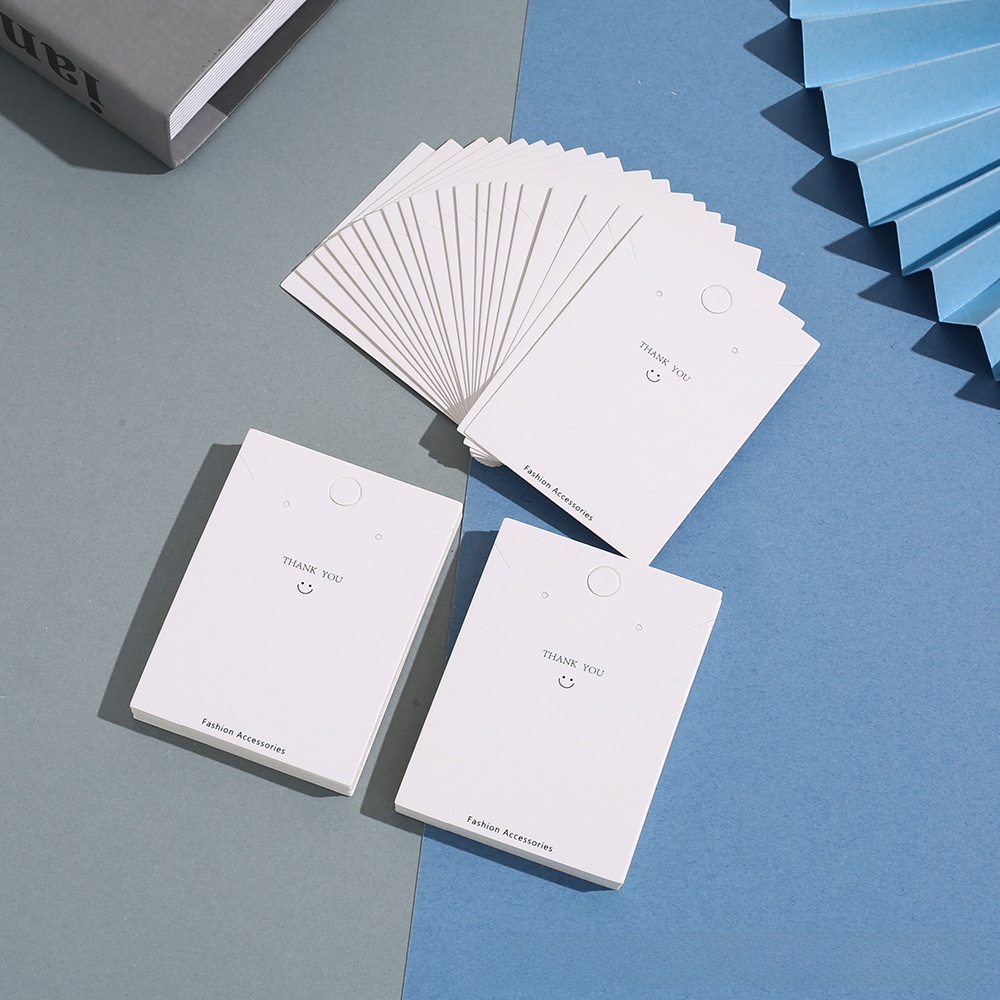
White Paper Jewelry Display Cards And OPP Bags Set Thank You Printed Cardboard Earring Necklace Packaging Cards For Jewelry Sellers Display Accessories
$0.02
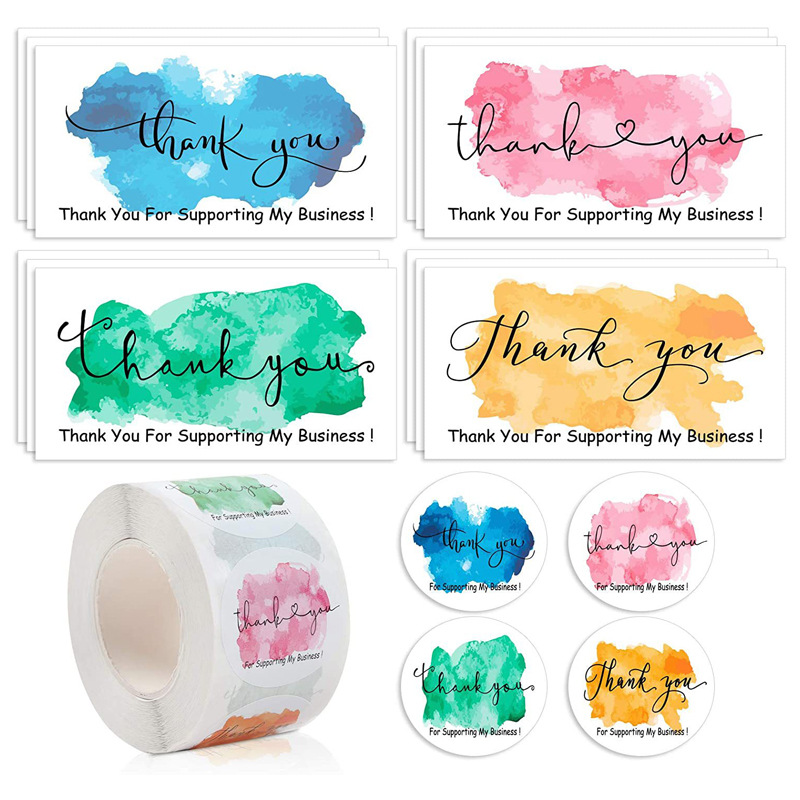
Watercolor Thank You Stickers And Cards Set For Small Business Paper Self-Adhesive Labels For Gift Packaging Decor Stationery For Online Sellers
$0.03
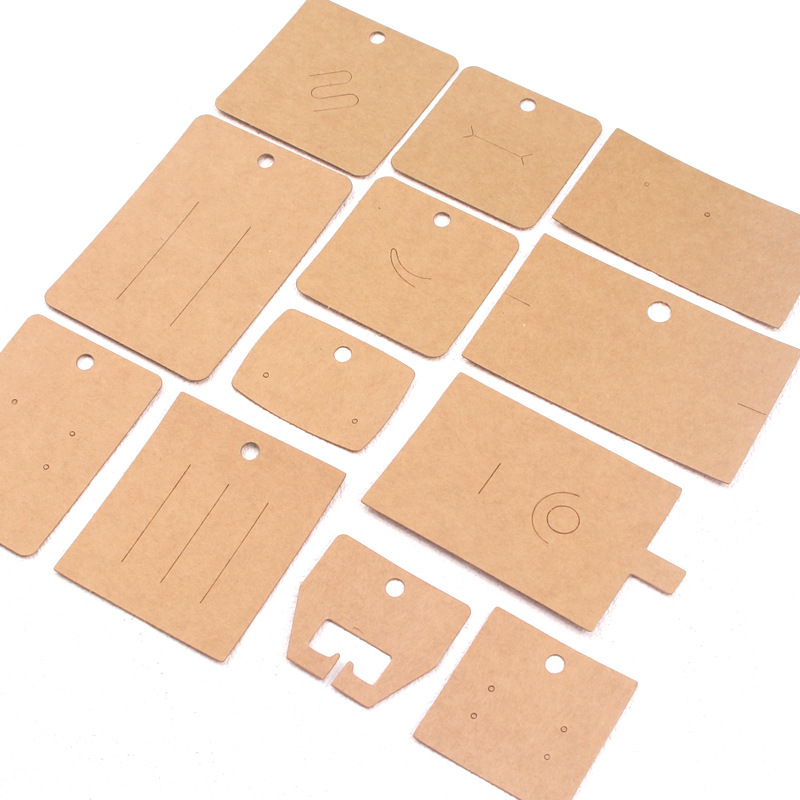
100PCS Blank Kraft Paper Jewelry Display Cards For Earrings Necklaces Bracelets Hair Clips Minimalist Jewelry Packaging Hanging Cards DIY Handmade Jewelry Tags For Sellers
$0.01
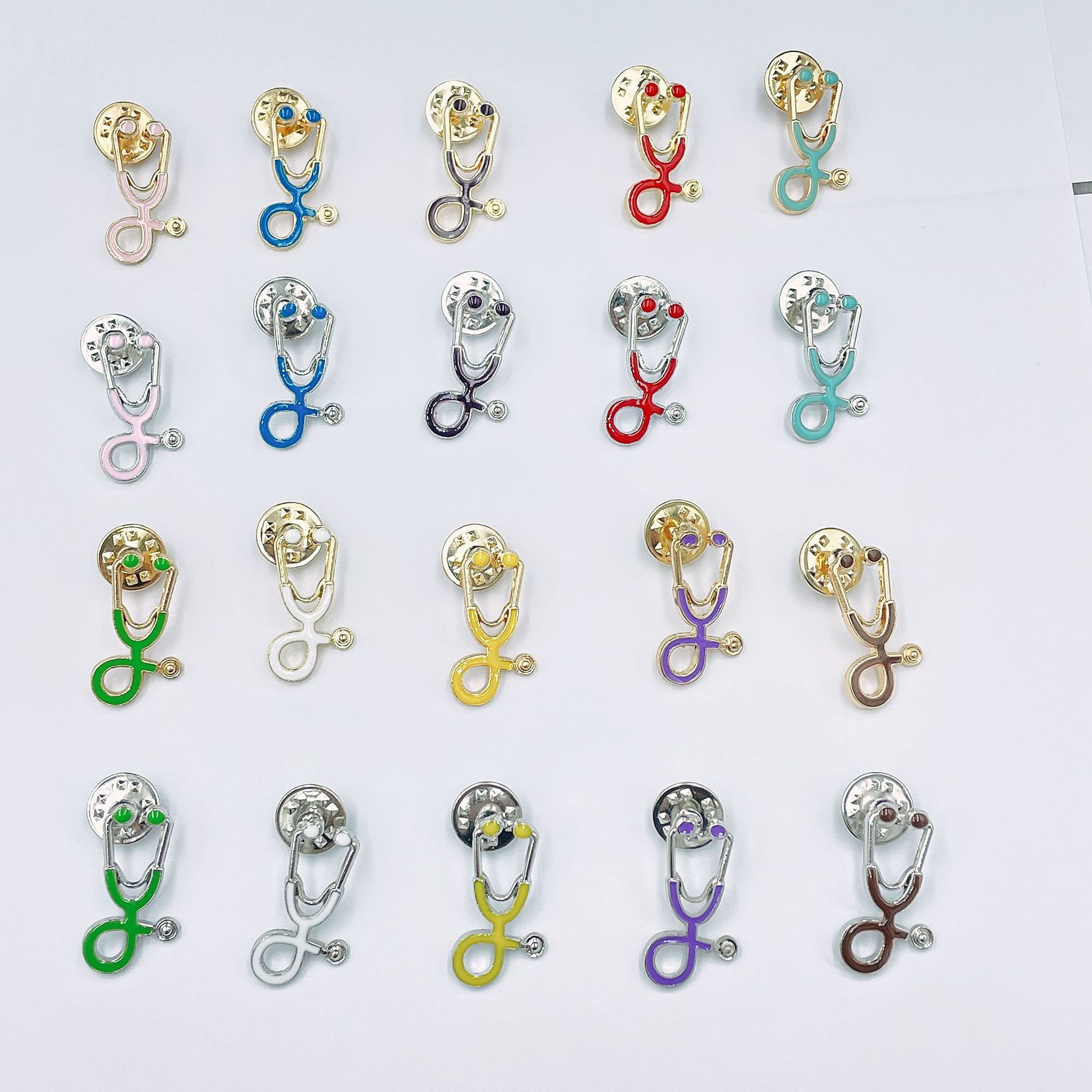
Stethoscope Enamel Brooch Pin Creative Medical Professional Jewelry For Doctors Nurses Gift Alloy Gold Silver Plated Badges Accessories
$0.19
Creative Stethoscope Brooch Enamel Alloy Pins Medical Professional Jewelry For Doctors Nurses Medical Students Hospital Party Accessories Gold Silver Plated Drip Oil Badges Gifts
$0.28
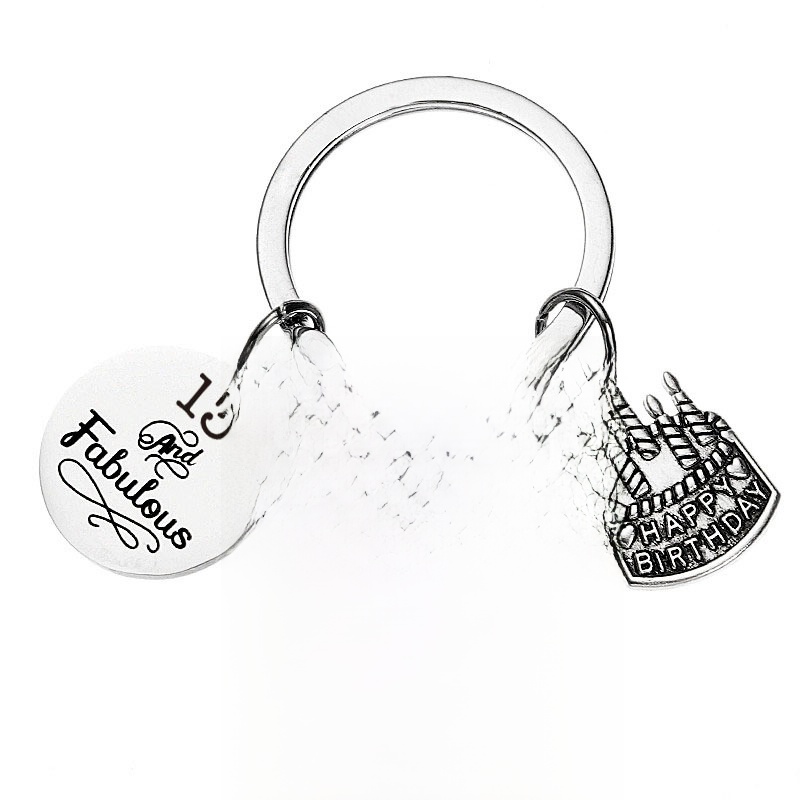
Stainless Steel Birthday Keychain For Women Men 13th 18th 21st 30th 40th 50th 60th Anniversary Gifts Inspirational Quotes Engraved Key Ring With Cake Charm Fabulous Birthday Party Favors Jewelry
$0.51
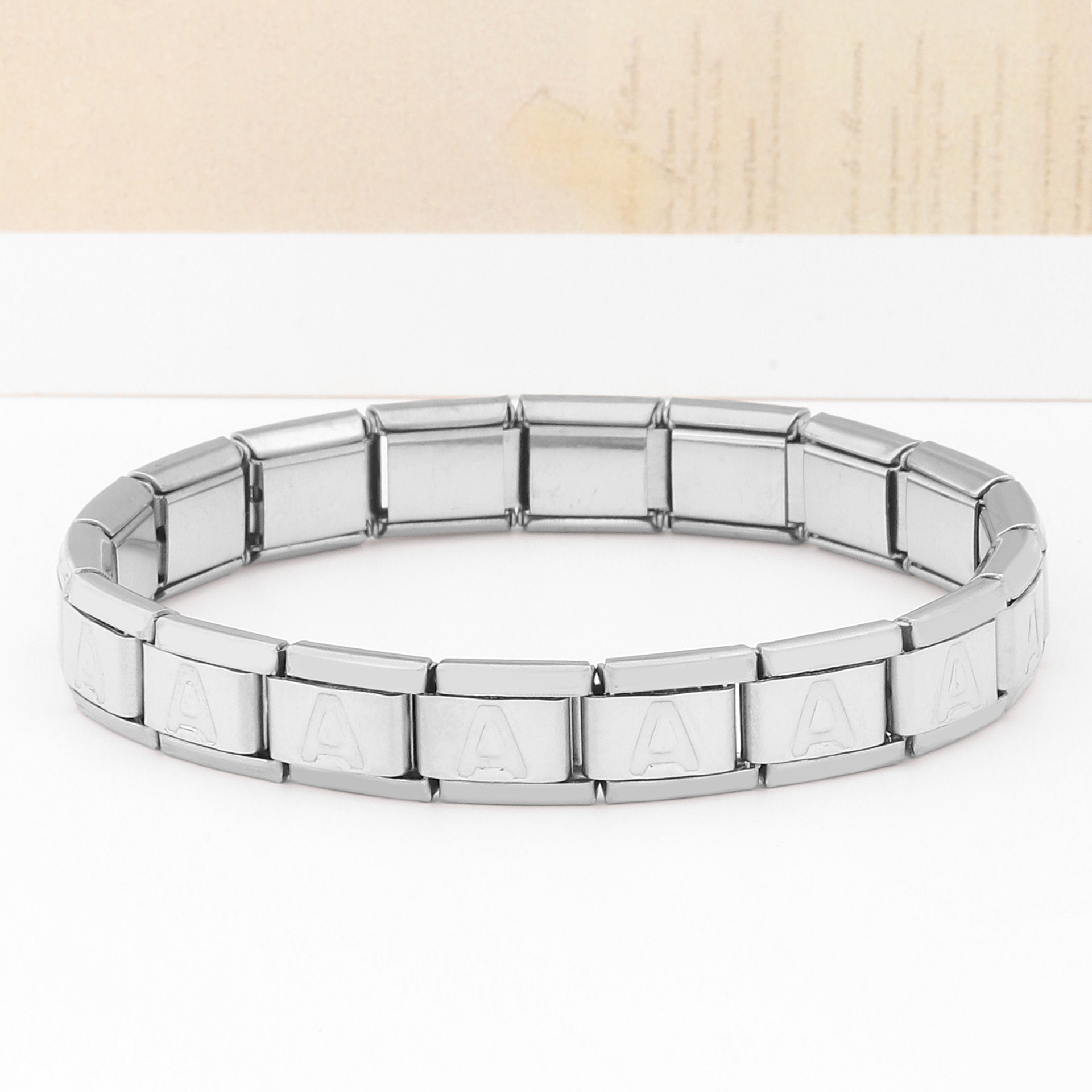
Stainless Steel Italian Charm Bracelet Link 26 Letters DIY Modular Personalized Name Bracelet For Men Women Fashion Minimalist Jewelry Charms
$0.26
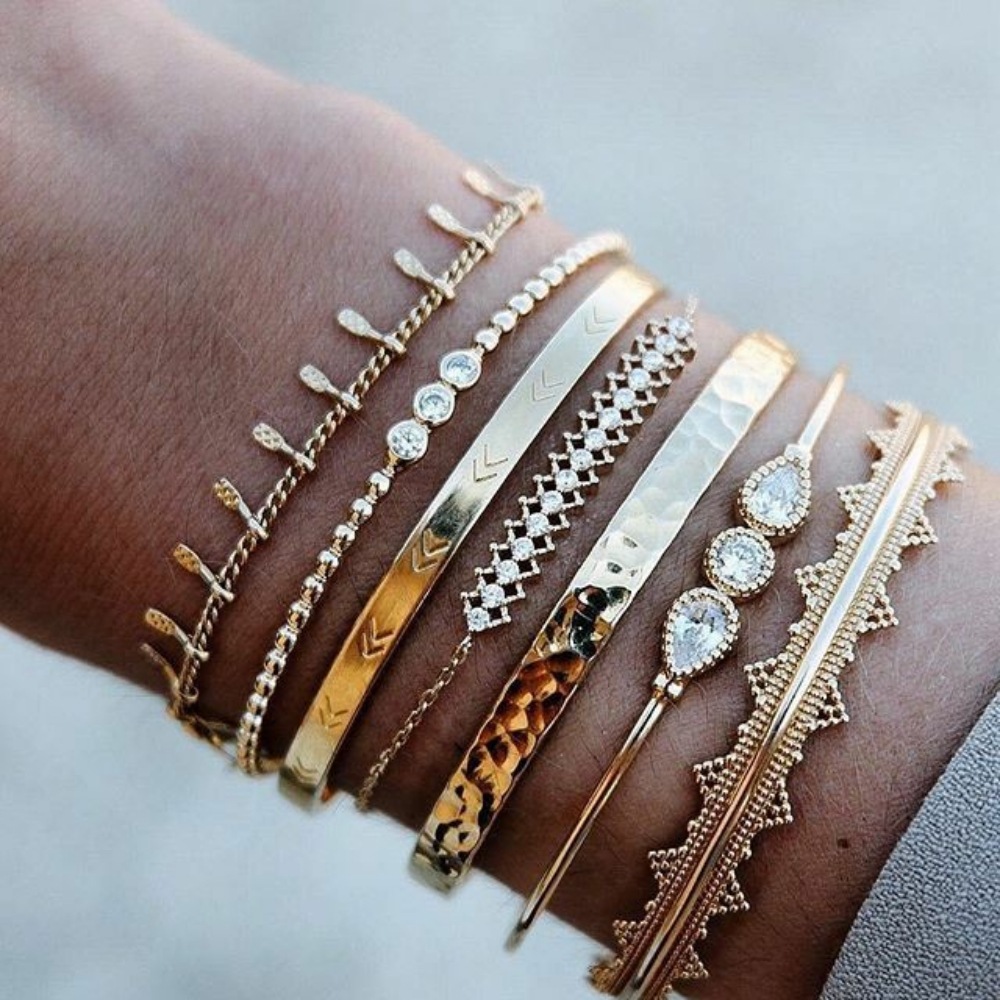
7Pcs Boho Gold Silver Alloy Bracelet Bangle Set For Women Rhinestone Arrow Hammered Stacking Chain Link Jewelry For Daily Party Vacation Fashion Accessories
$1.19
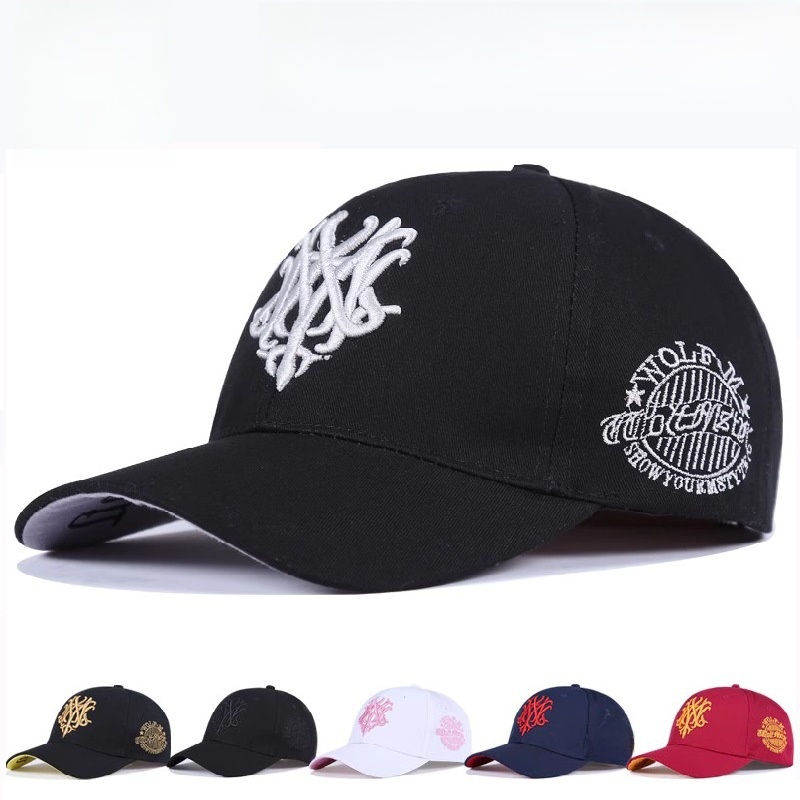
Outdoor Sports Cotton Twill Baseball Cap Sun Protection Breathable Embroidered Hip Hop Streetwear Adjustable Snapback Hat For Men Women
$3.60
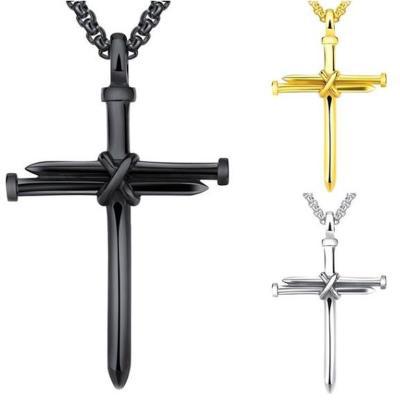
Classic Stainless Steel Nail Cross Pendant Necklace For Men Women Hip Hop Religious Crucifix Jewelry With 60cm Chain Gold Black Silver Stylish Gift
$0.45
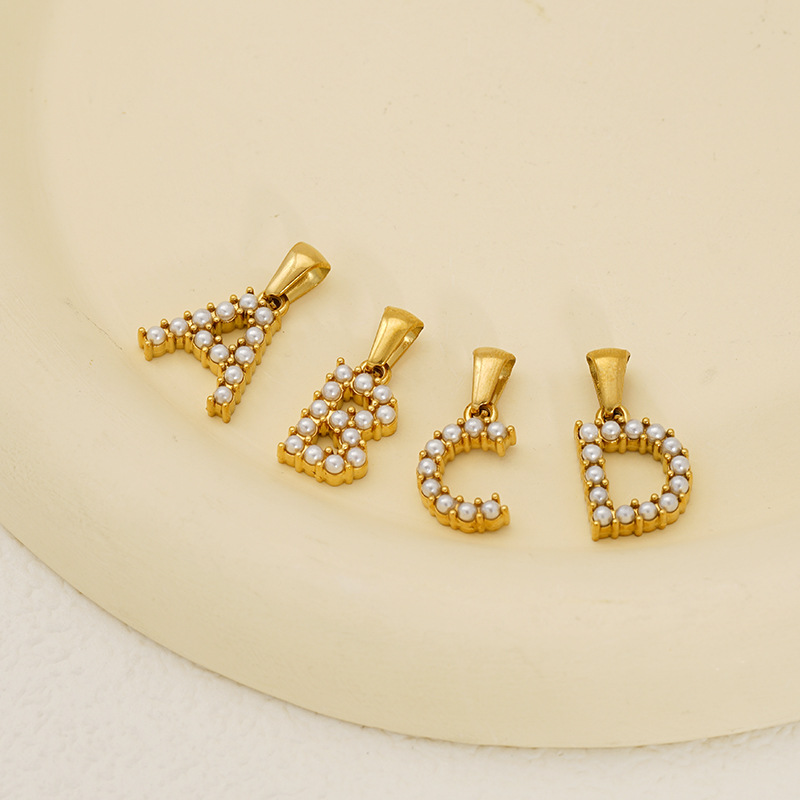
Retro 18K Gold Plated 304 Stainless Steel Initial Letter Pendant With Imitation Pearl DIY Alphabet A-Z Charms For Women Necklaces Accessory
$1.37
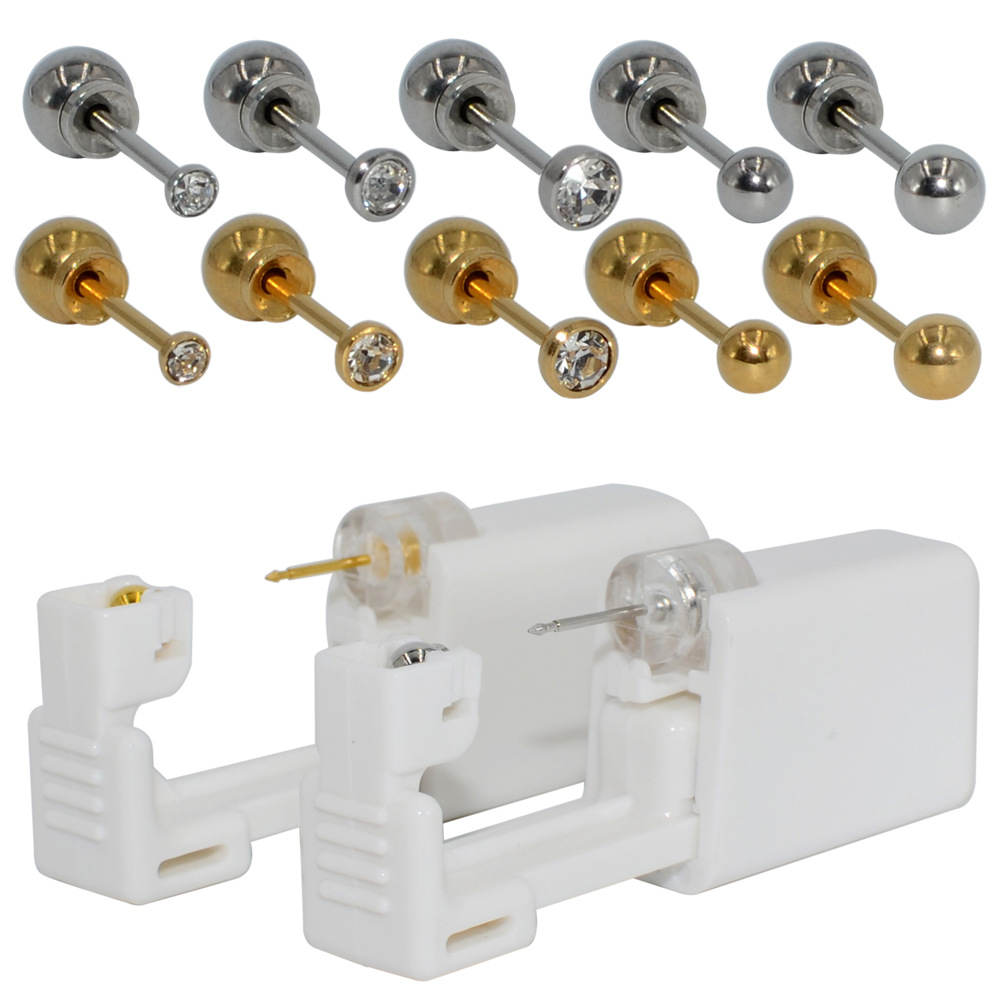
Disposable Sterile Ear Piercing Gun With 316L Stainless Steel Zirconia Stud Piercing Tool 24K Gold Plated For Women Men Safe Body Piercing
$1.09
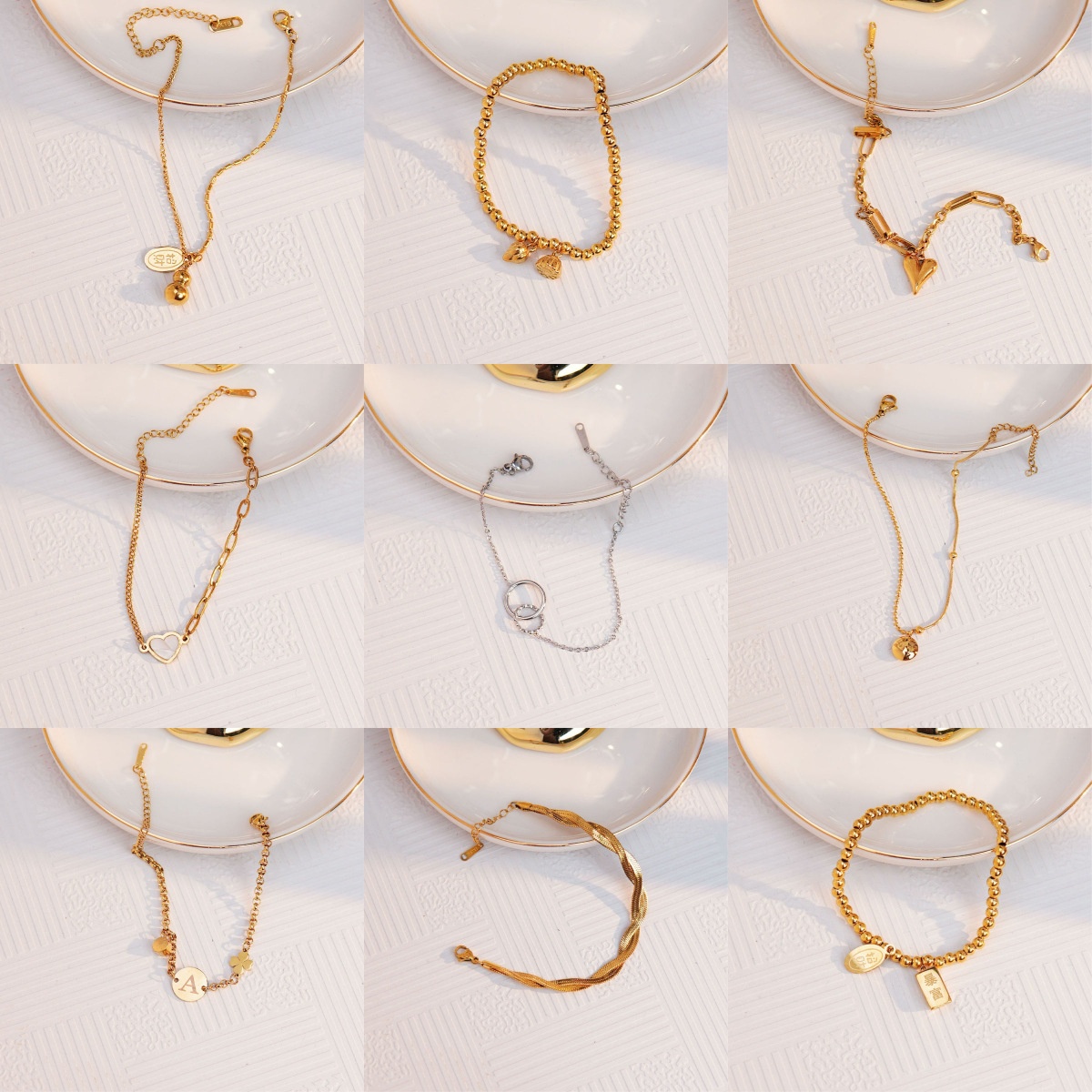
18K Gold Plated Stainless Steel Bracelets for Women Elegant Heart Butterfly Clover Evil Eye Roman Numeral Pendant Link Chain Bracelets Lucky Gourd Charm Jewelry for Party Gift
$1.10
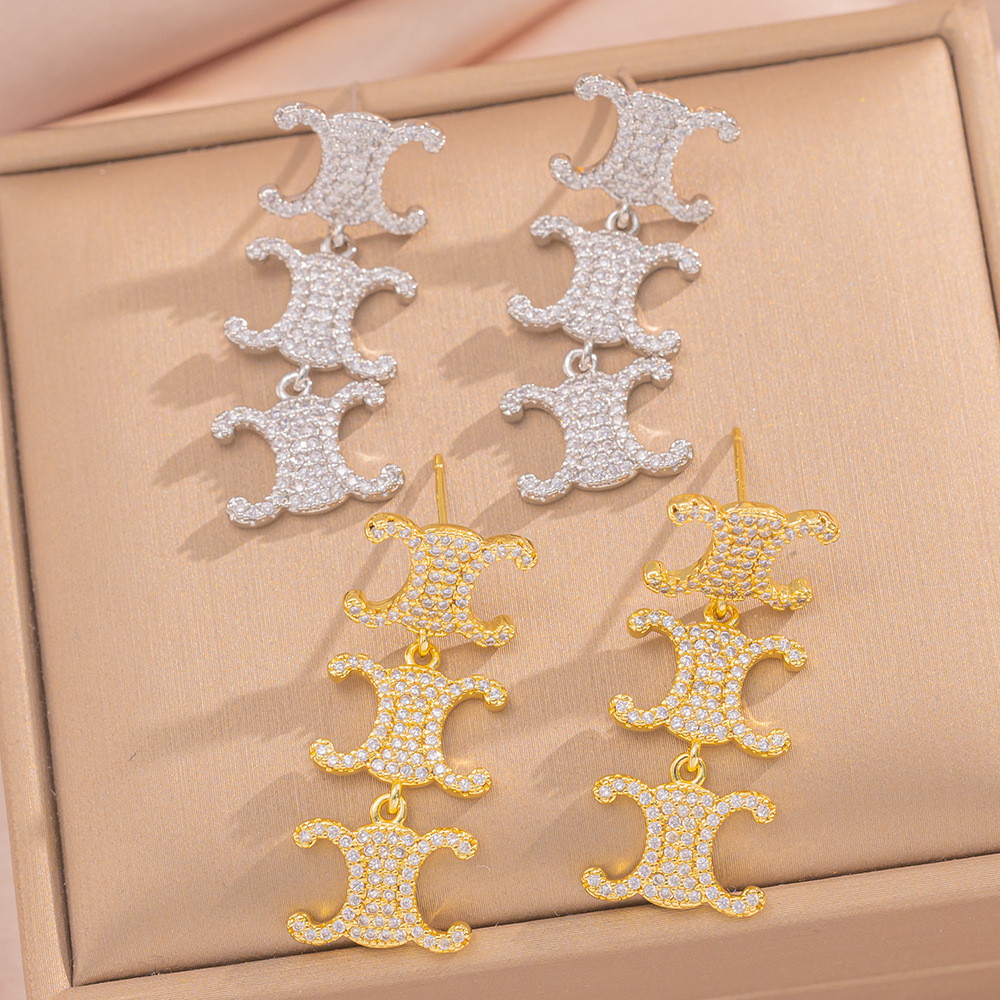
Elegant Interlocking C Pattern Copper Zirconia Drop Earrings With 925 Sterling Silver Pin Luxury Rhinestone Earrings For Women Party Jewelry Gift
$2.37
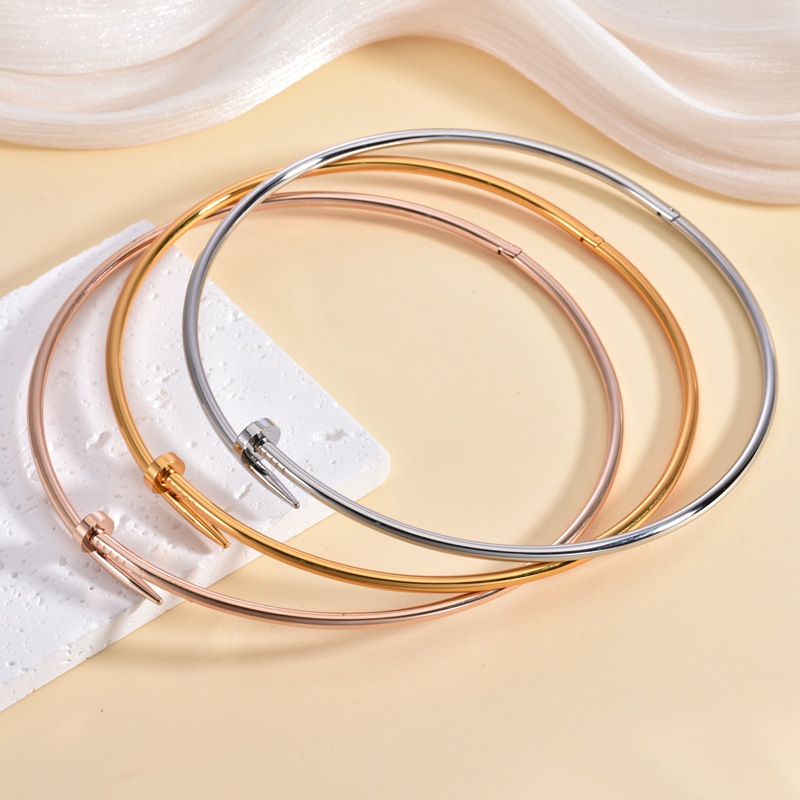
Minimalist Stainless Steel Nail Choker Necklace For Women Luxury Zirconia Inlaid Industrial Style Polished Titanium Steel Collar Jewelry Without Brand Name
$6.03
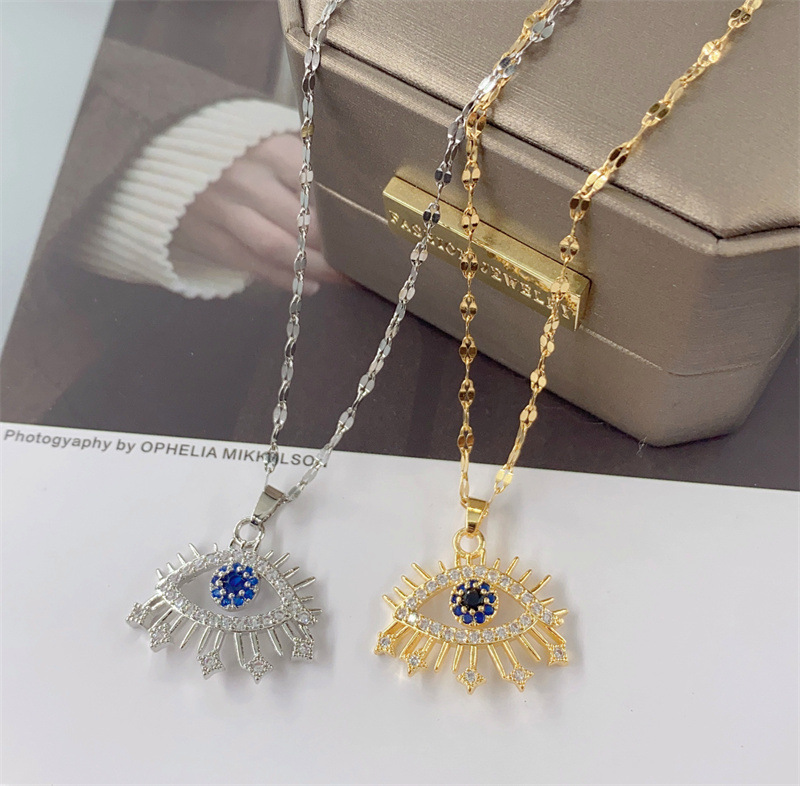
Fashion Luxury Evil Eye Pendant Necklace For Women Titanium Steel Gold Silver Plated Micro Pave Zirconia Eyelash Clavicle Chain Jewelry Gift
$1.47
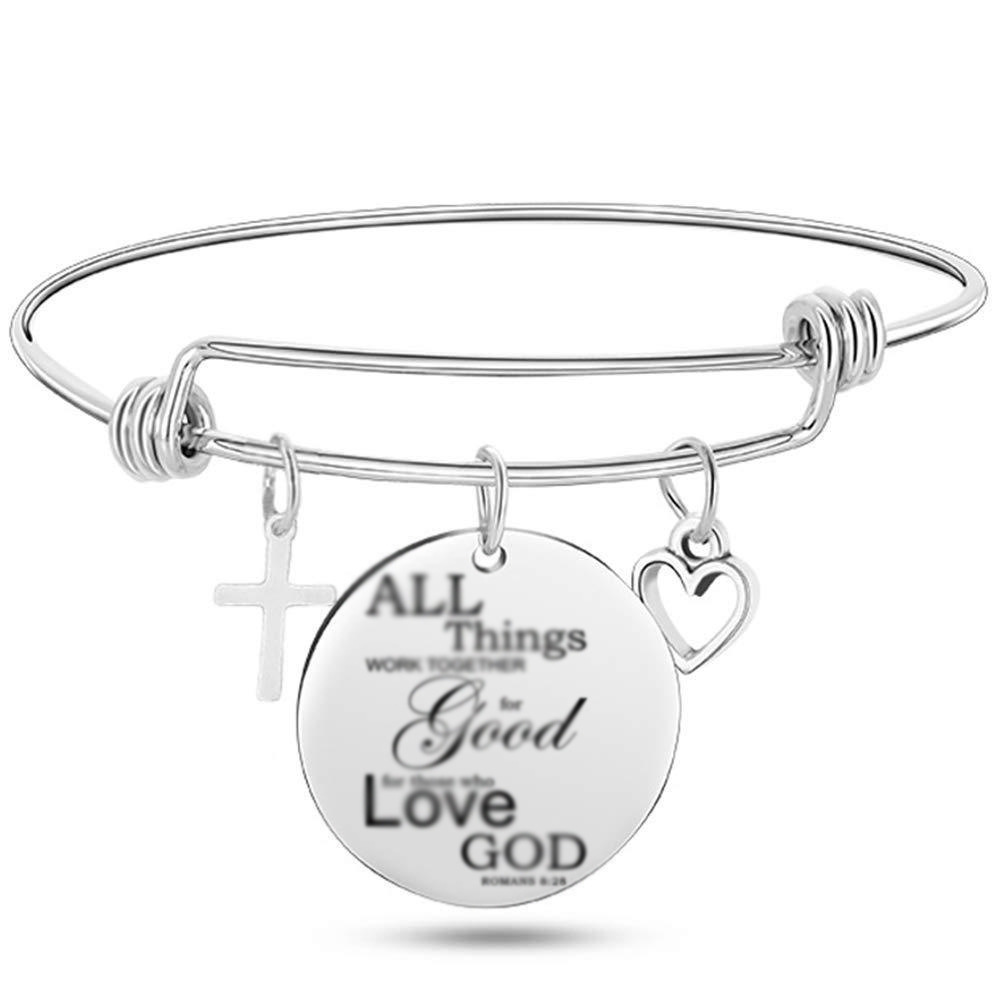
Stainless Steel Adjustable Wire Bangle Bracelet With Cross Heart And Inspirational Bible Verse Pendant For Women Religious Jewelry
$0.94
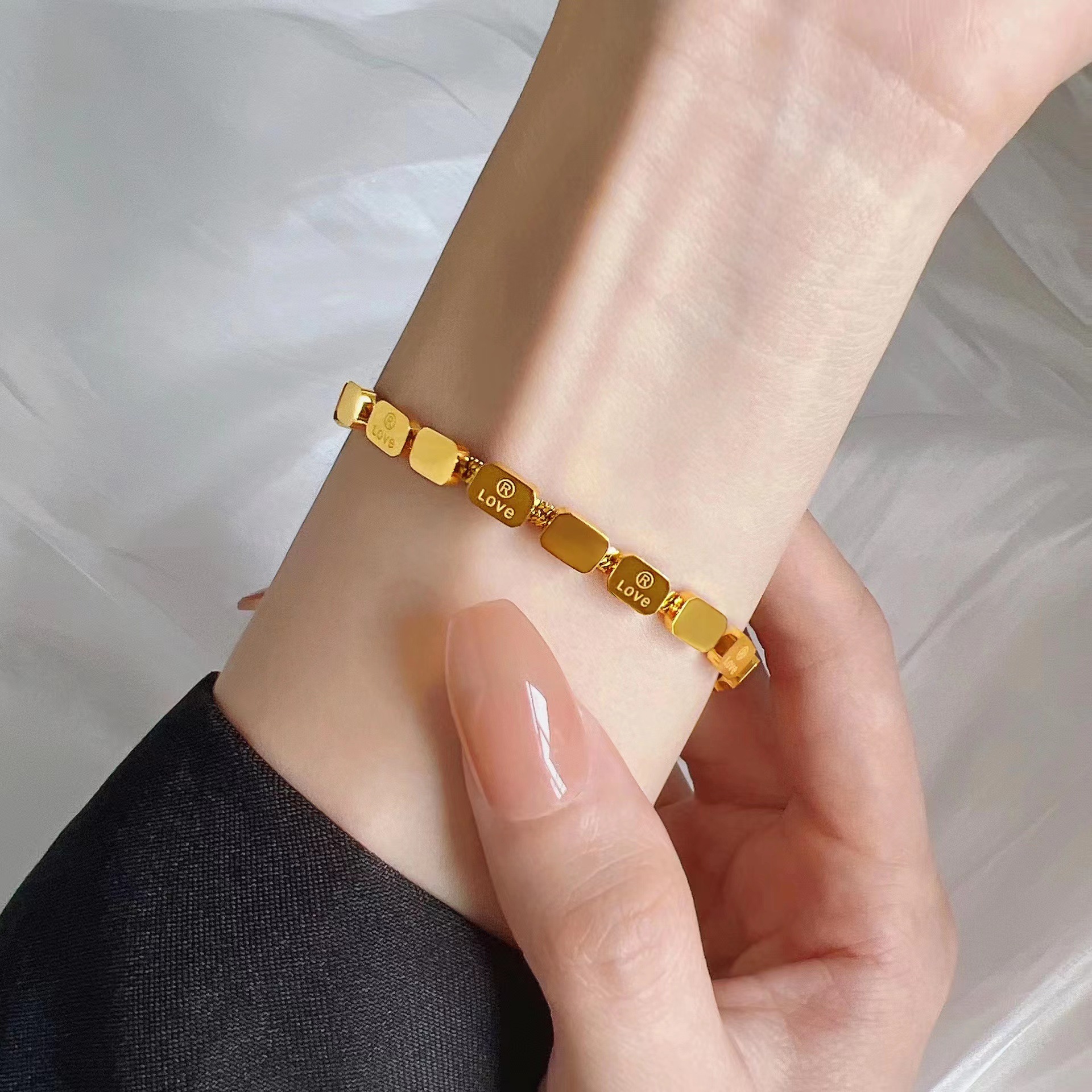
Stainless Steel 18K Gold Plated LOVE Engraved Rectangular Block Bracelet With Snake Chain Adjustable Lobster Clasp Minimalist Fashion Jewelry For Women Gift
$1.87
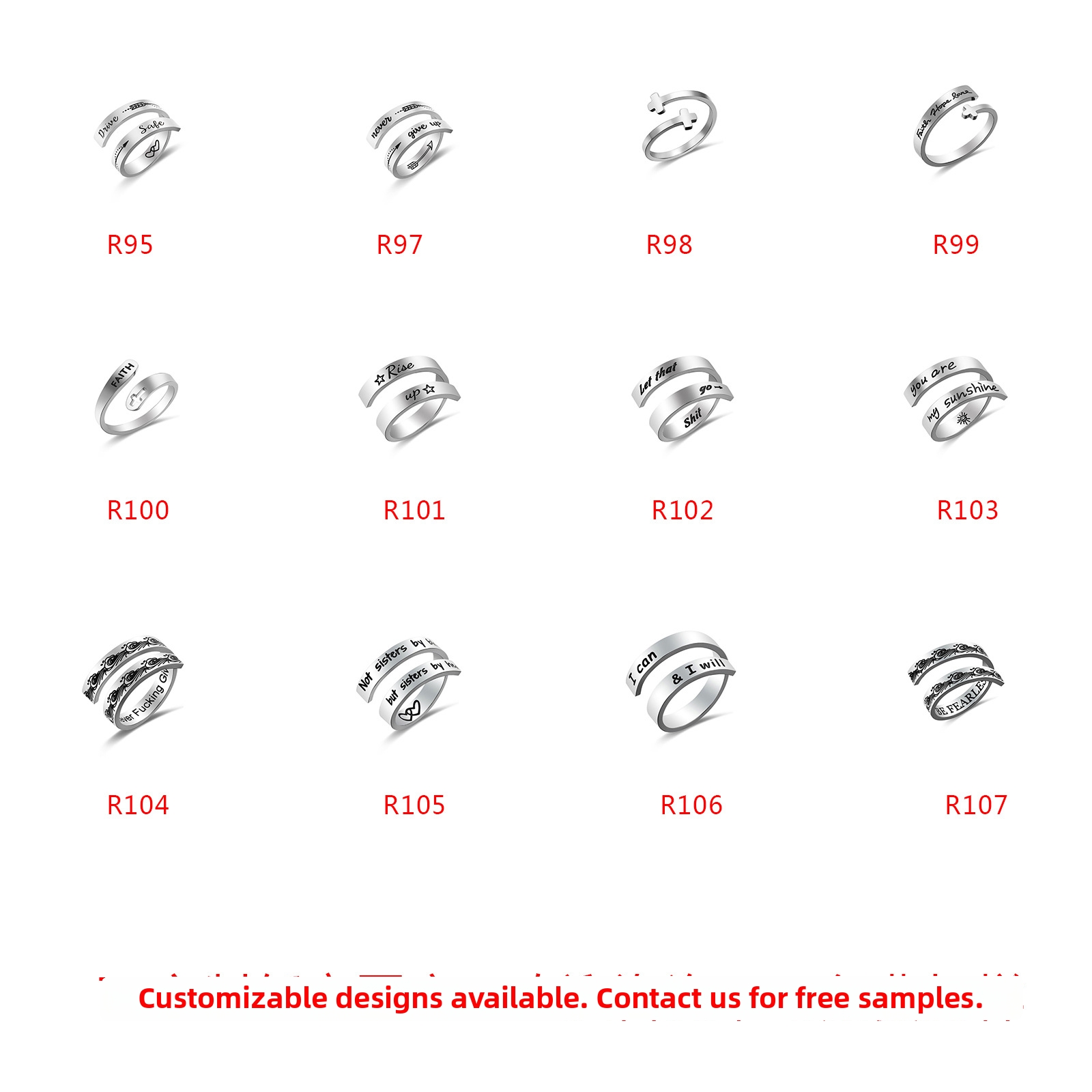
Minimalist Titanium Stainless Steel Adjustable Ring For Women Men Engraved Inspirational Quote Faith Hope Love Cross Heart Letter Band Ring Daily Jewelry Gift
$1.55
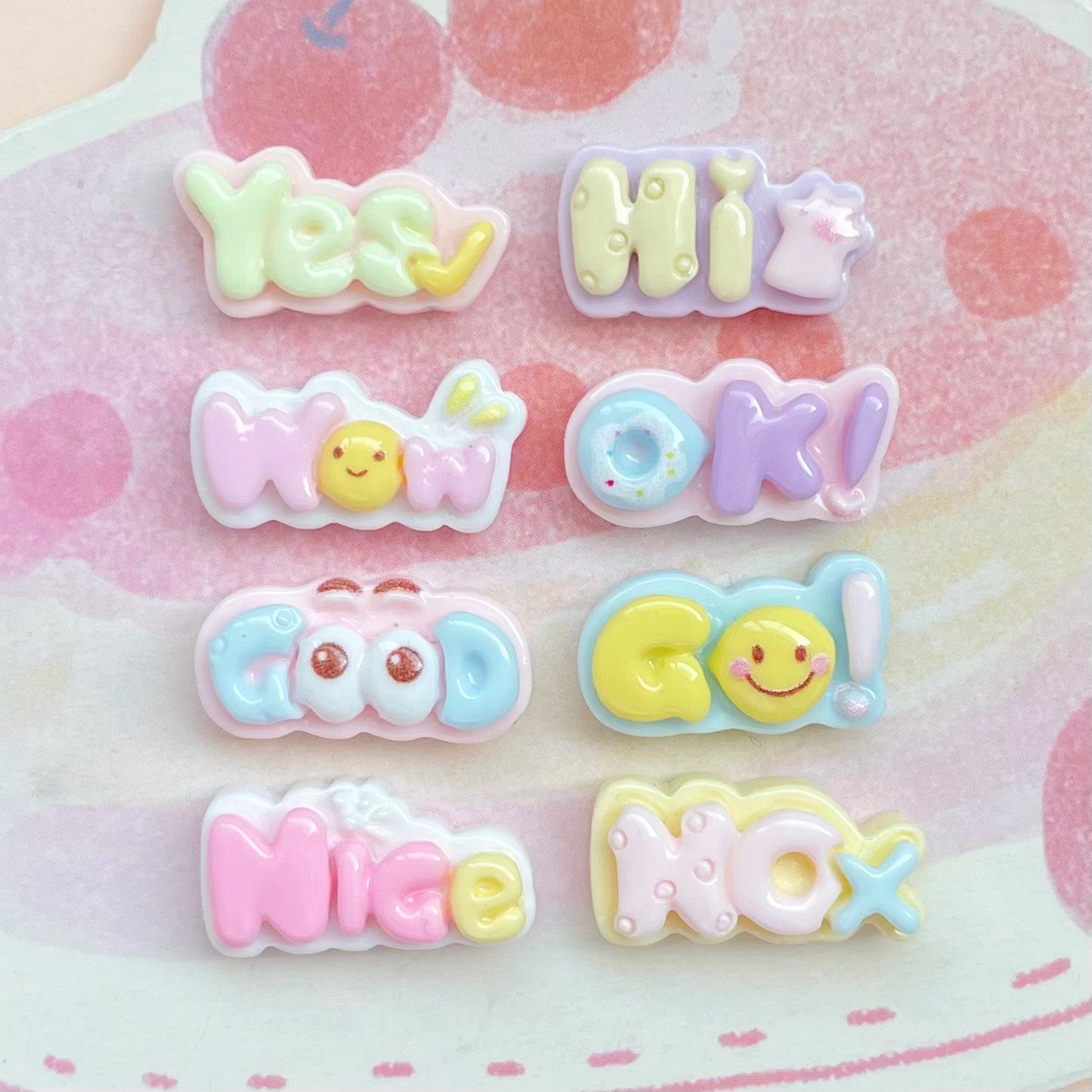
Mini 3D Resin Letter Word Plate DIY Charms For Phone Case Crocs Shoes Keychain Decoration Accessories Cute Macaron Color Small Alphabet Embellishments For Jewelry Making
$0.03
Replenishable Bundles That Repeat-Sell
Bundling lowers your selling risk by increasing perceived value while keeping your unit cost low. Each bundle targets a specific reorder scenario – pre-built packs that customers will buy again.
Packaging Starter Kit
New jewelry sellers on Etsy who need basic packaging for their first 100 orders.
- White Paper Jewelry Display Cards And OPP Bags Sethero
- Watercolor Thank You Stickers And Cards Setcomplement
- 100PCS Blank Kraft Paper Jewelry Display Cardsupsell
Bundle at $8.99 vs $11.97 individually – saves 25% while giving seller enough packaging for 100 orders.
Quick Profit Brooch Trio
Flea-market sellers needing impulse-buy items under $2 retail that customers buy repeatedly.
- Stethoscope Enamel Brooch Pinhero
- Creative Stethoscope Brooch Enamel Alloy Pinsupsell
- Mini 3D Resin Letter Word Plate DIY Charmscomplement
Bundle cost $0.50 wholesale – sell at $3.99, profit $3.49 per bundle. Repeat buyers likely when new charm designs drop.
Personalized Gift Bundle
Shopify stores targeting birthday / anniversary gifts – a category that repeats monthly.
- Stainless Steel Birthday Keychainhero
- Retro 18K Gold Plated Initial Letter Pendantcomplement
- Stainless Steel Italian Charm Bracelet Link 26 Lettersupsell
Wholesale cost $2.14; retail bundle $14.99 – 86% gross margin. Reorder rate high because buyers purchase for multiple recipients.