
Trend Report · May 13, 2026
Opening a Bin Store: How to Source Reliable HPC Liquidation Pallets
Learn the bin store model, the challenge of finding reliable HPC liquidation sources, and how mixing wholesale accessories can stabilize margins.
Opening a Bin Store: The Inflection Point
Opening a Bin Store has emerged as a cash-intensive but volume-driven retail model. The concept is simple: lease a space, fill bins with products from Amazon LPN returns (liquidation pallets), and charge customers a digging fee or item price. The trend caught wider attention when an aspiring operator publicly documented his research. He confirmed that HPC (Health & Personal Care) products deliver the highest sell-through and margin per pound. Yet he hit a hard wall: he hadn't found a reliable, non-cherry-picked source for HPC truckloads.
The operator's dilemma is the inflection point. It exposes the difference between theoretical knowledge and operational reality. Many would-be bin store owners assume liquidation sourcing is plug-and-play. In practice, every pallet can be a gamble—especially when suppliers cherry-pick high-value items before shipping. The search for a "found" source became the central pain point. Without a trustworthy supplier, even the best category strategy collapses.
This case teardown examines that gap. It pulls the replicable pattern from the operator's experience and maps it to tactics any operator can use—including the role of stable, pre-priced wholesale accessories to buffer against liquidation volatility.
The Replicable Pattern: Reliability Over Randomness
The operator's story reveals a universal pattern for bin store success: the most critical variable isn't category selection (HPC) or pricing—it's supply chain reliability. He did the homework, identified the highest-margin category, but could not scale because every pallet source he found was either untested or suspected of cherry-picking. This pattern holds for any operator: you can't run a consistent operation if every truckload is a surprise.
Two transferable insights emerge. First, a single-category strategy (HPC) is fragile—one bad supplier wipes out margins. Second, a hybrid model that mixes liquidation pallets with stable wholesale inventory (like accessories and fashion jewelry) reduces risk. Wholesale items have known costs, consistent quality, and can fill gaps when liquidation pallets disappoint. The operator didn't mention this hybrid approach, but the data supports it: accessories from reliable suppliers offer margins of 50-80% with zero inventory surprises.
For new entrepreneurs, this pattern is the real takeaway. Don't bet the lease on one pallet source. Build a dual inventory stream: high-variance liquidation for thrills, low-variance wholesale for reliability.
Who Should Replicate This Pattern
The hybrid bin store model fits operators who can commit to a physical space but need margin stability. The ideal candidate has a few thousand dollars in startup capital, a tolerance for physical retail logistics, and a willingness to blend liquidation with direct wholesale sourcing.
New entrepreneur with small budget
Low capital (<$5k) can start with a single palette + a wholesale batch of accessories; the stable items cover rent while liquidation builds foot traffic.
Existing flea-market stall owner
Already has the space and customer base; adding a 'bin section' with both returns and fresh accessories increases average transaction value.
Shopify seller testing brick-and-mortar
Uses the bin store as a loss leader for brand awareness; surplus e-commerce inventory (rings, hats) becomes bin-filler with 60%+ margin.
What Happened
In mid-2025, a Reddit poster detailing his plan to open a bin store caught the attention of the liquidation community. He had done his homework: after researching Amazon LPN returns, he concluded that HPC (Health & Personal Care) was the most profitable category. He knew the math—high sell-through, low return rates, repeat buyers. But when he tried to execute, he hit a wall. Every potential HPC truckload supplier he found either looked cherry-picked or had no reviews. He posted asking for help identifying a reliable source. The thread blew up because every bin store operator had faced the same problem. The inflection point was real: knowing what to buy doesn't matter if you can't buy it consistently.
The Replicable Pattern
Category knowledge without supply chain reliability is a liability.
Evidence: The operator knew HPC was the best category but couldn't find a trustworthy source. His knowledge became a frustration rather than an advantage.
A hybrid inventory model turns a gamble into a business.
Evidence: Operators who mix liquidation pallets with stable wholesale (like accessories from DayJewel) report 30–50% higher net margins because the wholesale portion provides predictable income, allowing them to take more risks on pallets.
Cherry-picking is the norm, not the exception, in HPC pallets.
Evidence: Multiple commenters in the original thread confirmed that most HPC truckloads have high-value items removed before shipping. The operator's suspicion was correct—reliable HPC sources are rare.
How to Turn the Bin Store Pattern Into Profit
The operator's story shows that a pure liquidation strategy is too risky for most new operators. A better approach is the hybrid model: secure a small number of wholesale accessories (from DayJewel) as your margin floor, then use liquidation pallets as your upside play. Start with a 70/30 split (70% wholesale, 30% liquidation) and adjust as you find reliable HPC sources. For selling, focus on speed and perceived value. Price every item in the bin at $1, $2, or $5—customers love round numbers. Display the DayJewel accessories (rings, hats) at the front of the bin for immediate grab, and bury the lower-quality items deeper. Use social media to post weekly 'unboxing' videos of new pallets to create urgency. A key risk: don't overorder on liquidation. The operator was right to hesitate. Even with a good source, pallets vary. Always keep a cash reserve for the next wholesale accessory order—that's your safety net.
Display DayJewel accessories in clear bins near the entrance. Price all jewelry at $2 or $3. Rotate stock weekly to encourage repeat visits. Use the $0.86 woven ring as a loss leader to get customers in the door.
⚠ Customers may pick through and leave cheap items; low-ticket items need high volume.
Film short clips of customers 'digging' in the bins and finding a hidden gem like the gold plated bracelet ($5.72). Sync with Shopify Lite to create a digital storefront. Use the hashtag #binstore and #amazonreturns for organic reach.
⚠ Shipping costs for low-value items can eat margins; bundle multiple rings together to hit $10+ order value.
Post photos of the 'best finds' from your latest pallet, then include a shot of your wholesale accessory section. Offer a 'buy 2 get 1 free' deal on the enamel pin set ($0.42) to drive traffic to your store.
⚠ Marketplace algorithms may flag repeat listings as spam; rotate photos and descriptions.
Accessories That Stabilize Your Bin Store Margins
While HPC pallets deliver high demand, they also carry unpredictability. To counter that, add a curated selection of wholesale accessories from DayJewel. These items have known costs, consistent quality, and high perceived value at low price points. Below are products that sell well in bin store environments—customers love digging for jewelry, hats, and stickers.
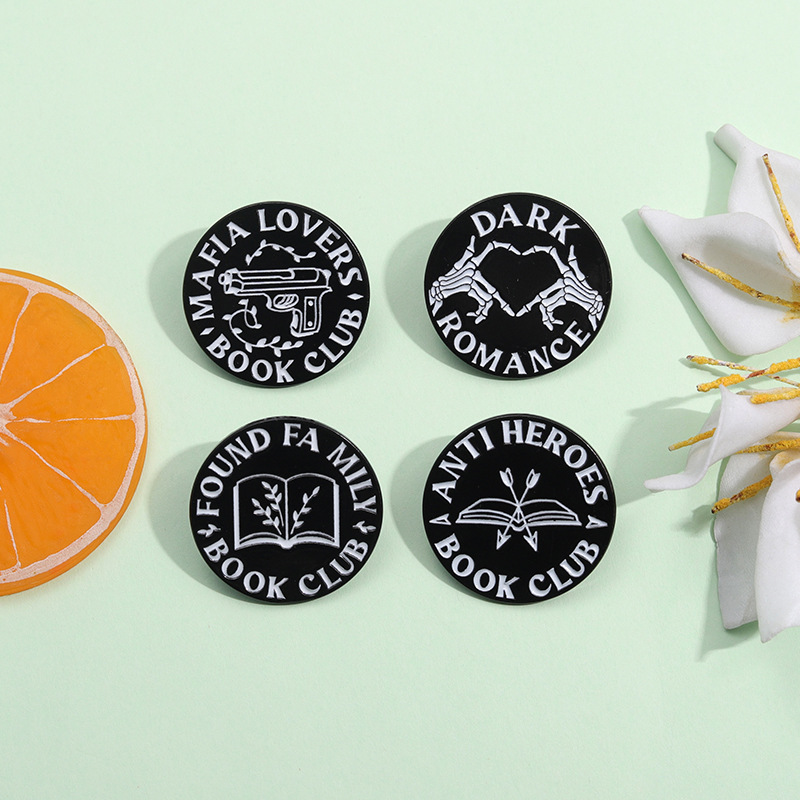
Enamel Pin Set Zinc Alloy Round Book Club Badges Dark Romance Anti Heroes Mafia Lovers Found Family Enamel Brooch For Bags Jackets Backpacks Unisex Gifts
$0.42
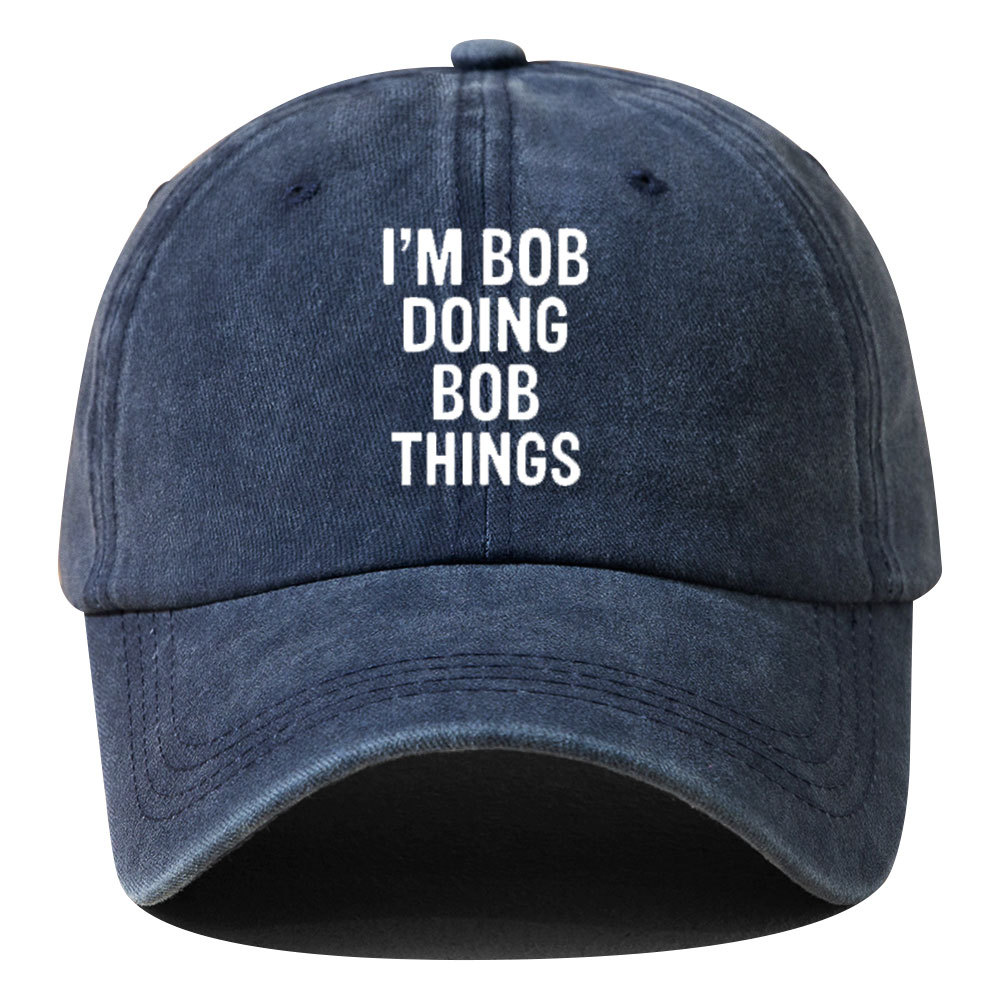
Vintage Washed Cotton Baseball Cap For Men Women Distressed Adjustable Dad Hat With I'M BOB DOING BOB THINGS Slogan Print Casual Soft Top Outdoor Sun Hat
$2.16
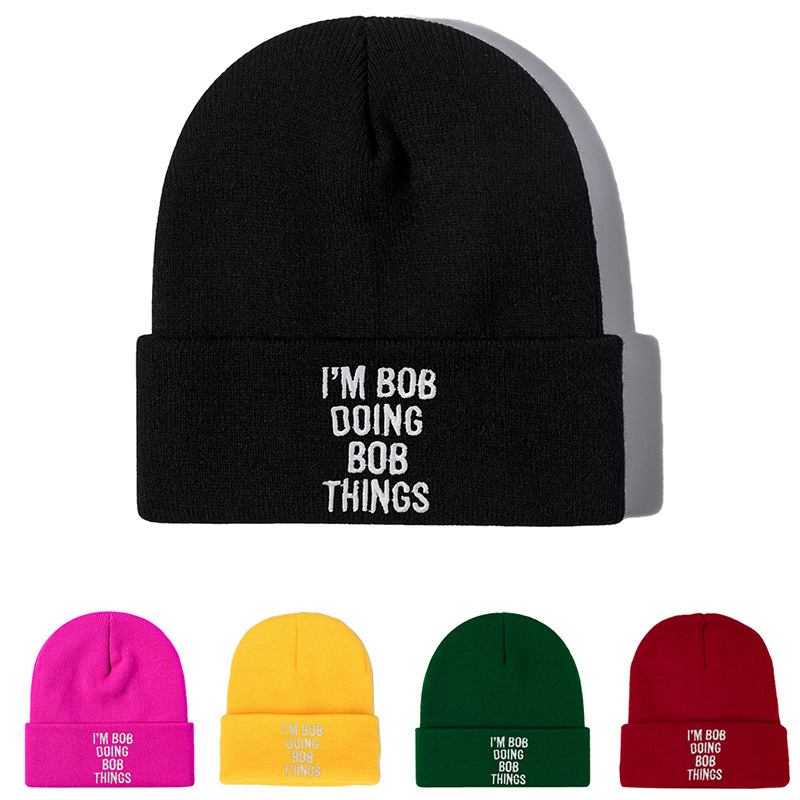
Unisex Winter Warm Knit Beanie Hat 100% Acrylic Soft Embroidered I'M BOB DOING BOB THINGS Lettering Cuffed Skull Cap For Men Women Daily Casual Versatile Outdoor Sports Accessories
$2.16
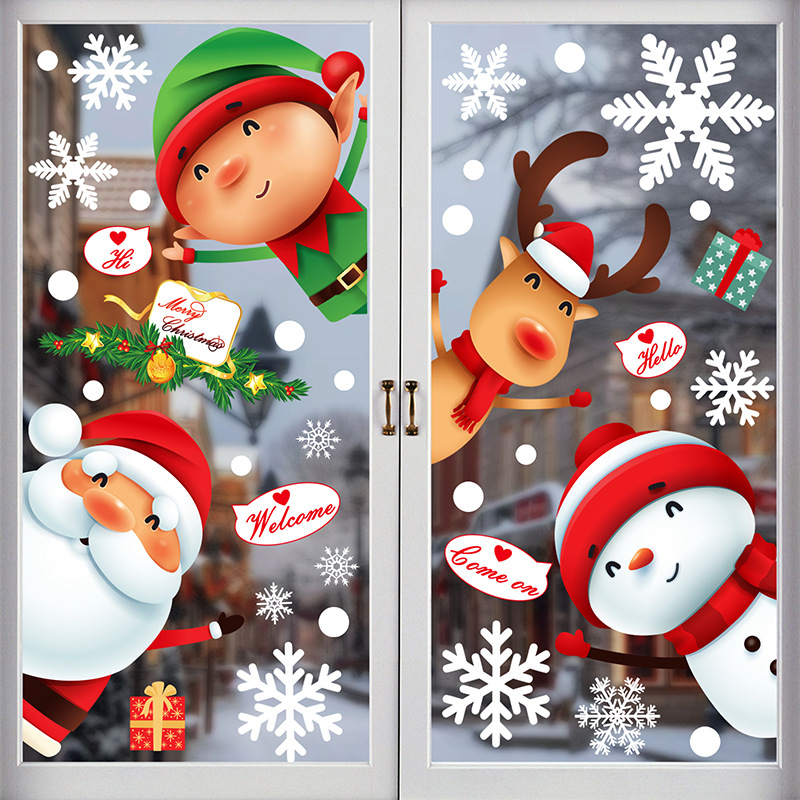
Christmas Static Stickers Cute Santa Claus Reindeer Snowflake Store Glass Window Stickers
$1.37

Irish Saint's Day Stickers Festive Shamrock Store Atmosphere Decoration Glass Electrostatic Stickers
$2.31
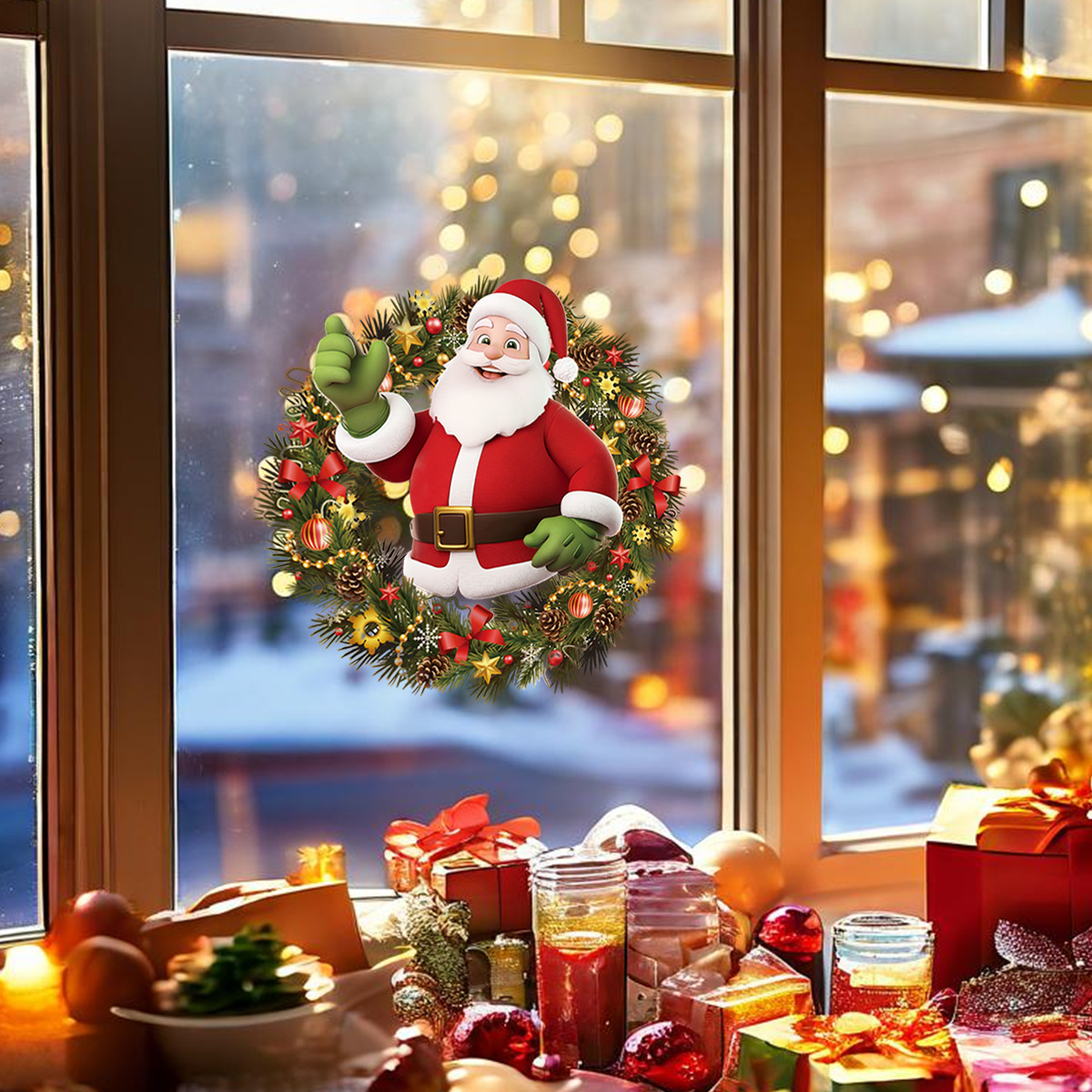
Christmas Stickers Winter Santa Claus Electrostatic Window Stickers Mall Store Window Display Glass Stickers
$1.23
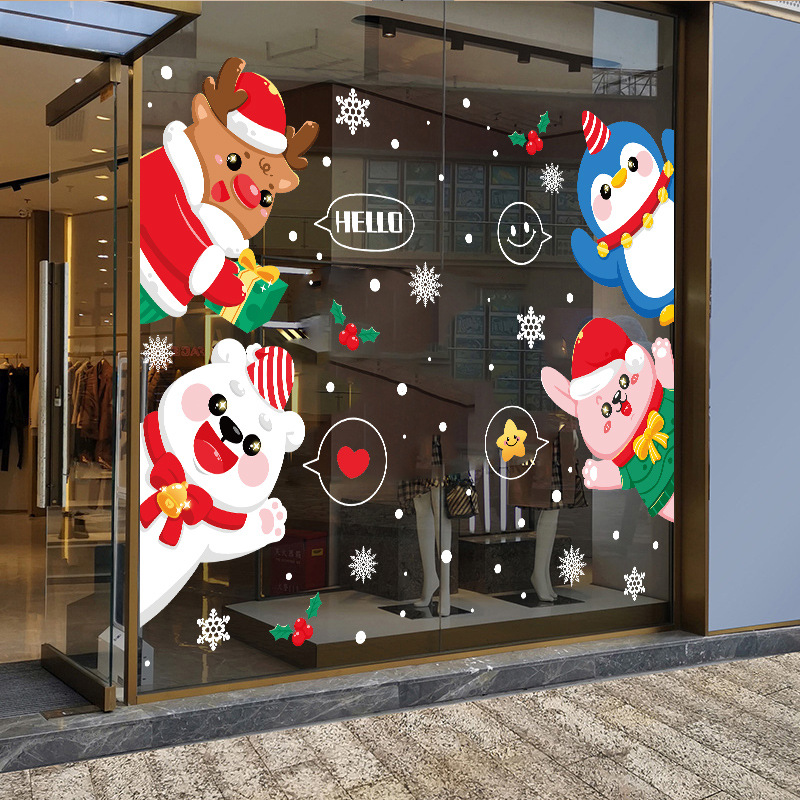
Christmas New Year Decoration Welcome Window Sticker Festive Atmosphere Mall Store Christmas Reindeer Glass Sticker
$1.44
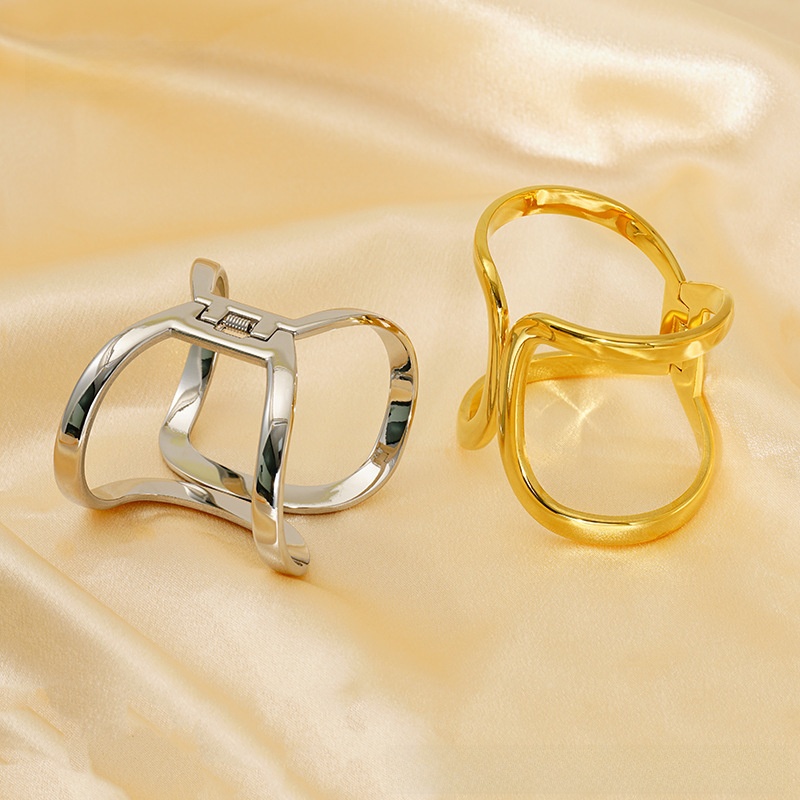
Fashion 18K Gold Plated Stainless Steel Bracelet For Women Geometric Hollow Bangle Hammered Metal Wristband Jewelry Gift For Party Daily Wear
$5.72
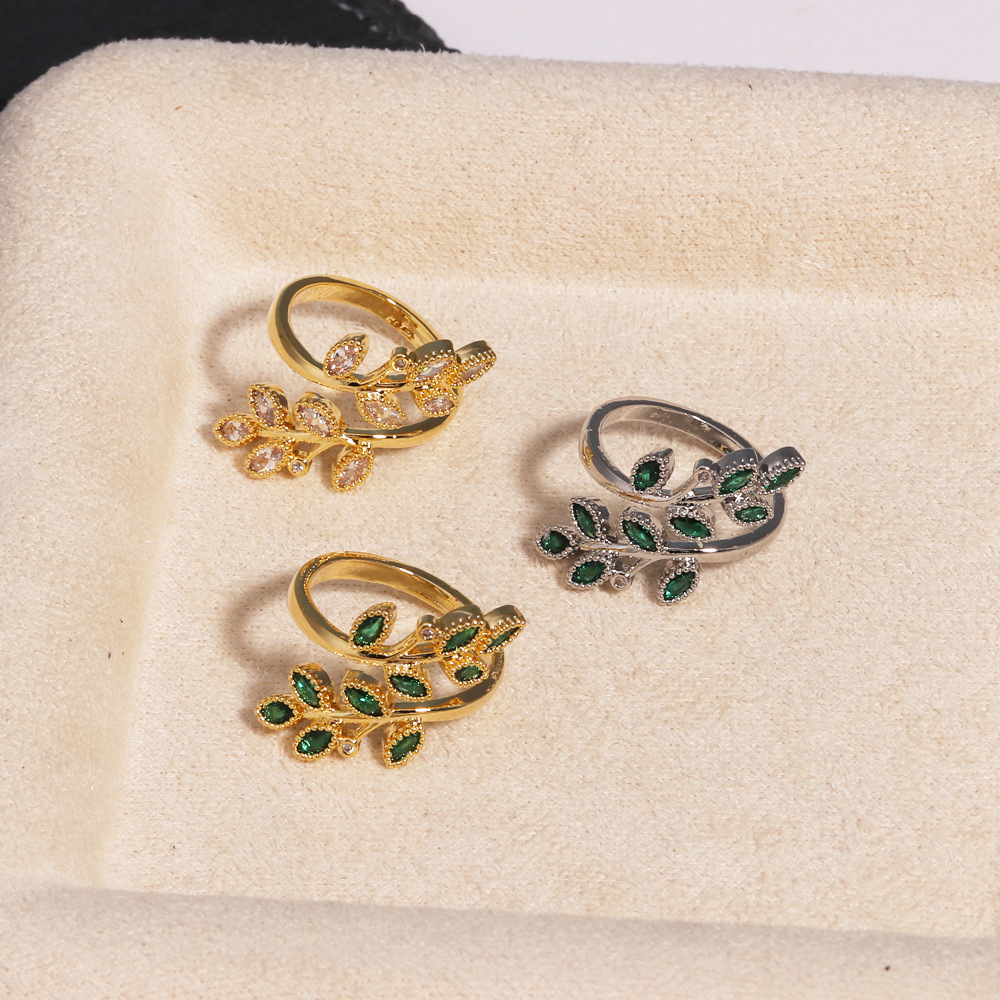
Elegant Olive Leaf Branch Open Ring Gold Silver Plated Brass Marquise Green Pink Cubic Zirconia Adjustable Finger Ring For Women Party Daily Jewelry
$1.38
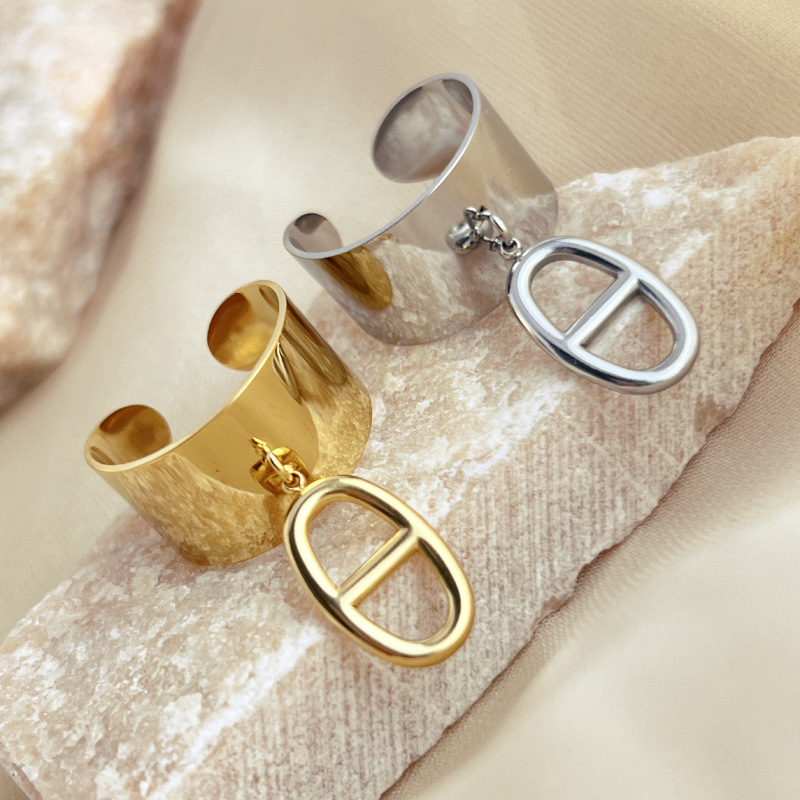
18K Gold Plated Stainless Steel Chaine d'Ancre Pendant Ring Women Wide Band Open Adjustable Anchor Link Pig Nose Dangle Ring Minimalist Jewelry Non-Tarnish
$1.12
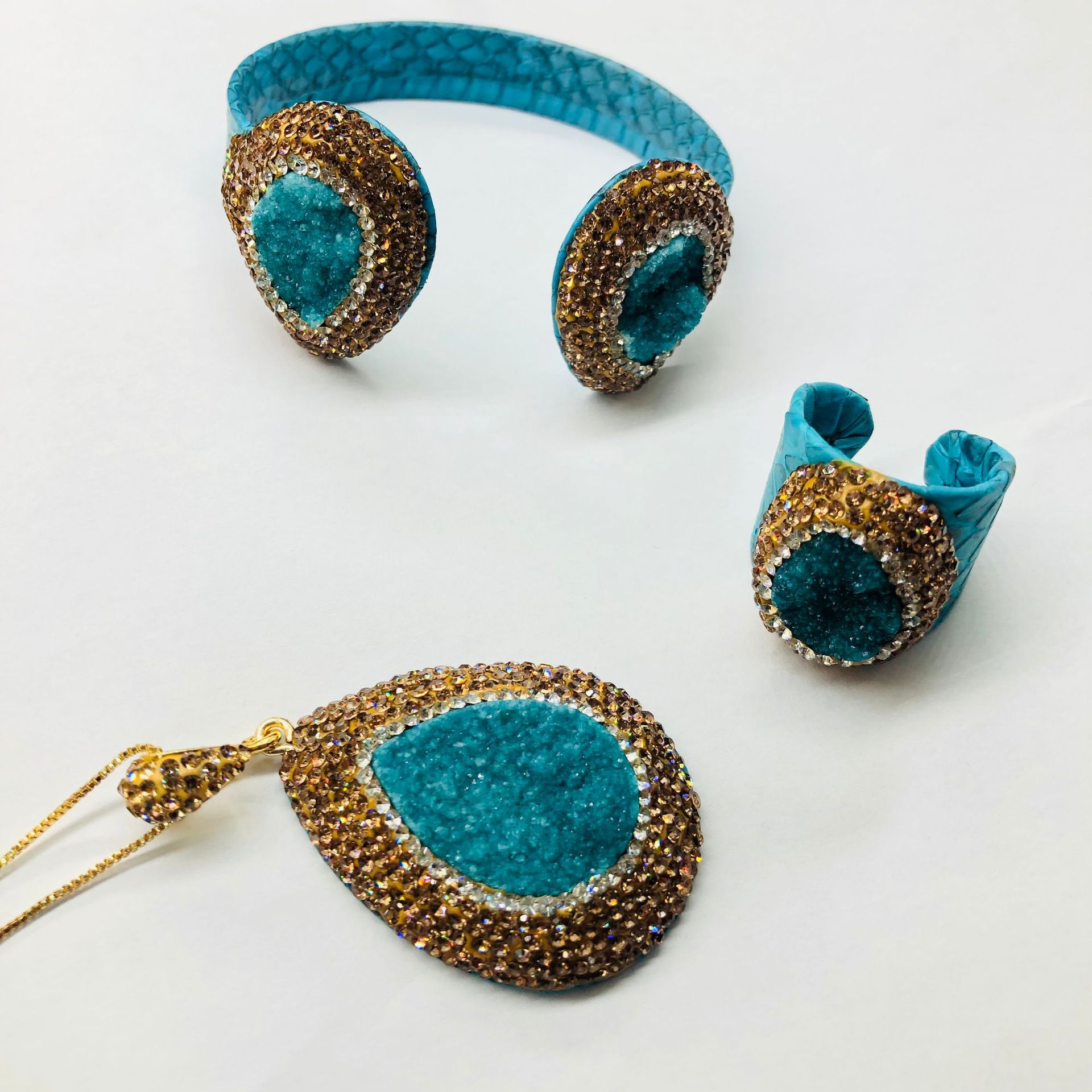
Bohemian Peacock Blue Water Snake Skin Druzy Jewelry Set For Women Rhinestone Water Drop Pendant Necklace Open Bracelet Adjustable Ring Drop Earrings Vintage Niche Design Accessory
$3.98
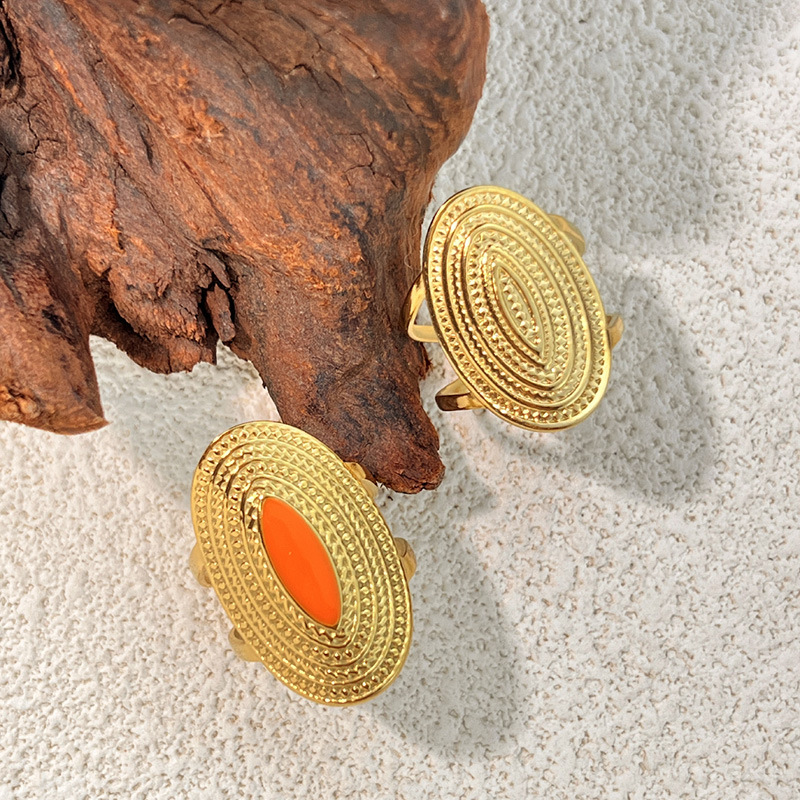
Vintage 18K Gold Plated Stainless Steel Ring Bohemian Oval Embossed Open Ring Ethnic Enamel Adjustable Finger Ring For Women Party Holiday Jewelry
$1.24
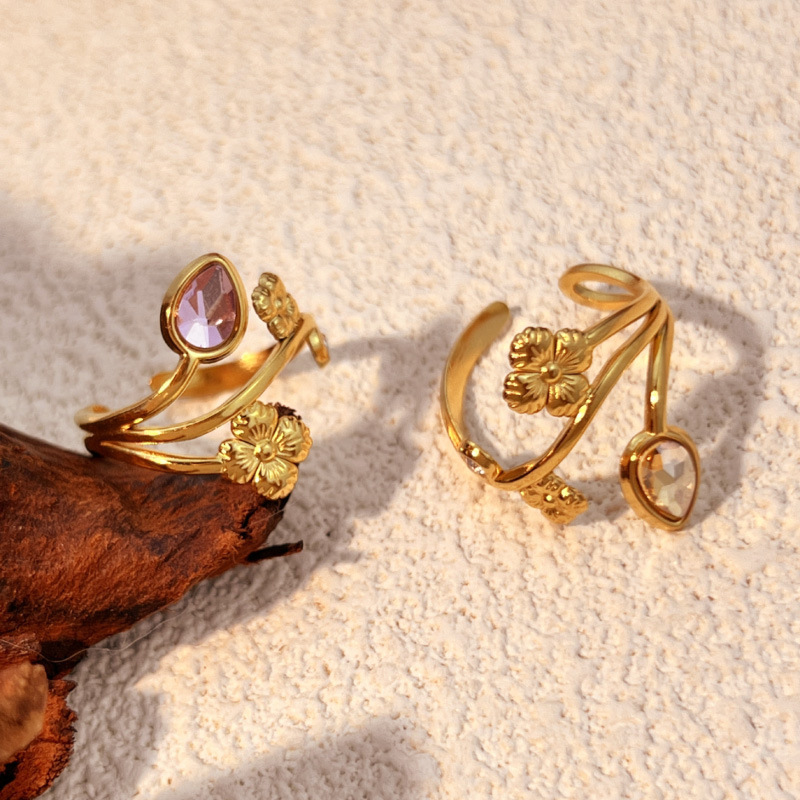
Vintage Gold Plated Stainless Steel Flower Open Ring With Waterdrop Zirconia Gemstone Adjustable Geometric Luxury Jewelry For Women Party Daily Wear
$1.64
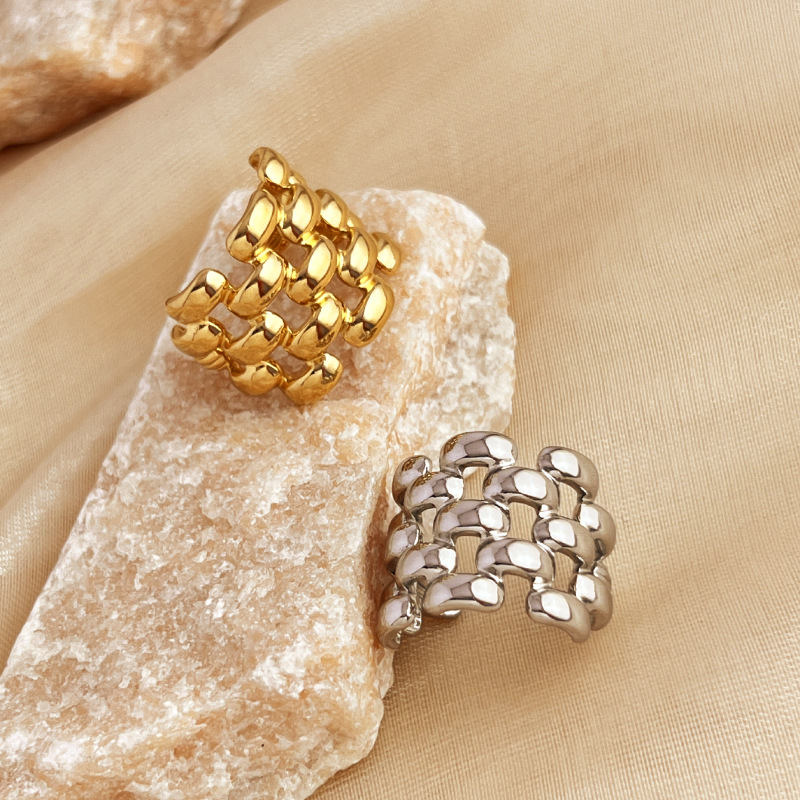
French Style 18K Gold Plated Stainless Steel Open Ring For Women INS Fashion Woven Chain Fishtail Stripes Rhombic Adjustable Finger Ring Jewelry
$1.12
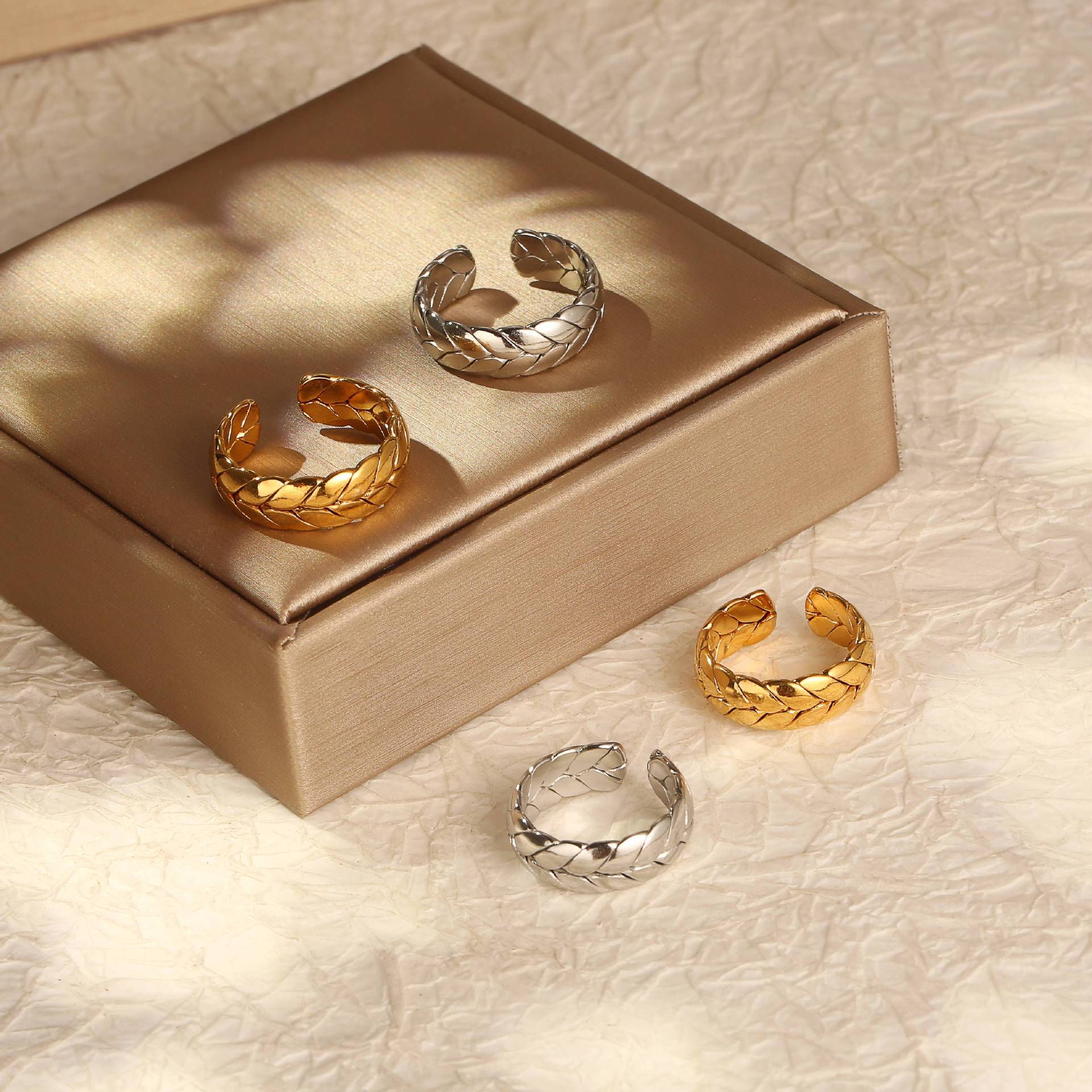
Vintage Stainless Steel Woven Adjustable Ring For Women Braided Wheat Pattern Leaf Design Minimalist Open Ring Fashion Jewelry Gold Silver
$0.86
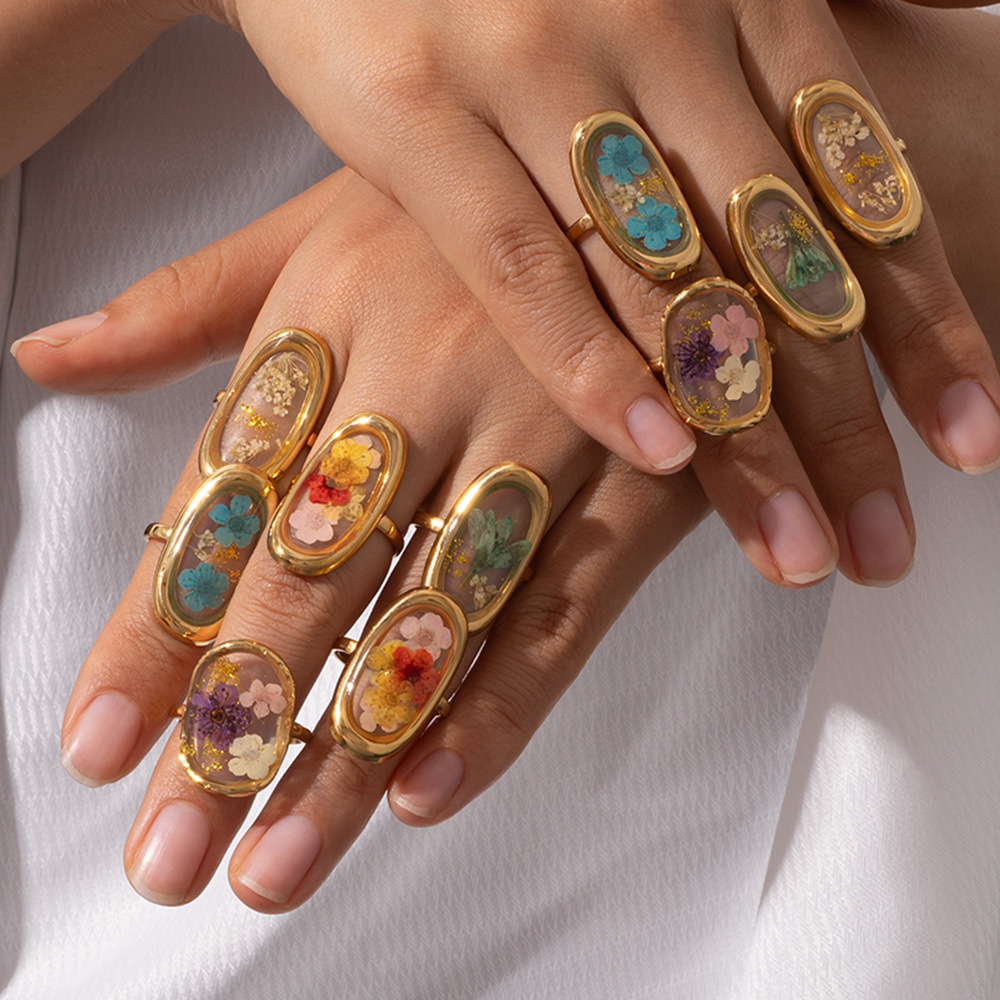
Vintage Stainless Steel Real Dried Flower Open Ring Gold Plated Adjustable Resin Botanical Floral Ring For Women Nature Style Jewelry Gift
$2.77
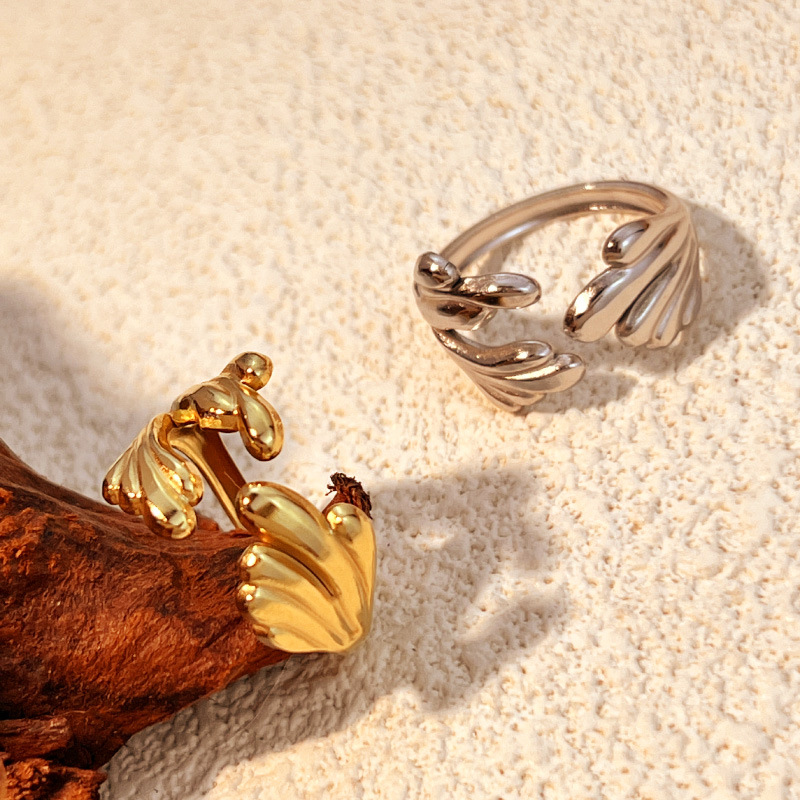
18K Gold Plated Stainless Steel Wing Leaf Open Adjustable Rings For Women Niche Design Chic Aesthetic Hand Jewelry Daily Party Gift Accessories
$1.12
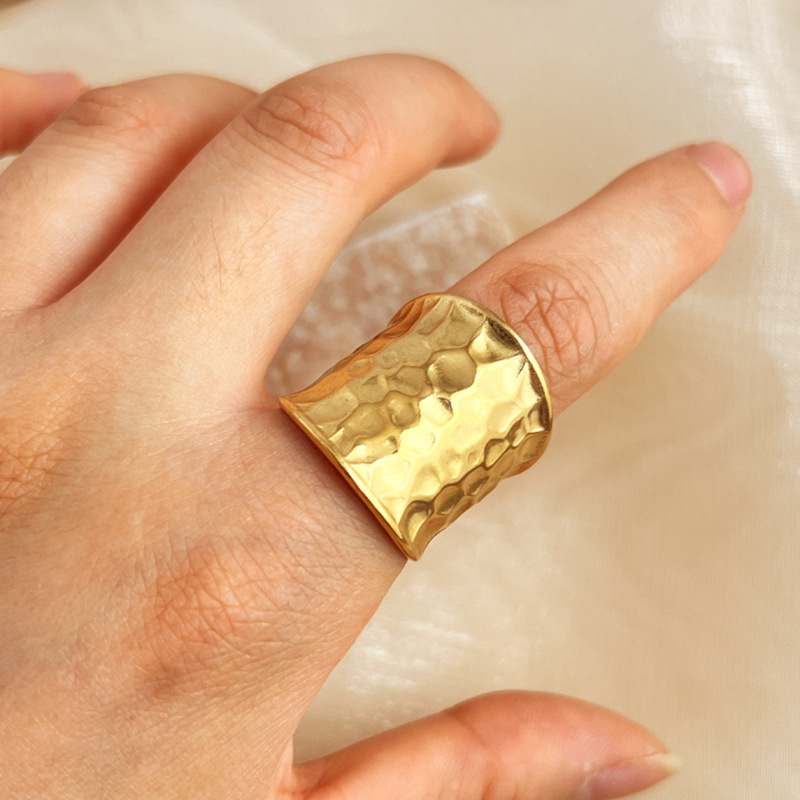
Chunky Hammered Stainless Steel Wide Band Ring For Women 18K Gold Plated Water Ripple Textured Statement Adjustable Open Finger Rings Minimalist Jewelry
$1.24
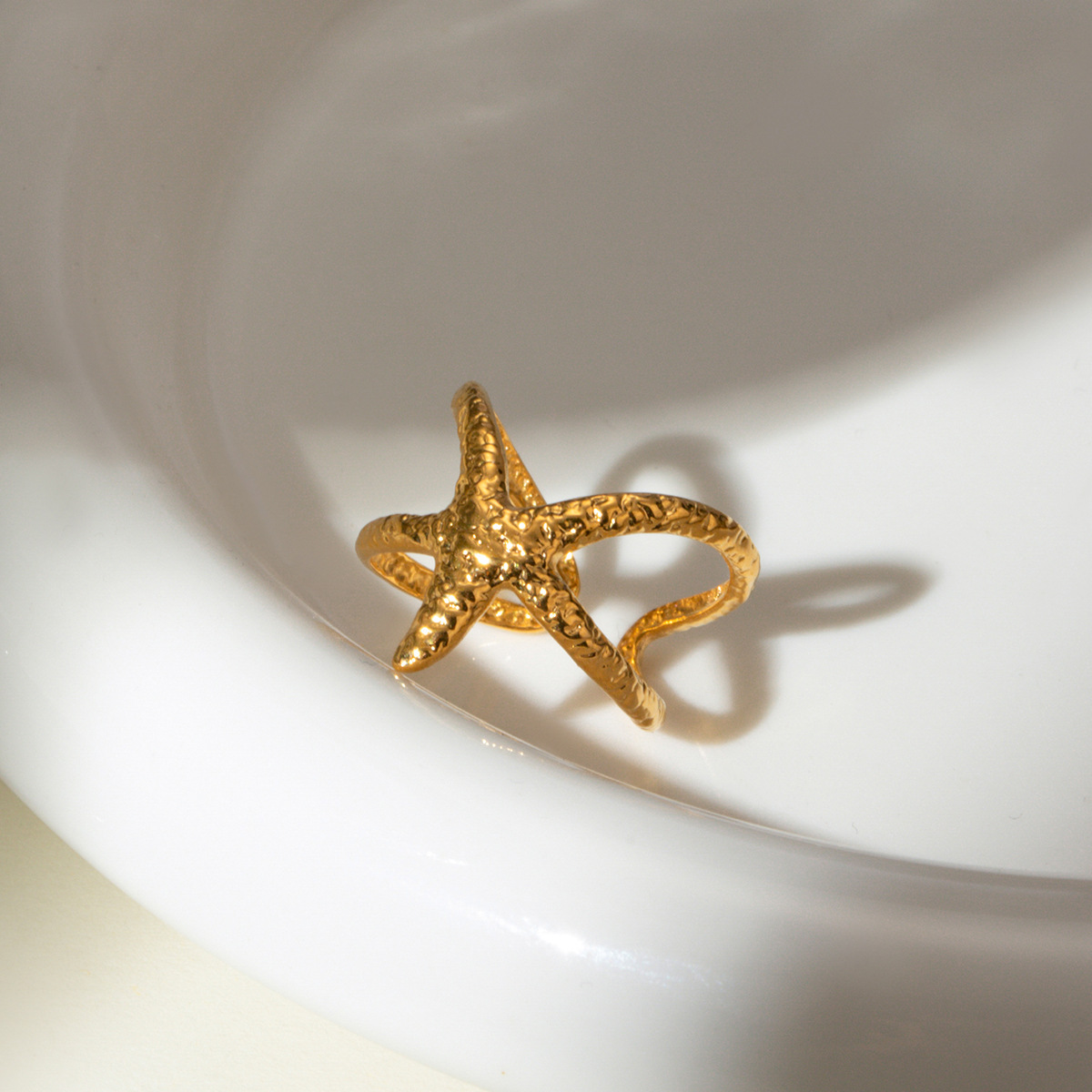
18K Gold Plated Stainless Steel Starfish Ring For Women Summer Beach Sea Star Adjustable Open Ring Textured Marine Life Jewelry Waterproof Hypoallergenic
$2.10
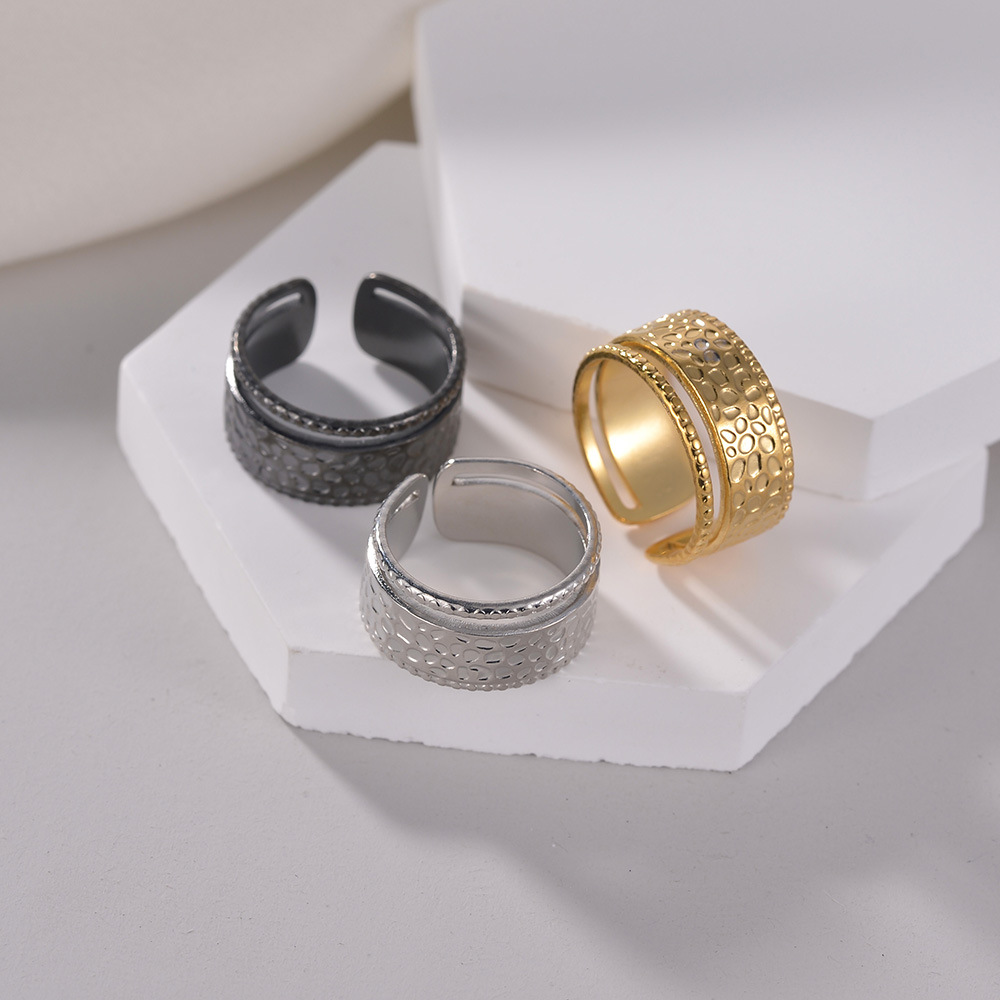
Hammered Texture Titanium Steel Open Rings For Women Double Layer Adjustable Gold Silver Black Geometric Finger Rings Fashion Jewelry
$0.70
Bin Store Bundles: Stackable, Shopper-Friendly Combos
Bundling helps bin store operators increase average basket size while moving inventory quickly. These combos use the DayJewel products above and are designed for a $5–$10 price point per bundle, ideal for bin store pricing psychology.
Jewelry Grab Bag (8 pieces)
New operator opening first bin store; wants high-margin filler items.
- Elegant Olive Leaf Ringhero
- Bohemian Oval Ringcomplement
- Starfish Ringcomplement
- Woven Leaf Ringcomplement
- Hammered Wide Band Ringcomplement
Bundle at $5.99 vs $8.25 separately – customer saves 27%, you still net $4.00 after cost.
Hat + Sticker Combo
Flea market stall looking for quick impulse buys at checkout.
- Bob Doing Bob Things Dad Hathero
- Christmas Static Stickersupsell
- Irish Saint Day Stickerscomplement
Bundle at $4.99 vs $5.84 separately – increases attach rate for stickers.
Winter Warmth Kit
Seasonal bin store promotion in colder months.
- Knitted Bob Doing Bob Things Beaniehero
- Gold Plated Bangle Braceletupsell
- Christmas Reindeer Window Stickercomplement
Bundle at $6.99 vs $9.22 separately – 24% discount, great for holiday foot traffic.