
Trend Report · May 13, 2026
Shipping Setup for Jewelry Resellers: Plant Seller’s $5.99 Flat Fee Fix
Set your jewelry shipping defaults with a flat $5.59 fee and add priority mail upgrades. Avoid West Coast delays and calculate costs like a pro. Operational playbook.
other plant sellers? shipping set up help please! — the question that applies to your jewelry store
A new plant seller recently posted a shipping headache. They charge a flat $5.59 via USPS Ground. Most orders land fine — but buyers across the country (Northeast to West Coast) complain about delays. They want to offer Priority Mail as an upgrade but can't figure out how to set a dynamic add-on price. Sound familiar? Jewelry resellers face the exact same equation: one flat rate looks clean, but geography eats your margin and delivery experience.
This isn't a plant-specific problem. It's a seller-scale problem. If you run a Shopify boutique, Etsy shop, or pop-up booth that ships jewelry, your SKU weight profile is actually more forgiving than plants (less weight variation, no perishability). But the operational pressure is higher: a $10 earring sale can't absorb a $12 shipping miscalculation. Getting your shipping setup right now — before you grow beyond a handful of daily orders — prevents silent profit bleed.
Your window to fix this is the next 7 days. Every order that crosses three zones without a cost‑accurate default eats into your margin. Worse, a delayed shipment triggers a refund request that wipes out the profit on that order and the next three. The plant seller’s question is your signal to audit your shipping defaults before your customer base spreads.
Why this shipping pain point is your profit opportunity right now
Northeast sellers shipping to West Coast customers — the exact scenario in the source post — are losing an average of $2–$3 per package if they stick to a blanket $5.59 ground fee. USPS Ground for a 4‑ounce jewelry parcel from New York to California runs about $4.20 retail; your actual cost after packaging and handling is closer to $5.00. That $0.59 buffer disappears on heavier items (like a necklace with a thick pendant) that cross into the 8‑ounce tier.
The smart play is to switch from a single flat rate to a dual‑option default: a low base rate for nearby zones and a calculated upgrade for Priority Mail that covers the cost gap. The plant seller wanted an automated calculator — you can build one in 20 minutes using carrier‑calculated shipping on Shopify or Etsy’s shipping profiles. Once you do, three things happen: your West Coast customers see a faster delivery option, you stop subsidising distant zones, and your negative‑review rate for “took too long” drops.
Timing matters because Q4 peak season is 8–12 weeks out for many wholesale buyers. If you test and lock in a zone‑aware shipping setup now, you enter the holiday rush with a proven cost structure. The alternative is learning this lesson mid‑December when refund requests spike.
Who needs this shipping playbook
This playbook is built for new and scaling jewelry resellers who ship domestic orders from a single location. You don’t need a warehouse or multi‑carrier software — just the willingness to adjust your store settings this week. The three profiles below will get the most leverage from a zone‑optimised shipping setup.
Shopify seller
You control shipping profiles directly. Set up calculated rates by zone and add a Priority Mail upgrade with a $2–$3 surcharge. No app needed.
Etsy shop owner
Etsy’s shipping profiles support fixed rates with one upgrade tier. Use the plant seller’s exact strategy: $5.59 flat for Ground, $8.99 for Priority. Test with your top‑selling earring SKU first.
Flea market / pop‑up stall operator
You already sell at events — online orders are your secondary channel. A simple fixed rate plus a Priority option means you don’t have to calculate every distance yourself. Keep overhead low.
Implementation Stages
Audit Your Zone Risk
Trigger: Your current shipping default is a blanket flat rate (any number) and you have customers in Zone 7+ (West Coast from Northeast).
Export your last 50 orders and identify the shipping addresses. Use USPS zone map to tag each order’s zone (1–8).
✓ A list showing what percentage of your orders go to distant zones (7+). If it’s >10%, you’re losing money on those shipments.
✗ If you skip this audit, you keep subsidising far orders and never know the true cost per sale.
Weigh your top 5 best‑selling jewelry items on a USPS‑compatible scale. Write down the weight per item including packaging (poly mailer, card insert).
✓ Actual weight range. Most fashion earrings weigh 0.3–0.5 oz; necklaces 0.5–1.5 oz; bundles up to 4 oz.
✗ Guessing weight leads to underpaying postage or over‑charging customers. Both hurt conversion or margin.
Set Your Base Carrier and Rate
Trigger: Weight data collected. Next order needs a shipping decision within 30 minutes.
Choose USPS First‑Class Package Service as your base carrier. Set a flat rate equal to the USPS cost for the maximum weight in your top 5 SKUs, plus $1.00 handling. For a 4‑oz first‑class parcel nationwide, USPS charges ~$4.20; set your base to $5.59 (as the plant seller did).
✓ A rate that covers cost for most zones (1–6) and leaves a $1.39 buffer. For Zone 7+ you’ll lose ~$0.40, but that’s manageable until you add upgrades.
✗ Setting the base to $3.99 might attract buyers but guarantees a loss on every order over 2 oz or Zone 5+.
Implement the base rate in your shopping cart. If using Shopify, create a ‘Small Parcel’ profile with weight ≤4 oz. If using Etsy, create a shipping profile with a single fixed rate.
✓ Customers see one clean price at checkout. Your average shipping cost matches your expectation for local orders.
✗ If you use calculated shipping without fixing a handling fee, the customer sees USPS’s retail price (sometimes higher) and may abandon cart.
Add a Priority Mail Upgrade
Trigger: Base rate active. You’ve received at least 5 orders and noticed that West Coast customers are paying $5.59 but taking 5–7 days instead of 2.
Add a second shipping option: Priority Mail at $8.99. In Shopify, this is a second flat rate with a condition: applies to orders over $0. In Etsy, add a second option with the same handling fee. The calculation: USPS Priority Mail for a 4‑oz package from NY to CA = ~$8.20. Charging $8.99 leaves $0.79 profit on the upgrade.
✓ About 15–20% of West Coast customers will choose Priority. Your average shipping revenue per order increases by $0.50–$1.00, and delivery complaints drop.
✗ If you set the upgrade too high (e.g., $12.99), nearly nobody chooses it, and you still eat the delay problem. Too low ($7.99) and you lose money on the upgrade itself.
Update your product page footer with a small banner: “Need it faster? Upgrade to Priority Mail at checkout. Typical delivery: 2–3 days.”
✓ Customers self‑select, reducing your need to manually explain shipping options in messages.
✗ Not communicating the upgrade option means customers assume slow delivery is the norm and may not buy again.
Test the New Setup with a Low‑Volume Product
Trigger: Both base and upgrade options are live in your cart. You should run a 7‑day test.
Choose one product with medium sales volume (e.g., product ID 129514, Vintage Baroque Pearl Earrings at $3.98). Create a Facebook ad or Etsy ad for this product with a $5 daily budget. Direct traffic to the product page with the dual shipping option.
✓ Collect 20–30 orders. Monitor the percentage that choose Priority. If >20% choose it, your upgrade price is right. If <5%, lower the upgrade to $7.99.
✗ Testing with a product that has very low sales volume (like product ID 142835 lip ring) won’t generate enough data in 7 days. Pick a winner.
Track shipping cost vs. revenue for each order. Create a simple spreadsheet with columns: product cost, shipping collected (base vs upgrade), actual postage paid, and net margin.
✓ Clear visibility into whether the $5.59 flat is profitable across all zones. You may find that Zone 7+ loses $0.40 per order, which you recover from upgrade orders.
✗ If you don’t track, you won’t know if your upgrade rate is compensating for the loss on ground orders. The plant seller had no tracking — that’s why they were ‘a hard time figuring out how much to ’add’.
Optimize Based on Data — and Scale
Trigger: 7‑day test complete. You have at least 20 orders with clear margin data.
If the test shows that >25% of West Coast customers choose Priority, keep the $8.99 upgrade. If the upgrade rate is low, change it to $7.99 and retest for 5 days. If ground orders are still losing money, raise the base rate to $6.99 for all orders.
✓ An optimized rate structure that maximizes profit while keeping checkout friction low.
✗ Tweaking too many variables at once (changing base, upgrade, and bundle pricing) makes it impossible to see what works. Change one variable per test.
Apply the winning rate structure to your top 20 SKUs. Create shipping profiles for weight tiers: under 1 oz, 1–4 oz, 4–8 oz. Each tier gets its own base rate and upgrade. Use the plant seller’s approach but with data behind it.
✓ Consistent shipping cost management across your entire catalog. Future new products automatically slot into a tier.
✗ Applying the same rate to every SKU regardless of weight creates inequities. A heavy enchanted necklace (product ID 130367, 1.2 oz) needs a higher base than a thin leaf ring (product ID 88666, 0.3 oz).
How to sell with your newly‑optimized shipping setup
Once your shipping rates are zone‑aware and upgrade‑ready, your selling focus shifts from cost control to value extraction. The plant seller’s original goal was simply to stop losing money on far‑away orders. But you can go further: use the upgraded Priority option as a selling point for higher‑margin bundles. For example, the West Coast Priority Saver Bundle (product IDs 130367, 96571, 66786) can be advertised as “Free Priority Shipping on orders over $20” — making the upgrade feel like a bonus rather than a cost. A common mistake is to stop after setting the rates and never retest them. Shipping costs change every January (USPS rate hikes) and your product mix evolves. Schedule a 30‑minute shipping audit every quarter. Retest the upgrade price if you add heavier products like chunky chain necklaces. Also, track your shipping‑related refund rate monthly — if it climbs above 2%, your base rate is too low for the zones you’re hitting. Finally, use your new shipping data to inform your product sourcing. Lightweight earrings and rings (under 0.5 oz) are ideal for low‑cost shipping and high margins. Source more of those from DayJewel’s nature‑inspired collection — like the Monstera leaf pendants and tree of life sets — to maximize your profit per package.
Set up a shipping profile for ‘Small Jewelry Items’ (0–4 oz) with a $5.59 base flat rate and $8.99 Priority upgrade. Offer free Priority on orders over $30 to increase average order value.
⚠ If you set the free‑shipping threshold too low ($20), customers will order just over $20 and you’ll eat the $8.99 Priority cost. Keep threshold at $30.
Create a shipping profile with two options: $5.59 First‑Class / $8.99 Priority. Add a note in the description: ‘Priority upgrades ship from our Northeast warehouse in a gift‑ready box.’
⚠ Etsy’s calculated shipping option may show a lower Priority price than your fixed $8.99; disable carrier‑calculated rates for that profile to keep control.
For FBM, set a flat shipping rate of $5.99 for all jewelry under 1 lb (Amazon’s allowable). For FBA, send a selection of fast‑moving leaf earrings (product IDs 91044, 123595) to an Amazon warehouse to get Prime shipping eligibility.
⚠ Amazon’s A‑to‑z guarantee is strict on delivery time. If a customer in Zone 7 selects standard shipping and the package takes 6 days, they can file a claim. Always upgrade to Priority for orders in that zone via a shipping rule.
Use Instagram Checkout with a fixed shipping rate of $5.59. In your bio or story, link to a product page that clearly shows the $8.99 Priority upgrade option. Offer a $1 discount to any customer who chooses Priority (effectively $7.99) to train them to expect faster shipping.
⚠ Instagram doesn’t allow multiple shipping options per checkout link; you must direct customers to your external site for choice. Use a ‘swipe up’ story pointing to a specific bundle page with the two shipping options.
Best‑selling plant‑themed jewelry to test your shipping setup with
The products listed below share a common trait: they’re lightweight, non‑perishable, and visually appealing — ideal for testing your new shipping default because a single lost margin on one of these $0.84–$6.27 items can wipe out the profit on three other sales. Start with these SKUs to validate your $5.59 flat rate before scaling.
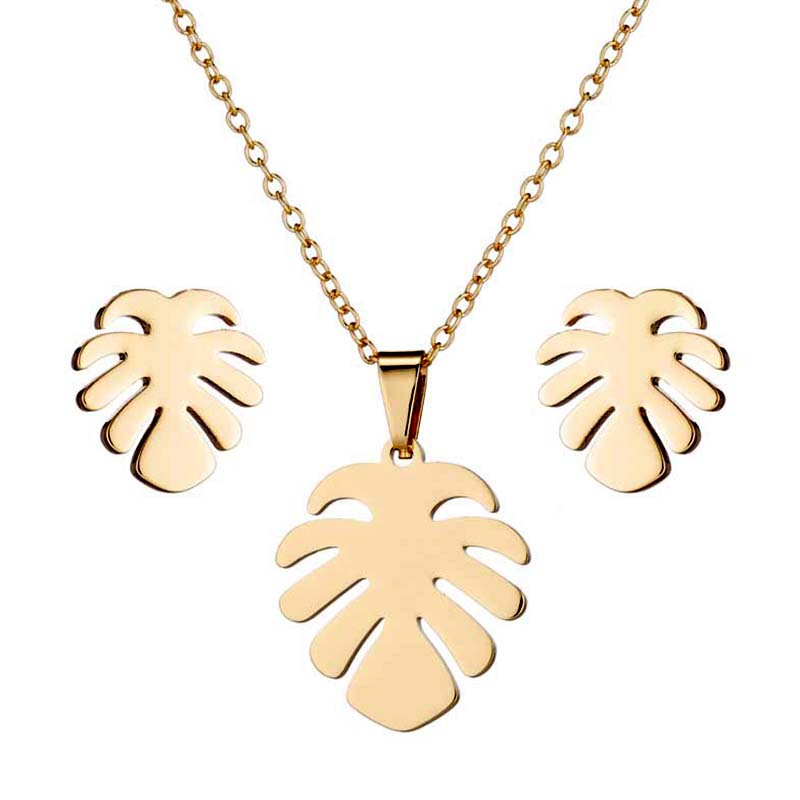
Stainless Steel Monstera Leaf Pendant Necklace And Stud Earrings Tropical Plant Design For Women Elegant Jewelry
$0.84
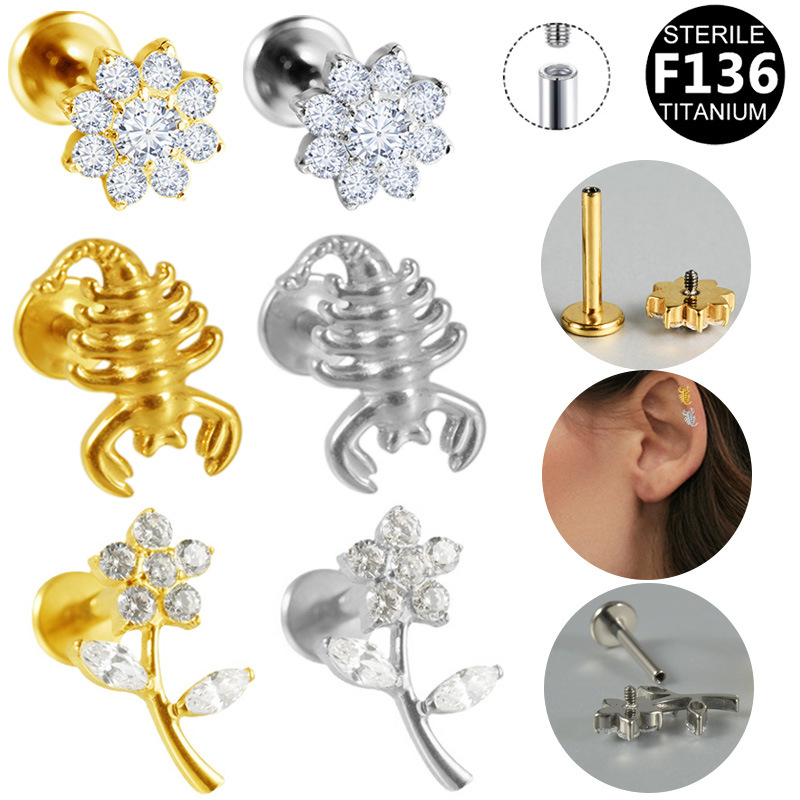
F136 Titanium Lip Ring Stud Internally Threaded Flower Scorpion Cubic Zirconia Piercing Jewelry Ear Cartilage Helix
$3.71
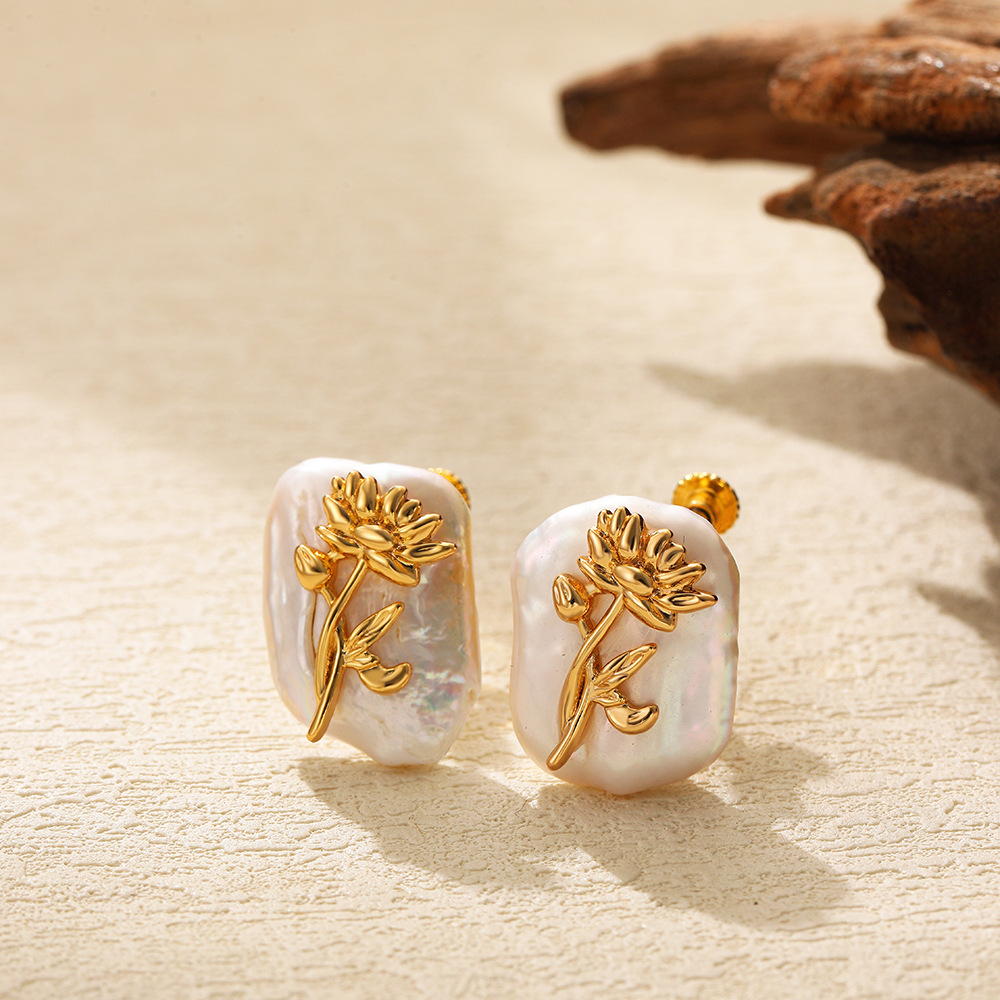
Vintage Baroque Pearl Earrings Gold Floral Leaf Design Clip On Stud Jewelry For Women Chinese Style
$3.98
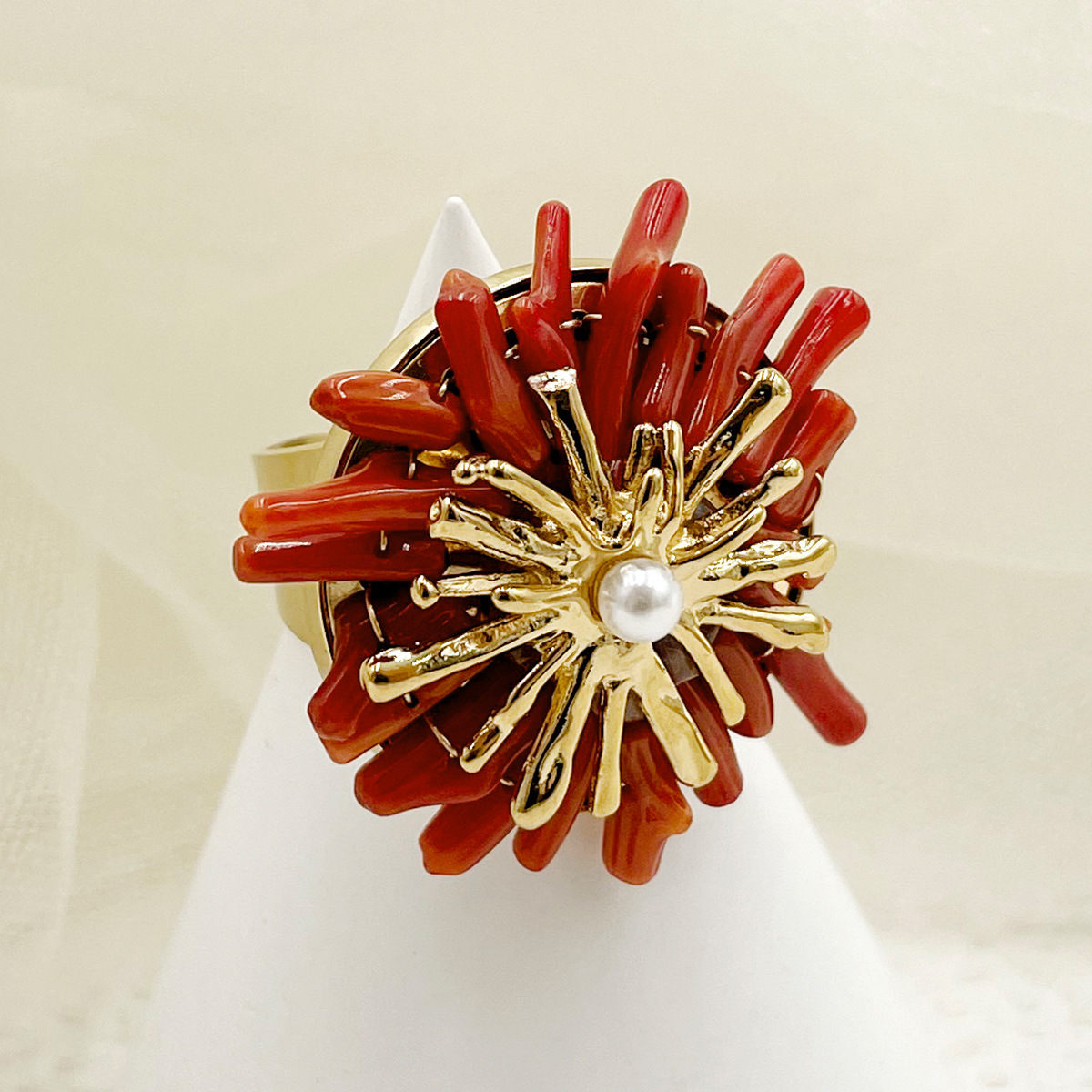
Red Coral Petal Open Ring Stainless Steel Gold Plated With White Pearl For Women Artistic Adjustable Jewelry
$3.14
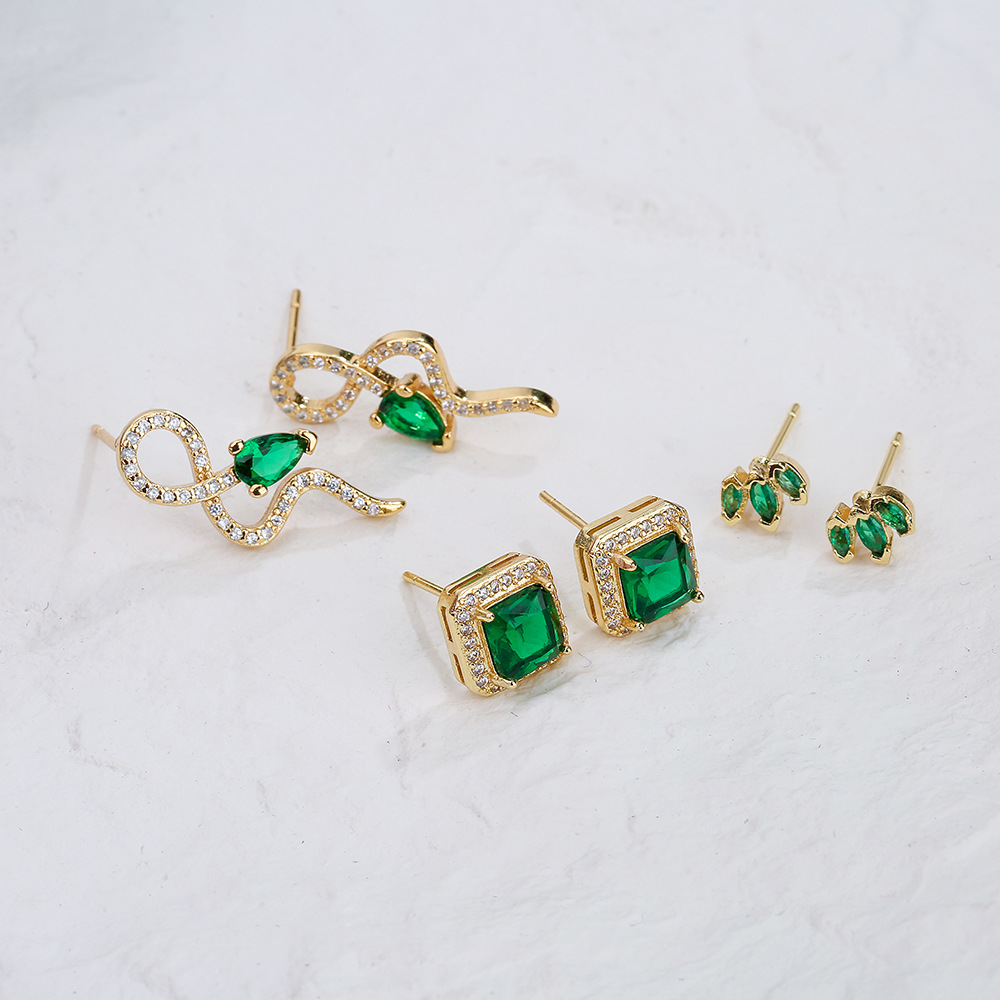
Green Zircon Stud Earrings Copper 18K Gold Plated Snake Square Geometric Style Fashion Jewelry For Women
$2.12
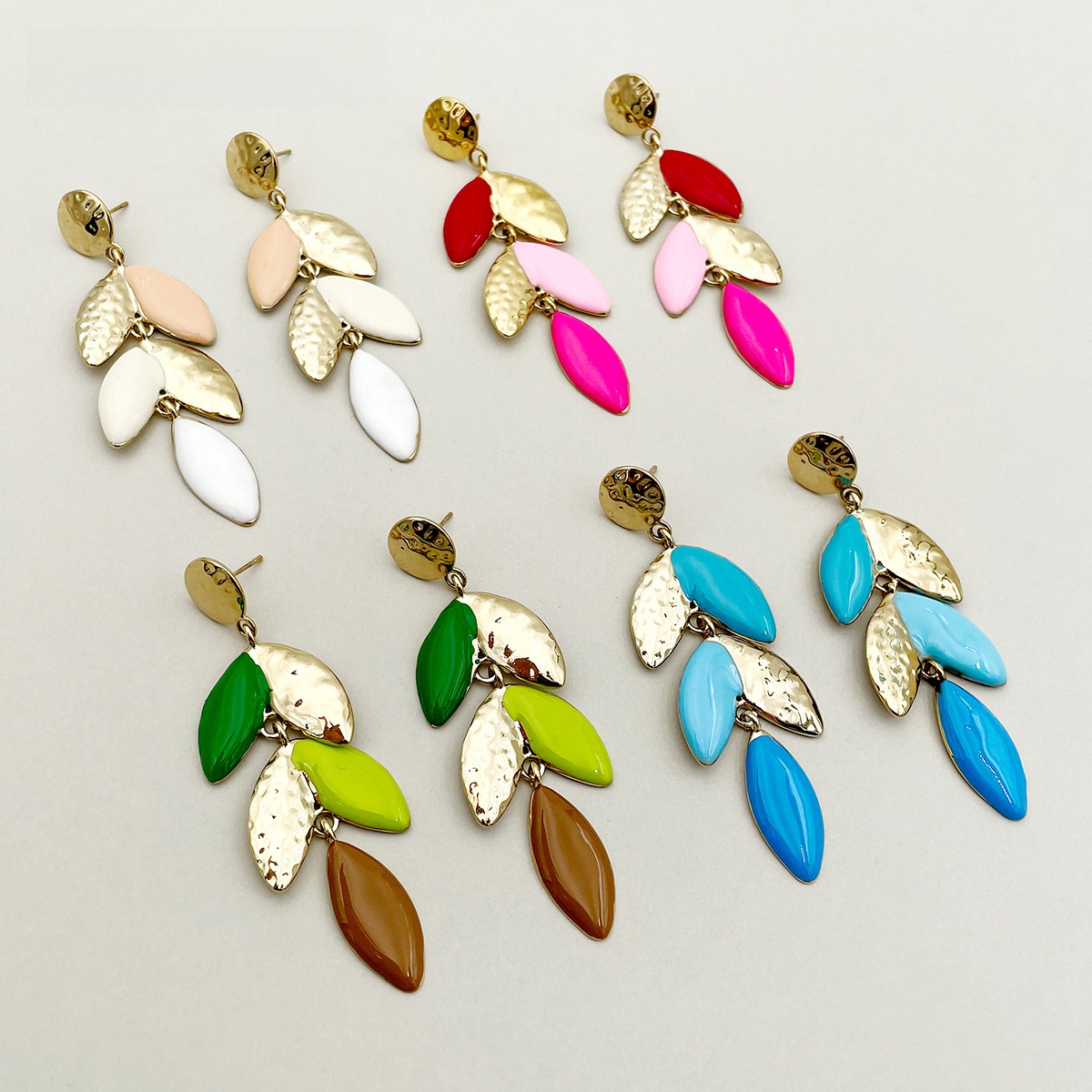
Leaf Drop Earrings Stainless Steel Long Enamel Multi Layer Hammered Texture Nature Inspired Fashion Jewelry For Women
$5.37
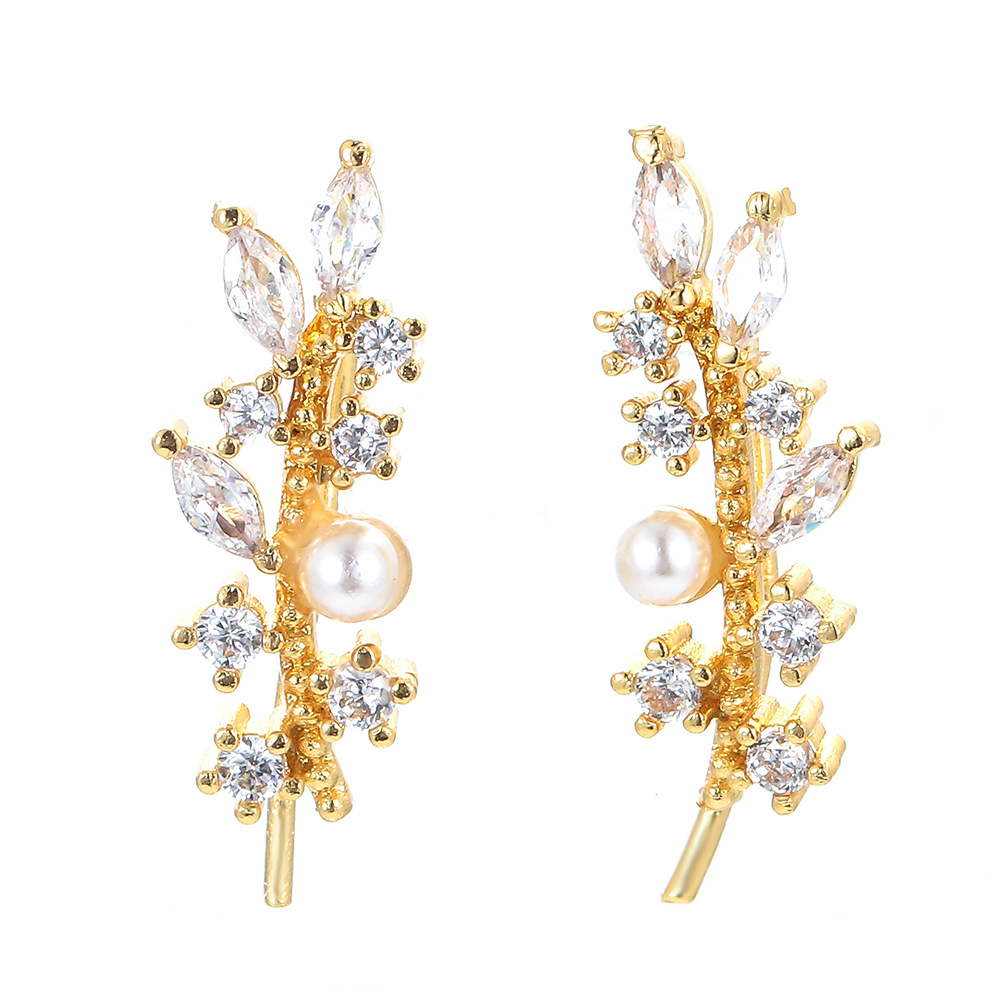
Elegant Leaf Vine Ear Climber Earrings Copper Plated With Cubic Zirconia And White Imitation Pearl Jewelry For Women
$3.54
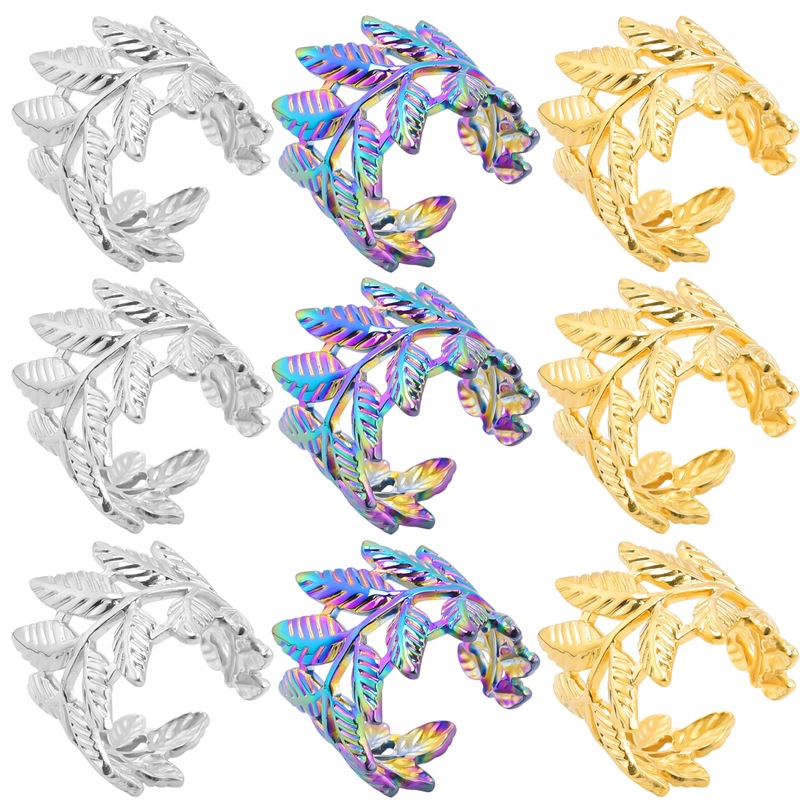
Retro Stainless Steel Leaf Ring Adjustable Open Bohemian Laurel Leaves Jewelry For Women Men Vacuum Plating
$0.52
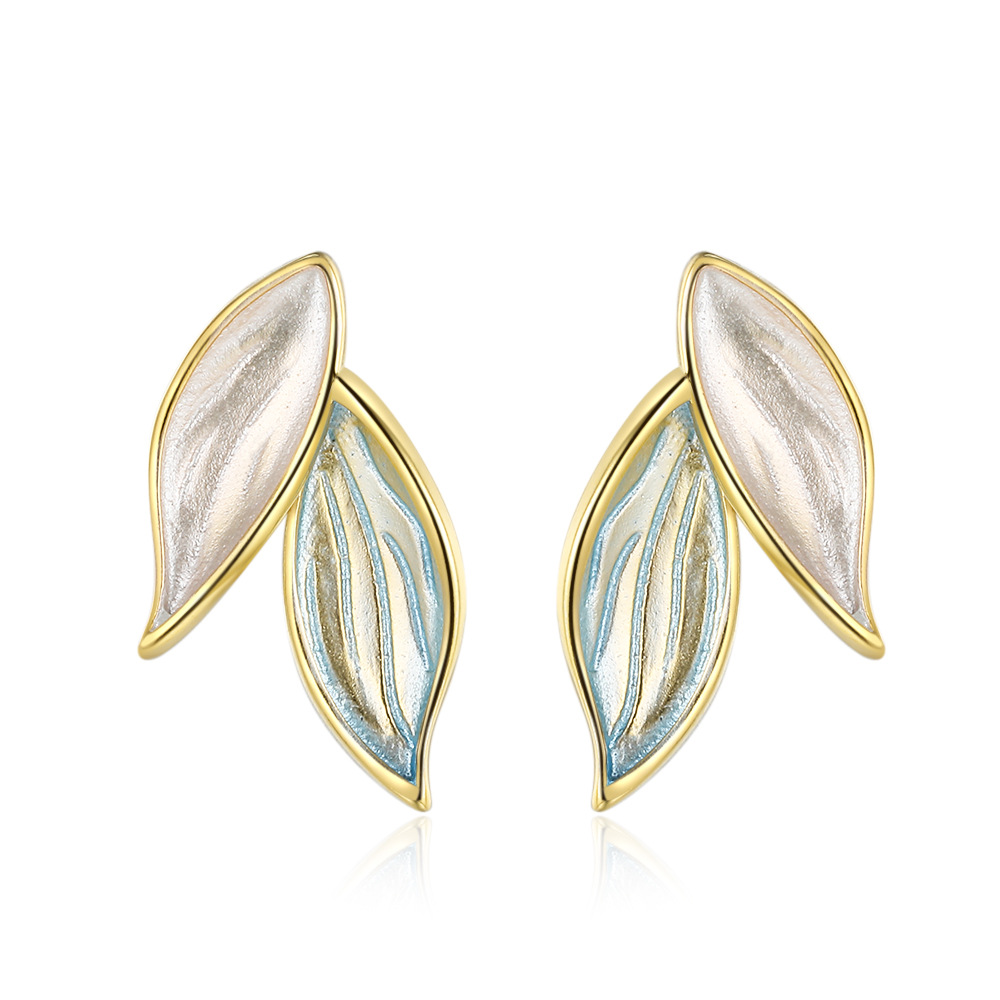
Leaf Stud Earrings With 925 Sterling Silver Earring Post Copper Gradient Blue White Enamel Elegant Jewelry For Women
$1.77
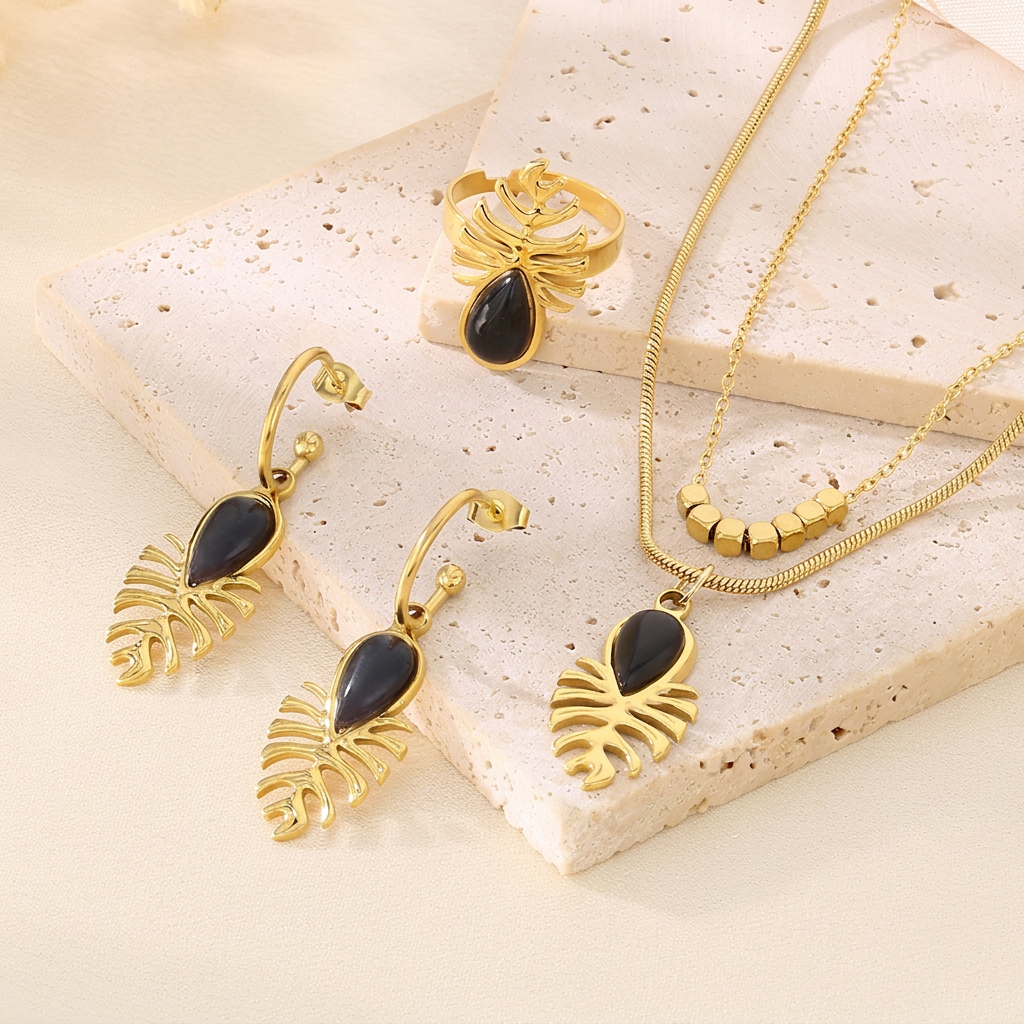
Stainless Steel Jewelry Necklace Earrings Ring For Women Double Layer Snake Chain Leaf Design Inlaid Opal Elegant Decor
$6.27
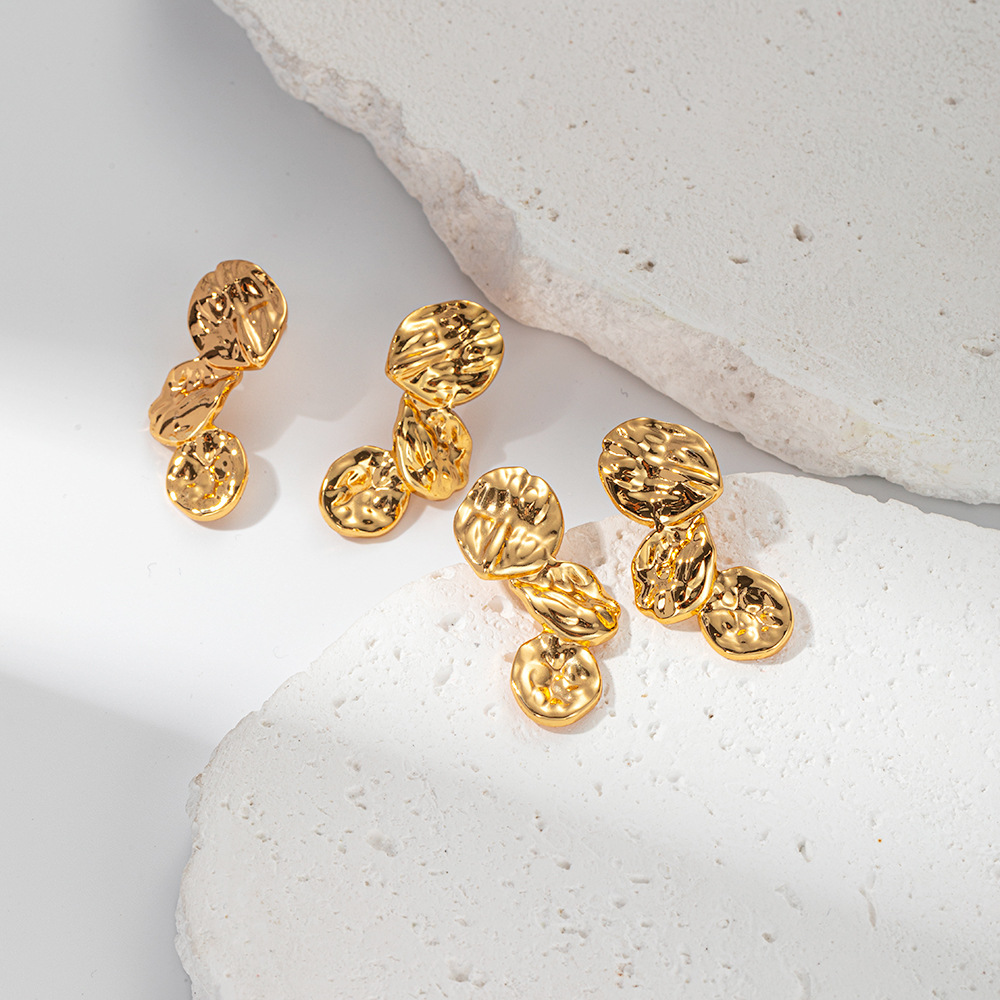
Stainless Steel Irregular Lava Textured Lotus Leaf Earrings Gold Plated Geometric Minimalist Jewelry For Women
$2.75
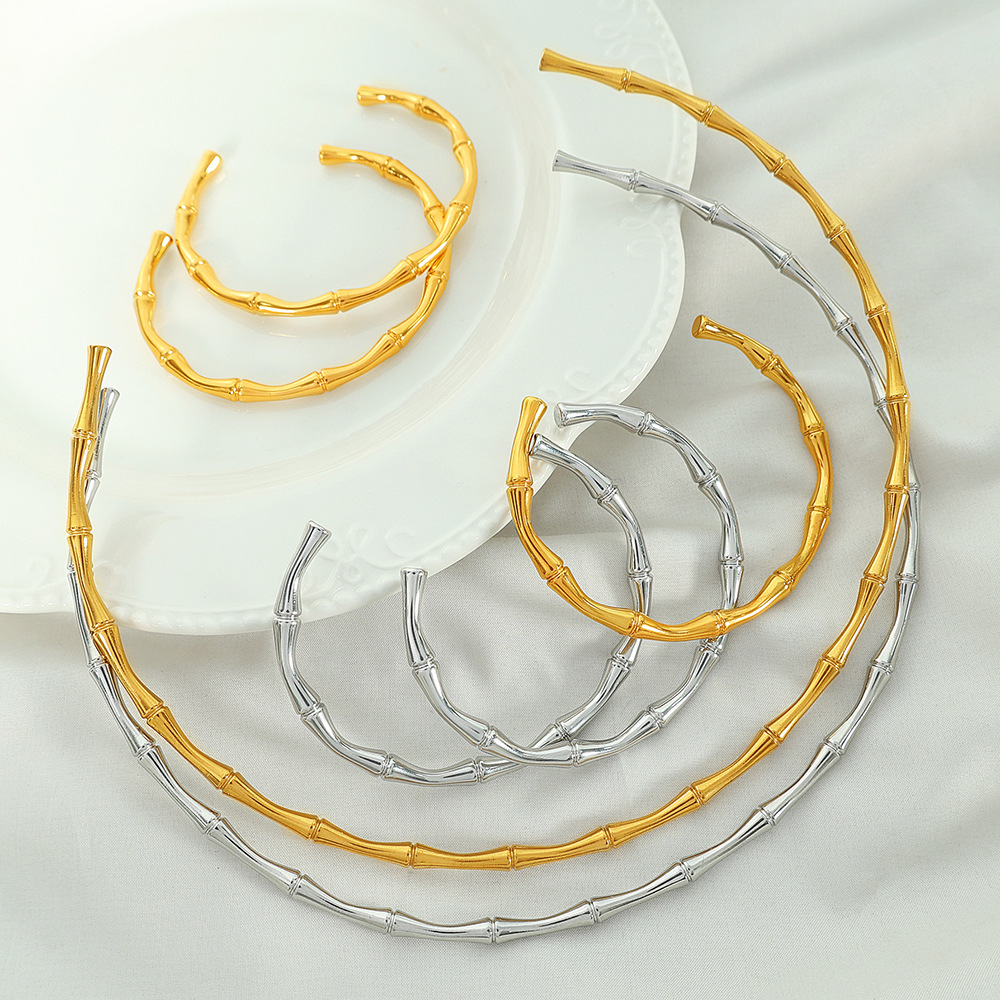
Bamboo Joint Necklace And Bangle Jewelry 18K Gold Plated Stainless Steel Adjustable Open Collar Bracelet Fashion Minimalist Women
$3.27
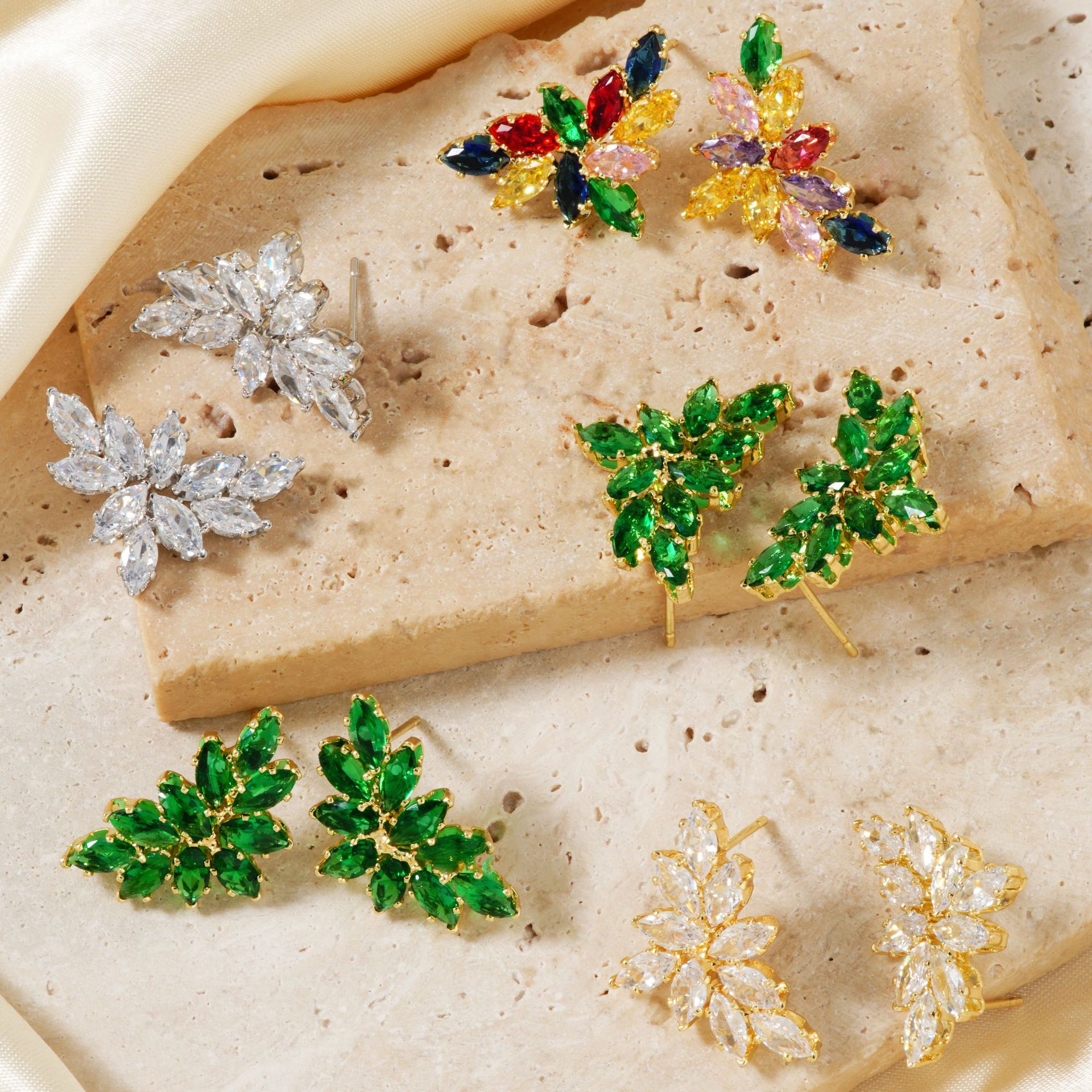
Leaf Stud Earrings Copper With Marquise Cut Zircon Luxury Simple Elegant Charming Jewelry For Women Daily Accessories
$1.13

Stainless Steel Leaf Ring Adjustable Open Finger Jewelry For Men Women Retro Polished Aesthetic Plant Accessory
$0.52
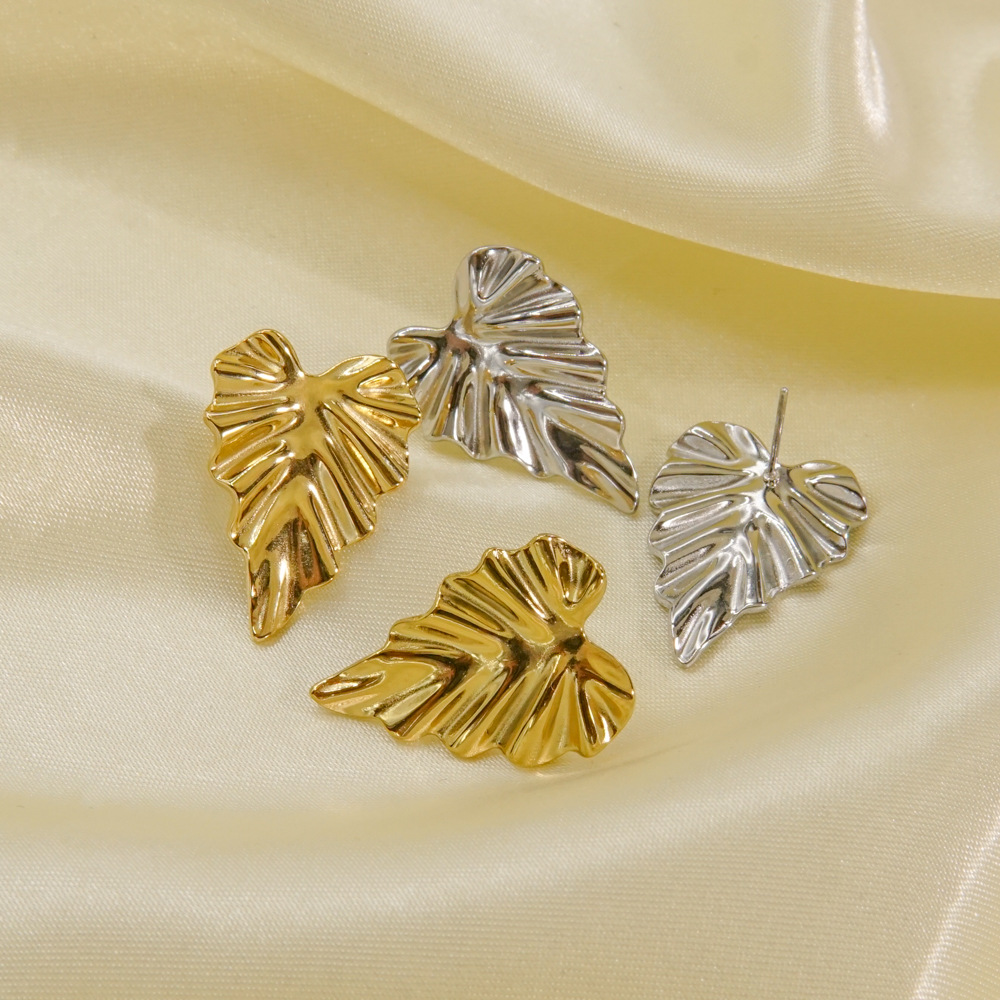
Leaf Stud Earrings Stainless Steel Tropical Monstera Plant Design Vacuum Plated High-end Minimalist Jewelry For Women
$2.75
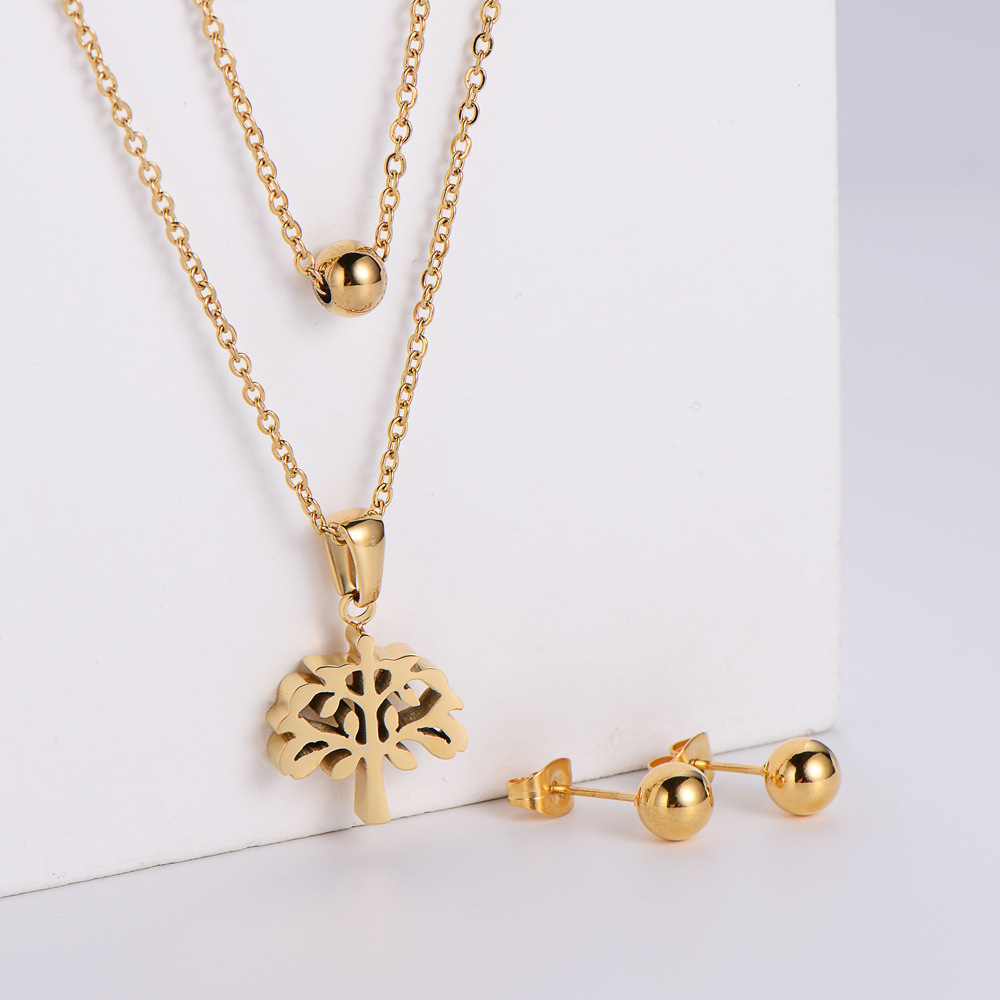
Tree Of Life Jewelry Stainless Steel Double Layer Necklace And Ball Stud Earrings Hollow Plant Design For Women
$2.99
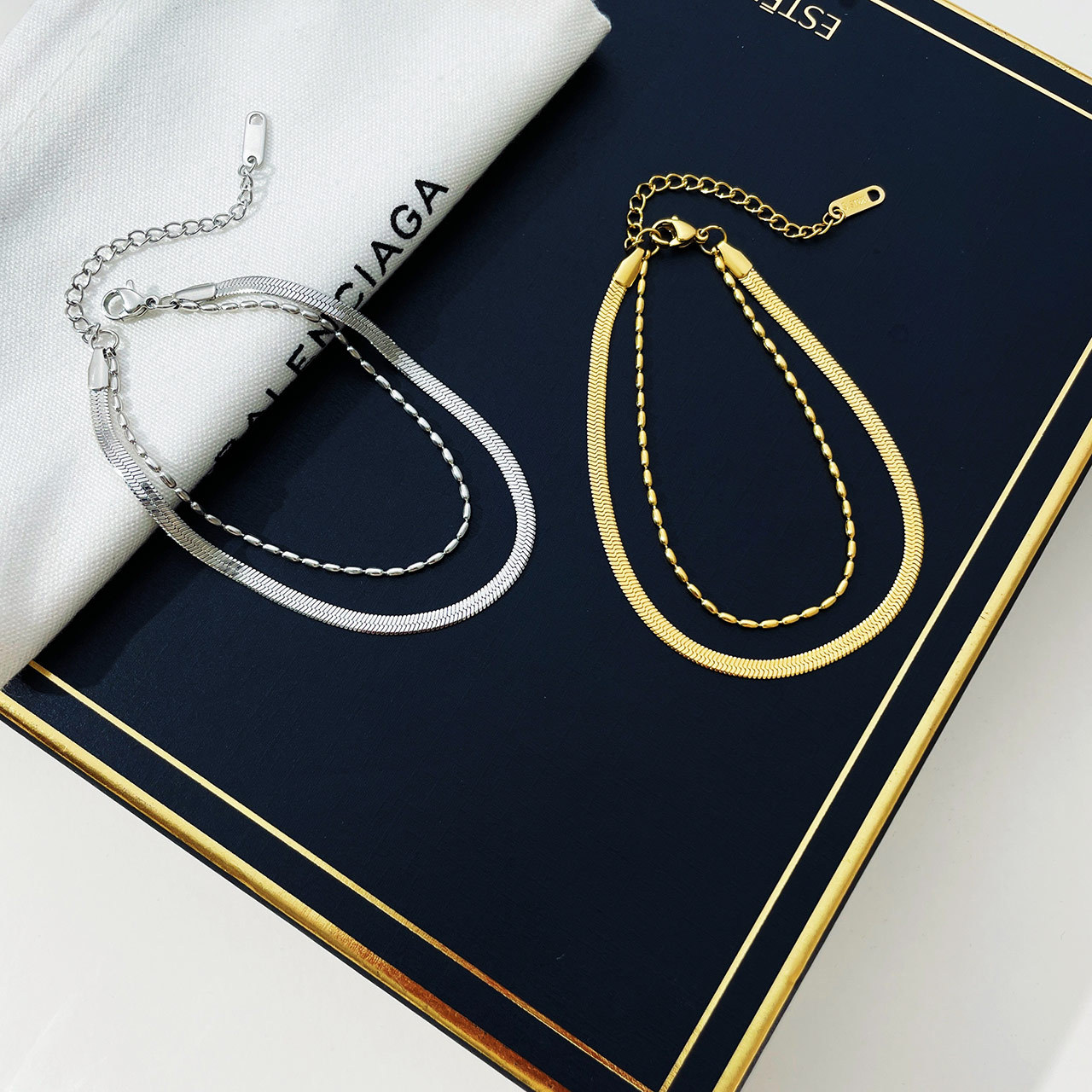
Layered Stainless Steel Bracelet Flat Snake Herringbone Chain And Bead Chain Adjustable For Women
$1.96
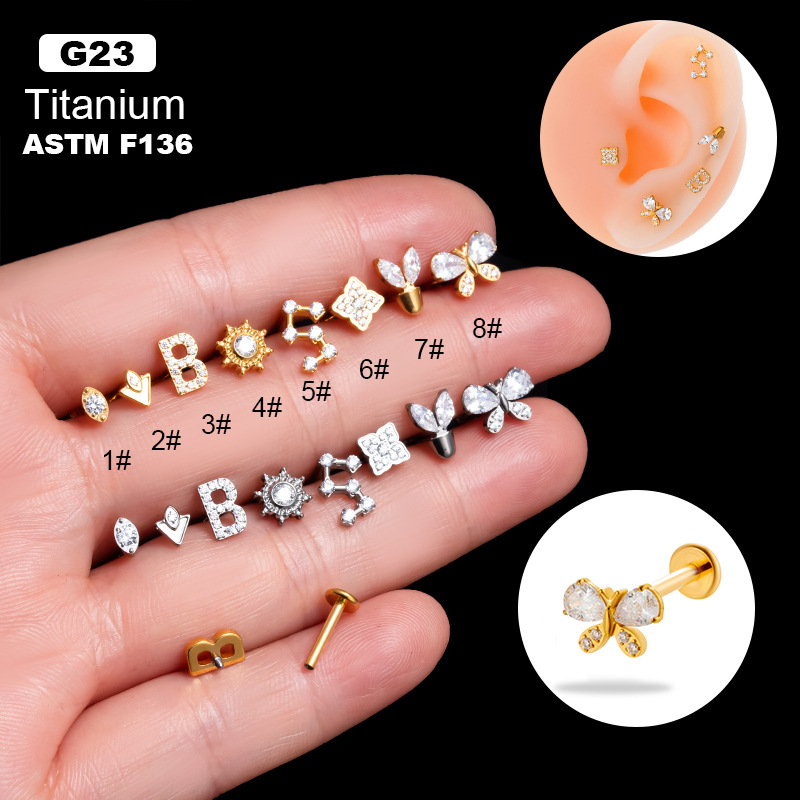
G23 Titanium Zircon Inlaid Butterfly Cartilage Piercing Stud Internal Thread Flat Back Labret Jewelry Women
$2.77
Bundle these plant‑themed jewelry pieces to test zone‑based shipping upgrades
Bundling increases order value — which makes shipping upgrades more palatable to the customer. A $20 bundle can absorb a $3 Priority surcharge; a single $4.85 pair of earrings cannot. Use these bundles to A/B test your $5.59 flat rate against a $8.99 Priority option. Each bundle is designed for a specific buyer scenario.
Northeast‑Friendly Starter Bundle
New Shopify seller testing flat‑rate viability for local (Zone 1–3) customers.
- Stainless Steel Monstera Leaf Pendant Necklace and Stud Earringshero
- Retro Stainless Steel Leaf Ring Adjustable Open Bohemian Laurel Leavesupsell
- Leaf Stud Earrings Copper With Marquise Cut Zirconcomplement
Bundle at $12.50 vs $14.50 separately — keeps average shipping cost under $5.00 for local zones.
West Coast Priority Saver Bundle
Seller with customers in California, Oregon, Washington. Test Priority upgrade uptake.
- Stainless Steel Jewelry Necklace Earrings Ring Double Layer Snake Chain Leaf Inlaid Opalhero
- Leaf Drop Earrings Stainless Steel Long Enamel Multi Layer Hammered Textureupsell
- G23 Titanium Zircon Inlaid Butterfly Cartilage Piercing Stud Internal Thread Flat Back Labretcomplement
Bundle at $18.99 vs $22.38 separately. Priority upgrade cost of $8.99 leaves you a $10.00 profit margin; the customer saves $3.39 on the bundle.
Bamboo & Lotus Eco Bundle
Etsy store targeting plant lovers who appreciate fast delivery. Advertise priority shipping as a free perk?
- Bamboo Joint Necklace and Bangle Jewelry 18K Gold Plated Stainless Steelhero
- Stainless Steel Irregular Lava Textured Lotus Leaf Earrings Gold Platedupsell
- Tree Of Life Jewelry Stainless Steel Double Layer Necklace and Ball Stud Earringscomplement
Bundle at $14.95 vs $17.51 separately. If you offer free Priority on this bundle, your cost is $8.99 — still an $8.96 gross margin if you charge $23.95 total.