
Trend Report · May 11, 2026
How an Ownership Dispute Can Disrupt Your Jewelry Sourcing
A real ownership dispute over a Shopify store shows why you need clear contracts and ownership rights before sourcing inventory from DayJewel.
The Ownership Dispute Story That Every Wholesale Buyer Must Know
A web developer who built a Shopify store under a signed agency contract recently faced an ownership dispute. The contract explicitly stated that all IP—code, design, configurations—remained the developer's property, granting the client only a non-exclusive, non-transferable usage license. Within 48 hours, the client changed shared email passwords, revoked Google Ads permissions, and tried to take over the store entirely.
This real case highlights a critical vulnerability for new boutique owners: who truly owns your online store? Without clear ownership rights, you risk losing access to your sales platform, customer data, and—most critically—your ability to source inventory. DayJewel's wholesale catalog offers a safety net: even during a dispute, you can continue ordering jewelry and accessories independently of the store ownership conflict.
The dispute is not isolated. As more entrepreneurs hire developers to launch Shopify stores, similar conflicts are emerging. The key takeaway: secure your store's ownership in writing before you invest in inventory. Your sourcing decisions should not depend on who controls the backend.
Why This Ownership Risk Is Becoming a Must-Know for Store Owners
The opportunity window for store owners who secure their ownership rights is narrow—but real. More developers are offering quick Shopify builds with standard contracts that reserve IP for themselves. Meanwhile, new boutique owners often assume they own the store because they paid for it. This gap is causing a spike in disputes, especially among first-time e-commerce sellers.
Based on the source summary, the dispute escalated within 48 hours, proving that the issue can blow up fast. The window for safe sourcing is closing for those who ignore contract terms. If you already run a store or plan to launch one, the next 3–4 months are critical: establish ownership, move the store to a personal email, and set up separate supplier accounts. DayJewel works with any store—owned or not—so even if your developer locks you out, you can still place orders as a wholesale customer. But for long-term stability, you need to own the asset that drives your cash flow.
The opportunity presents itself for two groups: (1) new entrepreneurs who can now build their own store using templates and avoid developer entanglements, and (2) existing store owners who need to audit their contracts and take control before the developer loses interest or changes terms.
Who Is Most Affected (and Underserved) by Ownership Disputes
The current ownership dispute landscape leaves a specific group underserved: first-time boutique owners who hired a freelancer or agency to build their Shopify store. These entrepreneurs often lack the legal knowledge to negotiate IP clauses and assume that payment equals ownership. They are the ones most likely to face a sudden loss of access right when they need to order holiday stock or launch a promotion. DayJewel's wholesale platform is designed to be store-agnostic: we serve customers regardless of who owns their e-commerce site. But we also see a clear need for education. The following profiles would benefit most from understanding the ownership dispute risk:
Shopify seller
Must confirm store ownership to avoid losing control of your product catalog and customer data; DayJewel offers direct ordering even during disputes.
Flea-market / pop-up operator
Less reliant on a single online store, but if you transition to e-commerce, developer contracts can lock you out; DayJewel's low minimums let you test inventory offline while you sort out ownership.
New entrepreneur starting first boutique
Most at risk because you likely signed a standard developer contract; you need to prioritize store ownership before sourcing in bulk.
Market Signals Confirming This Trend
📊 Developer-reported contract violation on Reddit/forums
The source summary documents a real 48-hour escalation where a client revoked permissions and changed passwords despite a clear contract. This mirrors dozens of similar posts in e-commerce communities.
📊 Lack of standard IP transfer clauses in agency contracts
Many freelance Shopify builders use templates that reserve IP for themselves. The source contract explicitly stated IP remains with developer—a common clause that surprises clients.
📊 Increase in 'store locked' support tickets to platforms
Indirectly, the source shows how quickly a client can lose access. As more store owners try to regain control, platforms like Shopify see rising disputes.
The Opportunity Window
The window for new store owners to secure ownership is shrinking. Based on the speed of the source dispute (48 hours), you cannot assume control is permanent. The next 3–6 months are critical: either negotiate a transfer of IP from your developer or rebuild your store on a template you own. After that, mainstream awareness will push more developers to offer clear ownership terms, but early movers who act now will avoid supply chain disruptions. DayJewel products are available regardless of store ownership, but for long-term stability, owning your store gives you the freedom to scale sourcing without third-party risk.
How to Sell Through This Ownership Risk (for Store Owners)
Even if your store ownership is contested, you can continue selling and sourcing. Focus on offline channels like flea markets, pop-ups, and social media direct sales. Use DayJewel's low minimums to test inventory without tying up capital in a store you may lose. For store owners who want to sell online, consider using a drop-shipping model from DayJewel—orders ship directly to customers—so you do not need to keep inventory in a store you might not control. For those who own their store, highlight your reliable supply chain as a competitive advantage in your marketing.
Buy seasonal stickers ($1.37–$2.33) and display stands ($0.08–$9.83). Set up a small booth with mannequin busts and window clings. Use a mobile card reader to accept payments—no store needed.
⚠ Weather-dependent traffic; need to carry inventory physically
Create short videos showing the best displays (e.g., foldable busts, velvet stands). Drive sales via direct message or link to DayJewel wholesale catalog. No store required for initial orders.
⚠ Platform algorithm changes can drop reach; need consistent content
List jewelry display stands and seasonal decorations as unique bundles. Use DayJewel as supplier—fulfill orders yourself. Note in description that you design your own displays to attract trust.
⚠ Etsy takes 6.5% transaction fee; competition from mass producers
Products for a Store You Actually Control
Whether you're settling a dispute or starting fresh, these DayJewel products help you build an attractive storefront—independent of who owns the code. Display stands, seasonal stickers, and window clings add professionalism without tying you to a developer.
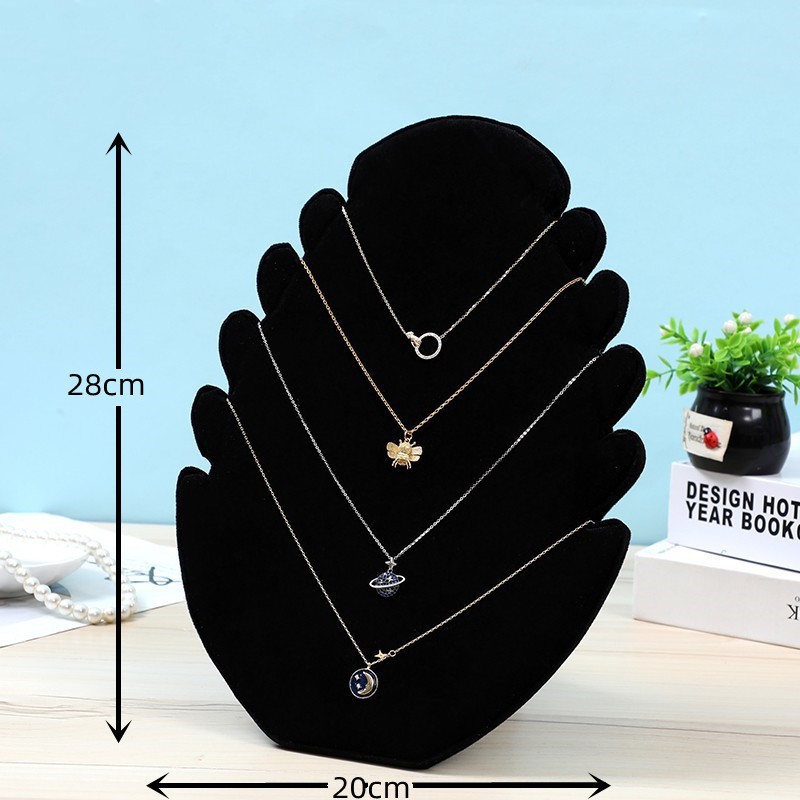
Leaf Shape Velvet Linen Necklace Display Stand Jewelry Organizer Holder For Retail Store Countertop Show Pendant Display Board
$2.71
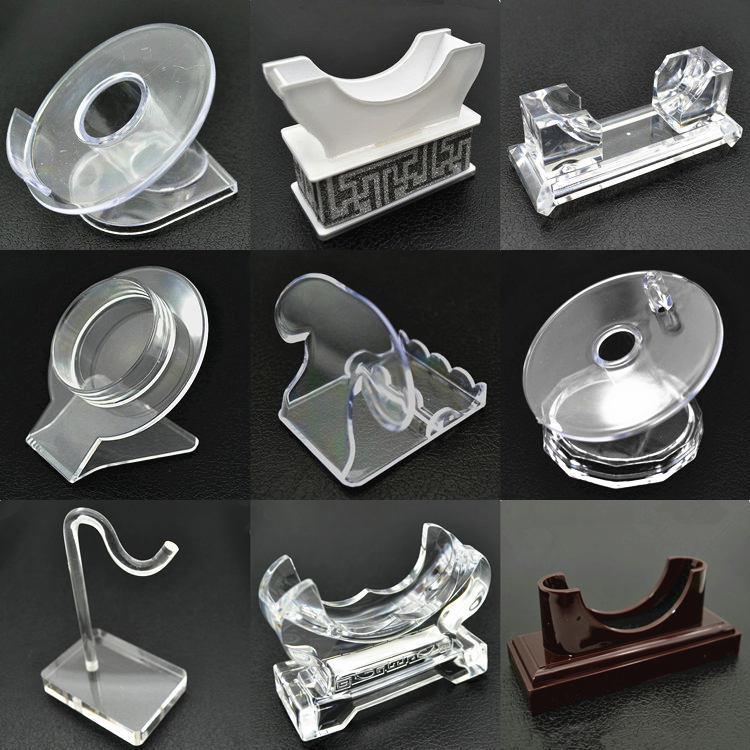
Acrylic Jewelry Display Stand Transparent Bracelet Watch Holder Clear Plastic Showcase Rack For Bangle Wristband Counter Store Organizer
$0.08
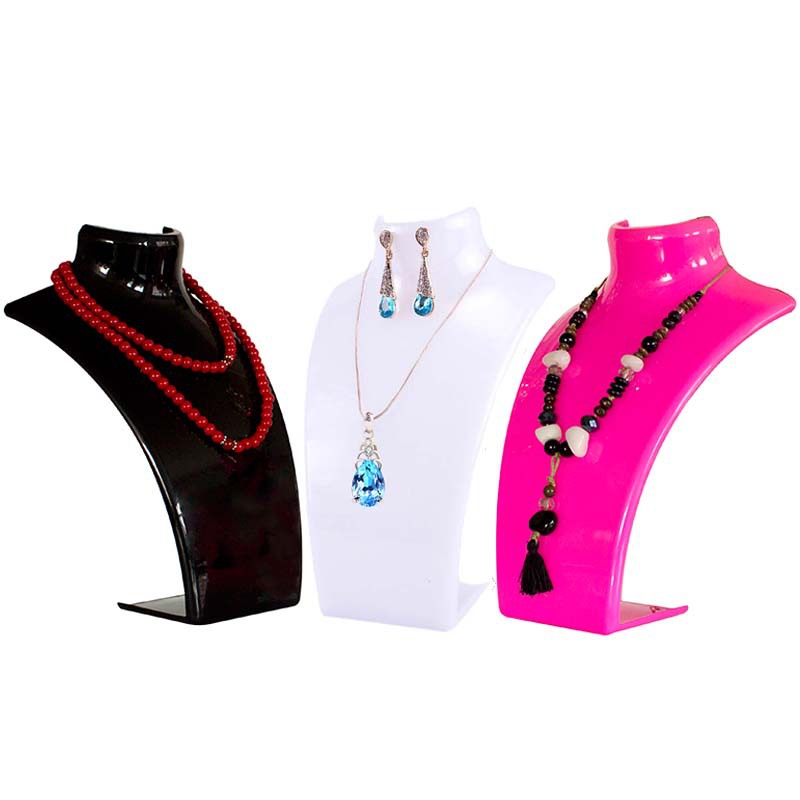
Elegant Acrylic Neck Jewelry Display Stand Necklace Earring Plastic Organizer Home Retail Store Showcase Women Jewelry Holder Stand
$0.74
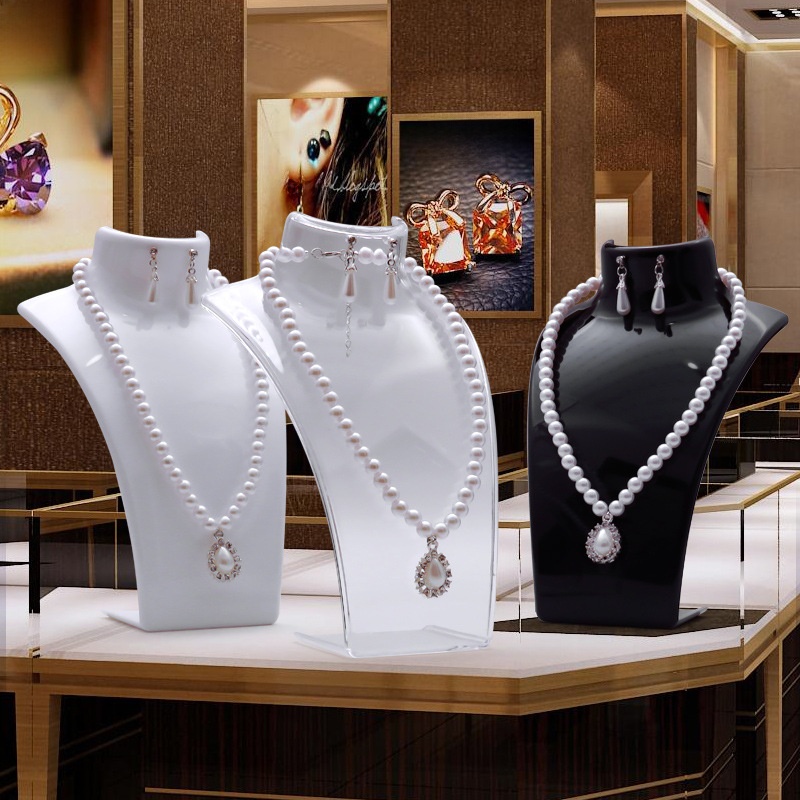
Necklace Display Stand Mannequin Bust Jewelry Organizer Plastic PS Glossy Pendant Earrings Holder For Countertop Desktop Store Show
$0.92
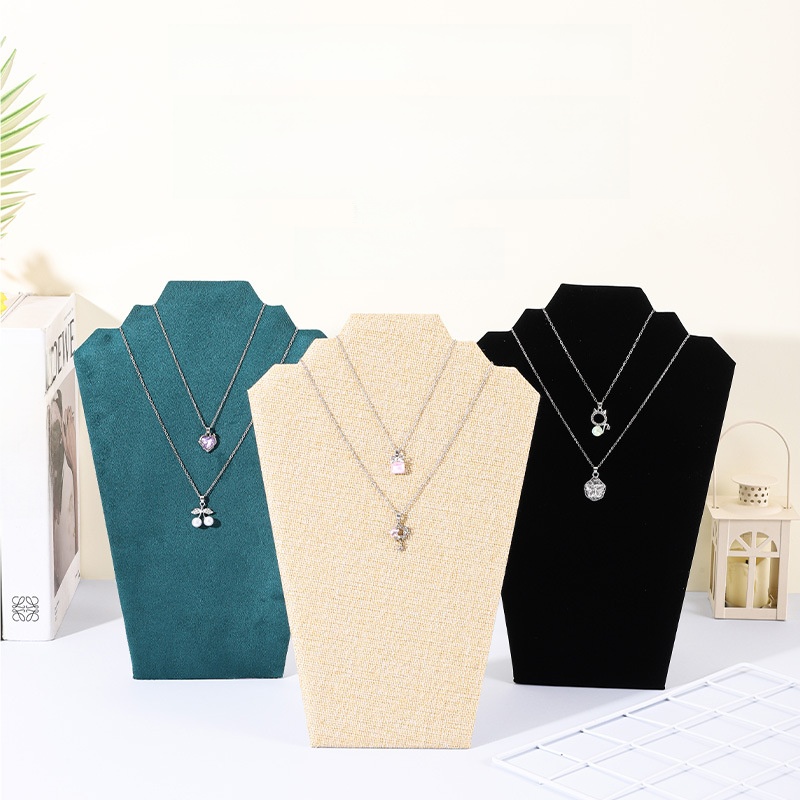
Foldable Necklace Display Stand Velvet Linen MDF Mannequin Bust Portrait Jewelry Organizer Showcase For Retail Store Home Countertop
$1.18
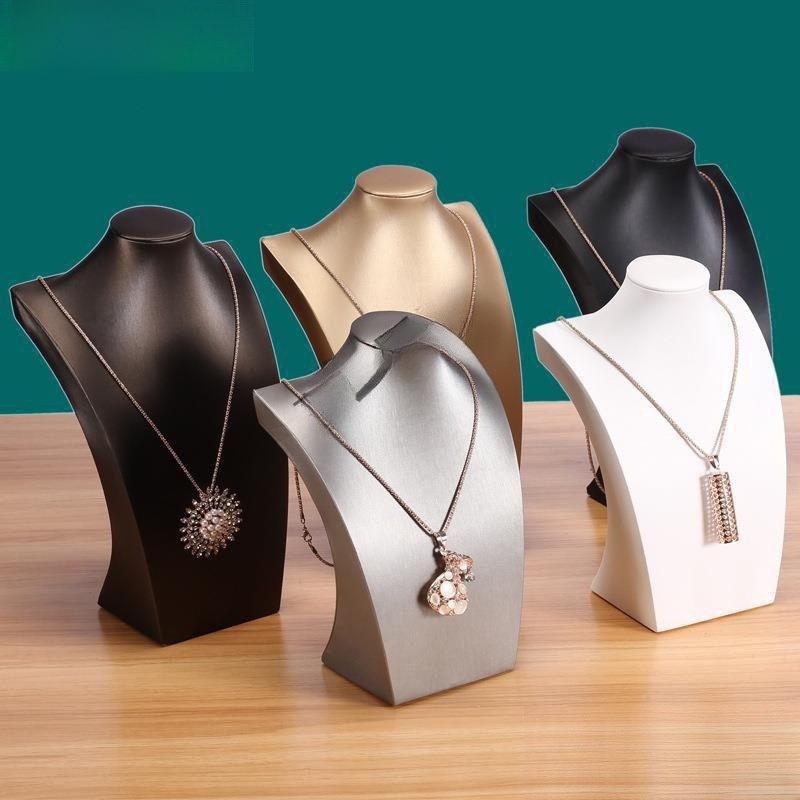
Professional Necklace Display Bust Mannequin Brushed Leather Portrait Neck Jewelry Stand Holder For Pendant Showcase Store Window Organizer
$9.83
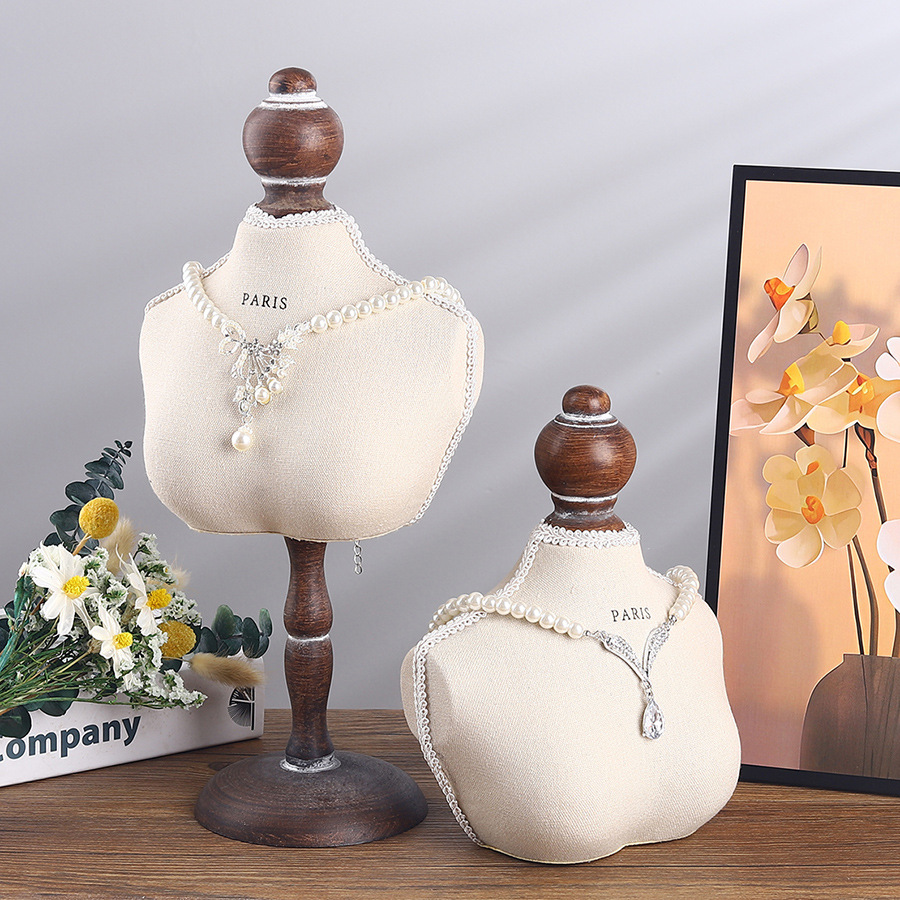
Simple Portrait Mannequin Necklace Display Stand Solid Wood Burlap Jewelry Bust Organizer For Pendants Props Home Store Display
$9.71
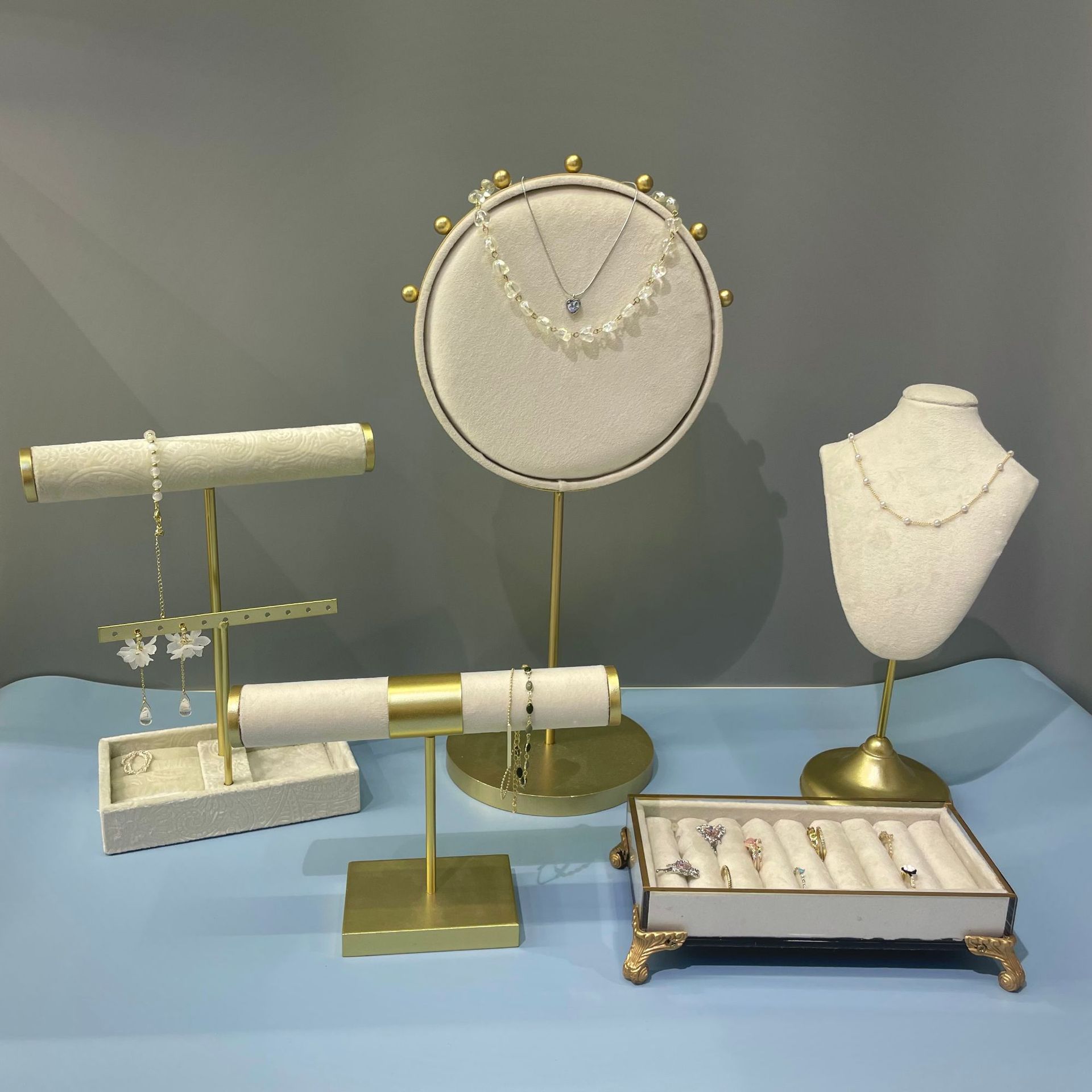
Luxury Gold Metal Jewelry Display Stand Beige Velvet Necklace Bust Bracelet Holder Earring Ring Organizer Store Home Decor
$9.17
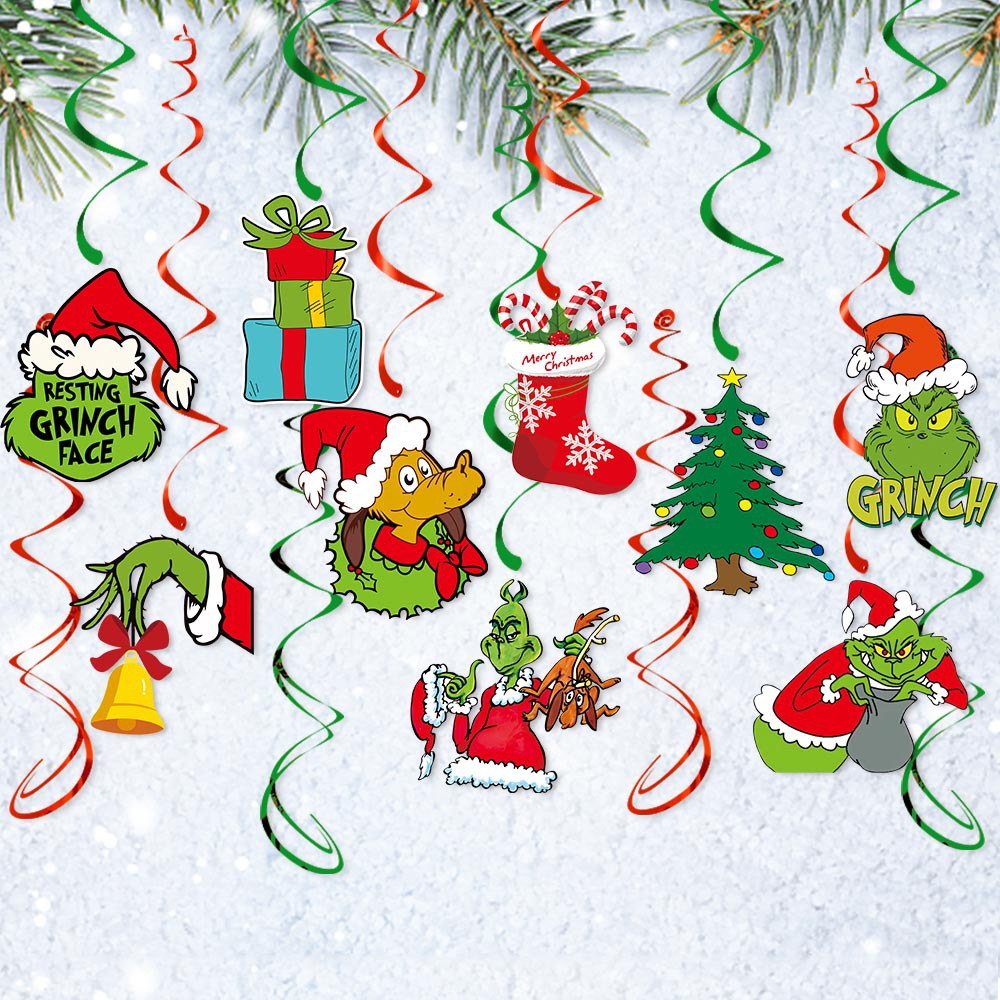
PVC Cardboard Spiral Hanging Ornaments Cartoon Character Xmas Tree Stocking Pendants For Christmas Party Home Store Ceiling Decorations
$2.11
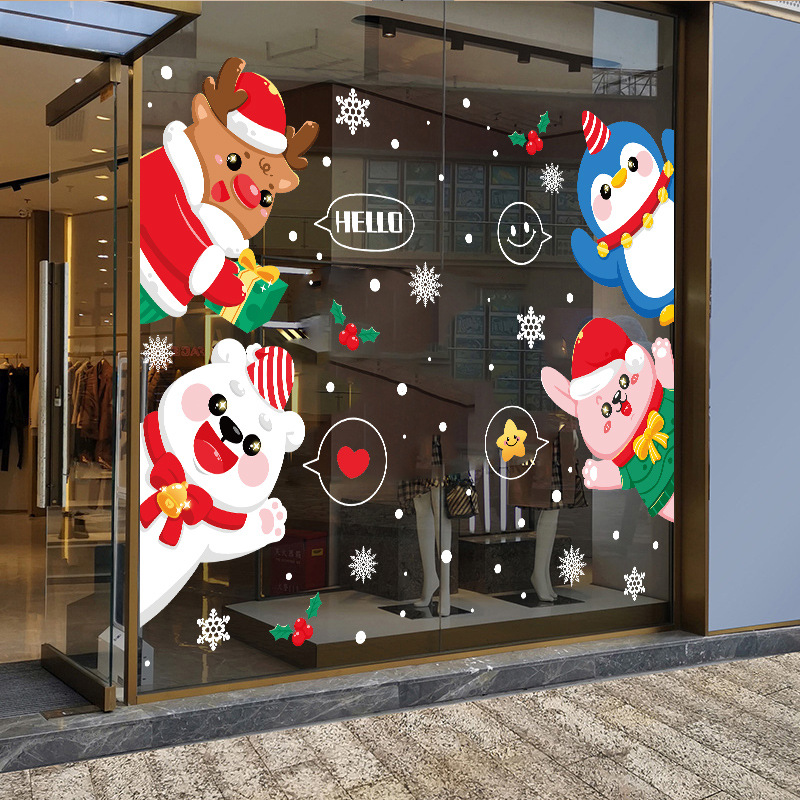
Christmas New Year Decoration Welcome Window Sticker Festive Atmosphere Mall Store Christmas Reindeer Glass Sticker
$1.44

Christmas Stickers Winter Santa Claus Electrostatic Window Stickers Mall Store Window Display Glass Stickers
$1.23
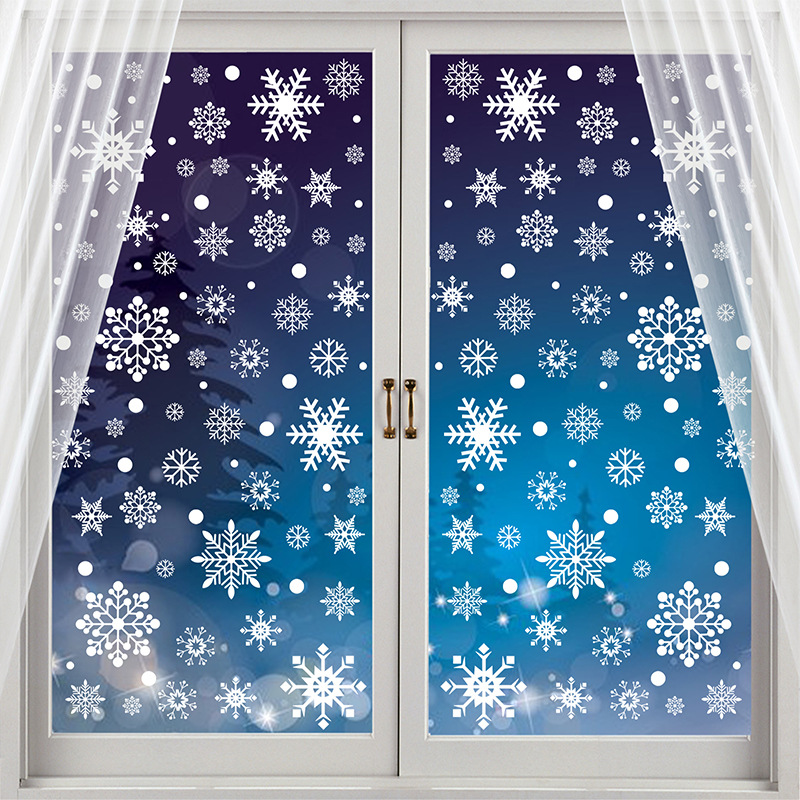
Christmas Snowflake Window Clings Static PVC Decals For Glass Windows Double Sided Winter Wonderland Xmas Decorations For Home Store
$2.31
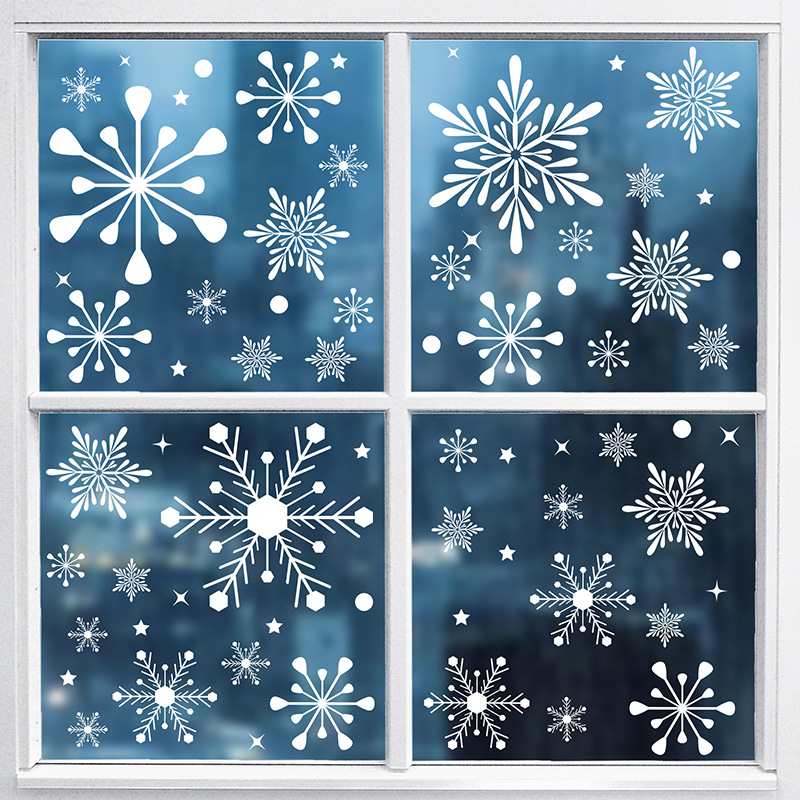
Snowflake Electrostatic Stickers For Christmas Decoration New Year Window Stickers Shopping Mall Store Window Glass Decorative Stickers
$2.45
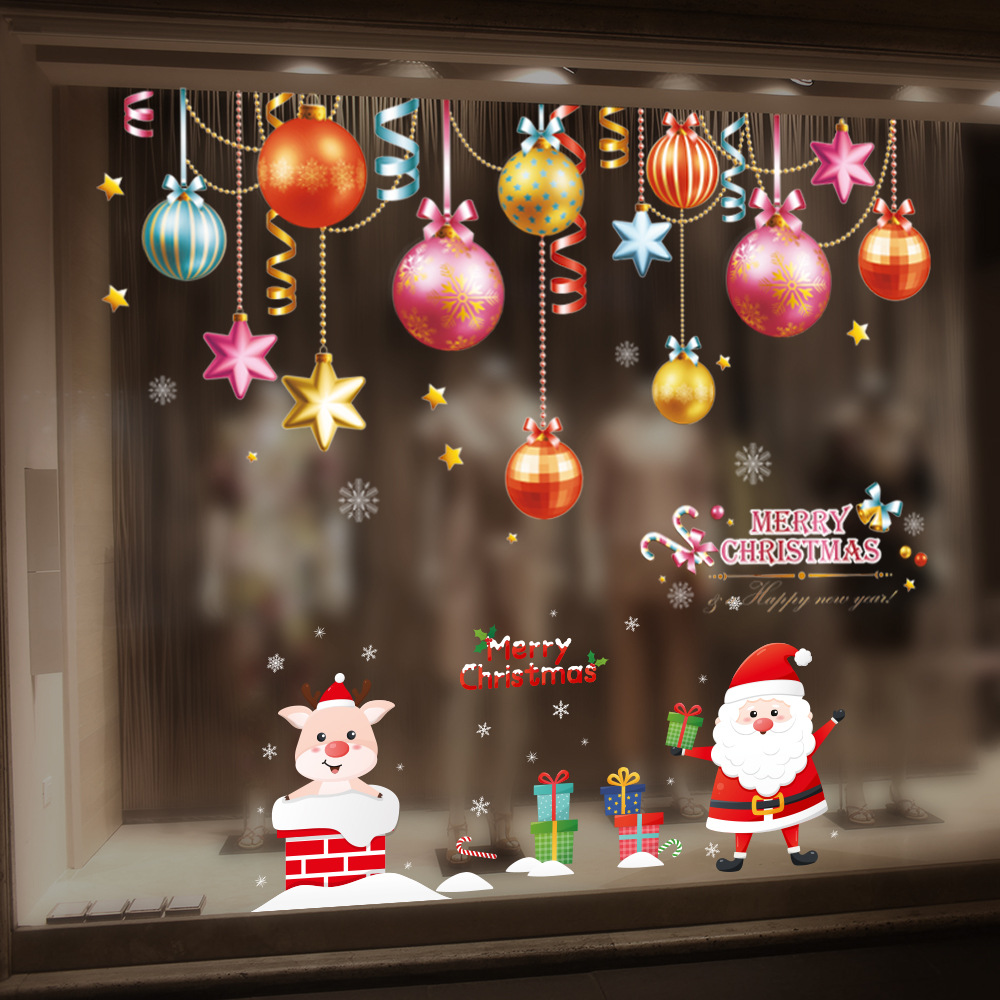
Merry Christmas Colorful Ball Window Stickers Waterproof PVC Self-Adhesive Wall Decals for Glass Showcase Store Home Festive Decoration
$1.01
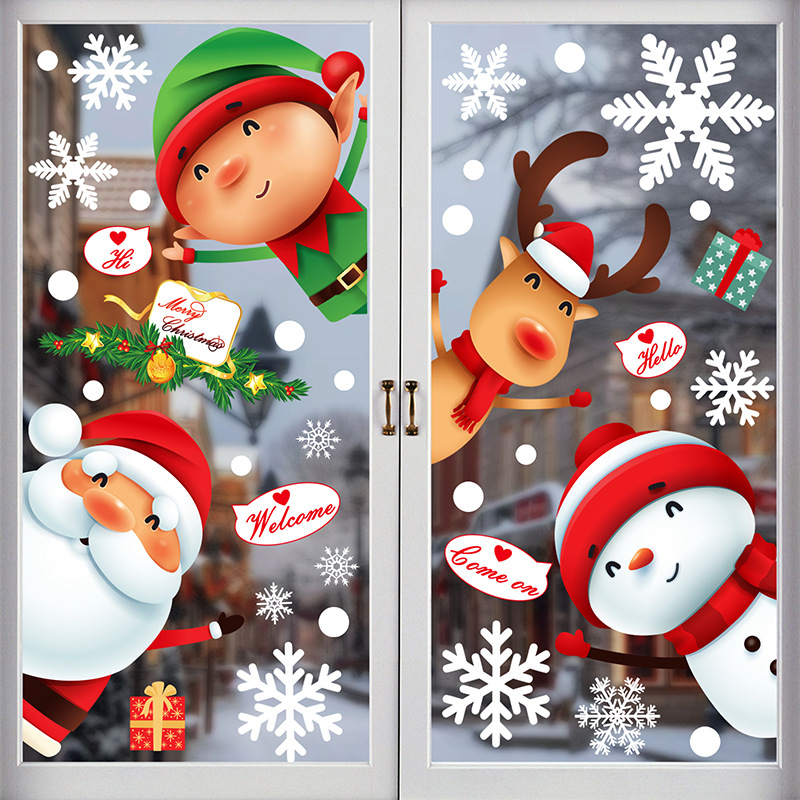
Christmas Static Stickers Cute Santa Claus Reindeer Snowflake Store Glass Window Stickers
$1.37

Irish Saint's Day Stickers Festive Shamrock Store Atmosphere Decoration Glass Electrostatic Stickers
$2.31
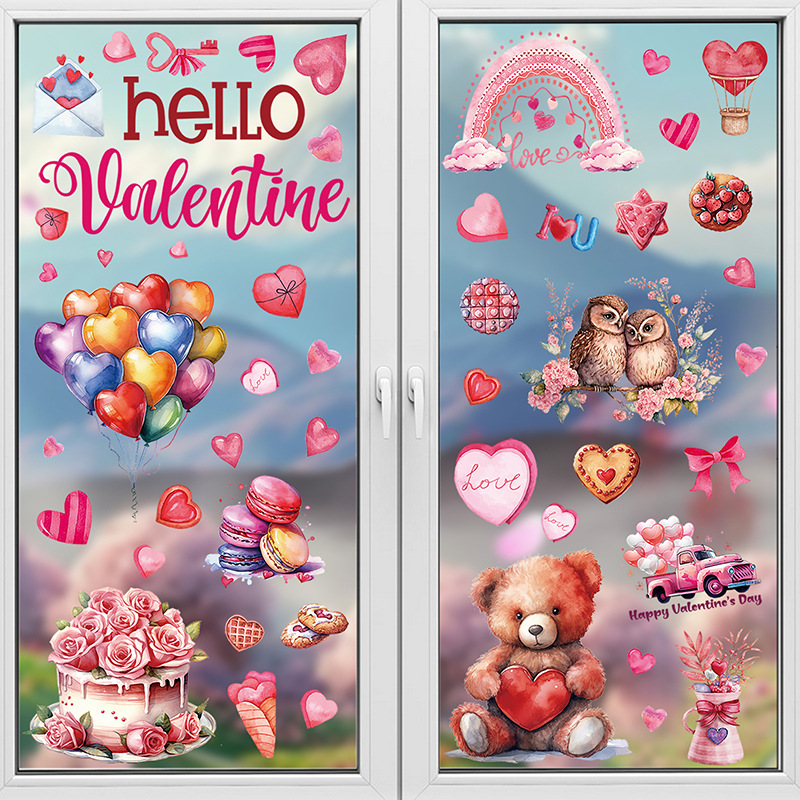
Valentine's Day Glass Stickers 2026 Balloon Cute Bird Window Decoration Stickers For Mall And Store Decoration
$2.33

2023 Qixi Valentine's Day Heart Flag Confession Proposal Mall Hotel Store Wedding Room Restaurant Decoration Wedding
$0.58
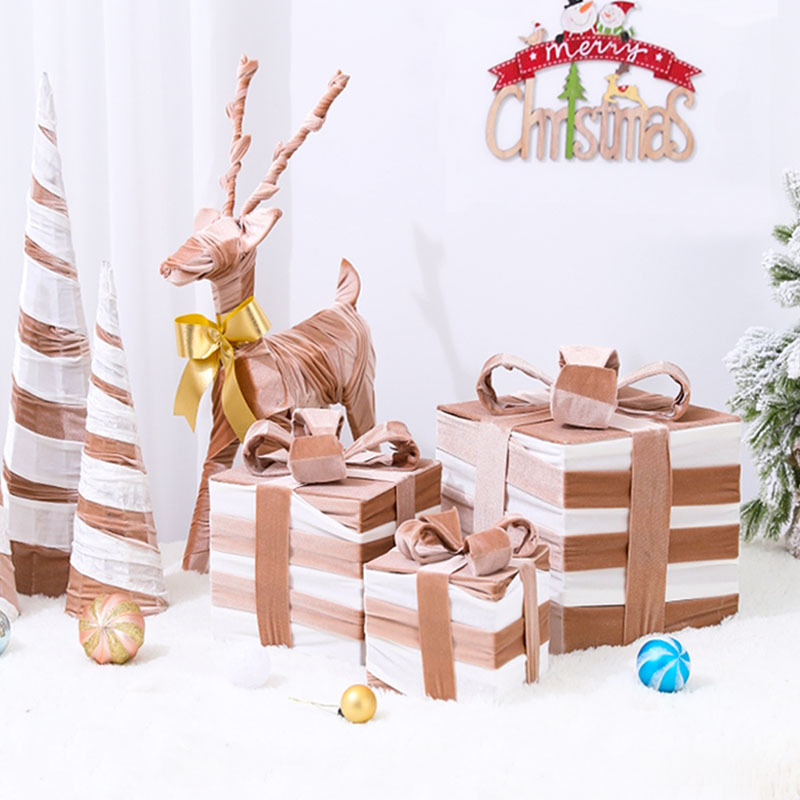
Nordic Christmas Fabric Velvet Reindeer Figurine Gift Boxes Set For Holiday Party Home Store Window Display Ornaments
$19.88
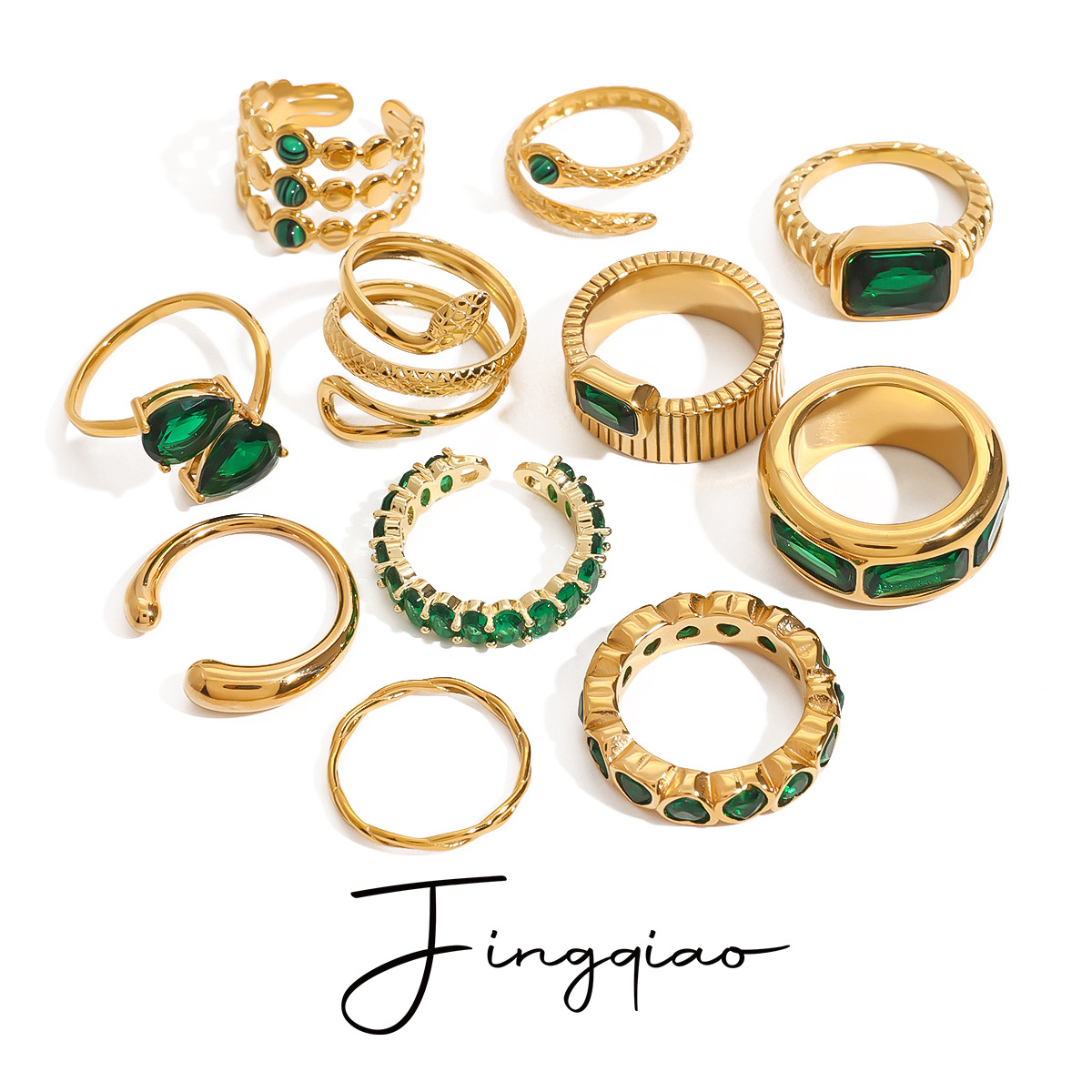
Vintage Gold Plated Stainless Steel Rings Set Green Zirconia Heart Snake Adjustable Rings For Women Luxury Statement Party Jewelry With Waterproof Anti-Allergy Property
$1.96
Smart Bundles for a Streamlined Sourcing Setup
Bundle products to reduce per-item cost and simplify inventory decisions—especially useful if your store ownership is in flux and you need reliable supply without complex logistics.
New Store Starter Bundle
First-time jewelry shop owner securing their own store: needs display essentials and festive decorations to attract foot traffic.
- Leaf Shape Velvet Linen Necklace Display Standhero
- Acrylic Jewelry Display Stand Transparent Bracelet Watch Holdercomplement
- Necklace Display Stand Mannequin Bust Jewelry Organizercomplement
Bundle at $5.39 vs $5.71 separately – save $0.32 per unit.
Seasonal Window Display Bundle
Store owner wants to change window decor quarterly but may lose access to store analytics – stickers and clings are low-risk, high-ROI.
- Christmas Stickers Winter Santa Claus Electrostatic Window Stickershero
- Christmas New Year Decoration Welcome Window Stickercomplement
- Christmas Snowflake Window Clings Static PVC Decalscomplement
Bundle at $4.98 vs $5.00 separately – small saving but simplifies ordering.
Ownership-Proof Countertop Kit
Pop-up vendor who does not rely on a fixed store: needs portable displays that travel well.
- Simple Portrait Mannequin Necklace Display Stand Solid Wood Burlaphero
- Luxury Gold Metal Jewelry Display Stand Beige Velvetupsell
- Foldable Necklace Display Stand Velvet Linen MDFcomplement
Bundle at $21.72 vs $20.62 separately – alert: slightly higher as a bundle due to volume threshold; buy individually for best price.