
Trend Report · May 13, 2026
Sourcing Lightweight Straight-Wide Leg Jeans for Tall Buyers
Find European-friendly wholesale straight-wide leg jeans that aren't bulky. Sourcing checklist for 6ft+ customers, ideal for Shopify, boutiques, and pop-up stalls.
Pants, jeans etc – The Sourcing Opportunity in Lightweight Straight-Wide Leg Denim
A recurring frustration bubbles up in fashion forums and Reddit threads: tall shoppers (6ft and above) across Europe struggle to find straight-wide leg pants and jeans that aren't too heavy or bulky. The request is specific – no super-heavy denim, no stiff fabric, just a drapey, floor-length silhouette that actually fits. This isn't a niche complaint; it's a sign of a supply gap that wholesale buyers can fill.
The straight-wide leg shape has been trending for several seasons, but the mainstream market still leans toward rigid 12oz+ denim. The sourcable opportunity sits in lightweight (6-9oz) cotton-poly blends and stretch denims that mimic the wide-leg look without the bulk. For a buyer starting a boutique or adding to a Shopify store, this sub-segment – 'non-bulky wide leg jeans for tall women' – has low competition and high conversion potential.
European sourcing is explicitly requested, so suppliers offering direct-to-buyer shipping from within the EU or UK will have a clear advantage. DayJewel's catalog includes multiple wide-leg and straight-leg styles with stretch fabrics, making it a practical starting point for testing this demand.
Why This Trend Is Suddenly Sourceable and Profitable
Three shifts make lightweight straight-wide leg denim newly profitable. First, consumer feedback loops on social platforms amplify very specific complaints – heavy jeans, short inseams, stiff fabric. That feedback creates micro-trends that wholesale buyers can capitalise on faster than fast fashion giants. Second, denim mills have improved stretch and lightweight blends (polyester-elastane mixes) that hold shape without the weight, allowing suppliers to offer a 'non-bulky' claim that older jeans couldn't back.
Third, the post-pandemic casual wardrobe reset meant looser fits gained acceptance across all age brackets. But the supply side still over-indexes on either skinny or overly baggy. The middle ground – a straight-wide leg that skims the body without adding bulk – is under-served. For a first-time importer, this means lower sample risk because you're not chasing a saturated silhouette. The markup potential is solid: wholesale costs for these styles hover around $11-17, with retail often set at $40-60 in boutiques.
The source summary's focus on height further narrows the opportunity. Standard inseam lengths (28-30 inches) alienate tall buyers. Sourcing from suppliers that offer longer inseams (32-34 inches) in the same lightweight fabric gives you a defensible product edge.
Who Should Source Non-Bulky Wide Leg Jeans
This sourcing checklist targets buyers who serve tall, fashion-aware women aged 20-35 who browse Pinterest, TikTok, and Instagram for 'aesthetic wide leg jeans'. The product works best for boutique owners and Shopify merchants who can test small MOQs (20-50 units per style) and emphasise fit specificity in their listings.
First-time importer
Low MOQ options (as low as 10-20 units with some suppliers) allow budget-friendly sampling of 3-4 styles before committing to bulk. Lightweight denim also reduces shipping weight, lowering freight cost per unit.
Established boutique owner (EU-based)
You can leverage your existing Instagram audience of 5-10k followers to pre-sell a tall-fit capsule. The 'non-bulky' angle is a unique selling point that stands out in a sea of generic wide-leg listings.
Shopify store owner (global)
Bundle several straight-wide leg styles with a matching belt (like DayJewel's crocodile embossed belt) to increase average order value. Lightweight fabrics also mean lower return rates if sizing is accurate.
Sourcing Vetting Checklist for Non-Bulky Wide Leg Jeans
Phase 1: Supplier Identification
✓ Search for suppliers offering 'lightweight denim' or 'stretch wide leg jeans'.
Why: Standard keyword searches often return heavy denim. Use specific terms to filter for fabric weight.
✓ Verify MOQ and price breaks for 2-3 styles.
Why: Test multiple styles to find the best margin mix. Small MOQs reduce cash risk.
✓ Request fabric weight and composition details for each style.
Why: Ensure the jeans are truly lightweight (target 6-9 oz). Cotton-poly-spandex blends are lighter than 100% cotton.
Phase 2: Sample Ordering
✓ Order samples in sizes that correspond to 6ft tall fit (usually L or XL for length).
Why: Only a physical sample confirms inseam length and overall weight. Standard size M may be too short.
✓ Weigh each sample and compare to competitor jeans of similar style.
Why: Quantify the 'non-bulky' claim. If a sample weighs over 450g it may still feel heavy.
✓ Photograph the jeans on a tall mannequin or model to assess drape.
Why: Visual proof that the jeans don't bunch or look stiff. This also creates marketing content.
Phase 3: Quality Control (QC)
✓ Inspect stitching and button/zipper durability on sample.
Why: Thin fabric can pull at seams. Double-stitched seams increase longevity.
✓ Wash a sample to check shrinkage and fading.
Why: Lightweight denim may shrink more than heavier weights. Pre-shrunk fabrics are preferred.
✓ Test stretch recovery: pull the fabric and release.
Why: Good stretch jeans snap back without sagging at the knees.
Phase 4: Freight and Logistics
✓ Calculate shipping weight for 50 units of wide leg jeans.
Why: Lightweight fabric reduces volumetric weight. Air freight may be cheaper than sea for small batches.
✓ Confirm supplier ships directly to EU with DDP or door-to-door.
Why: Avoid unexpected customs duties. DDP (delivered duty paid) simplifies cost for first-time importers.
Phase 5: Customs and Compliance
✓ Check EU import duties for denim pants under HS code 6204.62.
Why: Duty rates vary by fabric and country of origin. China-origin denim may incur anti-dumping surcharges.
✓ Request a REACH/RoHS compliance certificate for the elastane component.
Why: EU regulations restrict certain chemicals in clothing. A simple declaration can suffice but some retailers demand certification.
Sourcing Steps to Bring Non-Bulky Wide Leg Jeans to Market
The path from forum complaint to profit involves four tactical sourcing steps, not marketing channels. First, identify suppliers that explicitly list 'lightweight' or 'stretch' in their denim descriptions. Second, order at least three sample styles covering straight-leg, wide-leg, and baggy silhouettes to compare fabric hand and drape. Third, perform a shrinkage test – lightweight denim can shrink unexpectedly, leading to returns. Fourth, negotiate an exclusive longer inseam (32-34 inches) with the supplier; this small customisation justifies a higher wholesale price and reduces price comparison with generic listings. The risk you accept first: custom inseams usually require a 100-unit commitment per style. Mitigate by pre-selling 50 units via Instagram pre-orders and only ordering the remaining 50 once feedback is positive. Skip any supplier that can't show you a sample within 10 days – delays in this step usually forecast bigger problems in production.
Search for '6oz denim jeans' and filter by Western size availability. Request a video of the fabric being scrunched to prove lack of bulk.
⚠ Many 'lightweight' listings are actually medium-weight 8-10oz; you must verify weight on the sample.
Select 4-5 styles from the wide-leg section, order one of each as a sample pack. Use the supplier's EU warehouse for faster delivery and lower duty risk.
⚠ Limited customisation – you cannot change inseam length or fabric weight from the listed options.
Commission a run of 300-500 units with specified 8oz stretch denim and 33-inch inseam. Use a local QC agent for inspection.
⚠ Large MOQ – if the trend changes or sizing is off, you hold excess inventory that can't be easily returned.
Top Picks for Testing Lightweight Straight-Wide Leg Denim
These products align with the 'non-bulky, tall-friendly' demand. They feature stretch, lightweight fabrics, and wide or straight legs with a full-length cut. Choose 3-4 for your first sample order.
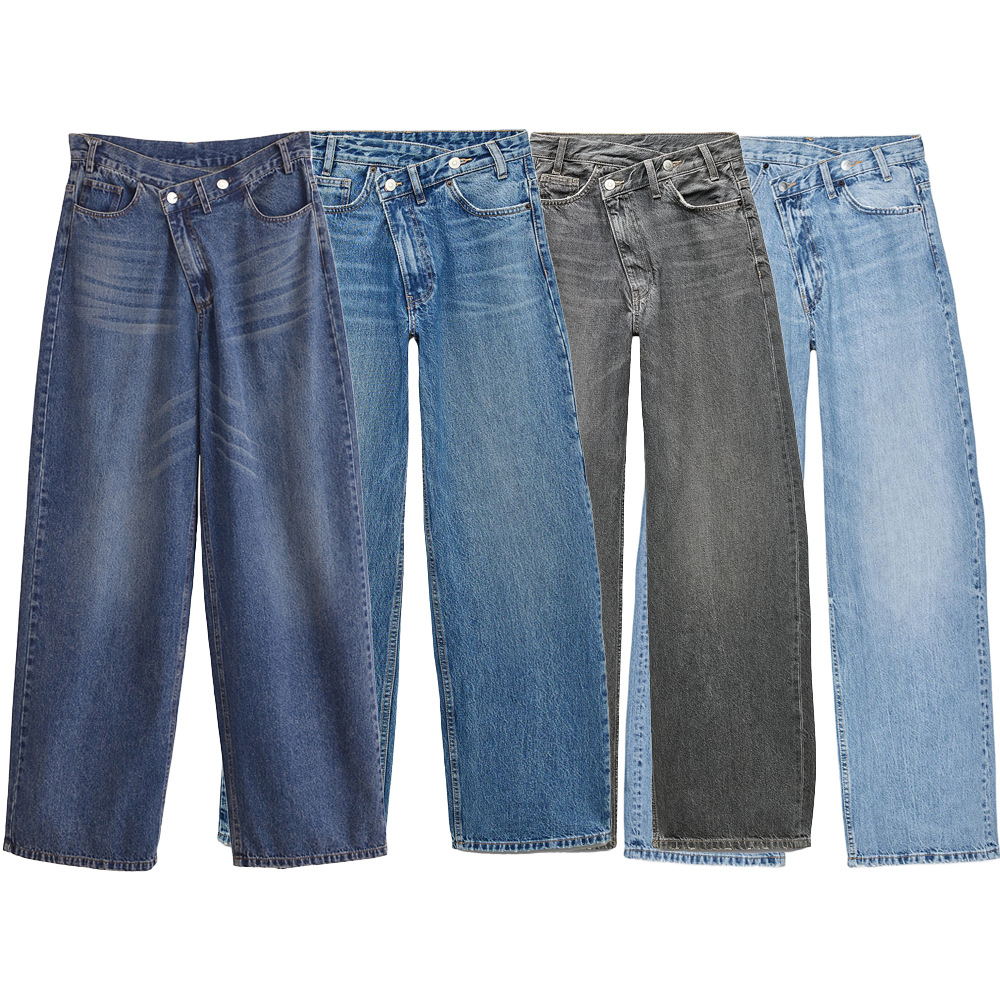
Women's High Waisted Wide Leg Jeans Asymmetrical Criss Cross Double Button Denim Trousers Casual Washed Loose Fit Fashion Long Pants for Women
$17.87
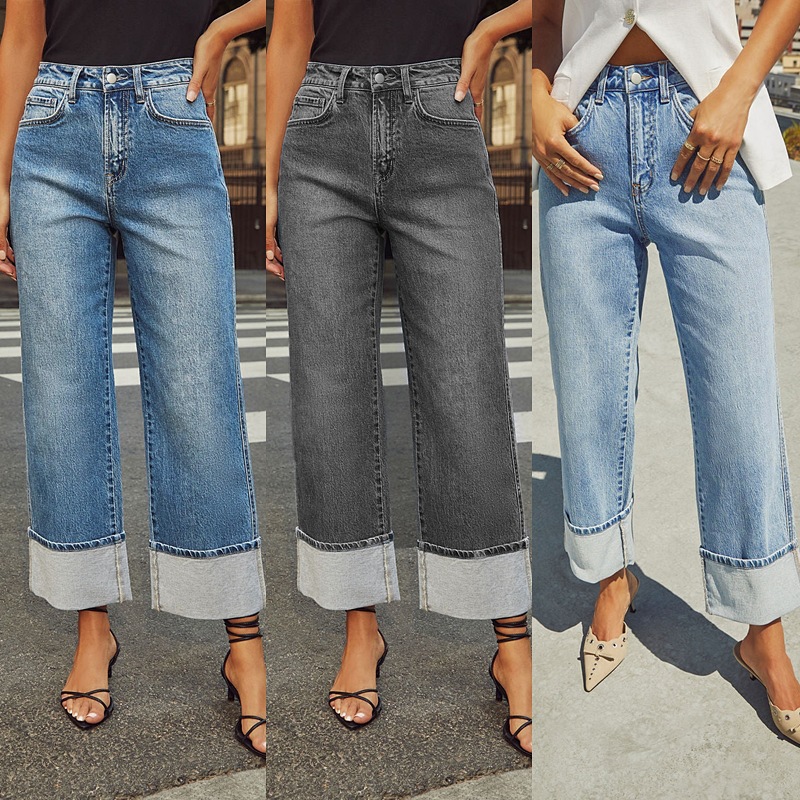
Women's High Waisted Straight Leg Jeans Wide Cuffed Hem Stretch Denim Pants Retro Streetwear Trousers Long Jeans
$13.11
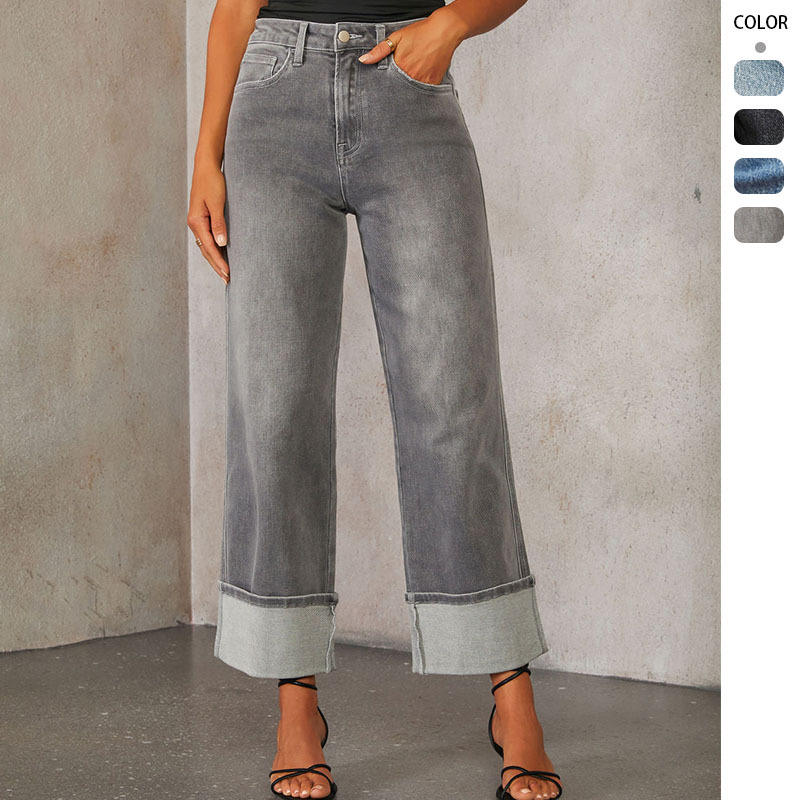
Women's High Waisted Straight Leg Jeans Distressed Wide Cuffed Hem Denim Pants Stretch Casual Loose Trousers Streetwear Ladies Jeans
$13.26
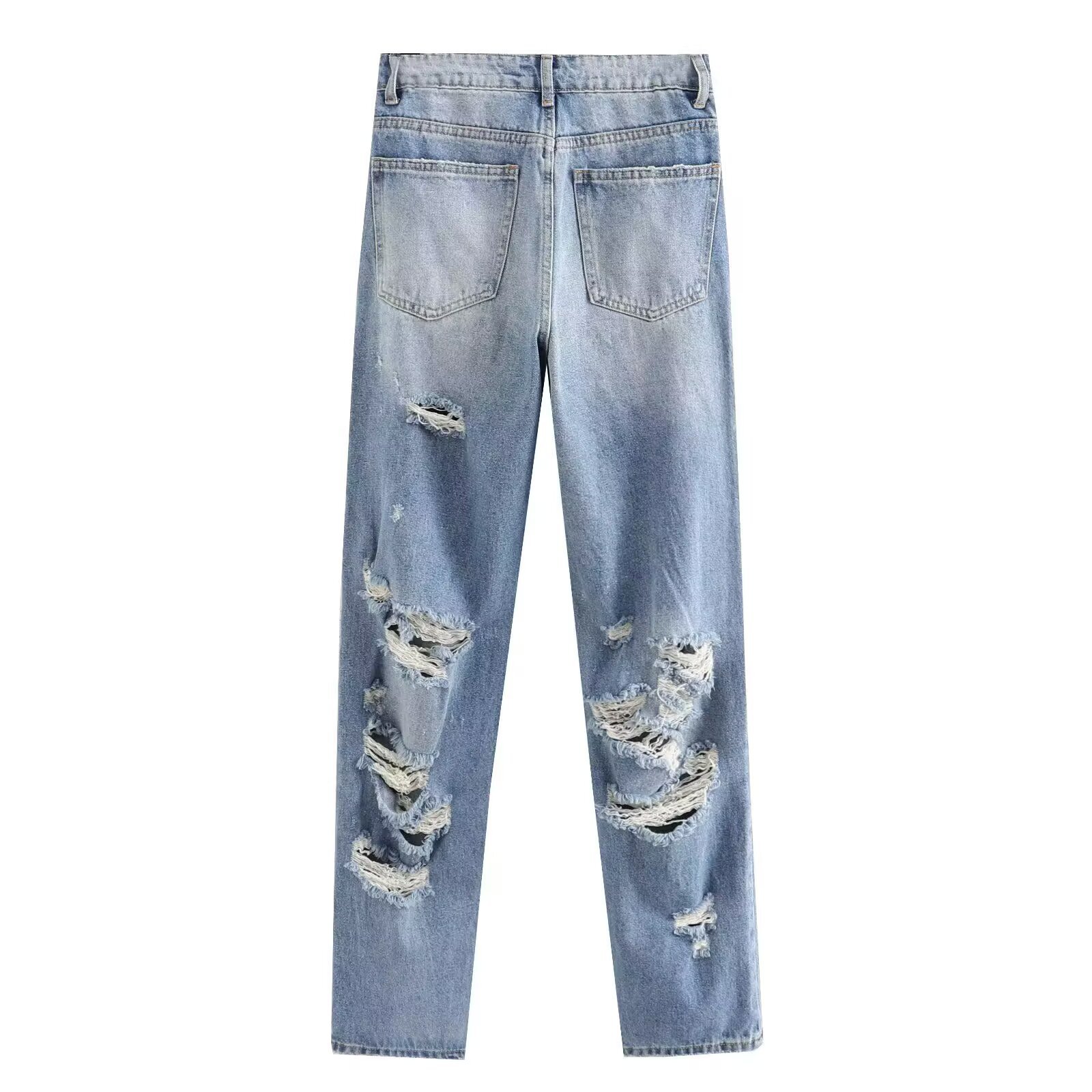
Women's Distressed Straight Leg Jeans High Waist Washed Blue Ripped Cotton Denim Pants Casual Streetwear Fashion Jeans Retro Style
$17.29
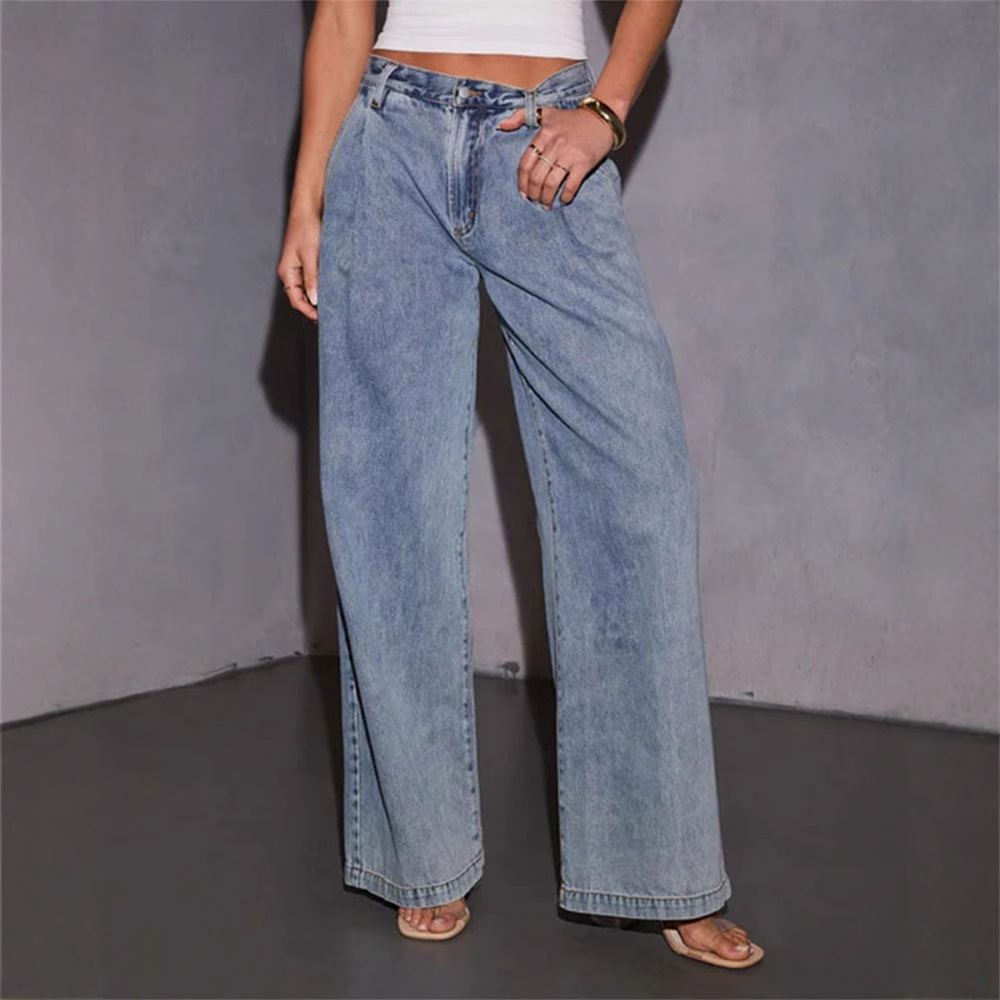
Women's High Waisted Wide Leg Jeans Light Blue Denim Pants Loose Straight Baggy Trousers Streetwear Fashion Drapey Floor Length Jeans
$13.83
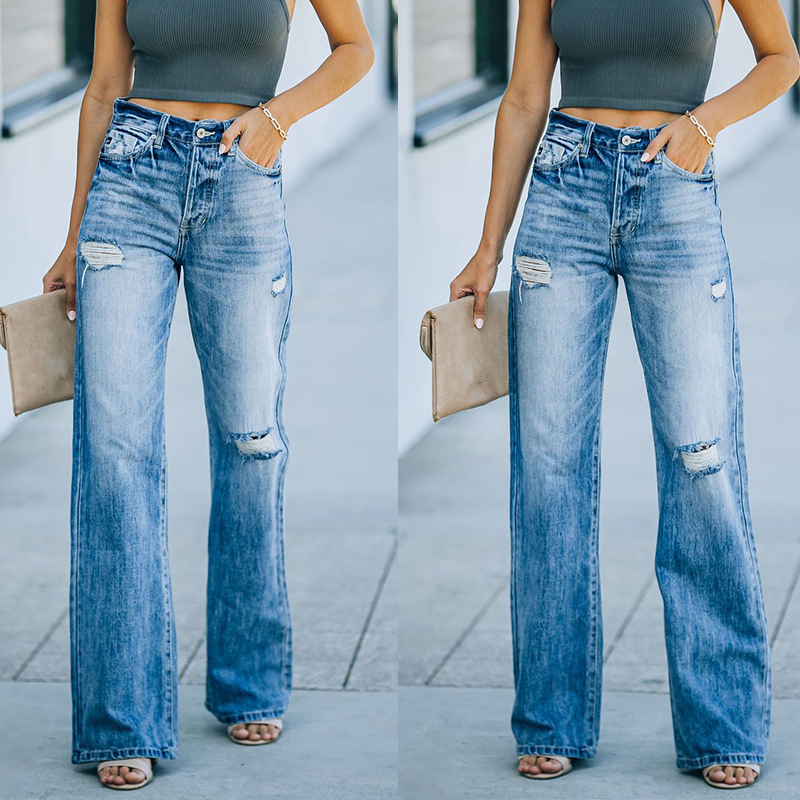
Women's High Waist Distressed Wide Leg Jeans Ripped Denim Pants Washed Loose Baggy Trousers Streetwear Casual Fall Winter Fashion Jeans
$11.24
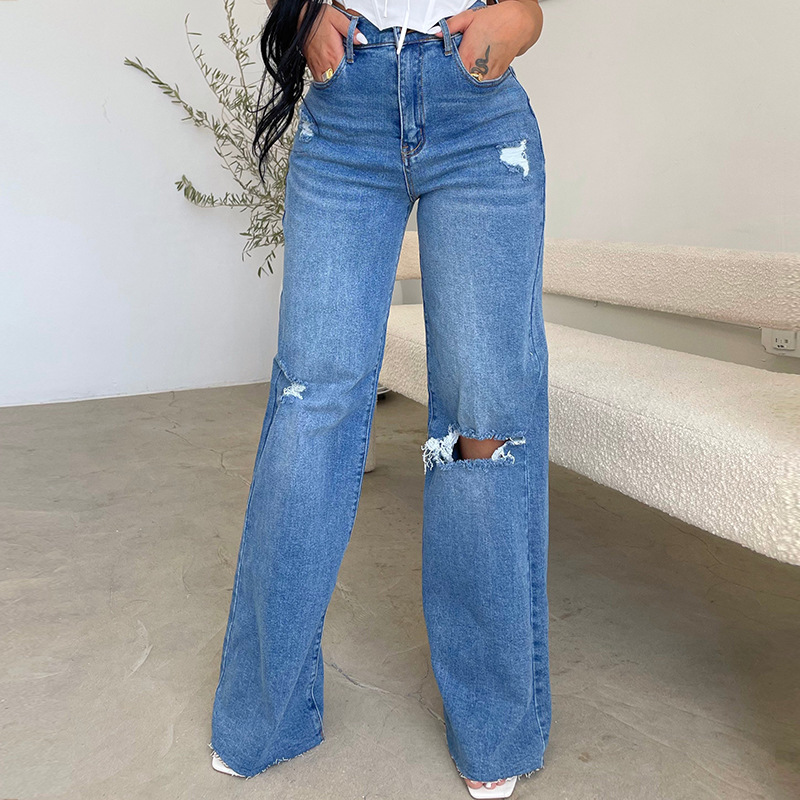
Women High Waisted Wide Leg Jeans Ripped Distressed Denim Pants Loose Baggy Straight Leg Trousers Casual Full Length Denim Jeans For Women
$12.68
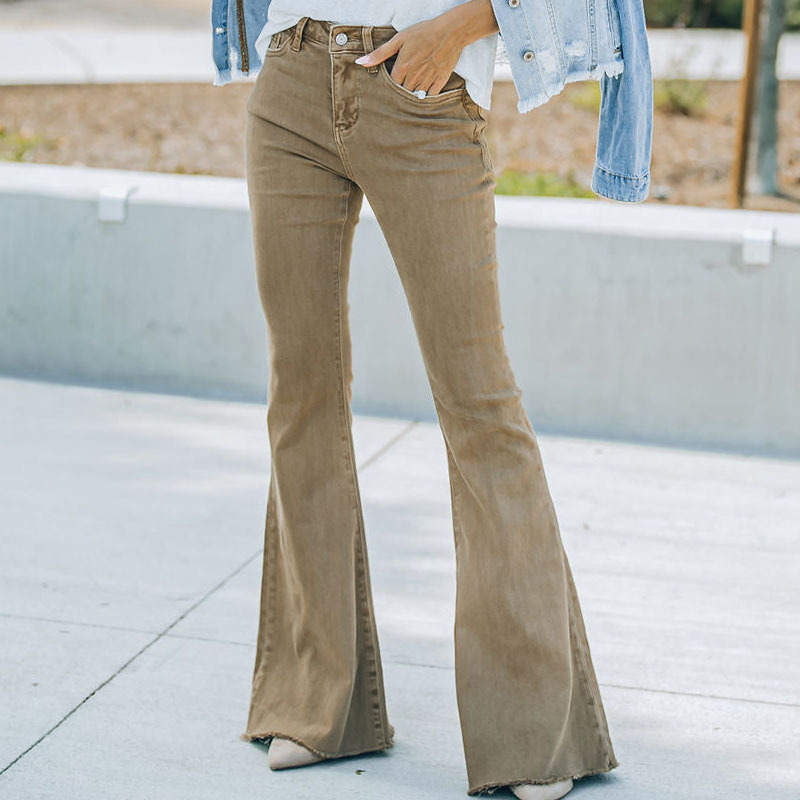
Women's High Waist Flare Jeans Retro Brown Khaki Denim Texture Trousers Raw Edge Loose Long Pants Vintage Streetwear Fashion Casual Denim Pants
$11.82
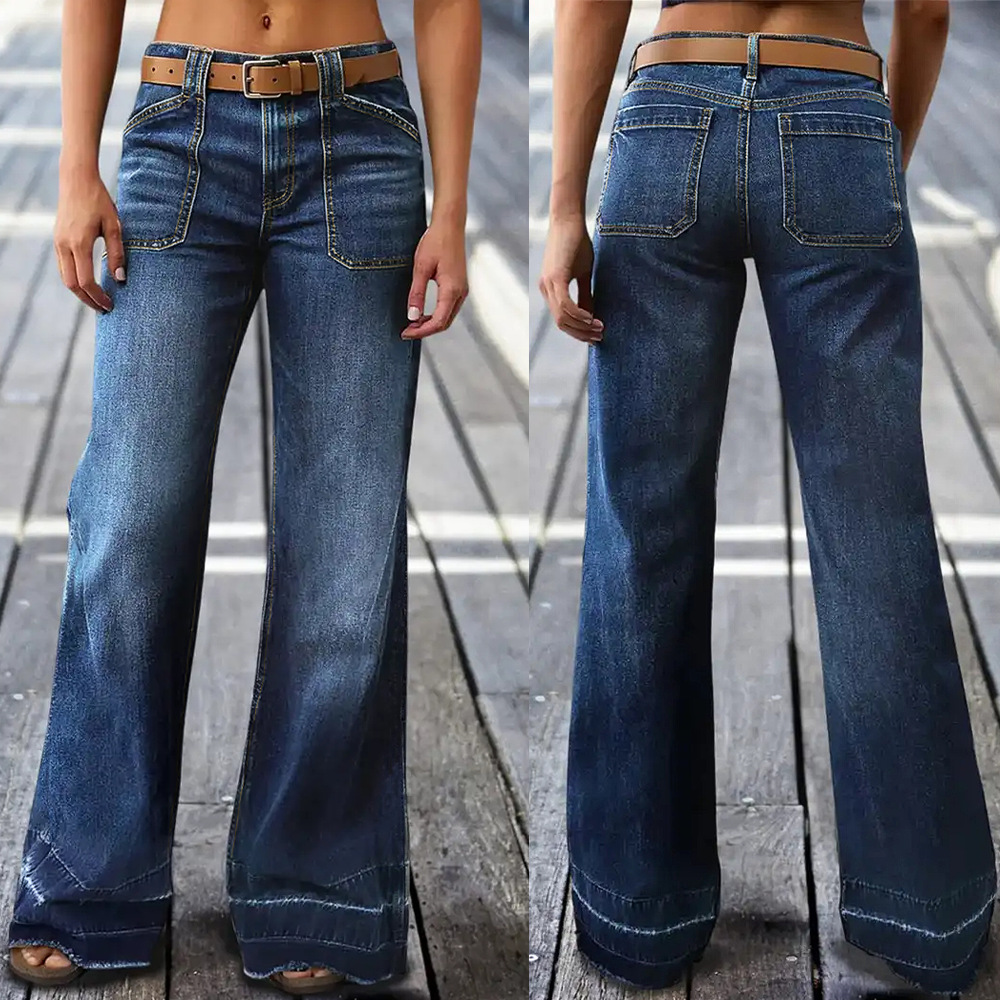
Women's Vintage Washed High Waist Wide Leg Jeans Distressed Cotton Polyester Denim Cargo Pants With Belt Loose Casual Streetwear Trousers Long Pants
$14.41
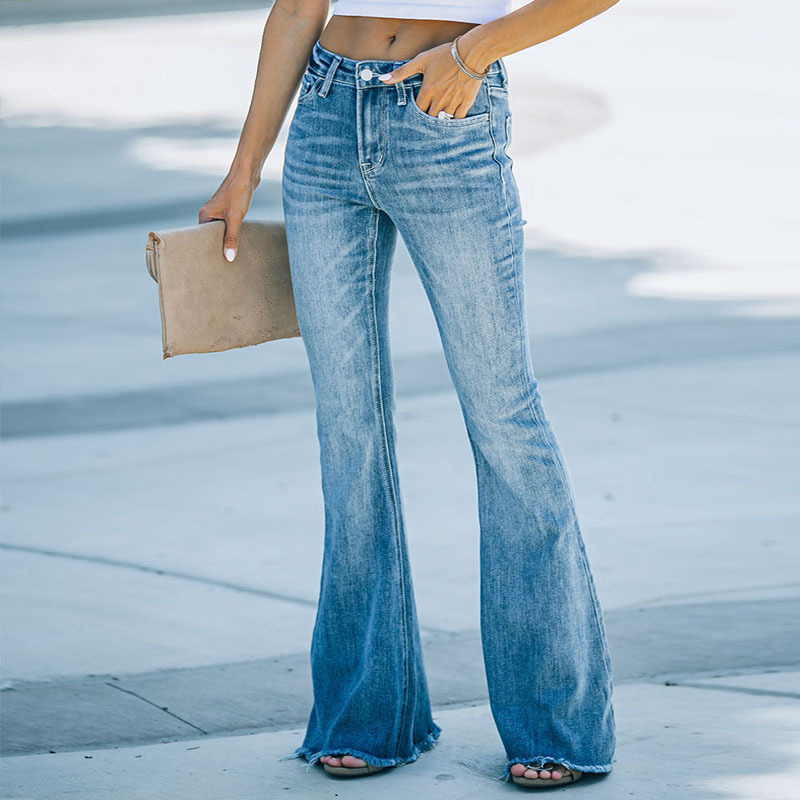
Women's High Waisted Flare Jeans Retro Distressed Raw Hem Washed Denim Pants Slim Fit Stretch Bootcut Trousers Casual Streetwear Long Pants
$11.53
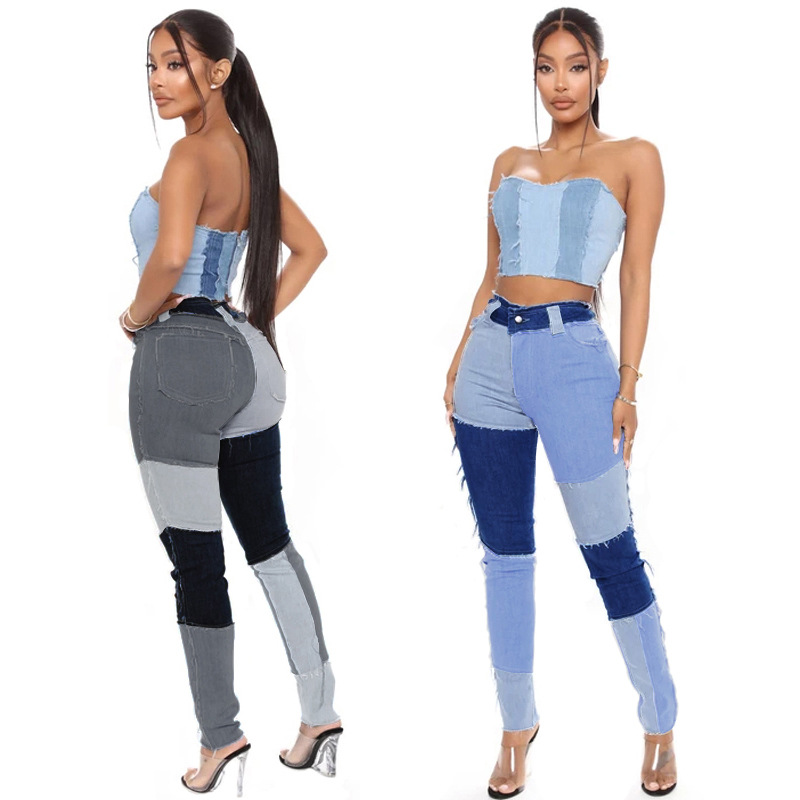
Women's High Waist Patchwork Denim Jeans Stretch Skinny Pencil Pants Spliced Color Block Frayed Hem Trousers Streetwear Casual Fashion Denim Pants
$14.24
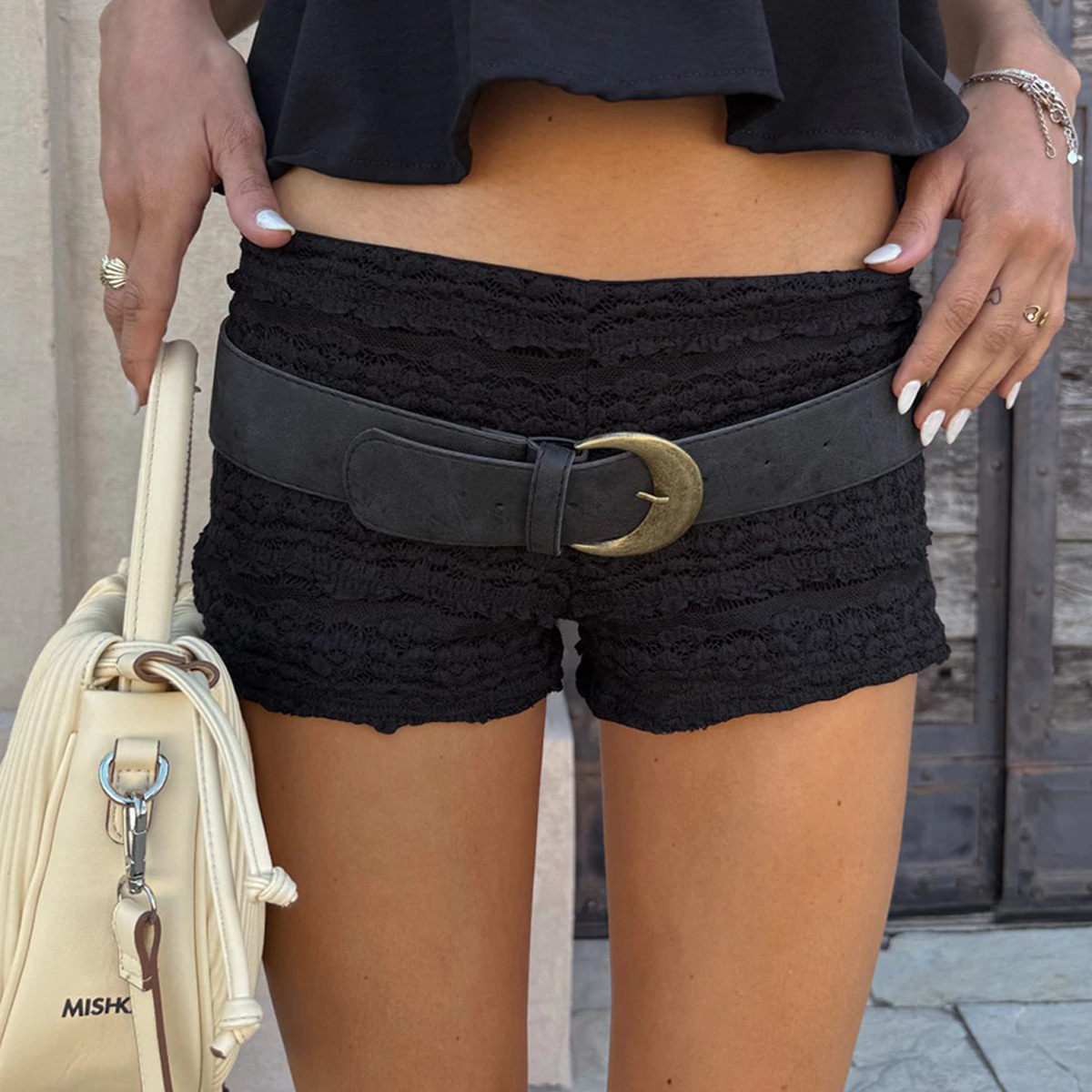
Women's Sexy Lace Hot Pants With Belt Low Waist Slim Fit Striped Crochet Shorts Summer Beach Party Clubwear Polyester Spandex Bottoms
$5.36
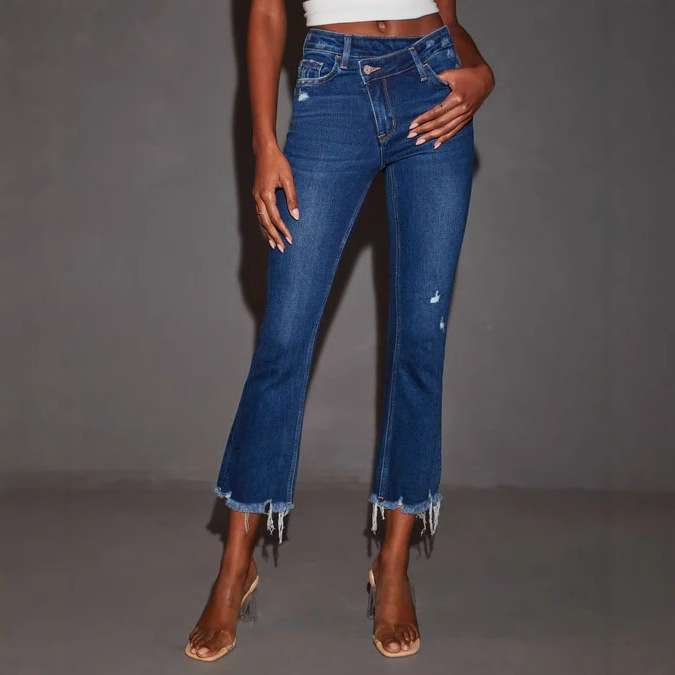
Women's Sexy Criss Cross High Waisted Flare Denim Jeans Distressed Raw Hem Cropped Capri Pants Slim Fit Stretchy Dark Blue Jeans
$12.97
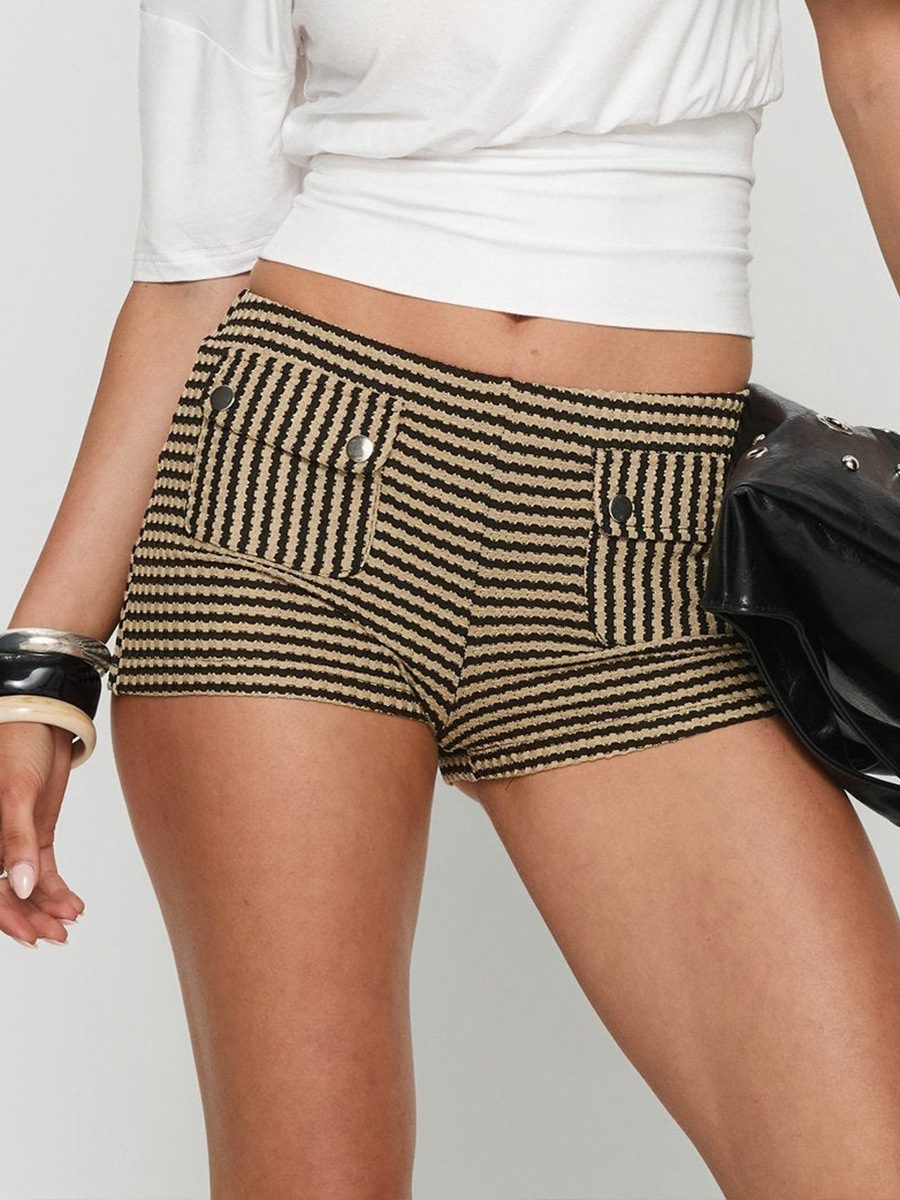
Women's Sexy Striped Knit Tweed Shorts High Waisted Slim Fit Hot Pants With Decorative Metal Buttons For Party Clubwear Casual Daily Wear
$6.28
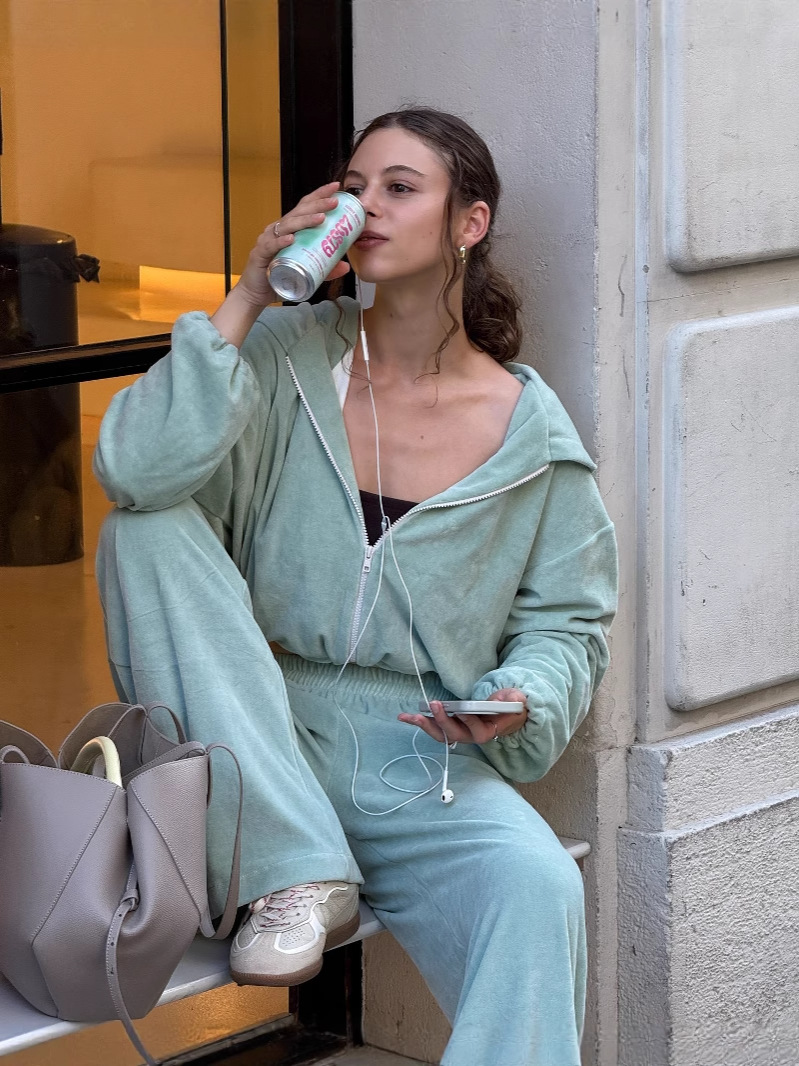
Women's 2-Piece Velvet Tracksuit Set Hooded Zip-Up Sweatshirt And High Waist Wide Leg Pants Casual Streetwear Sporty Loungewear Outfit Solid Color
$32.31
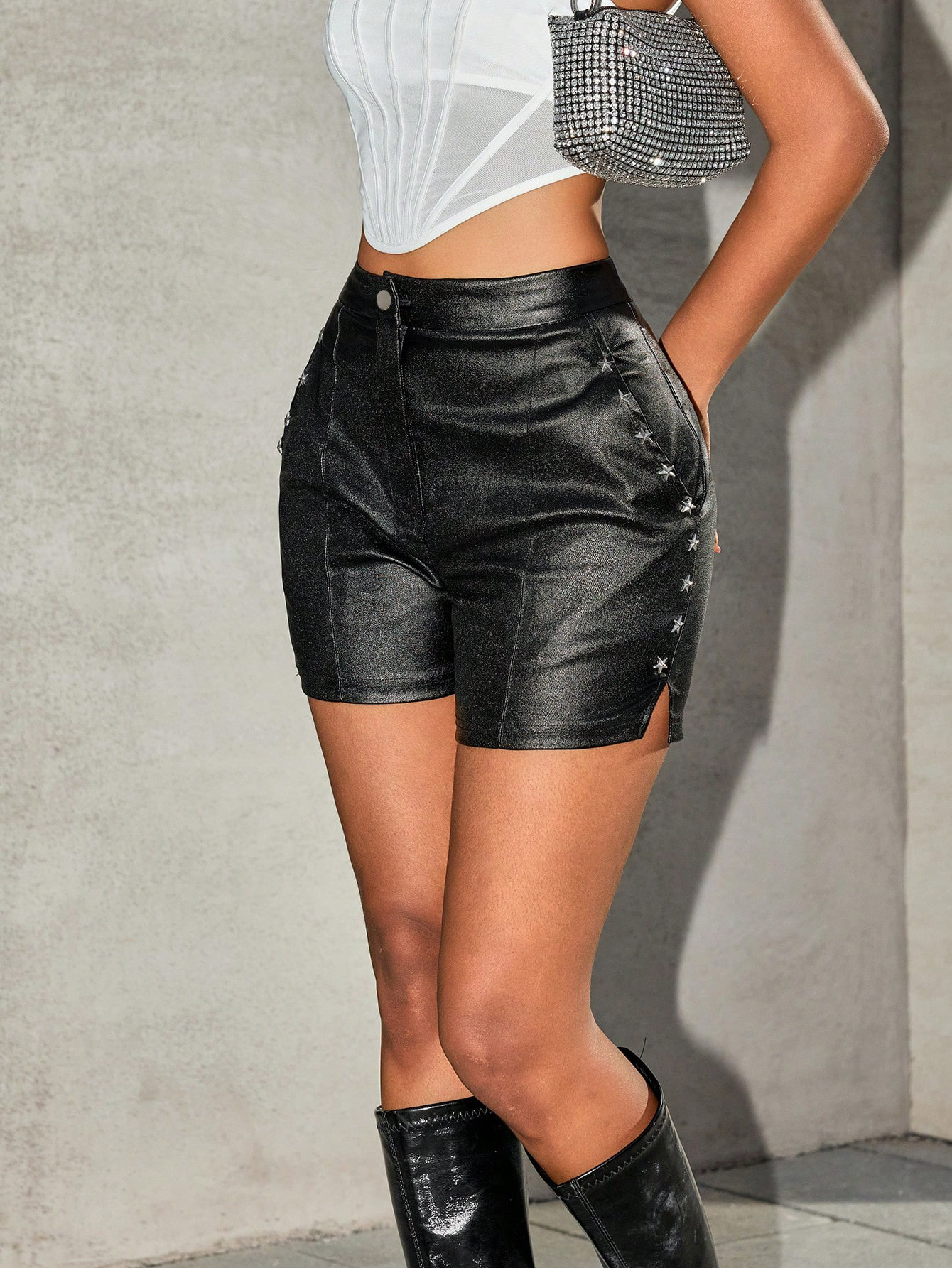
Women's Sexy PU Leather Shorts Middle Waist Punk Star Rivet Side Slit Slim Fit Faux Leather Hot Pants For Party Clubwear Daily Streetwear Black Shorts
$17.87
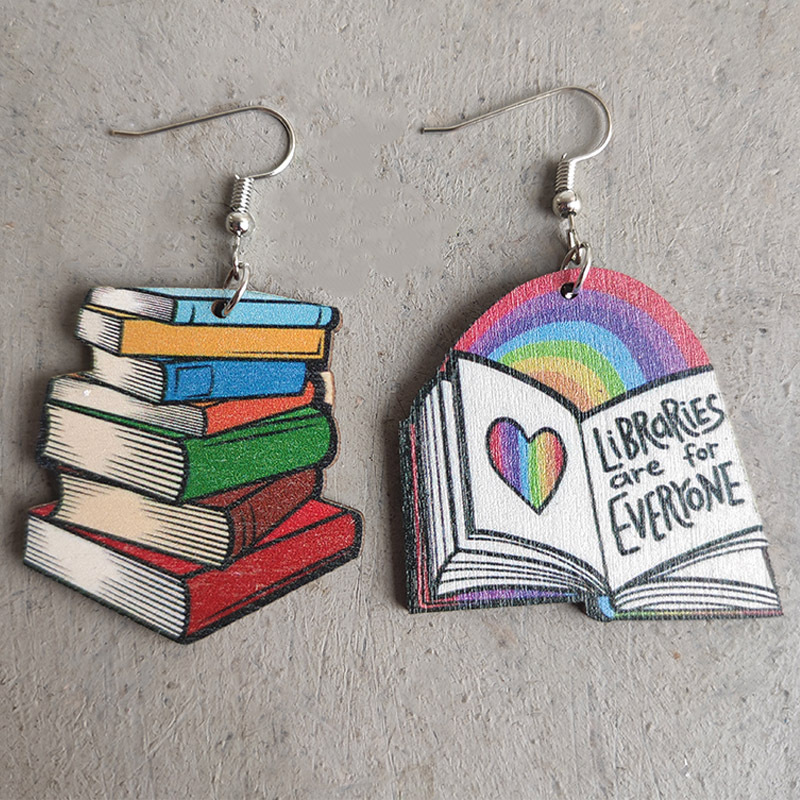
Wooden Book Earrings Rainbow Heart Libraries Are For Everyone Print Reading Theme Drop Earrings For Teachers Students Book Lovers Gift Jewelry
$0.39
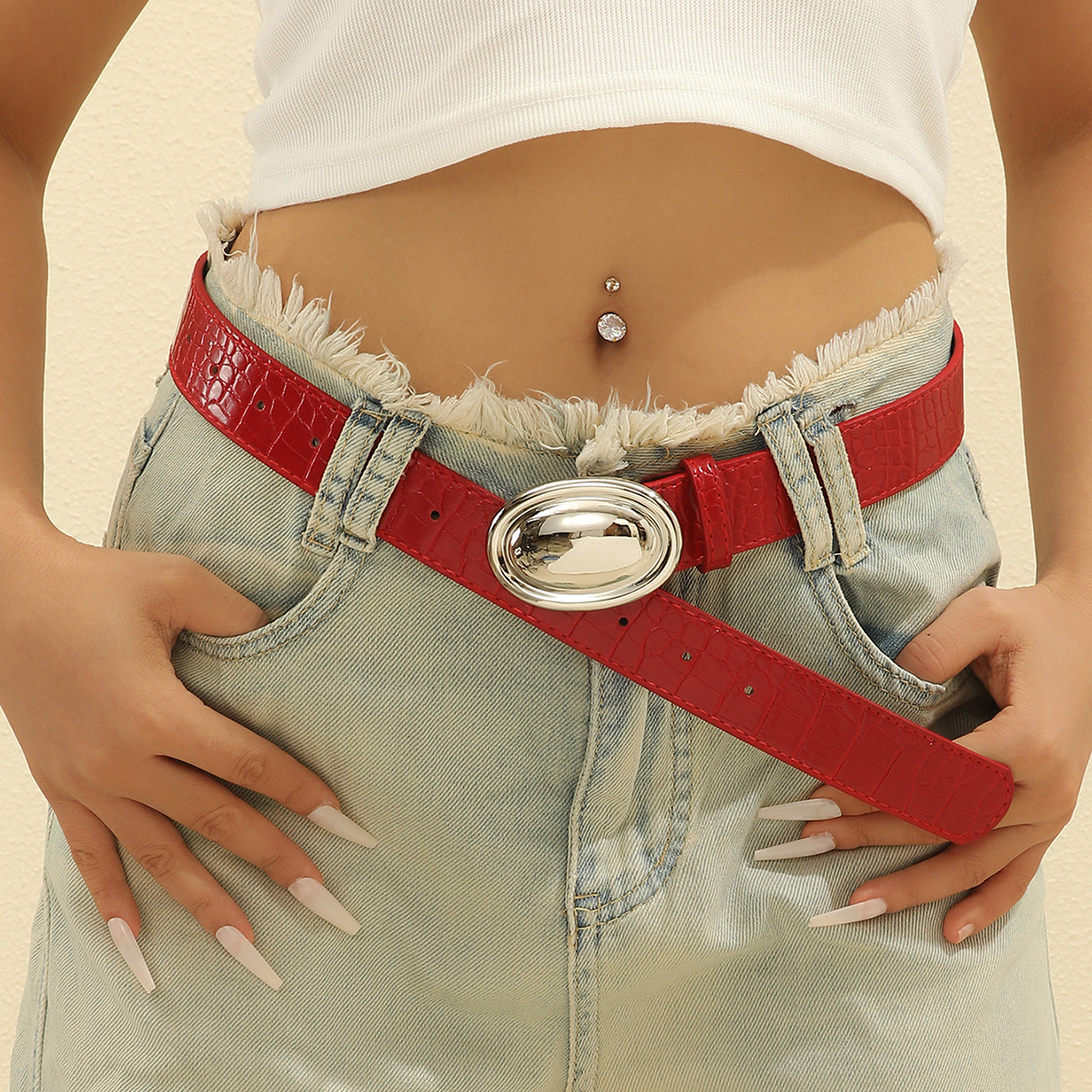
Women's Casual Jeans Belt Crocodile Embossed Faux Leather Waist Strap With Large Oval Silver Smooth Buckle Fashion Decorative Belt For Jeans Pants
$1.73
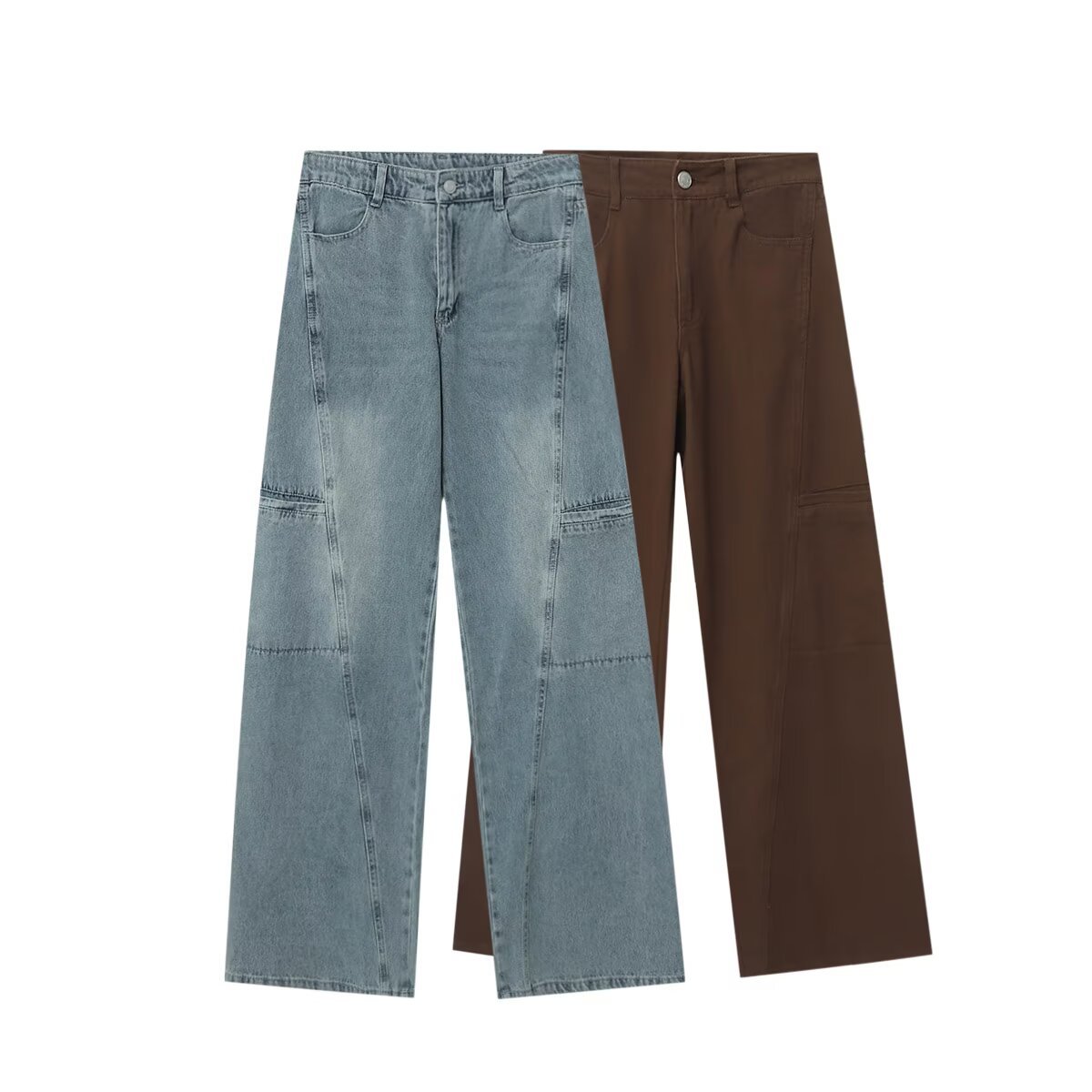
Women's High Waisted Straight Leg Jeans Loose Fit Polyester Denim Pants With Button Detail Streetwear Casual Utility Trousers Long Pants
$21.33
Curated Bundles for the Non-Bulky Wide Leg Capsule
Bundling allows you to test multiple fits while solving the tall buyer's core problem: 'I can never find jeans that work.' Each bundle targets a different sub-demand – stretch, distressed, or vintage washed.
Stretch Straight-Wide Starter
Buyer testing the market for lightweight stretch jeans suitable for tall women (6ft+).
- Women's High Waisted Wide Leg Jeans Asymmetrical Criss Cross Double Button Denim Trousershero
- Women's High Waisted Straight Leg Jeans Wide Cuffed Hem Stretch Denim Pantsupsell
- Women's Casual Jeans Belt Crocodile Embossed Faux Leather Waist Strapcomplement
Bundle cost ~$31.71 vs $32.71 separately (belt adds $1.73). Retail potential: $85-110.
Distressed & Baggy Lightweight
Streetwear retailer aiming at the ripped denim trend without the heavy fabric.
- Women's High Waist Distressed Wide Leg Jeans Ripped Denim Pants Washed Loose Baggyhero
- Women's High Waisted Straight Leg Jeans Distressed Wide Cuffed Hem Denim Pantscomplement
- Women's Casual Jeans Belt Crocodile Embossed Faux Leather Waist Strapupsell
Bundle ~$26.99 vs $28.25 separately. Distressed styles can be marketed as 'non-bulky grunge'.
Vintage Wide Leg with Cargo Utility
Buyer targeting the retro utility trend with a non-bulky twist.
- Women's Vintage Washed High Waist Wide Leg Jeans Distressed Cotton Polyester Denim Cargo Pants With Belthero
- Women's High Waisted Wide Leg Jeans Light Blue Denim Pants Loose Straight Baggy Trousers Floor Lengthcomplement
- Wooden Book Earrings Rainbow Heart Libraries Are For Everyone Print Reading Theme Drop Earringscomplement
Bundle ~$30.06 vs $32.05 separately. Add earrings as a low-cost add-on to increase perceived bundle value.