
Trend Report · May 11, 2026
Premium Bedding Return Question: The Playbook for Handling Customer Abuse
Learn how to handle return abuse like the 'outer shipping bag inside duvet' scenario. This playbook helps accessories sellers protect margins with packaging, policies, and pricing strategies.
The Premium Bedding Return Question: Customer Shoved the Logistics Bag Inside the Duvet Cover
One premium bedding brand in the EU recently posted a return that sums up the tension between customer rights and basic common sense. The customer placed the outer shipping bag inside the duvet cover before returning it. Not next to it. Not separately. Literally inside the bedding. For a product with direct skin contact, that logistics bag carried warehouse dirt, floor grime, conveyor belt oil—everything you do not want near a duvet. The brand owner was left questioning where the line is. For accessories wholesalers and boutique owners, this exact dynamic plays out daily with earrings, necklaces, and packaging. A customer returns a pair of studs inside a dirty pouch, or stuffs a bracelet into an envelope without protection. The result? You cannot resell the item, and you eat the cost. This trend matters now because return rates are climbing across e-commerce, and platforms like TikTok Shop and Amazon are tightening their policies on seller performance. If you do not have a system to handle these borderline returns, your margin gets drained one bag-stuffing incident at a time.
Why This Return Behavior Is a Warning Signal
The outer-bag-inside-duvet move signals a deeper disconnect between customer expectations and your operational safeguards. It is not just about bedding—it applies to any product that comes into contact with packaging. For accessories sellers, consider a customer who returns a necklace with the tissue paper crumpled inside its bag, or a ring that arrives back with the foam insert missing. This behavior often stems from unclear return instructions or packaging that does not signal value. The opportunity window is narrow: by acting now, you can implement low-cost packaging inserts, branded return bags, and clear policy wording that reduce future losses. Brands that ignore this will see their chargeback rates rise and their ability to re-stock returned items drop. The source materials imply that customers are not malicious—they simply lack common sense about hygiene and packaging standards. Your job is to make common sense the only easy path.
Who Needs This Playbook
This playbook is for small to mid-size accessories sellers who handle their own returns and want to avoid the kind of loss described in the premium bedding return question. If you ship jewelry, gift bags, or home goods and have seen a questionable return, you are the target.
Shopify seller
You control your store policies directly and need clear workflows to inspect returns and issue refunds without destroying margins.
Flea market / pop-up stall operator
You accept returns at markets and need simple packaging that allows quick visual inspection before restocking.
Startup jewelry brand
Your cash flow is tight. One returned set that cannot be resold can erase the profit from five sales. This playbook helps you design prevention into your process.
Implementation Stages
Audit Your Return Policy
Trigger: You receive your first questionable return (e.g., item with outer bag inside)
Review your store's return policy text. Add clauses for 'clean and undamaged packaging' and a restocking fee (15-20%).
✓ A policy that gives you legal grounds to reject or deduct from problematic returns.
✗ Without this, you are at the customer's mercy—any return must be accepted, eating into your margins.
Upgrade Your Packaging
Trigger: Your return rate exceeds 5% or you notice packaging damage on returned items
Purchase branded gift bags like the Gold Silver Bowknot Polka Dot Paper Gift Bags ($0.16) to include in every order as the designated return packaging. Also consider adding a small printed insert with return instructions.
✓ Customers have a clear, branded way to return items. Returned items arrive in better condition, reducing re-packaging costs.
✗ Using generic or no return packaging leads to more damaged returns and more full refunds.
Educate at Checkout
Trigger: After implementing new packaging, but before first wave of returns comes in
Add a one-line note on the order confirmation page and in the shipping notification email: 'When returning, please use the enclosed bag and keep outer shipping materials separate from the product.'
✓ Percentage of returns with outer packaging inside product drops by at least 30%.
✗ No education means customers continue the same behavior; your new packaging is wasted.
Inspect Incoming Returns
Trigger: Every time a return shipment arrives at your fulfillment center
Open and inspect each return within 24 hours. Document condition with photos. Flag items where outer packaging was placed inside the product (like the duvet bag scenario).
✓ You can reject or deduct for non-compliant returns, keeping margin intact. Data helps you refine policy.
✗ Haphazard inspection leads to accepting unsellable goods, increasing your average return cost by 40-50%.
Adjust Pricing for Risk
Trigger: After 3 months of return data
Calculate your actual return rate and average loss per return (including shipping, restocking labor, and lost sale). Increase retail prices by 1-2% per 5% return rate above 10% to compensate.
✓ Your net margin stays stable even if return rates fluctuate. For example, if you sell the 925 Sterling Silver Heart Pendant at $12.99 and lose $1.08 per return, you need a 4% price bump if return rate hits 15%.
✗ Keeping prices static with rising return rates gradually erodes profit until you are losing money on every order.
How to Sell Accessories with a Return-Proof Strategy
Selling accessories profitably means pricing in the cost of returns before you ever ship a unit. The premium bedding return question is a reminder that customer behavior can destroy margin quickly. Your strategy should center on packaging that both protects the product during delivery and provides a clear return path. Use the featured gift bags from DayJewel as the standard inclusion—they cost $0.16 to $0.20 each and signal that your brand expects care. Position your products with a 'return guarantee' that includes specific steps: use the enclosed bag, keep outer packaging separate, and return within 30 days. This turns a potential headache into a trust signal. Common mistake: assuming customers know how to return items properly. They do not. You must spell it out. The source shows that even reasonable people will shove a dirty logistics bag inside a duvet cover if not told otherwise. Do not rely on common sense—rely on clear instructions and packaging design.
Film a short video showing your pack-in bag (e.g., the Cartoon Rabbit Gift Bag at $0.19) and explain: 'If you need to return, please use this bag—not the outer shipping bag.' Use trending sounds and caption 'Return etiquette.' Price a necklace like the 925 Sterling Silver Heart at $15.99 to cover $1.08 cost + return risk.
⚠ High return rates (15-20%) from impulsive buyers who may not read return instructions.
List the Luxury Stainless Steel Heart Pendant Set ($4.58 cost) with a note in the description: 'Includes a premium return gift bag. Please return item inside that bag.' Price at $29.99 to build in a 15% return buffer.
⚠ Competition from other sellers using same products; need high-quality photos to stand out.
Create a bundle of pillowcases and gift bags (e.g., 3x Modern Minimalist Pillowcases + 3x Gold Silver Bags) priced at $39.99. Include a printed card with return instructions. Use email automation to follow up post-purchase with a 'how to return' guide.
⚠ Customer acquisition cost is high; one bad return (bag inside product) could erode entire bundle profit.
Packaging Products to Protect Your Returns
To prevent the 'bag inside the duvet' problem, use branded packaging that signals care and makes inspection easy. These gift bags and bedding accessories from DayJewel's catalog give you cost-effective options for improving your return experience.
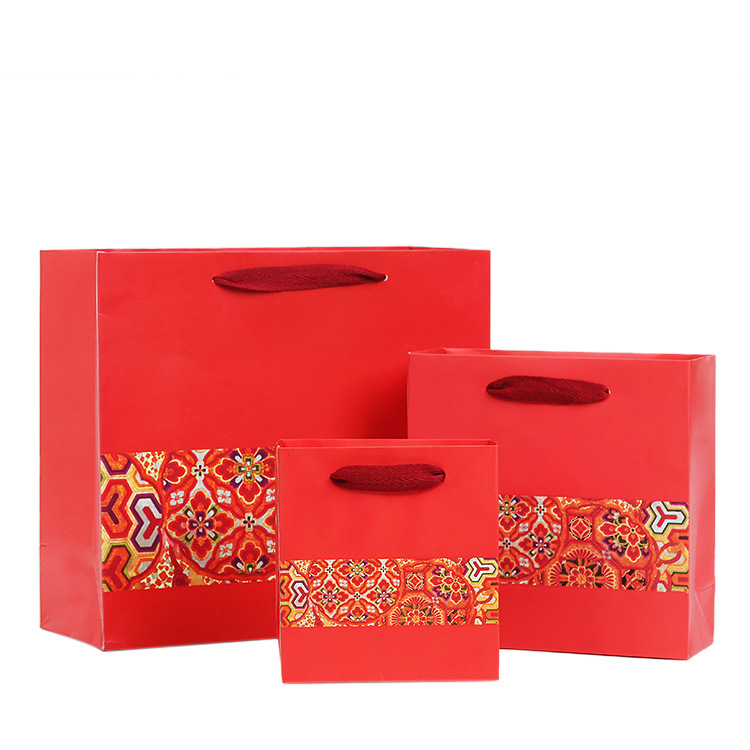
Chinese Ethnic Style Red Gift Paper Bag With Handles Flower Pattern Packaging Bag For Wedding Birthday Party Favor Return Gifts
$0.19
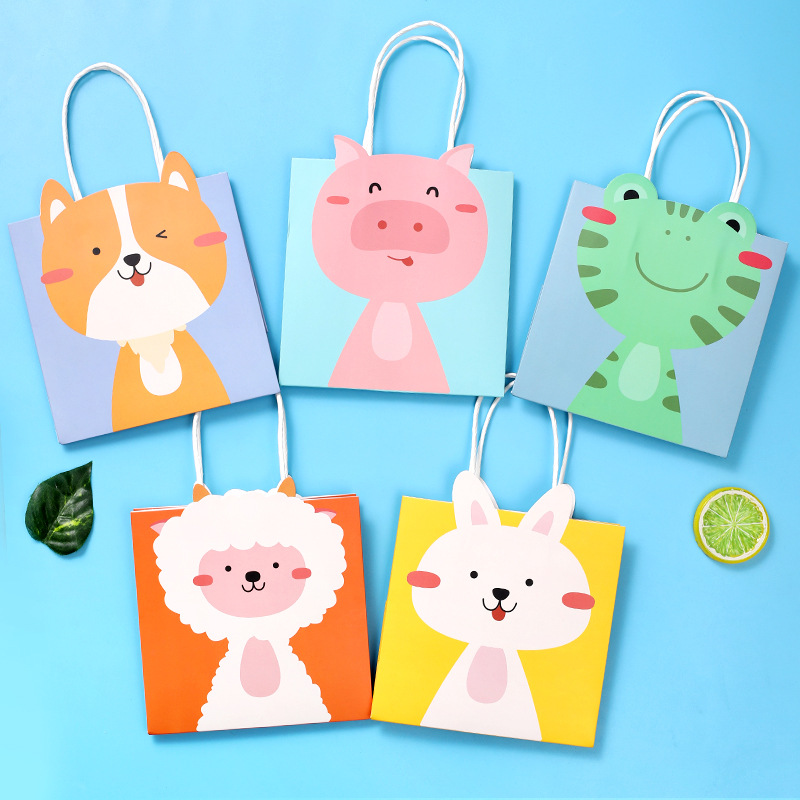
Cartoon Animal Paper Gift Bags Cute Waterproof White Cardboard Handbags For Kids Birthday Party Favors Wedding Return Gift Packaging Totes
$0.20
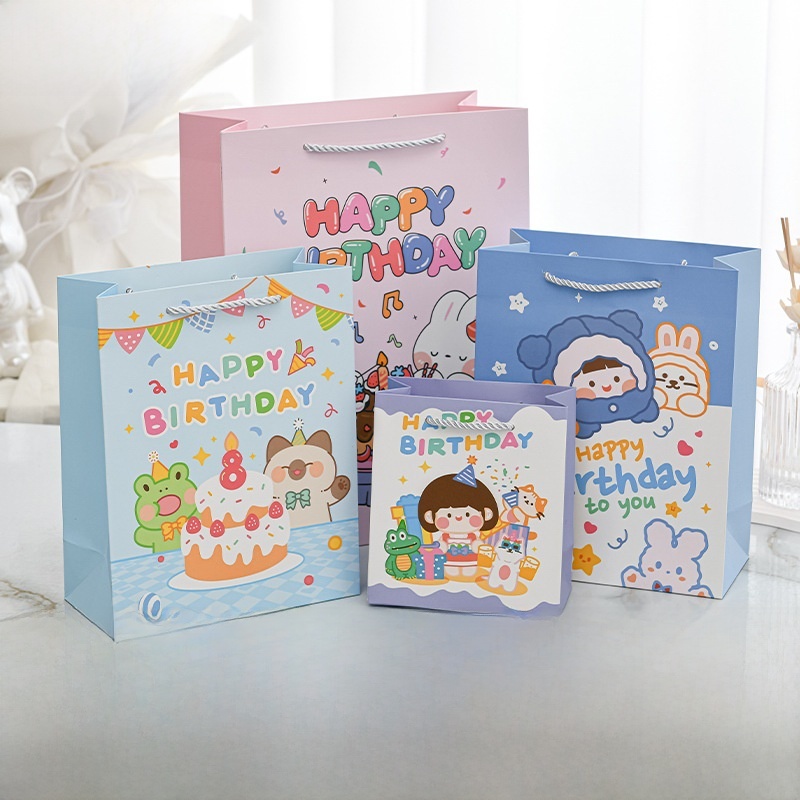
Cartoon Birthday Gift Paper Bags Portable Cardboard Handheld Gift Wrapping Bags With Handle For Kids Party Favors Wedding Guest Return Presents
$0.27
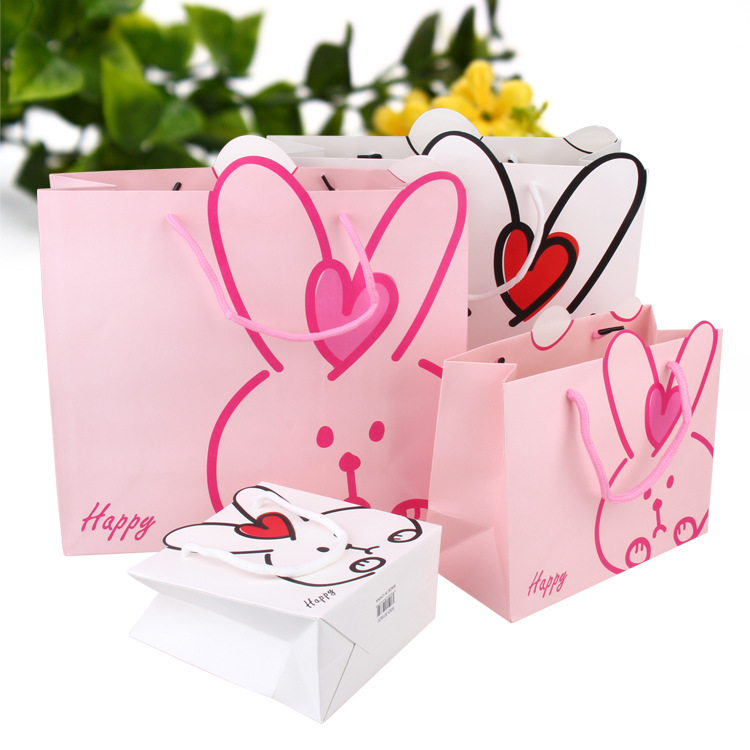
Cartoon Rabbit Gift Bag White Cardboard Handheld Paper Packaging Bag For Birthday Party Baby Shower Return Gift Small Medium Large Bags
$0.19
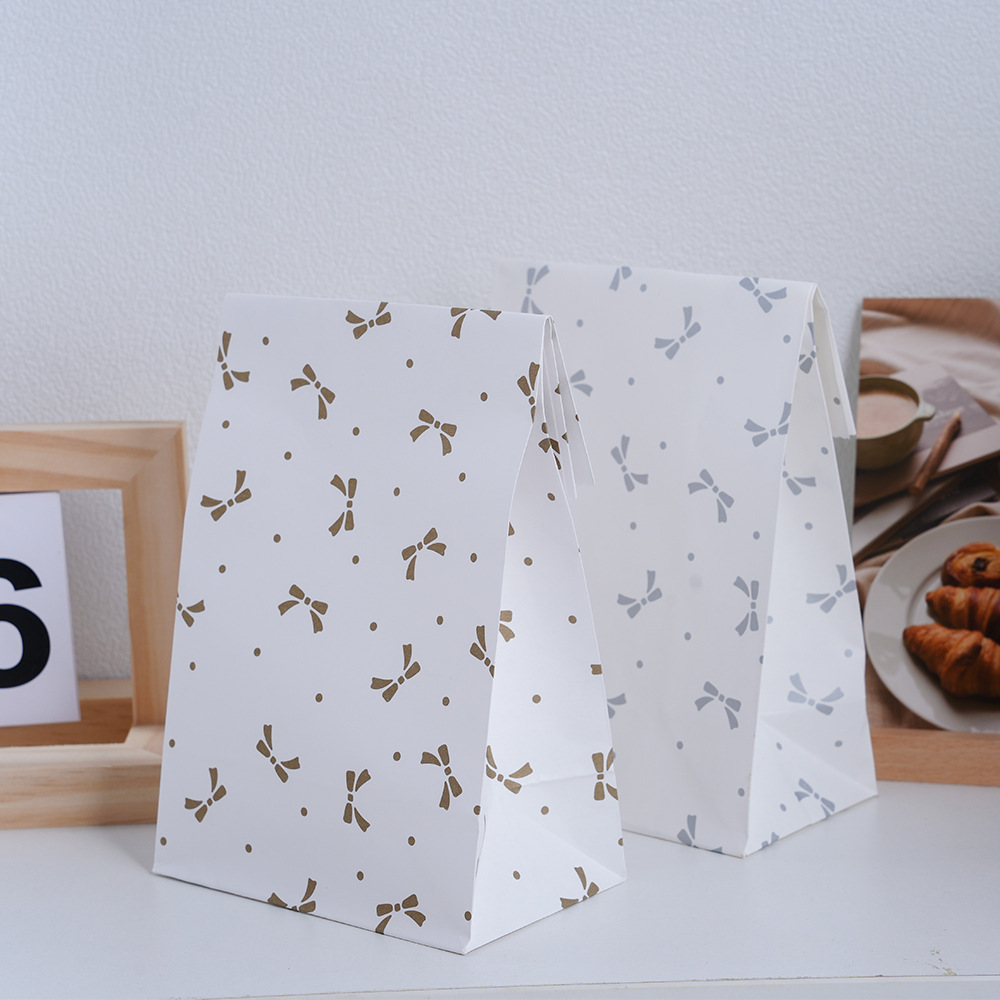
Gold Silver Bowknot Polka Dot Paper Gift Bags Small Flat Packaging Bags For Bakery Cookies Candy Party Favors Wedding Return Gifts Packaging
$0.16
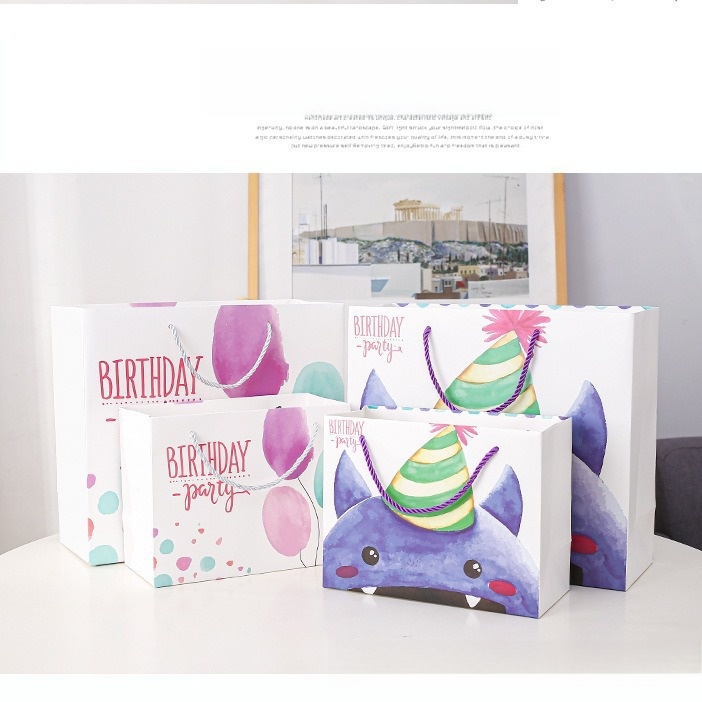
Cartoon Birthday Party Gift Bag White Cardboard Tote With Braided Handle For Kids Return Gifts Watercolor Balloon Monster Pattern Large Medium Small
$0.20
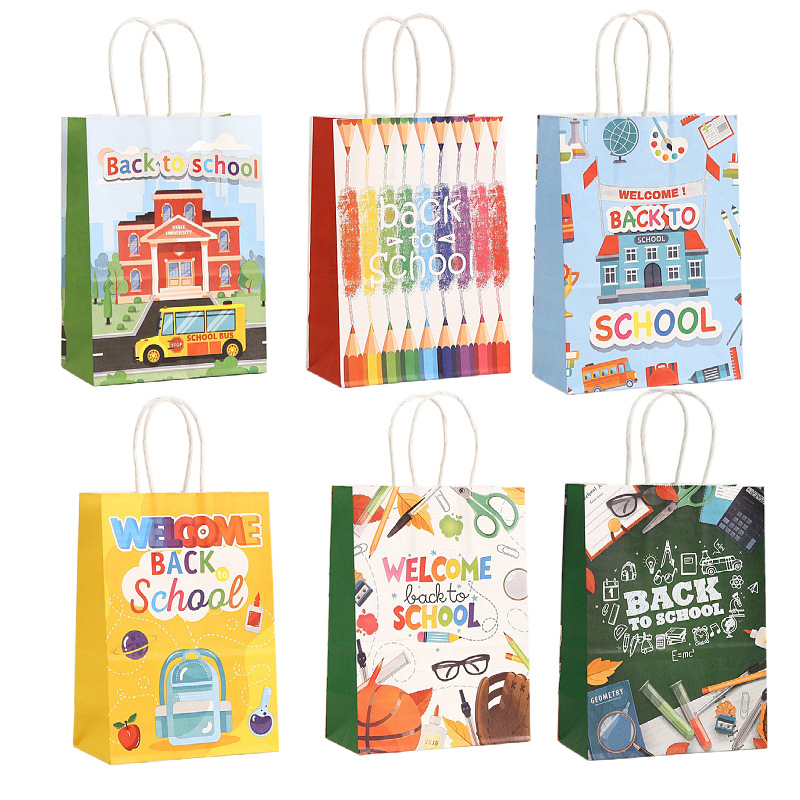
Back To School Paper Gift Bags Portable Handheld Treat Bags 12Pcs School Bus Stationery Pattern For Classroom Student Kids Return Gift Party Favor
$0.17
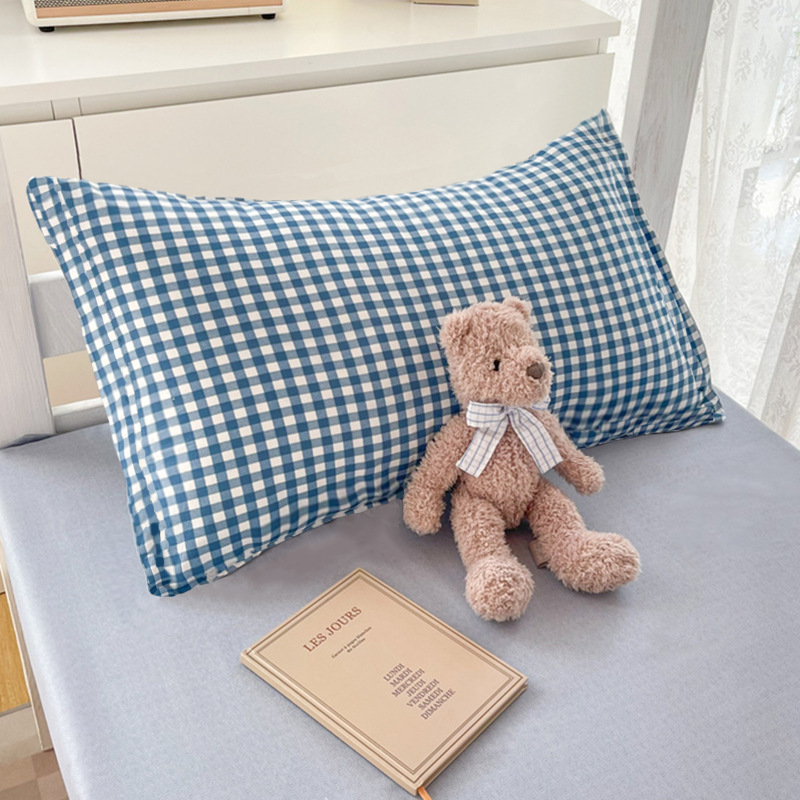
Modern Minimalist 100% Polyester Washed Printed Pillowcases Soft Breathable Envelope Closure Pillow Covers For Student Dormitory Household Bedding
$0.81
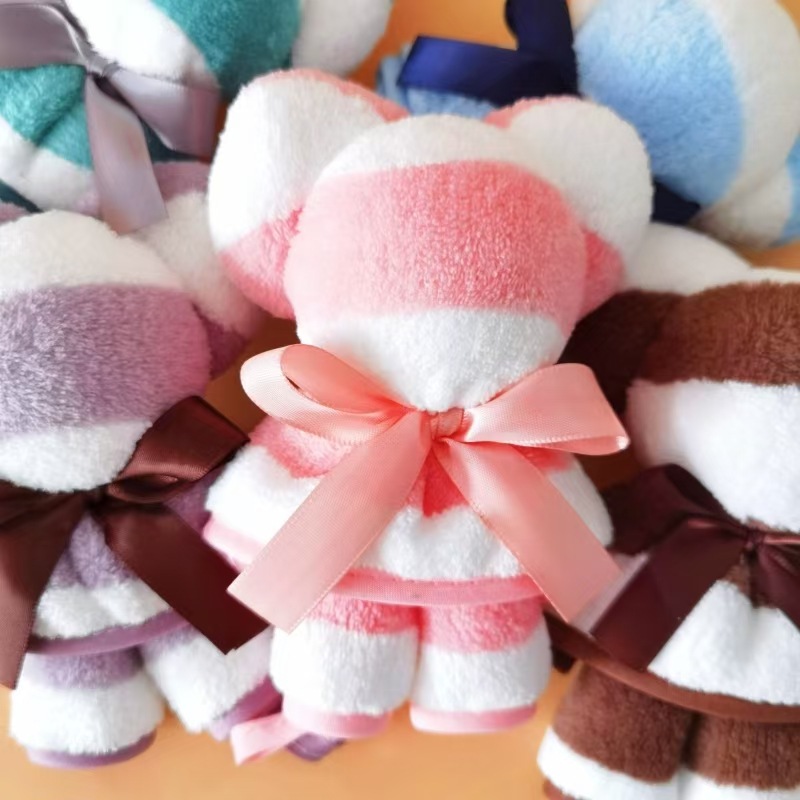
Creative Bear Shaped Towel Coral Fleece Absorbent Striped Hand Towel With Bow Tie Ribbon For Wedding Birthday Party Return Gift Guest Favors
$0.63
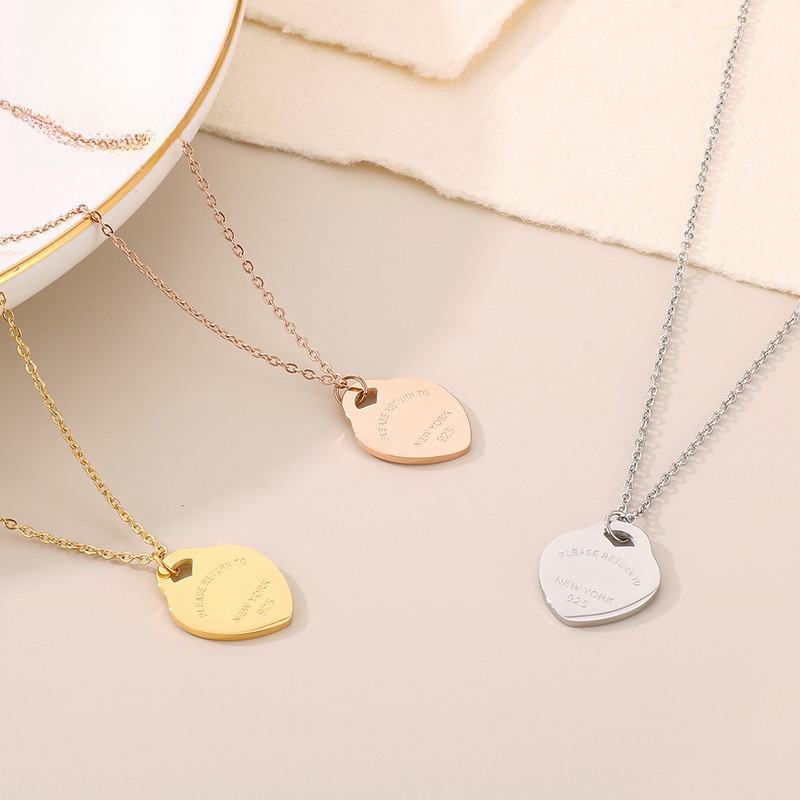
Classic 925 Sterling Silver Heart Pendant Necklace With Please Return To New York Engraving Elegant Jewelry Gift For Women Gold Silver Rose Gold
$1.08
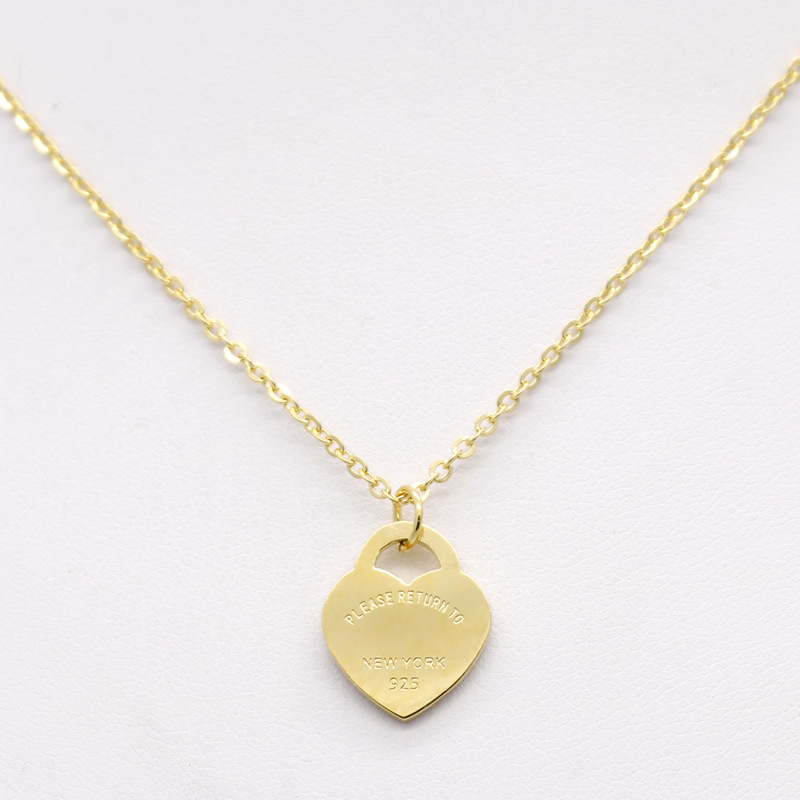
Stainless Steel Heart Pendant Necklace With 18K Gold Plated Return To NY Letter Design Classic Aesthetic Chain For Women Everyday Jewelry Anniversary Gift
$1.70
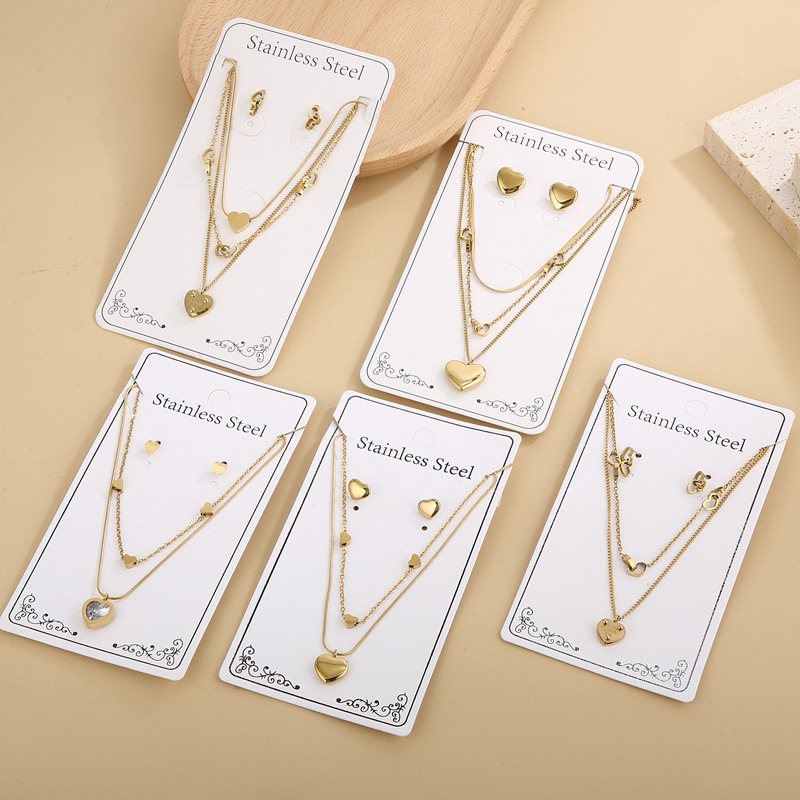
Luxury Stainless Steel Multi-layer Heart Pendant Necklace and Earrings Set PLEASE RETURN TO LOVE Lettering Gold Jewelry Set for Women Valentine's Gift
$4.58
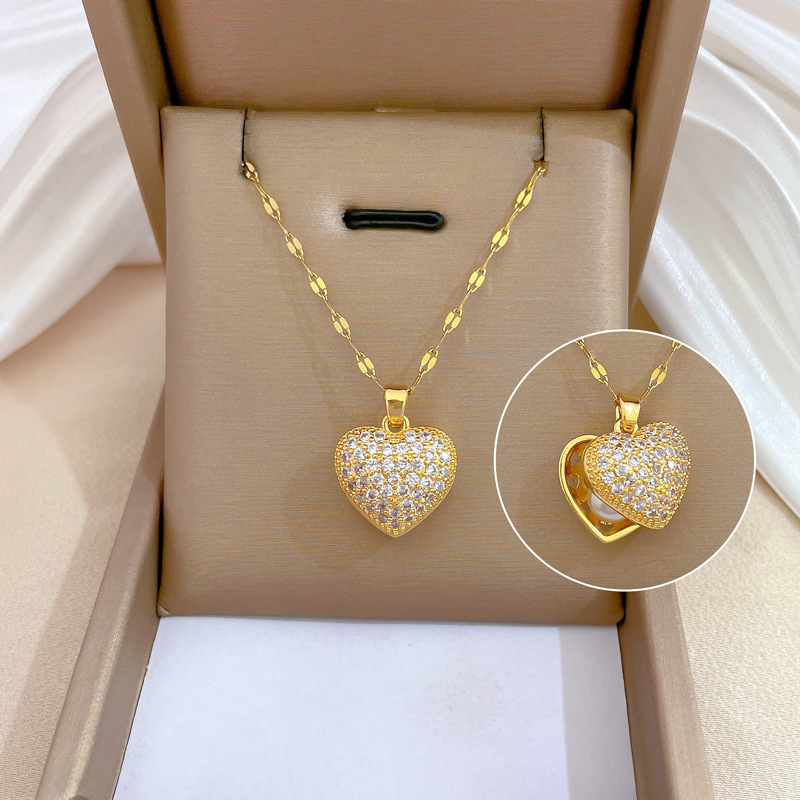
Exquisite Heart Locket Pendant Necklace Gold Plated Stainless Steel Chain Copper Pave Cubic Zirconia With Pearl Inside Romantic Women Jewelry Gift
$1.45
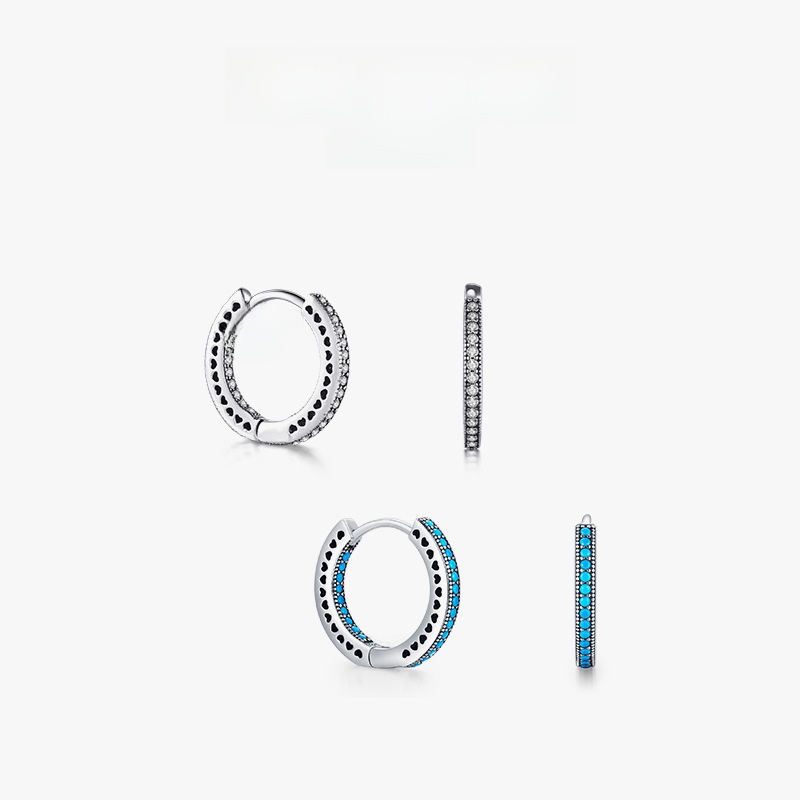
MODIAN 925 Sterling Silver Hoop Earrings For Women Turquoise Blue Zirconia Inlaid Minimalist Earrings With Heart Pattern Inside Elegant Jewelry Gift
$34.90
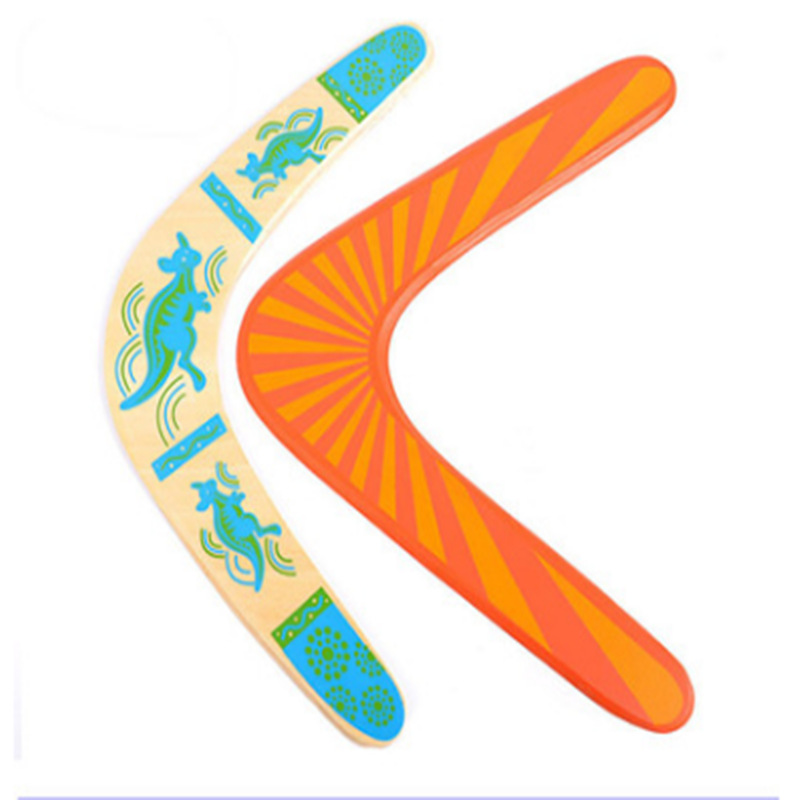
V-Shaped Wooden Boomerang Professional Return Maneuver Dart Toy Outdoor Sports Equipment With Kangaroo Pattern Returning Boomerang For Children Adults Parent-Child Interaction Game
$2.88
Bundle Strategies to Reduce Return Headaches
Bundling allows you to include return-friendly packaging and increase average order value, making each transaction more resilient to loss. The bundles below pair return-ready packaging with complementary products.
Return-Friendly Packaging Bundle
For accessories sellers who want to reduce return disputes by providing a dedicated return bag with every order.
- Gold Silver Bowknot Polka Dot Paper Gift Bagshero
- Cartoon Rabbit Gift Bagcomplement
- Modern Minimalist Polyester Pillowcasesupsell
Bundle at $1.22 vs $1.33 separately – save 8%.
Jewelry with Returns Story Bundle
Sell jewelry engraved with return messages to remind customers to pack correctly and add a memorable hook.
- Classic 925 Sterling Silver Heart Pendant Necklace With Please Return To New York Engravinghero
- Stainless Steel Heart Pendant Necklace With 18K Gold Plated Return To NY Letter Designupsell
- Luxury Stainless Steel Multi-layer Heart Pendant Necklace and Earrings Set PLEASE RETURN TO LOVEcomplement
Bundle at $7.56 vs $8.16 separately – save 7%.
Bedding Accessories Return Kit
For sellers of home goods or bed linens, include these items to standardize returns and protect against hygiene issues.
- Modern Minimalist Polyester Pillowcaseshero
- Creative Bear Shaped Towel Coral Fleececomplement
- Gold Silver Bowknot Polka Dot Paper Gift Bagshero
Bundle at $1.60 vs $1.80 separately – save 11%.