
Trend Report · May 9, 2026
Navigating Price Changes at the Flea Market: A Margin Breakdown
A $5 vendor price hike can cut margins from 50% to 30%. Learn how to protect profits with wholesale sourcing from DayJewel's catalog.
Price Change: Why a $5 Hike Could Kill Your Margin
A flea market vendor raises his price by $5 per window—and the response is swift: “I’m saying no deal.” This Price Change, reported on Reddit, is a real-world test of a reseller’s margin discipline. At a typical 50% markup on a $10 item, a $5 increase consumes your entire gross profit, leaving you with negative margin if you pass it on or a 30% margin if you absorb it. The core question every operator faces: do you accept the new cost and compress your spread, or walk away?
The flea market is a price-sensitive channel where customers expect deals below retail. A $5 jump on a $15 ticket item forces your retail above the competitive ceiling. The vendor who initiated the change likely tested demand elasticity, but for the buyer it signals a need to review sourcing alternatives. Instead of renegotiating with a single supplier, savvy resellers turn to wholesale platforms to lock in stable costs and wider margins.
The Margin Opportunity in Rejecting Price Hikes
Saying “no deal” to a $5 increase opens the door to a wholesale model that can deliver 55–70% gross margins instead of the 30% you’d get by accepting the new price. The margin opportunity lies in replacing that single vendor with multiple, lower-cost sources. For example, a pet flea comb at $0.22 wholesale can retail for $1.00, yielding a 78% margin. Even after accounting for shipping ($0.10–0.15 per unit), the margin remains above 60%. This beats the typical flea market margin ceiling of 40–50% when buying from other vendors.
Price changes act as a forcing function: they push resellers to evaluate their cost structure across all SKUs. A $5 hike on one item might seem small, but if applied across 20 SKUs, it erases $100 of profit per selling day. By building relationships with wholesale suppliers—like DayJewel’s catalog of price tags, display stands, and grooming tools—you insulate your business from single-vendor pricing volatility and create a buffer against similar future changes.
Who Benefits from This Breakdown
This breakdown applies directly to resellers who operate in price-negotiation environments—flea market vendors, pop-up stall operators, and small shop owners who rely on supplier relationships. It also fits Shopify sellers testing low-commitment inventory through print-on-demand or wholesale orders, where one supplier’s price change can disrupt cost projections.
Flea market vendor
Directly faces price changes from neighboring vendors; needs to quickly calculate new margin and decide to buy or source elsewhere.
Shopify store owner
Testing low-budget products like price tags and jewelry displays; a 5% increase in COGS can compress an already thin 40% margin.
Pop-up stall operator
Operates on short-run events where per-unit profit must hit $2+ to cover booth fees; a $5 price hike on a $10 item makes the event unprofitable.
Margin Anatomy
| Component | Low Range | High Range | Notes |
|---|---|---|---|
| Wholesale cost (per unit) | $0.04 | $2.16 | Varies by item; pet flea combs at $0.22, price tags at $0.69, display stands at $0.75 – $5.76. Volume discounts apply at 100+ units. |
| Shipping to you | $0.10 | $0.50 | Depends on weight and distance. For small items like ring stands, shipping is under $0.15. Larger displays add cost. |
| Packaging material | $0.05 | $0.20 | Polybags for flea combs cost $0.03; branded pouches can hit $0.20. |
| Booth fee (per day) | $10.00 | $50.00 | Split across units sold. If you sell 100 items, booth fee adds $0.10–0.50 per unit. |
| Total COGS per unit | $0.29 | $2.86 | Sum of above for a low-cost item like flea comb vs a display stand. |
Profit Scenarios
| Scenario | Wholesale | Retail | Profit | Best For |
|---|---|---|---|---|
| Conservative: 30% margin | $2.00 | $3.50 | $1.50 | New vendors testing demand with limited capital; accepts lower per-unit profit to guarantee sell-through. |
| Moderate: 50% margin | $2.00 | $5.00 | $3.00 | Established flea market sellers with repeat customers who can charge a premium without losing sales volume. |
| Aggressive: 70% margin | $2.00 | $10.00 | $8.00 | Boutique sellers at high-traffic events (night markets, festivals) where perceived value justifies double-digit retail. |
How to Sell After a Price Change
When a supplier raises prices, your selling strategy must shift to preserve margins. Start by recalculating your minimum retail: if your COGS jumps from $10 to $15, you need to sell at $30 or above to maintain a 50% margin. Test whether your flea market audience will pay that. If not, switch to a different product mix from wholesale sources where unit costs are locked in at sub-$1. Use price tags and display stands to elevate the perceived value and justify a higher ticket price. Finally, bundle related items to increase average order value without raising individual prices.
Display items with clear pricing on white kraft tags ($0.35 per roll). Train your voice to mention quality before price. Sell pet flea combs for $1.00 and upsell the electric comb for $3.00.
⚠ Weather and foot traffic variability can leave you with unsold inventory; bundle to reduce risk.
Photograph your items with a natural background. List pet flea combs at $2.00 (shipping paid by buyer). Use tags: flea comb, pet grooming, flea market. Price tags and displays can be sold as supplies to other sellers.
⚠ Shipping cost for small items can eat margin if not sized correctly; use USPS First Class Package at $0.60 for light orders.
Post a listing for a bundle of 5 flea combs at $5.00, highlighting immediate pickup. Use a line: "No price hikes—just wholesale deals." Respond to messages within minutes.
⚠ Local pickups come with safety and time-wasting concerns; set a clear pickup window and location.
Top Products for Flea Market Resale
These items combine low wholesale cost with high perceived value at the flea market. Use price tags and display stands to present them professionally, and pet flea combs as a consistent seller in season. The list below connects to the Price Change scenario by offering stable, wholesale-level unit costs that protect your margin against vendor hikes.

Pet Flea Comb Stainless Steel Fine Tooth Grooming Brush For Dogs And Cats Flea Removal Tool With Ergonomic Handle
$0.22
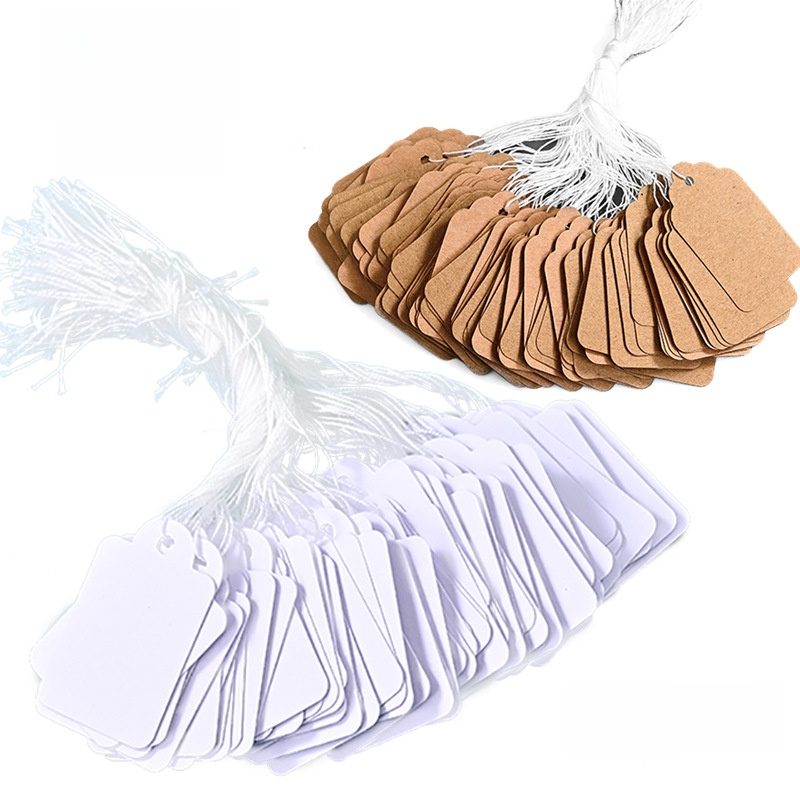
Blank Price Tags With String White Kraft Paper Jewelry Labels For Glasses Clothing Retail Writing Hang Tags
$0.69
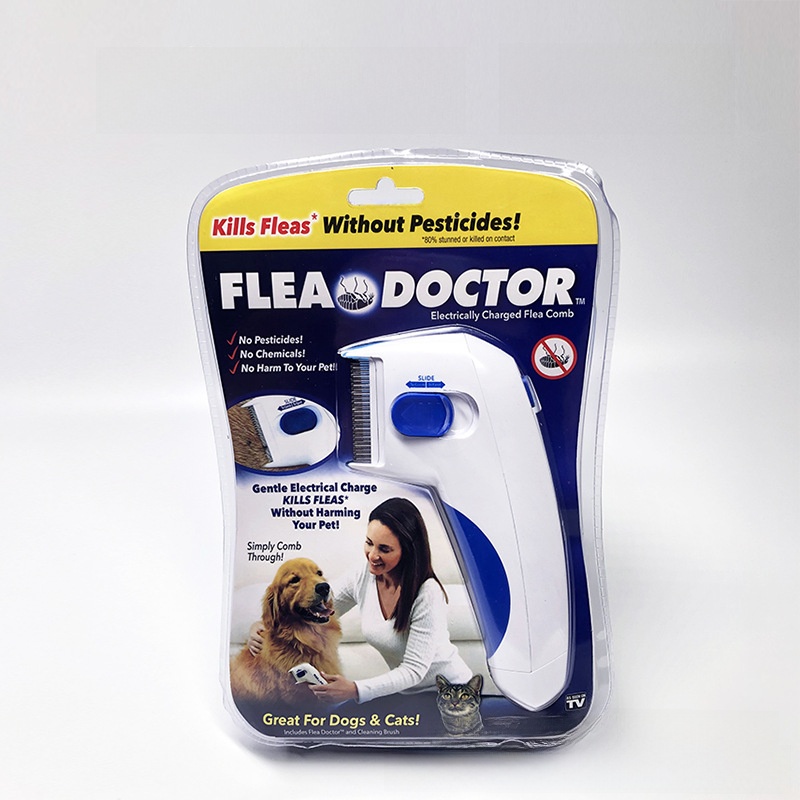
Electric Pet Flea Remover Comb ABS Plastic Metal Teeth Physical Lice Treatment Tool For Dogs Cats Home Grooming Accessory Blue White
$2.16

3pcs Pet Tick Remover Tool Set Professional ABS Plastic Flea Extractor Hooks For Dogs And Cats Safe Grooming Tools In Three Sizes
$0.13
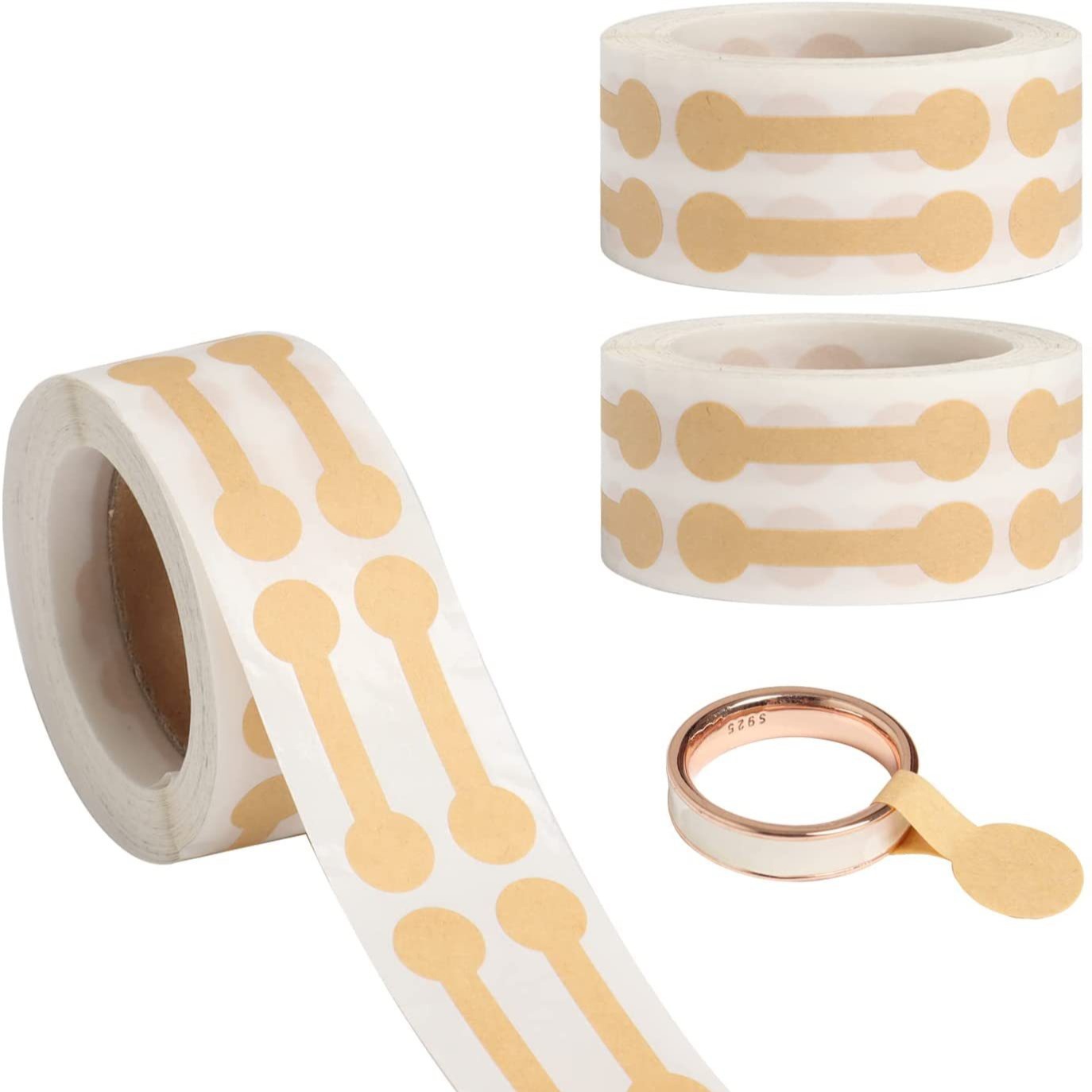
500Pcs Roll Self Adhesive Jewelry Price Tags Dumbbell Shape Kraft Paper Labels For Ring Necklace Eyeglasses Display Writable Marking Stickers
$0.35
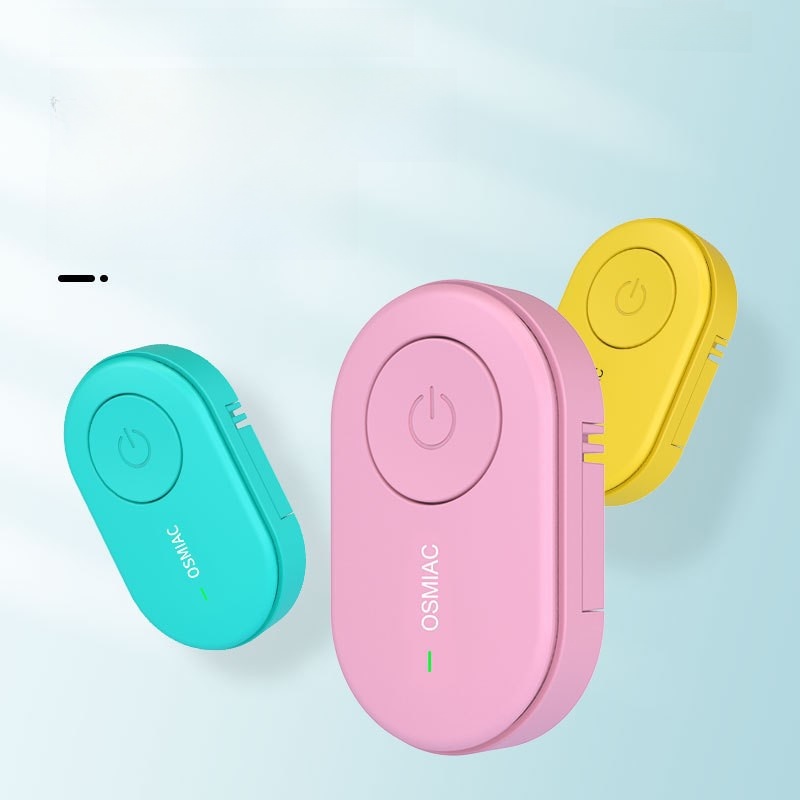
Portable Ultrasonic Pet Pest Repeller Electronic Flea Tick Mosquito Repellent With Back Clip For Dogs Cats Humans Outdoor Home Use Lightweight Plastic Device
$1.59
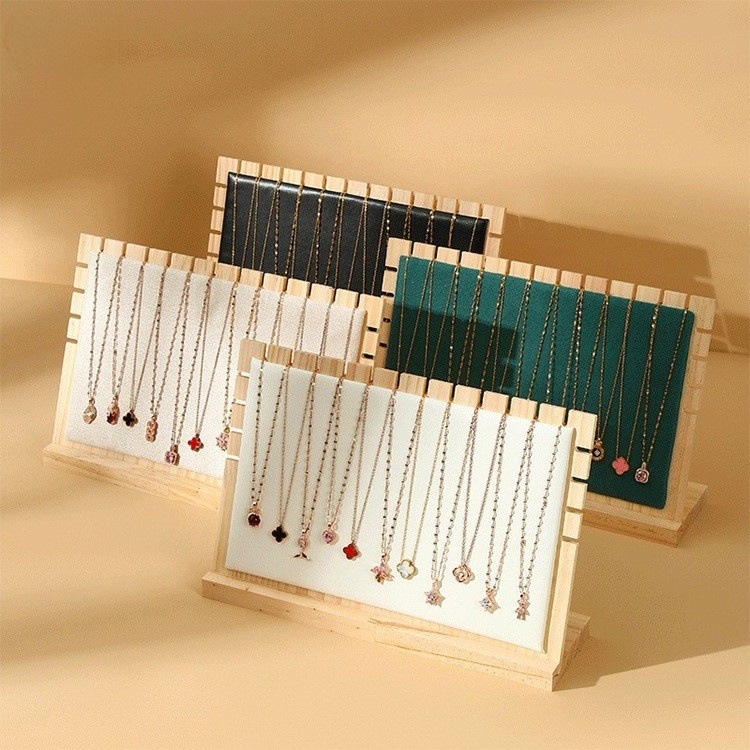
Bamboo Wood Necklace Display Stand PU Leather Velvet Jewelry Rack Organizer Holder For Showcase Market Shop Countertop Home Storage
$0.75
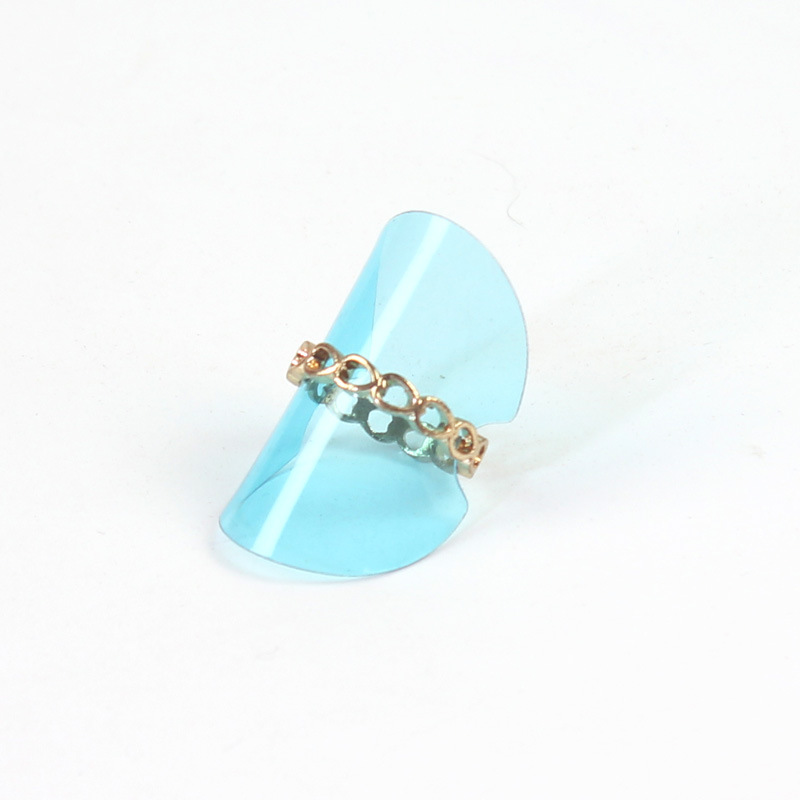
100PCS Plastic Ring Display Stand Blue C-Shape Ring Holder For Jewelry Retail Showcase Market Stall Props Minimalist Ring Organizer
$0.04
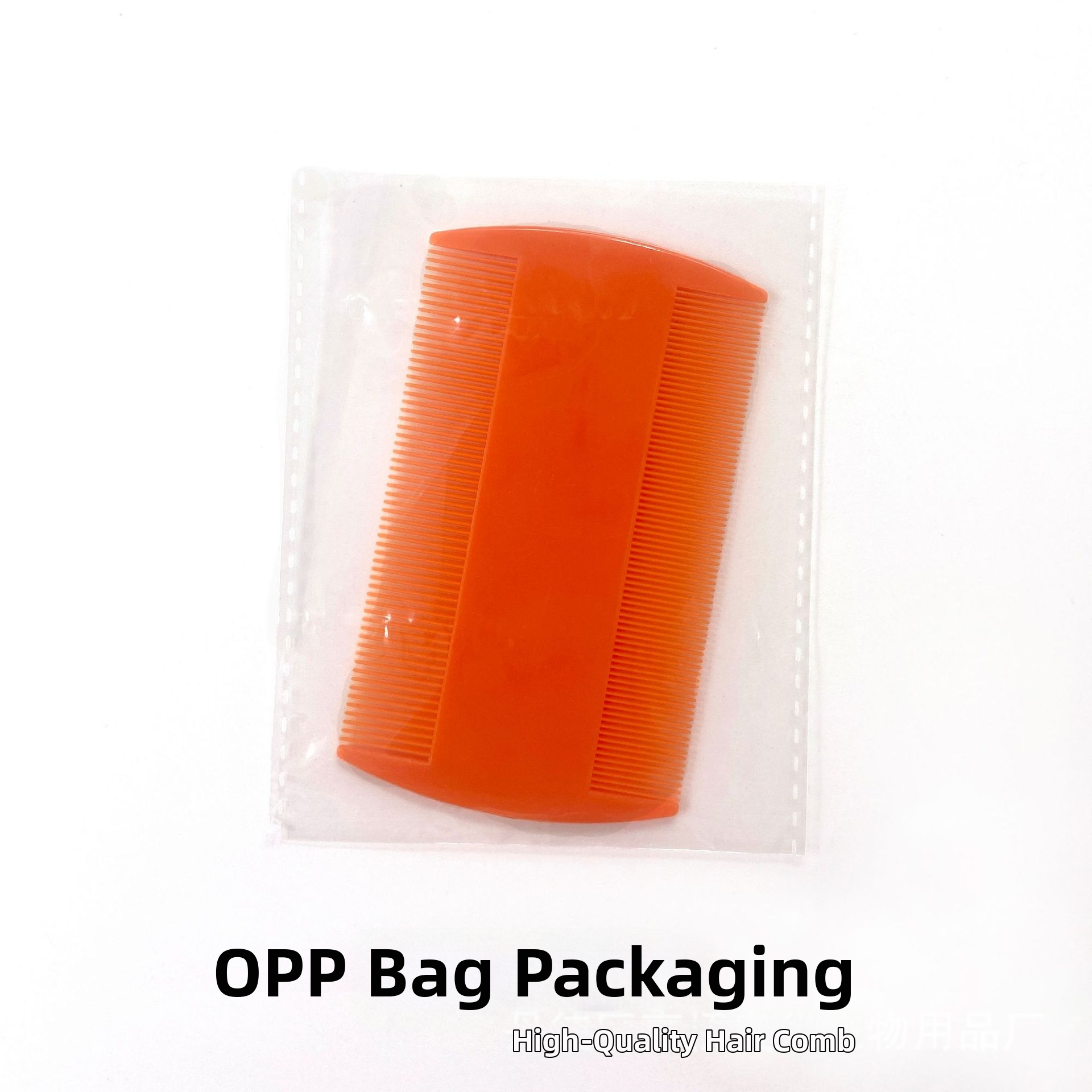
Double Sided Pet Flea Comb Portable Fine Tooth Plastic Grooming Brush For Dogs And Cats Removes Floating Hair And Parasites Solid Color Pet Care Tool
$0.14
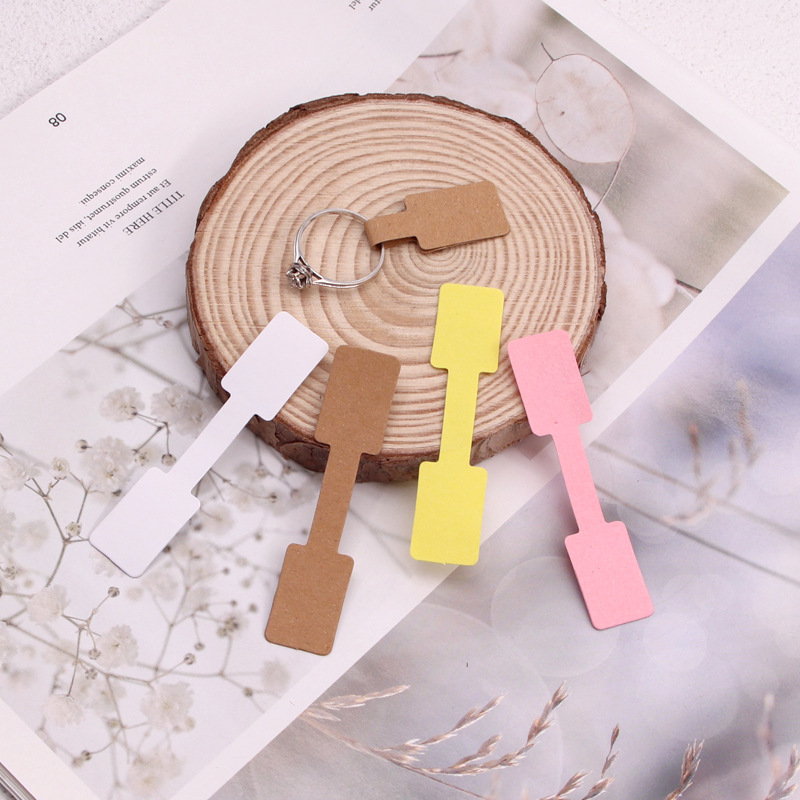
Jewelry Ring Price Tags Self-Adhesive Kraft Paper Labels Dumbbell Shape Stickers For Rings Watches Eyeglasses Jewelry Store Display Blank Cardstock Tags
$1.44
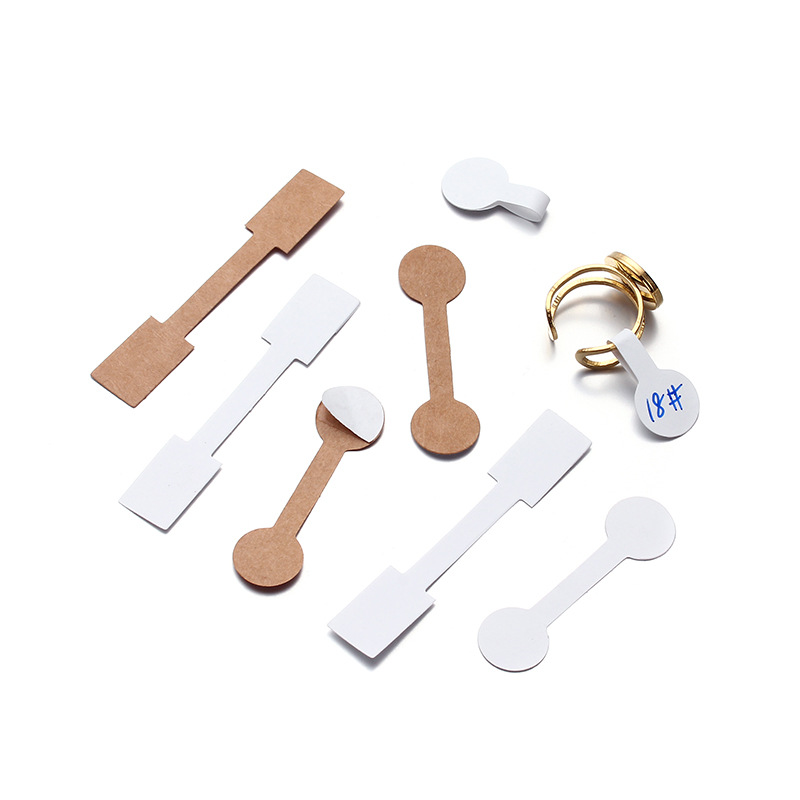
Self Adhesive Jewelry Price Tags Kraft Paper White Ring Size Labels Barbells Shape Stickers For Ring Necklace Bracelet Identification Jewelry Display Supplies
$0.60
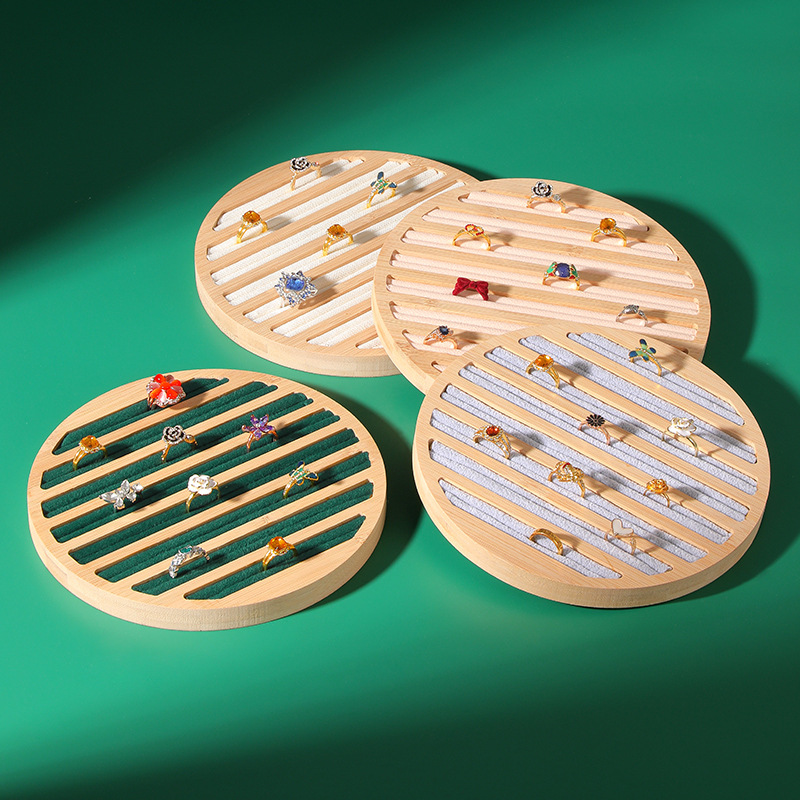
Bamboo Wood Round Jewelry Ring Display Tray Organiser Velvet Linen Holder Circular Jewelry Storage Plate For Showcase Market Vendor Home Decor
$3.73
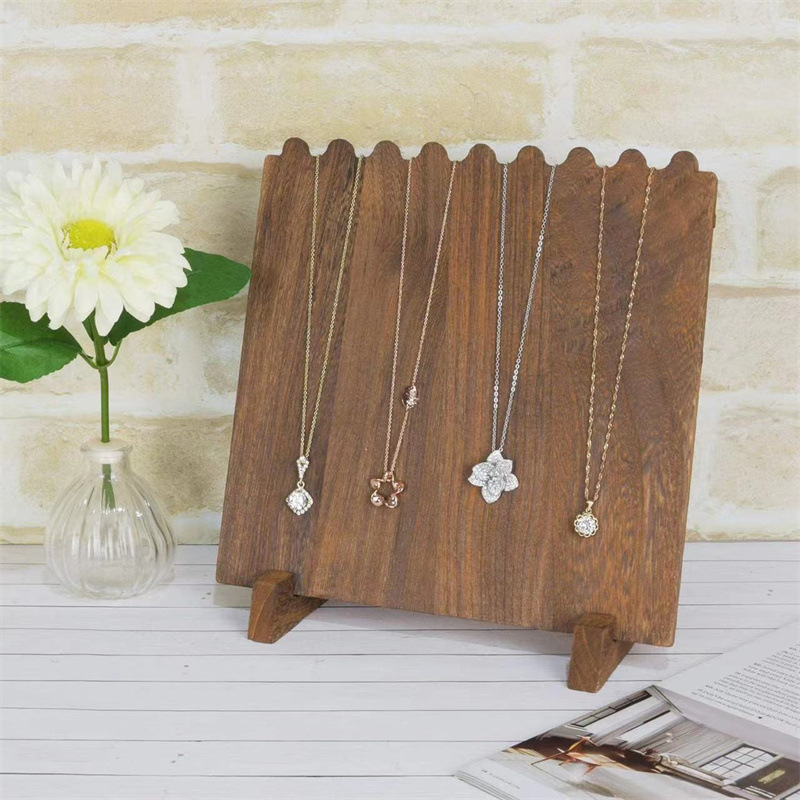
Solid Wood Necklace Display Stand Bamboo Jewelry Storage Rack Modern Minimalist Bracelet Organizer For Shop Market Stall Display Women Wood Grain
$5.76
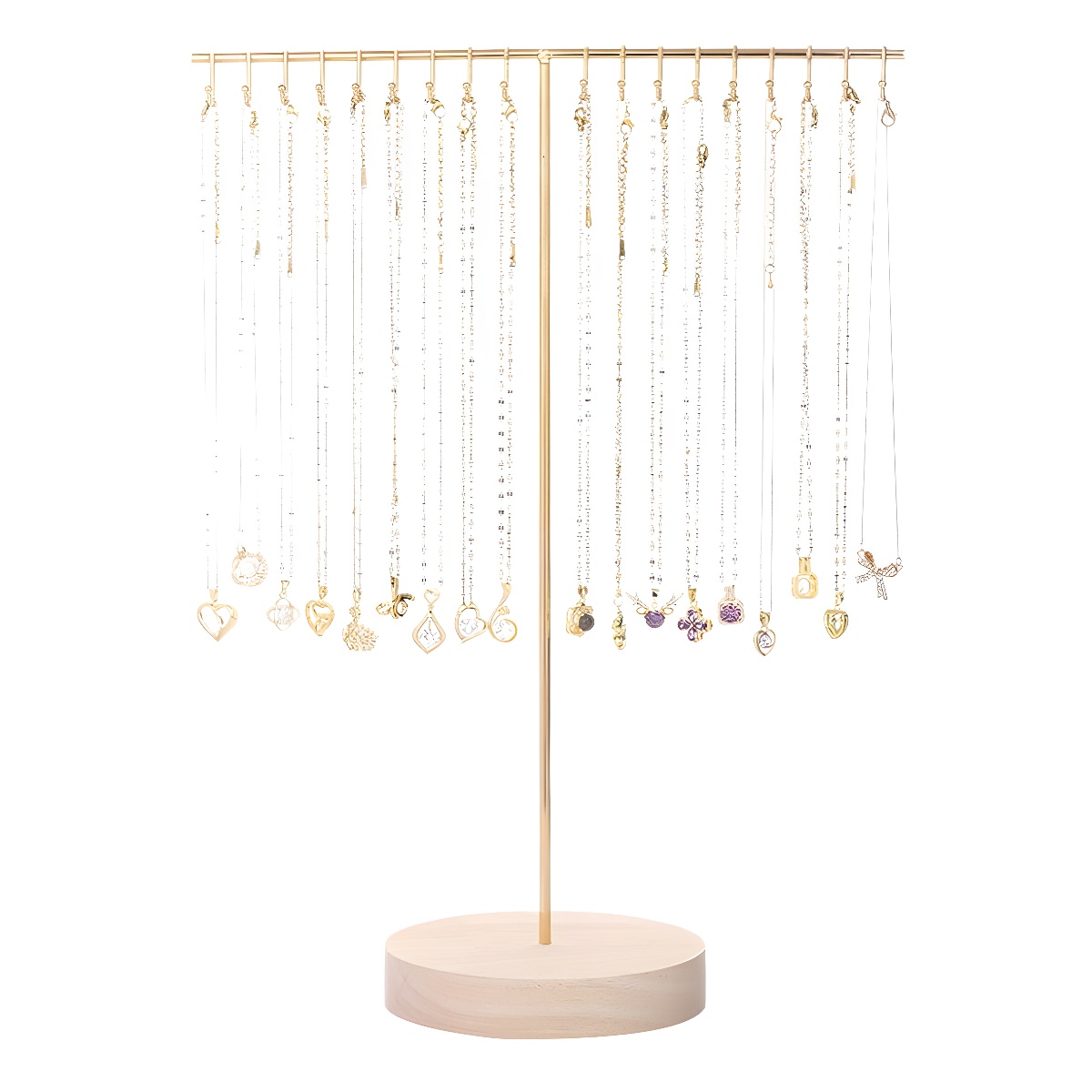
Minimalist Iron Jewelry Display Stand With Wooden Base 18 Hooks Removable Necklace Organizer Holder For Home Market Stall Countertop Pendant Storage Rack
$4.48
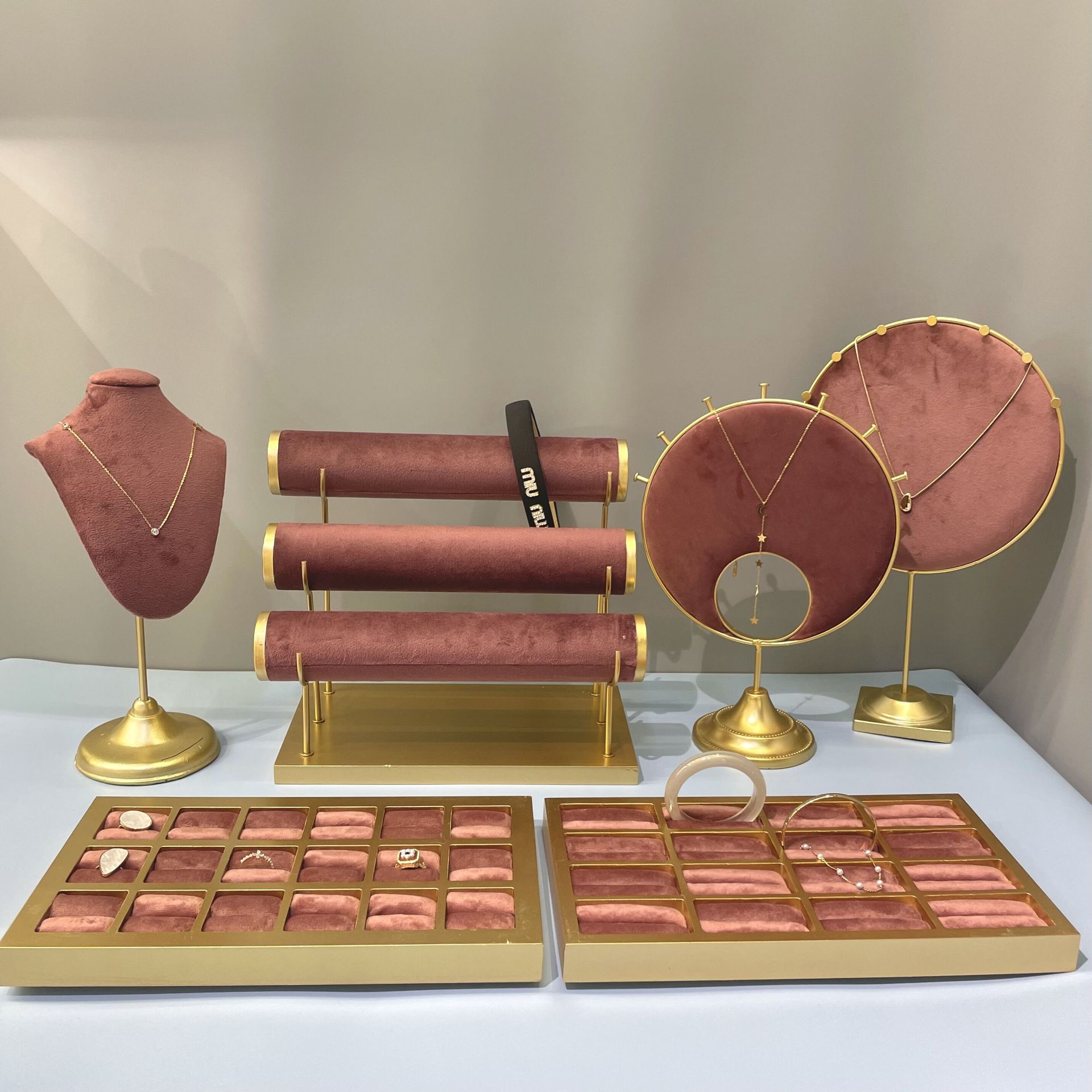
Velvet Jewelry Display Stand Metal Bracelet Necklace Holder Ring Organizer For Countertop Night Market Booth High-End Dusty Rose Gold Metal Rack
$9.71
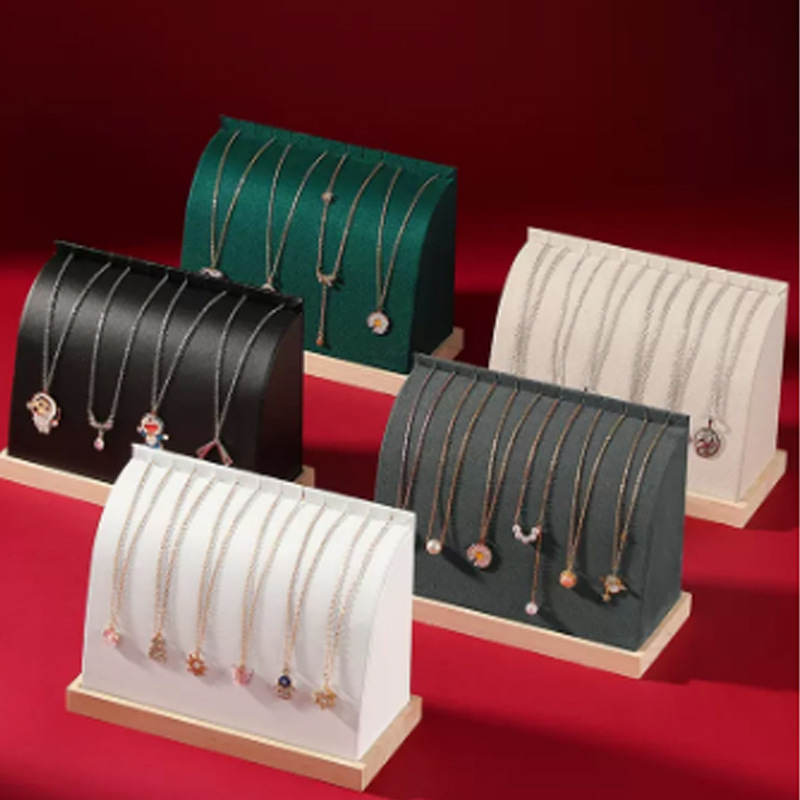
Professional Curved Necklace Display Stand With Solid Wood Base PU Leather Velvet Jewelry Pendant Organizer Holder For Shop Showcase Counter Market Stalls
$3.98
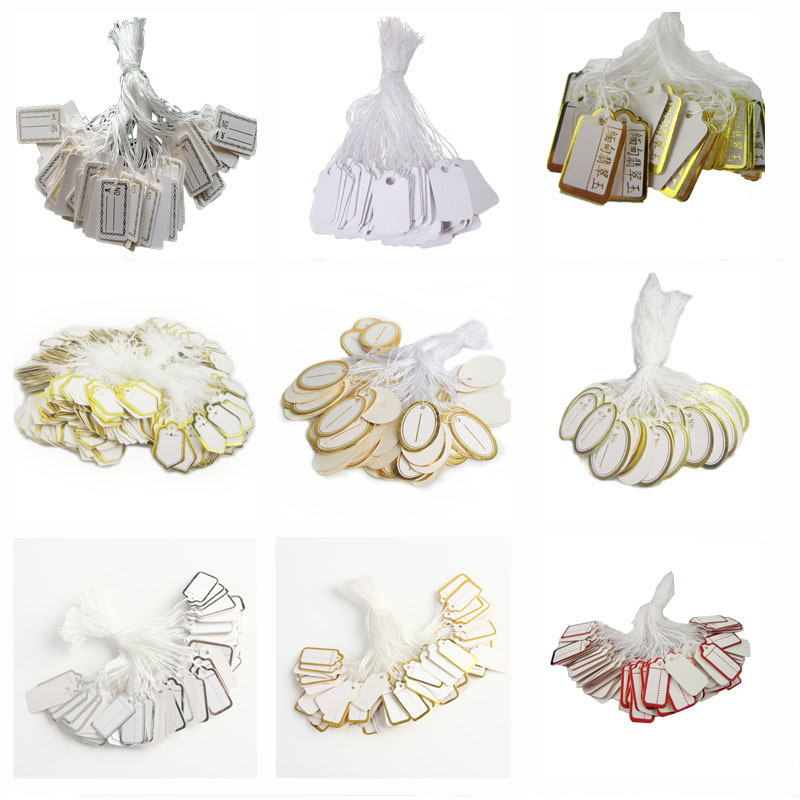
500pcs Blank Jewelry Price Tags with White Cotton String Paper Pricing Labels with Gold Silver Red Borders for Jewelry Clothing Accessories Pricing and Identification
$2.74
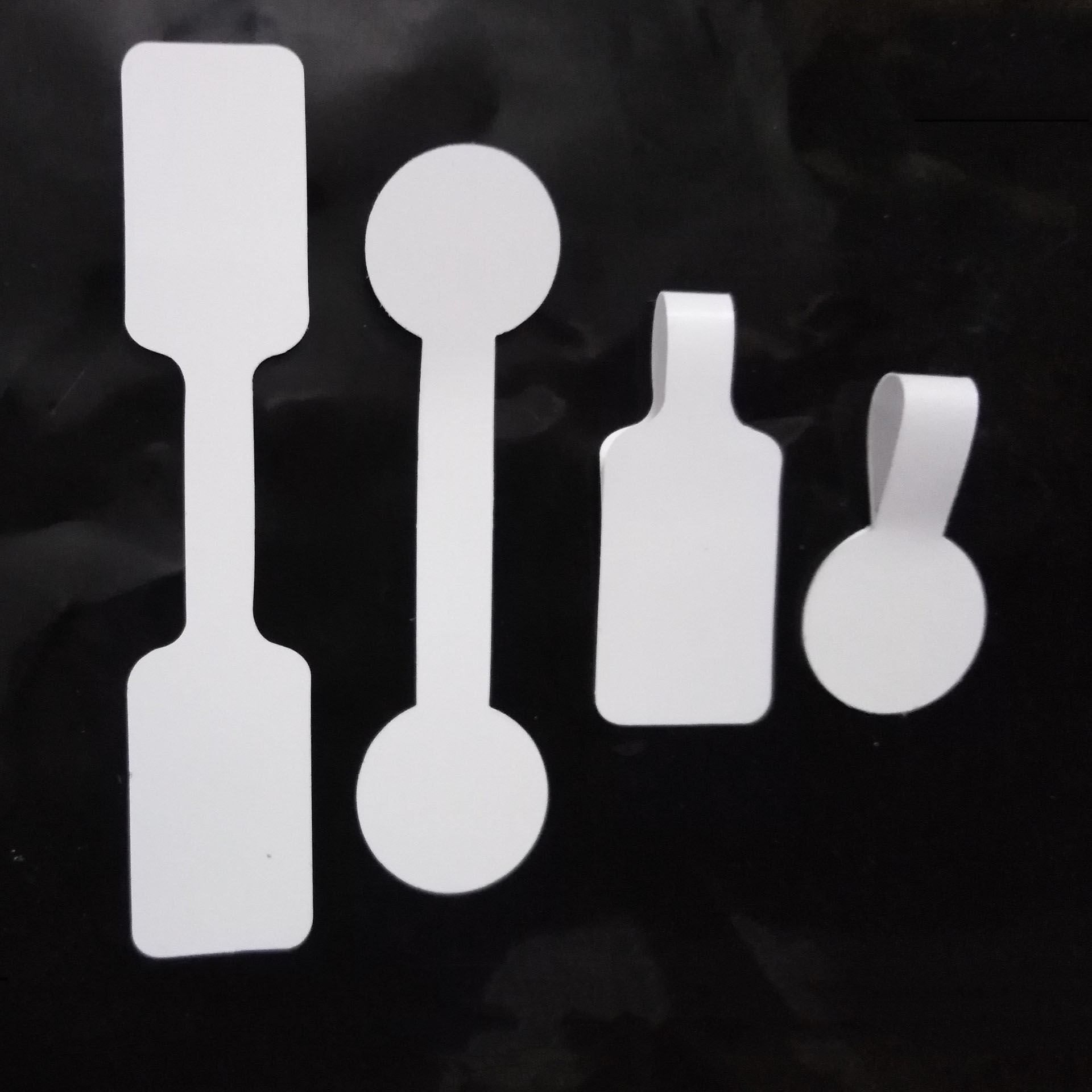
100Pcs Self Adhesive Jewelry Price Tags Barbell Shape Kraft Paper White Stickers For Rings Necklaces Bracelets Labels Tamper Evident Warranty Seal For Retail Shop
$0.72
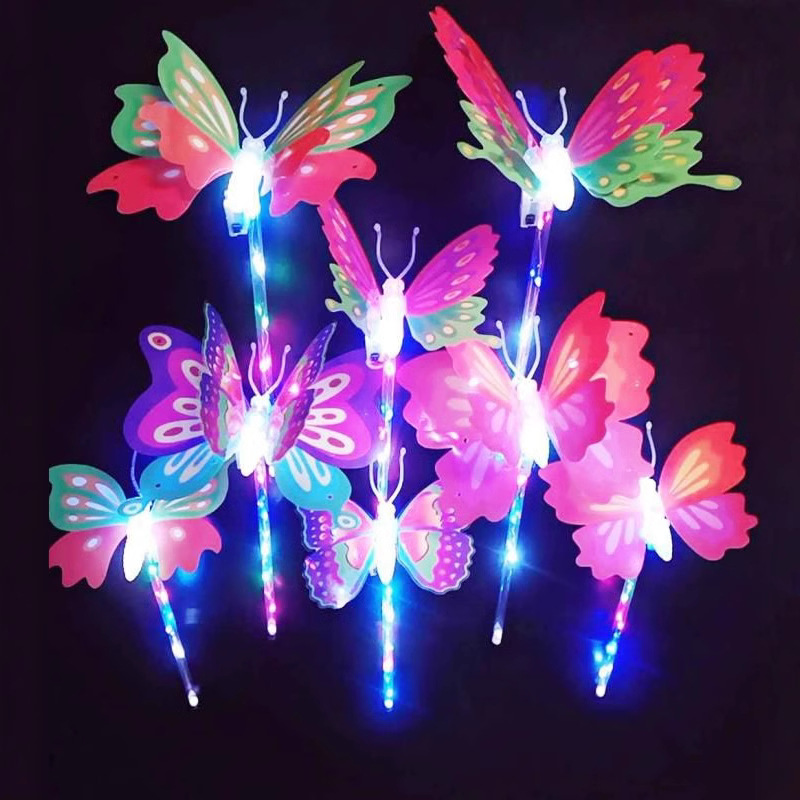
LED Glow Butterfly Fairy Wand Toy Colorful Light Up Star Heart Shape Magic Stick For Kids Birthday Party Concert Festival Night Market Decoration
$0.37
Bundles That Mitigate Price Change Risk
Bundling products reduces the impact of a single price increase by spreading margin across multiple items. Each bundle below uses at least two products from the catalog and is priced to deliver a blended margin above 55%.
Pet Care Starter Bundle
A flea market vendor wants to test pet grooming tools without relying on a single supplier. This bundle covers cleaning and prevention.
- Pet Flea Comb Stainless Steelhero
- Electric Pet Flea Remover Combupsell
- Portable Ultrasonic Pet Pest Repellercomplement
Bundle at $4.50 (wholesale cost $2.39) vs individual purchase total $3.97—yields 47% margin, down from 60% on singles, but increases average order value and reduces inventory risk.
Price Tagging Bundle for Jewelry Resellers
A Shopify store owner selling handmade jewelry needs to label items for a flea market booth. This bundle covers multiple tag styles.
- 500pcs Blank Jewelry Price Tags with White Cotton Stringhero
- 100Pcs Self Adhesive Jewelry Price Tags Barbell Shapeupsell
- Jewelry Ring Price Tags Self-Adhesive Kraft Papercomplement
Bundle at $5.00 (wholesale cost $4.15) vs individual $5.18—saves $0.18 and standardizes labeling across 600+ units, reducing per-tag cost to $0.0083.
Display & Organizer Combo
A pop-up stall operator needs to showcase rings and necklaces attractively. This bundle uses stands and trays to elevate presentation.
- Bamboo Wood Necklace Display Standhero
- Bamboo Wood Round Jewelry Ring Display Traycomplement
- 100PCS Plastic Ring Display Stand Blue C-Shapeupsell
Bundle at $5.50 (wholesale $4.52) vs individual $4.52—no discount, but the curation saves time and ensures cohesive display, allowing a 100% retail markup vs 70% individually.