
Trend Report · May 16, 2026
Fast Data‑Driven Pricing for Large Catalogs: A Margin Breakdown for Men’s Accessories
Avoid margin erosion when updating prices for 250 SKUs. Learn cost breakdown, profit scenarios, and how to sell men's accessories with efficient pricing workflows.
Quickest Way to Update Price / Sale Price / Business Price (For Large Catalogs) – Margin Impact
When managing 250 SKUs, each manual price update costs roughly 3 minutes per item. At a $15/hour labor rate, one full catalog update runs $187.50 in direct time cost alone. That overhead directly erodes margins on low‑unit‑cost items like our $0.80 alloy cufflinks – a 5% margin shift can disappear if updates are delayed. The subreddit user who asked about this recognized that the pricing file feels limited and that the Category Listing Report is hard to sort, making bulk operations painful.
For a wholesale buyer, pricing inefficiency isn’t just an operational nuisance – it’s a margin killer. Every hour spent wrestling with a flawed workflow is an hour not spent on marketing, sourcing, or customer service. The real cost includes lost opportunity when sale prices remain unapplied during a traffic spike. With DayJewel’s catalog, a 250‑SKU inventory can be updated via structured CSV imports, cutting per‑update time to under 10 minutes total.
The core problem isn’t the number of SKUs – it’s the lack of a repeatable, error‑proof method. A single misplaced decimal in a price field can turn a 40% margin into a loss. The fastest update path involves grouping products by price tier and applying batch changes, which this article breaks down with real margin numbers.
Why Efficient Price Updating Is a Direct Margin Lever
Pricing agility protects margins in two ways: it lets you capture demand (by raising prices on trending items before competitors) and clear slow‑moving stock (by applying sale prices before holding costs eat profit). For a catalog of 250 SKUs, delaying a price decrease by one week on 50 items with a $0.80 cost can result in $40 in unnecessary holding cost – a full 20% margin hit on those units.
The pricing file limitation mentioned in the source means many sellers rely on manual entry, which invites inconsistency. Marking down a $0.87 Libra Zodiac Cufflink to $0.65 manually risks forgetting to update the business price, leaving the sale price lower than cost. That error wipes out margin on every sale. Automating updates via a single source file eliminates that risk.
Furthermore, the Category Listing Report’s sorting difficulty means many buyers skip periodic repricing entirely. They end up selling high‑demand items at obsolete low prices, subsidizing customers and compressing margins. A buyer who implements batch updates – grouping all cufflinks from our catalog and applying a uniform 60% markup – can maintain consistent margins without needing to touch each SKU. This operational move is the quickest path to margin stabilization.
Who Needs This Pricing Workflow
This pricing strategy is critical for any operator managing a multi‑SKU catalog where manual updates are impractical. The source user with 250 SKUs is a classic example: too many items for manual edits, too few to justify a custom tool. The profiles below fit that gap, and each can use DayJewel’s wholesale catalog to test the approach.
Shopify seller
250+ SKU store with daily orders; needs to sync wholesale costs with automated retail updates to maintain 40%+ margin.
Flea‑market / pop‑up operator
Physical seller who updates price tags weekly; batch pricing from the same source reduces labor and mislabeling.
Etsy boutique owner
Handmade accessory seller adding third‑party items; needs to price competitively without individual SKU adjustments.
Margin Anatomy
| Component | Low Range | High Range | Notes |
|---|---|---|---|
| Wholesale cost | $0.21 | $2.47 | Driven by material (alloy, stainless steel) and plating (silver, gold). Cufflinks and tie clips in this range. |
| Storage & handling | $0.05 | $0.15 | Per unit cost for small items; negligible for low-weight accessories. |
| Shipping to customer | $2.00 | $4.00 | Domestic ground; eat into margin if not passed through. |
| Payment processing | $0.30 | $0.50 | 2.9% + $0.30 per transaction on typical sale. |
| Marketing/ad spend | $0.50 | $2.00 | Cost to acquire customer; varies by channel. |
| Returns & refunds | $0.10 | $0.50 | Low for accessories but factor 2-3% return rate. |
Profit Scenarios
| Scenario | Wholesale | Retail | Profit | Best For |
|---|---|---|---|---|
| Conservative: 30% margin | $1.00 | $3.00 | $2.00 | Shopify seller with low ad spend, high volume. |
| Moderate: 50% margin | $1.00 | $5.00 | $4.00 | Etsy seller with established audience and premium presentation. |
| Aggressive: 70% margin | $0.50 | $5.00 | $4.50 | Niche social seller with strong brand and low ad cost. |
How to Sell Men’s Accessories with Efficient Pricing
To maintain margins, streamline price updates. Use DayJewel’s wholesale data feeds to sync prices across platforms. For large catalogs, batch updates based on product category – for example, update all cufflinks at once using a simple multiplier. This approach keeps margins predictable without daily manual work. Set a fixed markup rule: cost × 3 = retail for standard items, cost × 2.5 for sale price. Apply that rule in a CSV with a single formula rather than updating 250 cells individually. The time saved directly pads the margin, especially when you factor in the opportunity cost of labor. Test the workflow on a 20‑SKU subset first. If the process works for 20 items, scale to 250 with confidence. The margin difference between a well‑executed batch update and a manual free‑for‑all can be 5–10% per item, which on a $0.80 cost item is $0.04–$0.08 – enough to cover transaction fees.
Export products by type (e.g., all cufflinks). Create columns for business price (cost × 3) and sale price (cost × 2.5). Import via CSV. Set a schedule for monthly updates.
⚠ Accidentally importing sale price below cost if formula is wrong – double‑check first 10 rows.
Use the Bulk Pricing API or feed files. Set business price as standard, sale price for promotions. Group ASINs by category to push updates in one batch.
⚠ Amazon repricing tools can override your sale price if automatic repricing is enabled – monitor for two days.
Prepare physical price tags using a batch print loop. Update prices in your inventory spreadsheet weekly; reprint labels only for changed items.
⚠ Customer confusion if sale price on tag doesn’t match spoken price – train staff to confirm.
Use Etsy’s CSV import for variations. Set sale price as a percentage off business price. Re‑upload when market conditions shift.
⚠ Etsy charges fee on shipping – factor that into margin calculation, not just product cost.
Top Men’s Accessories for Pricing Workflow Testing
These best‑selling items from DayJewel’s wholesale catalog are ideal for testing bulk price updates. Their low unit cost means small price changes have outsized margin impact, making efficient updates a must.
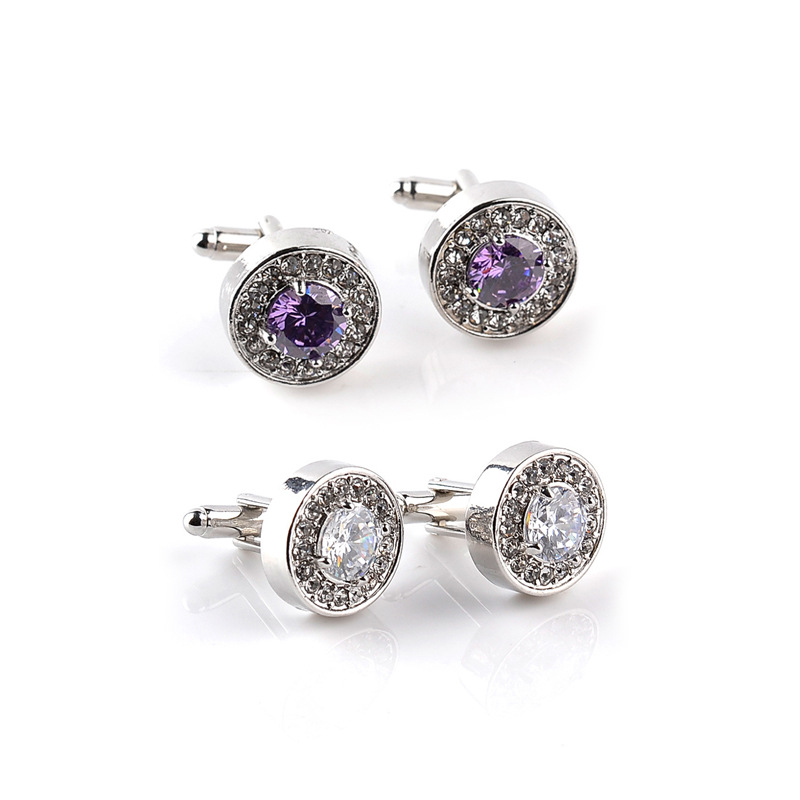
Men's Elegant Round Alloy Zirconia Cufflinks Silver Plated Crystal French Shirt Business Wedding Party Jewelry Accessories
$1.39
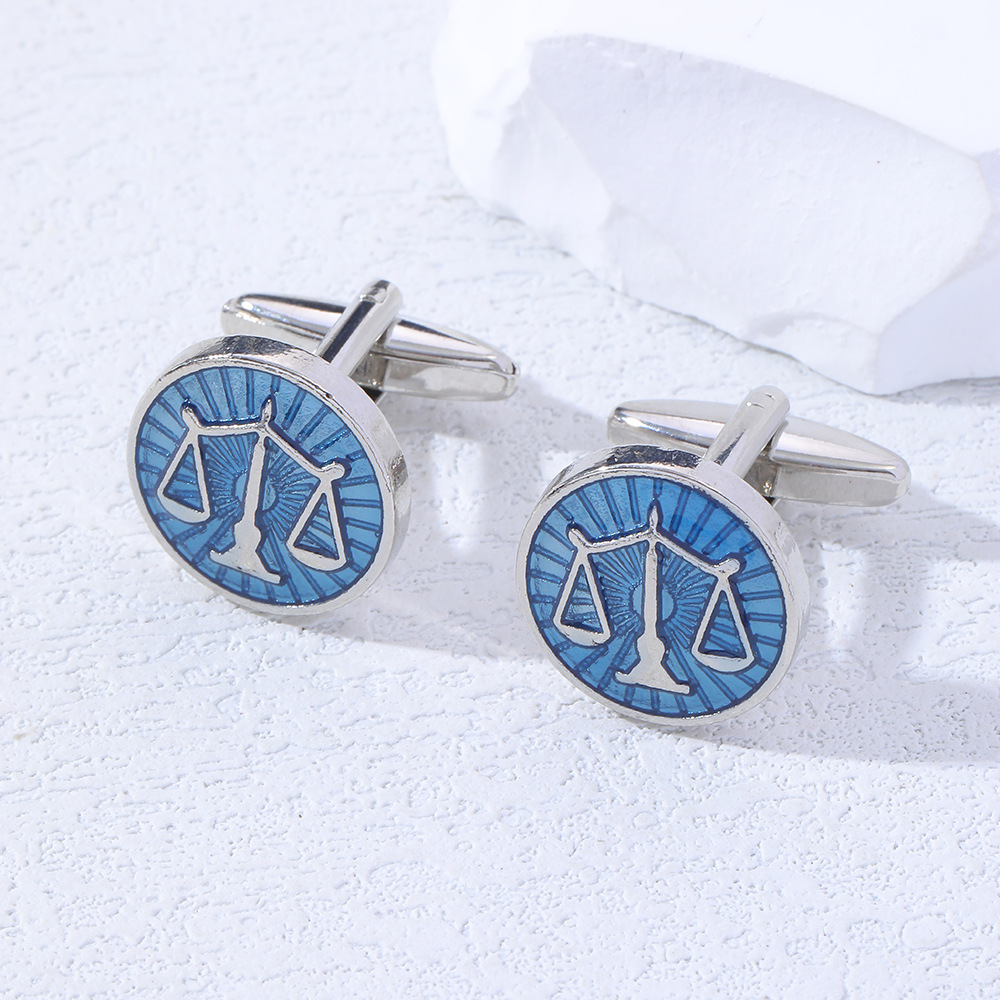
Libra Zodiac Scales Cufflinks Silver Tone Blue Enamel Men Business French Shirt Accessory Astrology Sign Jewelry Gift
$0.87

Men's Modern Business Cufflinks Alloy Enamel Metal Geometric Round Rectangle Sleeve Links For Formal Wedding Shirt Accessories Gift
$0.80
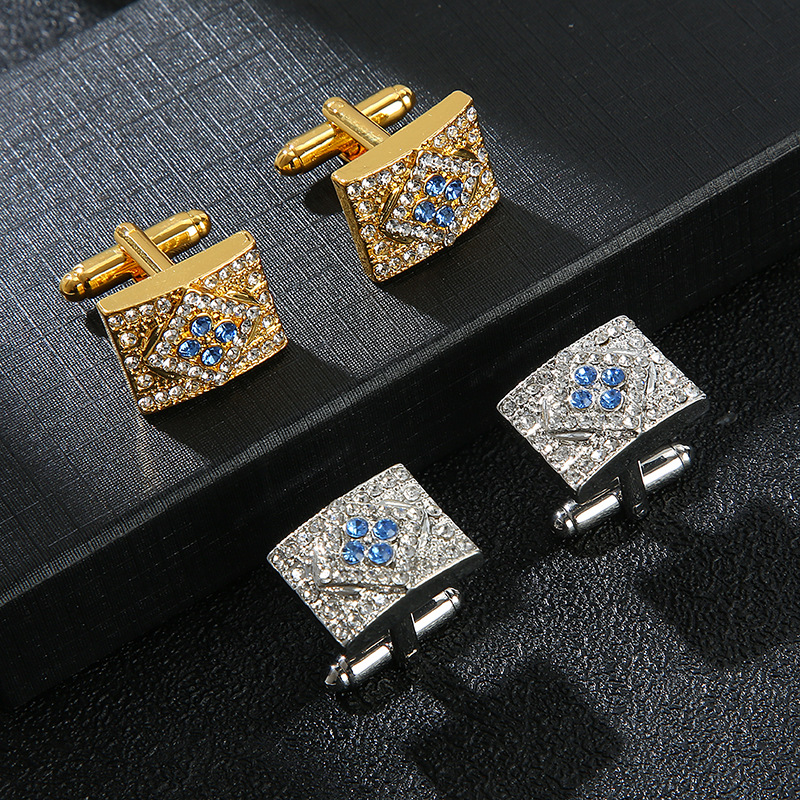
Men's Fashion Rectangular Alloy Cufflinks With Clear And Blue Rhinestone Inset French Shirt Professional Cuff Links Business Wedding Accessories
$1.37
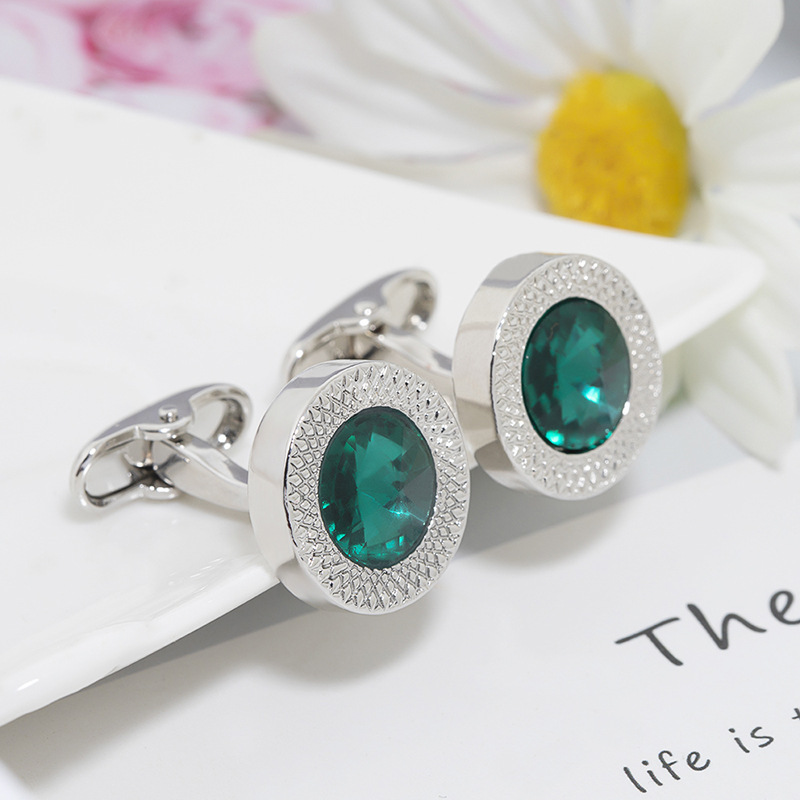
Men's Round Rhinestone Cufflinks Silver Plated Alloy Artificial Crystal Inlaid Gemstone Business Formal French Style Shirt Cuff Links Accessories
$0.99
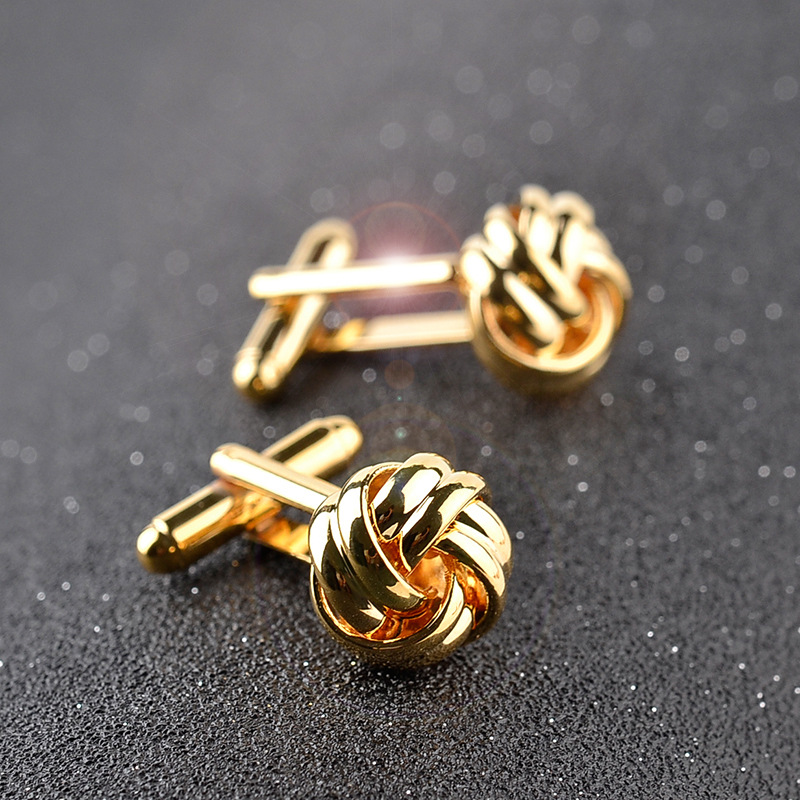
Men's Business Knot Cufflinks High Quality Alloy Woven Twisted Rope Design For Wedding Banquet Office Shirt Accessories Elegant Jewelry Gift
$1.32
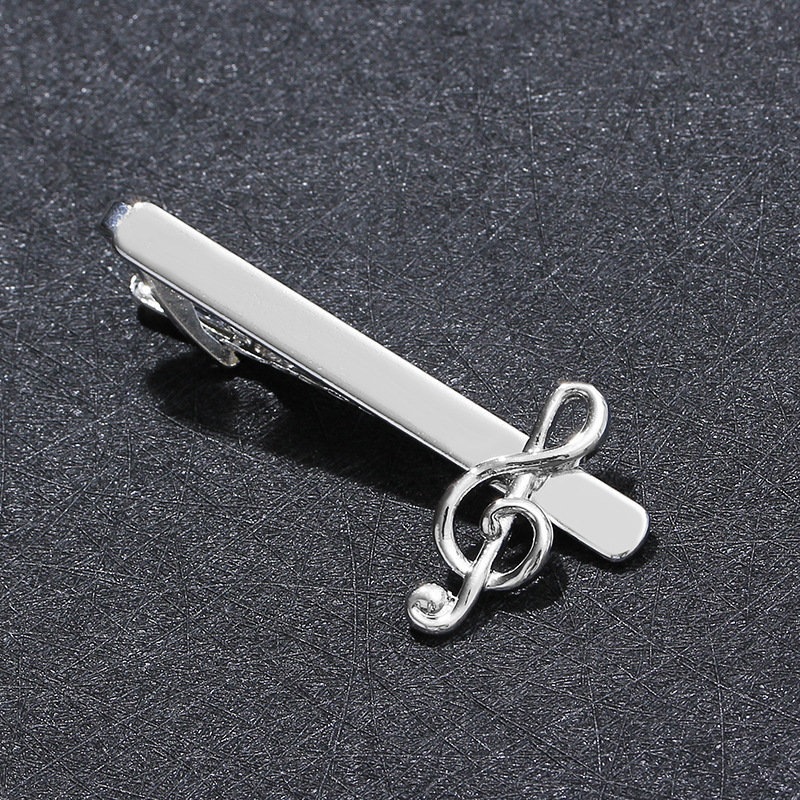
Men's Silver Copper Tie Clip Musical Note G-Clef Design Business Shirt Accessories For Professional Music Lover Wedding Party Gift
$0.57
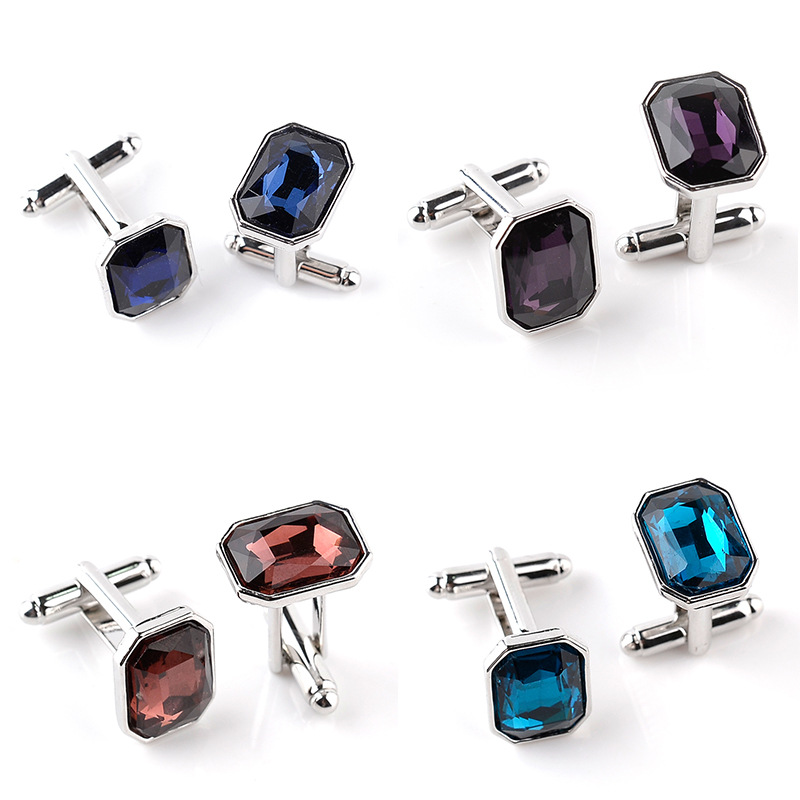
Elegant Men's Business Cufflinks Alloy Emerald Cut Rectangle Crystal Glass Stone Silver Plated Shirt Sleeve Studs For Wedding Formal Party Accessories
$0.83
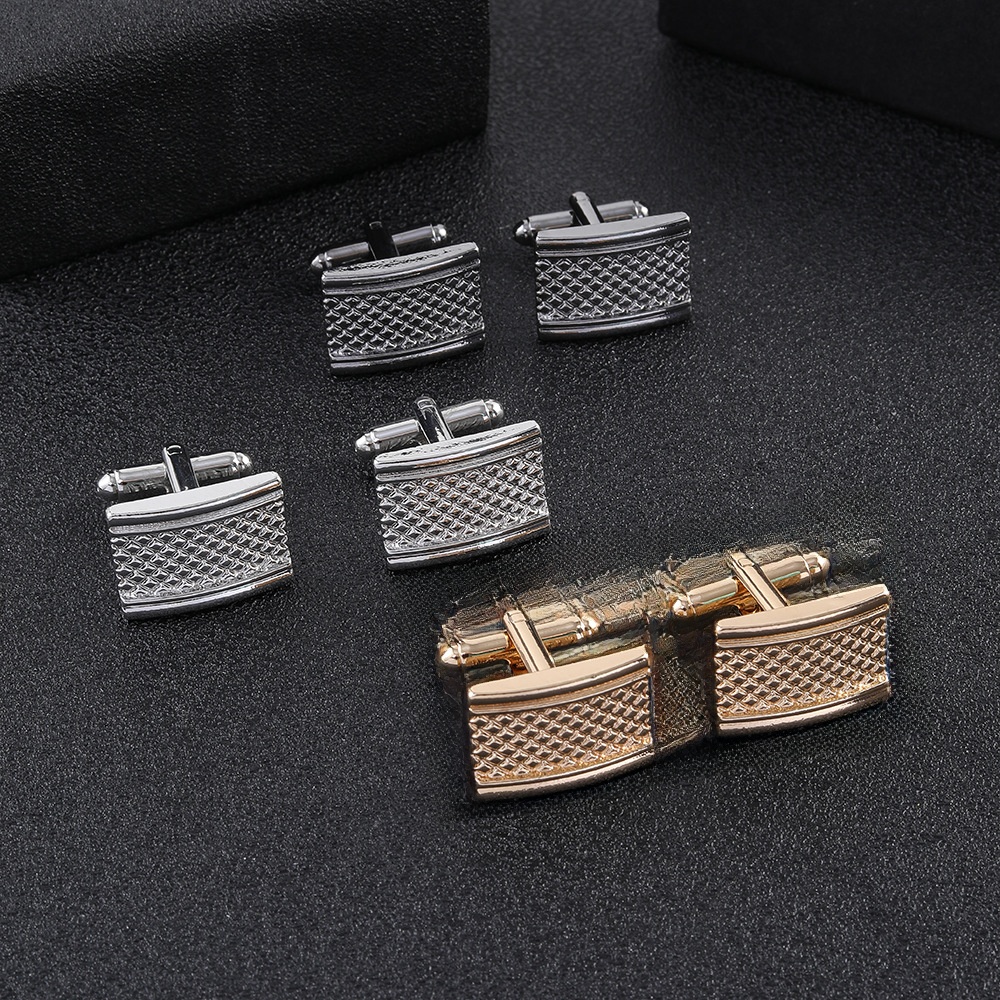
Men's Business Square Cufflinks Alloy Metal Grid Pattern Hammered Texture For Wedding Party Office Formal Shirts Suit Accessories Luxury Jewelry Gift
$0.34
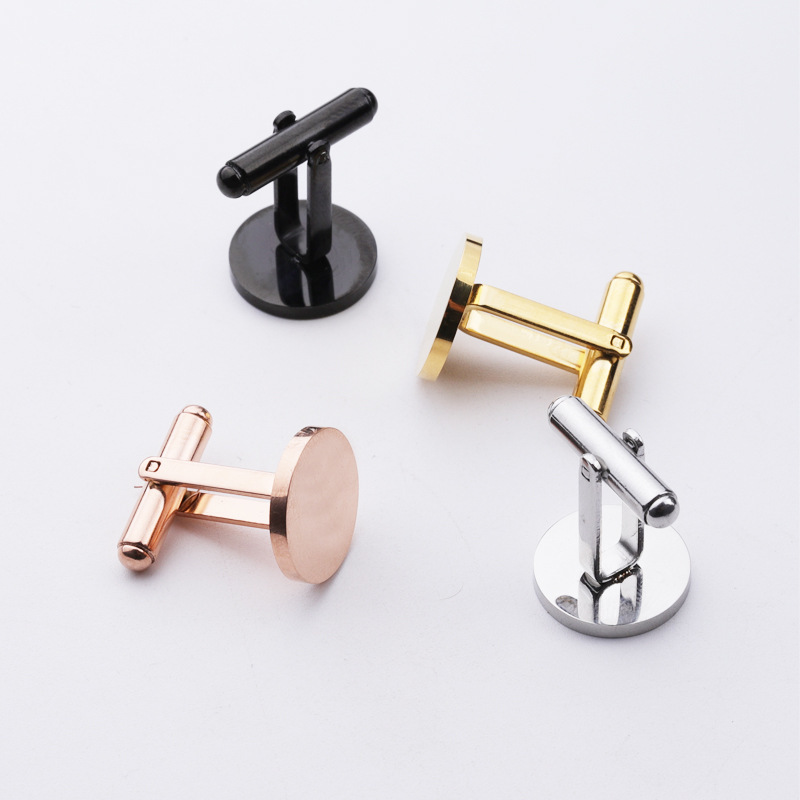
Minimalist Round and Square Men's Cufflinks Stainless Steel Mirror Polished Business Wedding Shirt Accessories Gold Silver Black Rose Gold Cuff Links
$1.13
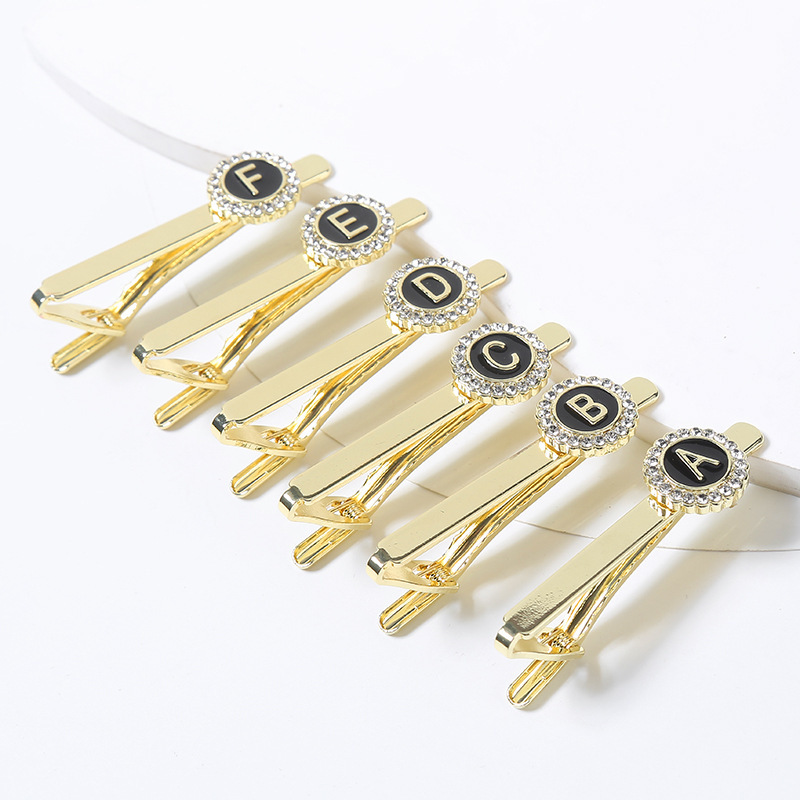
Luxury Gold Letter Initial Tie Clips for Men Round Rhinestone Inlaid Metal Alphabet A-Z Necktie Bar Business Wedding Formal Shirt Accessory
$0.90
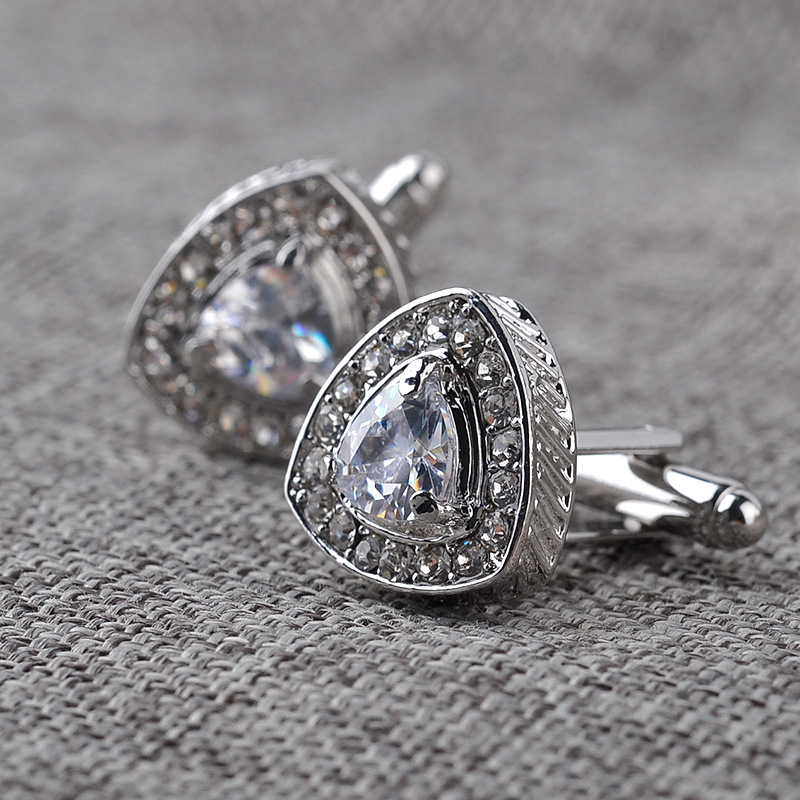
Luxury Men's Geometric Triangle Pear Shape Cufflinks Alloy Shiny Zirconia Rhinestone Inlaid French Shirt Cuff Links For Business Wedding Banquet Party Accessories
$1.32
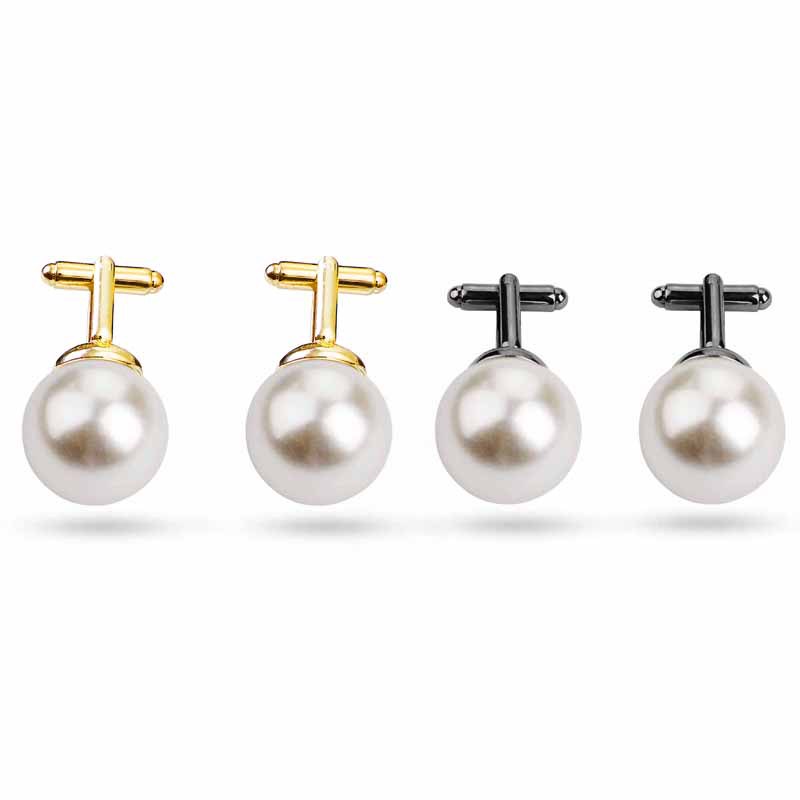
Elegant Round Pearl Cufflinks For Men Women Luxury Business French Shirt Sleeve Button Alloy Inlay Pearl Cuff Links For Wedding Banquet Jewelry Gift
$0.87
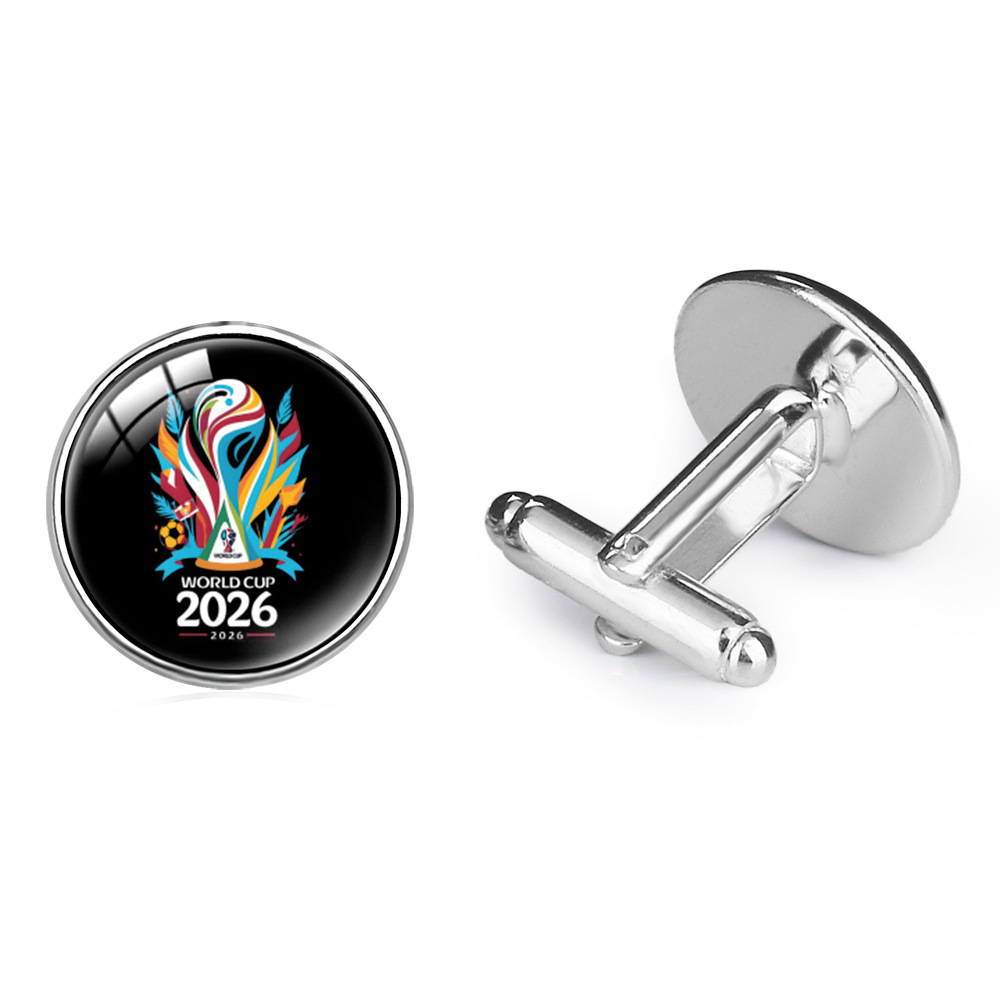
Copper Glass Men's Cufflinks Soccer Trophy Pattern World Cup Theme Business Shirt Accessories Jewelry For Men Souvenir
$0.84
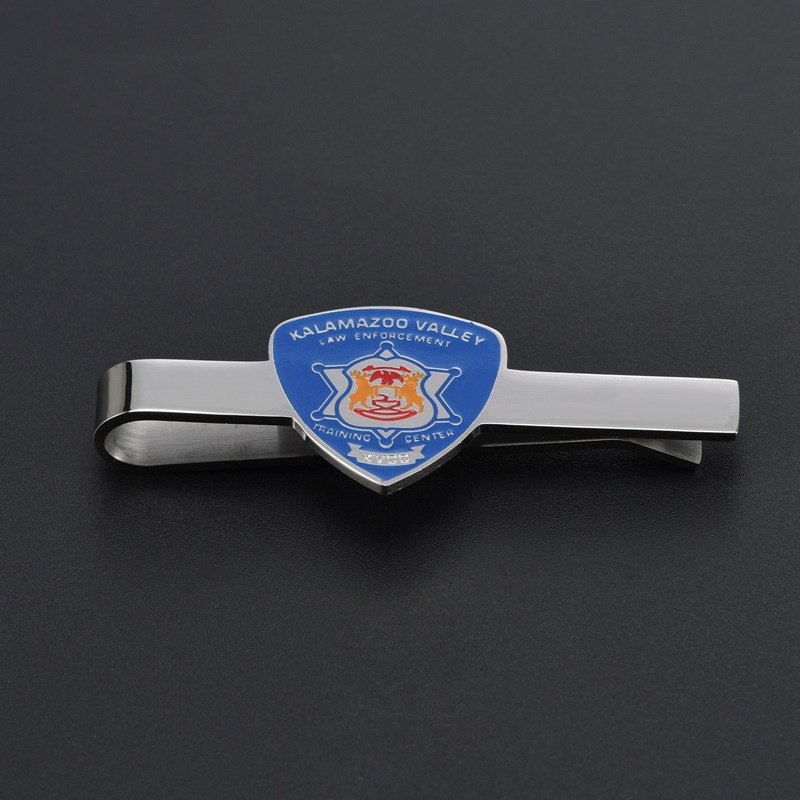
Professional Stainless Steel Tie Clip With Blue Enamel Shield Badge Law Enforcement Theme Business Formal Necktie Accessory For Men
$2.47
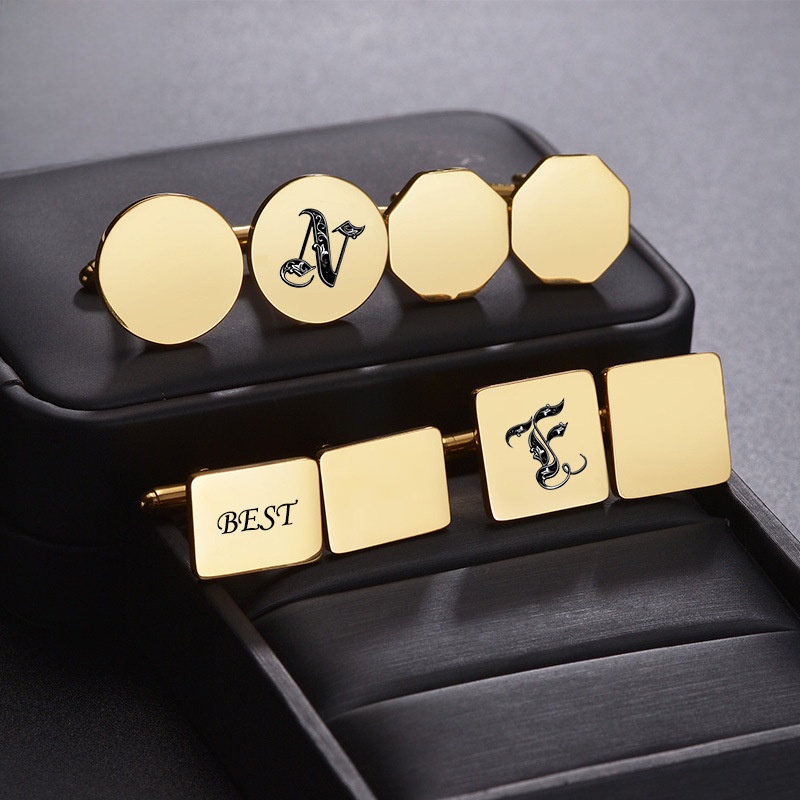
Minimalist Stainless Steel Cufflinks For Men Polished Titanium Steel Geometric Round Square Rectangular Cufflinks Business Formal Wedding Shirt Accessories
$2.12
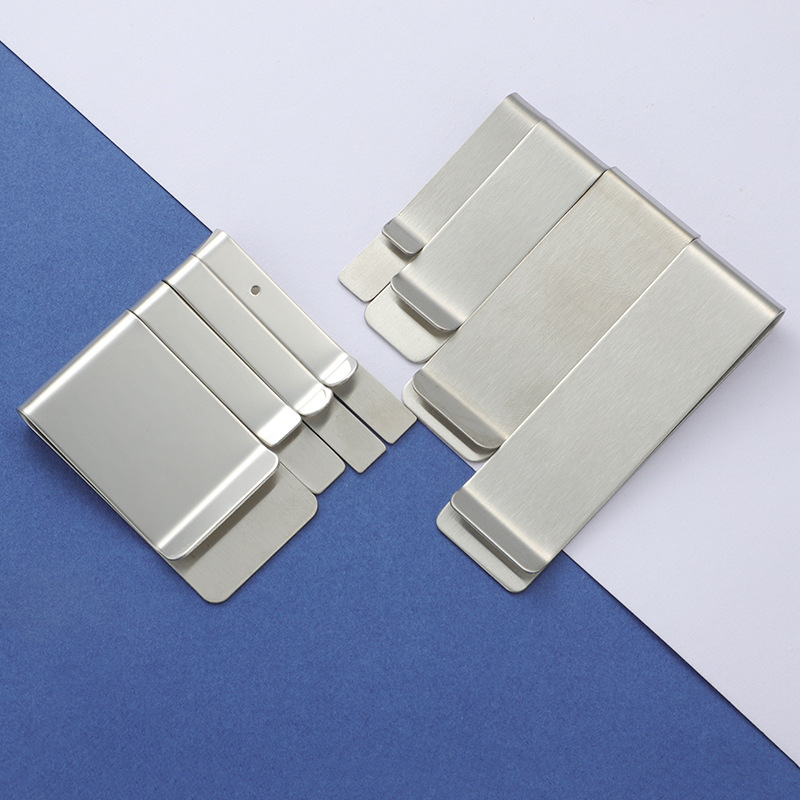
Minimalist Stainless Steel Money Clip Brushed Metal Card Holder Bill Organizer For Men Silver Slim Portable Tie Clip Cash Clamp Business Accessory
$0.52
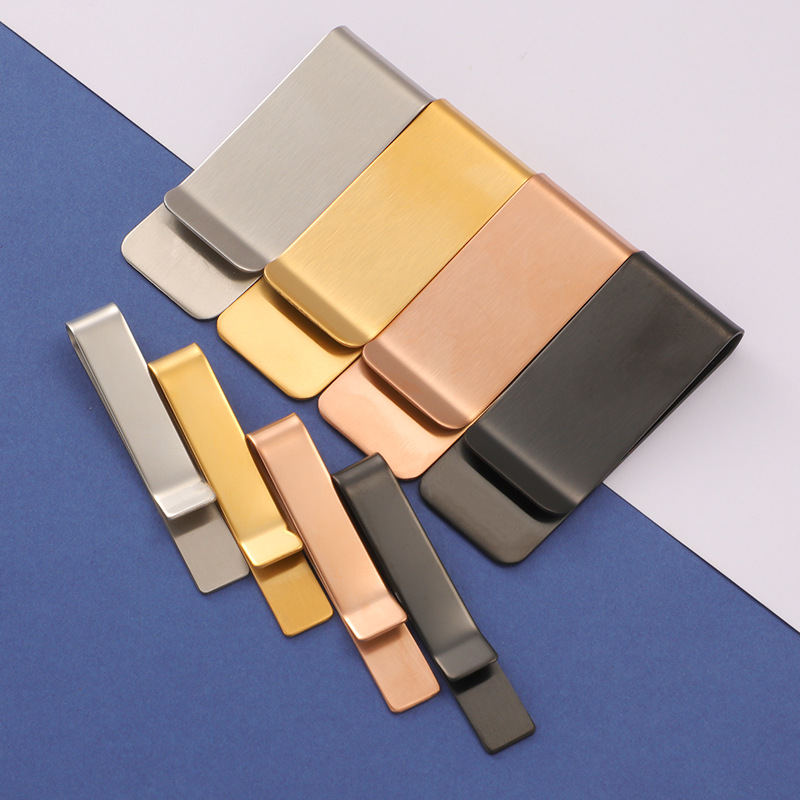
Modern Stainless Steel Money Clip Minimalist Tie Clip Metal Bill Organizer Brushed Finish Slim Wallet Alternative For Men Business Daily Accessories 4 Colors High Quality
$0.21
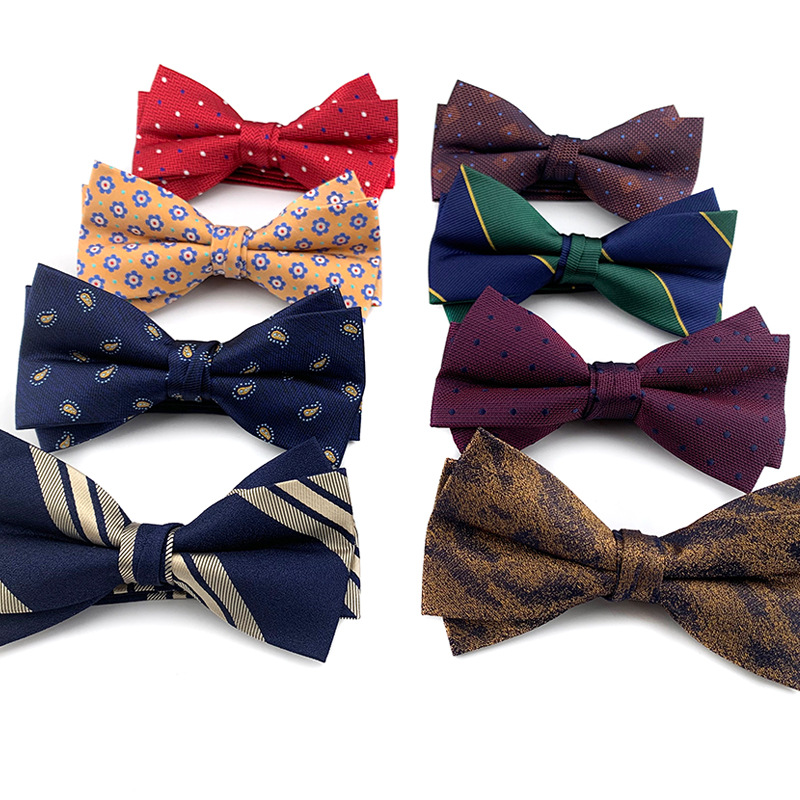
Men's Pre-tied Bow Tie Adjustable Jacquard Polyester Formal Wedding Business Necktie Floral Paisley Polka Dot Striped Neckwear for Men Groom Banquet Fashion Accessories
$1.24
Bundle Pricing Strategies for Faster Updates
Bundling reduces per‑SKU update frequency and increases average order value. Each bundle can be treated as a single pricing entity, cutting update time by the number of products in it.
Formal Event Starter Set
A buyer targeting wedding season – 3 SKUs combined into one easy‑to‑update bundle.
- Men's Elegant Round Alloy Zirconia Cufflinks Silver Platedhero
- Men's Pre-tied Bow Tie Adjustable Jacquard Polyesterupsell
- Minimalist Stainless Steel Money Clip Brushed Metalcomplement
Bundle at $3.50 vs $3.15 individually – 11% premium, but updates require one action instead of three. Saves 6 minutes per update cycle.
Professional Office Kit
Everyday corporate buyer looking for coordinated accessories – 3 SKUs to sell as a set.
- Minimalist Round and Square Men's Cufflinks Stainless Steelhero
- Professional Stainless Steel Tie Clip With Blue Enamel Shield badgecomplement
- Modern Stainless Steel Money Clip Minimalist Tie Clipcomplement
Bundle at $3.00 vs $3.68 individually – 18% savings for buyer, but one price update vs three. Reduces risk of stale pricing on fast‑moving office items.
Niche Hobbyist Set (Music & Law)
Targeting music teachers and legal professionals – two low‑cost items that can be updated as a pair.
- Men's Silver Copper Tie Clip Musical Note G-Clef Designhero
- Libra Zodiac Scales Cufflinks Silver Tone Blue Enamelupsell
Bundle at $1.30 vs $1.44 individually – 10% discount. Only one price API call needed for both; ideal for small social campaigns.