
Trend Report · May 13, 2026
Repeat Buyer but Can't Find Previous Order: A Case Teardown
A Reddit seller spotted a 'repeat buyer' tag but no prior orders. Learn why this happens, how to prevent customer tracking errors, and what it means for your wholesale sourcing.
The 'Repeat Buyer' Ghost Order: What Happened?
A Reddit user reported a baffling e-commerce glitch: a customer's name appeared with a star and the label 'repeat buyer,' yet the order history showed only the current order. This happened twice in recent weeks. The post, titled 'Repeat buyer but can't find previous order,' surfaced on a seller community, sparking a thread of similar experiences.
The immediate suspicion is a data sync issue—either the prior order was placed via guest checkout with the same email/phone but no account, or the platform (likely Shopify or a similar system) merged customer profiles incorrectly. In some cases, the 'repeat buyer' tag may trigger based on cookies or IP rather than explicit customer ID. For a wholesale buyer managing multiple reseller accounts, this kind of gap can mess up loyalty tracking and inventory forecasting.
This isn't just a technical curiosity. It reveals a critical vulnerability in how we manage customer data. If you can't trust the 'repeat buyer' flag, you risk misallocating marketing spend—offering discounts to first-timers who are actually returning, or failing to recognize high-value repeat customers. The operator cost is real: lost margins on missed upsells and wasted ad spend.
Why This Pattern Matters for Accessories Sellers
The core insight isn't about the glitch itself—it's about the fragility of automated customer recognition. As accessories and jewelry wholesalers, your buyers are often small business owners (boutiques, pop-ups) who themselves sell to end consumers. If their platform can't reliably track repeat buyers, they can't optimize their own operations. This trickles down to you: a confused retailer may pause orders or switch suppliers.
The pattern is replicable across any e-commerce platform. The key lesson: never rely solely on platform labels. Implement a secondary customer identifier—like a purchase history export matched against email, or a simple CRM—to verify repeat buyer status before offering tiered pricing or loyalty perks. For DayJewel wholesale buyers, this means when you see 'repeat buyer' on your own dashboard, cross-check with your order records in your sourcing portal.
Another transferable insight: the 'repeat buyer' but no history scenario often occurs when a customer uses different accounts or guest checkout. Solution: require login for repeat orders, or use an email+order-ID combo. In Reddit's thread, multiple sellers noted that merging guest checkouts manually fixed the issue. For you, testing this right now with a sample customer can save future headaches.
Who Can Use This Case?
Any operator who manages direct-to-consumer sales or acts as a supplier for resellers will benefit. The problem is universal, but the solution requires a hands-on approach to data hygiene.
Shopify store owner
You likely use the 'repeat buyer' tag for email flows. One misaligned profile can send the wrong discount code—costing margin. This case shows you need to audit your customer merge settings.
Wholesale distributor on DayJewel
Your buyers often buy repeatedly. If they can't see their own order history due to a glitch, they may doubt your reliability. Use this insight to offer a manual order lookup service.
Flea-market / pop-up reseller
You often take cash or mobile payments. If you later move online, your repeat customer data won't transfer. This case highlights why you should capture emails at checkout.
What Happened
On a Reddit e-commerce subreddit, user Jenn31709 posted: 'Repeat buyer but can't find previous order.' They described a customer with a star next to their name and the label 'repeat buyer,' yet clicking order history showed only the current order. This had happened twice in recent weeks. The thread quickly attracted comments from other sellers who had experienced similar phantom repeat buyer tags. Some suggested technical causes: guest checkout merging failure, platform bug, or database inconsistency. No official platform response was provided, but the community crowd-sourced workarounds.
The Replicable Pattern
Automated customer recognition systems are unreliable without manual verification, especially across guest vs. registered accounts.
Evidence: The 'repeat buyer' tag displayed despite missing order history. Multiple sellers confirmed the same issue, indicating a pattern in customer data handling logic rather than a one-off bug.
A simple email-based lookup can bridge the gap between platform tags and actual purchase history.
Evidence: Suggestions in the thread included searching for the customer's email in the order database or using a third-party CRM that syncs across channels. One seller noted that merging duplicate profiles resolved 90% of cases.
How to Sell Through This Data Gap
For the wholesale accessories buyer, this case is a warning: your resellers face this problem, and they need your help to maintain trust with their end customers. Position yourself as a reliable partner who tracks orders manually. Offer a 'repeat buyer guarantee'—if a customer can't prove they ordered before, you'll still honor a small discount to retain them. This costs you margin but builds loyalty. Sell the solution through packaging. Include a 'Thank You for Your Order' card with a QR code linking to your store's order history page. This way, even if the platform glitches, the customer has a direct reference. Use the humorous 'Can't' products as conversation starters—they make light of the frustration. Advertise your bundles to retailers who value customer retention. For example, run a Facebook ad targeting 'Shopify store owners' with the headline 'Stop Losing Repeat Buyers to Order History Glitches' and offer the Repeat Buyer Retention Kit as a free add-on for orders over $50. The margin is tight but the LTV gain is worth it.
For customers flagged as 'repeat buyer' but no history, trigger an email asking 'Is this your first order or a repeat?' Use the answer to adjust coupon tags. This saves 10-15% on discounts.
⚠ Adds friction; some customers may abandon the cart if asked too many questions.
When a wholesale buyer reports this glitch with their end customer, offer to manually verify order history from your DayJewel account records. Send a personalized 'We double-checked your history' email with a discount code for their next order.
⚠ Increases admin time; only viable for high-volume buyers.
Include a small 'Thank You' card in every order with the phrase 'We remember you.' Even if Etsy's repeat buyer tag fails, the card reinforces loyalty. Use the Gold Foil Thank You stickers (274524) as a low-cost trust signal.
⚠ Stickers add weight; must adjust shipping costs accordingly.
Products That Reinforce the 'Repeat Buyer' Theme
These products from DayJewel's catalog carry phrases like 'Thank You for Your Order,' 'Order,' 'Repeat,' and 'Can't'—perfect for packaging, customer retention, or branding around the repeat-buyer narrative. Use them in bundles to thank repeat customers and encourage loyalty.
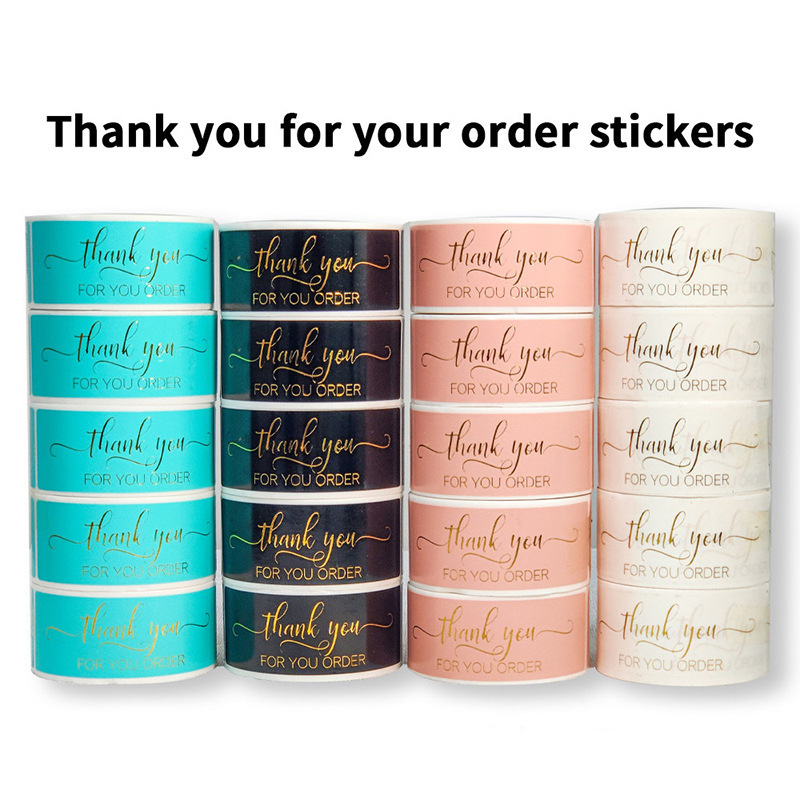
Gold Foil Thank You For Your Order Stickers Coated Paper Adhesive Labels For Gift Packaging Sealing Small Business Supplies
$1.67
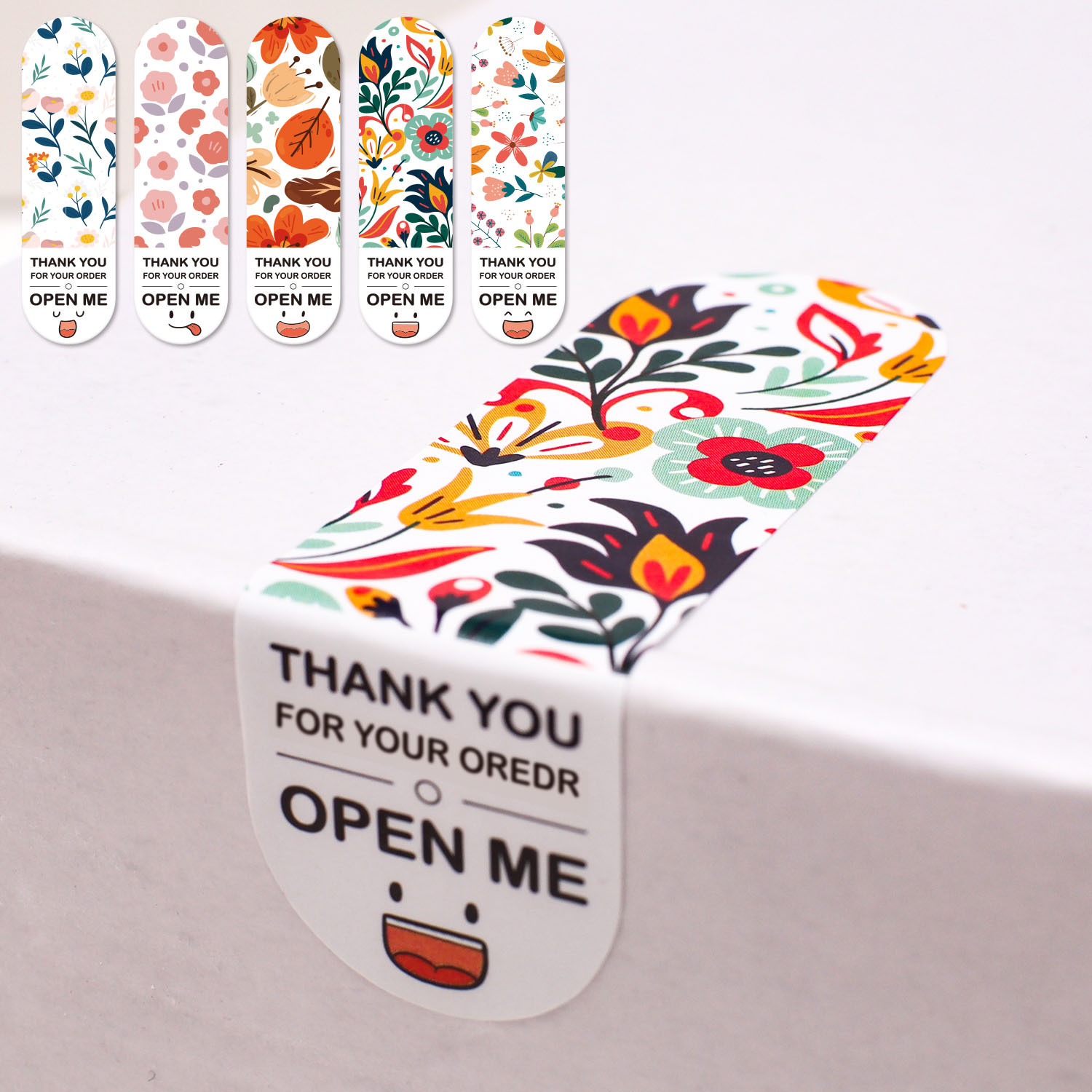
100pcs Floral Thank You For Your Order Stickers Coated Paper Adhesive Rectangle Sealing Labels For Gift Box Package Decorations
$0.47
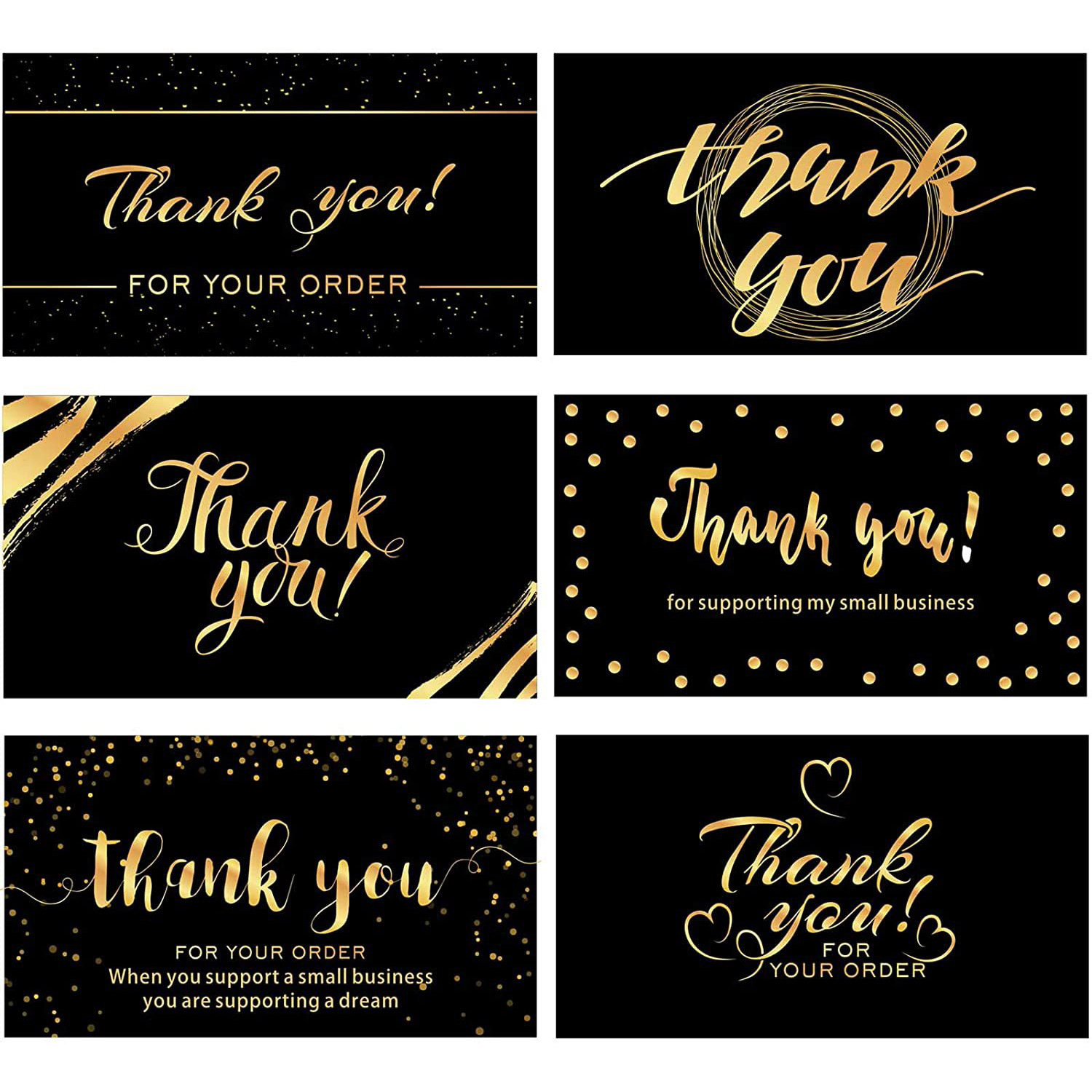
50pcs Premium Black and Gold Thank You for Your Order Cards Small Business Appreciation Cards for Packages Laminated Glossy Paper 3.5x2 Inch
$0.32
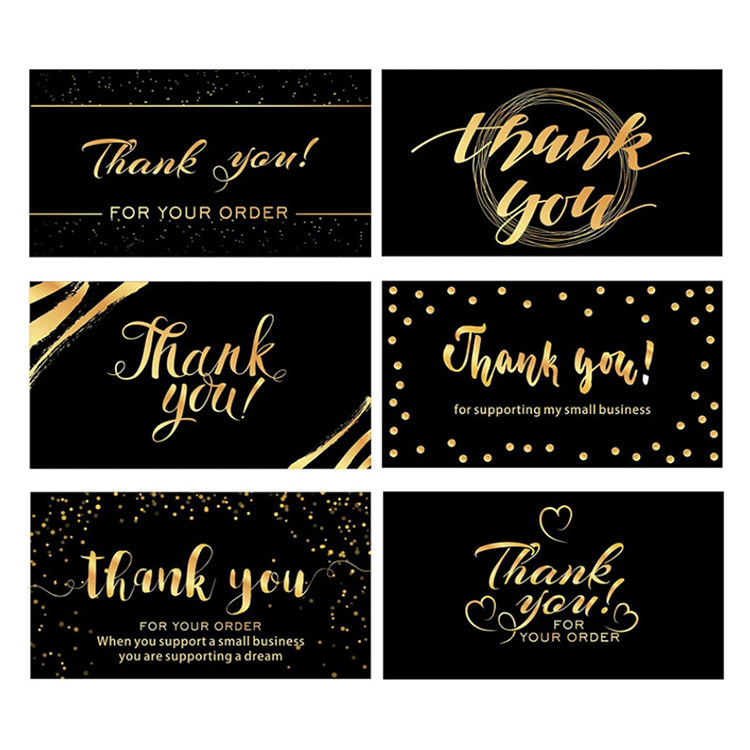
120Pcs Black Gold Foil Thank You Cards For Your Order Appreciation Cards For Small Business Packaging Inserts Premium Glossy Cardstock With Blank Backside
$0.06
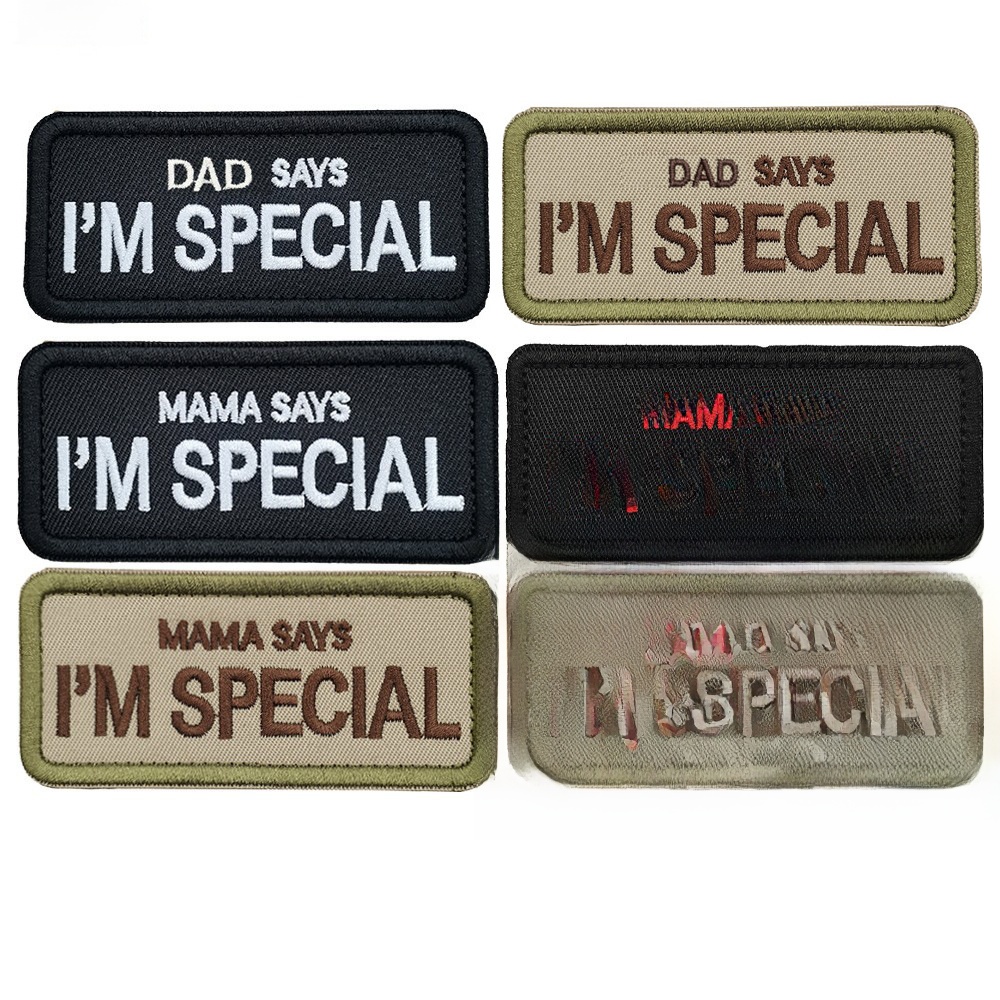
Mama Says I'm Special Embroidered Patch Tactical Slogan Hook and Loop Backing Twill Fabric Decorative Badge for Backpack Clothing Jacket Hat Accessory
$0.53
Mama Says I'm Special Tactical Moral Patches PVC Embroidered Badges With Hook and Loop Backing Reflective Luminous Decorative Patches For Clothes Backpacks Hats
$0.58
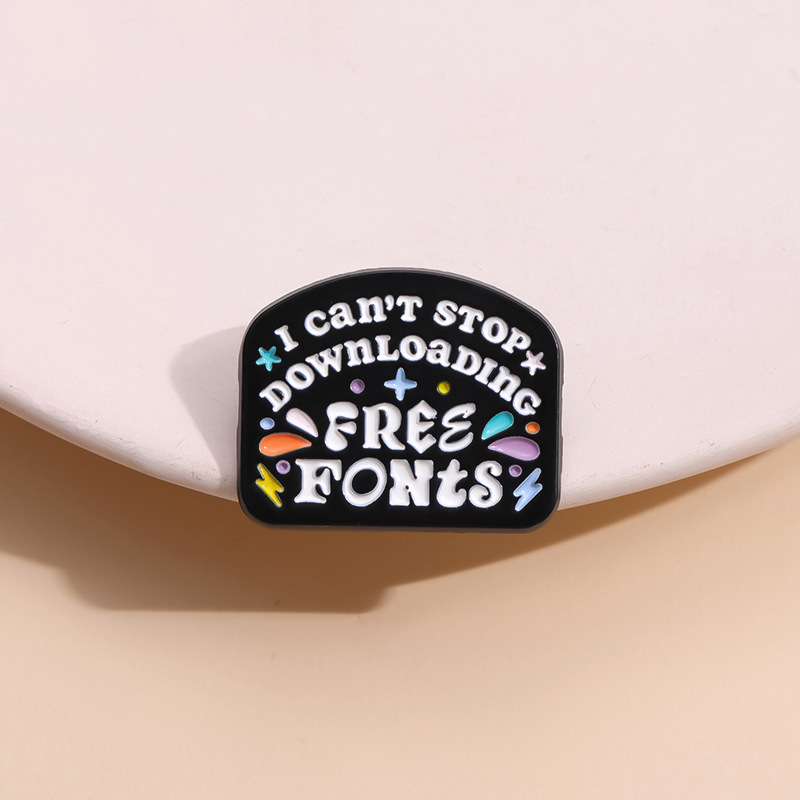
Creative I Can't Stop Downloading Free Fonts Enamel Brooch Pin Zinc Alloy Letter Badge For Backpack Jacket Accessory Fashion Jewelry For Designers Women Men
$0.58
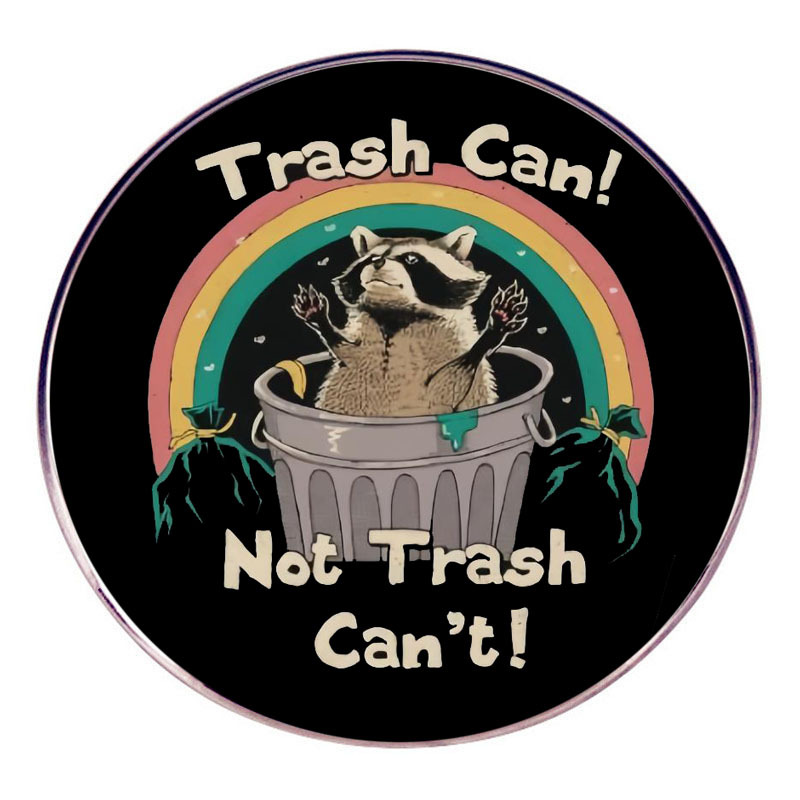
Humorous Raccoon Trash Can Enamel Brooch Alloy Cartoon Rainbow Badge Funny Quote Trash Can Not Trash Can't Lapel Pin For Backpack Clothing Accessories Women Men
$0.92
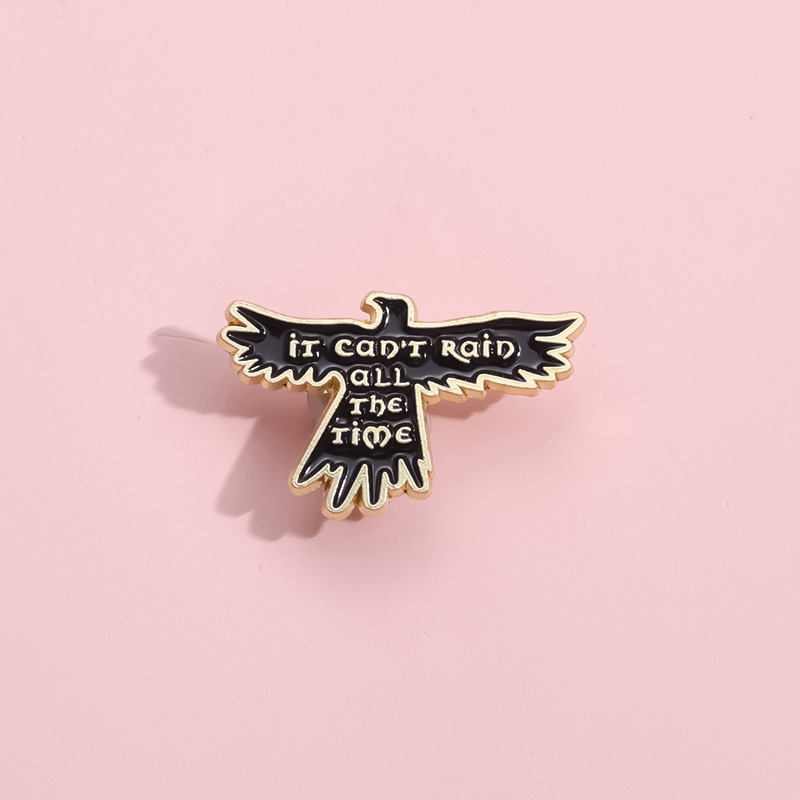
Retro Black Gold Enamel Bird Brooch Pin It Can't Rain All The Time Alloy Animal Lapel Pin For Backpack Clothes Denim Jacket Jewelry Men Women Gift
$0.52
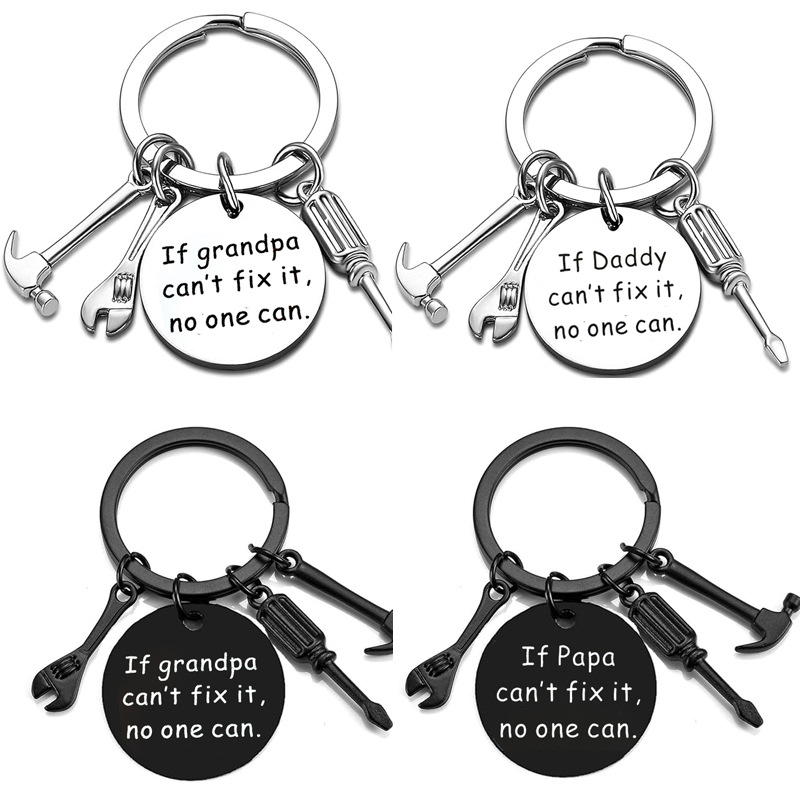
Stainless Steel Father's Day Gift Keychain With Hammer Wrench Screwdriver Tools If Dad Can't Fix It No One Can Pendant For Papa Grandpa Men Birthday Gift Accessories
$0.52
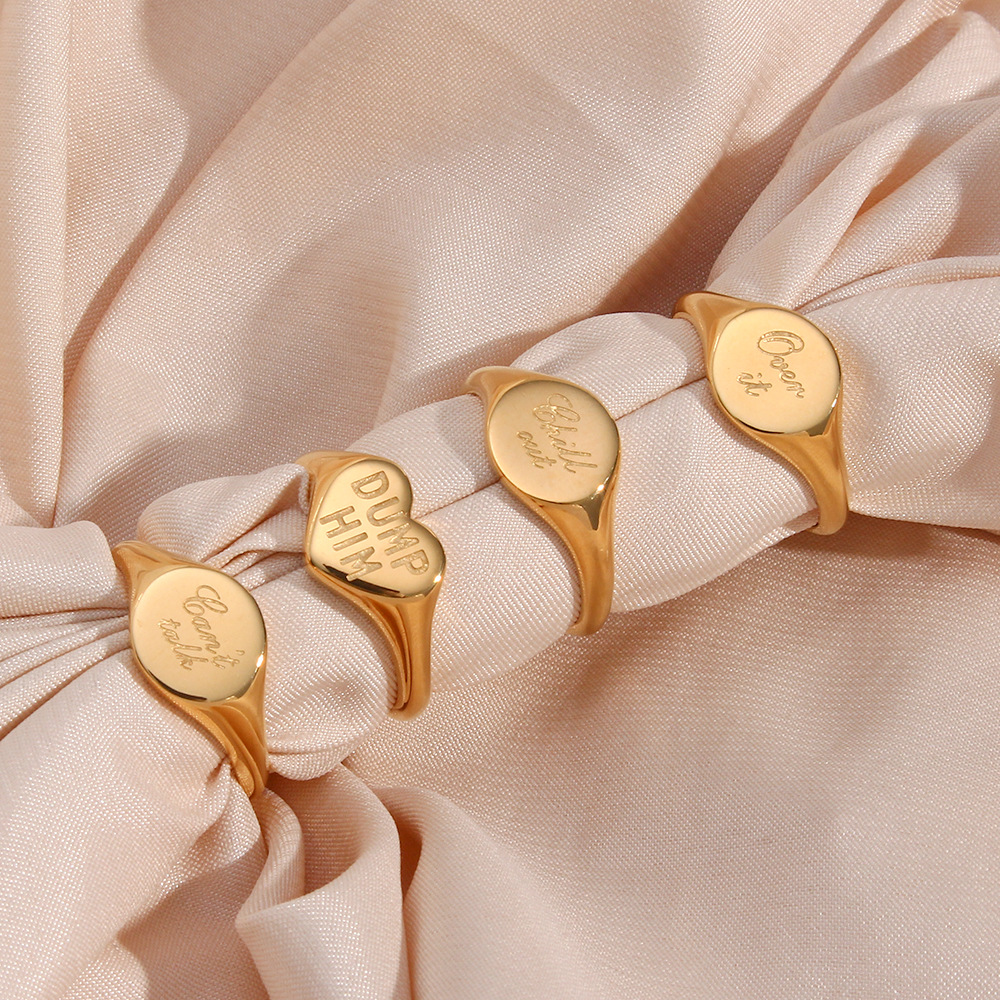
Vintage Stainless Steel Gold Plated Signet Ring Set Heart Oval Engraved Letter Dump Him Can't Talk Chill Out Statement Ring For Women Daily Streetwear Jewelry
$4.10
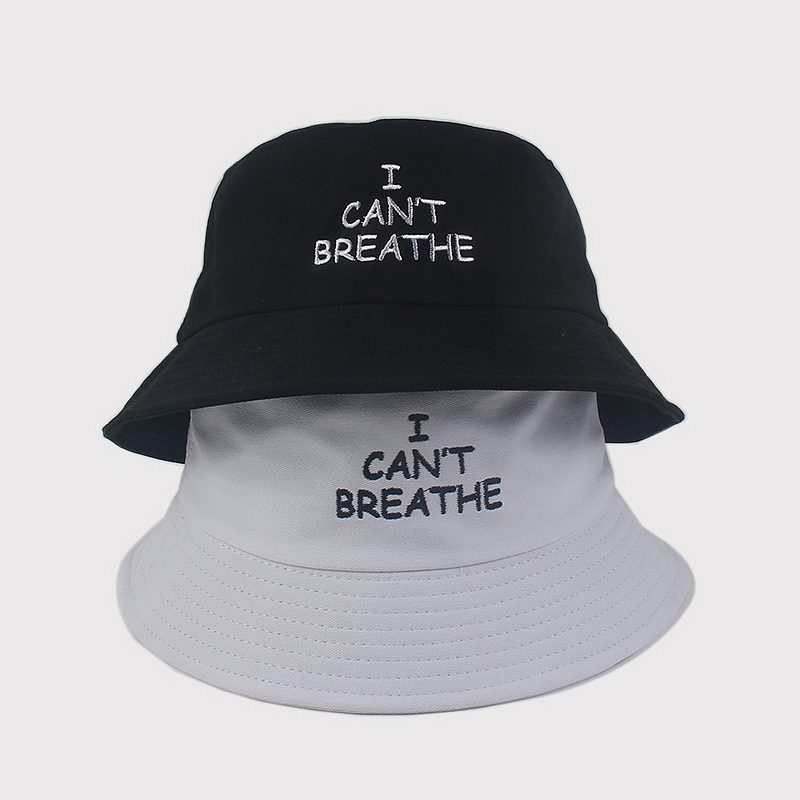
Cotton Embroidered Bucket Hat I Can't Breathe Black Lives Matter Sun Protection Fisherman Cap for Men Women Outdoor Casual Streetwear Sun Hat
$3.14

Gamer Wall Stickers Black PVC Self Adhesive Decals Eat Sleep Game Repeat Loading Game Controller Heartbeat Wall Decor For Bedroom Game Room Boys Room Modern Removable Art
$0.72
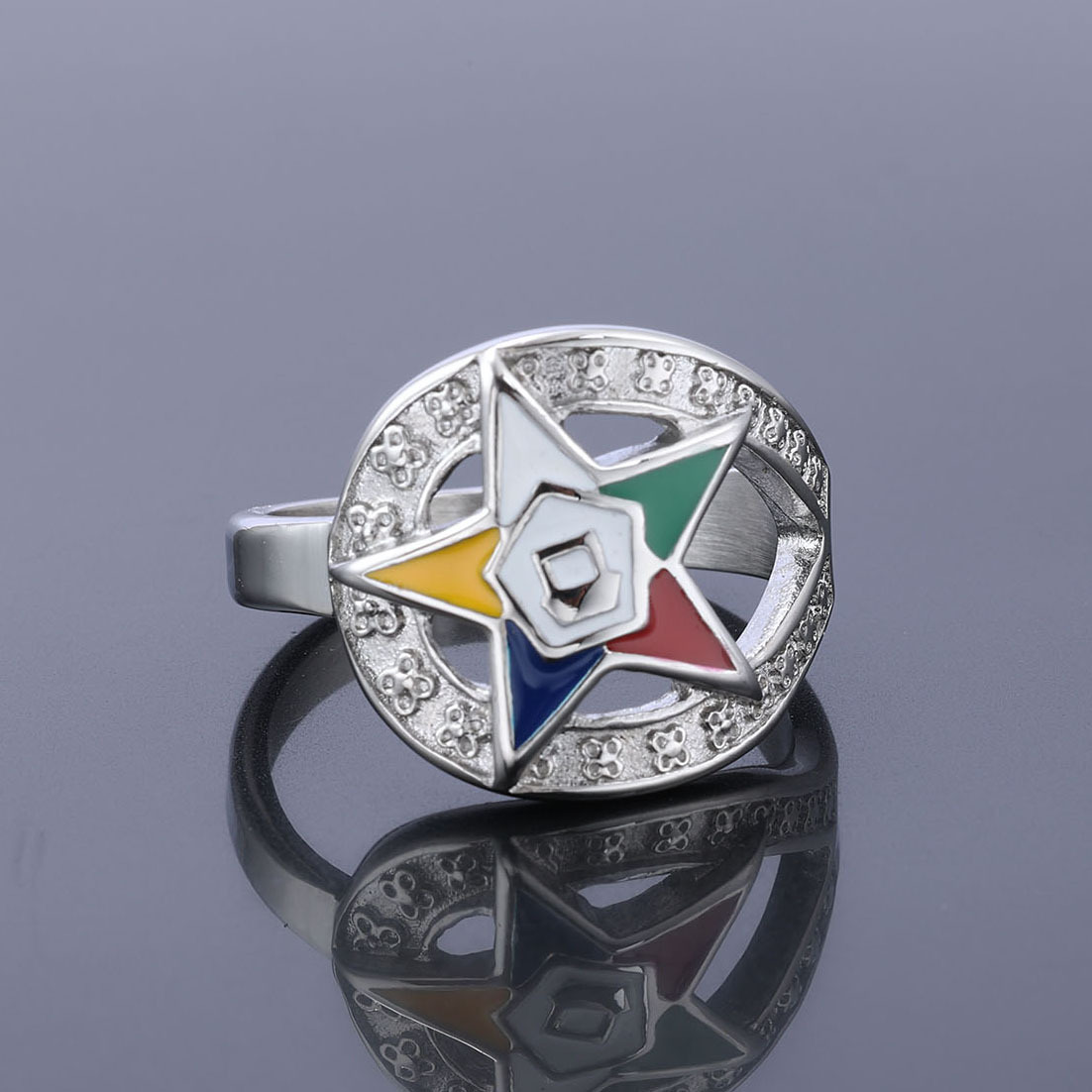
Order Of The Eastern Star OES Pentagram Ring 316L Stainless Steel Colorful Enamel Vintage Religious Society Jewelry For Women Ladies
$4.68
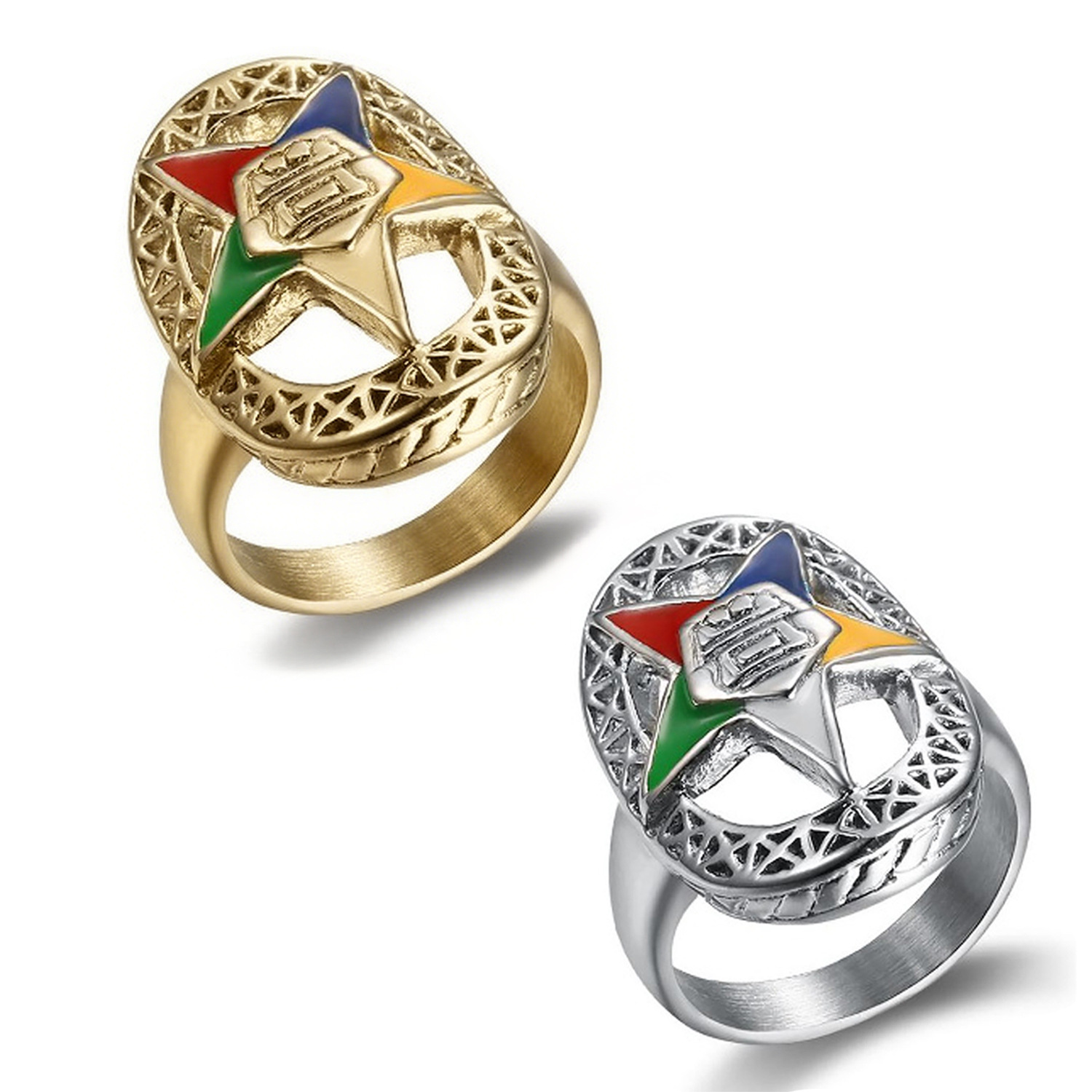
Vintage Order of the Eastern Star OES Ring Stainless Steel Colorful Enamel Five-Pointed Star Hollow Out Band Ring For Women Masonic Jewelry
$4.68
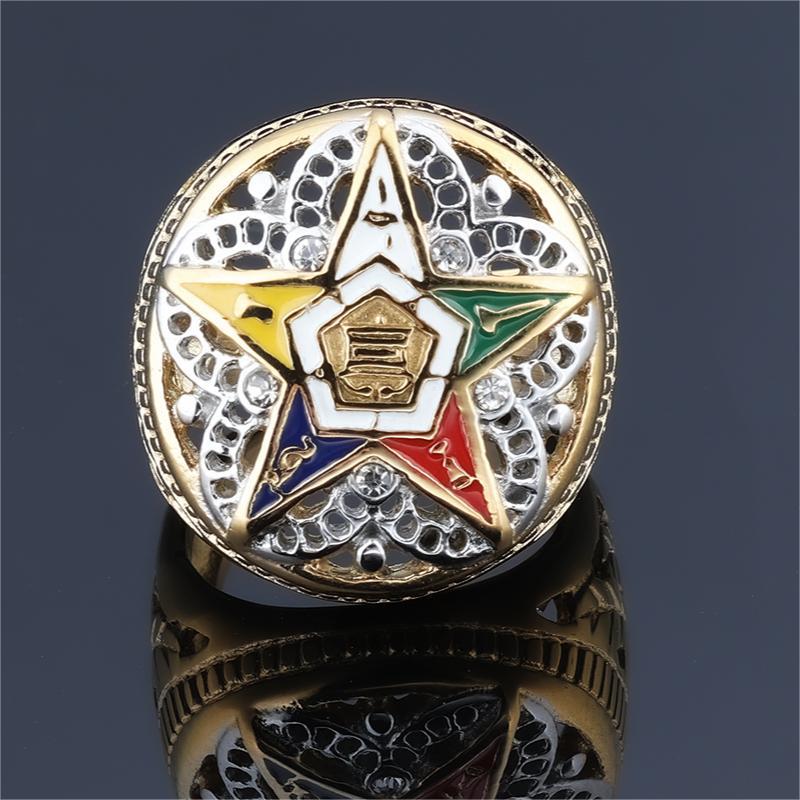
Masonic Order Of The Eastern Star Ring Gold Plated 316L Stainless Steel With Five Color Enamel Zirconia Hollow Engraved Vintage Religious Souvenir Jewelry
$4.85
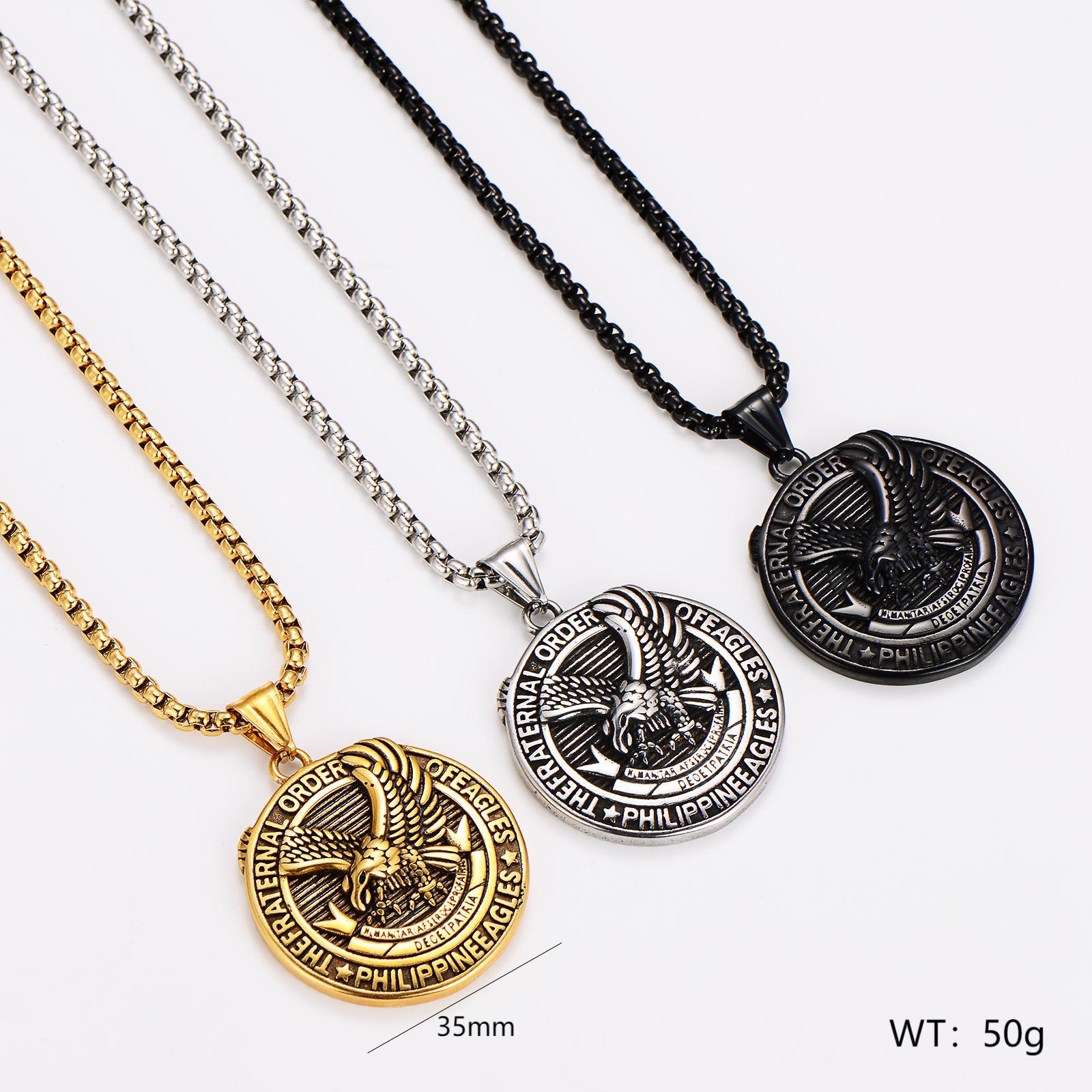
Stainless Steel Eagle Pendant Necklace Round Fraternal Order Of Eagles Philippine Eagles Medal Commemorative Jewelry For Men Vintage Embossed Box Chain Necklace Gold Silver Black
$2.99
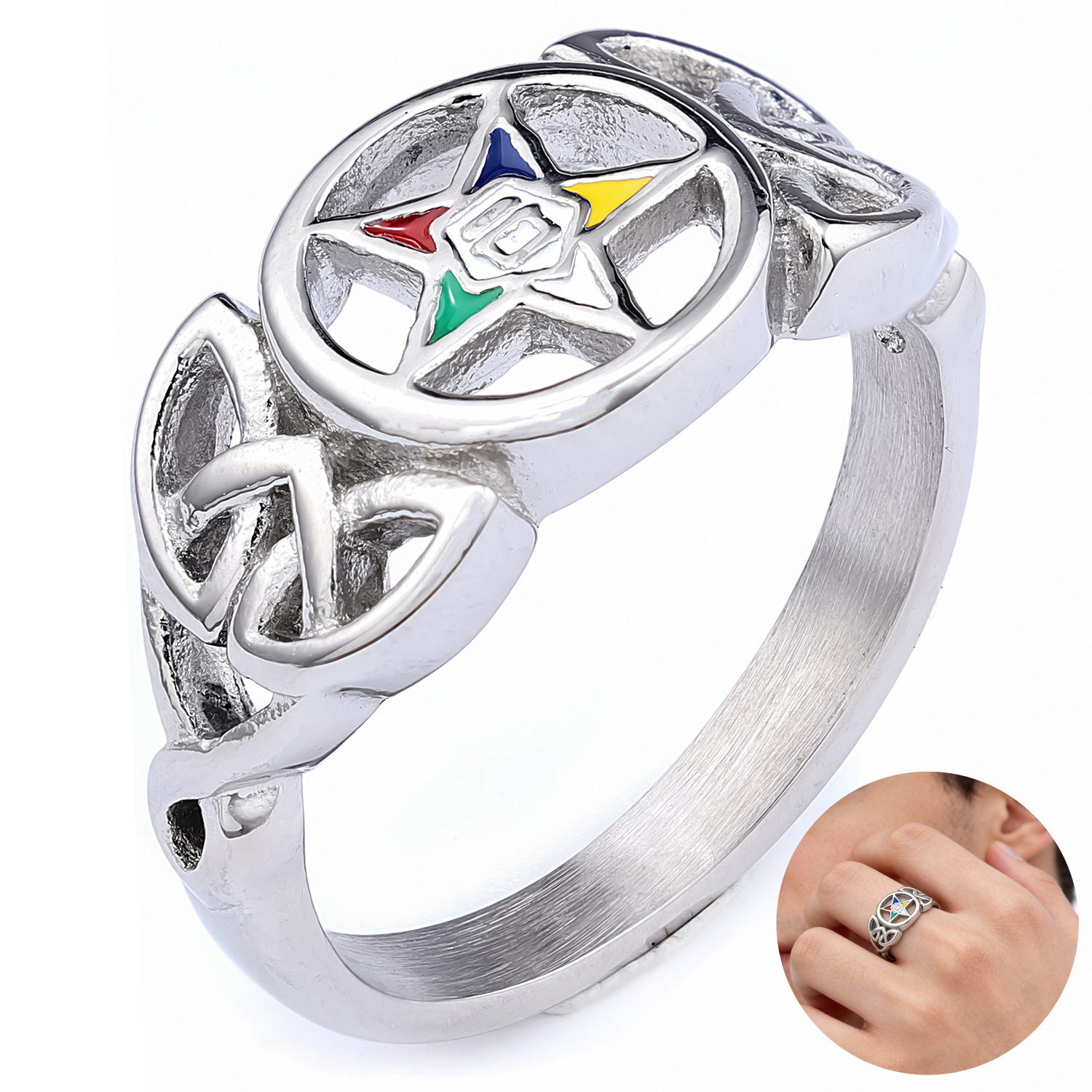
Stainless Steel OES Order of the Eastern Star Ring With Multi Color Enamel Five Pointed Star And Celtic Knot Openwork Band For Women Fraternal Jewelry
$4.42
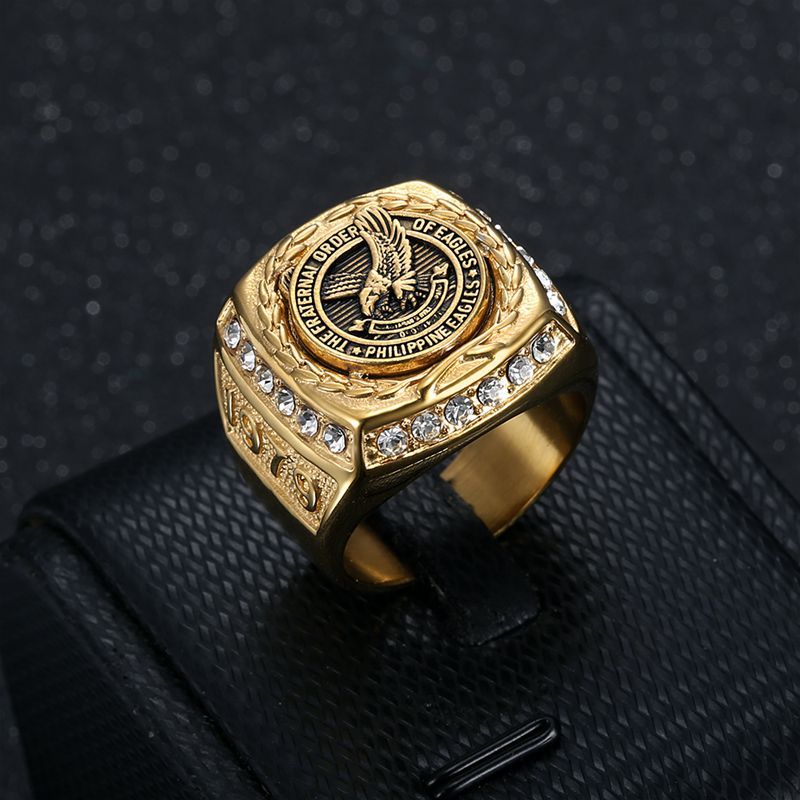
Men's Gold Plated Stainless Steel Signet Ring Philippine Eagles Fraternal Order Emblem White Cubic Zirconia Inlay Hip Hop Retro Jewelry For Men Gift
$3.67
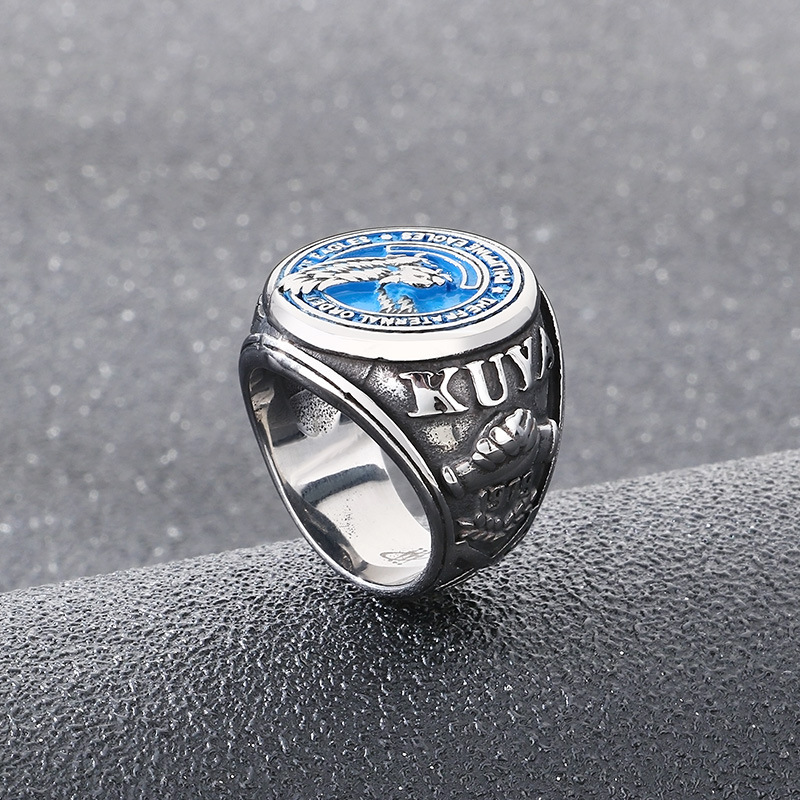
Fraternal Order Of Philippine Eagles TFOPE Signet Ring Stainless Steel Blue Enamel Eagle Logo KUYA 1979 Vintage Statement Ring For Men Jewelry Accessory
$3.04
Bundle Ideas to Manage Repeat Buyer Engagement
Bundling thank-you items and humorous 'can't' accessories can turn a data glitch into a branding opportunity. These combos help retailers reinforce loyalty and smooth over any tracking hiccups.
Repeat Buyer Retention Kit
For a wholesale buyer who wants to reward repeat customers even when their platform data is spotty.
- Gold Foil Thank You For Your Order Stickerscomplement
- 50pcs Premium Black and Gold Thank You for Your Order Cardscomplement
- Mama Says I'm Special Embroidered Patchhero
Bundle at $2.29 vs $2.52 separately—saves 9%, but you'll need to add packaging labor.
Can't Find It? Gift Set
For sellers whose customers complain about missing order history. Use these humorous items to defuse frustration.
- Creative I Can't Stop Downloading Free Fonts Enamel Broochhero
- Humorous Raccoon Trash Can Enamel Broochcomplement
- Stainless Steel 'If Dad Can't Fix It' Keychainupsell
Bundle at $1.85 vs $2.08 separately. Risk: some customers may find the 'can't' message passive-aggressive.
Order of the Repeat Buyer
For wholesale buyers who sell fraternal or social club merchandise and need to track members who reorder.
- Order Of The Eastern Star OES Pentagram Ringhero
- Vintage Order of the Eastern Star OES Ringupsell
- Stainless Steel Eagle Pendant Necklacecomplement
Bundle at $11.20 vs $12.71 separately. Risk: limited to buyers with fraternal interest—narrow audience.