
Trend Report · May 17, 2026
Selling an Amazon FBA Business Quickly – A Structured Quick-Exit Plan
Operational guide to rapidly exit a low-effort Amazon FBA skincare business. Covers valuation, listing, due diligence, and transfer stages for sellers.
Selling an Amazon FBA Business Quickly
If you are a small Amazon FBA seller with a semi-passive business — like the one described in the source summary where a skincare brand with two products runs on minimal effort — the timing window to sell is right now. Buyers are actively seeking low-maintenance, profitable assets. A 7-month-old business with one proven product and one with upside is the exact profile that attracts investors looking for quick ROI.
Selling an Amazon FBA business quickly means compressing what normally takes 2–4 months into 30–45 days. The source business requires only periodic contact with manufacturing partners and is already profitable on one SKU. That lean structure makes it ideal for a staged exit. Many marketplaces exist where such businesses trade at 2–3× monthly profit, and with clean records you can list within a week.
The key is acting before the profit trajectory stales or competition catches up. With minimal effort required, the business is essentially a cash-flow machine — the kind of asset that commands premium multiples if you present it correctly.
Why the Exit Window is Open Now
The source summary describes a business where one product carries all profit but a second product has potential. This asymmetry is actually a selling point: buyers see a low-risk existing cash stream plus optional upside from the second SKU. Large acquirers and solo investors are currently paying higher multiples for Amazon brands with lean operations and room to grow.
Additionally, the 7-month age of the business works in your favor. It is young enough that the risk curve has plateaued (initial launch costs are behind), yet established enough to have a track record of repeat orders and supplier relationships. Buyers are looking for businesses that are turnkey — meaning the seller has proven the model and the buyer just needs to maintain inventory flow.
The trend of small FBA business flipping is accelerating because platforms like Acquire.com and Empire Flippers have streamlined the process. Sellers who act now can capture the premium before interest rates or ad costs shift the valuation landscape.
Who Should Buy This Business
Three buyer personas align with the profile of the source business. Each values different aspects of the low-effort, single-SKU profitability.
Side hustle investor
Looking for passive income with minimal time commitment. The existing single-product profit and easy supplier management fit a 'set-and-forget' model.
Existing Amazon seller diversifying
Can fold the skincare brand into an existing portfolio, leverage shared logistics, and unlock cross-sell potential with the second product.
First-time FBA buyer
Attracted to the low entry price (likely under $20k) and the ability to learn the FBA model on a small, manageable business with one proven SKU.
Implementation Stages
Validate and Prepare Financials
Trigger: You've decided to exit
Pull last 6 months of P&L from Amazon seller central and reconcile with bank statements
✓ A clean profit-and-loss report showing net monthly profit of the one profitable product, plus any losses from the second product
✗ If you skip this, buyers will demand more time or walk away due to lack of trust
Calculate Your Selling Price
Trigger: Financials are clean
Apply a 2–3× multiple to average net monthly profit; adjust down for lack of diversification or up for growth potential of the second product
✓ A realistic price range (e.g., $4k–$8k) that you can list on marketplaces
✗ Overpricing scares off serious buyers; underpricing leaves money on the table
Create a Confidential Sales Document
Trigger: Valuation set
Draft a one-page teaser (no revenue figures) and a full confidential information memorandum (CIM) with P&L, product descriptions, supplier contacts, and SOP
✓ Buyers can vet the opportunity quickly; you control who sees sensitive data
✗ Skipping the CIM leads to endless back-and-forth with unqualified buyers
List on a Marketplace and Qualify Buyers
Trigger: CIM complete
List on Empire Flippers or Acquire.com with a 'fast exit' note; require NDA and proof of funds before sharing CIM
✓ 3–5 serious offers within 2 weeks from pre-vetted investors
✗ Listing on low-traffic platforms delays sale; not requiring proof of funds wastes time
Manage Due Diligence
Trigger: Offer accepted
Provide buyer with full P&L, inventory valuation, supplier contracts, Amazon account health metrics, and 3 months of ad performance data
✓ Buyer confirms all numbers and signs a final purchase agreement
✗ If you hide the second product's cost (e.g., it's bleeding cash), buyer will back out during DD
Transfer Assets and Close
Trigger: Due diligence passed, payment held in escrow
Transfer Amazon account ownership (brand registry, user permissions), hand over supplier SOP, and ship remaining inventory to buyer's warehouse or release inventory to FBA
✓ Buyer takes over within 5 business days; escrow releases funds to you
✗ Failing to document the manufacturing partner handoff can cause post-sale disruption and payment holds
How to Execute a Quick Sale
The fastest route to exit a semi-passive FBA business like the one described — two branded products, one profitable, minimal effort — is through a structured three-channel approach. You need to balance speed with sale price. A common mistake sellers make is trying to negotiate directly with random buyers on social media; that wastes weeks on tire-kickers. Start by cleaning your books and packaging your business as a turnkey asset. Then list on a premium marketplace where buyers are pre-screened. At the same time, reach out to 3–5 direct competitors who might want to absorb your brand. Finally, consider a full-service broker if you want to be completely hands-off during the process. Each channel has distinct trade-offs in speed, margin, and risk. Below are three tactics you can deploy simultaneously. Prioritize the marketplace listing for fastest close; use outreach as a backup.
List with a 'fast exit' label at a 2.5× multiple. Provide clean financials and a strong CIM. Expect a 4–5% success fee.
⚠ The marketplace may take 2–3 weeks to vet your listing before it goes live, slowing your timeline.
Identify 10 Amazon sellers in skincare who sell similar products. Send a brief email with teaser and invite NDA. No success fee.
⚠ Low response rate; competitors may lowball because they know your niche.
Hire a broker who specializes in small exits. They handle all marketing and negotiations for a 10–15% fee.
⚠ Brokers prioritize larger deals; your small business may not get dedicated attention.
Products That Strengthen Your Business Valuation
Adding complementary accessories — especially natural stone bracelets, keychains, and seasonal items — can increase your business's average order value and repeat purchase rate. Buyers value inventory breadth and cross-sell potential. The following products from DayJewel's wholesale catalog are ideal low-cost additions you can source and bundle with your skincare line before sale.
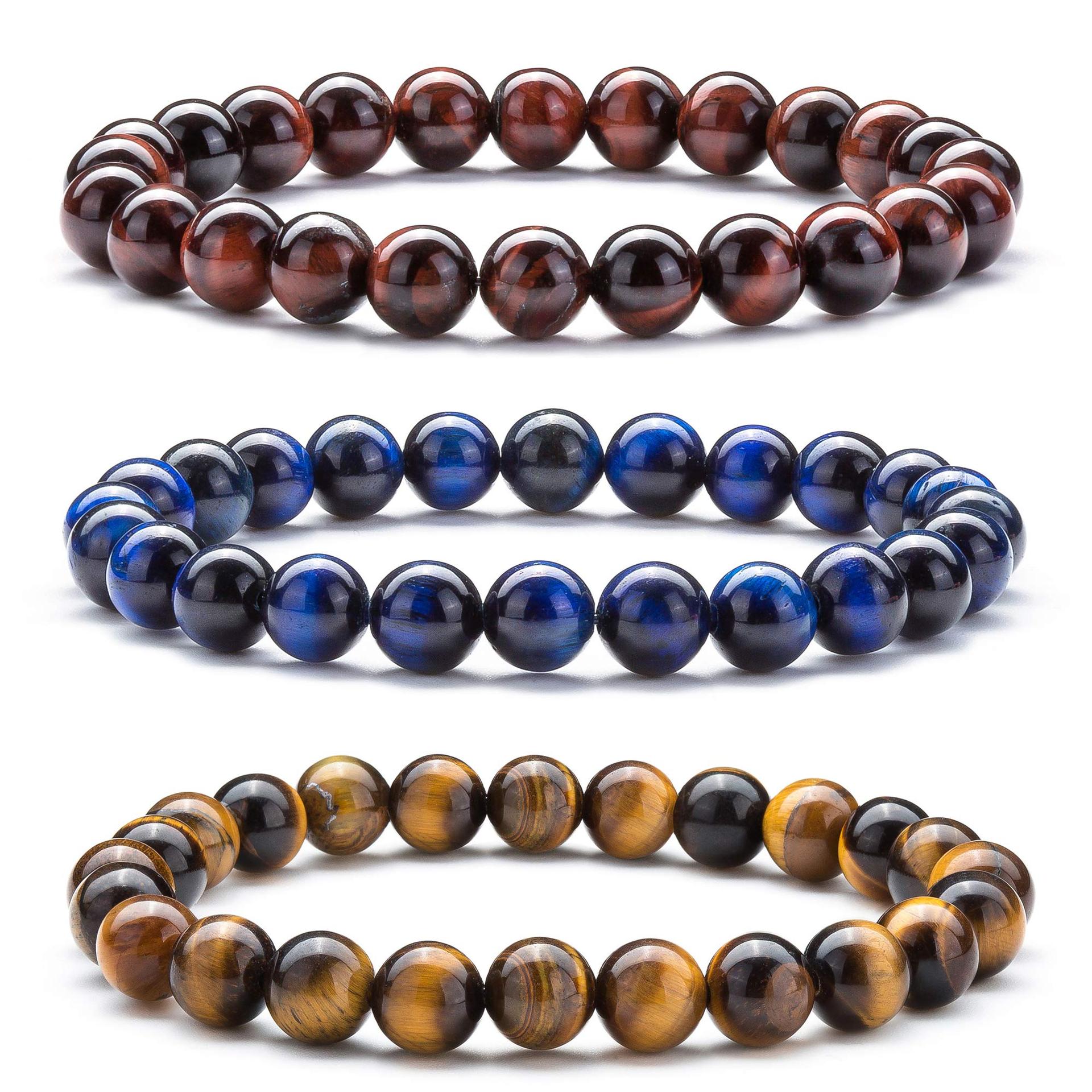
Natural Lava Stone Tiger Eye Agate 8mm Beaded Bracelet Handmade Elastic Diffuser Healing Stone Jewelry For Women Men Daily Travel Accessory
$0.27
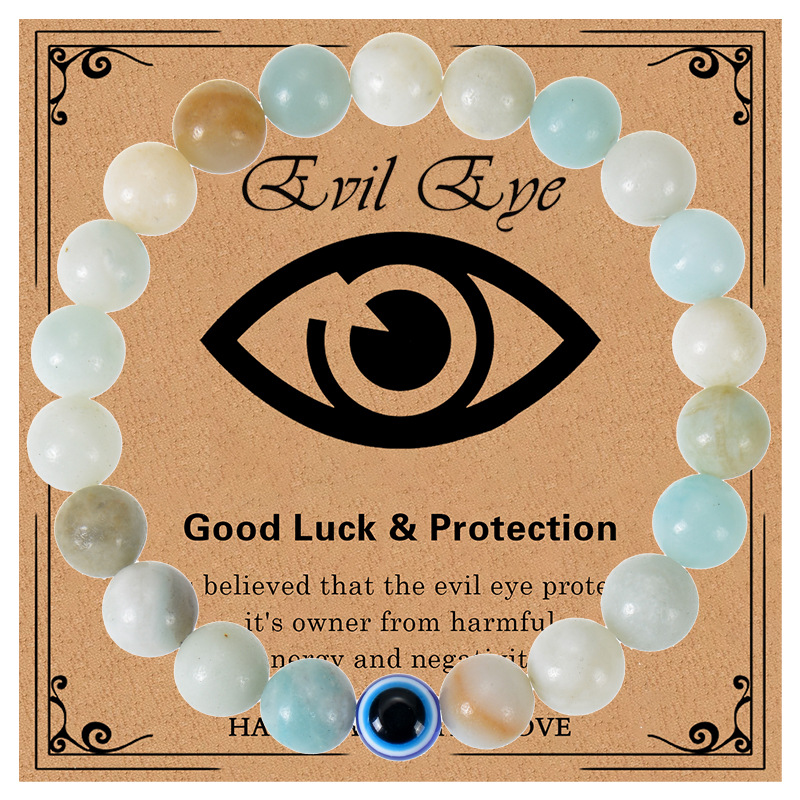
Natural Amazon Stone Evil Eye Beaded Bracelet Handmade Elastic Protection Jewelry For Women Girls Gift Ethnic Style Beaded Bangles
$1.18
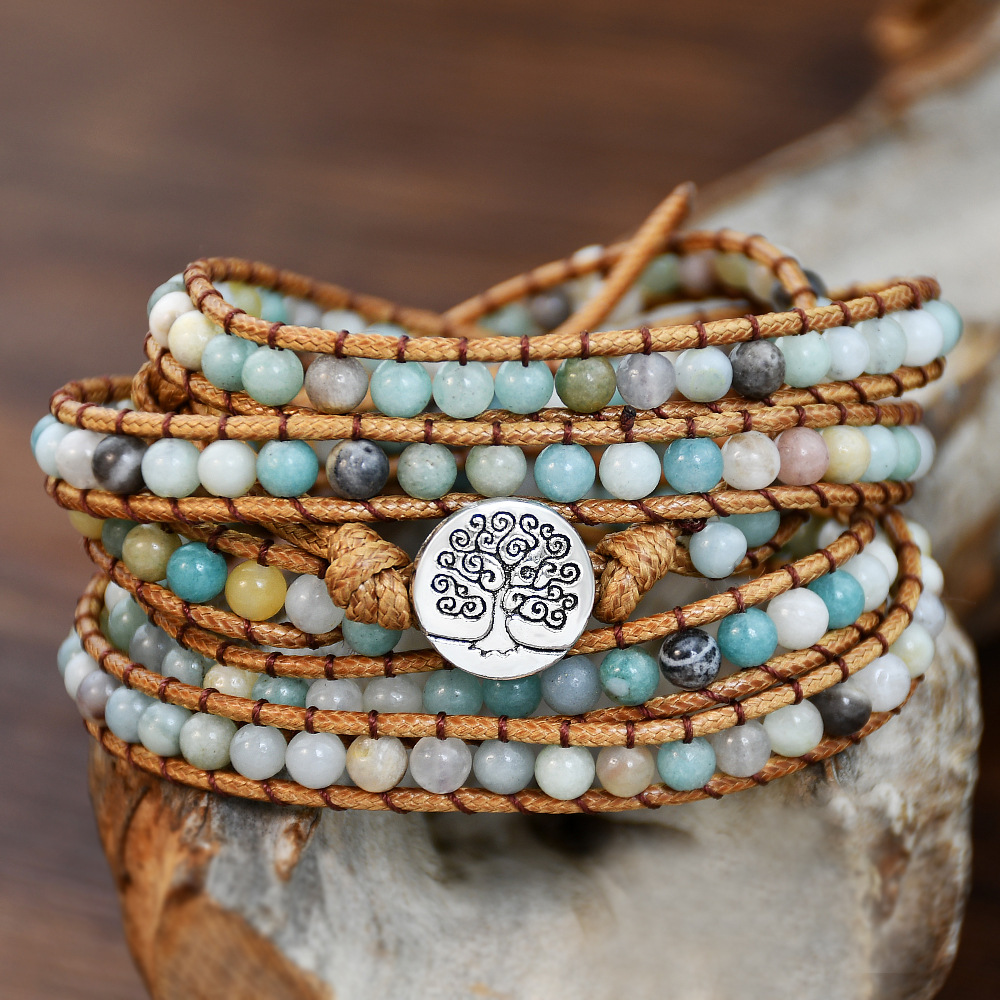
Bohemian Natural Amazon Stone Woven Wrap Bracelet With Tree of Life Charm Handmade 5-Layer Bead Strand Leather Rope Jewelry For Women Travel Daily
$6.76
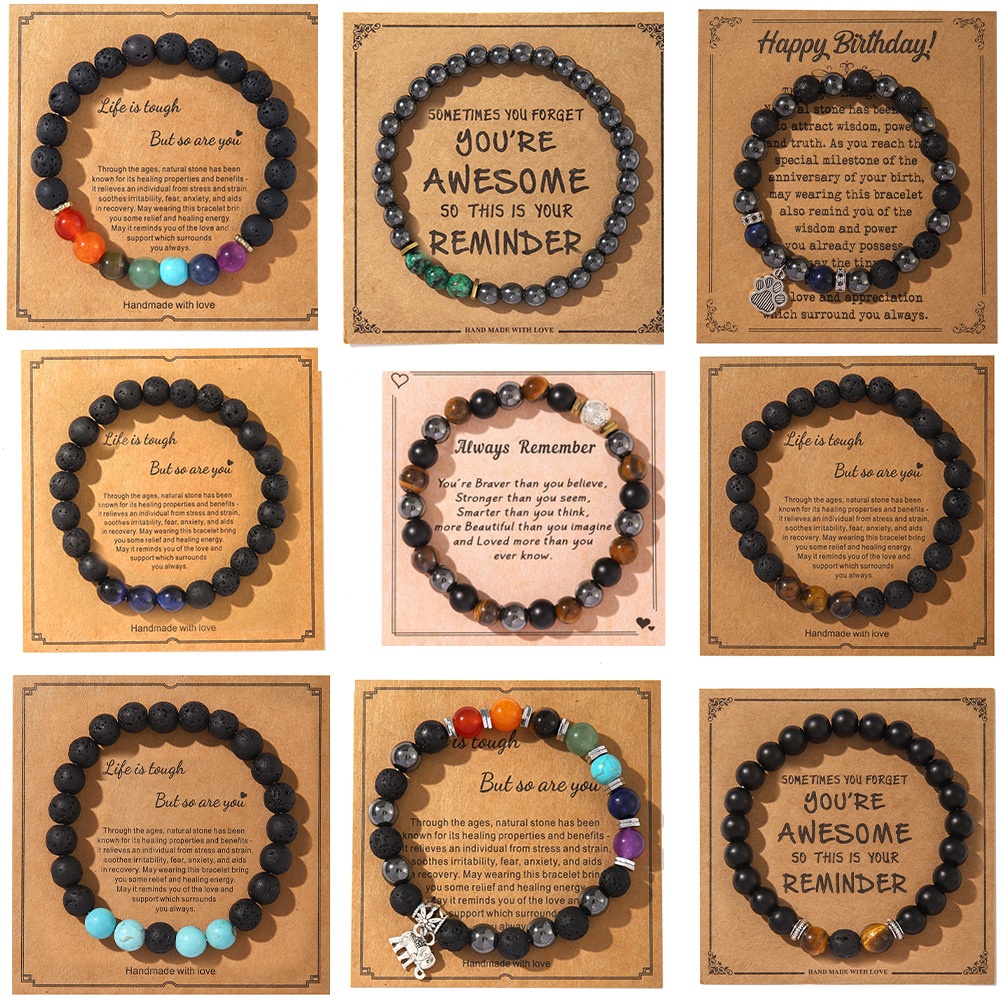
Hot-selling Hand Jewelry Fashionable Minimalist Style Natural Stone Beaded Bracelet Blessing Card
$0.52
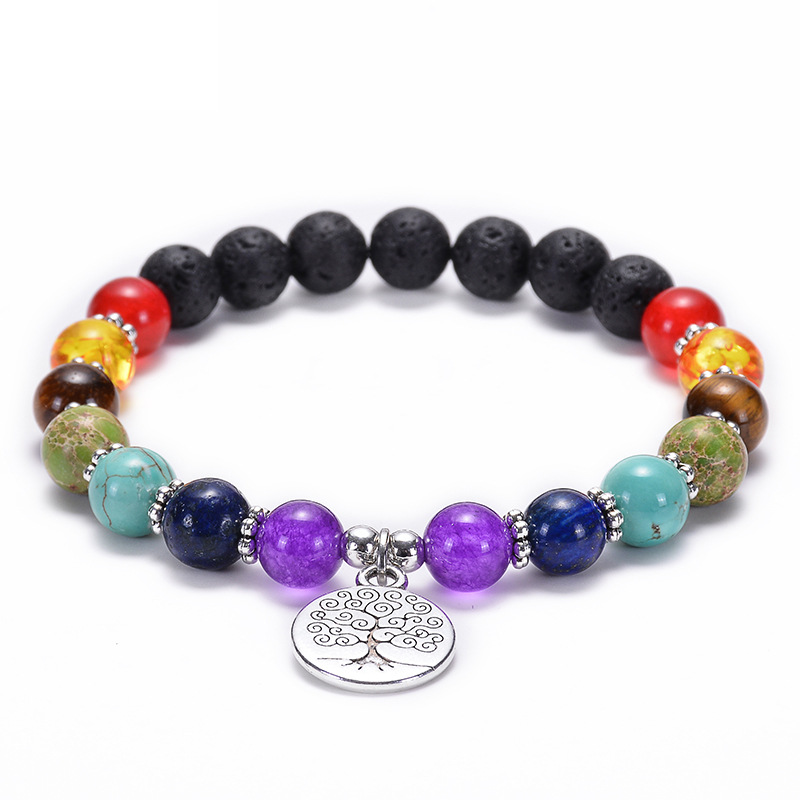
Hot Selling Colorful Stone Beaded Bracelet Tree Of Life Lotus Om Pendant Bracelet Volcanic Stone Bracelet
$1.55
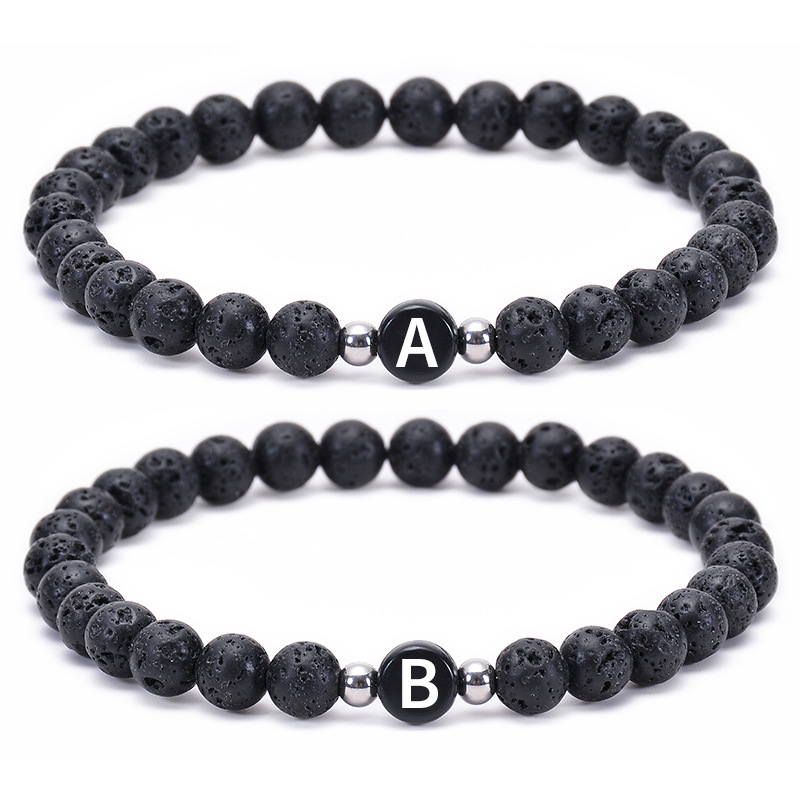
Hot Selling 6mm Natural Volcanic Stone Letter Bracelet 26 English Letters Elastic Cord Bracelet Couple Bracelet
$0.76
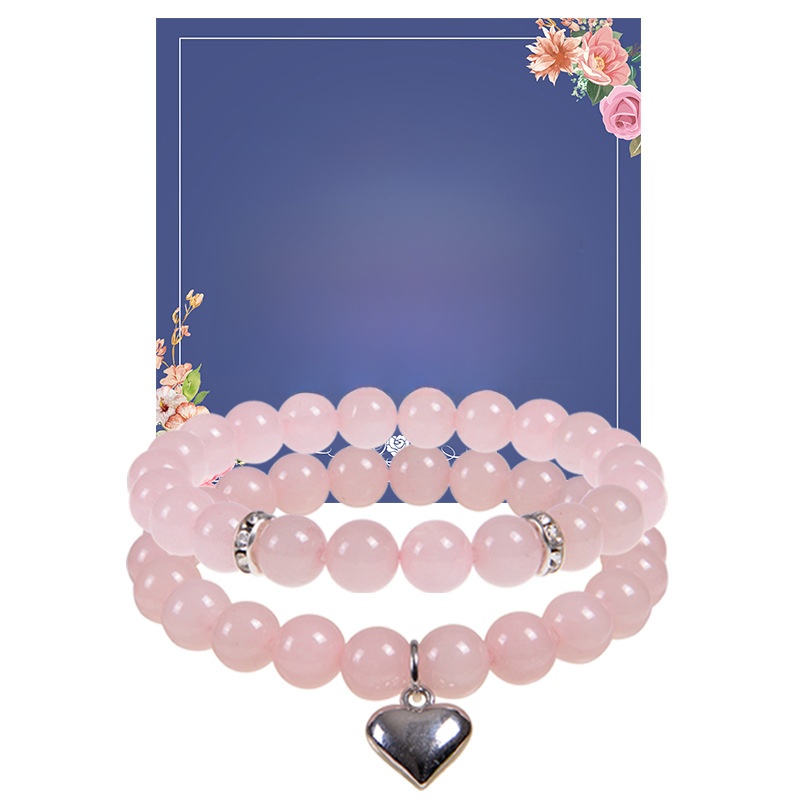
Hot Selling Pink Crystal Bracelet Natural Stone Crystal Agate Beaded Bracelet Women Inspirational Card Jewelry Set
$1.10
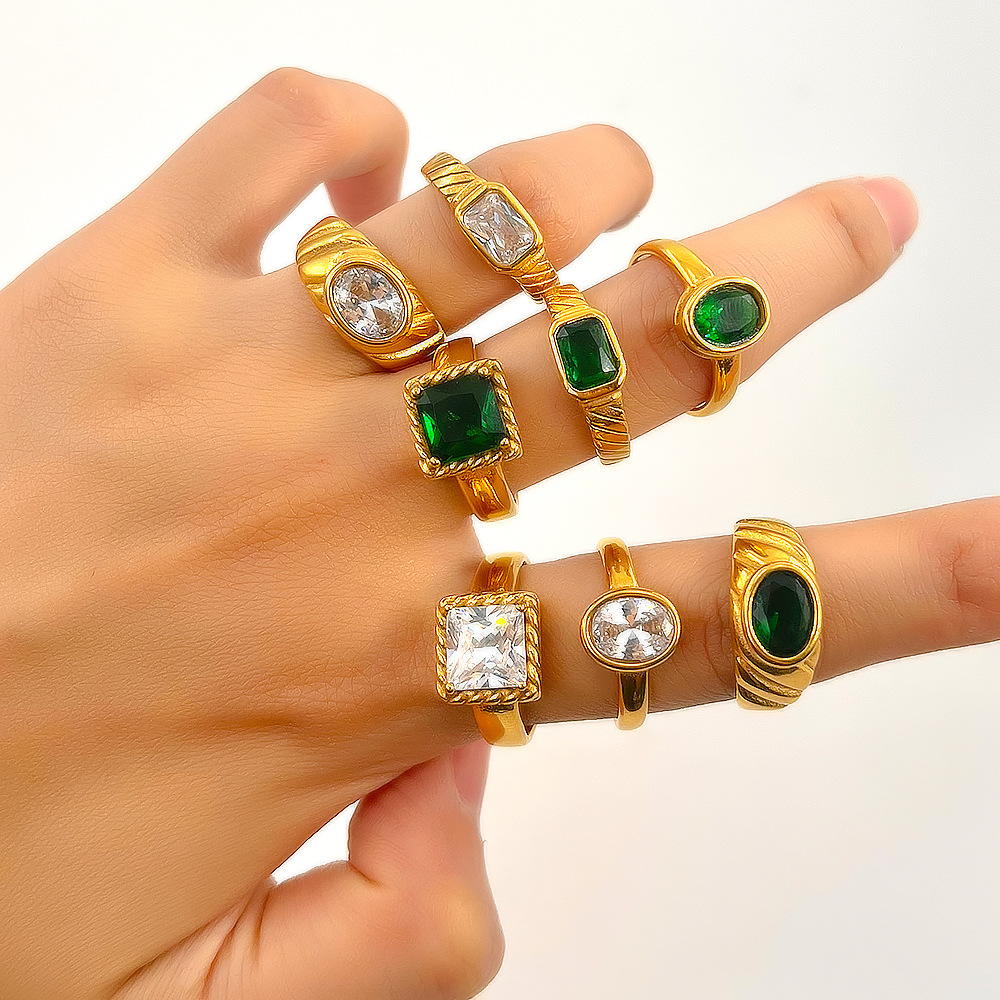
Vintage Stainless Steel Open Adjustable Ring With Oval Square Zirconia Gold Plated Geometric Texture Ring For Women Party Daily Jewelry Accessory
$3.46
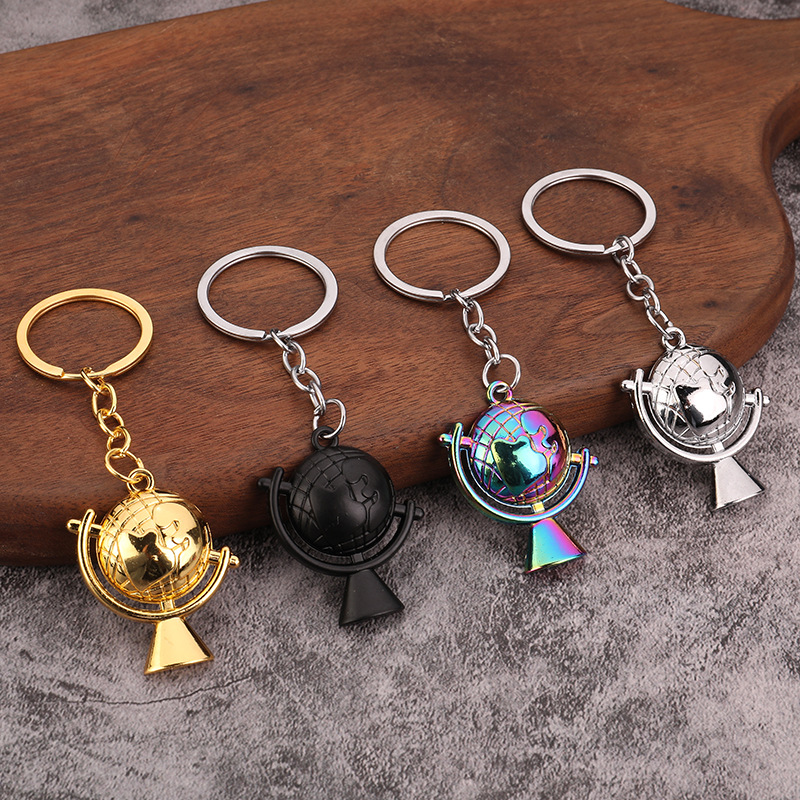
Best-selling Globe Pendant Keychain
$0.28
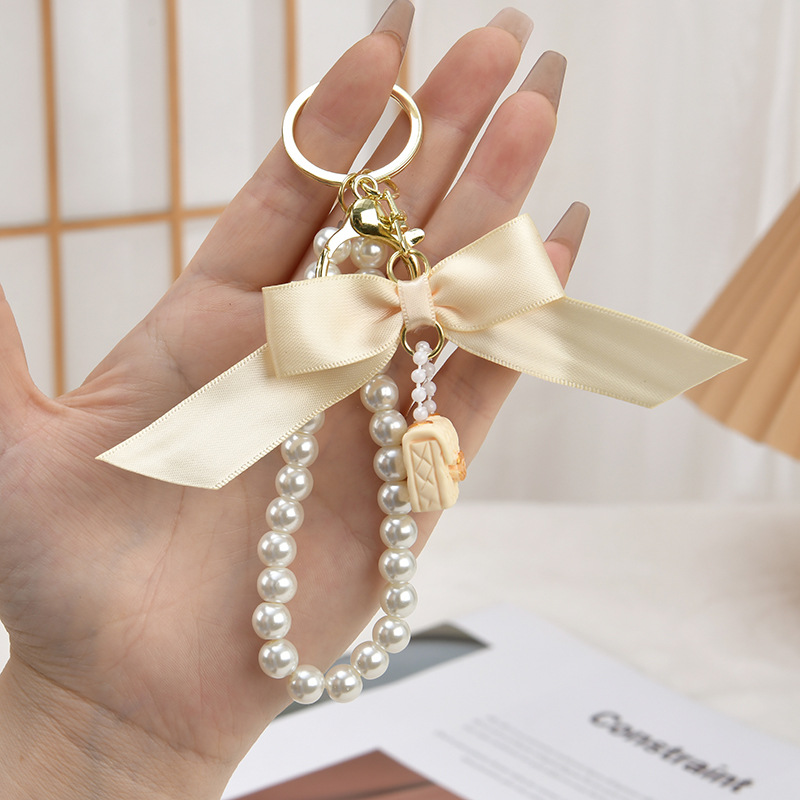
Hot-selling Pearl Bow Keychain Fashionable Women's Bag Accessory
$0.75

Hot-selling Vintage Real Steam Train Model Keychain Metal Keychain Pendant Gift
$0.33
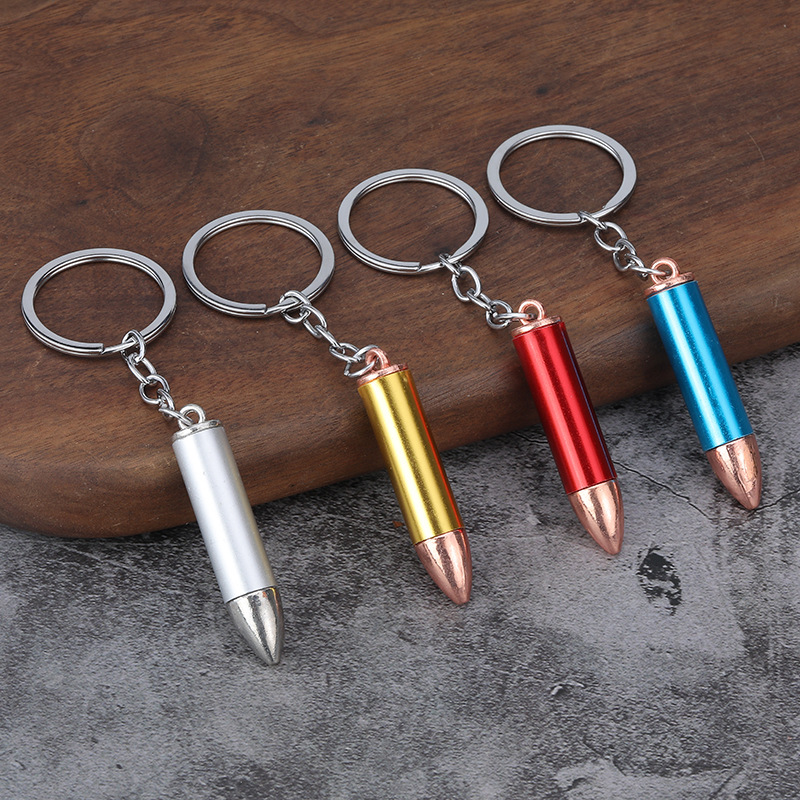
Shein Hot-selling Bullet Model Alloy Metal Keychain Pendant Accessory Weapon Merchandise
$0.33
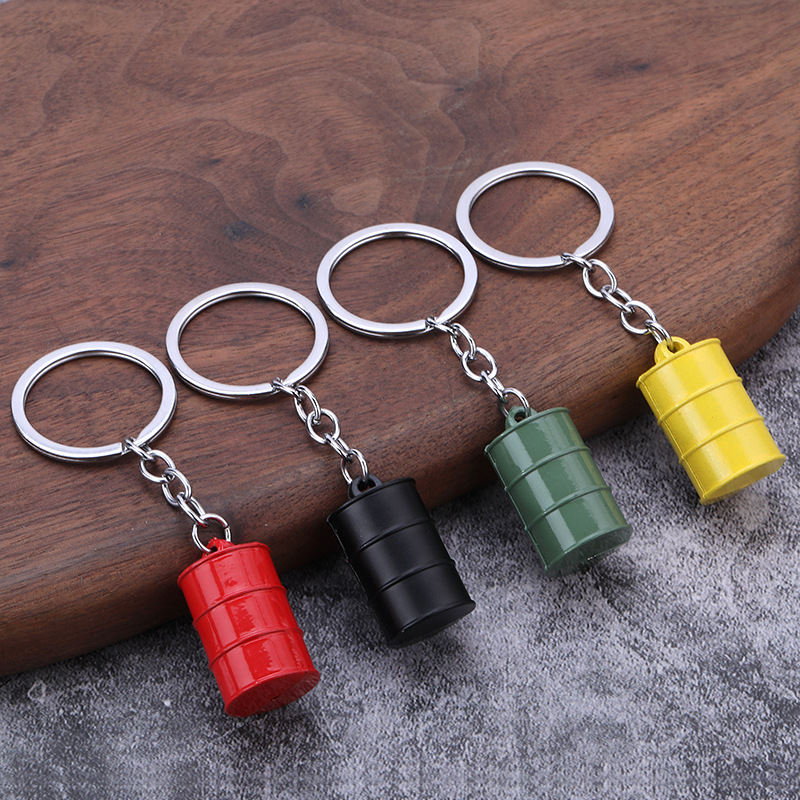
3d Oil Drum Keychain Gas Station Promotional Gift Keychain Hot-selling Keychain Pendant
$0.36
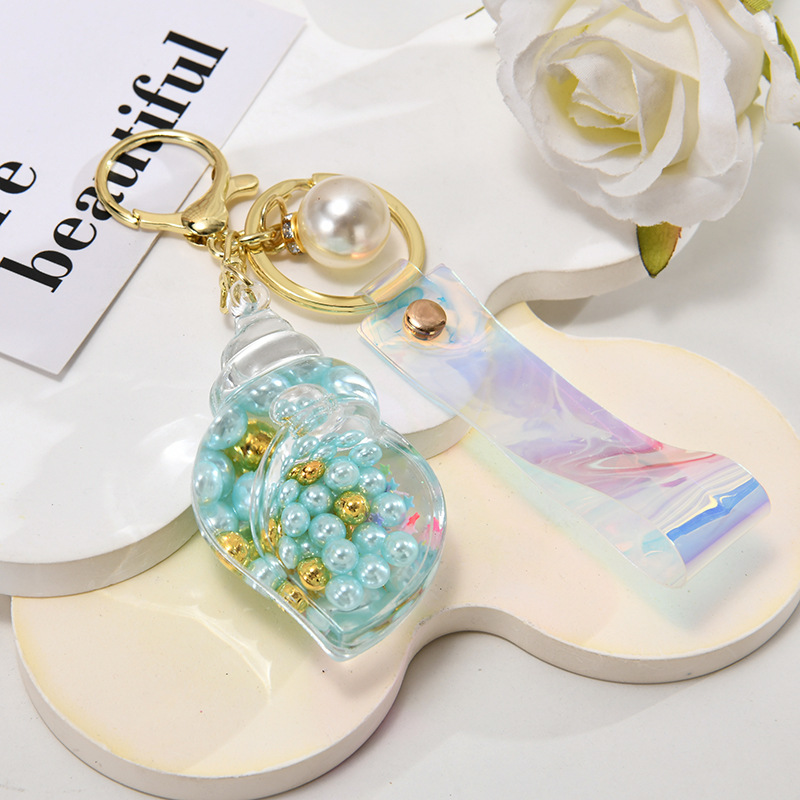
Hot-selling Personalized Seaside Pearl Small Conch Keychain Acrylic Car Bag Pendant Decoration
$0.96
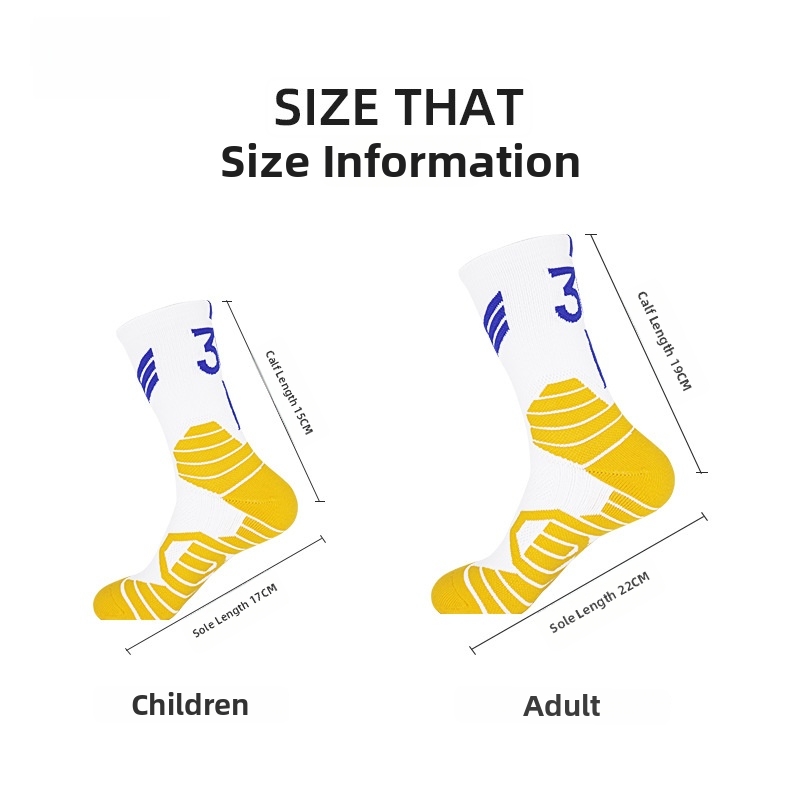
Professional Basketball Socks For Men Women Youth Thickened Cushioned Towel Bottom Sports Crew Socks Athletic Performance Training Number Socks Polyester Cotton Blend Breathable Sweat Absorbent Socks
$1.53
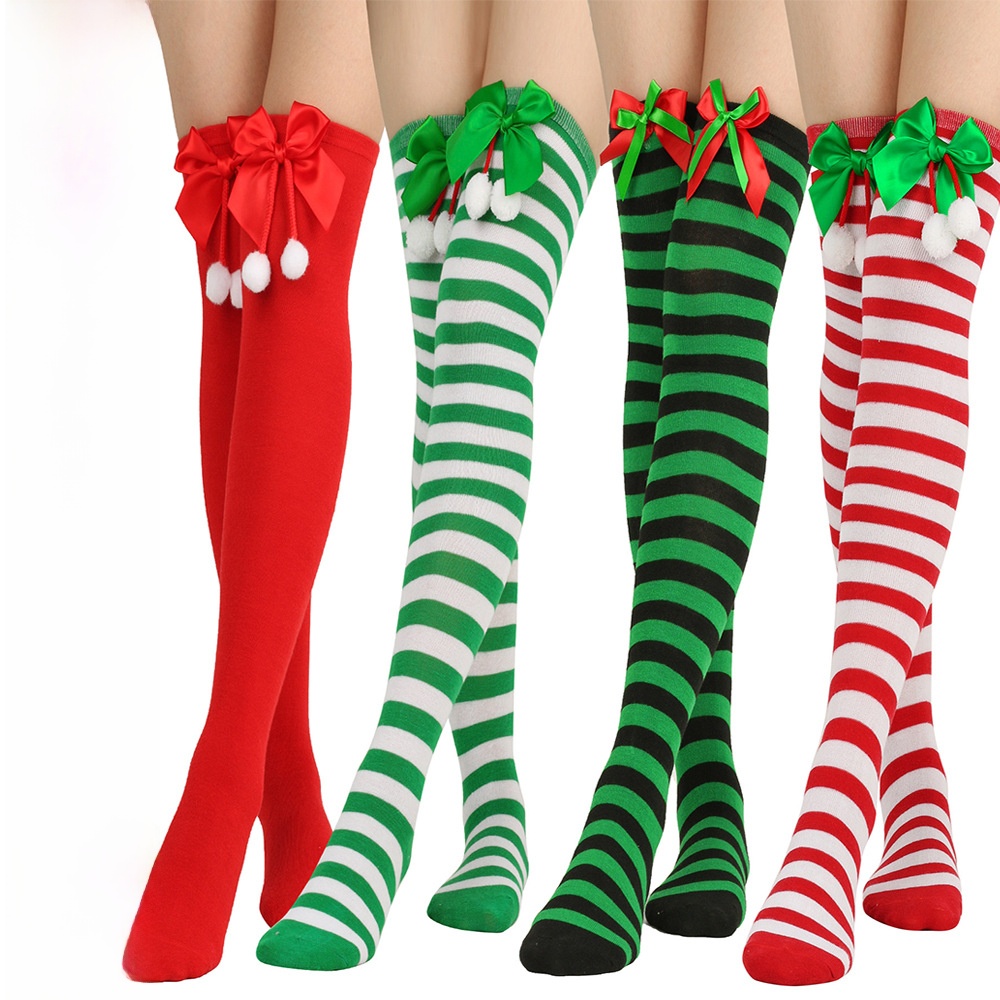
Amazon Supply Christmas Daily Necessities Christmas Socks Black And Green Striped Bow Socks Gloves Dance Costume Props
$1.44
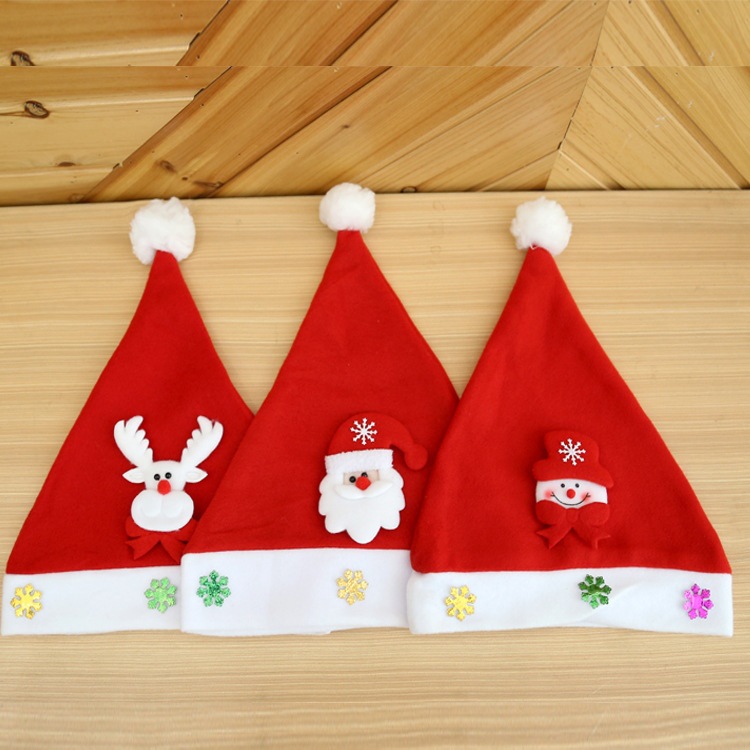
Hot-selling Christmas Red Hat Fleece Cartoon Hat Children's Red Regular Christmas Hat
$0.52

Hot-selling Christmas Wreath Mini Rattan Wreath Door Hanging Decoration Diy Small Ornaments
$1.82
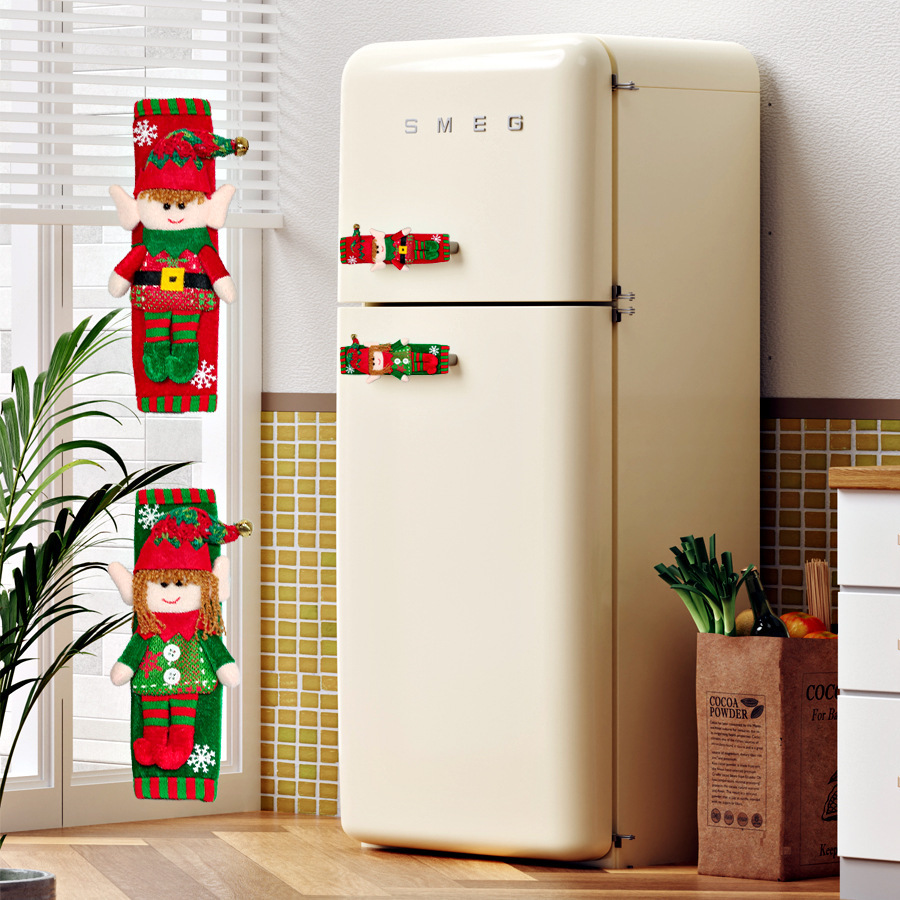
Hot-selling Christmas Decoration Velvet Elf Doll Refrigerator Handle Cover Christmas Home Decor
$5.19

Hot-selling Christmas Tree Top Hat Sequin Hat Tree Top Star Foldable Spring Hat Ornament
$11.82
Bundles to Boost Your Business Valuation
Bundling accessories with your existing skincare products demonstrates cross-sell capability and higher LTV to prospective buyers. Each bundle adds $7–12 of perceived value at roughly $3–5 cost, improving your profit margin numbers on the listing.
Starter Self-Care Bundle
New FBA buyer who wants to immediately upsell with low-cost items
- Natural Amazon Stone Evil Eye Beaded Bracelethero
- Best-selling Globe Pendant Keychaincomplement
- Vintage Stainless Steel Open Adjustable Ringupsell
Bundle at $10.99 vs $15.50 separately; cost ~$4.50
Wellness Gift Set
Existing seller packaging a luxury feel for holiday or year-round gifting
- Natural Lava Stone Tiger Eye Agate 8mm Beaded Bracelethero
- Minimalist Natural Stone Beaded Bracelet Blessing Cardupsell
- Professional Basketball Sockscomplement
Bundle at $8.99 vs $12.50 separately; cost ~$3.20
Holiday Promo Bundle
Seasonal spike to sell out inventory and boost Q4 valuation
- Hot-selling Christmas Red Hat Fleece Cartoon Hathero
- Hot-selling Christmas Wreath Mini Rattan Wreath Door Hanging Decorationcomplement
- Amazon Supply Christmas Daily Necessities Christmas Socksupsell
Bundle at $12.49 vs $18.90 separately; cost ~$5.10