
Trend Report · May 16, 2026
Running a Losing Ad Campaign for Organic Rankings? Here’s How to Calculate the Real Cost
Calculate whether bleeding ad spend is worth the organic sales. We break down unit costs, profit scenarios, and sourcing strategies for accessories sellers.
Should I keep an unprofitable campaign running for organic ranking?
The question comes from a seller whose single auto campaign is losing money, yet TACoS stays low and the overall store remains barely profitable. The campaign fails to spend its budget and contributes nearly no sales, but the seller fears pulling it will tank organic rank. This is a classic margin dilemma: you are burning dollars on ads that don’t convert, hoping Amazon/AliExpress rewards you with free traffic. The math rarely works unless your product has a 50%+ margin to subsidise that loss-leader. Most accessories sellers operate on 30–40% gross margins, meaning every unprofitable ad dollar needs 2–3 organic dollars to break even. That gap breaks stores quickly.
The Margin Opportunity Behind This Debate
The real margin opportunity is in calculating the exact organic revenue that would vanish if you kill the campaign. Most sellers overestimate organic lift because they attribute last-click sales to the ad campaign. In reality, Amazon’s algorithm ranks products primarily on conversion history and pricing—not on ad spend. If your product has a low rating, that is the real ranking killer, not the absence of ads. By redirecting the ad budget into better sourcing (higher margin products) or price drops on your own store (Shopify), you can achieve the same organic placement without the negative TACoS bleed. For a wholesale buyer, this means sourcing items with a wholesale cost under $3 so you can sell at $12–15 and still have room to run profitable ads or afford zero-ad organic growth.
Who This Margin Breakdown Helps Most
This analysis is for the Amazon/eBay seller juggling one unprofitable campaign, the Shopify store owner considering ad spend vs. SEO, and the pop-up operator who relies on foot traffic but tests online ads. Each profile needs to know when to stop bleeding cash.
Shopify seller
Low TACoS seller worried about losing organic rank—Shopify allows you to control the experience without fighting Amazon’s algorithm, so you can kill the ad and focus on email/SMS retargeting instead.
Amazon FBA seller
Your organic rank is tied to unit sales, but one losing campaign won’t save your BSR. You need to improve rating or lower price—both funded by better sourcing margins.
eBay / Etsy seller
eBay’s Promoted Listings behave similarly. If you’re losing money per click, the same margin rule applies: stop the campaign, drop price, and rely on eBay’s organic algorithm.
Margin Anatomy of a Typical Accessories Campaign Decision
| Component | Low Range | High Range | Notes |
|---|---|---|---|
| Wholesale cost (per unit) | $0.27 | $15.85 | The source product price range for the items above. Lower cost means higher margin buffer to absorb bad ad spend. |
| Ad spend per click (campaign losing money) | $0.50 | $2.00 | Typical auto campaign CPC for accessories on Amazon. If you’re spending $1.50 per click and converting at 5%, your CAC is $30 per sale. |
| Retail price (your store) | $7.99 | $39.99 | Based on bundling strategy. Single items at $3–15, bundles at $18–60. Must cover COGS + ad loss + shipping. |
| TACoS (total ad cost of sales) | 2% | 15% | The user mentioned low TACoS. If your campaign is losing money but TACoS is under 8%, it might still be worth it if organic sales are direct. But low TACoS can be misleading if most sales are organic anyway. |
| Opportunity cost of running the campaign | $50 | $500 | The cash you could have spent on improving product rating, better photography, or lowering price to boost organic rank directly. |
Profit Scenarios: To Kill or Not to Kill the Campaign
| Scenario | Wholesale | Retail | Profit | Best For |
|---|---|---|---|---|
| Conservative: 30% margin (keep campaign) | $5.00 | $12.00 | $2.00 | New sellers with weak organic rank who need Amazon clicks at any cost—but only if organic lift exceeds $2 per sale. |
| Moderate: 50% margin (test kill) | $3.00 | $15.00 | $7.50 | Established shops with TACoS under 10%. Stop the campaign, invest saved budget into product improvements or free+shipping promos. |
| Aggressive: 70% margin (kill immediately) | $1.50 | $12.00 | $9.00 | High-volume sellers with multiple SKUs. The losing campaign is sapping resources from more profitable products. |
| Bundled approach (offset loss) | $6.67 | $24.99 | $18.32 | Any seller using the bundle strategy above. The profit from one bundle covers 3–9 ad clicks, making the campaign survivable. |
How to Exit a Losing Campaign Without Losing Organic Rank
First, run a 7-day test: pause the auto campaign and monitor organic sales. If sales drop more than 20%, restart the campaign at a lower bid (50% of original). If sales stay flat, you’ve proven the campaign was irrelevant. Use the saved ad budget to improve your product’s rating—offer a free bandana (wholesale $0.27–0.82) with purchase in exchange for reviews. That directly boosts organic rank without paying for expensive clicks. For non-Amazon channels like Shopify, redirect the budget to retargeting campaigns that convert at lower CAC. The key is to never subsidise an unprofitable campaign longer than it takes to run a controlled test.
Pause the auto campaign and launch a manual exact-match campaign on your best keyword with a 30% lower bid. Use the same product images but add a video or A+ content.
⚠ If your product has no organic history, rank may drop for 2–3 days before recovering via lower price.
Turn off the campaign, run a 24-hour flash sale at 20% off calculated on bundled AOV. Use the list of customers from the ad to create a lookalike audience for Facebook.
⚠ Flash sale may attract bargain hunters who don’t convert again.
Reduce promoted rate from 12% to 3% and rely on SEO tweaks (tags, titles, attributes) to maintain organic rank. Test with one product first.
⚠ Organic rank depends heavily on recency; if sales drop completely, rank may decay faster than on Amazon.
High-Margin Accessories to Offset Ad Spend
The best way to fix a losing campaign is to source products with built-in margin. These DayJewel items have wholesale costs between $0.27 and $15.27, giving you room to absorb one unprofitable campaign while the rest of your store stays cash positive.
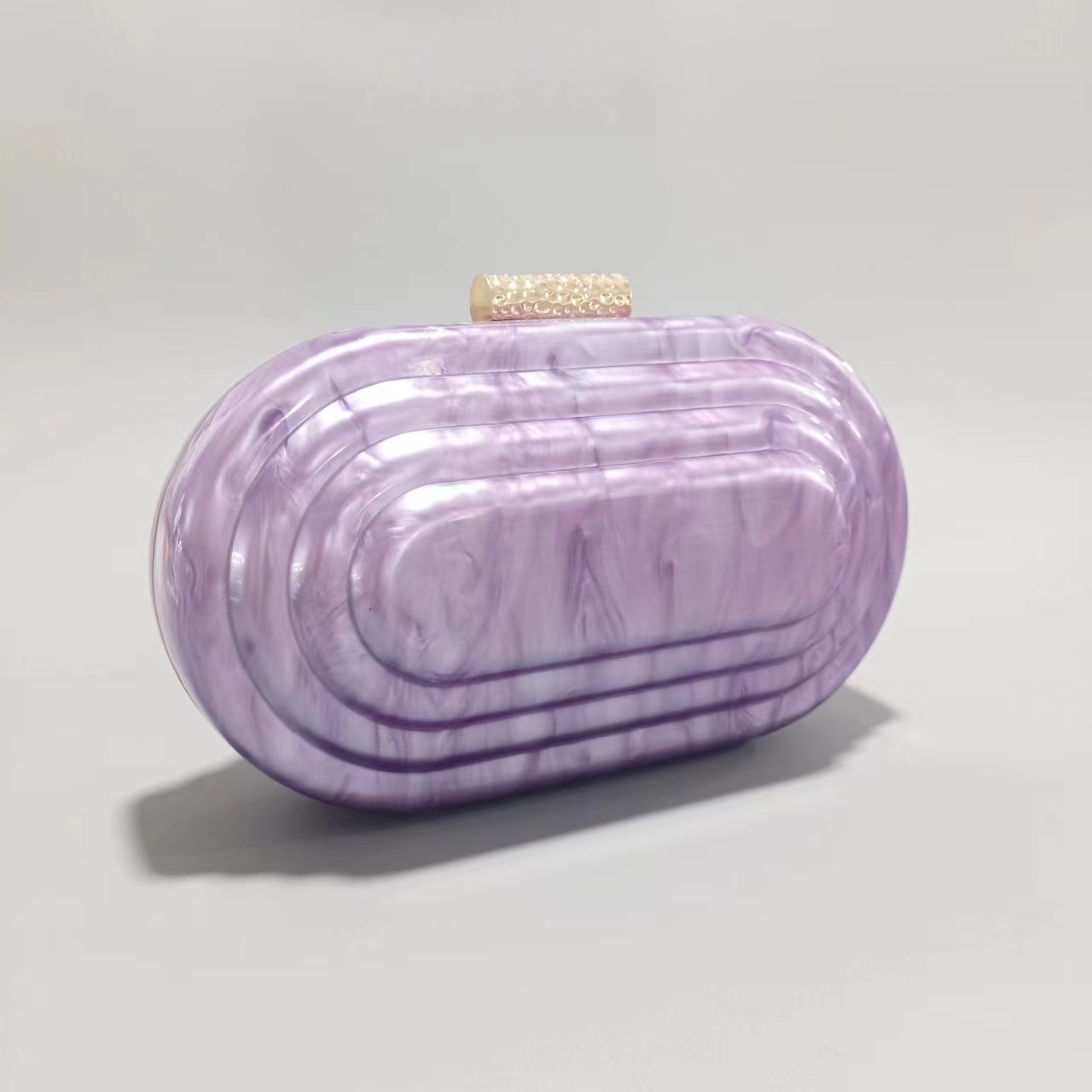
Summer Direct Sales Dinner Bag Retro Pagoda Trend Acrylic Shoulder Chain Bag For Women
$15.85
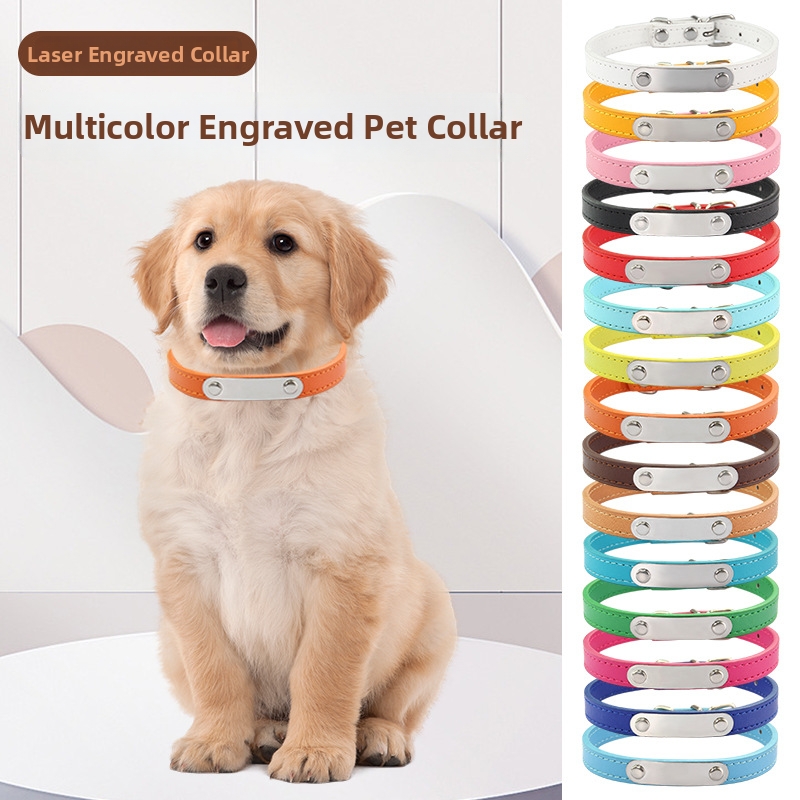
Psm Factory Direct Sales Pet Supplies Pu Leather Adjustable Collar Multiple Dog Cat Collar One Piece Dropshipping
$0.86
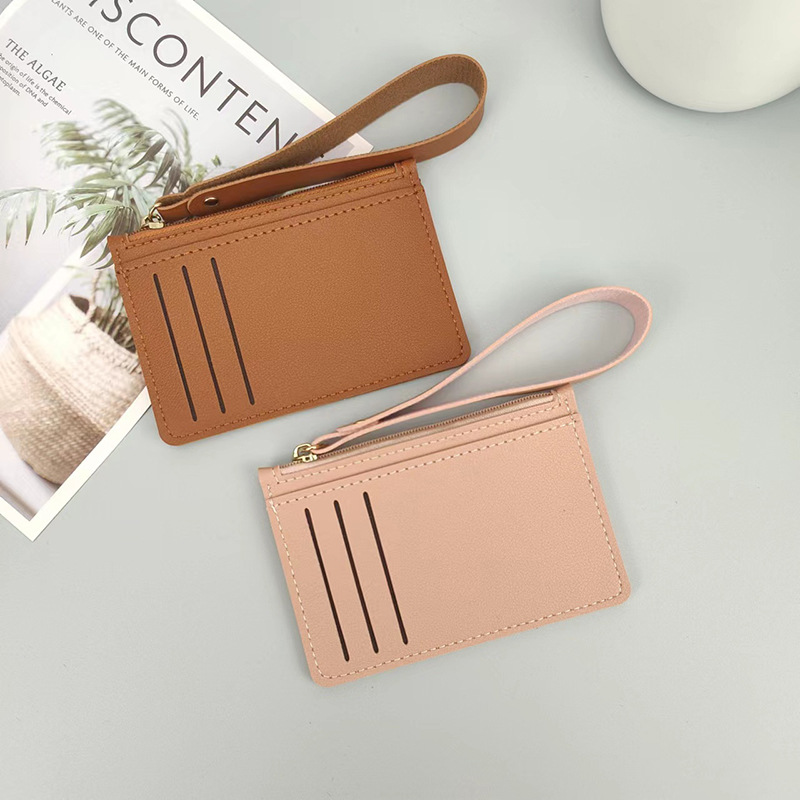
Women'S Change Ultra-Thin Card Bag With Zipper Solid Color Short Card Holder Driver'S License Card Factory Direct Sales
$1.04
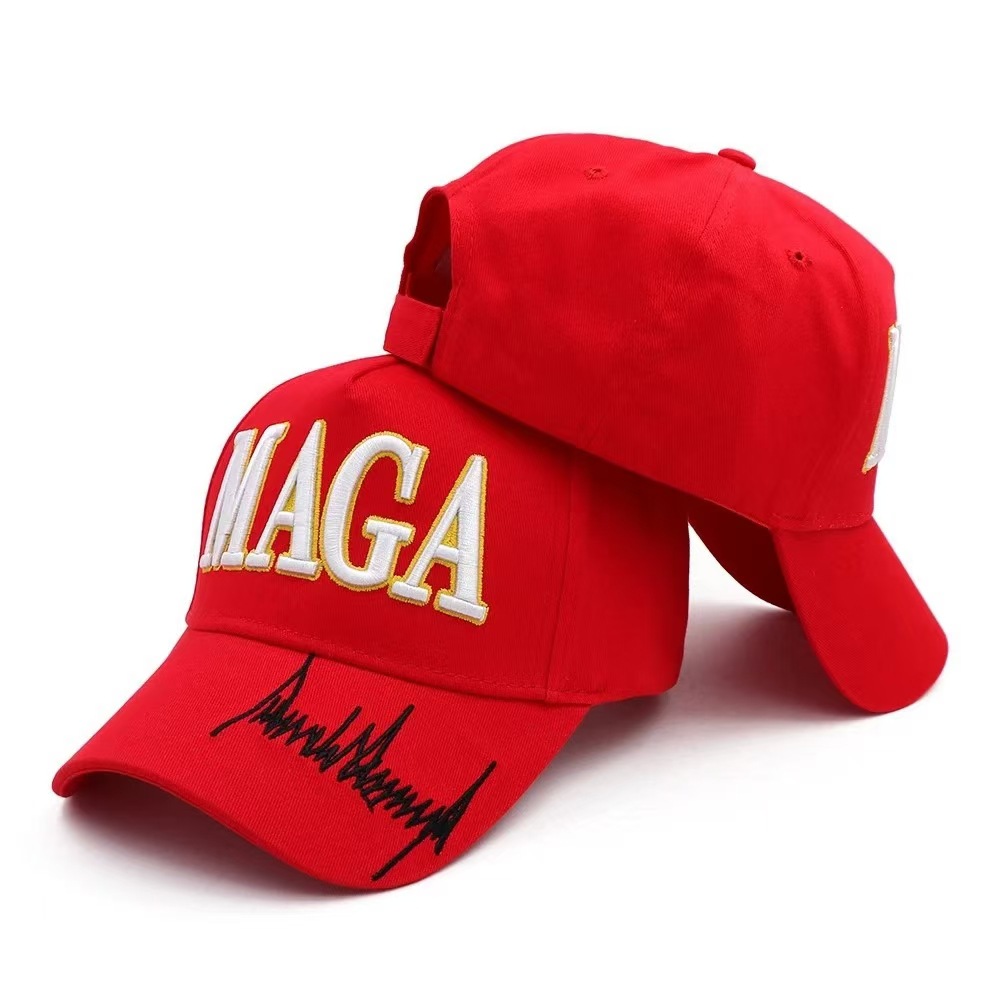
MAGA Political Campaign Baseball Cap Cotton Mesh Trucker Hat With USA Flag Embroidery For Men Women Adjustable Sport Cap
$1.59
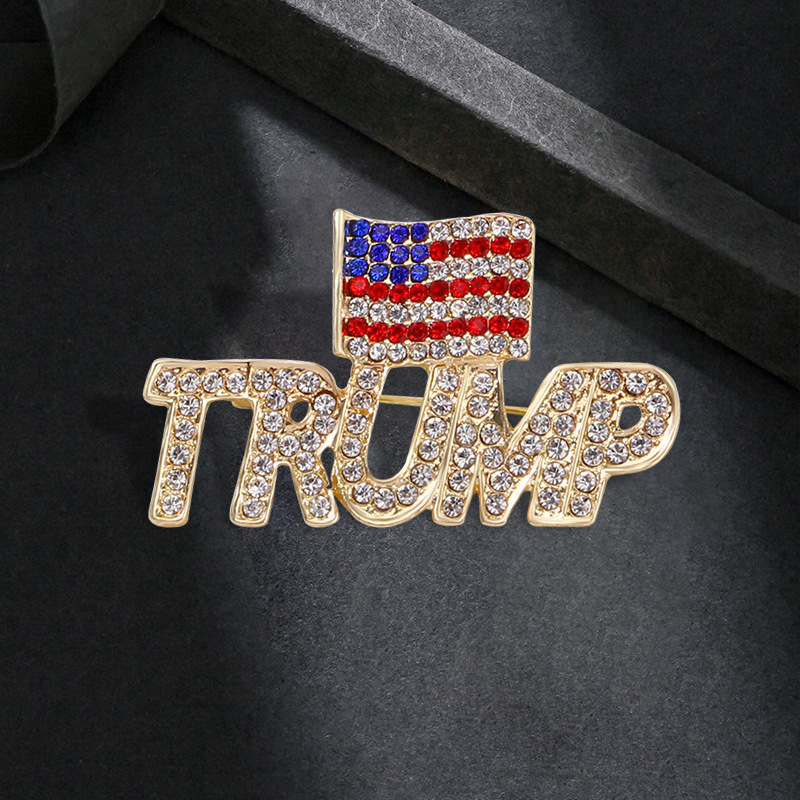
Creative USA Flag Letter Brooch Pin Rhinestone Enamel Alloy Election Campaign Jewelry For Men Women Presidential Candidate Lapel Pin Accessory
$1.05
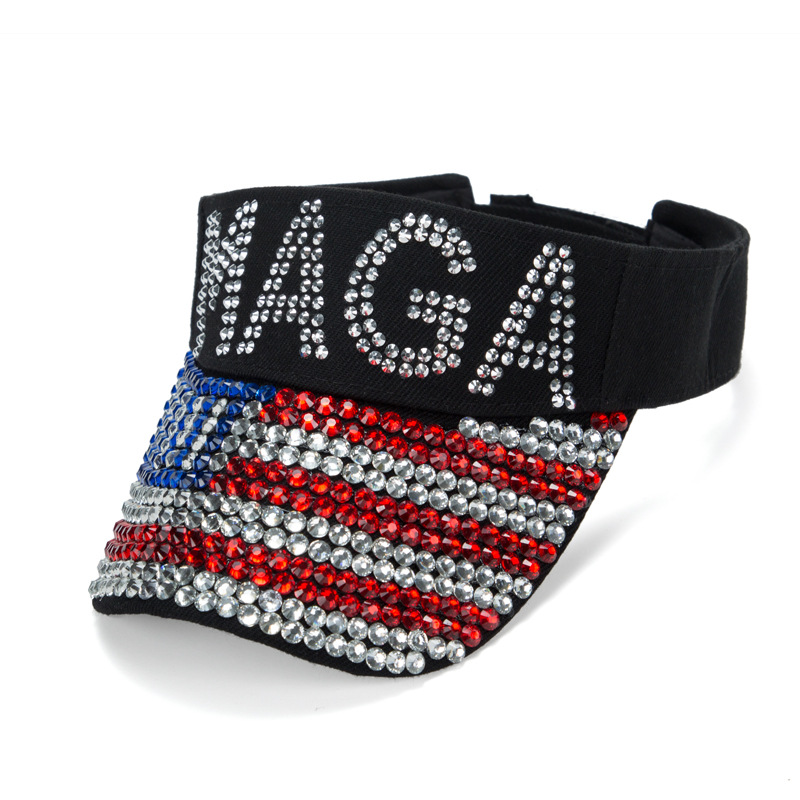
Rhinestone Sun Visor Hat Cotton US Flag Peaked Cap Outdoor Patriotic Campaign Visor For Women Men Sun Protection Summer Hat
$4.03
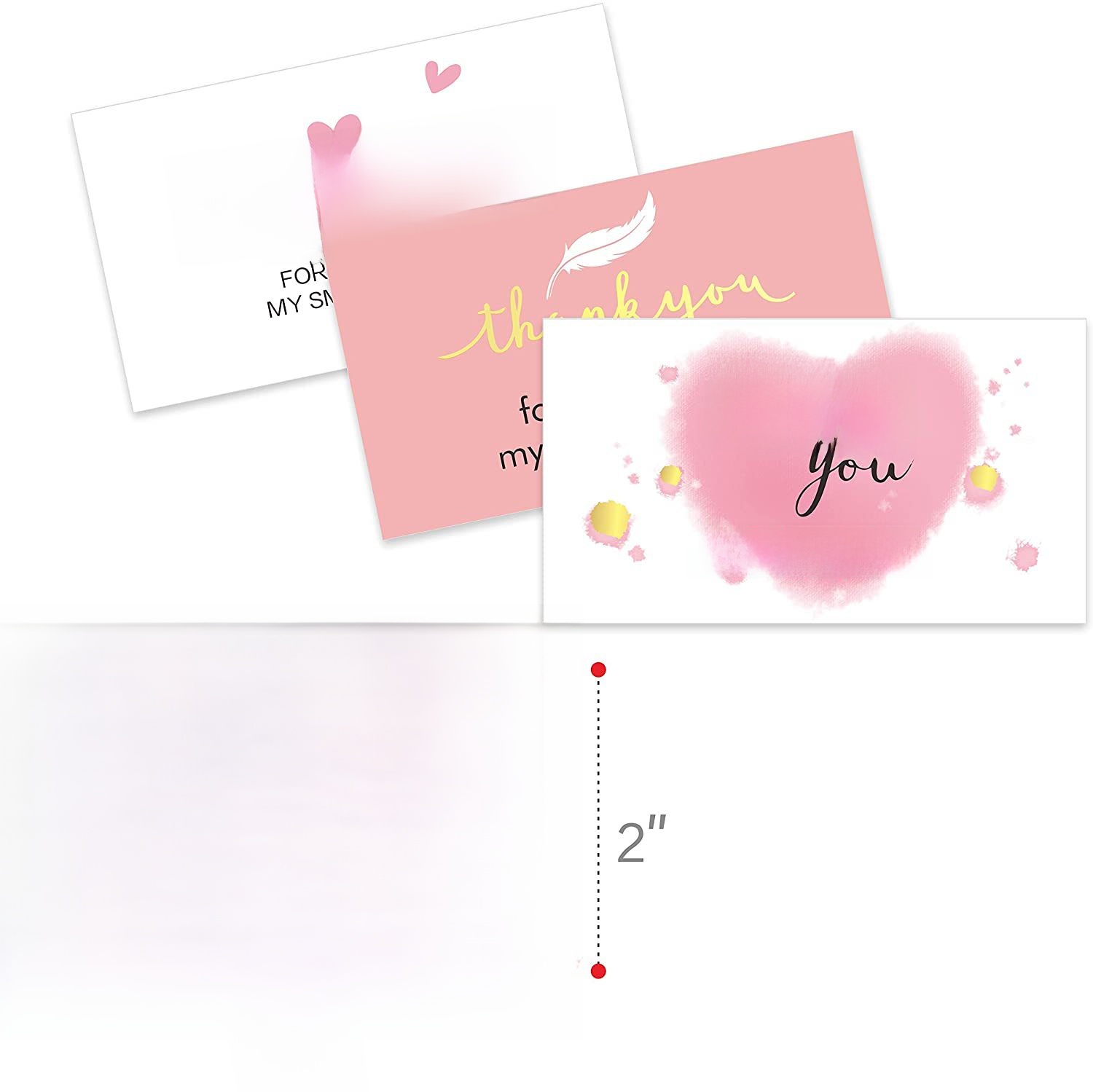
50PCS Small Business Thank You Cards 300GSM Copperplate Paper Pink Gold Foil Stamping After-sales Appreciation Cards For Gift Packaging Decor Online Shop Customers
$0.52
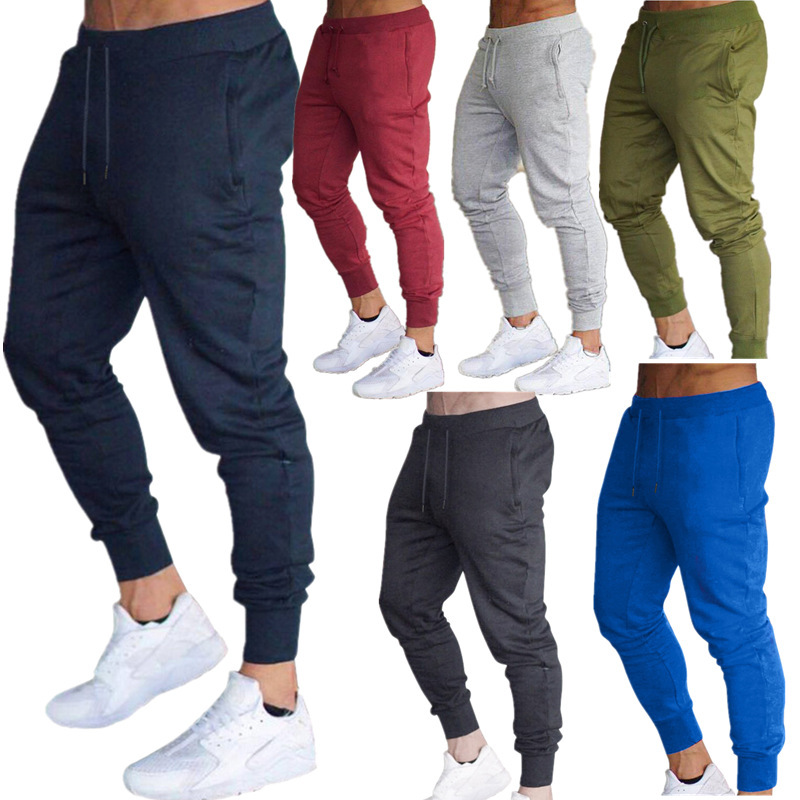
Men's Slim Fit Sport Joggers Cotton Blend Drawstring Sweatpants For Running Fitness Soccer Training Casual Daily Wear Running Pants
$5.48
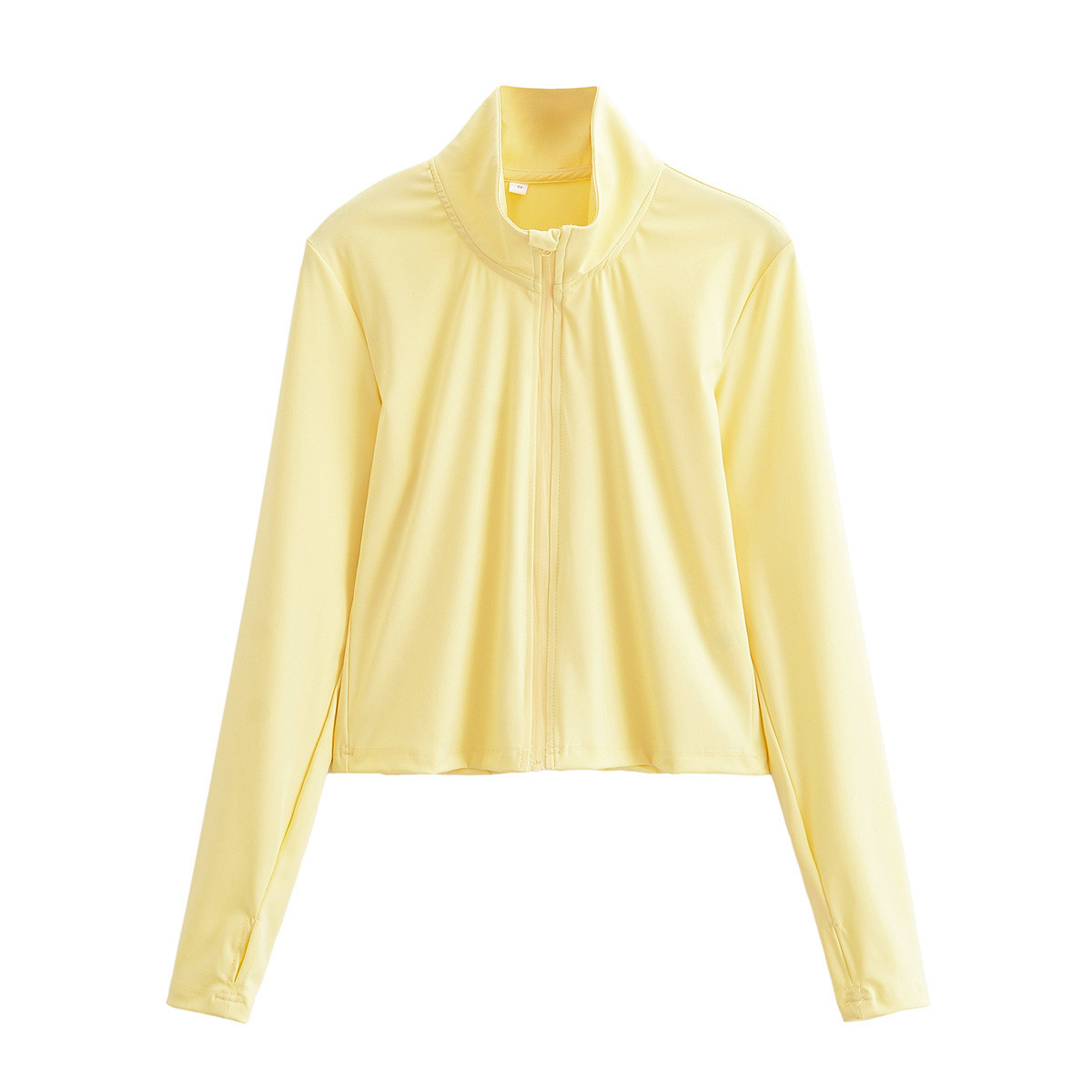
Women's Slim Fit 100% Polyester Sports Jacket Stand Collar Zipper Front Long Sleeve Running Yoga Coat With Thumbholes Solid Color Minimalist Activewear
$15.27
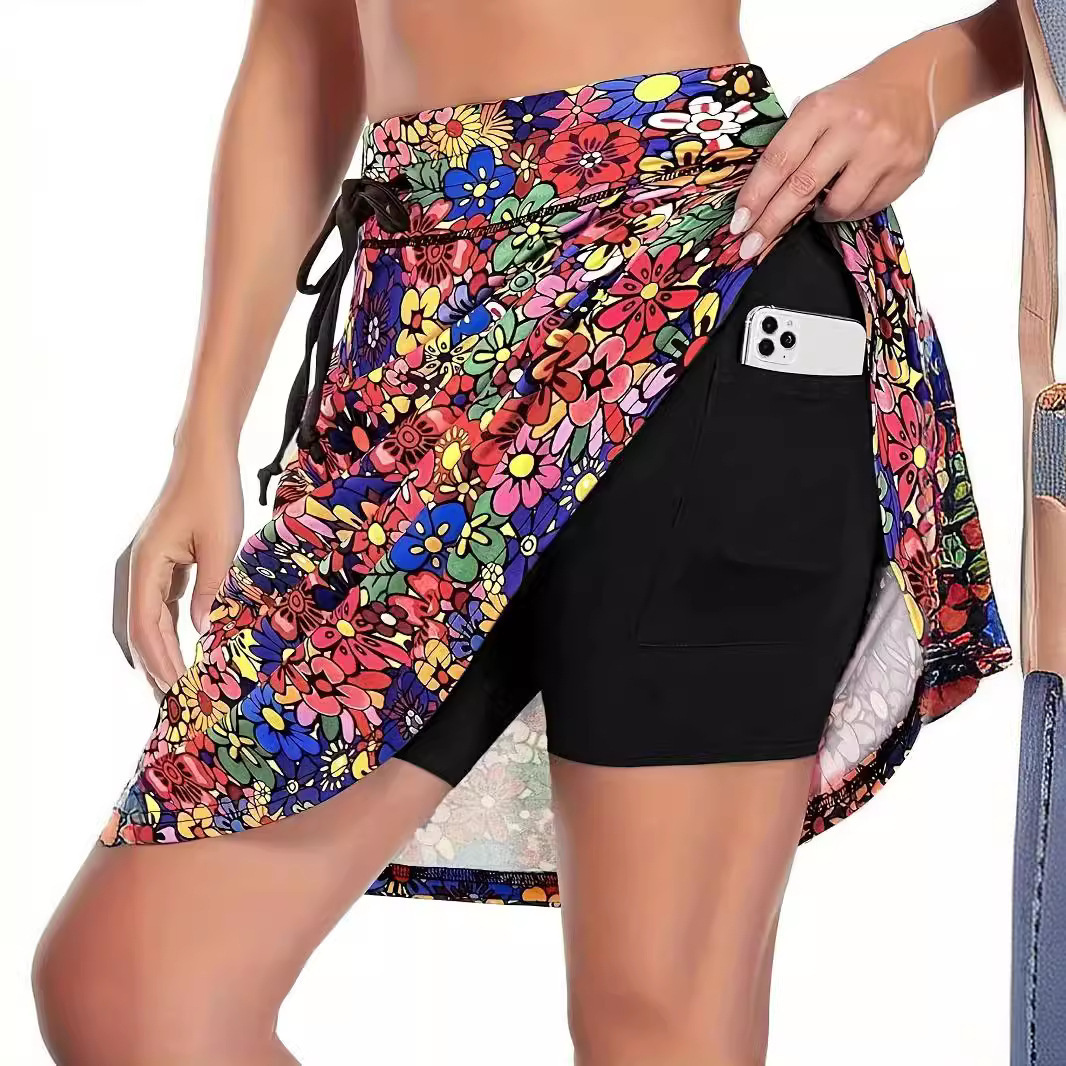
Plus Size Women's High Waisted Athletic Skorts With Phone Pockets Polyester Spandex Drawstring Tennis Running Skirts Floral Polka Dot Geometric Print Fake Two-Piece Mini Skirts
$8.07
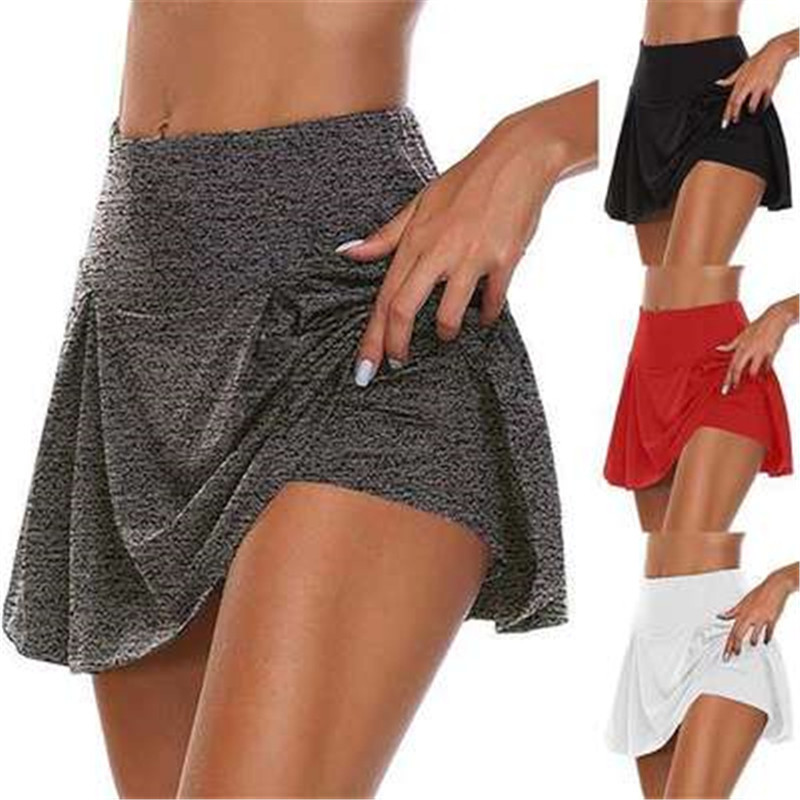
Women's High Waisted Athletic Skort Tennis Skirt With Built-in Shorts Sports Running Golf Skirt Solid Color Quick Dry Workout Skirts For Ladies
$3.75
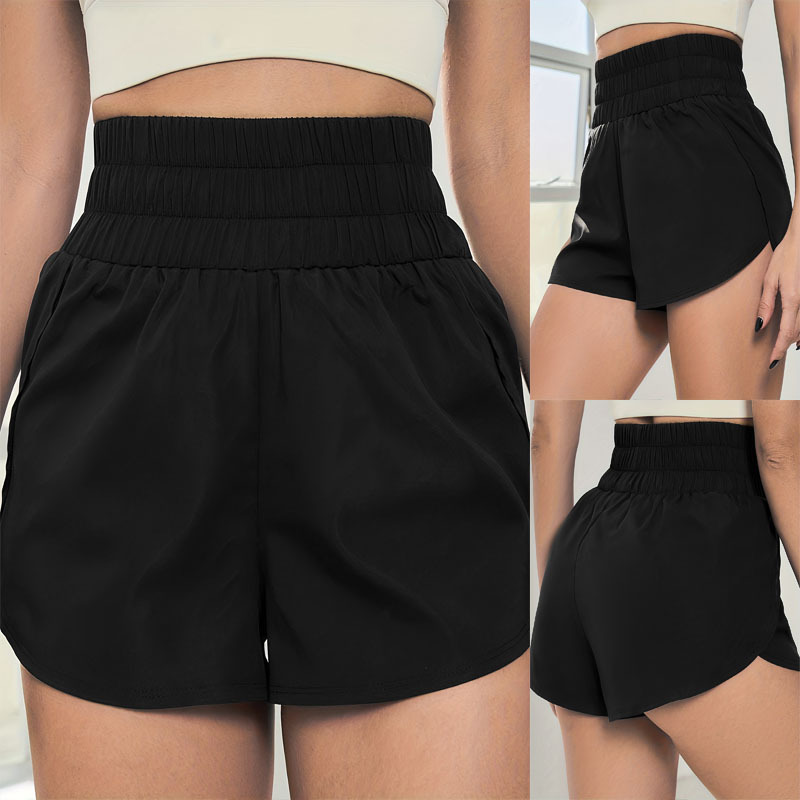
Women's High Waist Ruched Sports Shorts Breathable Quick Dry Athletic Shorts For Yoga Running Fitness Gym Plus Size Polyester Spandex Workout Shorts
$7.49
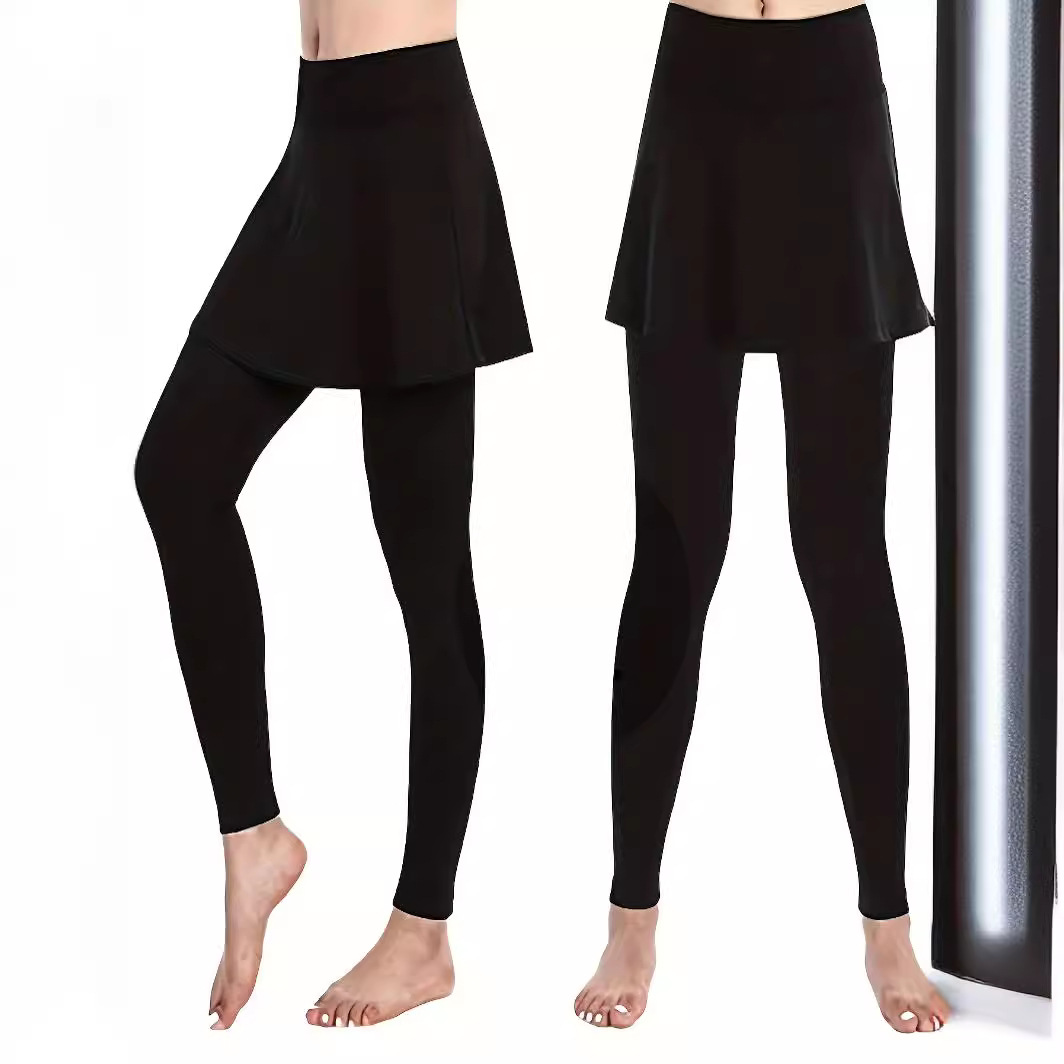
Women's High Waist Skort Leggings Tummy Control Fake Two-Piece Yoga Pants Slim Fit Athletic Workout Skirted Leggings for Gym Running Fitness Casual Women
$8.07
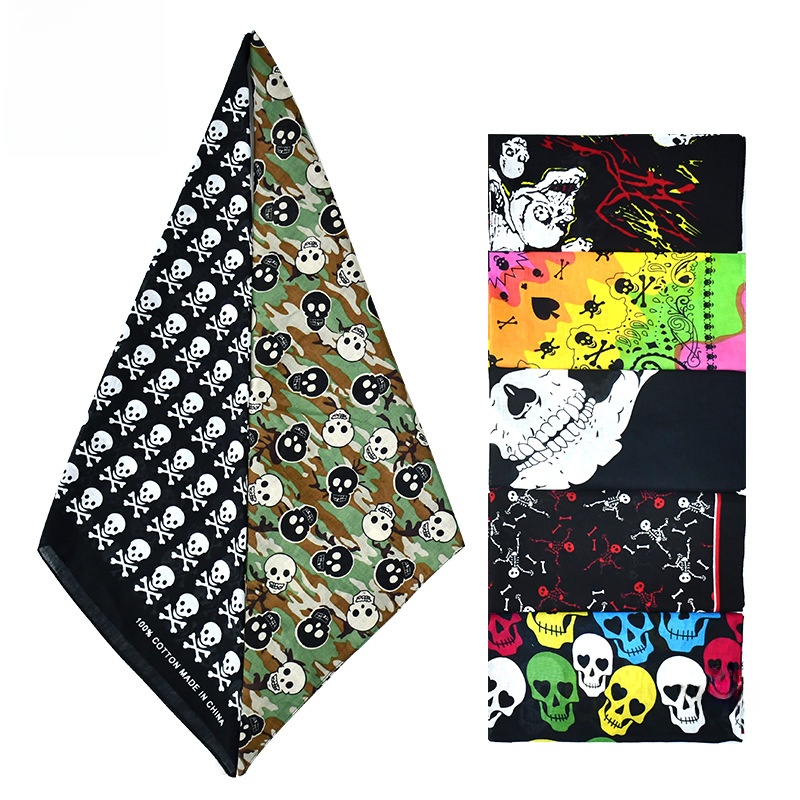
Skull Pattern 100% Cotton Bandana Outdoor Sports Hip Hop Square Scarf Paisley Headwrap For Biker Men Women Gothic Punk Style
$0.50
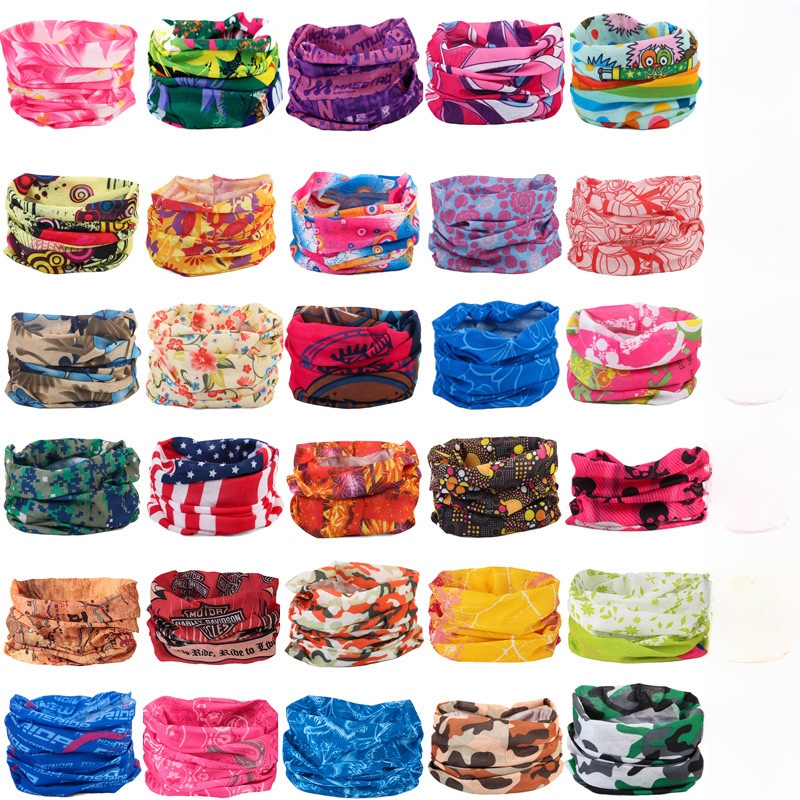
Multifunctional Seamless Magic Bandana Polyester Microfiber Neck Gaiter For Outdoor Cycling Running Hiking Breathable Windproof Sun Protection Headwear Unisex
$0.29
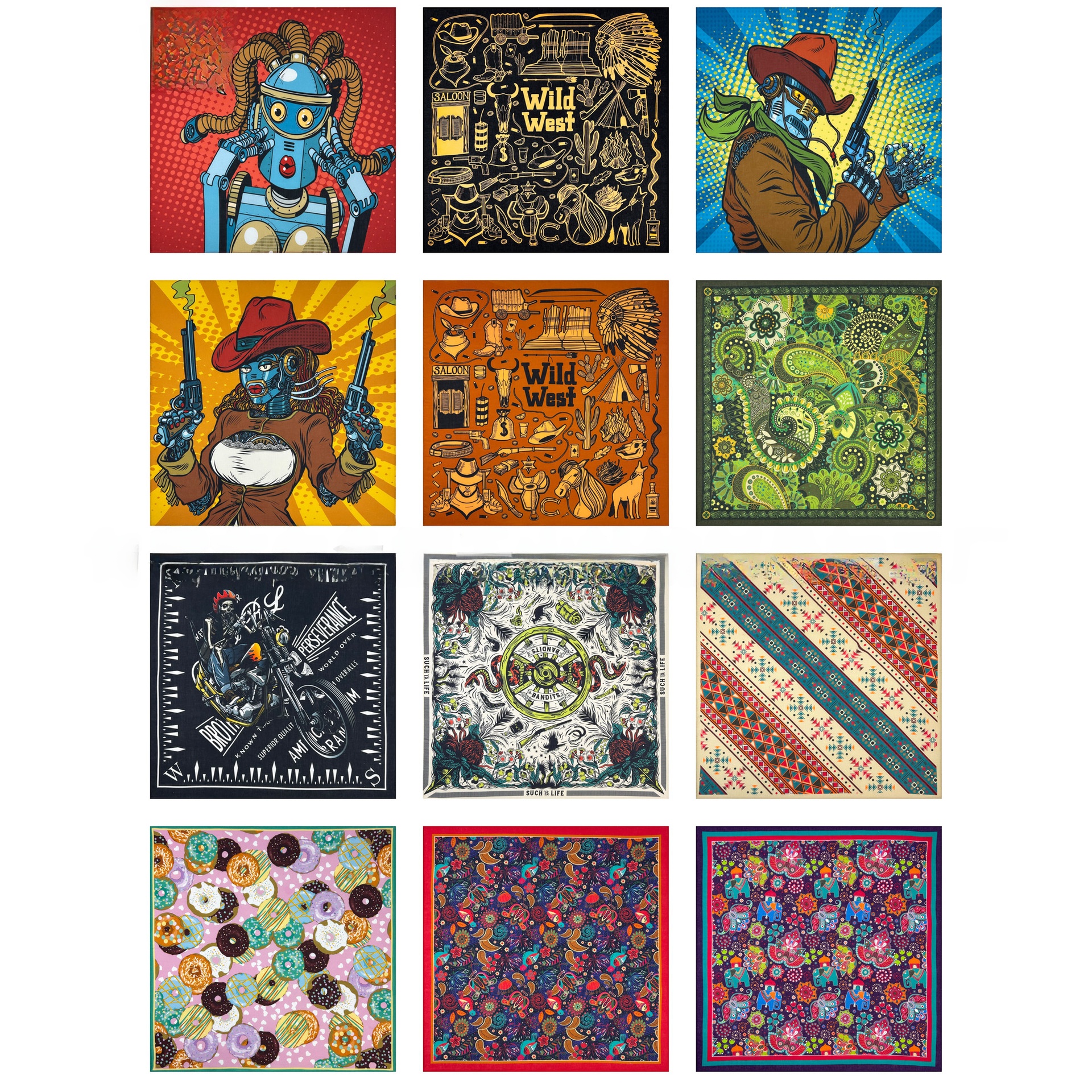
Vintage Pure Cotton Bandana Square Scarf Digital Print Paisley Robot Hip Hop Sports Headscarf For Men Women Outdoor Accessory 55x55CM
$0.82
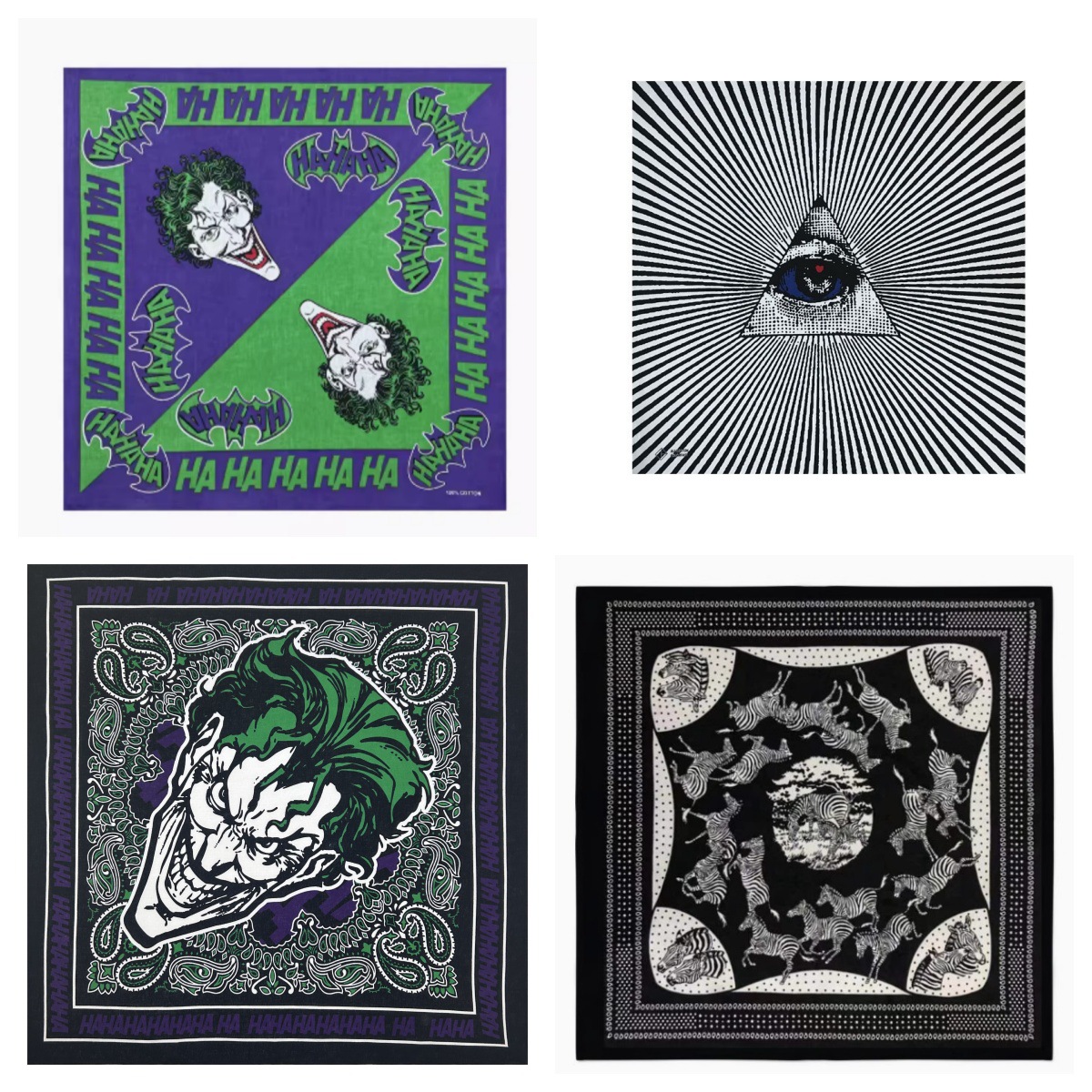
100% Cotton Square Bandana Unisex Hip Hop Clown Zebra Pattern Headscarf For Outdoor Cycling Running Sports Neck Wrap Scarf Multi Style Headwear
$0.72

100% Cotton Skull Bandana Hip Hop Square Scarf Paisley Headwrap For Outdoor Cycling Running Dancing Men Women Gothic Headwear Accessories
$0.66
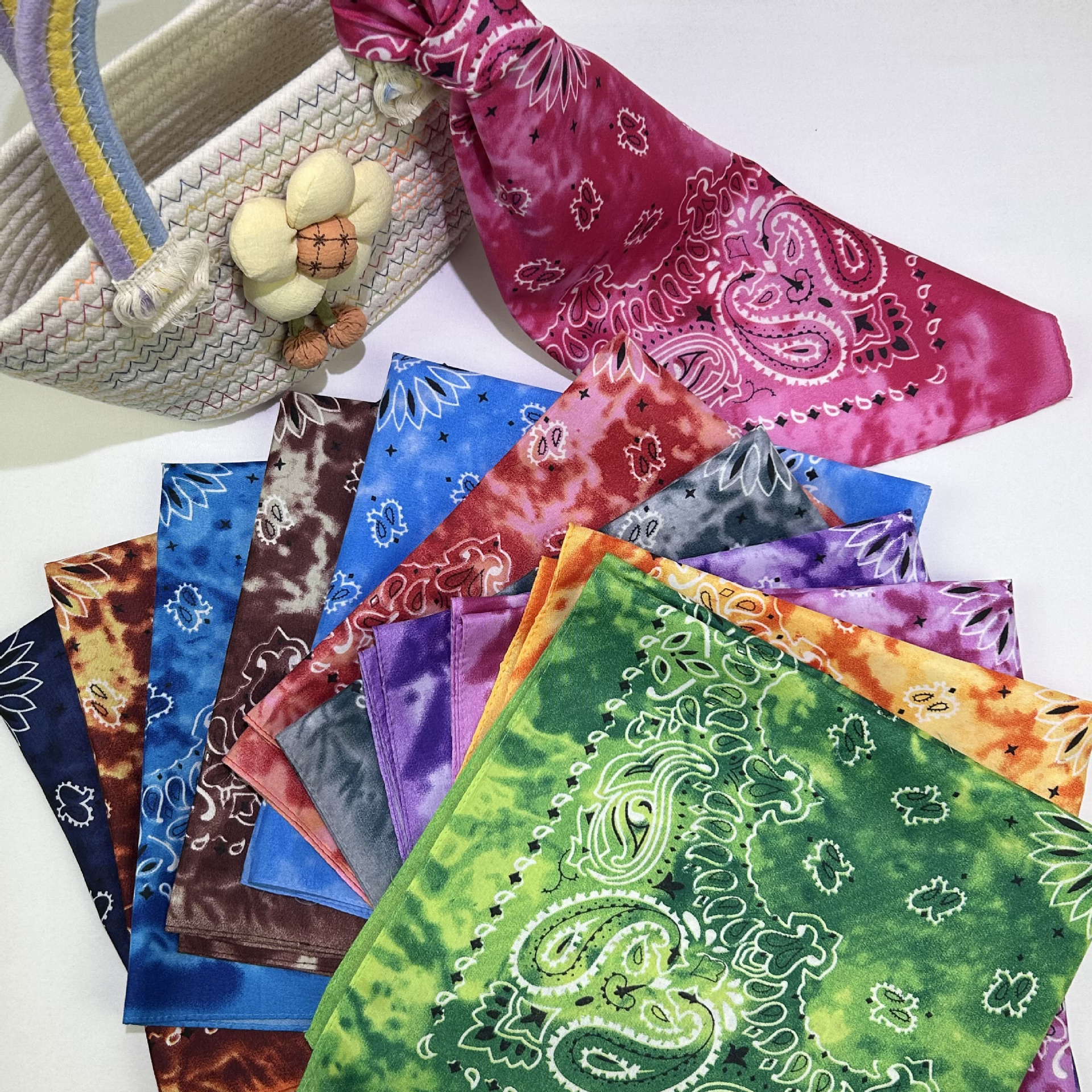
Unisex Tie-Dye Paisley Bandana Polyester Square Headband Multipurpose Headwrap For Outdoor Cycling Hip-Hop Dancing Neck Scarf Bohemian Retro Style
$0.27
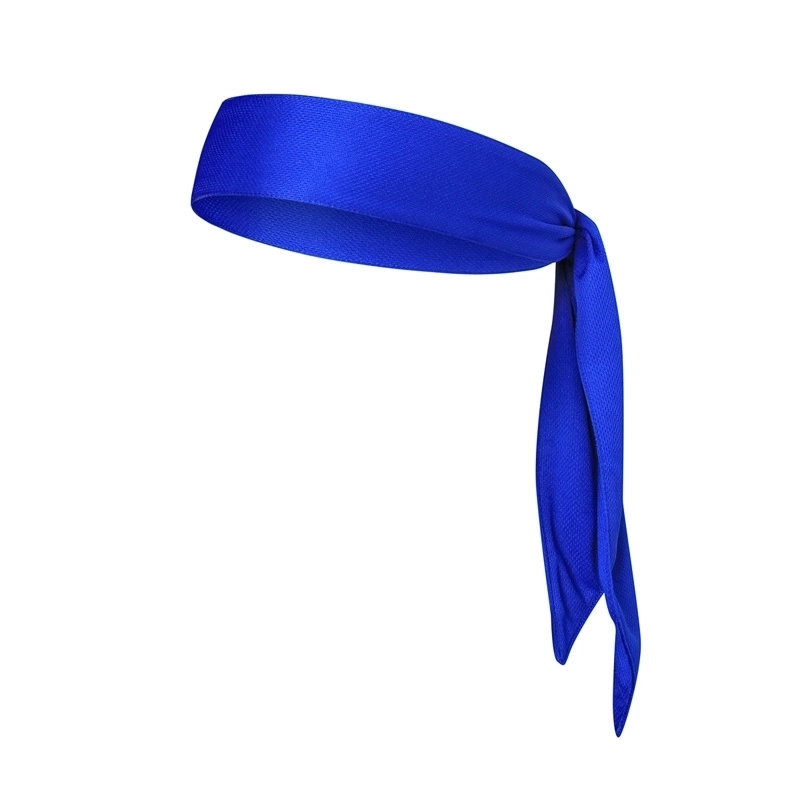
Unisex Sport Tie Headband Breathable Fast Dry Sweatband Polyester Mesh Headscarf For Running Tennis Fitness Cycling Workout Bandana
$1.91
Bundles That Auto-Fix Your Margin Problem
Bundling increases average order value (AOV) and reduces the impact of one unprofitable ad campaign. Each bundle below uses products with combined wholesale cost under $10, so you can sell the bundle at $29–39 and still hit 60%+ margins.
Patriotic Campaign Bundle
A seller running a losing campaign for a political accessory can bundle a hat + brooch + visor to increase AOV and reduce ad-acquisition cost per unit.
- MAGA Political Campaign Baseball Caphero
- USA Flag Letter Brooch Pinupsell
- Rhinestone Sun Visor Hatcomplement
Wholesale cost: $1.59 + $1.05 + $4.03 = $6.67. Bundle retail at $24.99 vs individual total $34.97, giving you 73% margin while the ad campaign still bleeds.
Activewear Starter Pack
A Shopify store owner testing ads for sports apparel can offset one losing campaign with this high-margin bundle.
- Men's Slim Fit Sport Joggershero
- Women's Slim Fit Sports Jacketupsell
- Women's High Waisted Athletic Skortcomplement
Wholesale cost: $5.48 + $15.27 + $3.75 = $24.50. Bundle retail at $59.99 vs separate $79.99, gross margin 59%. The ad campaign loses $2 per click, but the bundle profit per unit is $35.48—so 18 clicks break even on one sale.
Multi-Pack Bandana Bundle
A flea-market stall operator buys in bulk to lower cost per unit and absorb any ad losses from a single test campaign.
- Skull Pattern Bandanahero
- Zebra Pattern Bandanacomplement
- Tie-Dye Paisley Bandanacomplement
- Multifunctional Neck Gaiterupsell
Wholesale cost: $0.50 + $0.72 + $0.27 + $0.29 = $1.78 for a 4-pack. Retail at $17.99 gives 90% margin. Even if the test campaign loses $5, one bundle sale pays for 3 failed clicks.
Pet Owner Cross-Sell
Use your losing campaign’s traffic to upsell pet owners with this cheap add-on that turns a negative margin into positive.
- Pu Leather Adjustable Dog Collarhero
- 50PCS Thank You Cardscomplement
- Acrylic Shoulder Chain Bagupsell
Wholesale: $0.86 + $0.52 + $15.85 = $17.23. Retail bundle at $39.99, 57% margin. The dog collar alone has 90% margin, covering the loss from the campaign.