
Trend Report · May 17, 2026
Sold Out Forever: A Wholesale Buyer’s Checklist for Limited-Edition Trends
Learn how to source items that sell out quickly, including handling restock uncertainty, supplier communication, and bundling strategies for scarce colors. Practical checklist for wholesale buyers.
Sold out forever — The Sourcing Opportunity
The phrase "sold out forever" captures a common frustration: a hot colorway disappears before you can buy it. For wholesale buyers, that frustration signals demand. The source summary describes a buyer who missed a color and is now questioning whether the supplier will restock — a dilemma that plays out every day in fashion accessories. You would think a sold-out item would be removed from the site, but many suppliers keep it listed. That ambiguity is actually a sourcing edge. If you can decode restock signals, you can secure inventory that others miss.
A recent restock of other colors suggests the supplier does replenish — just not on a predictable schedule. The window between selling out and restocking is where informed buyers act. By monitoring product pages and building direct contact with suppliers, you can get ahead of the restock and place bulk orders before retail competitors. This trend isn't about just finding what's in stock; it's about knowing how to get what's about to come back.
For a new buyer, this means treating each sold-out listing as a negotiation opportunity. Reach out, ask about the color's production plan, and offer to pre-order. Suppliers appreciate certainty and may prioritize your order if you commit to a volume. The key is to move from passive waiting to active communication.
Why This Category Is Newly Profitable to Source
Limited edition colorways create artificial scarcity that drives consumer urgency. The source summary shows a buyer willing to go the extra mile — email customer service, track restocks — to get a specific shade. That same impulse makes resellers willing to pay a premium for wholesale lots. The category becomes newly sourceable because suppliers are starting to see demand patterns and are more responsive to restock inquiries.
When a supplier recently restocked other colors that had been gone for weeks, it proved they have the production capacity. They just need enough buyer interest to trigger a production run. As a wholesale buyer, you can aggregate that demand — order a minimum quantity of a color that's "sold out forever" and get exclusive access before it hits retail. This is especially true for fashion jewelry and accessories where small color variations create big buying decisions.
The profitability angle is clear: items that are perceived as scarce can be priced 30-50% above standard margins. For example, a colorful enamel pin that normally wholesales for $0.50 can sell at $3-4 retail when framed as a limited edition. The risk is overcommitment — you don't want to be stuck with a color that fades from trend. That's where a sourcing checklist keeps you disciplined.
Who Should Source Sold-Out-Forever Items
This checklist is for both first-time importers and seasoned wholesalers looking to capitalize on scarcity. If you're new, you'll learn how to verify restock plans without overordering. If you're established, you'll refine your approach to negotiating exclusive color runs.
Shopify seller
Can use limited colors to create urgency, but must manage restock uncertainty by ordering multiple color variants upfront to hedge risk.
Pop-up stall operator
Needs quick turnaround and low MOQ; better off with items that have confirmed restock schedules or pre-order options.
First-time wholesale buyer
Should focus on communicating directly with suppliers about restock plans and starting with sample orders before bulk.
Sourcing Vetting Checklist for Sold-Out-Forever Items
Phase 1: Supplier Identification
✓ Search for suppliers offering the exact colorway you missed
Why: Ensures you source from an authorized distributor who actually stocks that shade.
✓ Check supplier's restock history for that product
Why: Repeated restocks indicate reliable production capacity.
Phase 2: Sample Verification
✓ Order a sample of the specific color before placing bulk order
Why: Color may differ from on-screen images due to lighting or dye lot variation.
✓ Test the item for durability — wear it, bend it, wash it if applicable
Why: Jewelry and accessories may tarnish, break, or fade after a few uses.
Phase 3: Inventory Commitment
✓ Negotiate MOQ specifically for that color (not the whole product line)
Why: You may not want 200 units of every color, but you might commit to 50 of the hot shade.
✓ Ask for expected lead time and restock window in writing
Why: Helps you plan your sales calendar and avoid stockouts mid-season.
How to Source and Sell Items That Are 'Sold Out Forever'
Success comes from combining proactive supplier outreach with smart inventory planning. Start by identifying which colors have high demand — use the source summary's scenario as your template: when a customer sees a sold-out listing online and wonders about restock, that's your cue. Email the supplier, reference the specific color, and ask if a production run is planned. If they say yes, negotiate a pre-order pricing tier. Once you have a confirmed restock, order a sample to verify the shade against your expectations. Then place a modest bulk order — don't go all-in until you've tested sell-through. For items like the beaded bracelets and enamel pins in our catalog, buying 50-100 units of a single color per SKU is a safe start. Track sell-out velocity: if that color moves in under two weeks, reorder before the next restock window closes. The selling angle is straightforward: market it as "back by popular demand" or "limited restock — only X available." Scarcity signals convert well. But always have a backup color in your assortment so you're not left dry if the supplier delays.
Email the supplier with the product URL, mention the sold-out color, and ask if they plan to restock. Offer to pre-order 100+ units.
⚠ Supplier may give a non-committal answer; color may never come back.
Browse 'trending colors' or 'limited stock' categories to find items already in production. Add them to a watchlist and request sample orders.
⚠ Colors may not match exactly as shown on screen; order sample first.
Contact factories that offer Pantone matching. Provide a specific color code and request a low MOQ (e.g., 50 pieces) for a test run.
⚠ High MOQ (often 200+) and longer lead time (4-6 weeks) may not suit fast trend cycles.
Top Products for This Trend
These items feature vibrant colors, exclusive motifs, and limited-edition appeal that align with the 'sold out forever' phenomenon. Each has potential for scarcity-driven pricing. Inventory may fluctuate — check current stock before ordering.
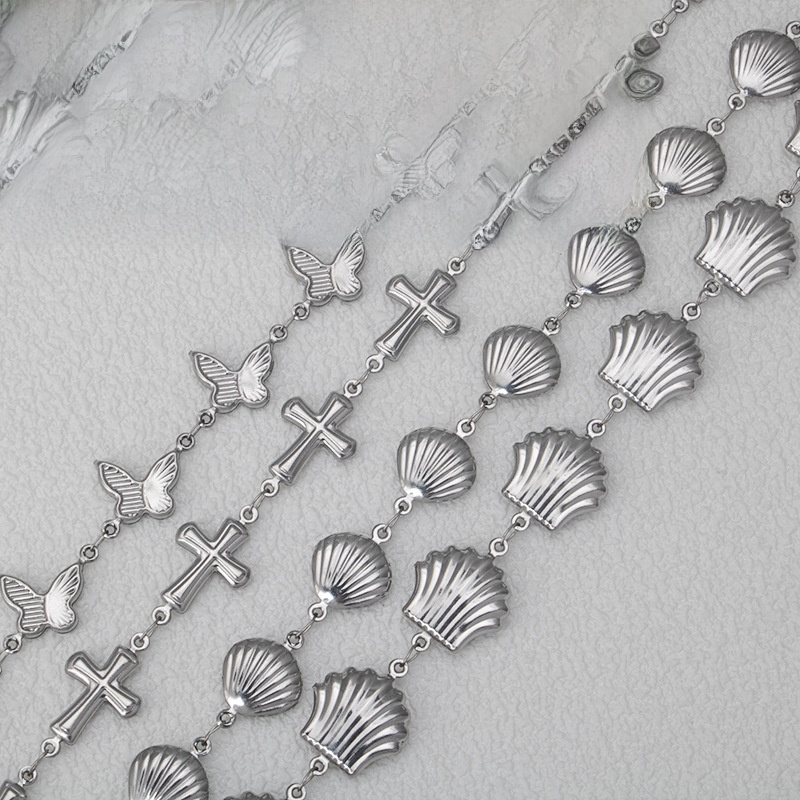
Stainless Steel DIY Jewelry Chain Butterfly Cross Shell Links For Handmade Necklace Bracelet Crafting Sold By Meter Silver Color Metal Accessories
$3.93
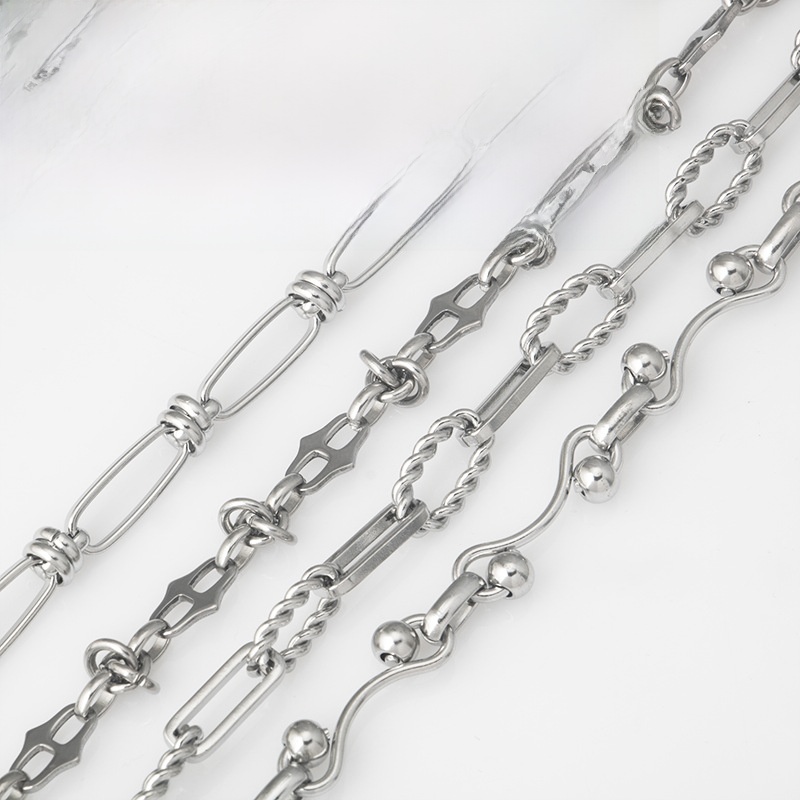
DIY Stainless Steel Chain Handmade Semi-Finished Link Chain For Necklace Bracelet Bag Accessories Jewelry Making Findings Sold By Meter Silver Color Metallic Accessory
$4.32
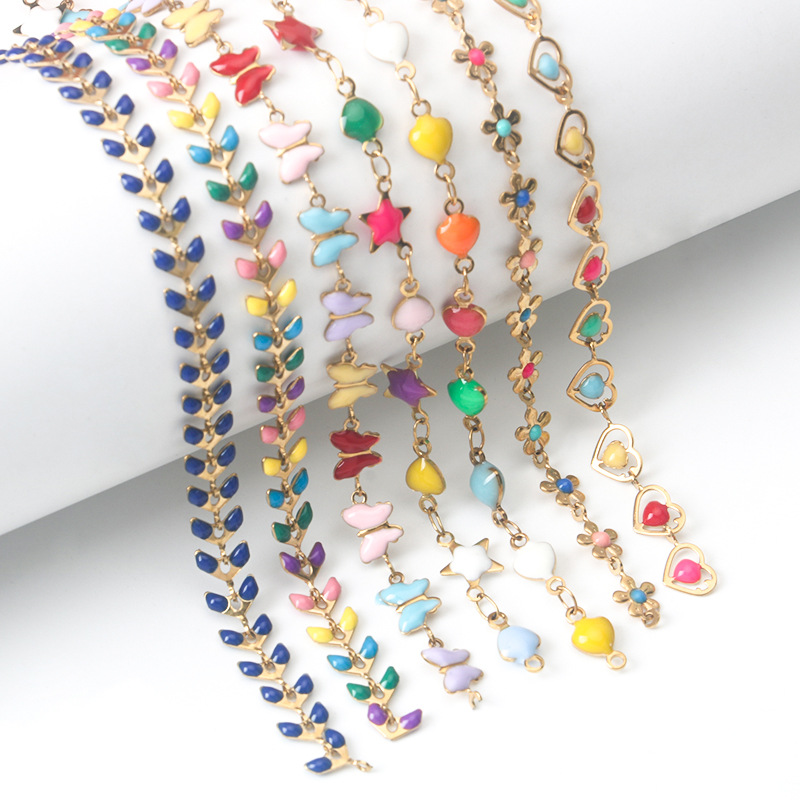
Stainless Steel DIY Jewelry Chains Colorful Enamel Butterfly Heart Flower Star Shapes For Necklace Bracelet Bag Accessory Handmade Craft Sold By Meter
$4.03
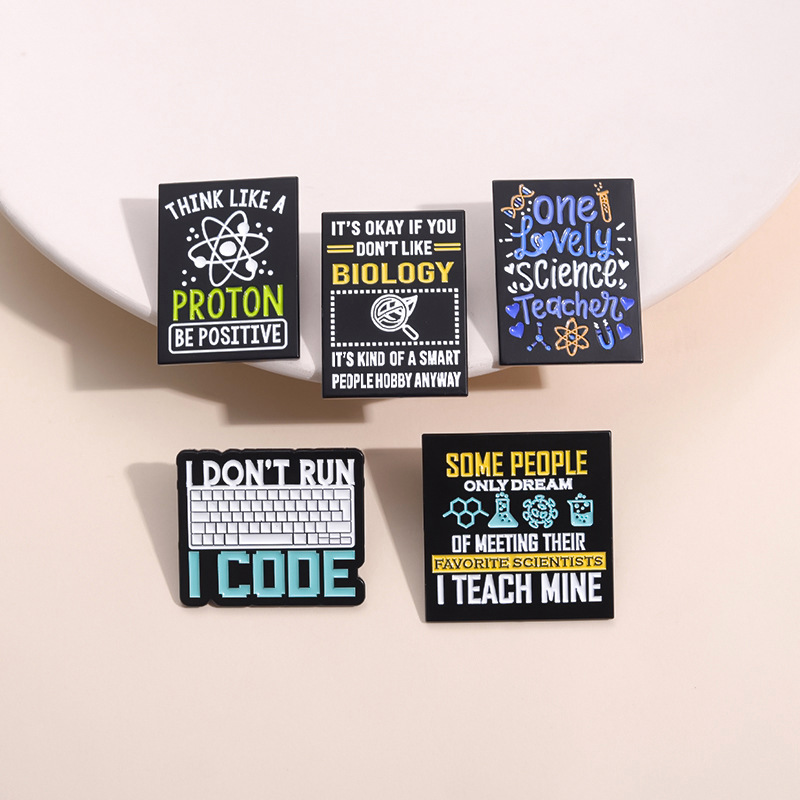
Funny Science Enamel Pin Set Think Like A Proton Positive Science Teacher Brooch Zinc Alloy Badge For Backpack Creative Programming Biology Jewelry Gift
$0.50
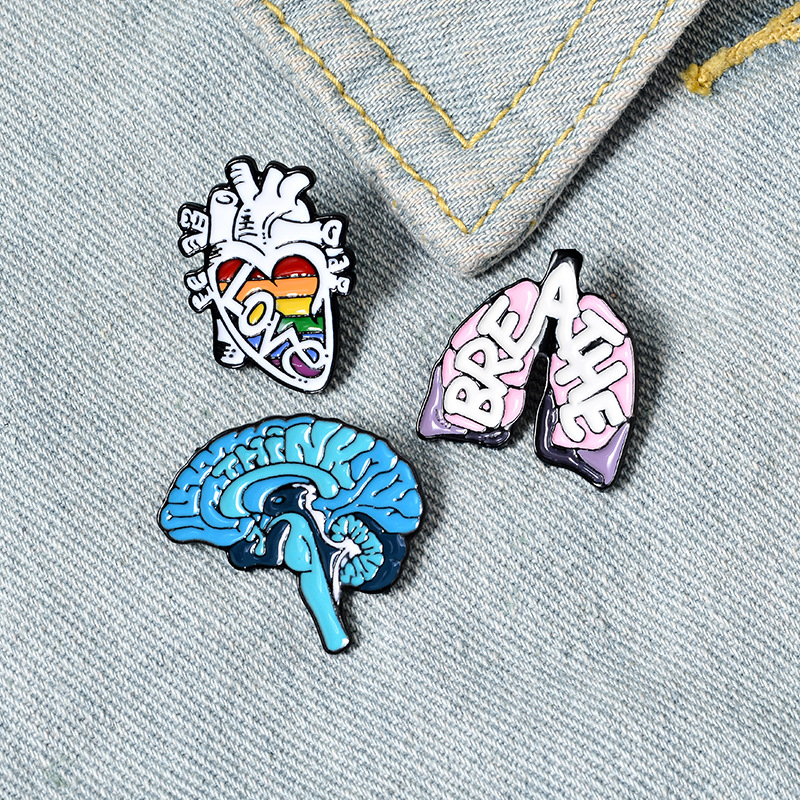
Creative Anatomical Internal Organs Enamel Brooch Pin Set Alloy Rainbow Heart Love Breathe Lungs Think Brain Badge For Clothing Backpack Decor Unisex Jewelry
$0.47
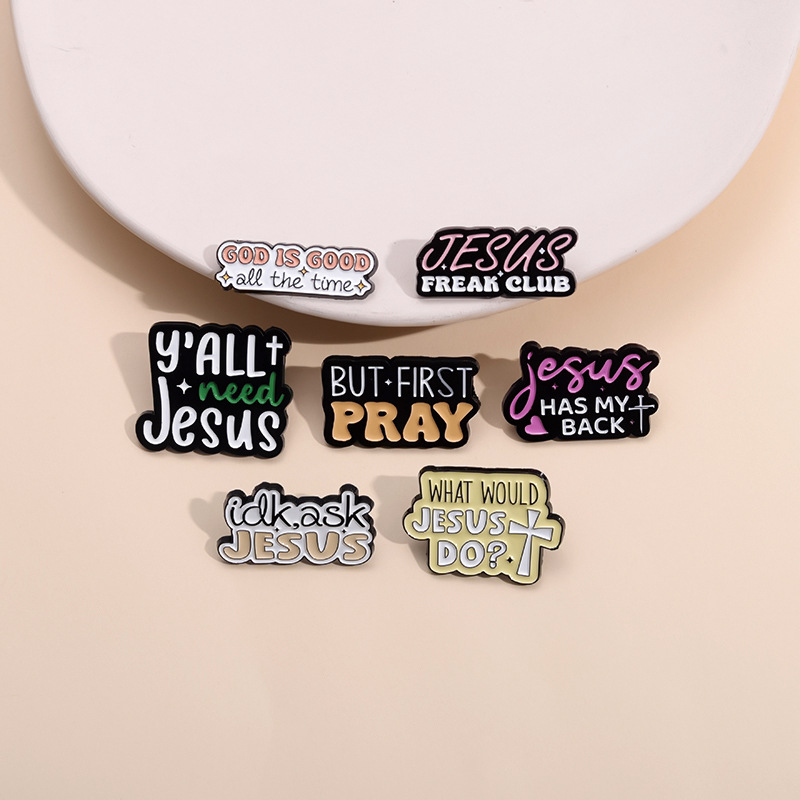
Christian Jesus Quote Enamel Pins Religious Cross Alloy Brooch Jesus Has My Back What Would Jesus Do Lapel Pins Fashion Badges Jewelry Gift For Women Men
$0.50
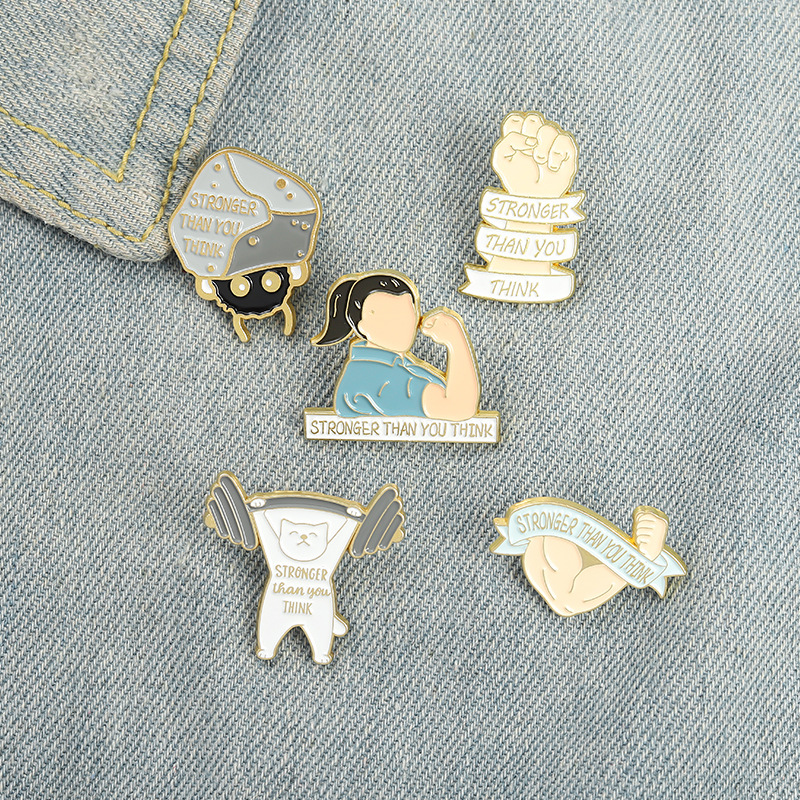
Stronger Than You Think Enamel Brooch Pins Inspirational Quote Cartoon Fitness Gym Theme Alloy Gold Plated Lapel Pins For Backpack Jacket Women Men Gifts
$0.47
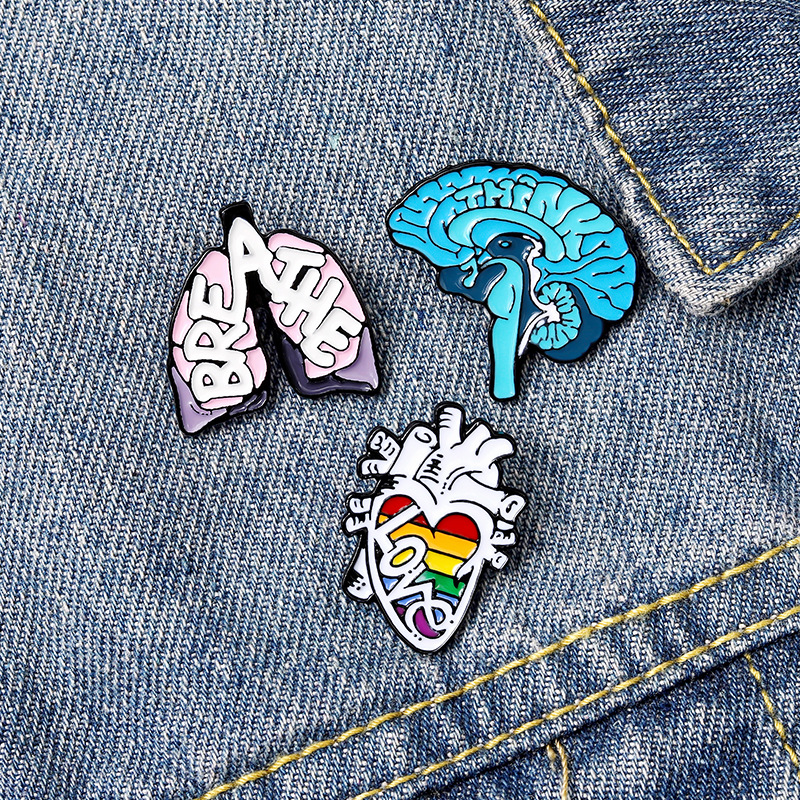
Creative Anatomy Enamel Pin Set Alloy Brain Heart Lungs Brooches For Doctors Nurses Medical Students Denim Jacket Backpack Badge Love Think Breathe Motivational Jewelry
$0.47
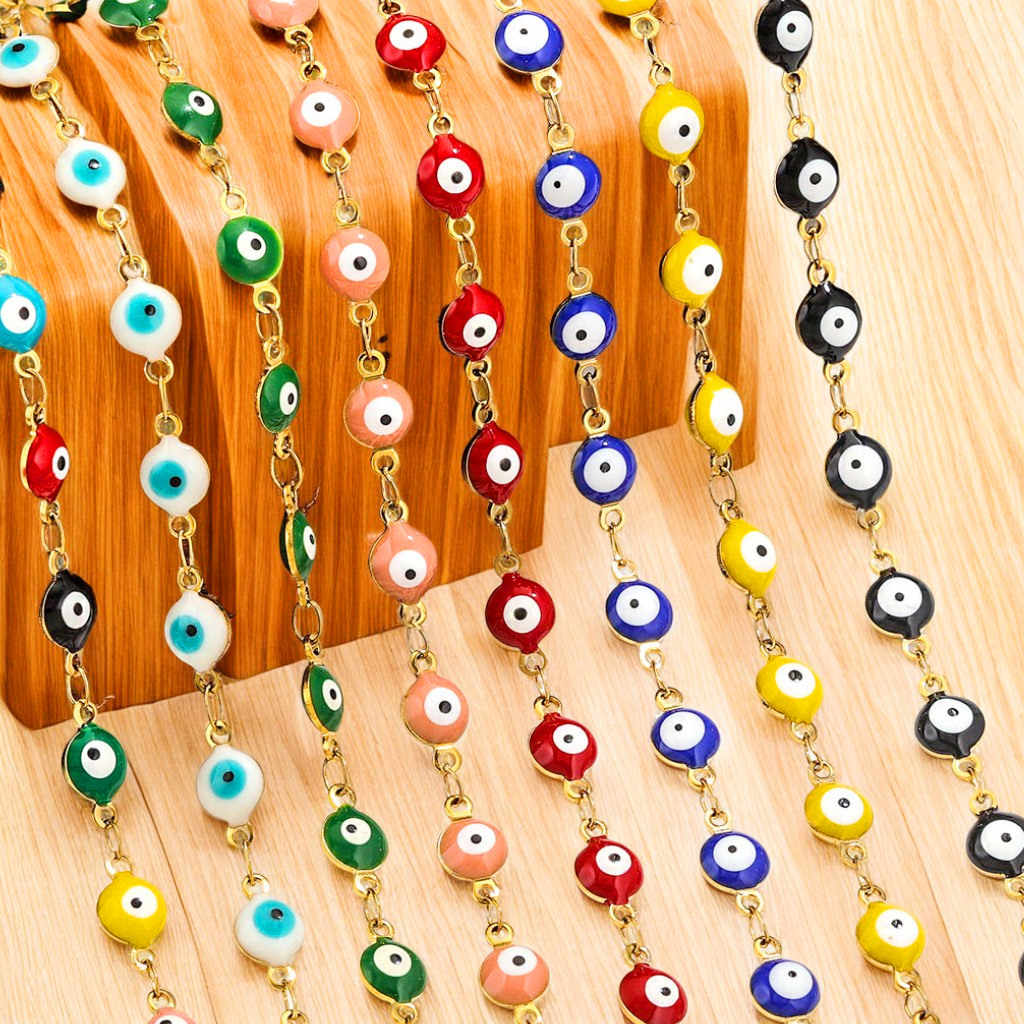
18K Gold Plated Stainless Steel Evil Eye Enamel Bead Chain For DIY Jewelry Making Necklace Bracelet Handmade Accessories 6mm Evil Eye Beads Sold By Meter
$2.55
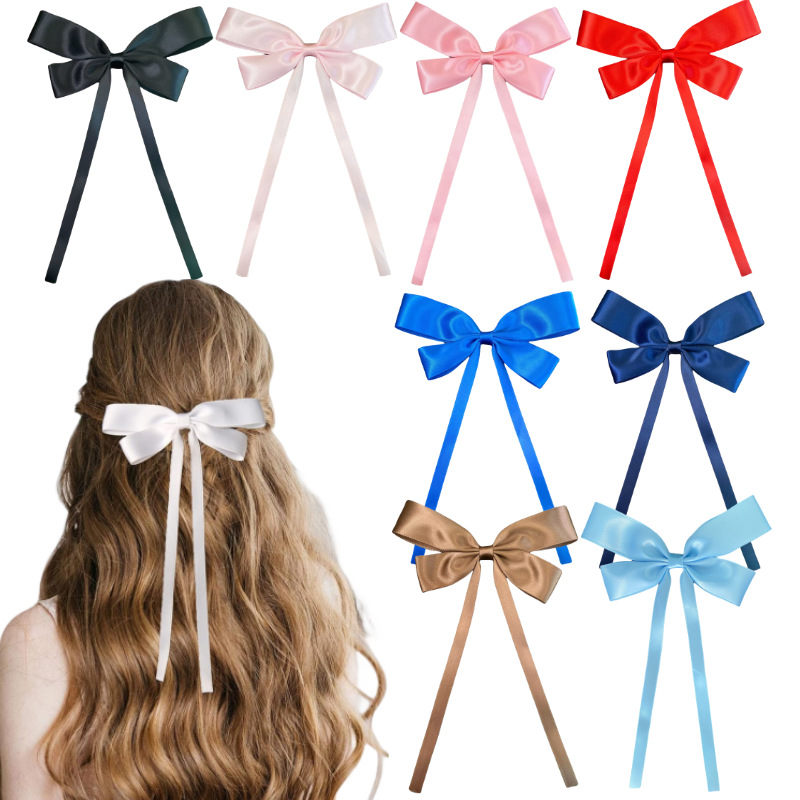
Elegant Large Satin Ribbon Bow Hair Clip Long Tassel Hairpin Princess Style Solid Color Hair Accessories For Women Girls Party Daily Wear
$0.58
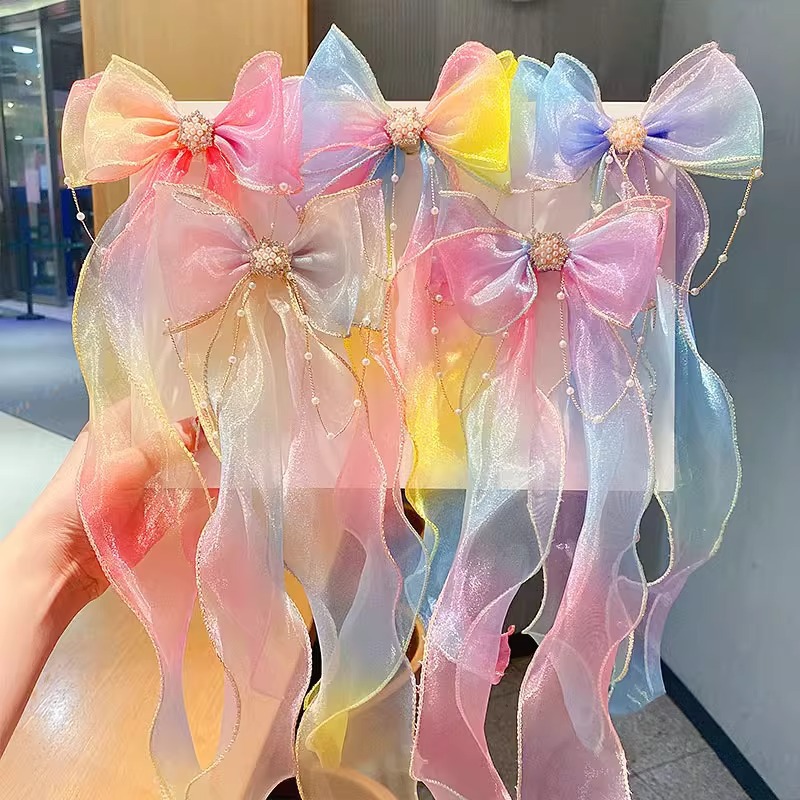
Girls Rainbow Gradient Bow Hair Clips With Long Tulle Streamers Pearl Chain Tassels Princess Hairpin Accessories For Kids Party Hair Decoration
$0.46
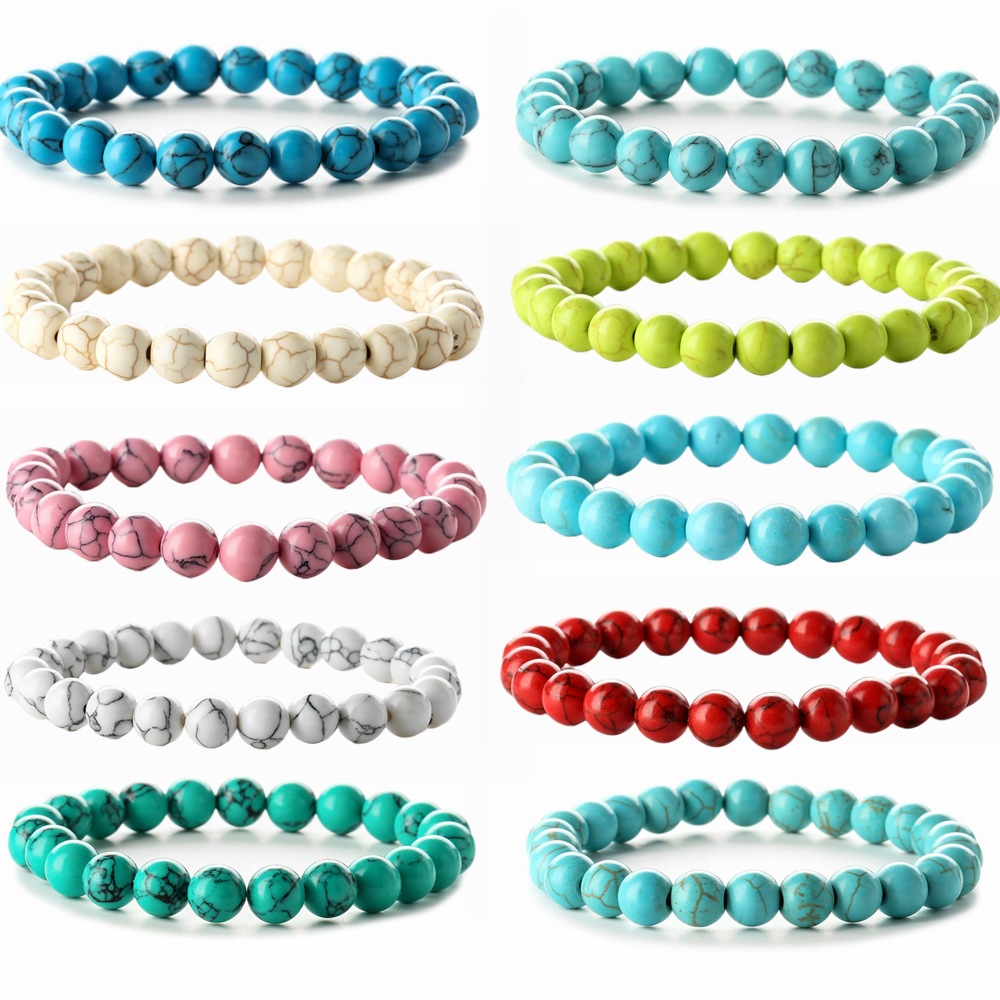
Natural Turquoise Beaded Bracelet 8mm Round Beads Natural Stone Hand String Fashion Simple Jewelry For Men Women Unisex
$0.42
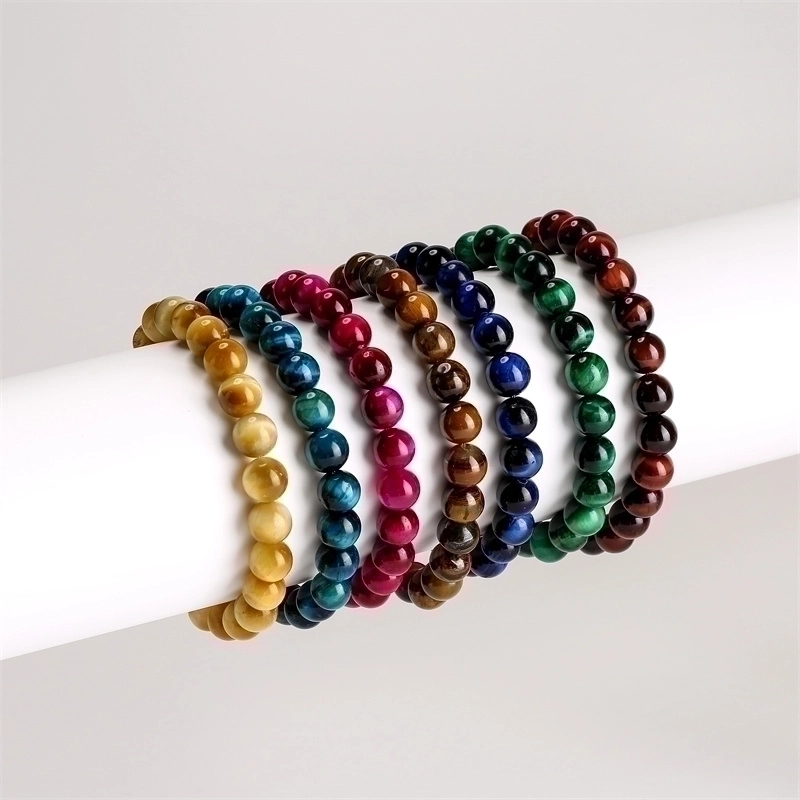
Natural Tiger Eye Stone Beaded Bracelet Handmade 8mm Round Beads Healing Crystal Gemstone Elastic Rope Bangle Jewelry For Men Women
$1.28
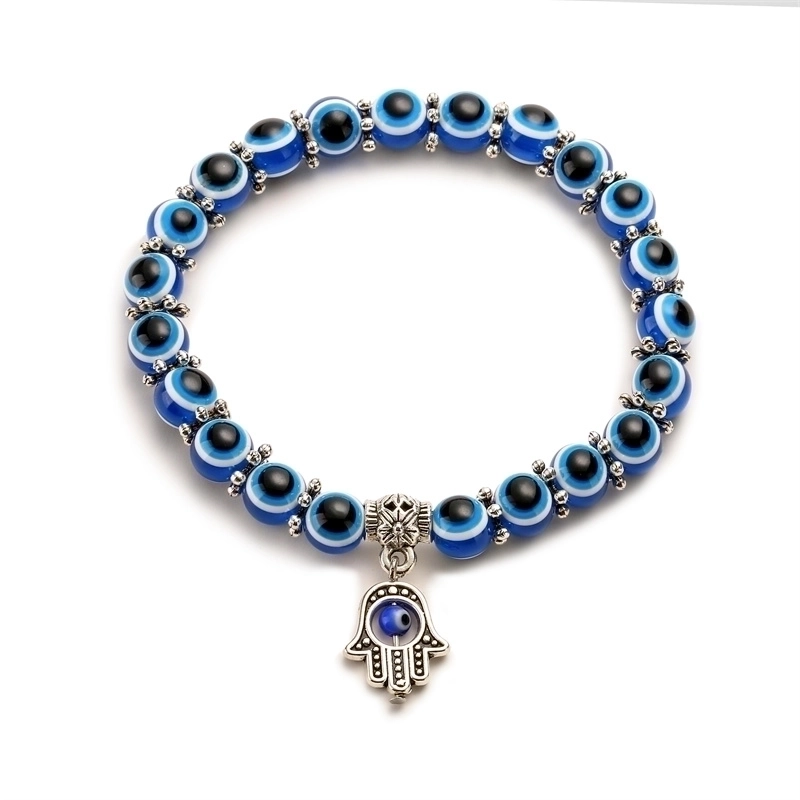
Turkish Evil Eye Hamsa Hand Beaded Bracelet For Men Women Resin Glass Beads Alloy Rhinestone Protection Lucky Charm Ethnic Style Jewelry
$0.92
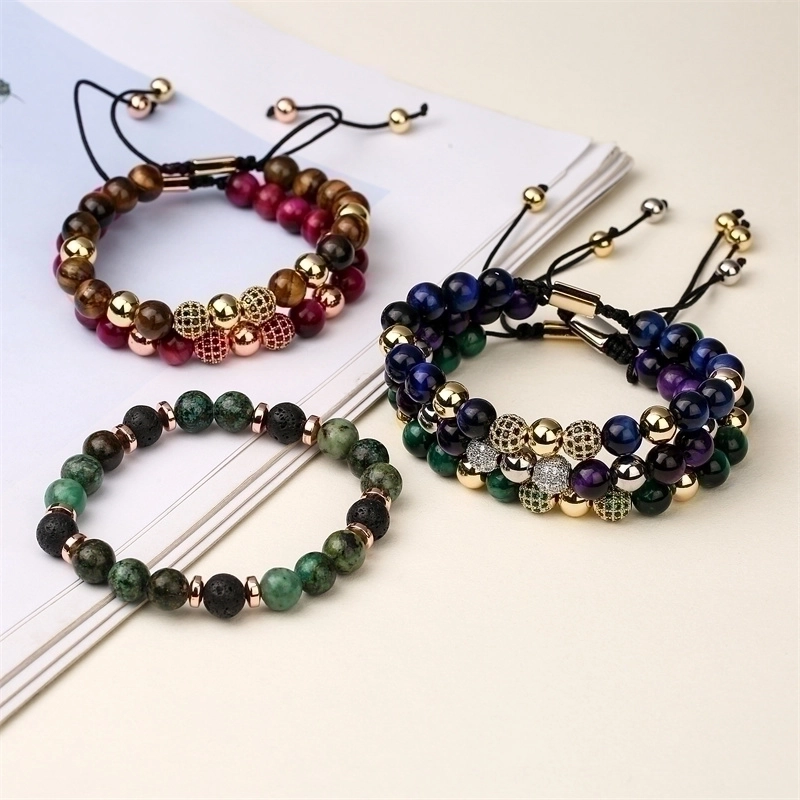
Natural Tiger's Eye Stone Beaded Bracelet For Men Handmade Woven Rope Adjustable Bracelet With Copper Zirconia Beads Healing Crystal Jewelry Gift
$3.12
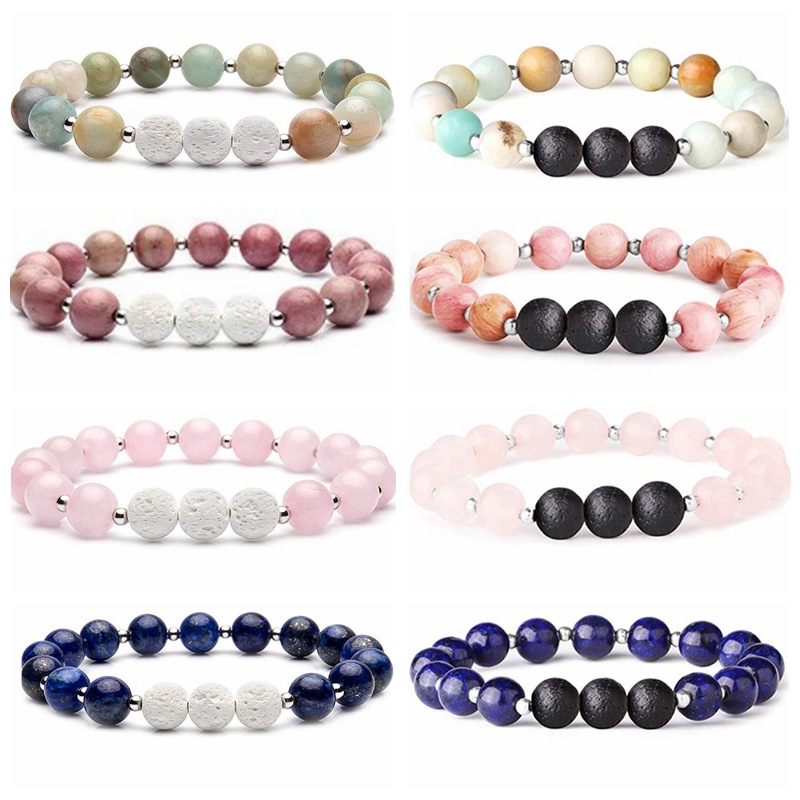
8mm Natural Stone Lava Rock Beaded Bracelet For Men Women Elastic Diffuser Bracelet With Stainless Steel Beads Retro Healing Jewelry Gift
$0.76
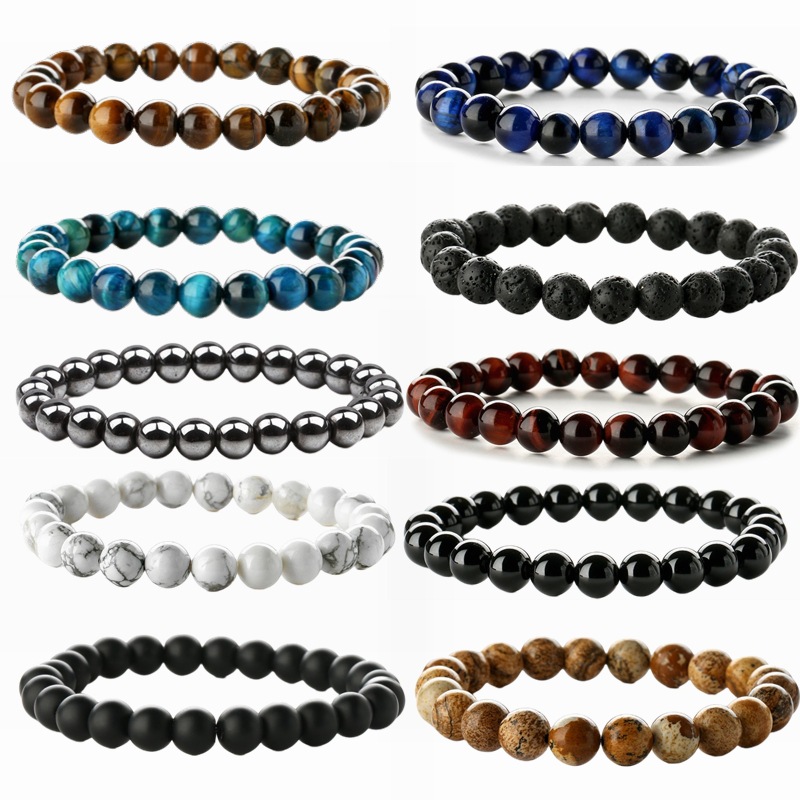
8mm Natural Stone Beaded Bracelets Tiger Eye Lava Stone Agate Turquoise Elastic Hand String For Men Women Daily Casual Jewelry Gift
$0.26
Curated Bundles for Scarcity-Driven Sales
Bundling helps you move multiple items and mitigate risk when single colors sell out. These combos pair high-demand color items with complementary accessories to increase average order value.
Enamel Pin Collector Bundle
For boutique buyers wanting a set of motivational and anatomical pins that often sell out in specific colorways.
- Funny Science Enamel Pin Set Think Like A Protonhero
- Creative Anatomical Internal Organs Enamel Brooch Pin Setupsell
- Creative Anatomy Enamel Pin Set Alloy Brain Heart Lungs Broochescomplement
Bundle at $1.25 vs $1.44 separately — saves ~13% while giving buyers three distinct color stories.
Rainbow Gradient Hair Clip Set
For pop-up stalls targeting viral TikTok colors that sell out within days.
- Girls Rainbow Gradient Bow Hair Clips With Long Tulle Streamershero
- Elegant Large Satin Ribbon Bow Hair Clip Solid Colorcomplement
Bundle at $0.90 vs $1.04 separately — keep margin while offering variety.
Natural Stone Bracelet Starter Pack
For Shopify stores testing the crystal healing trend where specific stone colors drive repeat purchases.
- Natural Tiger Eye Stone Beaded Bracelet 8mm Round Beadshero
- Natural Turquoise Beaded Bracelet 8mm Round Beadsupsell
- 8mm Natural Stone Beaded Bracelets Tiger Eye Lava Stone Agate Turquoisecomplement
Bundle at $1.80 vs $1.96 separately — includes three distinct stone colors for cross-selling.