
Trend Report · May 13, 2026
Sourcing for a Brand: How Classic Fashion Branding Still Wins in 2025
Apply classic fashion branding advice from a Shopify blog to your 2025 accessory sourcing. Step-by-step operational playbook for niche positioning, bundling, and selling.
Stumbled Upon This Older Shopify Guide on Fashion Branding? Here's Why It Still Works
The source article — an older Shopify blog post titled "Fashion Branding Secrets from Industry Experts" — contains a timeless quote from Carolyn Delacorte: trying to be "everything to everyone is a r..." (the full quote warns against losing focus). In 2025, with most sellers hyperfocused on TikTok ads and ROAS, that advice is more relevant than ever. The window to apply classic branding principles is open because the majority of new sellers chase trending generic products, leaving a gap for those who build a consistent, niche identity. This playbook translates those branding principles into concrete sourcing decisions for accessories and jewelry.
Why Now Is the Window for Niche Brand Positioning
Most boutique owners and Shopify sellers are burning out on generic trending products — one-click products with zero brand attachment. Customers increasingly buy based on identity and story, not just price. The older blog post's advice to focus on a specific customer profile and stick to it directly maps to sourcing: you should curate a tight collection that looks like it belongs together, not a random grab bag. This approach reduces ad fatigue, increases repeat purchases, and lowers return rates. The window is tight — as more sellers realise this, the opportunity shrinks. Act within 7 days to define your brand identity.
Who This Playbook Is For
This operational guide is built for three buyer types who can immediately apply a niche branding approach to their accessory line.
Shopify seller
You can segment your store into a curated brand, add a 'Our Story' page, and reduce generic dropshipping SKUs to 20-30 cohesive products.
Pop-up stall operator
Your physical display is your brand — consistent color palette and product types increase dwell time and impulse buys by up to 40% (anecdotal from experienced operators).
Etsy seller
Etsy's algorithm rewards shops with a narrow creative focus. Fewer, more expensive listings often rank higher than hundreds of unrelated items.
Implementation Stages
Define Brand Identity
Trigger: Before sourcing any products. If you skip this, every later decision lacks a filter.
Write a one-paragraph brand manifesto that answers: 'Who is my customer? What do they value? What is the one topic/era/style I own?'
✓ A clear filter to evaluate every product: 'Does this fit my customer?'
✗ Without this, you'll buy a mix of trendy pieces that don't cohere, confusing shoppers and reducing repeat purchase.
Select 2-3 accent colors and one material theme (e.g., gold + pearl + enamel).
✓ You now have a visual rule for product selection; products like the Elegant Green Leaf Brooch (gold tones) and Vintage Baroque Brooch (pearl) will align naturally.
✗ Unlimited color palette leads to a 'dollar store' look, forcing lower prices.
Curate a Cohesive Product Line
Trigger: After identity is defined, before ordering.
Select 15-20 products from DayJewel that match your palette and material theme. Prioritise brooches and accessories that can be styled together (e.g., leaf brooch + rose brooch + pearl keychain).
✓ A collection where any two items look like they were designed together — this builds perceived value.
✗ Mixing in a plastic toy keychain (no matter how cheap) breaks the illusion and lowers willingness to pay above $10.
Create 3 bundles (like the ones above) and determine price per bundle at 30-40% off individual total.
✓ Bundle average order value (AOV) increases from $3 per item to $12-15 per bundle.
✗ Without bundles, customers buy one item at a time, increasing shipping cost per unit and reducing margin.
Test with Low MOQ
Trigger: After curation, before committing to large inventory.
Order 10 units of each of 5 hero products (total 50 units, cost ~$70-100).
✓ You can photograph the bundle, list it on Shopify/Etsy, and gauge real interest.
✗ Skipping this stage and ordering 100+ units of a single brooch that doesn't sell — dead stock at 50% of cost.
Run a $50 ad test on Instagram targeting your defined customer profile with lifestyle imagery of the bundle.
✓ If you get 3-5 sales at $15+ each, you have validated demand. If not, tweak your brand story or bundle pricing.
✗ Over-relying on 'trending' tags without a brand story results in high impressions but low conversion (below 1%).
Scale with Brand Consistency
Trigger: After initial sales prove concept, before expanding SKU count.
Use the same product photography style (background, lighting, model) for all listings. Replicate on packaging — use custom poly mailers with your brand colors.
✓ Higher repeat purchase rate; unboxing reviews increase by 30% when packaging matches the curated brand image.
✗ Mismatched photography (some product shots on white, some on marble) signals amateur and drops conversion by up to 15%.
Replace slow-moving SKUs with products that share the same aesthetic (e.g., if the Green Leaf Brooch sells poorly, swap in a Gold Leaf Pin instead of adding a neon bracelet).
✓ You maintain a focused identity even as you iterate. Inventory turnover improves because customers buy the brand, not just one item.
✗ Adding trendy but incongruent items to boost short-term sales eventually alienates your core audience.
How to Sell Niche Accessories with a Brand Story
The older Shopify blog teaches that brand is every touchpoint. For accessories, that means your product copy, ad creative, and physical display must reinforce the same niche identity. Here's how to execute on three main channels, with honest margin estimates and risks.
Create 15-second 'styling videos' showing the bundle on different outfits. Use a consistent hashtag like #VintaGemClassics. Ad copy: 'For the woman who finishes any outfit with a story, not a trend.'
⚠ If your brand story feels forced or you start with too broad targeting (e.g., all women 18-65), cost per acquisition skyrockets above $15.
Use brand name in shop title (e.g., 'VintaGemClassics – Handpicked Vintage Brooches'). List each bundle under two categories: 'Brooches' and 'Gift Bundles'. Optimise for long-tail keywords like 'gold pearl wedding brooch set'.
⚠ Etsy's algorithm deprioritises new shops. If you don't have reviews within 30 days, you may need to run Etsy Ads ($5/day) to get initial traction.
Dedicate a table section to the 'VintaGemClassics Bundle' with a small sign: 'Curated by [Name].' Display the three bundles in a tiered tray. Offer a 'pick 3 items for $25' deal.
⚠ Foot traffic is location-dependent. If your booth doesn't signal 'curated brand' (e.g., you use a generic tablecloth), customers treat you as a commodity seller and bargain for lower prices.
Niche-Ready Products from DayJewel
The products below fit a consistent 'vintage elegance' brand: brooches, pearl accents, geometric shapes, and rich botanical motifs. They share a color story (gold, green, pearl, deep red) and a material thread (alloy, enamel, faux pearl). Use these 15 items as the foundation of a brand that looks deliberate, not scattered.
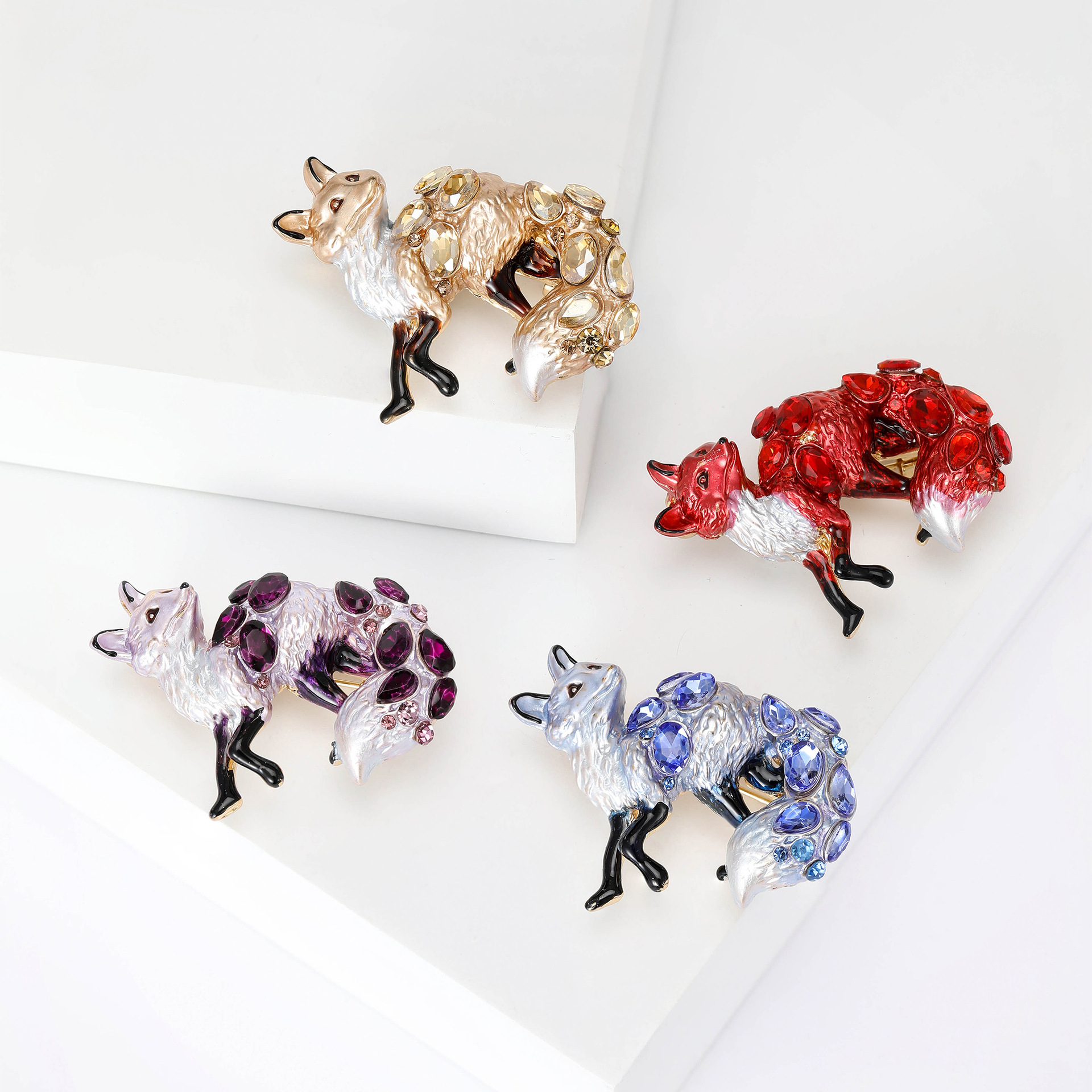
Fashion Fox Brooch Alloy Enamel Rhinestone Lapel Pin For Women Elegant Animal Corsage Jewelry Party Banquet Daily Brooches
$1.96
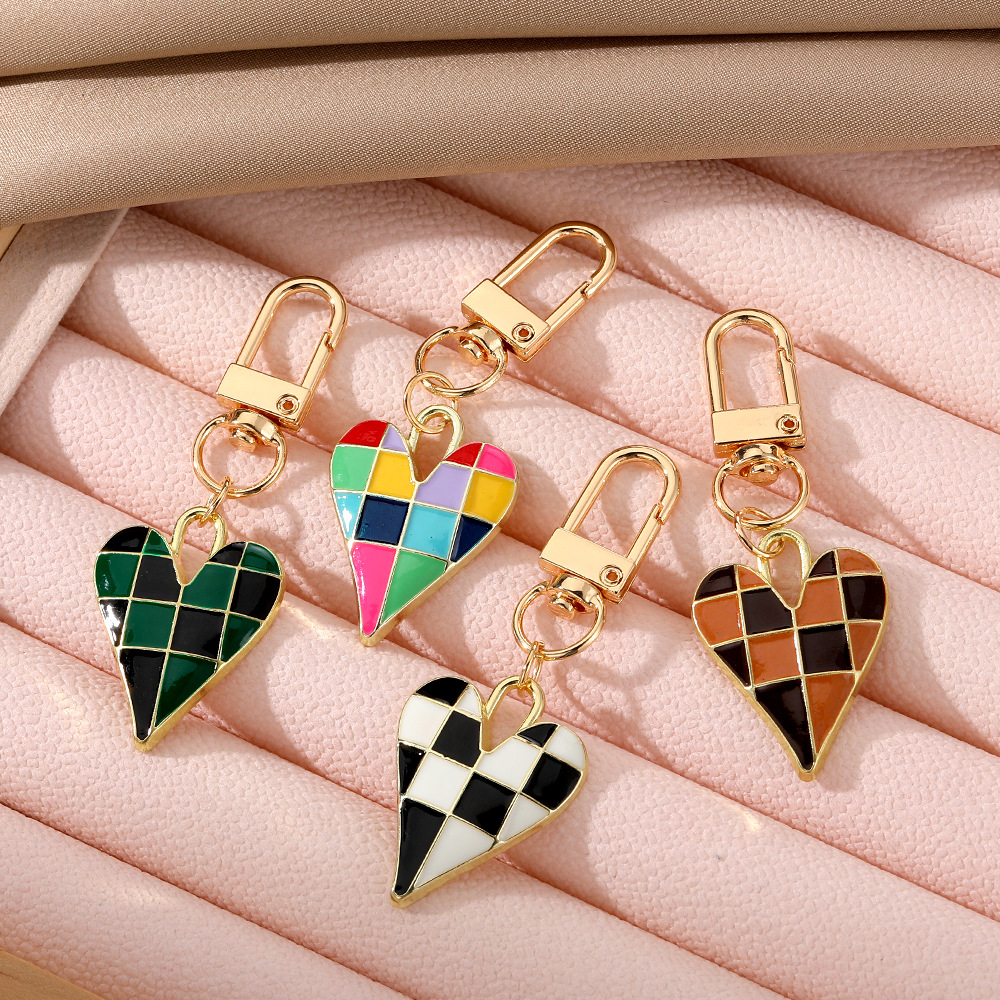
Fashion Alloy Enamel Heart Checkerboard Keychain For Women Girls Cute Metal Grid Heart Bag Charm Pendant Gift Accessory
$0.52
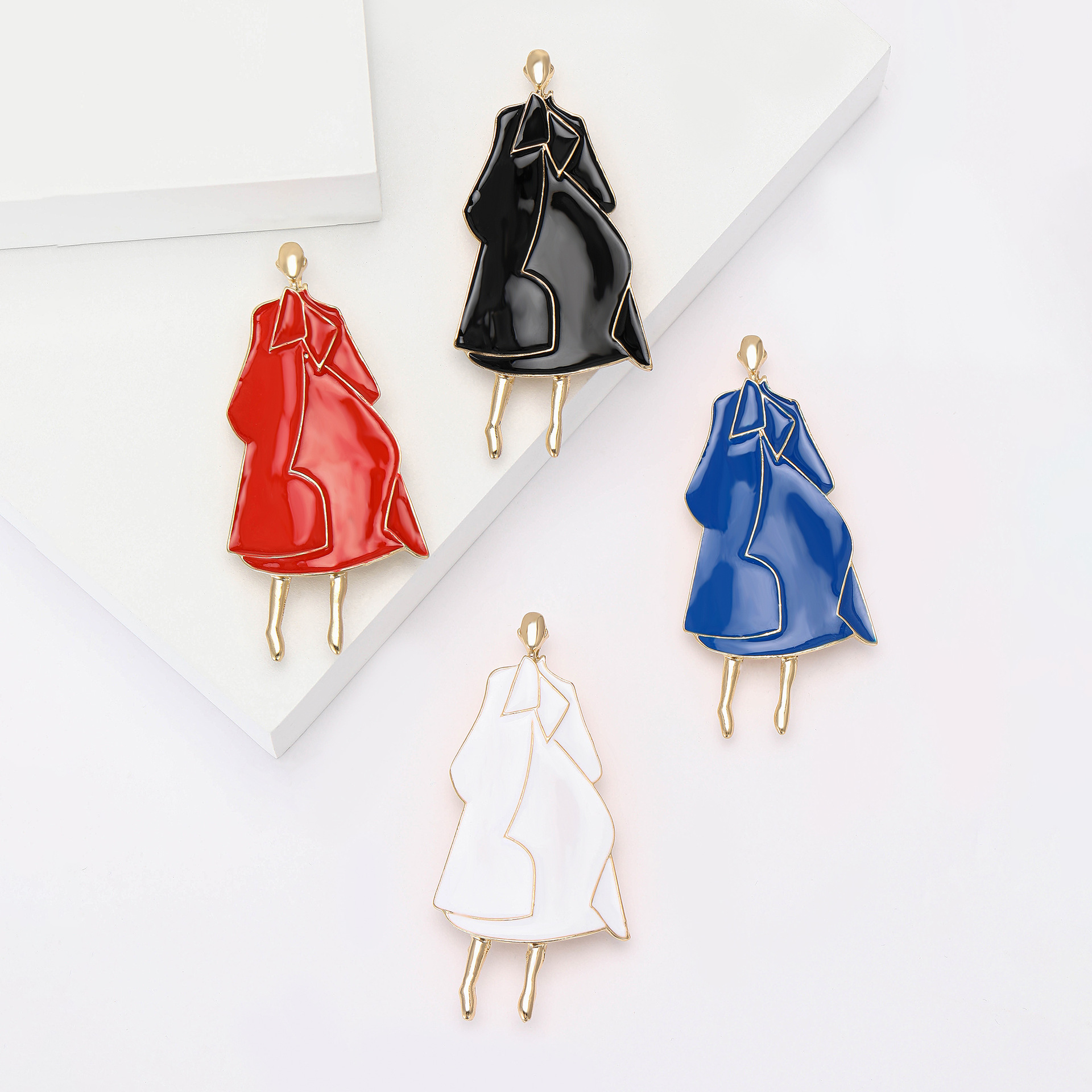
Fashion Enamel Figure Brooch Artistic Lady In Coat Alloy Drip Oil Lapel Pin For Women Sweater Cardigan Jewelry Accessories
$1.44
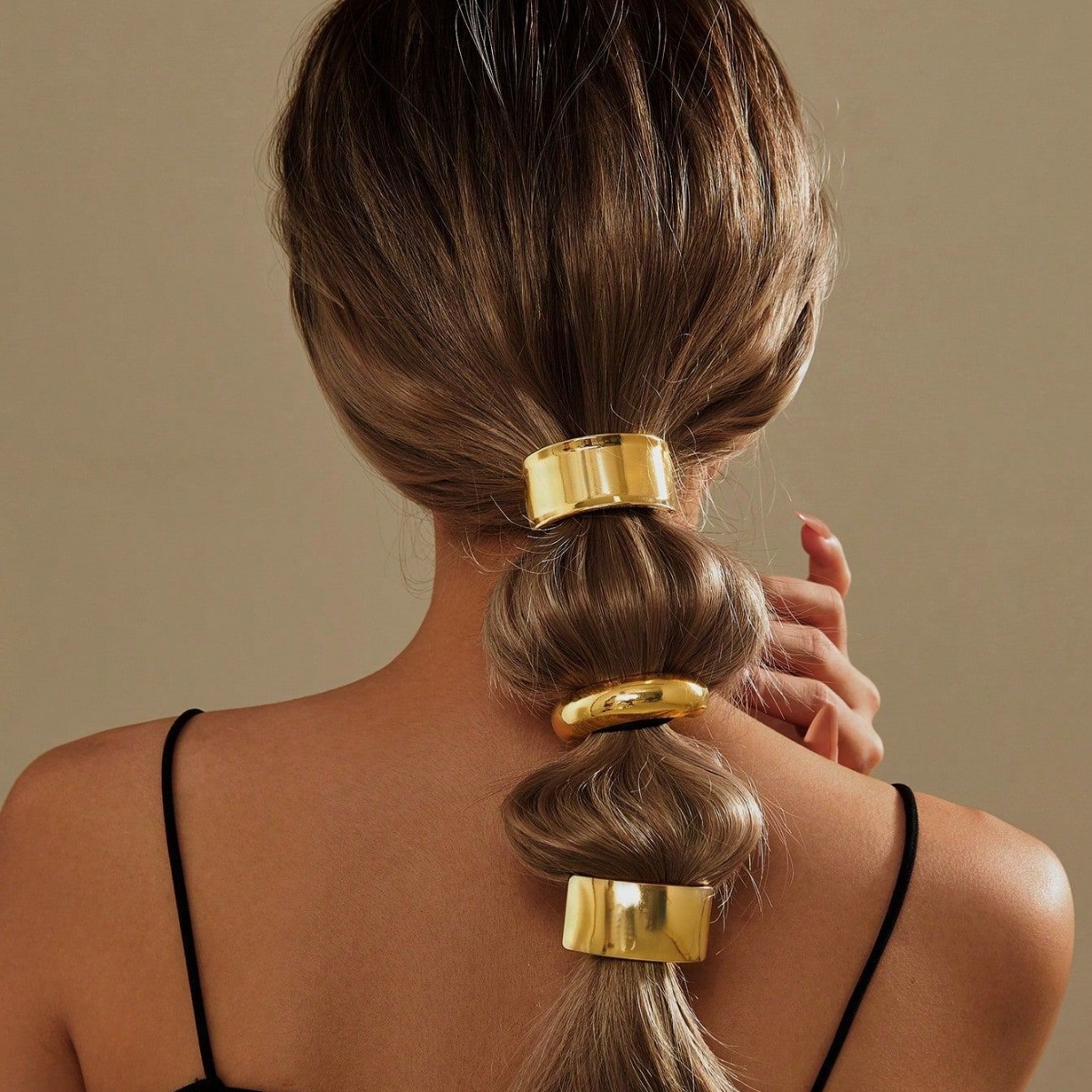
Minimalist Golden Geometric Metal Hair Ties High Elastic Ponytail Holder Hair Cuffs For Women Fashion Daily Party Hair Accessories
$1.05
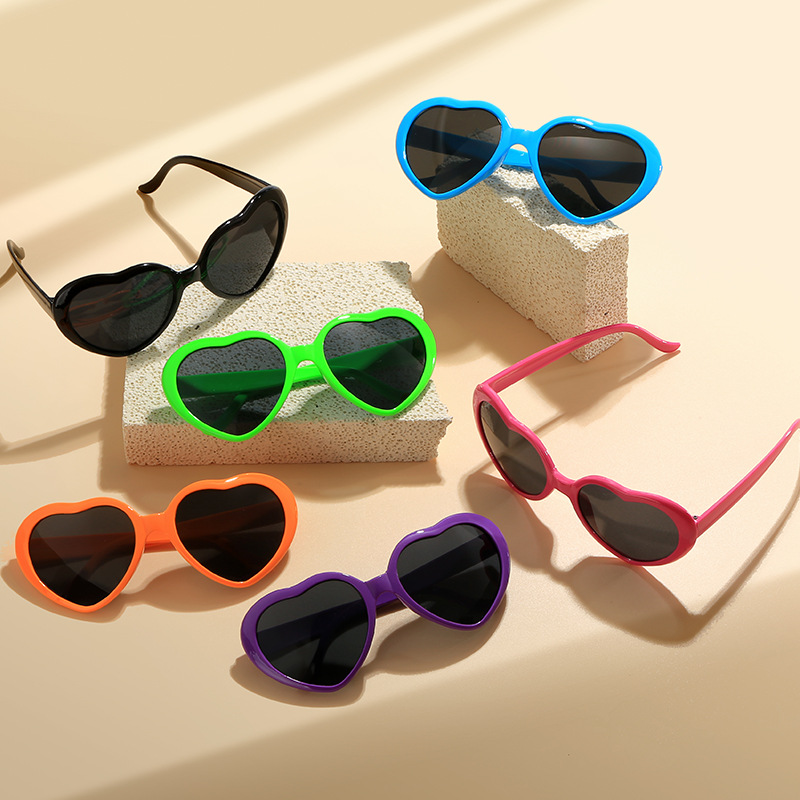
Fashion Heart Shaped Sunglasses UV400 Protection PC Frame Resin Lens For Party Travel Street Photography Unisex Retro Decorative Eyewear
$0.23
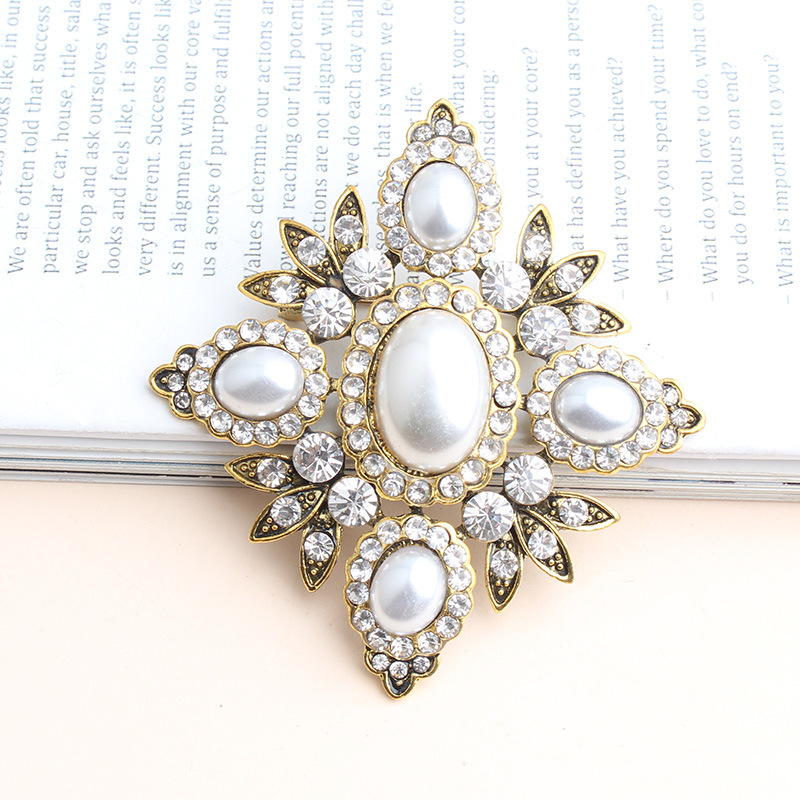
Vintage Baroque Rhinestone Pearl Brooch Pin Zinc Alloy Geometric Rhombus Cross Star Shape Corsage For Women Wedding Party Banquet Elegant Jewelry Accessory
$1.52
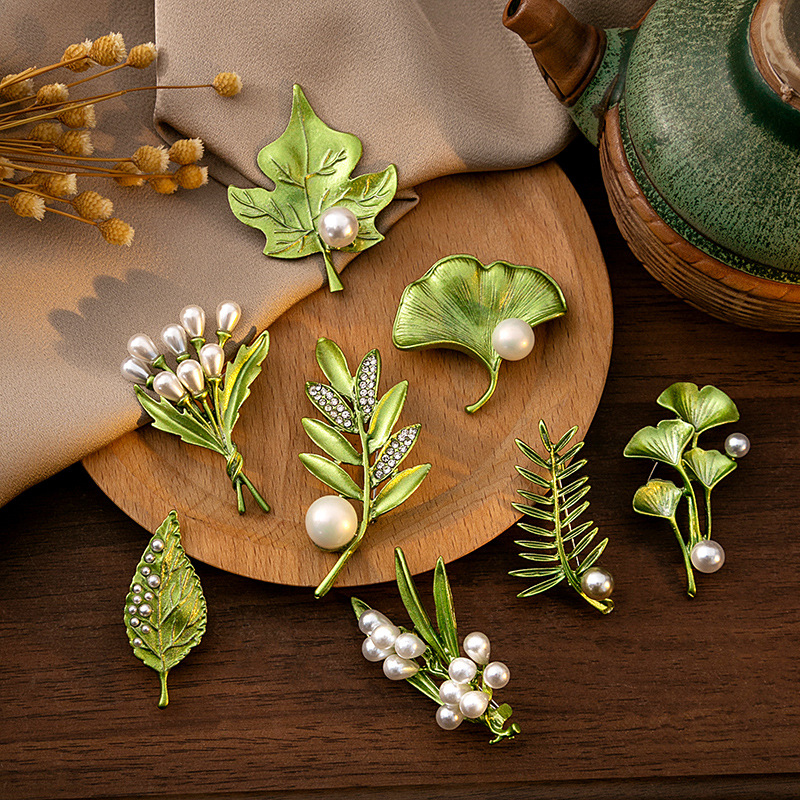
Elegant Green Leaf Brooch For Women Alloy Enamel Faux Pearl Rhinestone Plant Flower Brooches Pin For Suits Cardigan Dress Accessories
$0.90
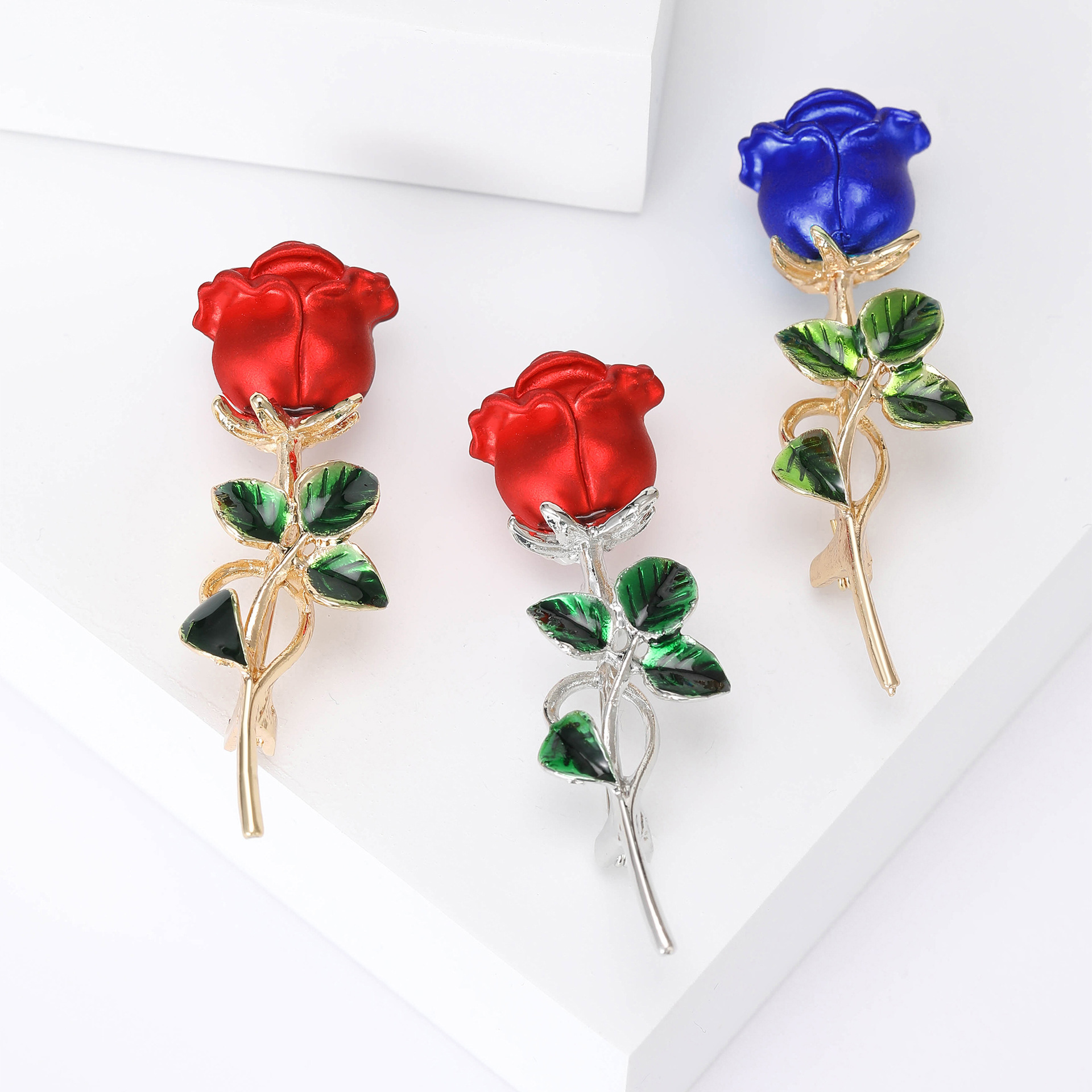
Elegant Alloy Enamel Rose Flower Brooch Pin For Women Vintage Gold Silver Stem Rhinestone Rosebud Lapel Pins Jewelry Gift For Valentine's Day Wedding Party
$1.44
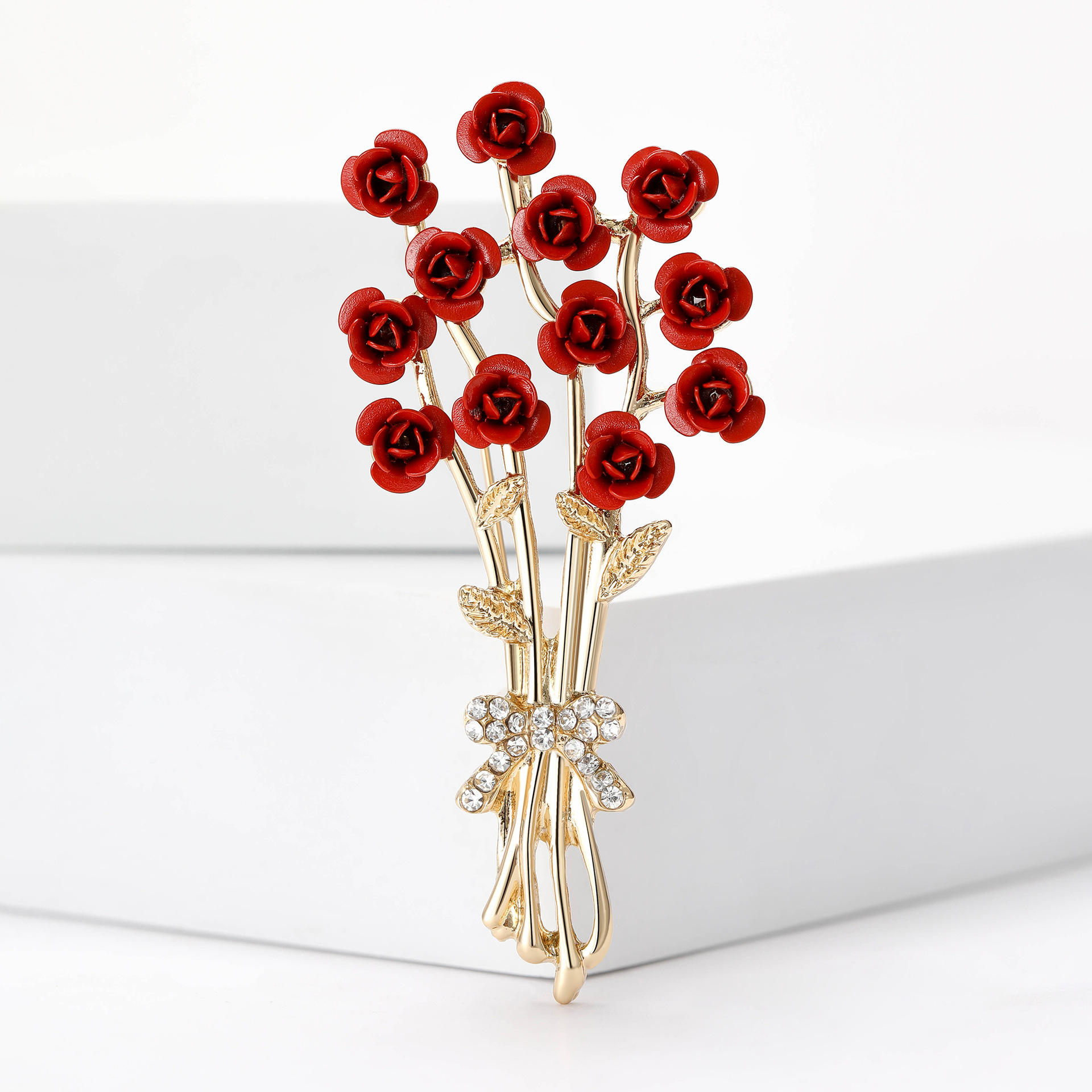
Elegant Red Rose Flower Brooch For Women Gold Plated Alloy Enamel Rhinestone Bowknot Bouquet Pin Fashion Clothing Accessories For Party Wedding Mother's Day Gift
$1.83
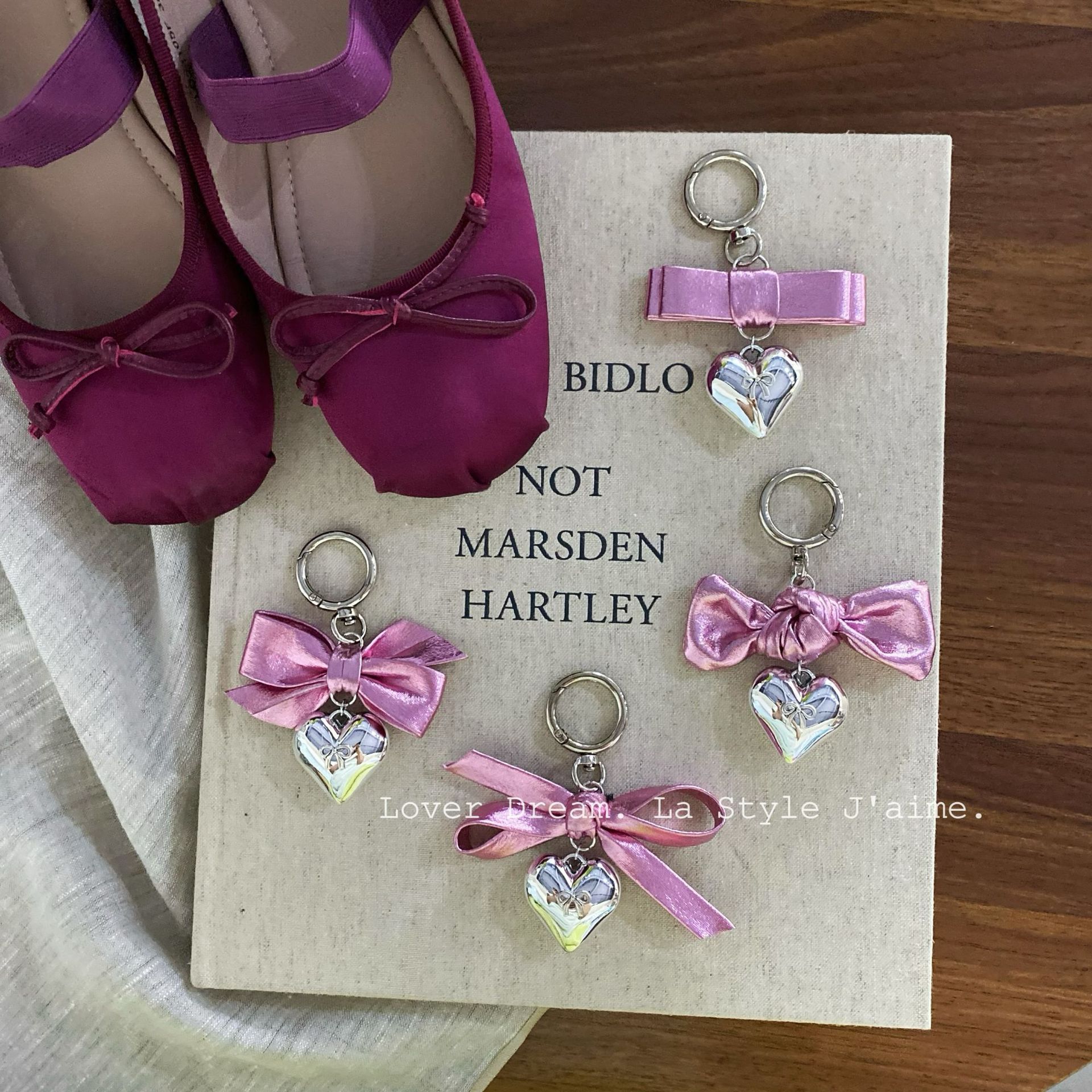
Sweet Fuchsia Ribbon Bow Silver Heart Pendant Metal Keychain Aesthetic Bag Charm For Women Girls Backpack Accessories
$1.19
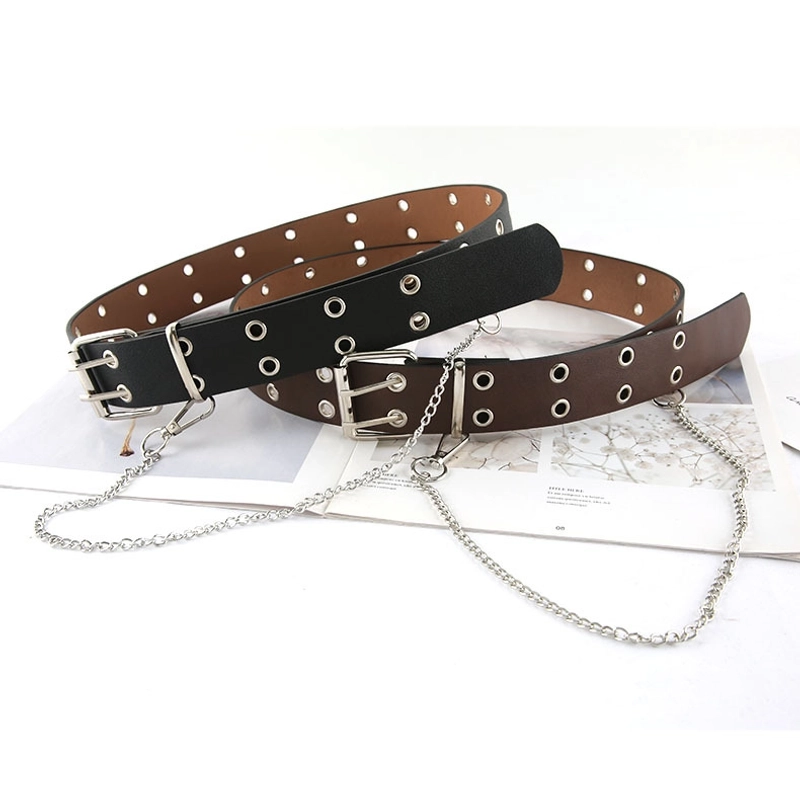
Women's Punk PU Leather Belt With Double Row Metal Grommets And Detachable Chain Double Pin Buckle Hip Hop Streetwear Waistband For Jeans
$1.18
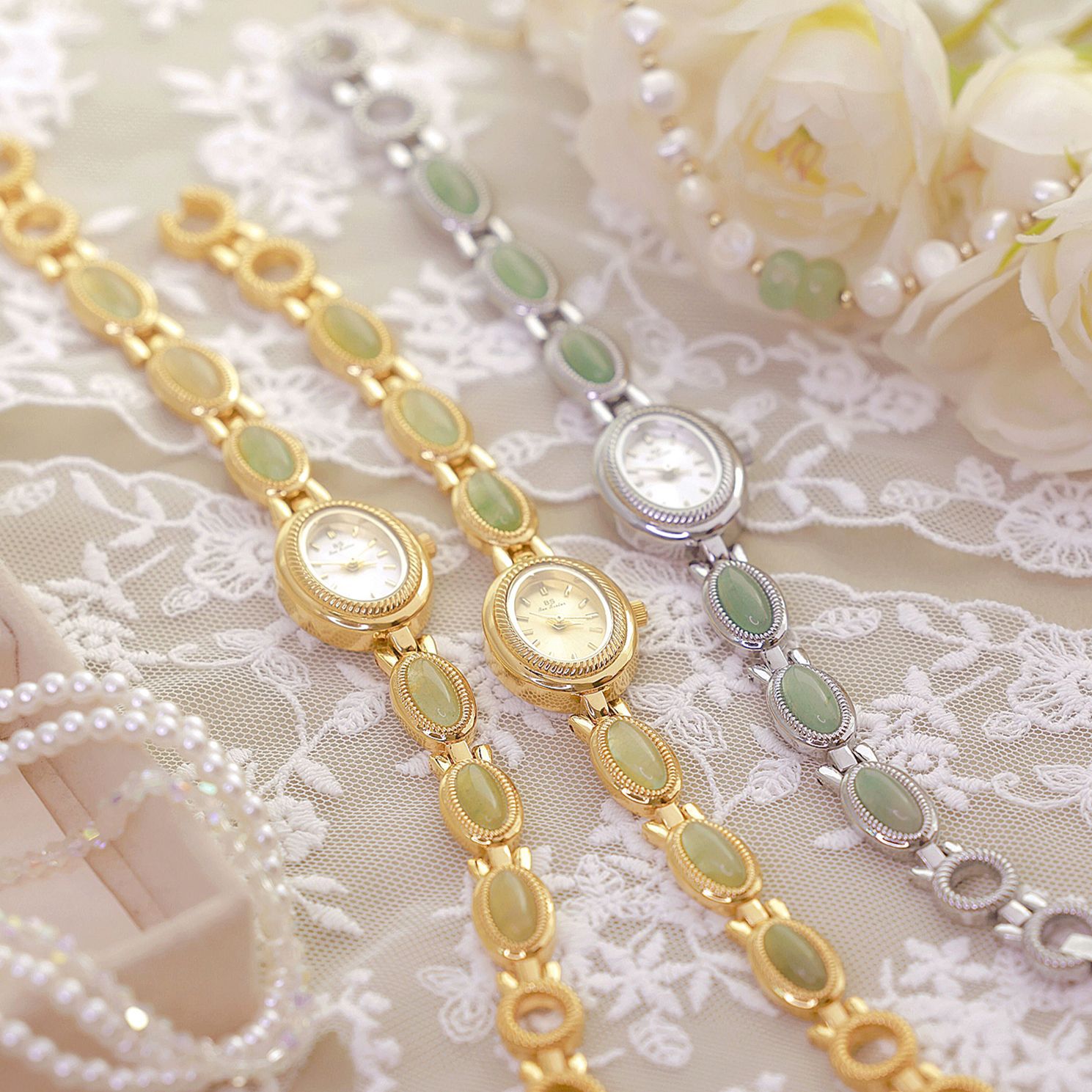
Women's Quartz Watch Green Oval Stones Alloy Jewelry Bracelet Chain Luxury Vintage Style Ladies Analog Wristwatch For Party Daily Wear
$36.89
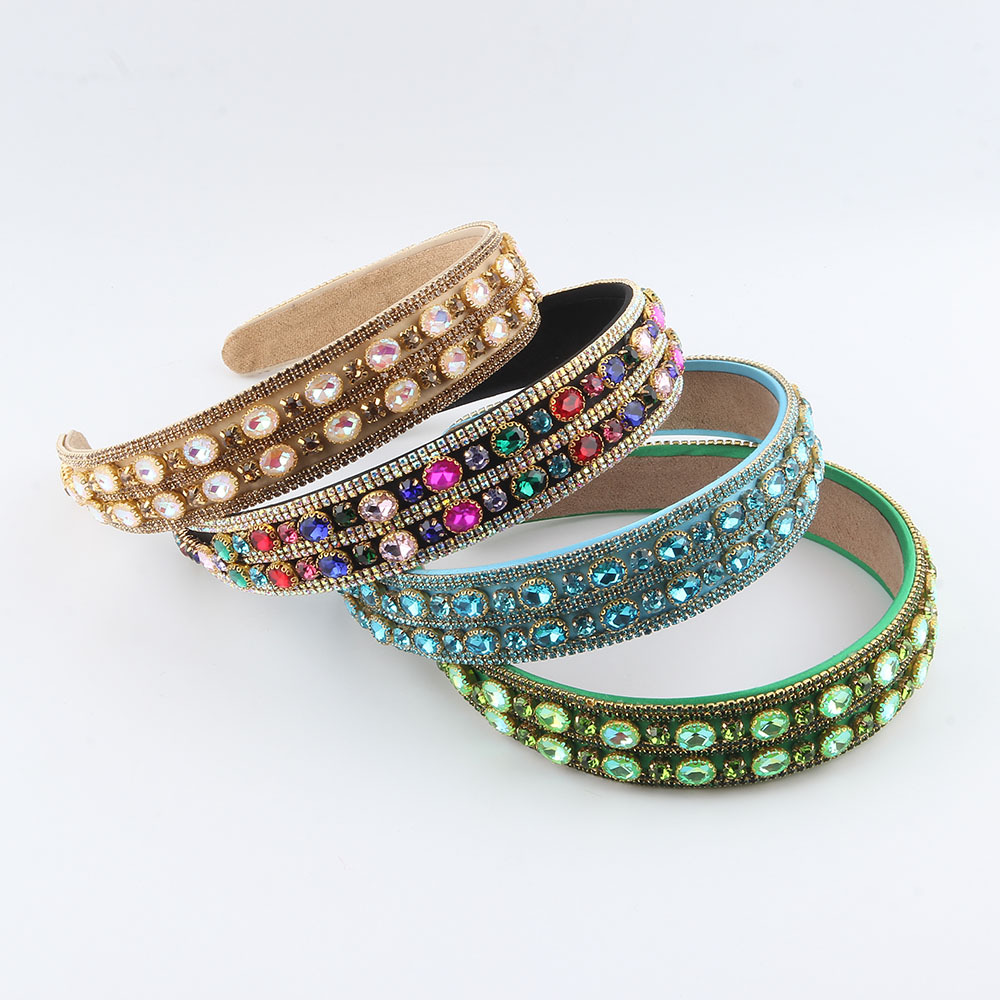
Luxury Baroque Rhinestone Headband Colorful Crystal Gemstone Padded Hair Band Vintage Alloy Hair Hoop for Women Girls Wedding Party Hair Accessories
$7.44
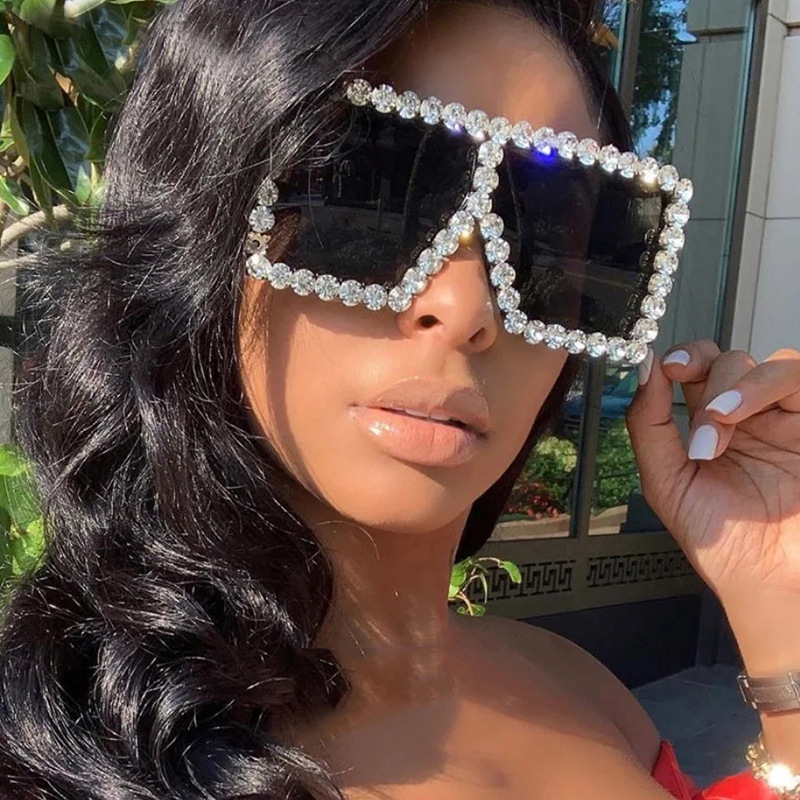
Luxury Oversized Square Rhinestone Sunglasses For Women UV400 Protection AC Lens PC Frame Fashion Sparkly Gradient Crystal Shades For Party Travel Vacation
$2.88
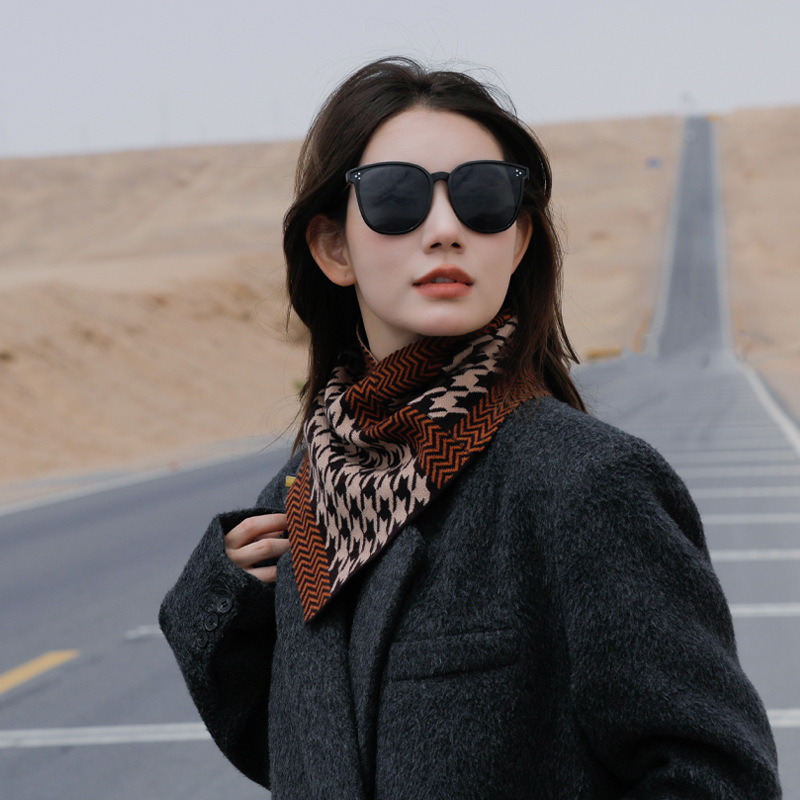
Fashion Knitted Neck Gaiter Women's Winter Warm Acrylic Scarf With Houndstooth Geometric Greek Key Pattern For Outdoor Travel Leisure Wear
$3.46
Bundle to Strengthen Brand Cohesion
Bundling reinforces your brand story and upsells by 20-35% when the items visually match. Each bundle below represents a micro-brand within your larger collection.
Classic Vintage Ensemble
For a boutique targeting women 35–55 who attend weddings or parties. One hero brooch, one complement accessory.
- Vintage Baroque Rhinestone Pearl Brooch Pinhero
- Elegant Red Rose Flower Broochcomplement
- Silver Heart Pendant Keychainupsell
Bundle at $4.20 vs $5.03 separately (retail $12–$18).
Nature-Inspired Garden Set
For spring/summer pop-ups and Etsy. Emphasise green, gold, and organic shapes.
- Elegant Green Leaf Broochhero
- Elegant Alloy Enamel Rose Flower Brooch Pinupsell
- Fashion Alloy Enamel Heart Checkerboard Keychaincomplement
Bundle at $2.80 vs $3.86 separately. Good for Mother's Day.
Glamour Evening Capsule
For formal event marketing (New Year's Eve, holiday parties). High perceived value.
- Luxury Baroque Rhinestone Headbandhero
- Luxury Oversized Square Rhinestone Sunglassesupsell
- Women's Quartz Watch Green Oval Stonescomplement
Bundle at $45 vs $47.21 separately. Watch is high-ticket; use as anchor.