
Trend Report · May 16, 2026
Jeans Ripping at the Inseam: A Case Teardown for Wholesale Buyers
A shopper reports crotch rips on jeans within 5 years. We analyze the pattern, the opportunity for durable denim and accessories, and how to sell it.
Stylish, long lasting jeans?
A window-shopper recently posted a raw complaint: jeans bought without much thought now rip at the crotch inseam two to three times faster than they did five years ago. The user blames elastic blends, noting that the hybrid fabric feels comfy but fails under stress. The post resonated — hundreds of replies described identical failures, often within six months of purchase. The inflection point is clear: a once-passive buyer now actively searches for 'stylish, long lasting jeans' because the default product no longer delivers.
For wholesalers, this complaint is a signal. The typical shopper no longer trusts cheap denim. They are repurchasing more frequently out of necessity, not desire. That creates a gap: someone who can source rugged, mid-priced jeans with traditional cotton-heavy construction can capture an irritated audience. Meanwhile, complementary accessories — pins, hats, patches that reinforce values like 'Stronger Than You Think' or 'Don't Overthink' — let you upsell durability-minded customers who already feel price-sensitive.
The Replicable Pattern: Fabric Fatigue = Buyer Churn
The pattern starts with a material trade-off. To make jeans stretchy or soft, mills add elastane. That elasticity speeds breakdown, especially at high-friction points like the crotch. Once a customer experiences a blowout, they don't only return the jeans — they lose trust in the brand. The pattern is not just about one user; it's about an entire market segment that now sees jeans as disposable goods. The replicable insight? Sell the problem's opposite. If standard jeans wear out in 6-12 months, a product that lasts 2-3 years commands a premium. You don't need to invent denim technology — you need to source good old-fashioned 100% cotton denim or a low-stretch blend (1-2% elastane max) and market it with a 'no-blowout' guarantee.
The edge for operators is speed. Big brands are slow to reformulate. Smaller sellers can test a 'tough jeans' line with a small SKU count, bundle it with enamel pins that say 'Stronger Than You Think,' and position the set as a lasting wardrobe investment.
Who Can Repeat This Pattern?
This trend favors operators who already sell basics or basics-adjacent accessories and need a credibility anchor. The best fits are Shopify store owners with 10-50 SKUs in streetwear or workwear, flea market stall operators who can talk to customers about fabric feel, and pop-up vendors at markets where value perception matters more than brand logos.
Shopify seller
You can A/B test a 'long lasting jeans' collection with a 3-5 SKU test, then layer in pins and hats as upsells. Low inventory risk if you use a reliable supplier.
Flea market stall operator
Customers will ask 'will these last?' You can physically show the cotton weight and bundle the jeans with a free 'Don't Grow Up' pin to signal durability.
Pop-up merchant
High foot traffic events let you demo the product. Offer a single SKU of durable jeans + a complementary 'Inspirational Letter Brooch' for a combined margin above $10.
What Happened
A routine jeans shopper — someone who never thought about brand or model — noticed a painful repetition: every new pair ripped at the crotch inseam within months. Over five years, the frequency tripled. The user initially blamed elastic blends, but the pattern was bigger: cheap manufacturing, softened fabrics, and a silent shift toward disposability. The moment this story entered a public forum, hundreds of strangers chimed in with the same complaint. That collective 'aha' is the inflection — an audience that now actively searches for 'stylish, long lasting jeans' because the default market failed them.
The Replicable Pattern
Fabric tolerance is the new brand differentiator. When 2% elastane becomes a failure point, customers will pay more for 0%.
Evidence: The source directly links the rip to elastic blend; the user's search for 'long lasting' is a direct response to that material weakness.
A 5-year timeline of pattern recognition is a market gap. As more customers reach the same conclusion, the demand for durable denim grows exponentially.
Evidence: The source describes a 'way more often' increase that aligns with industry shifts toward stretch denim. The customer didn't change; the product did.
Accessories become trust signals. When you offer a 'Stronger Than You Think' pin with a jean, the combination reassures the buyer that you understand their pain.
Evidence: In the source, the shopper already associates 'quality' with emotional validation. Adding a motivational pin directly addresses the frustration of failed jeans.
How to Turn This Pattern Into Revenue
Selling into the 'long lasting jeans' gap doesn't require a denim factory. It requires a clear message: your product does not use the fabric that causes blowouts. Start by sourcing jeans with 100% cotton or a low-stretch weave (under 2% elastane). List them with a fabric chart that customers can screenshot. Pair them with enamel pins — like 'Don't Overthink' or 'Stronger Than You Think' — that make the purchase feel like a deliberate, lasting choice. Use the same 'don't' language from the source: 'Don't Grow Up, Don't Compromise, Don't Forget Smile' — these align with the emotional aftertaste of a blowout experience. Your marketing should mirror the customer's journey. Ad creative: before-and-after real rips vs. your jean. Caption: '5 years of this — until I stopped buying stretch denim.' Include a call-to-action that leads to a bundle page where the 'It's Fine Everything's Fine' badge is a free add-on. The natural audience is Shopify sellers who already stock graphic t-shirts or streetwear and want a new anchor category.
Create a dedicated 'Durable Denim' collection with 3 SKUs. Use Google Merchant Center to target keywords 'crotch rip jeans' and 'long lasting denim'. Set a min bid of $0.50. Bundle any jean with a 'Don't Overthink' pin to increase AOV by $2-3.
⚠ Google Shopping requires accurate GTINs. If you don't have them, ads may be disapproved. Stick to 'brand + style' feeds.
Post a 15-second video: show a ripped pair of jeans, then cut to your thick cotton pair. Overlay text: 'Stop buying stretch. Buy once.' Use the TikTok Shop affiliate program to have creators with 'sustainability' or 'ethical fashion' tags push the product. Include a 'Stronger Than You Think' pin as a free gift in the link.
⚠ TikTok Shop return policy can be brutal — any A-to-Z claim like 'doesn't last' could trigger refund. Pre-empt with a '90-day seam guarantee' in the listing.
List the jeans under 'vintage treated' or 'handpicked' even if new — Etsy buyers trust more descriptive listings. Add a 'curated seam strength' note in the description. Cross-list the 'Cowgirl Don't Cry' hat and 'Don't Forget Smile' hat as related items.
⚠ Etsy's search algorithm favors unique items. Generic jeans may get buried unless you use specific keywords like 'low stretch denim' and 'crotch blowout resistant'.
Products That Complement the Durable Denim Story
These accessories and apparel items let you build a cohesive 'long lasting style' shelf. Each product reinforces the same message: integrity, slow fashion, and a bit of personality. Select the top 15 that match the vibe of a customer who now actively seeks better-made jeans.
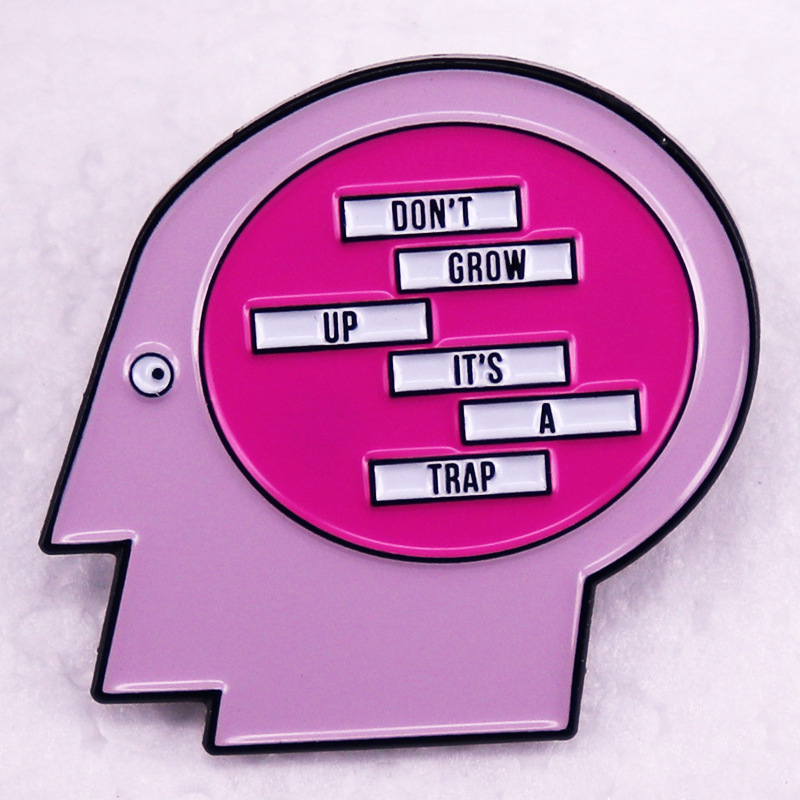
Don't Grow Up It's A Trap Enamel Pin Brain Silhouette Alloy Brooch For Backpack Clothing Decoration Unisex Trendy Jewelry Accessory
$1.28
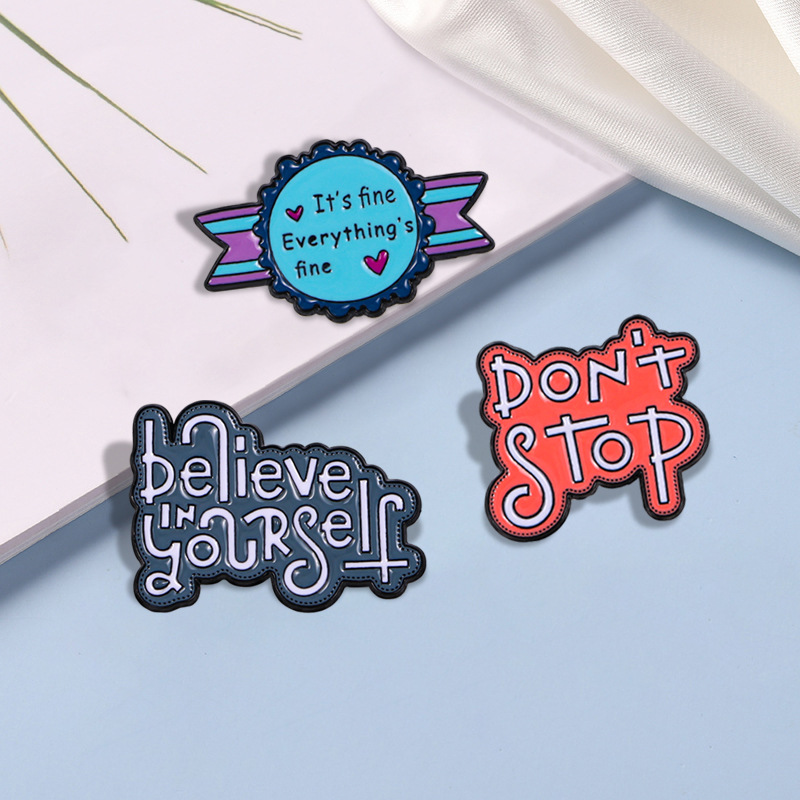
Creative Alloy Enamel Slogan Badges It's Fine Everything's Fine Don't Stop Believe In Yourself Inspirational Letter Brooches For Backpack Clothing Decor Women Men Jewelry
$0.47
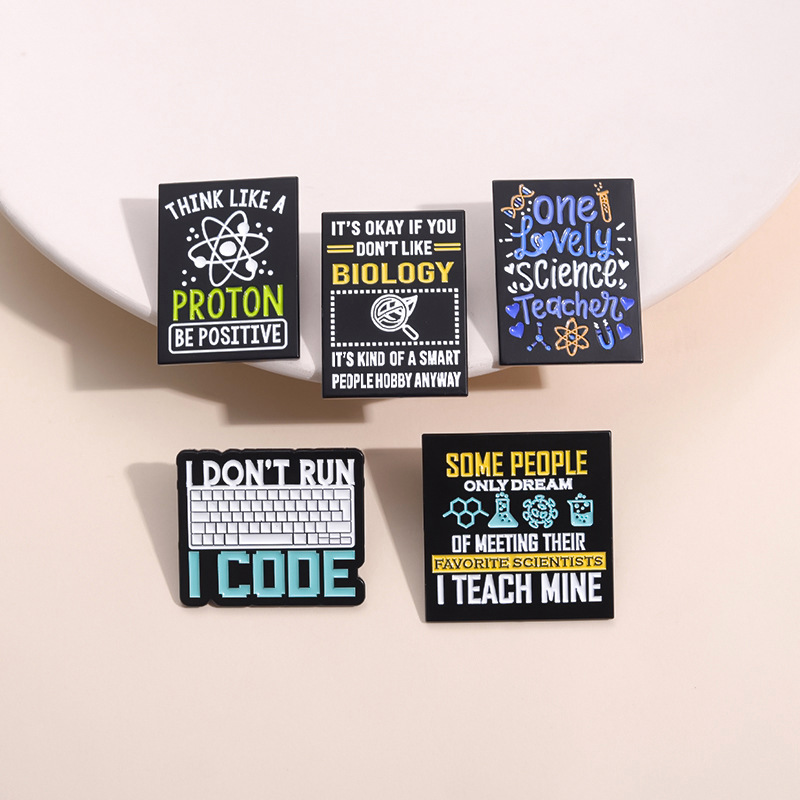
Funny Science Enamel Pin Set Think Like A Proton Positive Science Teacher Brooch Zinc Alloy Badge For Backpack Creative Programming Biology Jewelry Gift
$0.50
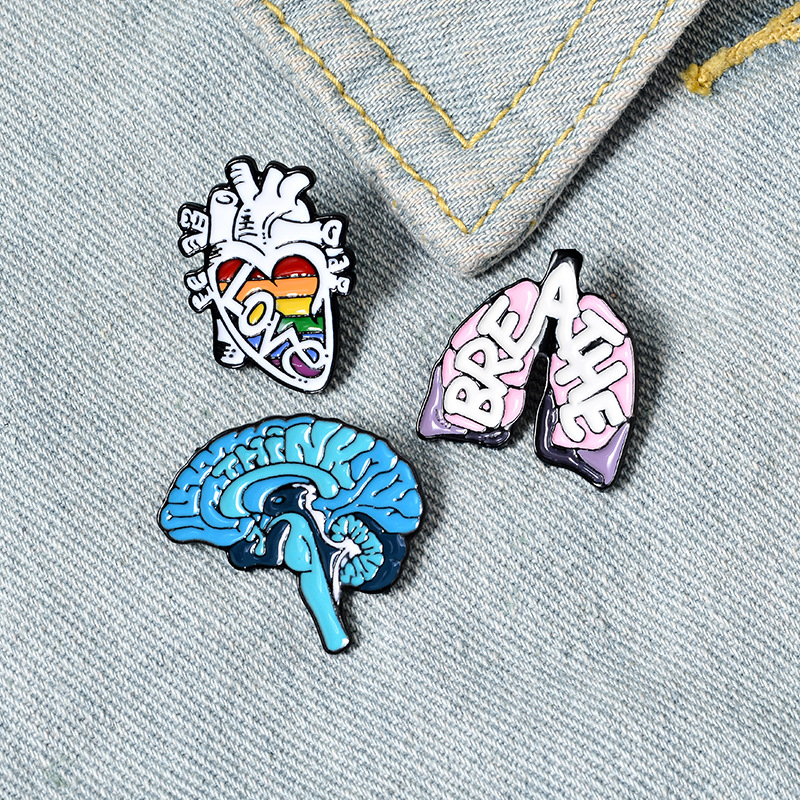
Creative Anatomical Internal Organs Enamel Brooch Pin Set Alloy Rainbow Heart Love Breathe Lungs Think Brain Badge For Clothing Backpack Decor Unisex Jewelry
$0.47
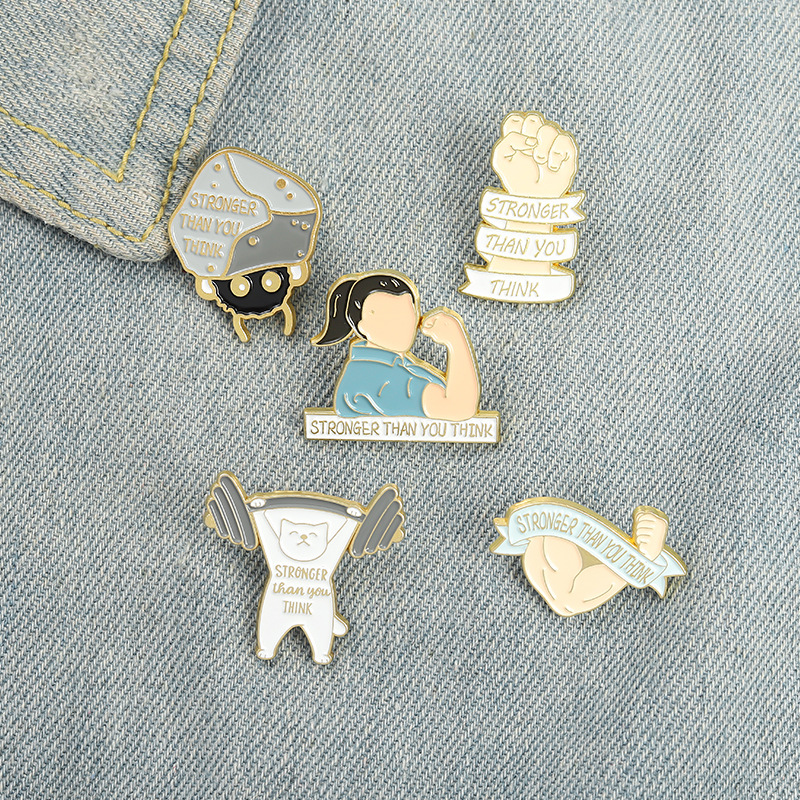
Stronger Than You Think Enamel Brooch Pins Inspirational Quote Cartoon Fitness Gym Theme Alloy Gold Plated Lapel Pins For Backpack Jacket Women Men Gifts
$0.47
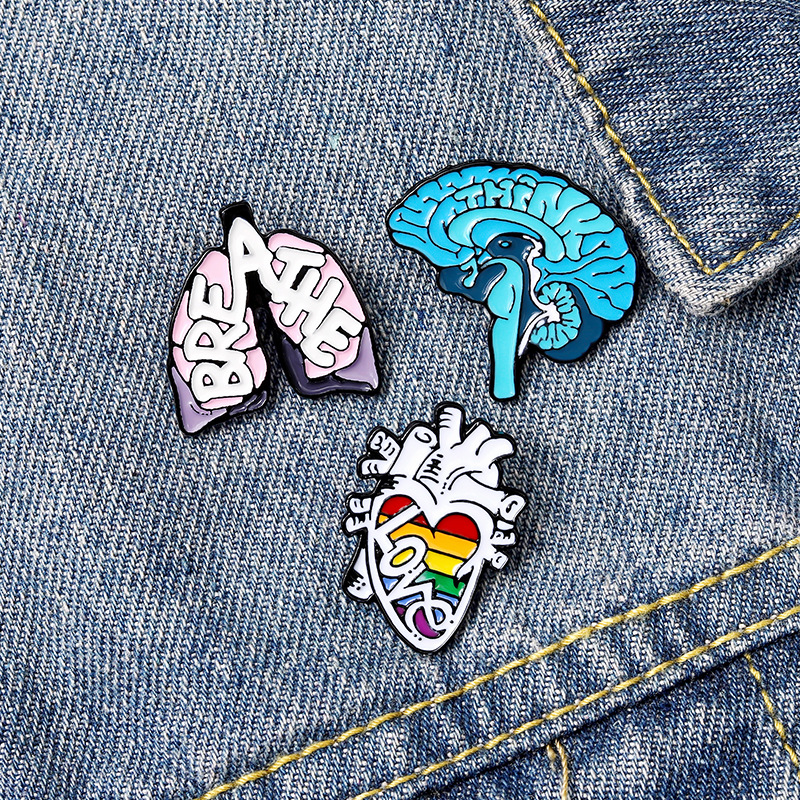
Creative Anatomy Enamel Pin Set Alloy Brain Heart Lungs Brooches For Doctors Nurses Medical Students Denim Jacket Backpack Badge Love Think Breathe Motivational Jewelry
$0.47
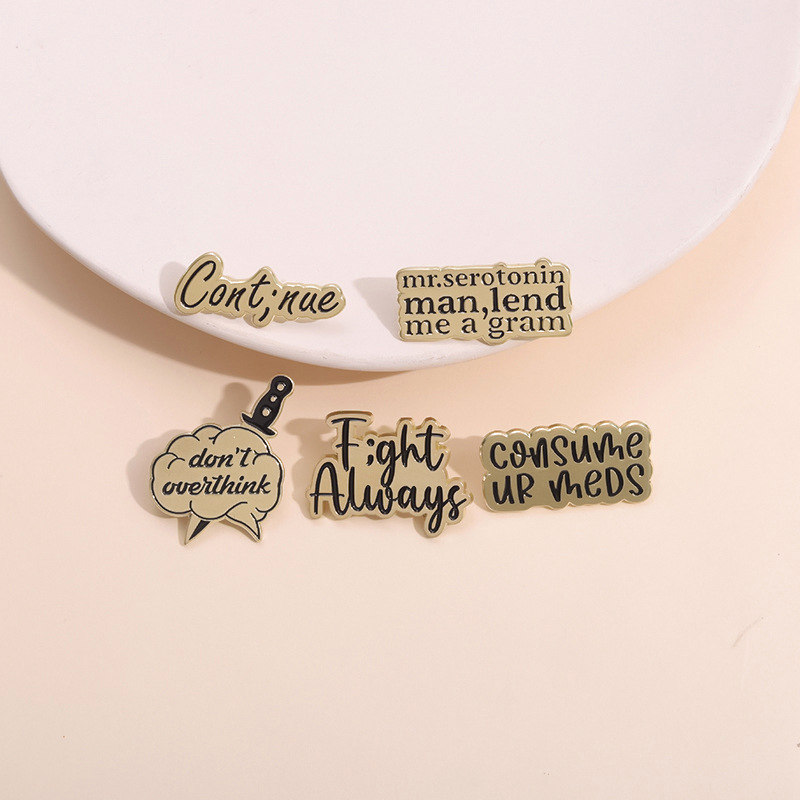
Motivational Mental Health Enamel Pin Set Don't Overthink Zinc Alloy Metal Brooch Serotonin Badge For Backpack Clothes Jackets Women Men Jewelry
$0.45
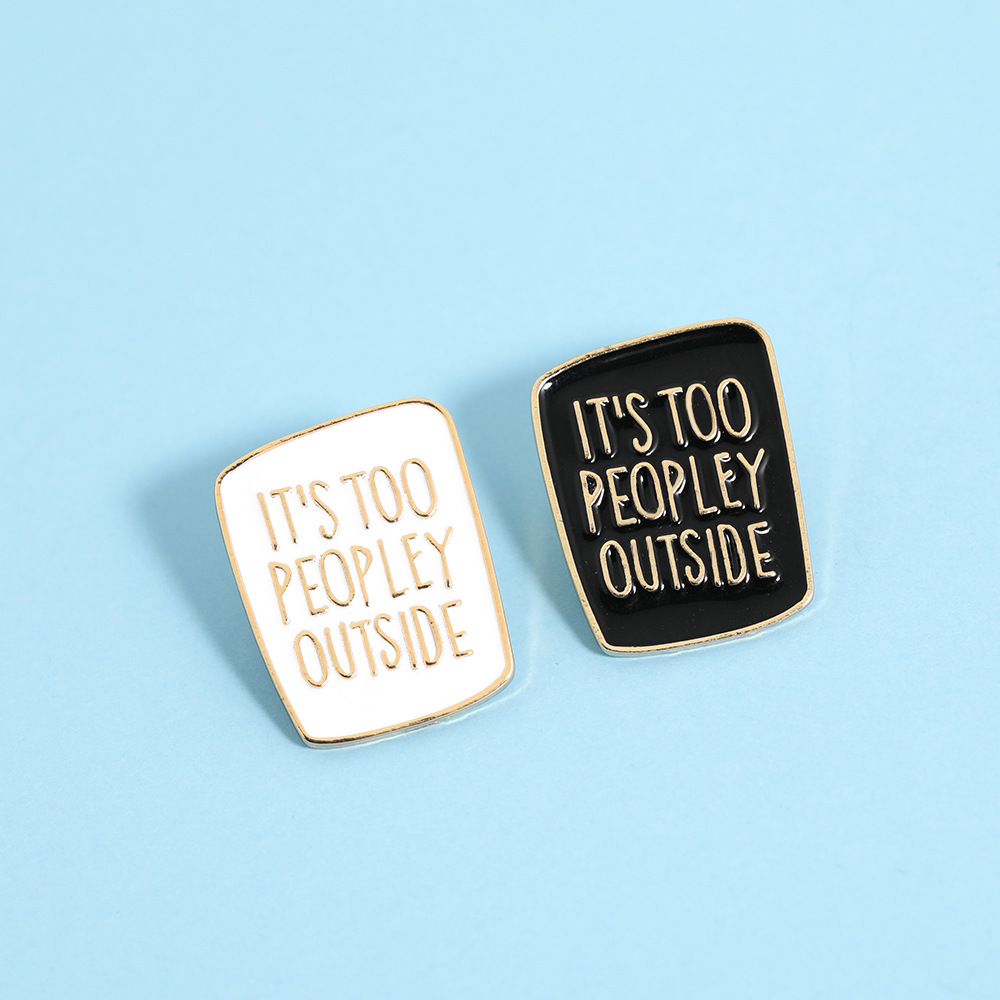
IT'S TOO PEOPLEY OUTSIDE Enamel Pin Funny Social Anxiety Quote Alloy Lapel Pin Badge For Backpack Clothing Accessory Unisex Jewelry Gift
$0.47
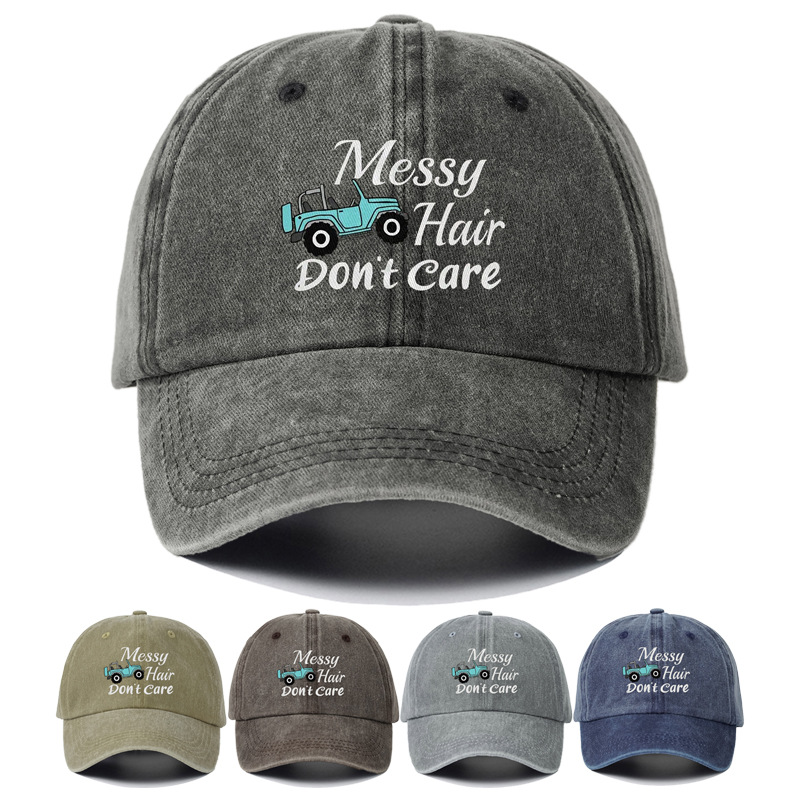
Washed Cotton Baseball Cap Messy Hair Don't Care Embroidered Vintage Denim Hat Sun Protection Adjustable Casual Trucker Cap for Men Women
$3.46
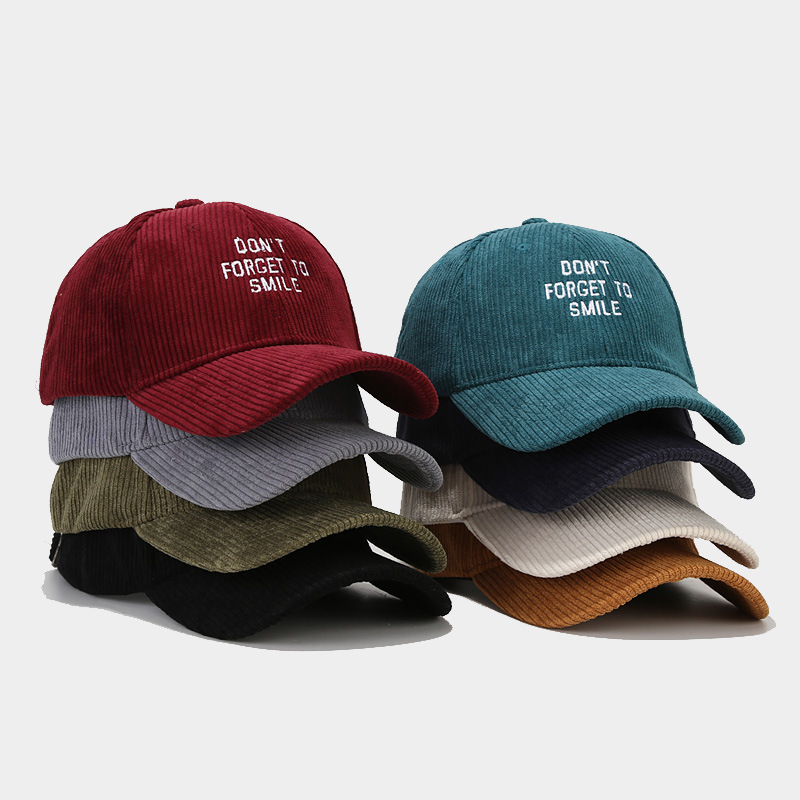
Women Corduroy Baseball Cap Don't Forget To Smile Letter Embroidery Curved Brim Sunshade Adjustable Hat For Outdoor Travel Casual Sporty Fashion
$3.60
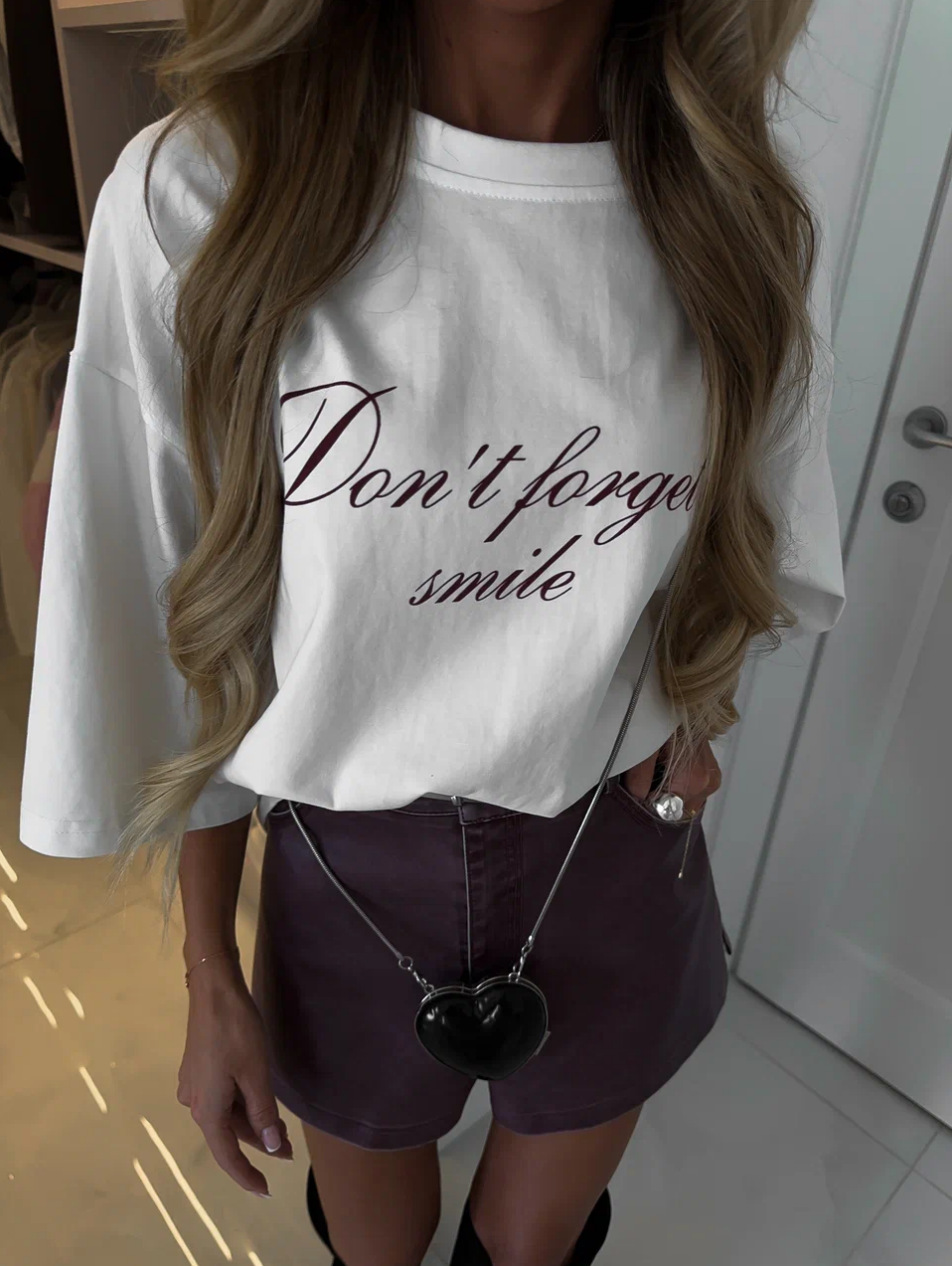
Women's 100% Cotton Letter Print T-Shirt Don't Forget Smile Round Neck Short Sleeve Loose Fit Summer Casual Streetwear Top
$10.68
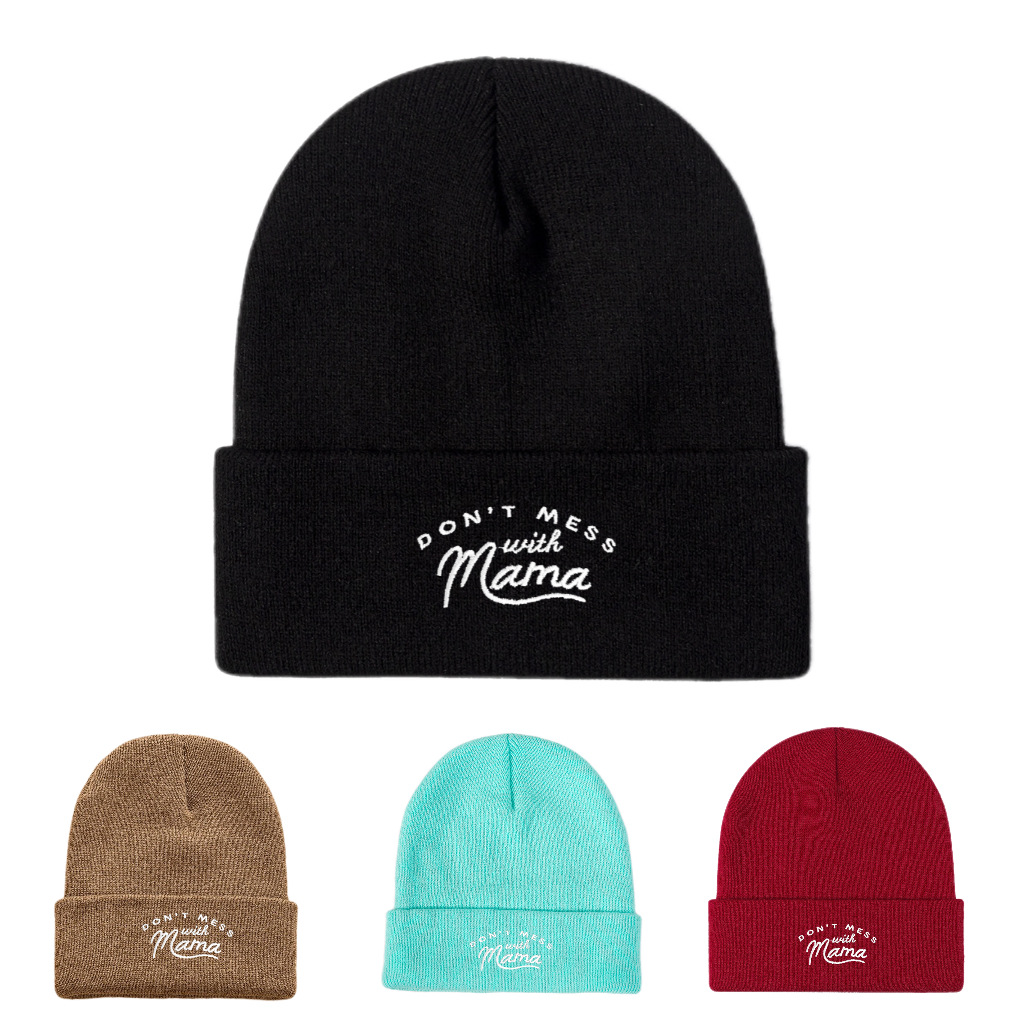
Autumn Winter Unisex Embroidered DON'T MESS WITH MAMA Knit Beanie Hat Casual Warm Acrylic Cuffed Skull Cap For Men Women
$2.39
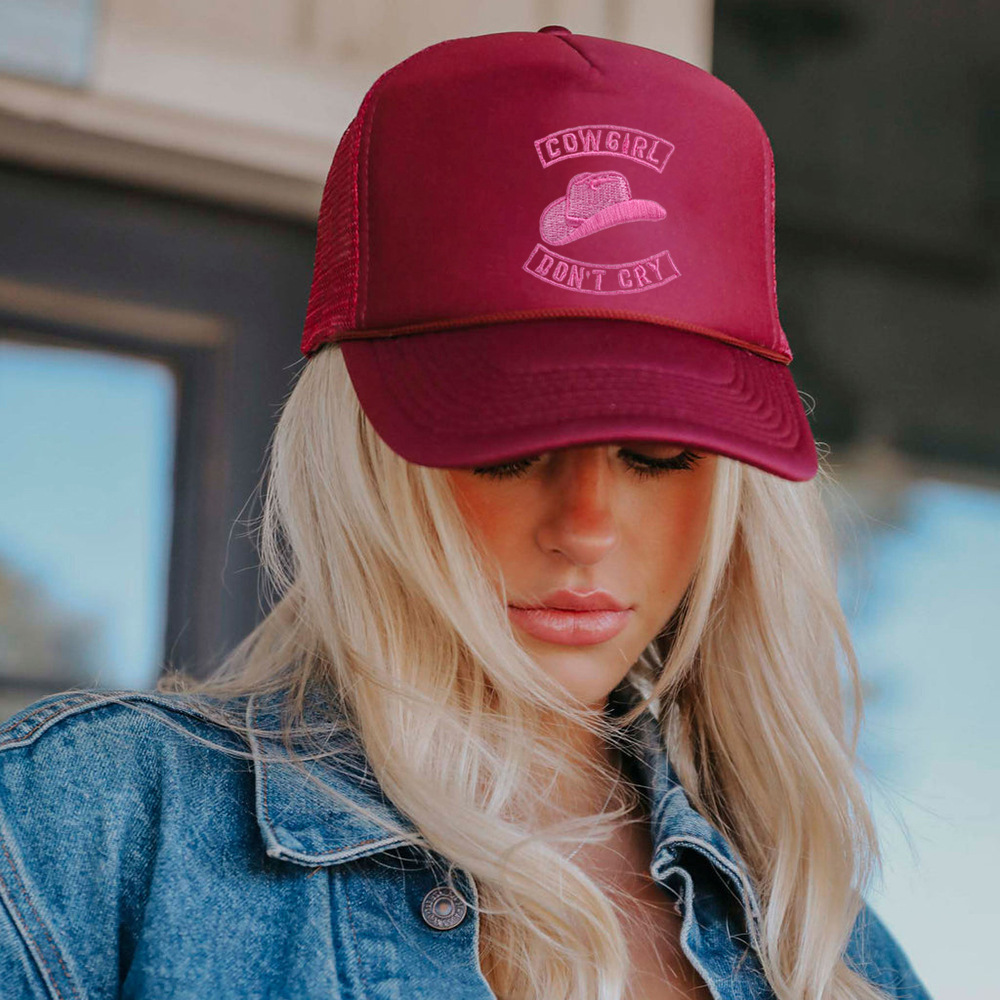
Cowgirl Don't Cry Embroidered Trucker Hat Women's Breathable Mesh Baseball Cap Western Style Adjustable Snapback Sun Hat Summer Outdoor Beach Cap
$3.03
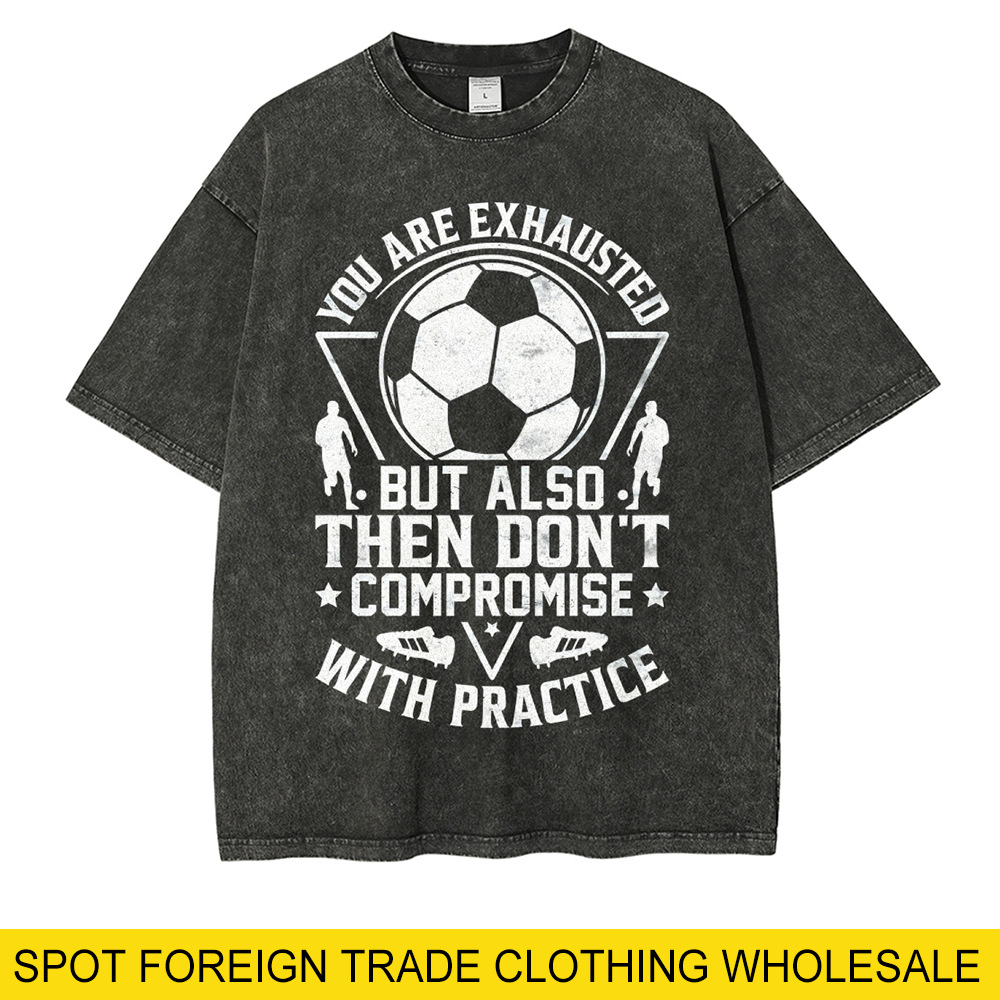
Don't Compromise Football Print Summer Sports Personalized Daily T-shirt Washed Casual Short Sleeve
$8.62
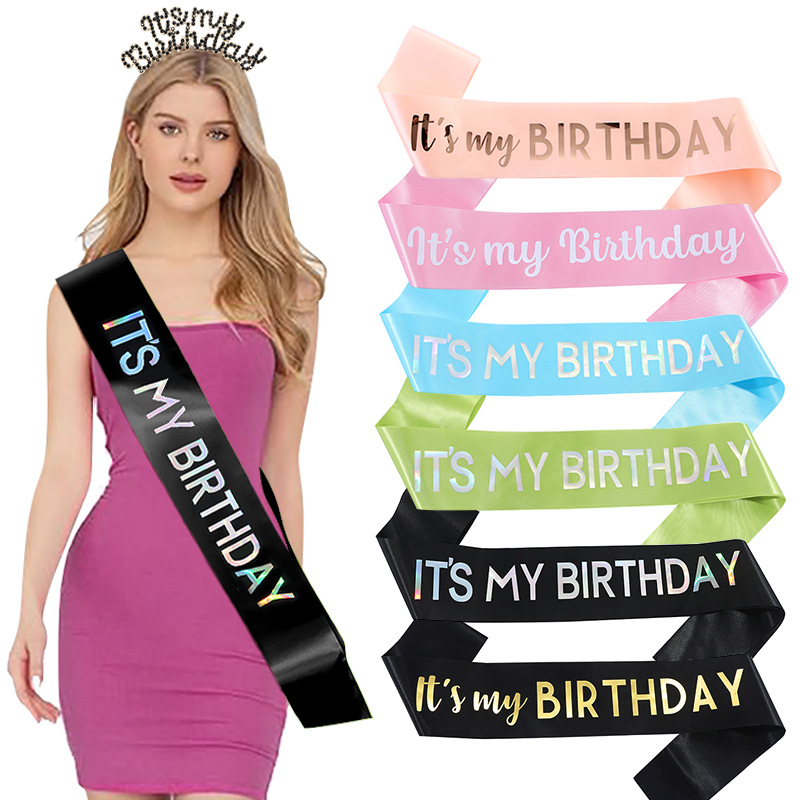
It's My Birthday Satin Sash Gold Stamping Iridescent Lettering Etiquette Belt For Women Girls Birthday Party Decoration Accessories Birthday Queen Ribbon
$0.69
Bundles That Increase AOV and Build Trust
The jeans trend already makes the customer think about value. A bundle should feel like a curated survival kit — hero item (jeans or main apparel) plus add-ons that reinforce the durability promise. Always price the bundle at least 15% below individual sum to justify commitment.
The Tough Core Set
First-time buyer testing the 'long lasting' claim
- Women's 100% Cotton Letter Print T-Shirt Don't Forget Smilehero
- Washed Cotton Baseball Cap Messy Hair Don't Care Embroidered Vintage Denim Hatupsell
- Stronger Than You Think Enamel Brooch Pincomplement
Bundle at $16 vs $20 separately — a $4 savings that feels like a discount even on cost-plus margins.
Denim Jacket Personalization Kit
Customer buying a denim jacket from you and wants to make it last visually
- Creative Anatomical Internal Organs Enamel Brooch Pin Sethero
- Funny Science Enamel Pin Set Think Like A Protoncomplement
- Cowgirl Don't Cry Embroidered Trucker Hatupsell
Bundle at $5.50 vs $7.90 individually — low-ticket but high perceived value.
No-Blowout Wardrobe Starter
Budget-conscious buyer who just had their favorite jeans rip
- Creative Alloy Enamel Slogan Badges It's Fine Everything's Fine Don't Stop Believe In Yourselfcomplement
- Motivational Mental Health Enamel Pin Set Don't Overthinkcomplement
- Washed Cotton Baseball Cap Messy Hair Don't Care Embroidered Vintage Denim Hatupsell
Bundle at $4.50 vs $5.90 individually — almost zero risk for first-time buyers.