
Trend Report · April 30, 2026
Mastering the Subdomain Link: A Guide for Jewelry Sellers
Learn how to link your corporate site to a Shopify subdomain (shop.example.com) for jewelry dropshipping, with product bundles and margin tips.
What Is a Subdomain Link?
A subdomain link is exactly what the name suggests: a separate subdomain (like shop.example.com) that points to your Shopify store while your main corporate site stays on a different platform. The scenario comes straight from a Reddit user asking for examples of brands that use this setup—essentially, a company website not hosted on Shopify but with a "shop now" button that redirects to the Shopify-hosted subdomain.
For jewelry sellers, this approach lets you keep a polished, content-rich brand site (on WordPress, Squarespace, etc.) and still tap into Shopify's powerful ecommerce engine. No need to rebuild your entire site on Shopify or lose the SEO you've built on your primary domain. The subdomain becomes a dedicated storefront where you can run flash sales, manage inventory, and process orders without cluttering your corporate pages.
This trend is not just a technical footnote—it's a strategic move for brands that want flexibility. The related terms "subdomain" and "link" come together here: the link between your main site and the subdomain must be seamless. A clean, direct hyperlink from your homepage to shop.example.com can convert visitors while preserving your brand hierarchy.
Why Subdomain Links Are Gaining Traction
The source summary highlights a practical pain point: companies want their corporate website (often built on a CMS like Drupal or custom HTML) to remain independent, but they still need a robust ecommerce solution. Shopify solves that, and a subdomain link is the simplest bridge. For jewelry brands, this is especially relevant because product catalogs change frequently—dropshipping means new SKUs every season, and a subdomain keeps the store agile without touching the main site.
Another driver is SEO segmentation. A subdomain like shop.example.com can be treated by search engines as a separate entity, allowing you to target long-tail keywords (e.g., "best Subdomain Link suppliers" or "Subdomain Link profit margin") without interfering with your corporate site's ranking for "luxury jewelry brand." This is a low-budget way to test new categories—you can launch a subdomain store for just a few dollars a month (only the Shopify subscription and domain). No extensive IT work.
Finally, the emergence of this trend ties directly to the question in the Reddit post: sellers want concrete examples. The demand for proven setup models is growing, and jewelry dropshippers who adopt a subdomain link early can capitalize on the structural advantage. It's not about saturation—it's about separation.
Who Benefits Most from a Subdomain Link?
This setup works best for sellers who already have a branded corporate site or blog and want to add ecommerce without migrating. It's also ideal for boutique buyers who need a custom storefront that feels separate from their main portfolio. The profiles below show how specific operator types can use a subdomain link effectively.
Shopify seller
If you already have a corporate WordPress site for your jewelry line, a subdomain link lets you keep that site while using Shopify's order management. No need to rebuild or duplicate content.
Dropshipper testing a new niche
Launch a subdomain store (e.g., shop.example.com) for a specific jewelry sub-niche like men's Cuban link chains. Low risk—just a Shopify subscription and a few product samples.
Boutique buyer with multi-brand presence
Use separate subdomains for each brand (brand1.example.com, brand2.example.com) while sharing a single inventory pool. Streamlines backend but keeps customer-facing separation.
How to Sell Jewelry Using a Subdomain Link
The core strategy is straightforward: point your main site's "Shop" button to a Shopify subdomain, then treat that subdomain as a standalone store. But to maximize profit, you need to tailor the traffic flow. Start by running Facebook ads that land on a specific product page inside the subdomain—not the main site—so you can track conversion accurately. Use the subdomain's analytics to test ad angles, then feed those insights back to your main site's content team. For jewelry specifically, product bundling works well on subdomains because you can create curated sets (e.g., "Men's Gift Set") without cluttering your corporate site. The subdomain's simplicity—no bloated navigation—encourages add-to-cart behavior. Just ensure the link from your main site passes UTM parameters so you know which traffic converts. Below are three concrete sales tactics, each with channel-specific approaches, margin estimates, and honest risks.
Create a carousel ad showcasing a hero product (e.g., Men Cuban Link Chain) and a complement (e.g., skull bracelet). Link to a subdomain landing page that features both products and a bundle discount.
⚠ High cost per click on jewelry ads; need strong creative to avoid wasted spend.
Segment your main site's newsletter subscribers who clicked on jewelry content previously. Send a dedicated email introducing shop.example.com and offer a 10% discount on the Minimalist Chain Bundle.
⚠ List fatigue if you email too frequently; segment carefully.
Write an article on your main site about "Top Jewelry Gift Ideas" and link to specific product pages on the subdomain using anchor text like "shop the Cuban link bracelet." Use UTM parameters for tracking.
⚠ SEO split can confuse Google if subdomain and main site have overlapping topics; manage with rel=canonical.
Top Jewelry Products to Feature on Your Subdomain Store
These products cover the range of jewelry styles—from men's Cuban links to minimalist chains—ideal for a subdomain link store. They represent high-margin, fast-moving SKUs that align with the trend's focus on separate brand identity. Pick 15-20 to showcase in your shop.example.com launch.
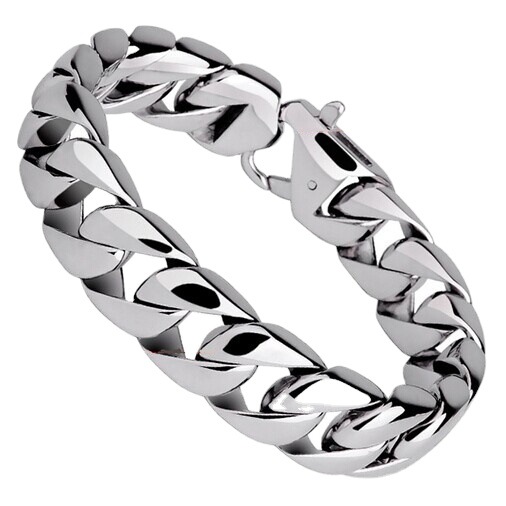
Men Cuban Link Chain Bracelet Stainless Steel Hip Hop Highly Polished Geometric Jewelry
$9.43
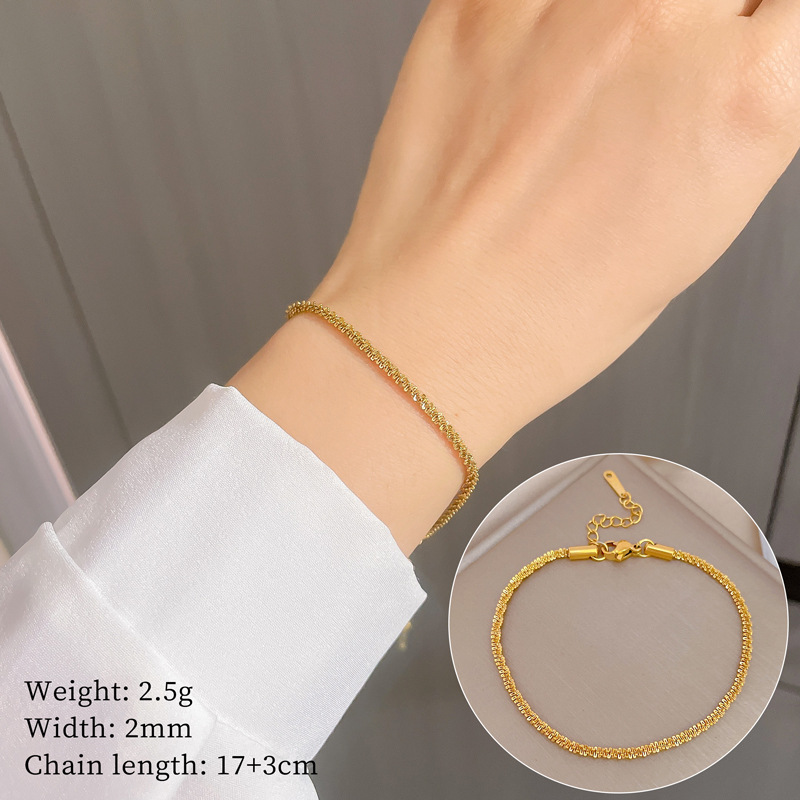
Minimalist Chain Bracelet Stainless Steel Adjustable Link Dainty Jewelry Retro Style Gift For Women
$1.50
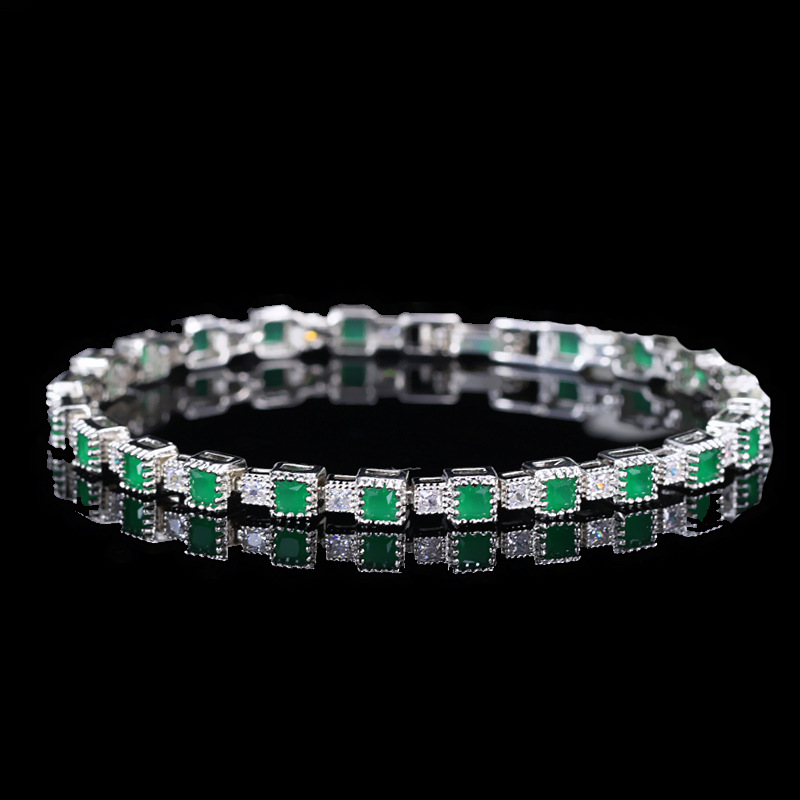
Luxury Square Cut Zircon Copper Bracelet For Women Colorful Gemstone Link Chain Elegant Jewelry
$4.73
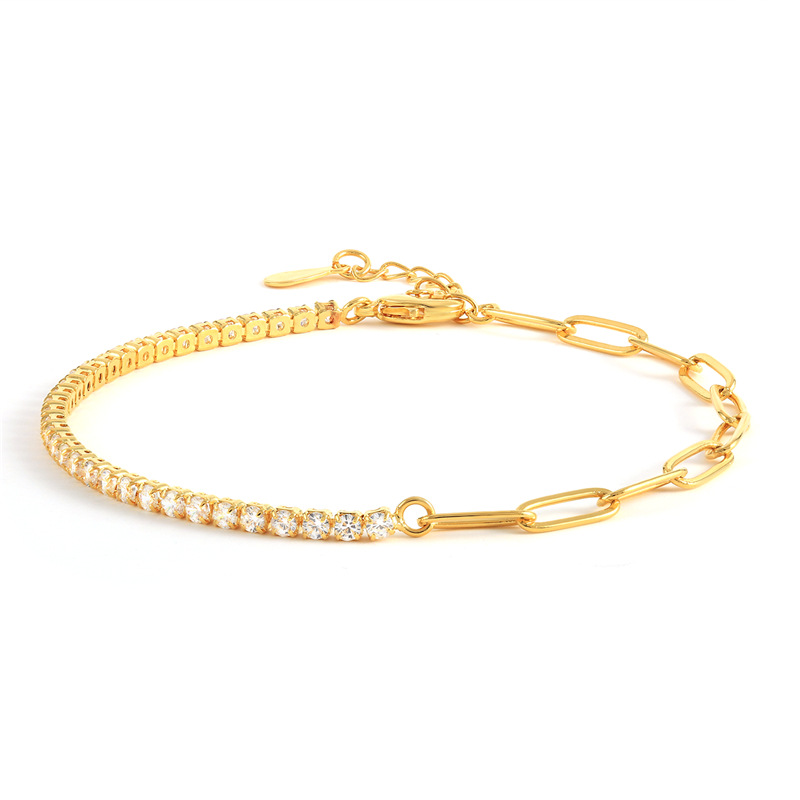
Spliced Bracelet Copper Gold Plated Zircon Tennis Chain Paperclip Link Elegant Minimalist Jewelry For Women
$2.82
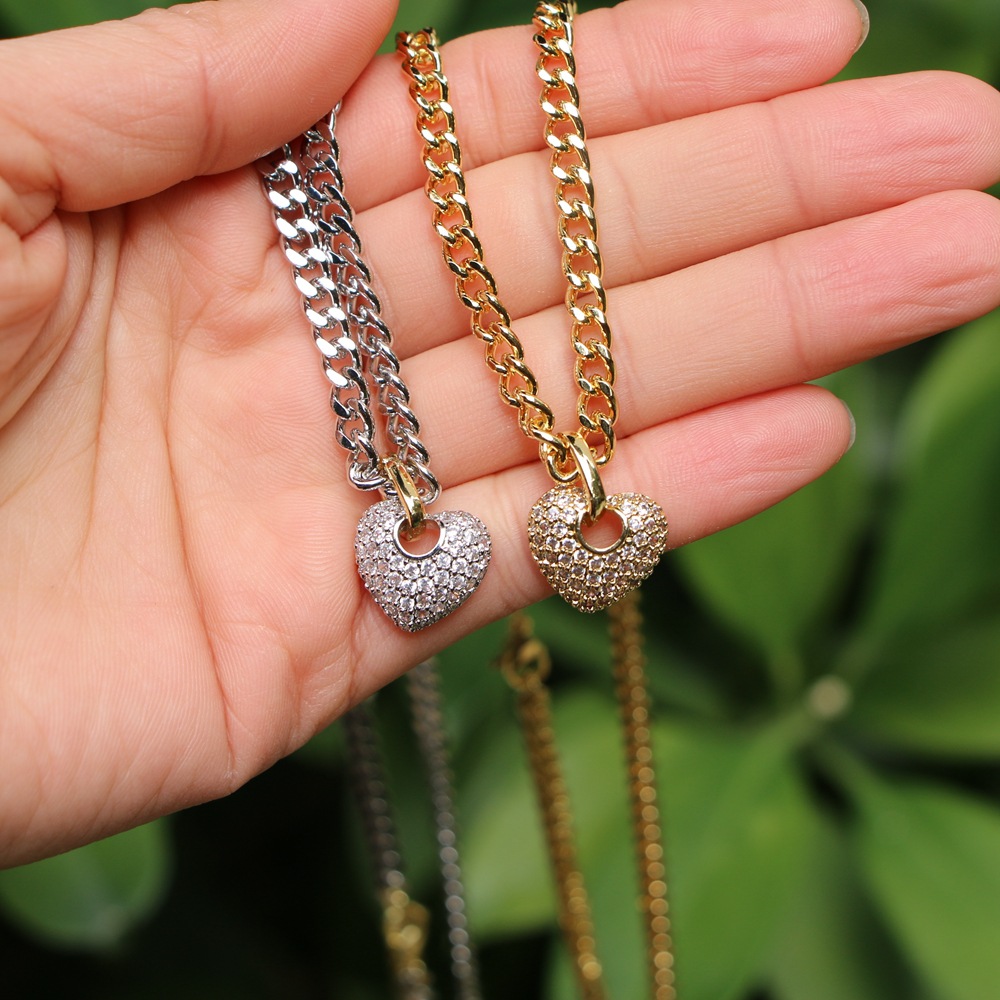
Heart Pendant Necklace Copper Pave Cubic Zirconia Sparkling Trendy Cuban Link Chain Jewelry For Women
$4.45
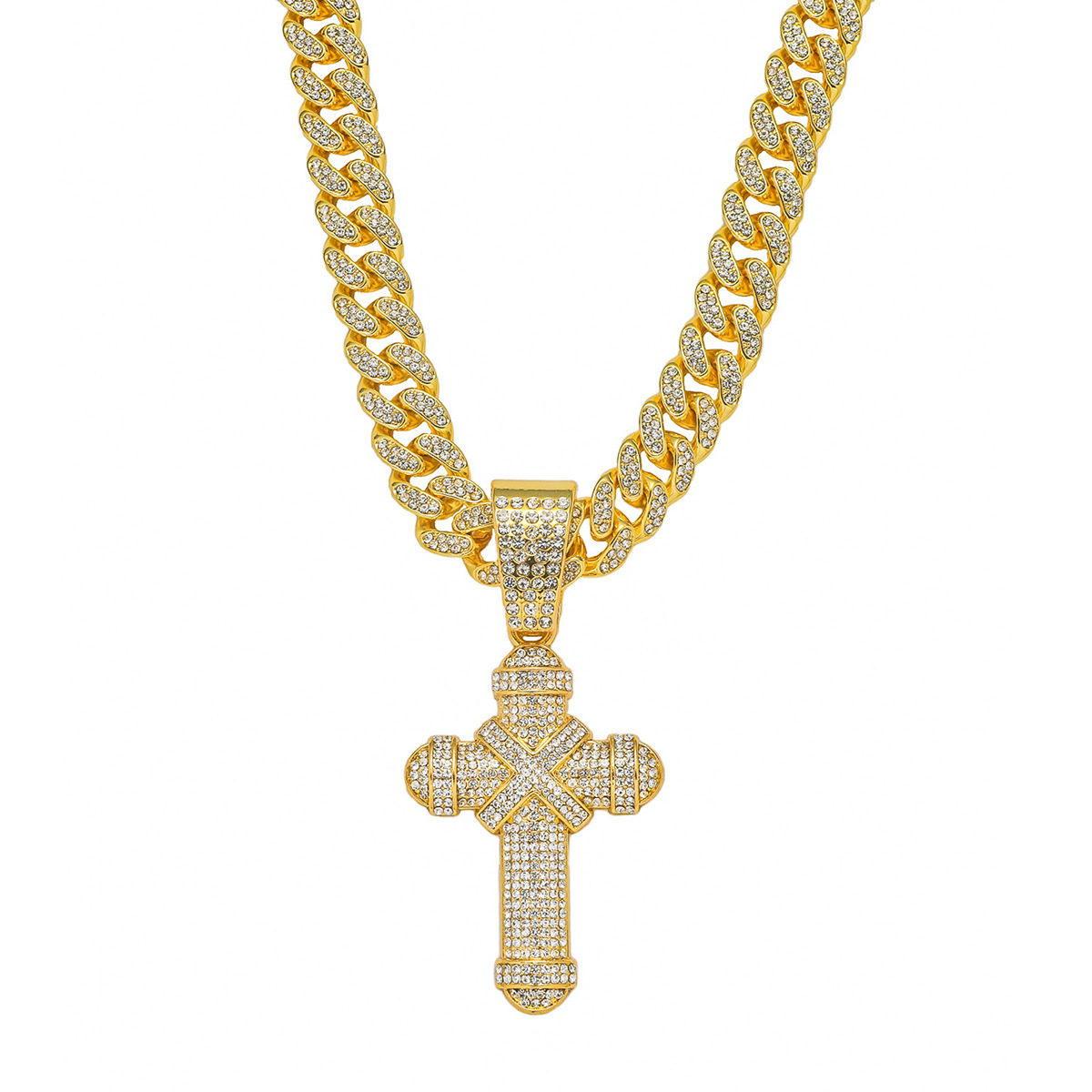
Men Hip Hop Iced Out Cross Pendant Necklace Alloy Rhinestone Cuban Link Chain Punk Jewelry
$1.82
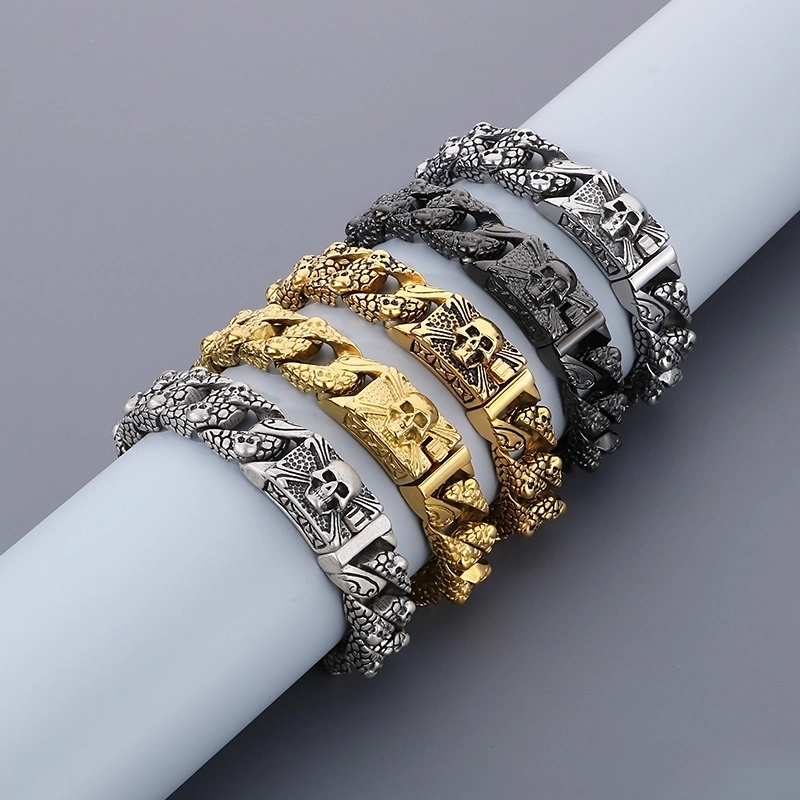
Men Bracelet Stainless Steel Skull Crossbones Cuban Link Chain Gothic Punk Vintage Retro Biker Jewelry
$11.81
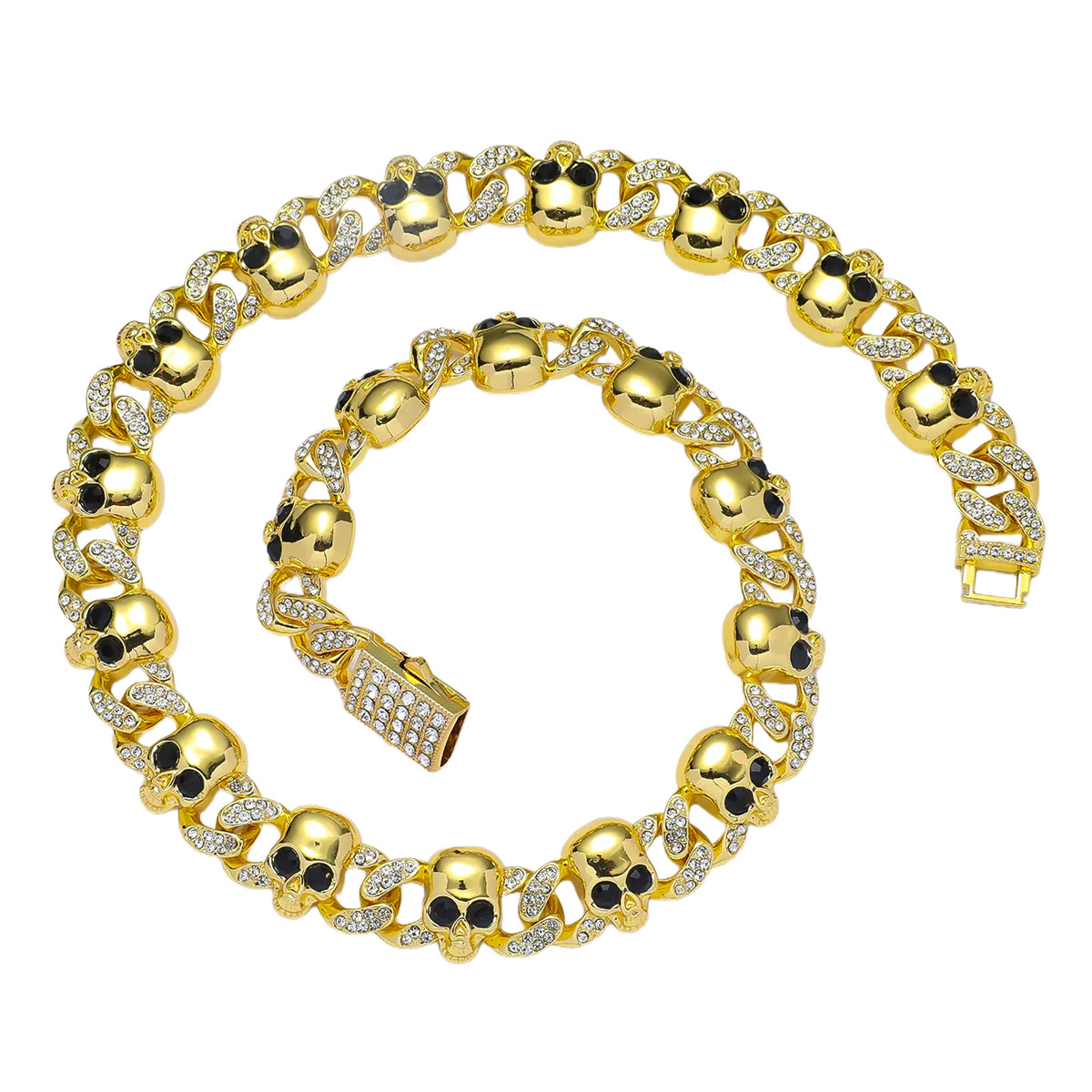
Skull Necklace And Bracelet Alloy Rhinestone Cuban Link Chain Hip Hop Punk Style Men Jewelry
$1.84
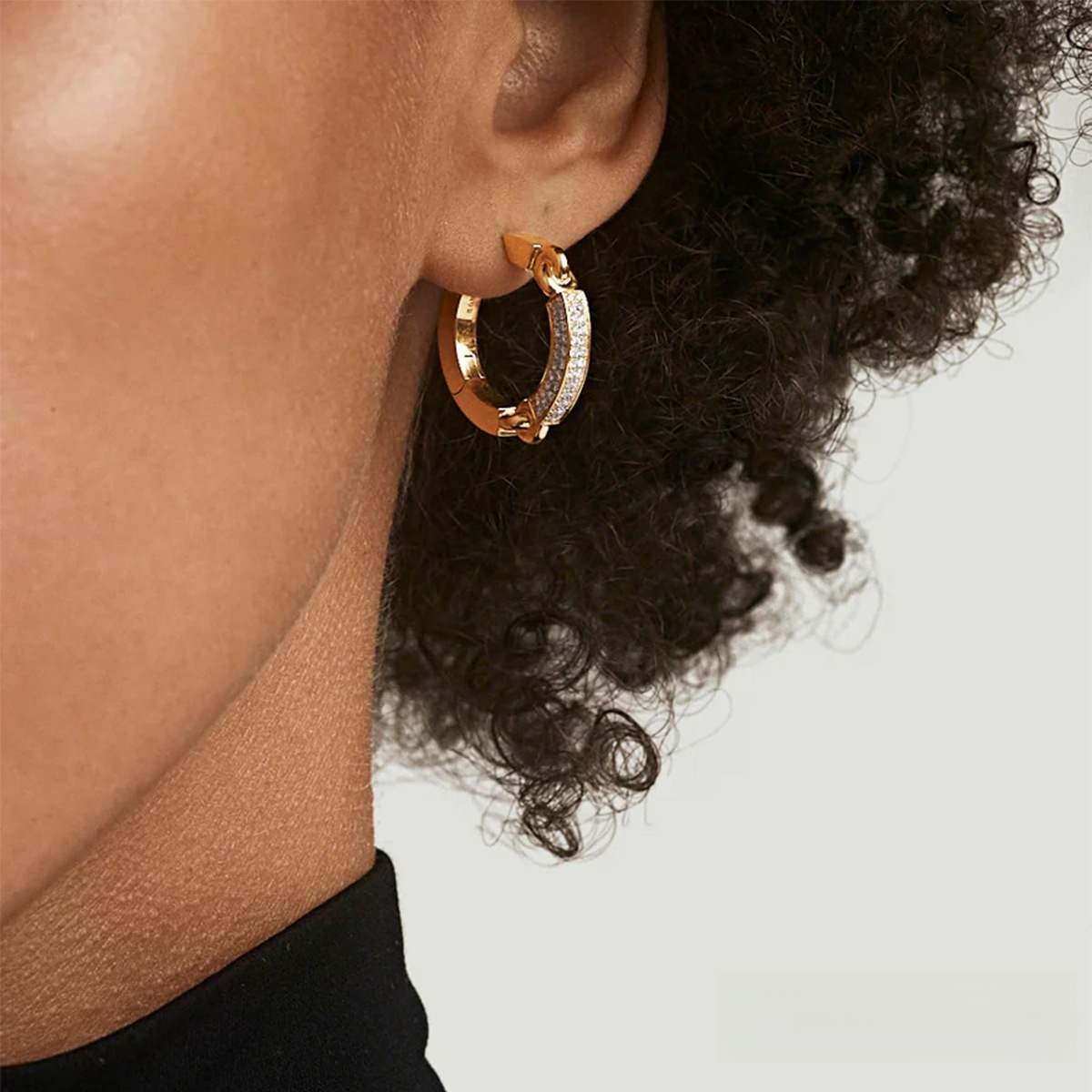
Gold Stainless Steel Hoop Earrings Rhinestone Inlaid Chain Link Geometric Hypoallergenic Trendy Jewelry For Women
$5.63
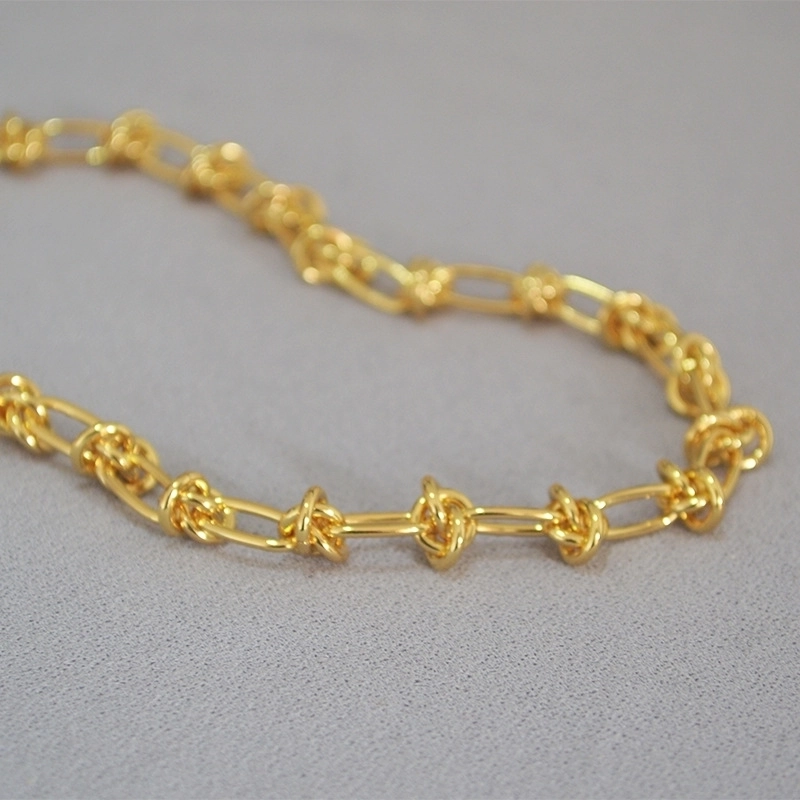
Knot Link Necklace Gold Plated Brass Modern Minimalist Chic Clavicle Chain Jewelry For Women Gift
$7.47
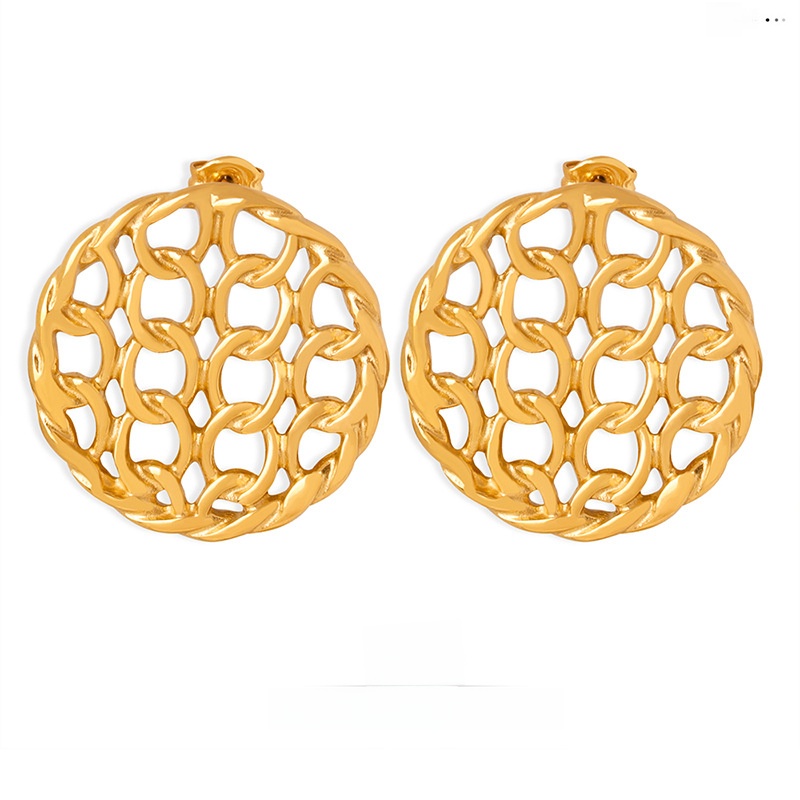
Vintage Hollow Circular Woven Chain Link Stud Earrings Stainless Steel Personalized Exaggerated Jewelry For Women
$4.40
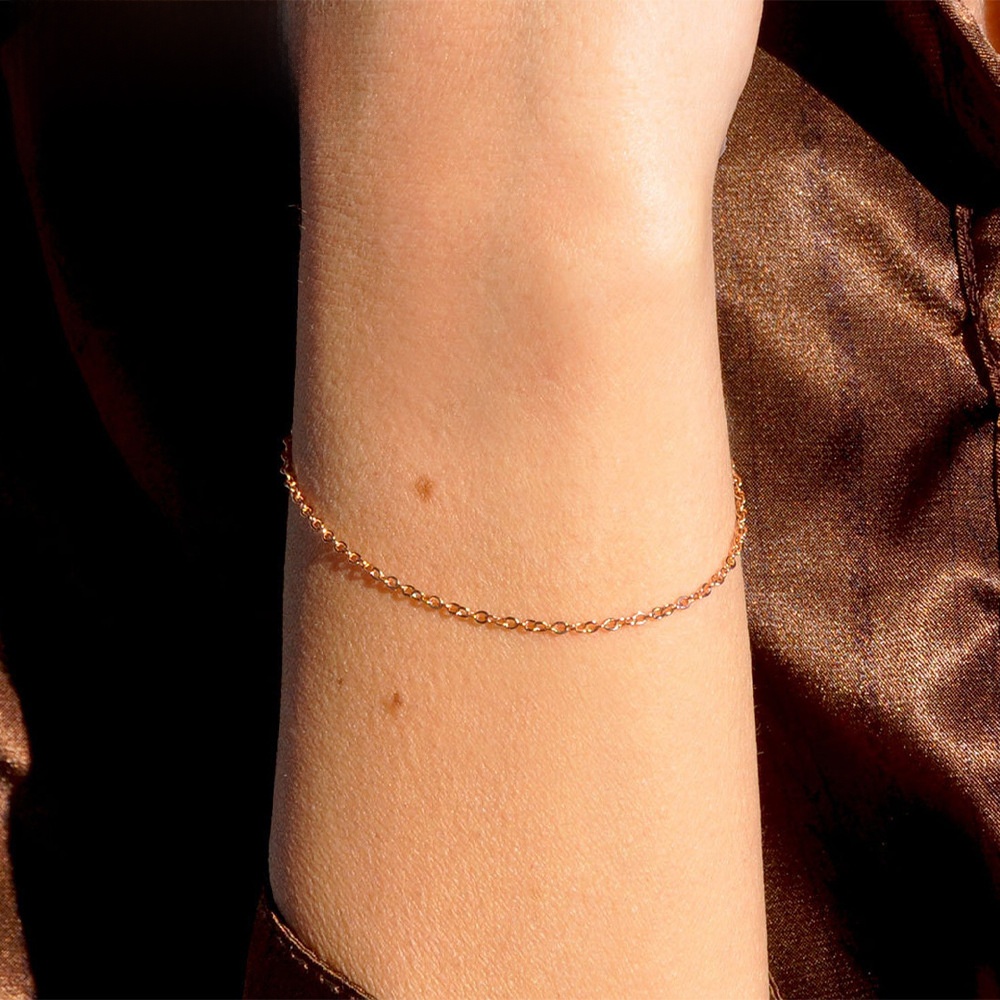
Minimalist Stainless Steel Link Chain Bracelet For Women Gold Plated Waterproof Adjustable Trendy Elegant Daily Jewelry
$1.66
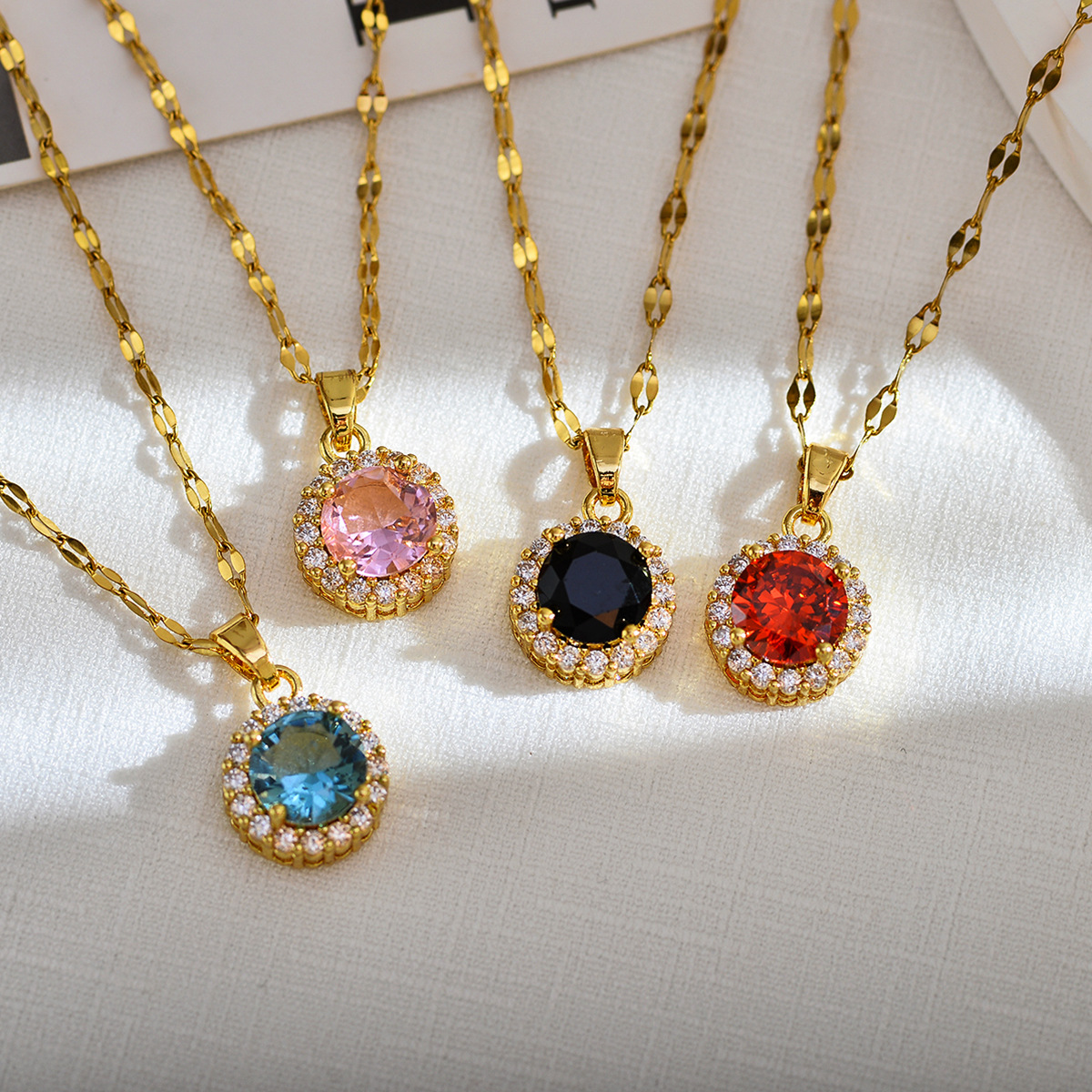
Elegant Round Gemstone Pendant Necklace Copper Gold Plated Halo Rhinestone Leaf Link Chain Jewelry For Women
$1.31
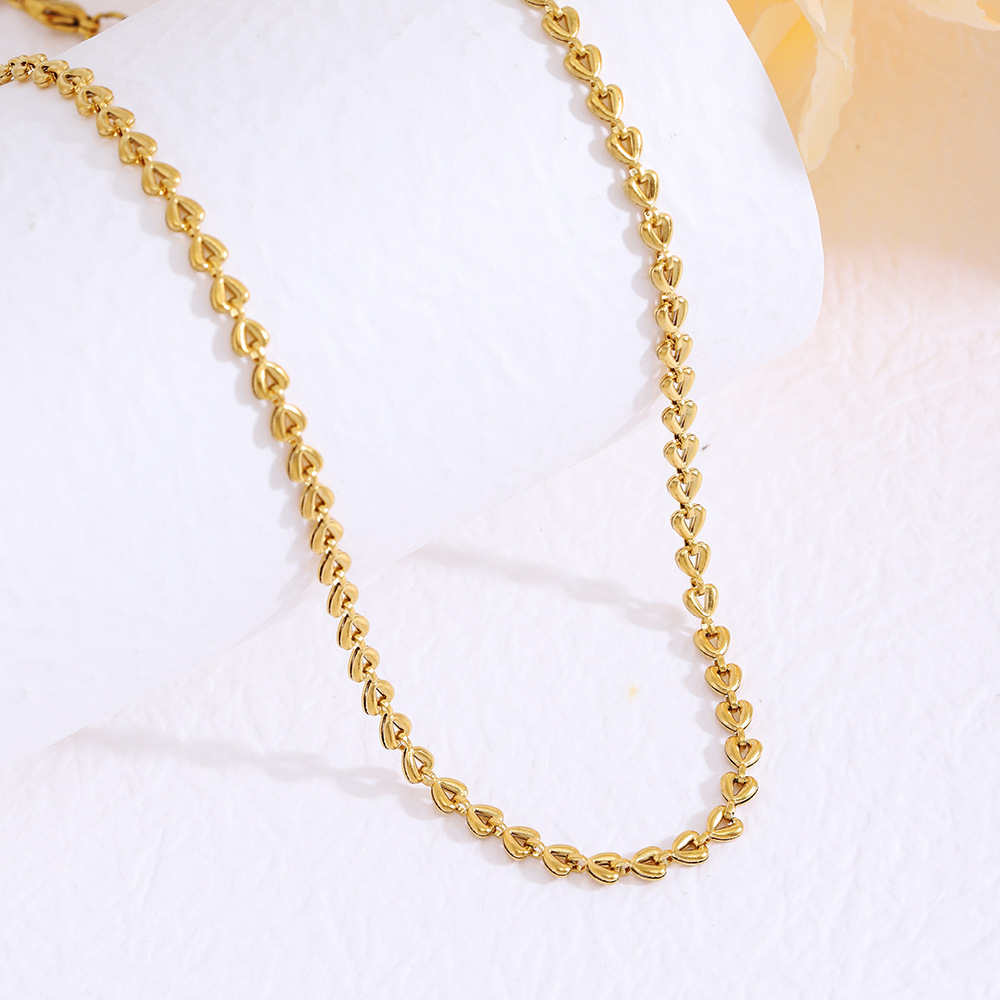
Minimalist Gold Stainless Steel Heart Link Necklace Handmade Chain Choker Fashion Elegant Jewelry For Women Gift
$1.70
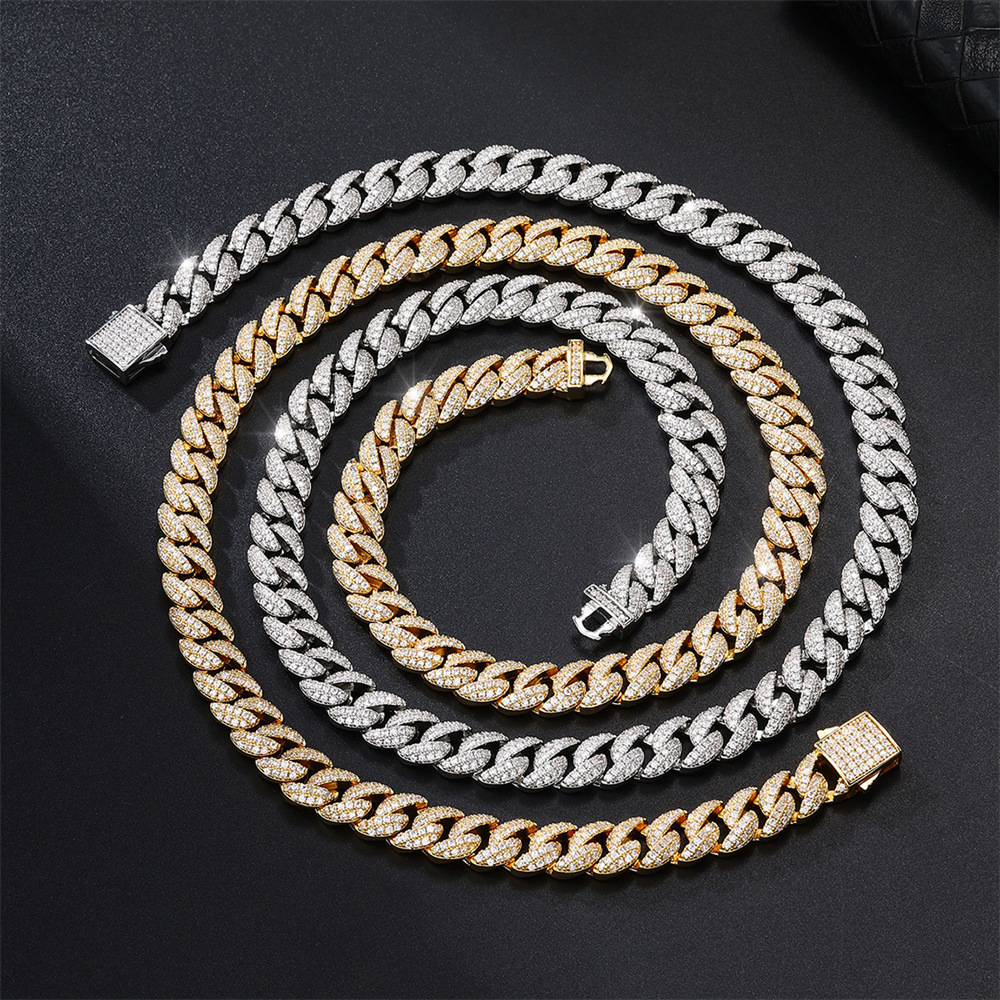
Hip Hop Iced Out Cuban Link Chain Copper Zircon Jewelry Luxury Shiny Fashion For Men Women
$22.48
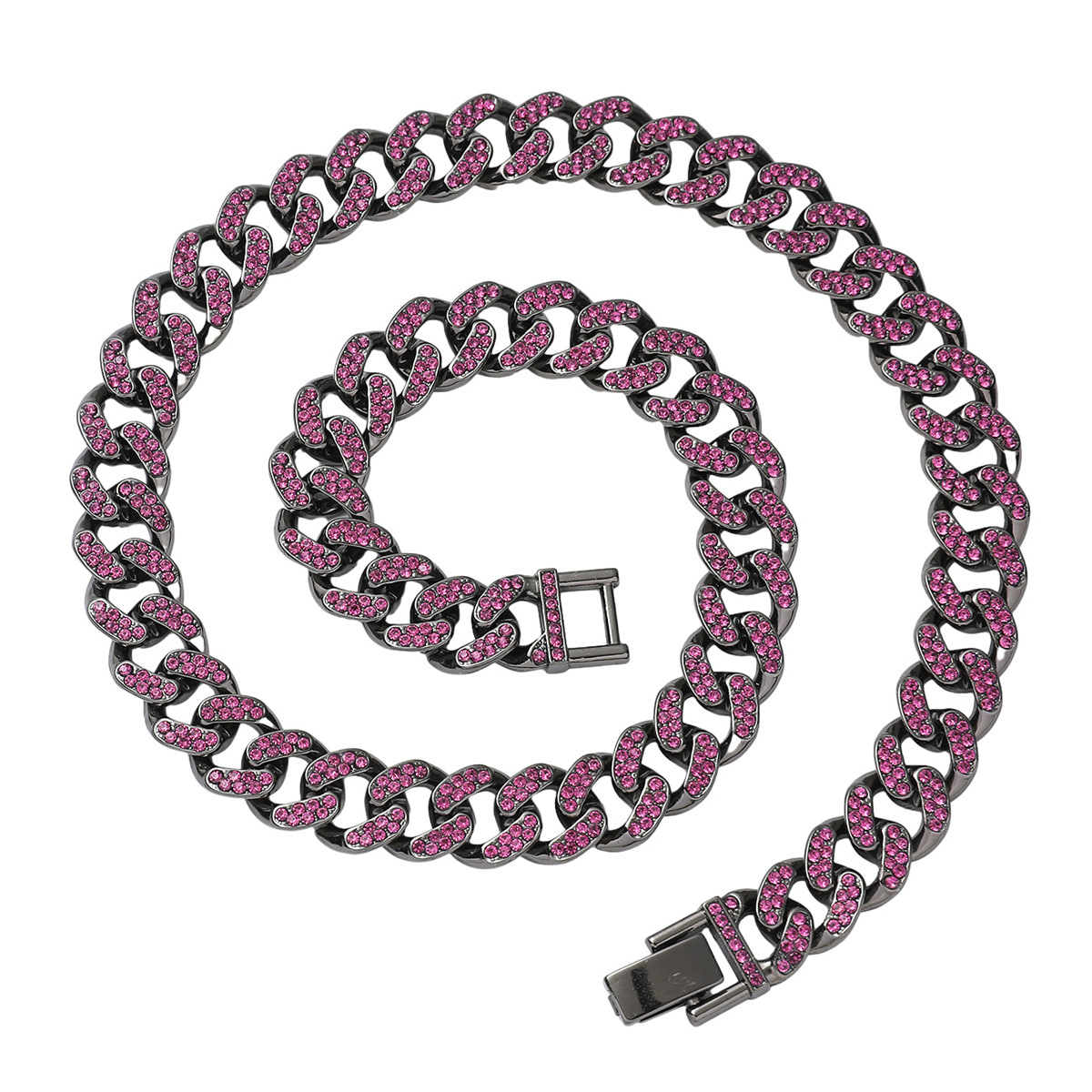
Hip Hop Cuban Link Necklace Alloy Fully Iced Out Purple Rhinestone Exaggerated Bold Rap Streetwear Jewelry
$1.89
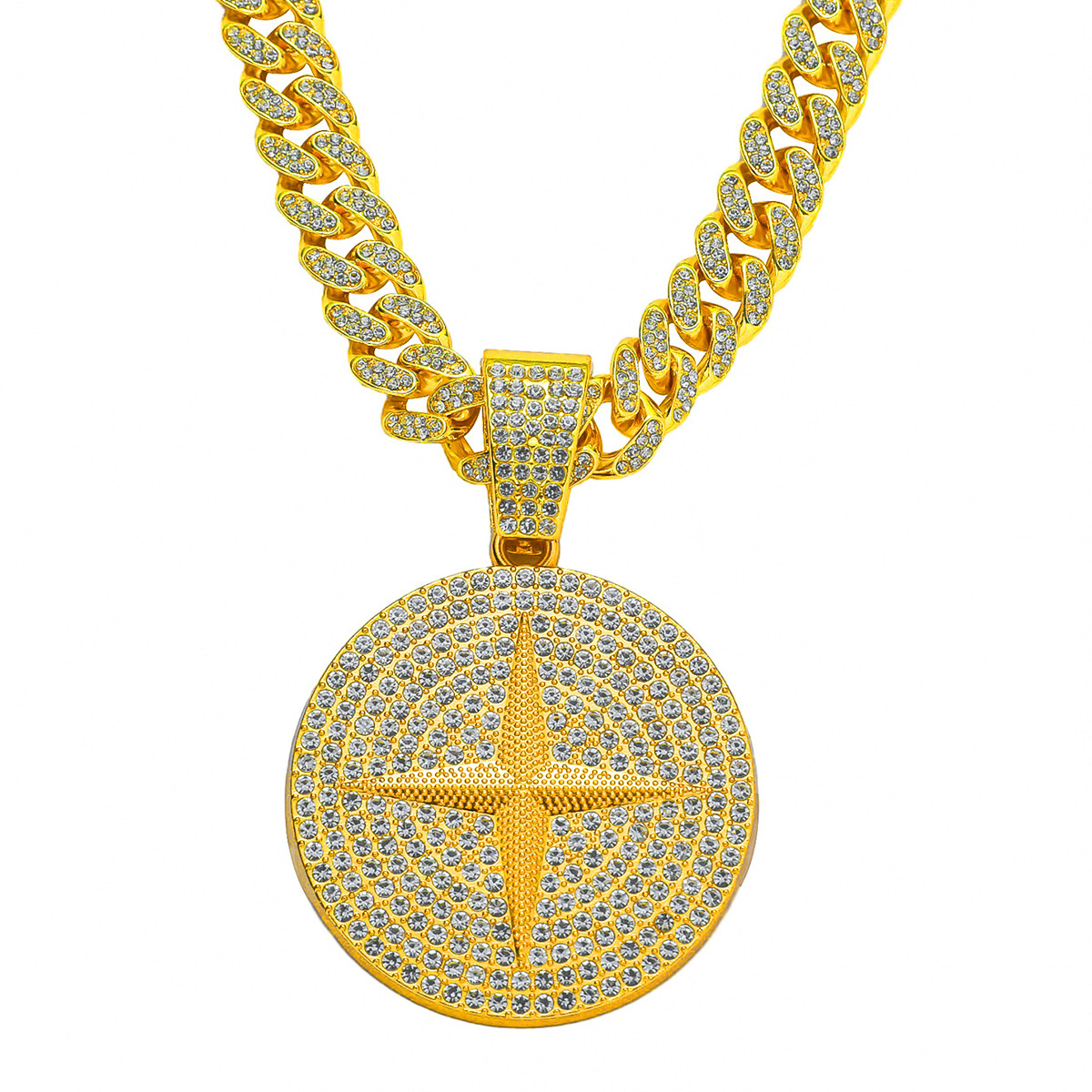
Hip Hop Iced Out Cross Star Pendant Necklace Alloy Rhinestone Cuban Link Chain Men Fashion Jewelry
$1.81
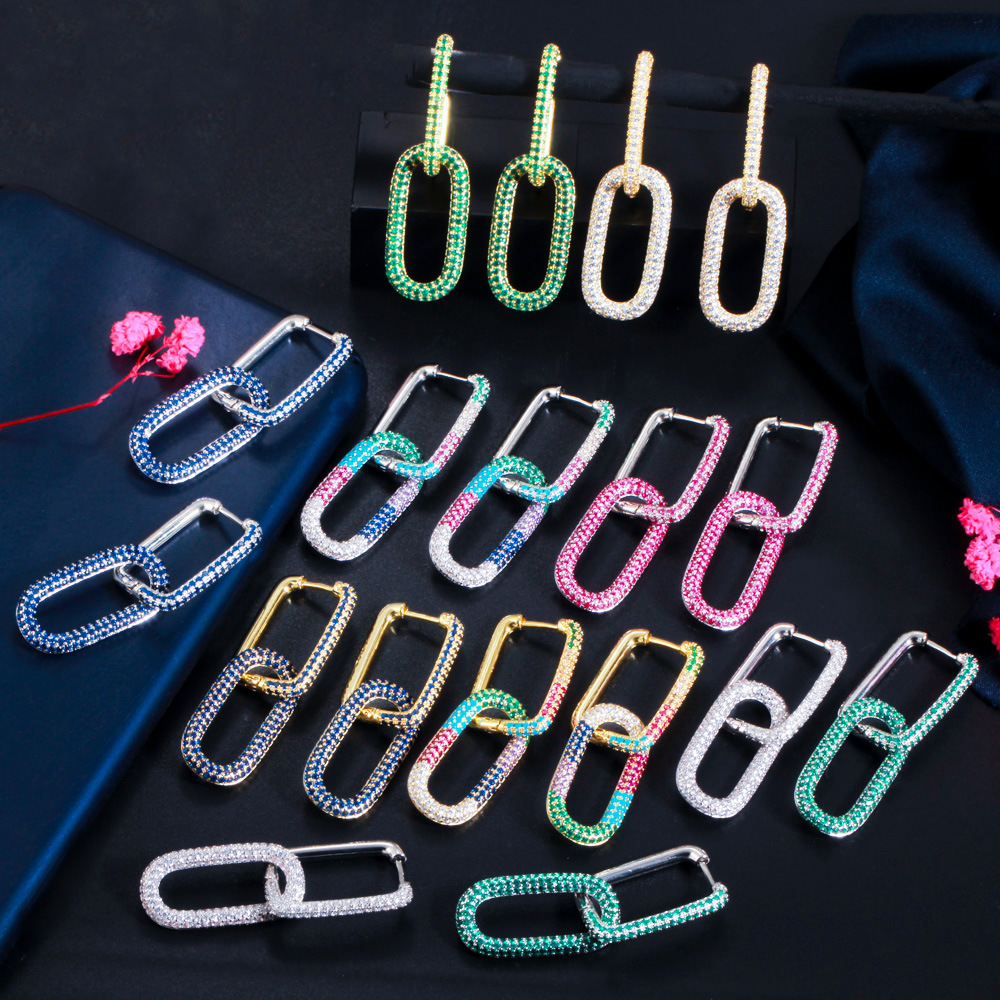
Geometric Interlocking Chain Link Hoop Earrings Copper 18K Gold Plated Micro Paved Colorful Cubic Zirconia Women Jewelry
$7.42
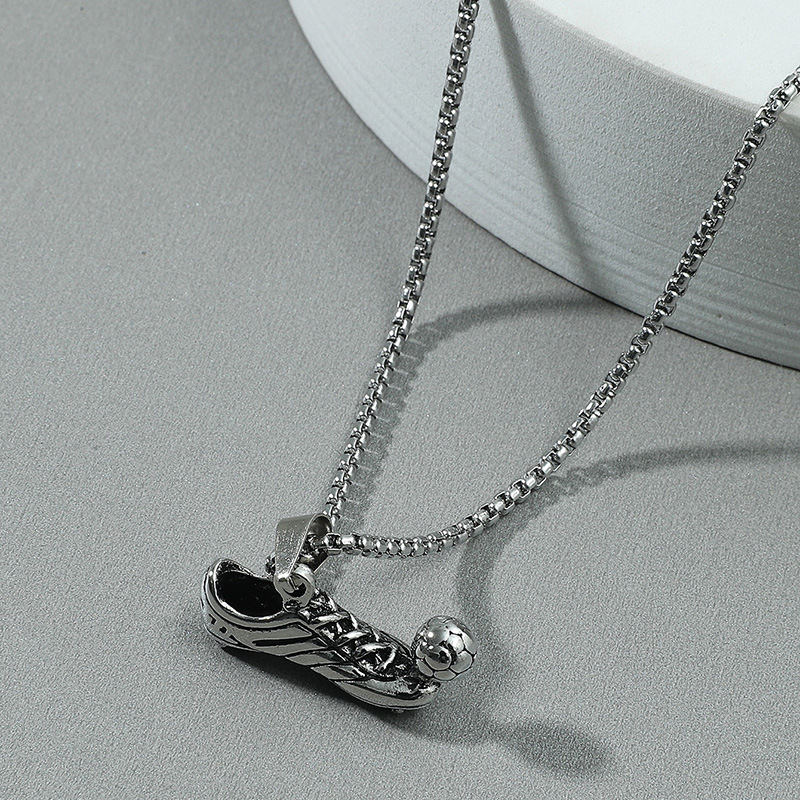
Soccer Shoe Pendant Necklace Alloy Sporty Hip Hop Soccer Ball Jewelry With Square Link Chain For Men
$0.87
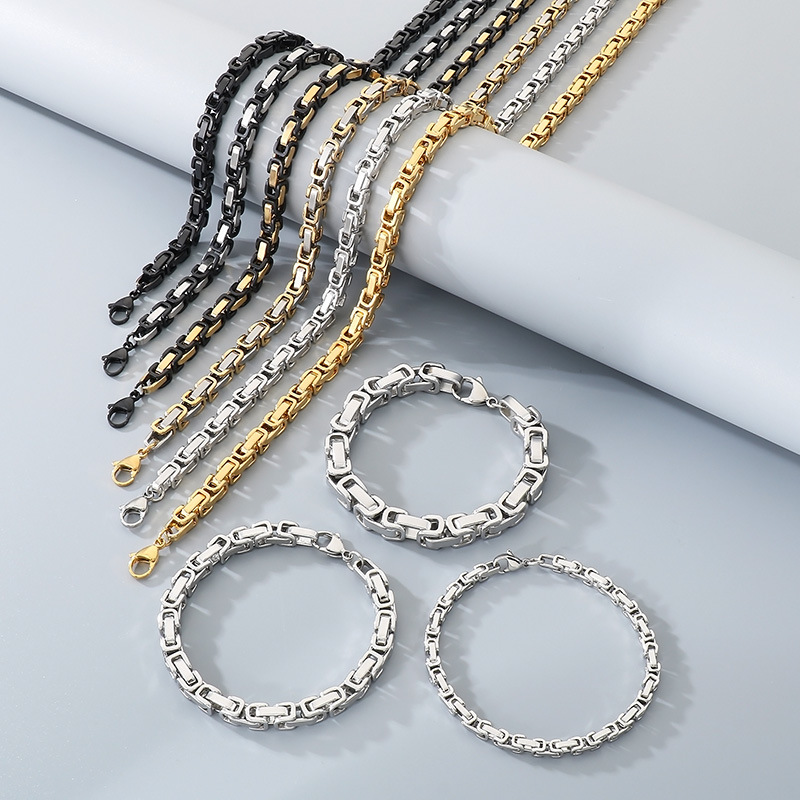
Stainless Steel Byzantine Chain Necklace Chunky Link Hip Hop Gothic Punk Jewelry Unisex Fashion Trendy Jewelry Accessory
$1.30
Bundle Ideas for Your Subdomain Link Shopify Store
Bundles work brilliantly on a subdomain because you can create themed collections without overwhelming your corporate site. Customers landing on shop.example.com expect a focused shopping experience—bundles increase average order value and reduce per-unit shipping costs. Each bundle below uses products from the featured list and targets a specific buyer scenario.
Men's Hip Hop Starter Kit
A young man looking for bold streetwear jewelry to wear with hoodies and chains. He lands on your subdomain after seeing a TikTok link.
- Men Cuban Link Chain Bracelet Stainless Steelhero
- Men Hip Hop Iced Out Cross Pendant Necklaceupsell
- Men Bracelet Stainless Steel Skull Crossbonescomplement
Bundle at $32.99 vs $37.98 separately (save $4.99)
Dainty Layering Set
A woman who wants delicate, everyday layering pieces. She discovered your subdomain via a Pinterest recommendation.
- Minimalist Chain Bracelet Stainless Steelhero
- Knot Link Necklace Gold Platedcomplement
- Minimalist Stainless Steel Link Chain Braceletcomplement
Bundle at $22.99 vs $26.87 separately (save $3.88)
Gothic Punk Set
A guy who loves skull motifs and heavy chains, shopping for a bold statement. He found your subdomain through a Reddit post about subdomain link stores.
- Skull Necklace And Bracelet Alloy Rhinestonehero
- Stainless Steel Byzantine Chain Necklaceupsell
- Hip Hop Iced Out Cross Star Pendant Necklacecomplement
Bundle at $19.99 vs $23.46 separately (save $3.47). Risk: Gothic niche may have limited audience; test ad creative diversity.