
Trend Report · May 13, 2026
Supplement Brand for Sale: Cross-Sell Accessories to Maximize Margins
Learn how buying an existing supplement brand and adding high-margin accessories like cufflinks can solve time struggles and improve returns. Actionable stages for e-commerce sellers.
Supplement Brand for Sale: Why Timing Matters Right Now
The supplement industry is crowded, but many founders burn out after a year or two. The source behind this trend—a husband and father with a newborn, juggling a full-time job—spent heavily on branding and inventory but never cracked social media or ad performance. That exact scenario creates a window for buyers who can acquire a brand at a discount and inject operational discipline. The moment to act is now: distressed sellers are listing brands with real product-market fit, just missing the e-commerce execution layer. For a Shopify store owner or hands-on entrepreneur, buying a supplement brand for sale and pairing it with targeted accessories (like men's cufflinks or tie clips) can turn a money-losing operation into a profitable portfolio.
Why Buying an Existing Supplement Brand Beats Starting from Scratch
Building a brand from zero takes eighteen to twenty-four months of consistent content, ad testing, and fulfillment tweaks. The original seller's story shows exactly what goes wrong: time constraints from family and a day job drain momentum, ad spend burns without scaling, and social media becomes a second full-time job. Buying an existing supplement brand that already has SKUs, labels, and some customer base cuts that timeline in half. The real opportunity? The seller has done the hard part of product development. Your job is to fix the distribution and monetization levers. Adding a complementary accessory line—like the round zirconia cufflinks or stainless steel money clips available from DayJewel—creates immediate upsell revenue with zero new product risk.
Who Should Buy a Supplement Brand Right Now?
This acquisition fits specific operator profiles. You need to be comfortable with inventory, ad platforms, and quick pivots on product mixes. Below are the three best-fit buyers.
Shopify store owner
You already have a store and know how to run ads. Adding a supplement brand to your portfolio costs no new platform overhead; you sell it through your existing funnel with a curated 'executive health' collection that includes accessories like cufflinks to raise AOV.
E-commerce entrepreneur with spare capital
You have $5k–$15k to invest in inventory and ads. A distressed supplement brand can be bought cheaply, then stabilized by cutting unprofitable ad angles and attaching accessory bundles to every order.
New entrepreneur wanting a head start
You lack time for product development but can handle operations. Buying a supplement brand for sale gives you a ready-made brand; you just need to integrate accessories from DayJewel to increase per-order revenue and offset low margins in the early months.
Implementation Stages
Find a Distressed Supplement Brand
Trigger: You have at least $2,000–$5,000 in liquid capital and can commit 10 hours per week.
Search Flippa, Empire Flippers, or Reddit communities for sellers who mention 'time struggle', 'low returns', 'burnout'—the exact language from the source.
✓ A list of 5–10 brands with decent product-market fit but poor execution. You want brands that have existing inventory and a domain.
✗ Chasing brands with hype but no real traction—you'll inherit high ad spend without margins. Stick to brands that sold less than 50 units/month.
Audit the Brand's Numbers
Trigger: You identify a promising brand for sale with a seller who's willing to share financials.
Ask for Amazon or Shopify sales reports, ad costs, COGS, and return rate. Verify with screenshots or access. Also ask about the 'struggle with social media' issue—whether they have any active accounts.
✓ You see a true profit picture. Many supplement brands that are for sale make low single-digit profit because the seller burns money on ads. That's fixable.
✗ Relying on seller's claims without proof. One buyer got burned by a brand that had 80% return rate due to poor quality. Always check the product reviews.
Negotiate and Acquire
Trigger: You have audited the numbers and found a brand that can break even with better operations within 3 months.
Offer 1.5x–2x monthly net profit (not revenue) plus fair value for inventory. Use the seller's frustration about 'spending a lot without return' as leverage.
✓ Price around $1,000–$5,000 for a small but established brand. Sellers who are burned out accept faster because they want an exit.
✗ Overpaying by factoring in seller's emotional investment. If they spent $20,000 but brand only makes $200/month, your offer should be based on $200, not $20,000.
Integrate Accessory Cross-Sells
Trigger: You own the brand and have at least 2 weeks before launching your first campaign.
Order accessory inventory from DayJewel—start with 50 units of 3–4 styles you'll bundle (e.g., cufflinks, tie clip, money clip). Add them as 'add-ons' in your Shopify cart or as separate listings.
✓ Within 2 weeks you have inventory ready. Cost per unit is under $2, retail at $10+.
✗ Ordering too many units without testing. If the sports cufflinks don't resonate, you're stuck with 200 units. Start with 10 per style.
Run New Ad Campaigns with Accessories Angle
Trigger: You have product bundles and inventory. You also have the previous seller's ad accounts (if included) or fresh pixel.
Create a Facebook ad showing the supplement + accessory bundle in use. Use the same creative style the original seller struggled with, but now you control the script. Test three ad sets with different audience: gym-goers, professionals, and music lovers (matching your accessories).
✓ If the original seller had a high-cost per purchase (CPP), your new angle should drop it by 20–30% because you have a higher AOV offer. Look for ROAS above 2.5 within first 7 days.
✗ Not killing failing ads fast enough. Set a rule to pause any ad with ROAS below 1.5 after $50 spend. The original seller's mistake was letting ads run too long with poor returns.
How to Sell Supplement and Accessory Bundles Across Channels
Selling a supplement brand for sale with an added accessories line requires channel-specific tactics. Your goal is to use the distress of the original seller's struggles as your leverage—both in acquisition and in marketing. Below are three channels with concrete approaches, margin estimates, and honest risks.
Create a dedicated 'Executive Wellness' collection. List supplements with a 'Complete Your Look' upsell widget. Default bundle: any supplement + any cufflink gets 15% off. Run abandoned cart emails that show the accessory bundle.
⚠ You need to drive your own traffic. The original seller struggled with ads, so if you can't fix the targeting, you'll repeat the same cycle. Start with small daily budgets ($20–$30).
List supplements as main product. Create a 'Frequently bought together' widget with accessories. Use product IDs like 323796 (cufflinks) as complementary items. Price accessories 30% higher than wholesale to cover Amazon fees.
⚠ Amazon may suppress your supplement listing if the product claims are not backed by evidence. Keep claims generic. Also, accessories may have lower conversion on Amazon because customers already have an item in mind.
List the accessories as standalone items with keywords like 'personalized businessman gift', 'sports fan accessories', etc. In the description mention "Pair with your favorite supplement for a complete care package." Use low-cost shipping.
⚠ Etsy does not allow supplements (unless pre-approved). So you can only use this channel for the accessories alone. It's a supplementary revenue stream, not core.
Top Accessories to Add to Your Supplement Brand
These 15 men's accessories are ideal cross-sells for supplement customers. They fit the professional, health-conscious demographic—think gym owners, executives, and men who care about appearance. Adding one cufflink set or a money clip to each order can lift average order value by 30–50%.
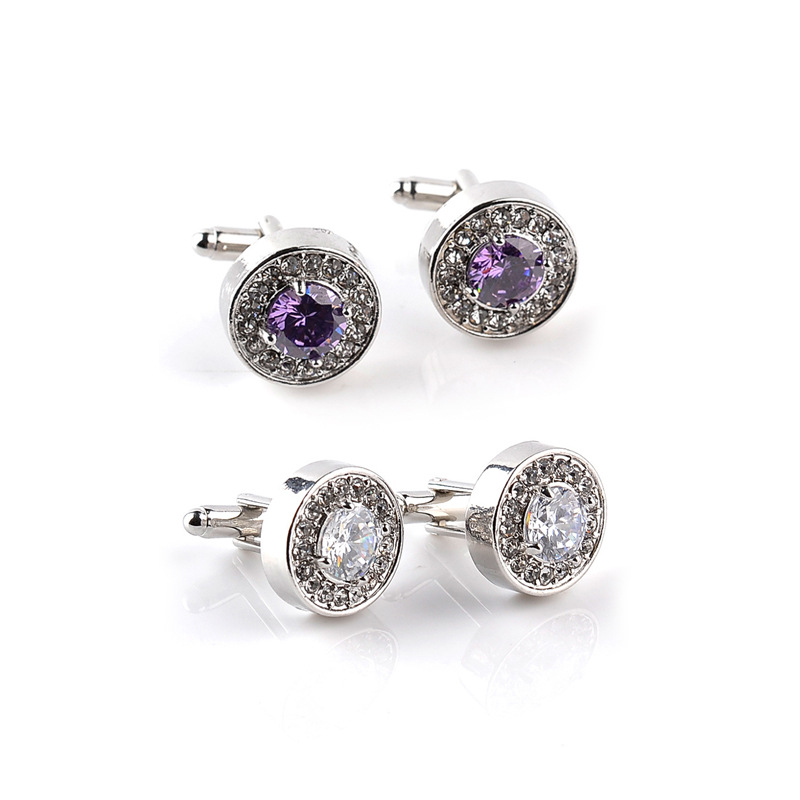
Men's Elegant Round Alloy Zirconia Cufflinks Silver Plated Crystal French Shirt Business Wedding Party Jewelry Accessories
$1.39
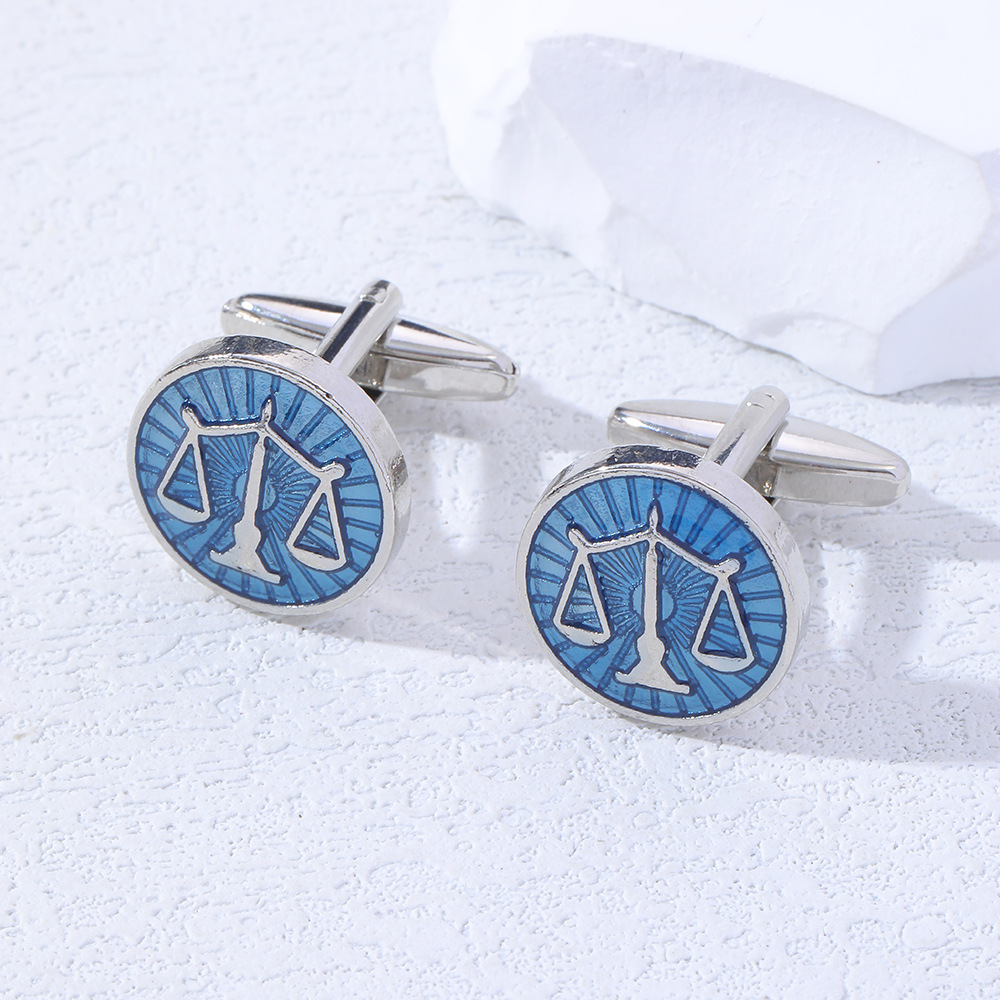
Libra Zodiac Scales Cufflinks Silver Tone Blue Enamel Men Business French Shirt Accessory Astrology Sign Jewelry Gift
$0.87
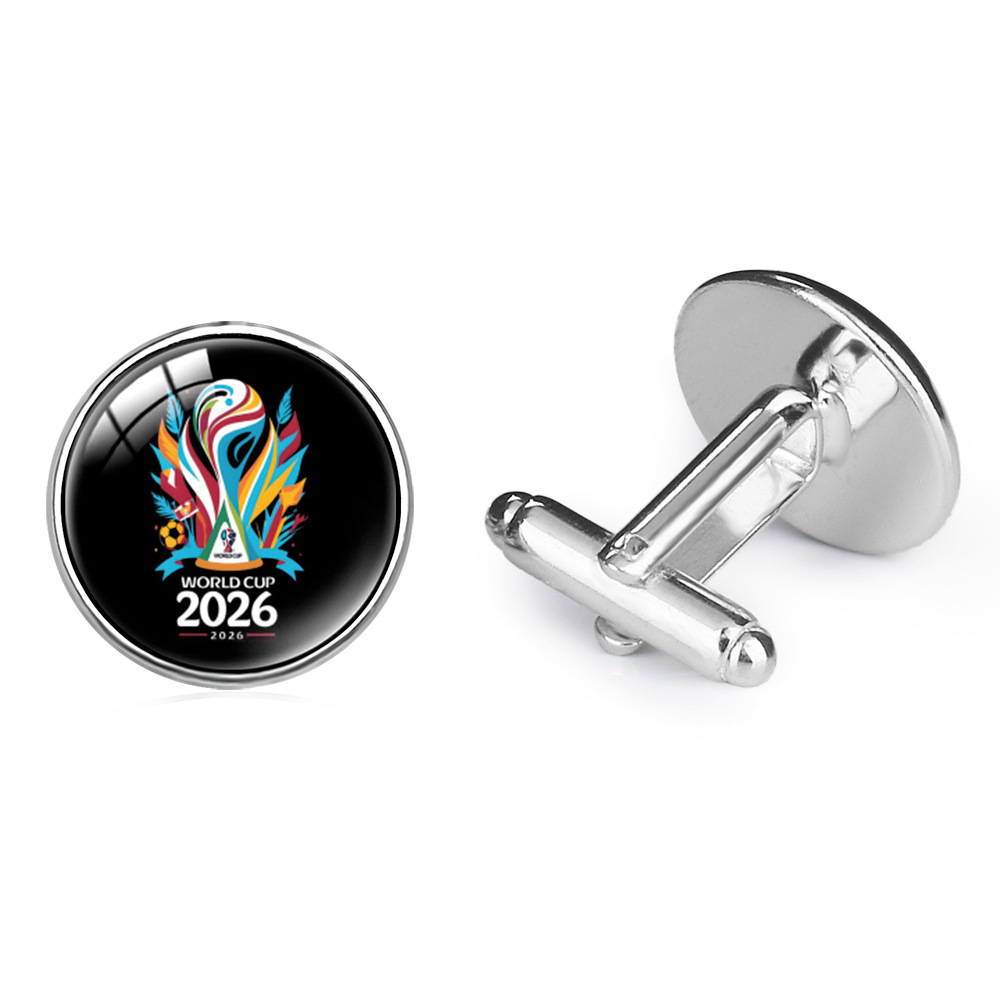
Copper Glass Men's Cufflinks Soccer Trophy Pattern World Cup Theme Business Shirt Accessories Jewelry For Men Souvenir
$0.84
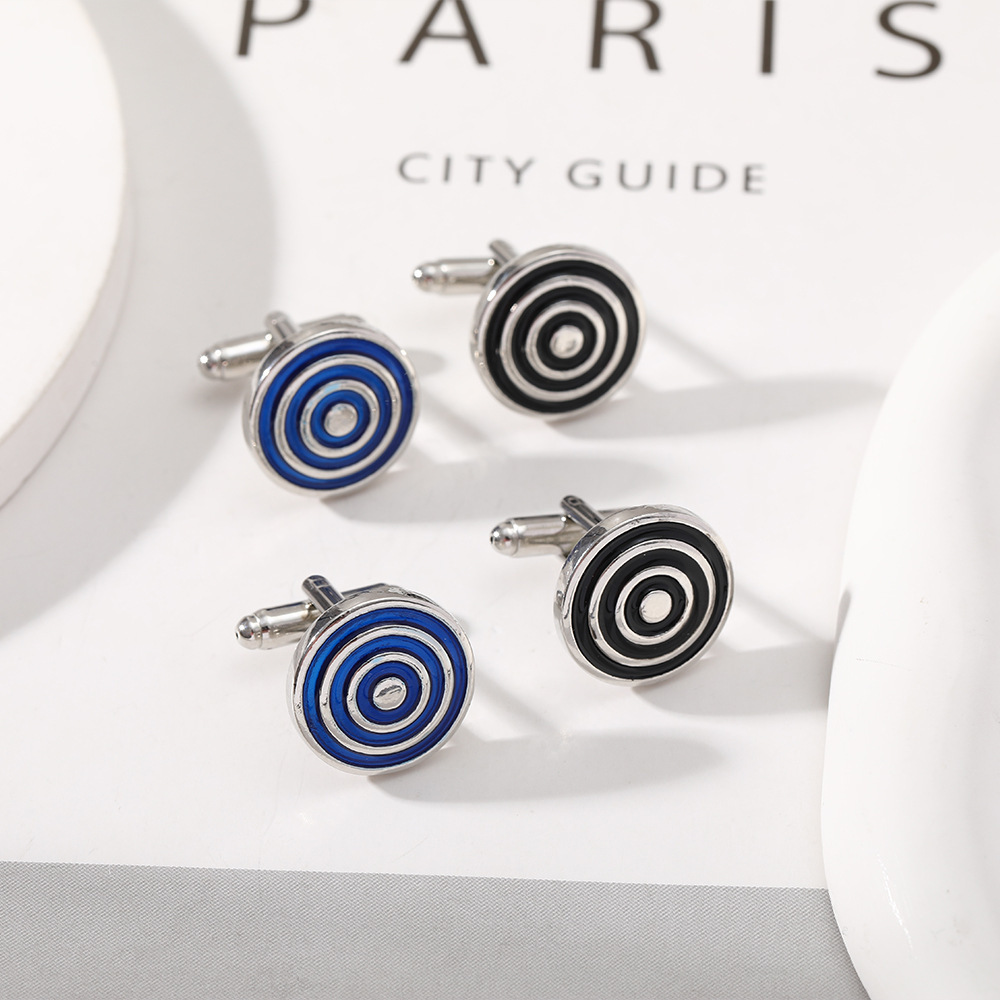
Men's Modern Business Cufflinks Alloy Enamel Metal Geometric Round Rectangle Sleeve Links For Formal Wedding Shirt Accessories Gift
$0.80
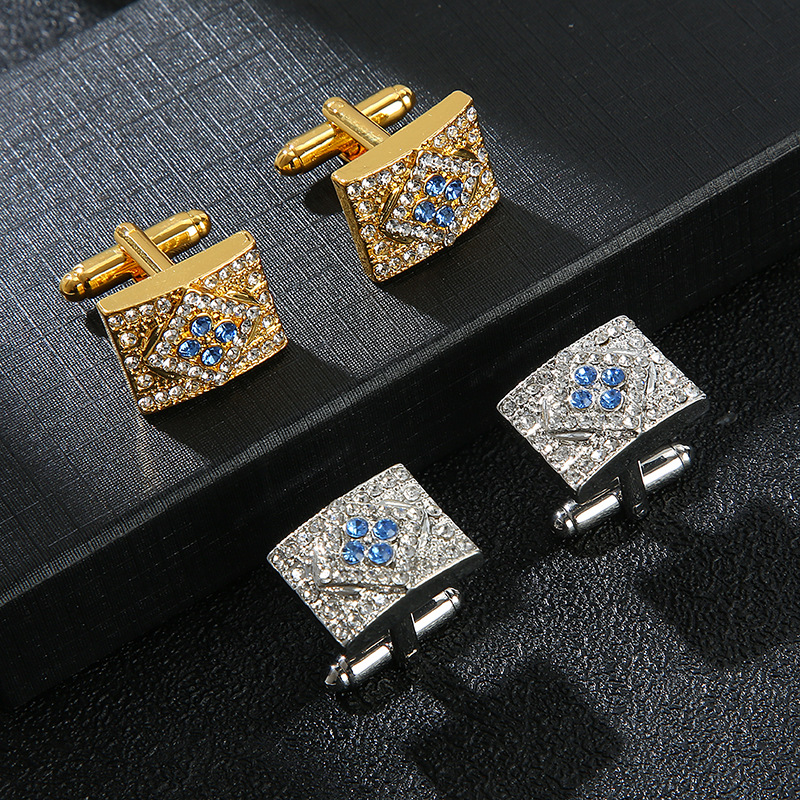
Men's Fashion Rectangular Alloy Cufflinks With Clear And Blue Rhinestone Inset French Shirt Professional Cuff Links Business Wedding Accessories
$1.37
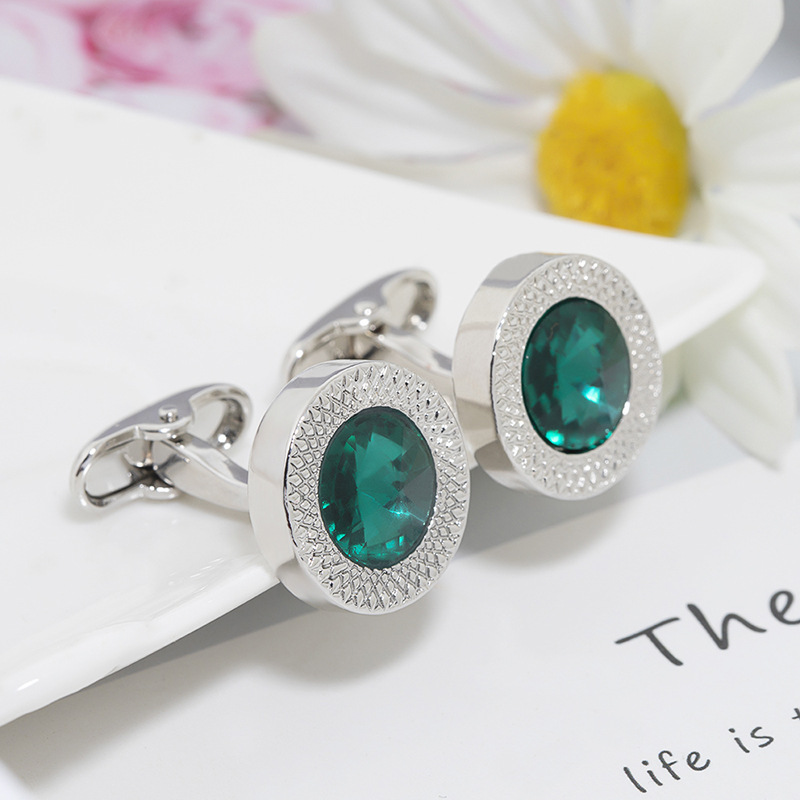
Men's Round Rhinestone Cufflinks Silver Plated Alloy Artificial Crystal Inlaid Gemstone Business Formal French Style Shirt Cuff Links Accessories
$0.99
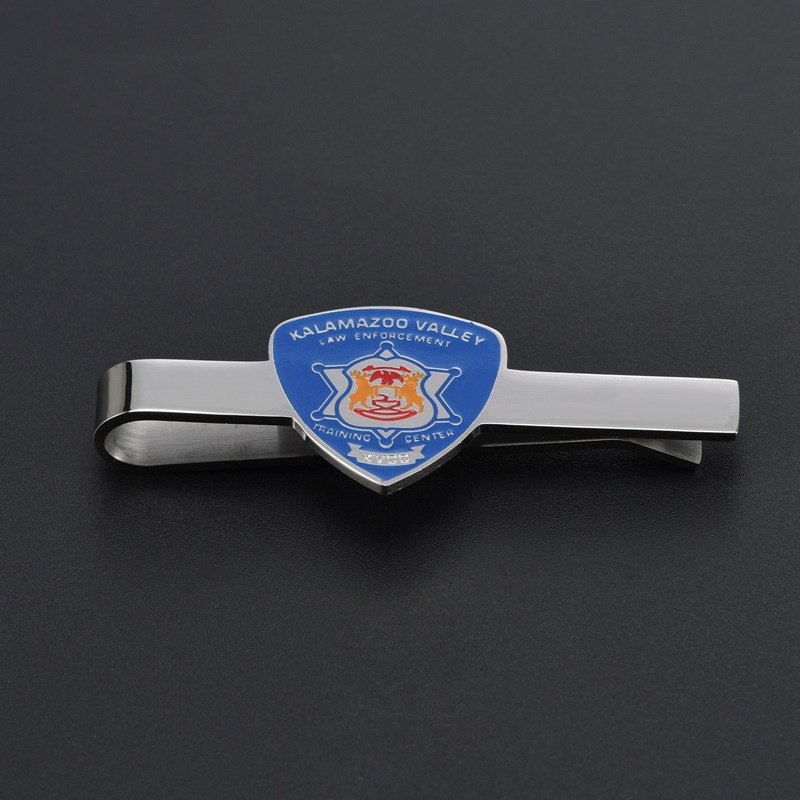
Professional Stainless Steel Tie Clip With Blue Enamel Shield Badge Law Enforcement Theme Business Formal Necktie Accessory For Men
$2.47
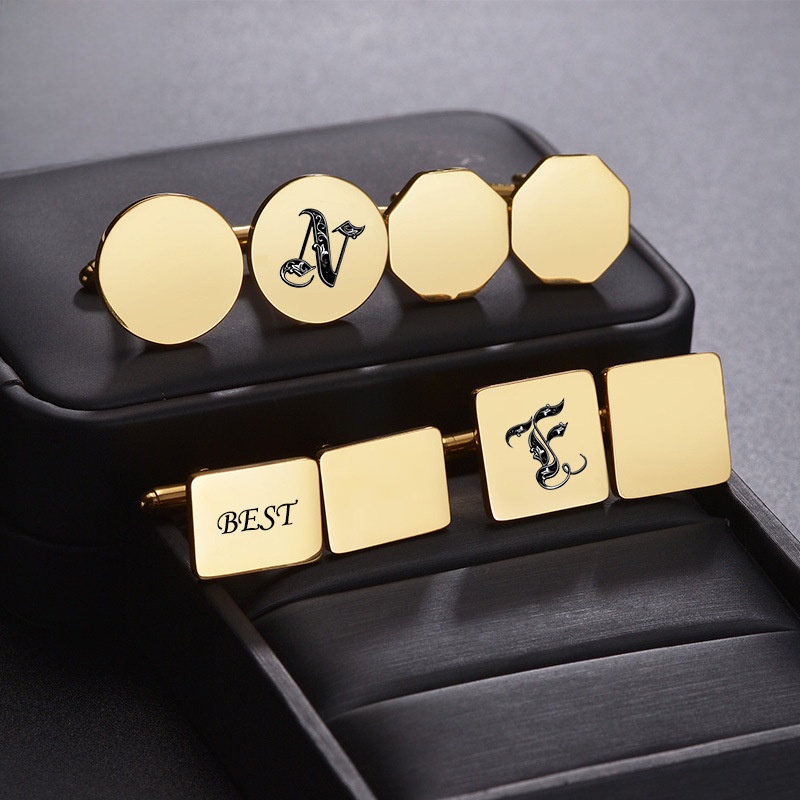
Minimalist Stainless Steel Cufflinks For Men Polished Titanium Steel Geometric Round Square Rectangular Cufflinks Business Formal Wedding Shirt Accessories
$2.12
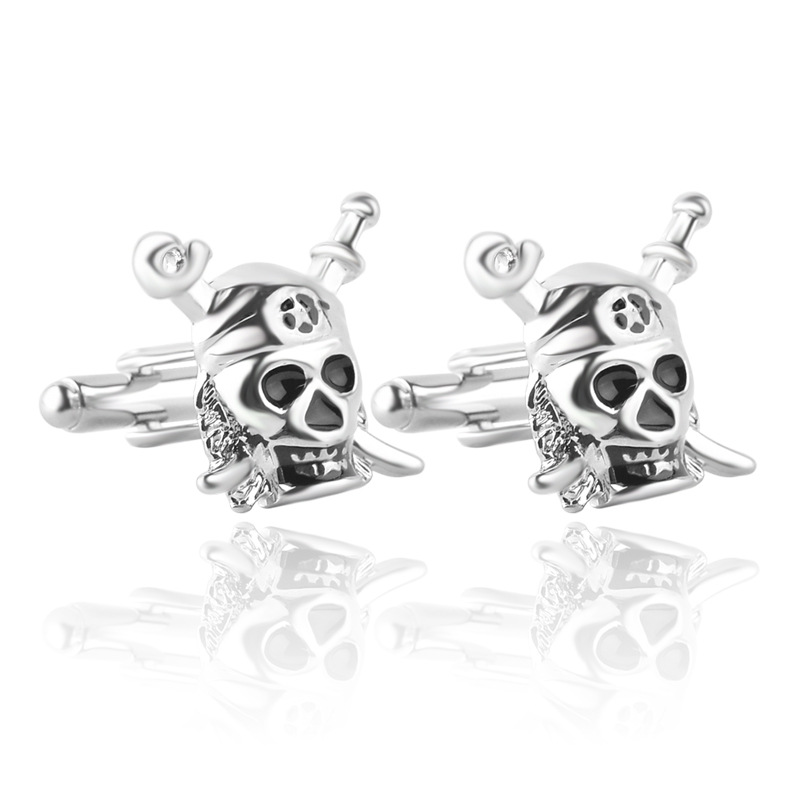
Vintage Pirate Skull and Crossbones Zinc Alloy Cufflinks for Men Retro Punk Style Business Wedding Party Shirt Accessories Jewelry Gift
$0.92
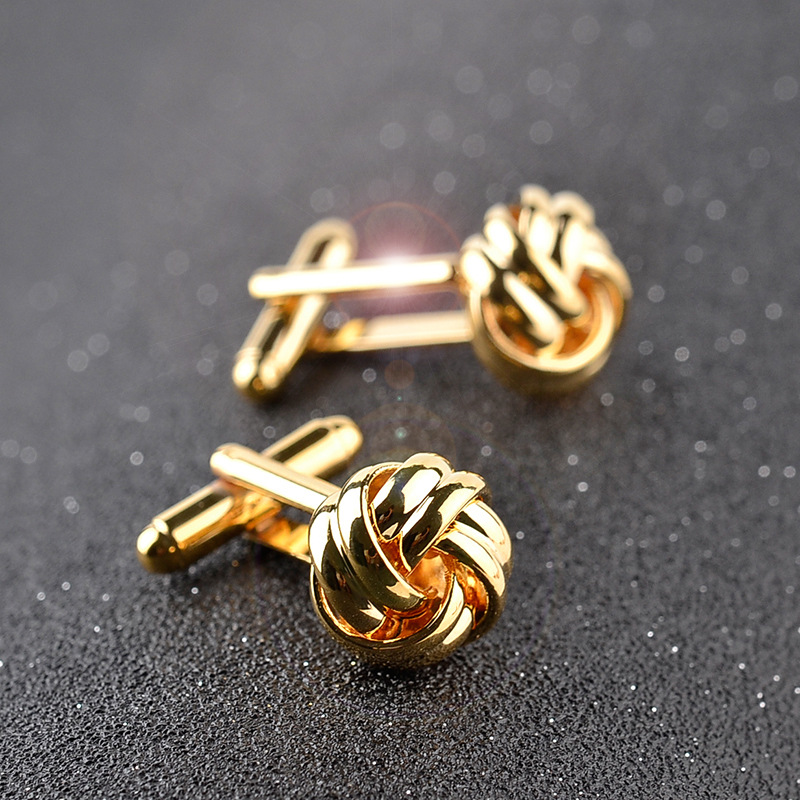
Men's Business Knot Cufflinks High Quality Alloy Woven Twisted Rope Design For Wedding Banquet Office Shirt Accessories Elegant Jewelry Gift
$1.32
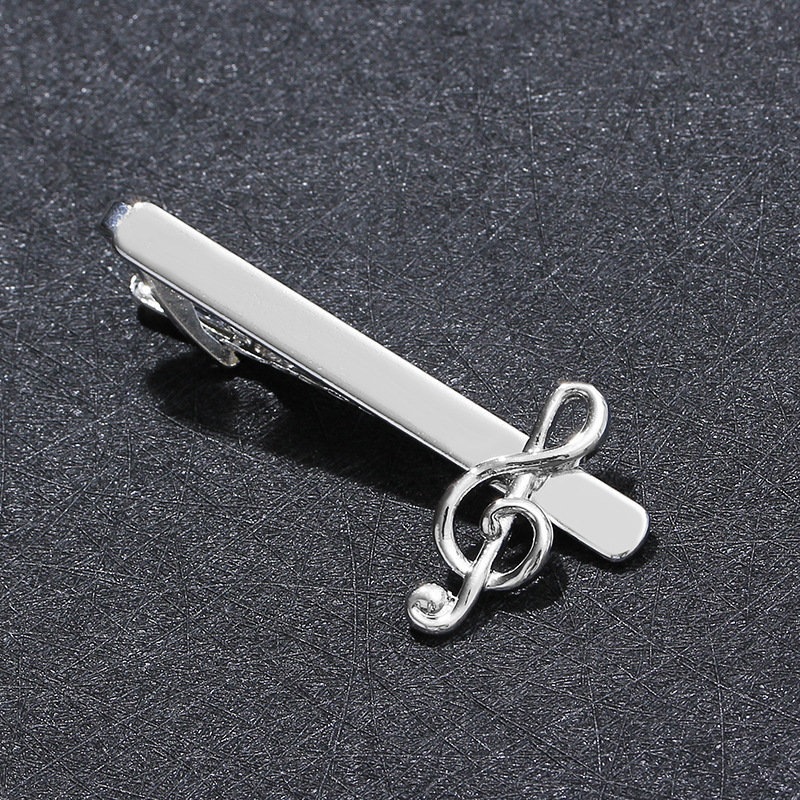
Men's Silver Copper Tie Clip Musical Note G-Clef Design Business Shirt Accessories For Professional Music Lover Wedding Party Gift
$0.57
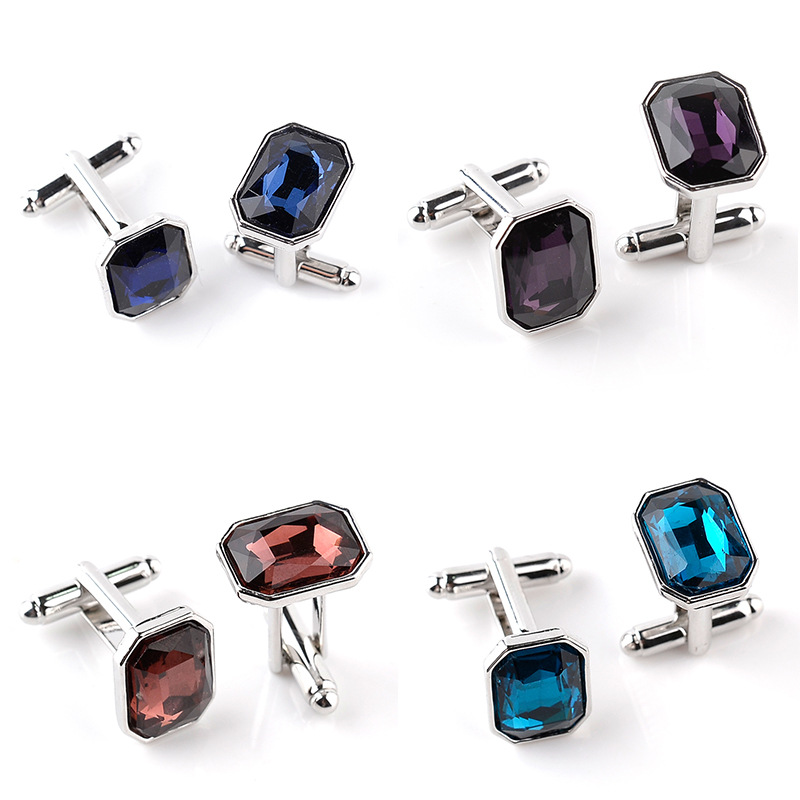
Elegant Men's Business Cufflinks Alloy Emerald Cut Rectangle Crystal Glass Stone Silver Plated Shirt Sleeve Studs For Wedding Formal Party Accessories
$0.83
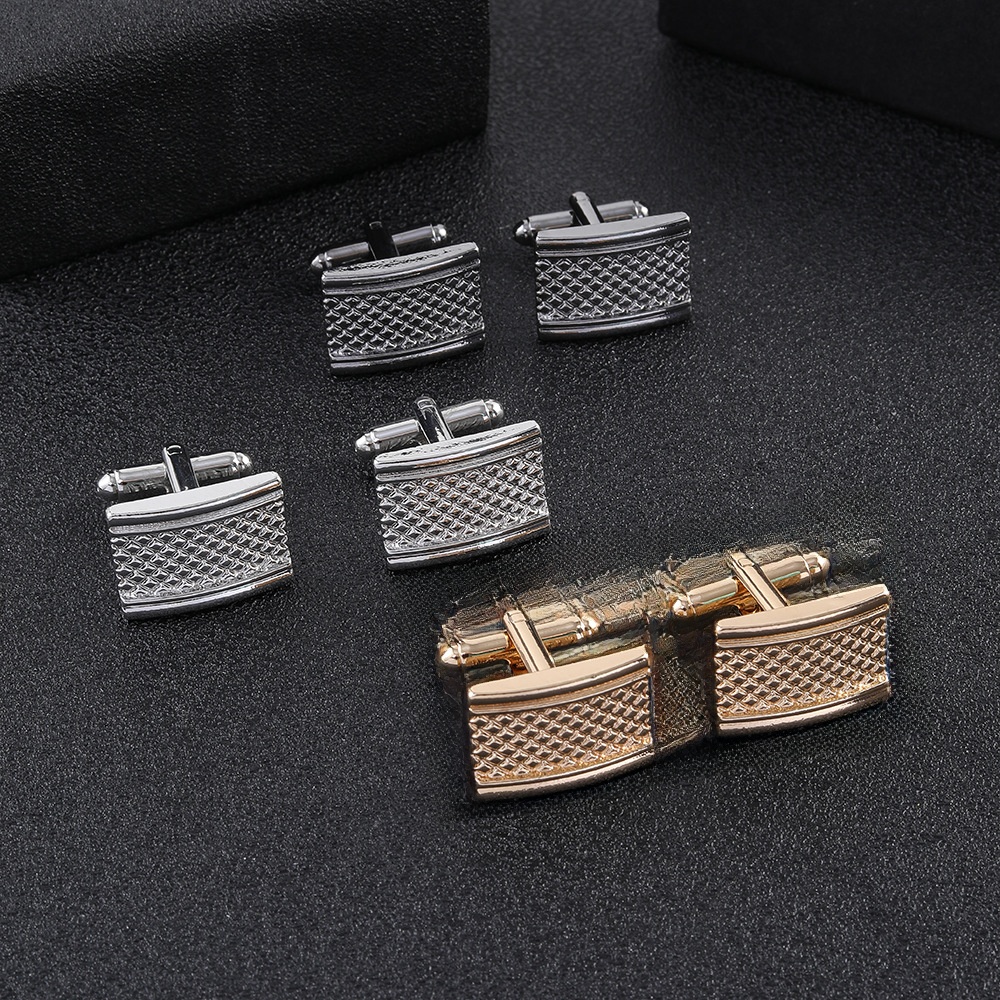
Men's Business Square Cufflinks Alloy Metal Grid Pattern Hammered Texture For Wedding Party Office Formal Shirts Suit Accessories Luxury Jewelry Gift
$0.34
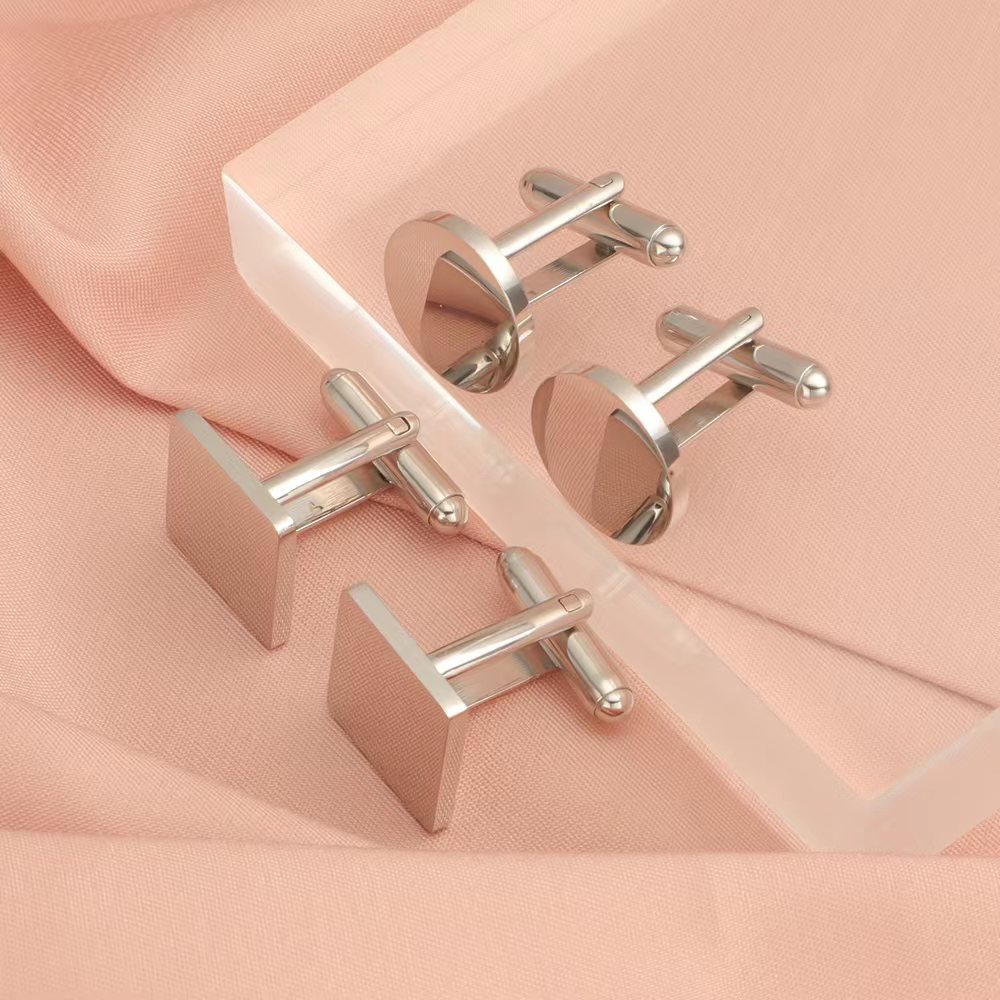
Classic Men's Metal Cufflinks Set Stainless Steel Alloy Round Square Geometric Polished Shirt Accessories For Business Wedding Banquet Formal Occasion Jewelry
$4.45
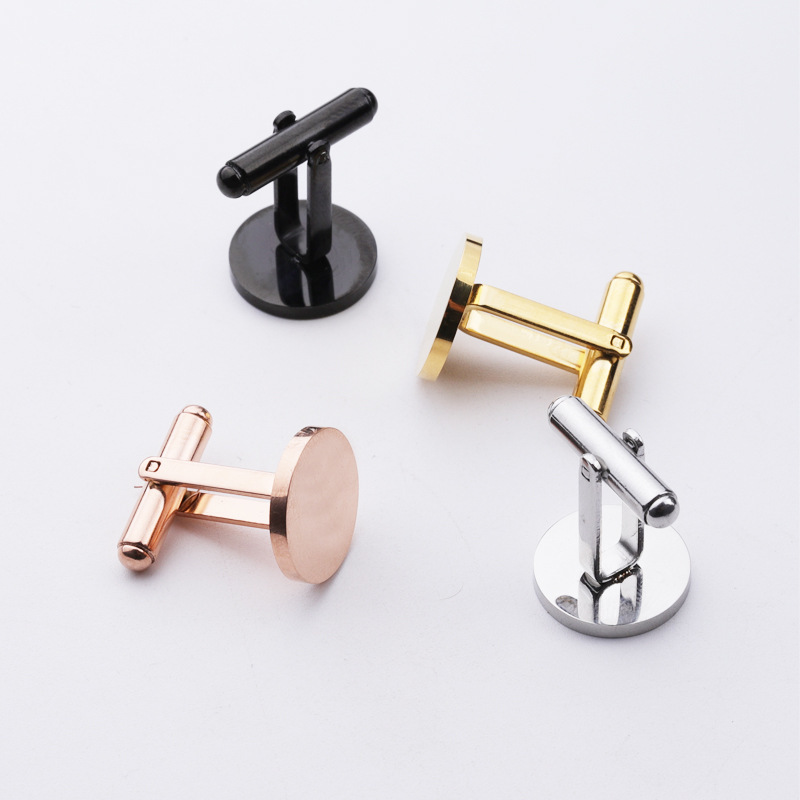
Minimalist Round and Square Men's Cufflinks Stainless Steel Mirror Polished Business Wedding Shirt Accessories Gold Silver Black Rose Gold Cuff Links
$1.13
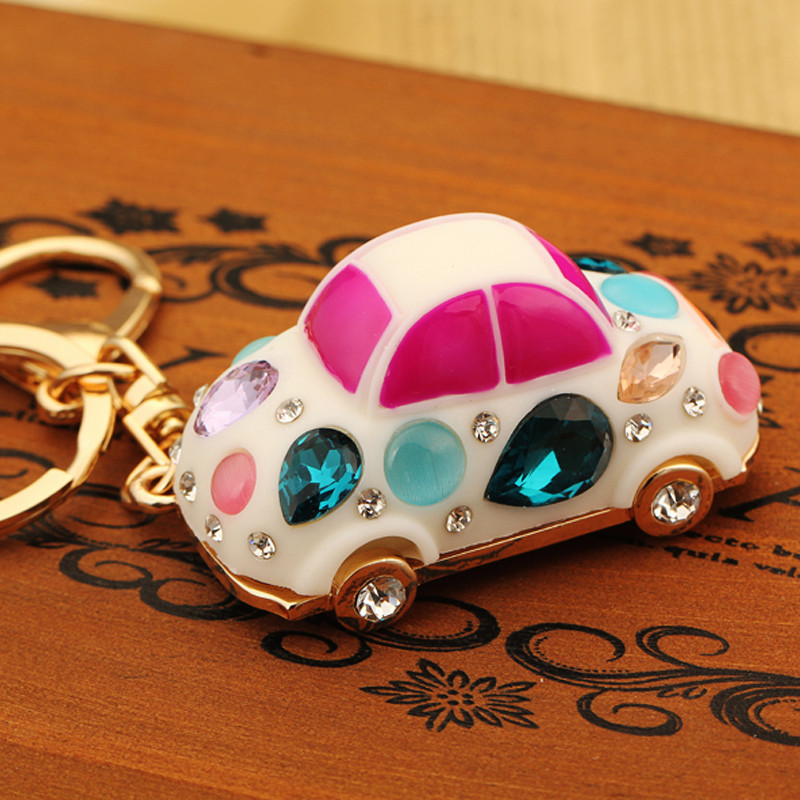
Rhinestone Car Keychain Zinc Alloy Crystal Beetle Airplane Motorcycle Shape Bag Pendant For Women Girls Cute Key Ring Business Gift Jewelry Accessories
$1.57
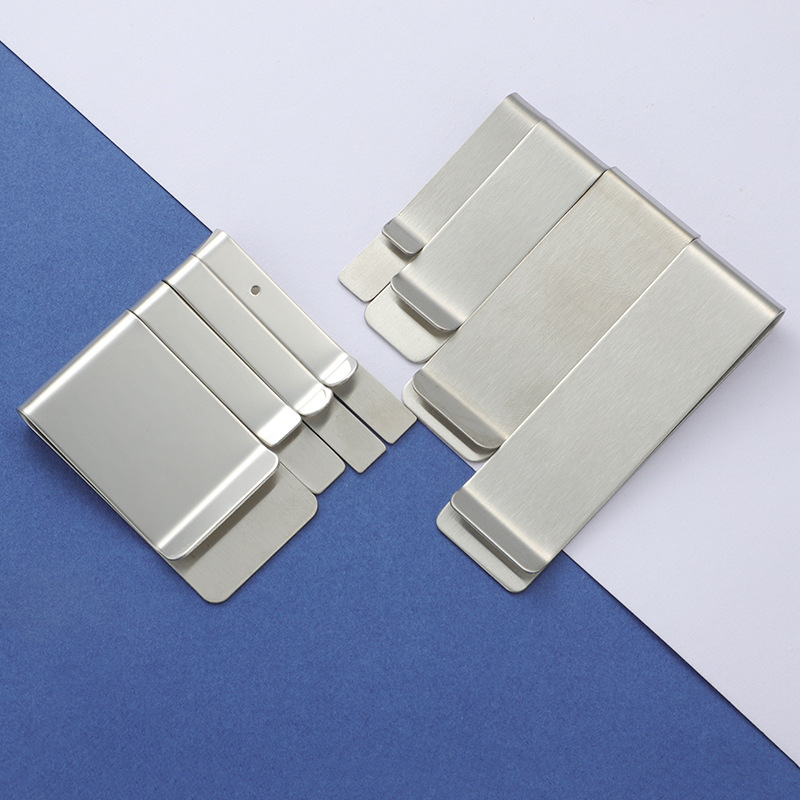
Minimalist Stainless Steel Money Clip Brushed Metal Card Holder Bill Organizer For Men Silver Slim Portable Tie Clip Cash Clamp Business Accessory
$0.52
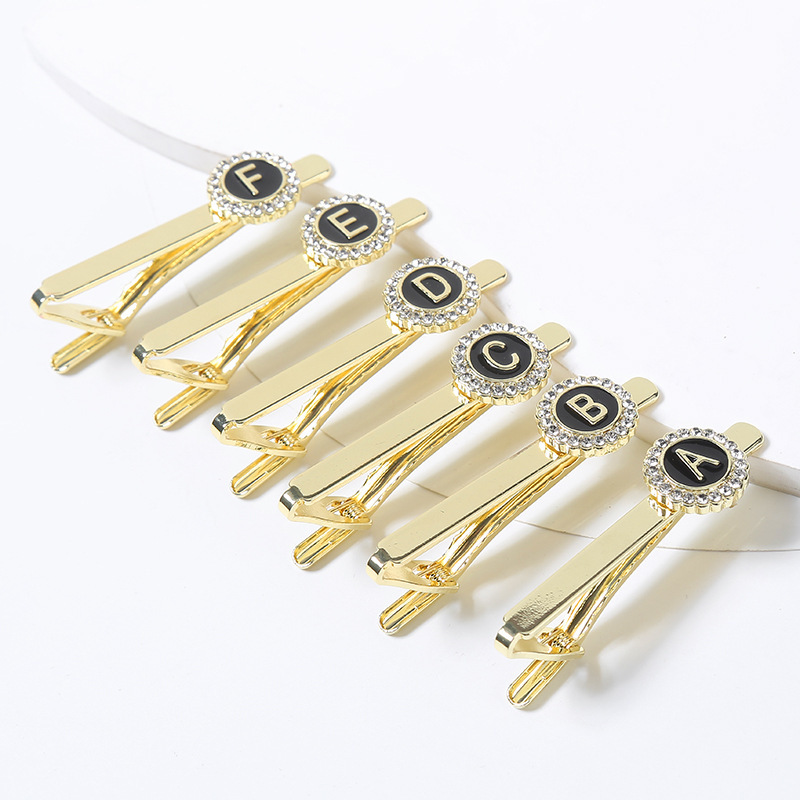
Luxury Gold Letter Initial Tie Clips for Men Round Rhinestone Inlaid Metal Alphabet A-Z Necktie Bar Business Wedding Formal Shirt Accessory
$0.90
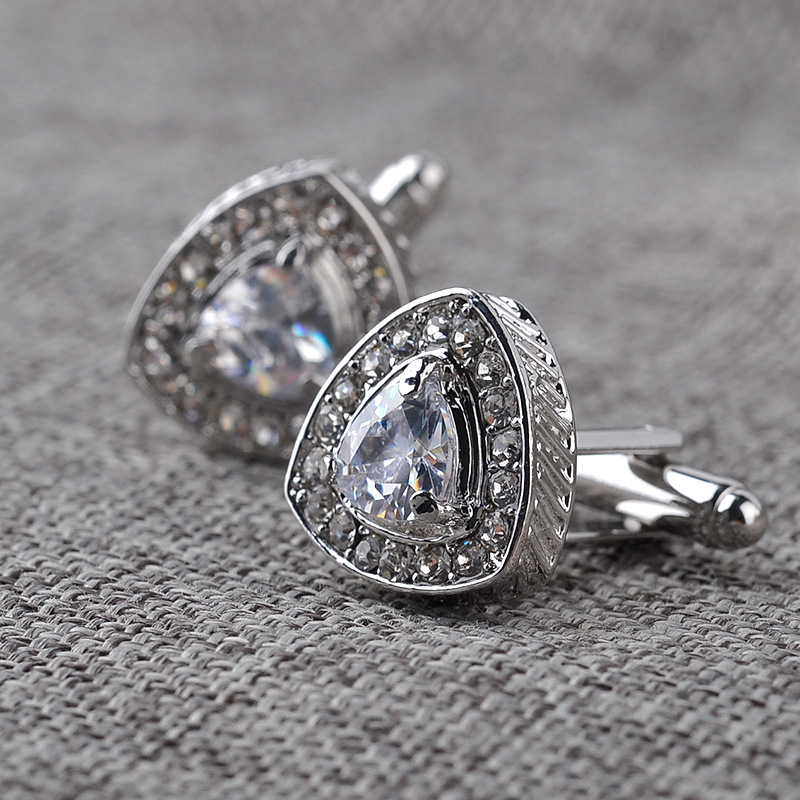
Luxury Men's Geometric Triangle Pear Shape Cufflinks Alloy Shiny Zirconia Rhinestone Inlaid French Shirt Cuff Links For Business Wedding Banquet Party Accessories
$1.32
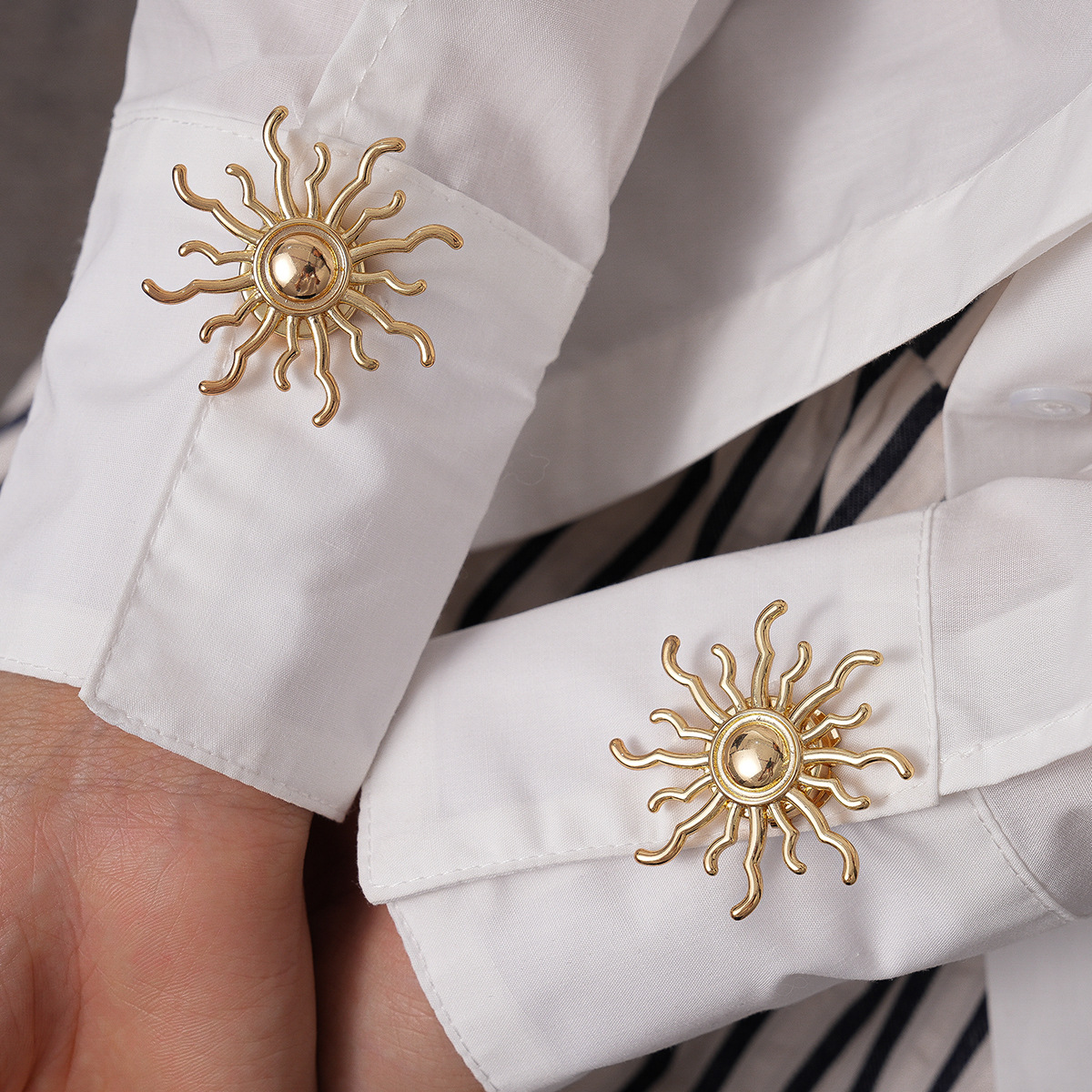
Vintage Sunburst Metal Cufflinks Minimalist Oval Mirror Polished Stud Earrings Gold Silver Alloy Plated Jewelry Accessories For Business Wedding Party Men Women
$5.74
Bundle Ideas to Pair with Your Supplement Line
Bundling accessories with supplement purchases increases perceived value and reduces inventory risk. Each bundle below targets a specific customer profile you'll see in your data.
Executive Achievement Kit
For customers buying high-end pre-workout or testosterone boosters—men aged 30-50 who wear suits to work.
- Men's Elegant Round Alloy Zirconia Cufflinks Silver Plated Crystalhero
- Minimalist Stainless Steel Money Clip Brushed Metalcomplement
- Luxury Gold Letter Initial Tie Clip for Menupsell
Bundle at $12.50 vs $14.78 separately (save 15%). Risk: initial orders may slow if customers feel pushed.
Fitness Fan Box
For customers buying protein powders or boosters—younger men aged 20-35 who like sports and gym culture.
- Copper Glass Men's Cufflinks Soccer Trophy Patternhero
- Rhinestone Car Keychain Zinc Alloy Crystal Beetlecomplement
- Vintage Pirate Skull Cufflinks Zinc Alloy upsell
Bundle at $11.50 vs $13.33 separately (save 14%). Risk: skull design may not appeal to all fitness buyers—test with smaller batch.
Music & Wellness Pair
For customers buying relaxing supplements like ashwagandha or melatonin—often music lovers, creative professionals.
- Men's Silver Copper Tie Clip Musical Note G-Clefhero
- Luxury Men's Geometric Triangle Pear Shape Cufflinkscomplement
- Minimalist Round and Square Men's Cufflinks Stainless Steelupsell
Bundle at $8.90 vs $10.42 separately (save 15%). Risk: tie clip may have lower perceived value—emphasize music theme in copy.