
Trend Report · May 15, 2026
Tariff Refund for US Customers: A Sourcing Checklist for Importers
Step-by-step sourcing checklist to secure tariff refunds after the Supreme Court ruling. Navigate claims on Aliexpress, Temu & Cainiao shipments.
Tariff Refund for US Customers – What the Supreme Court Ruling Means for Your Sourcing
A recent Supreme Court decision declared the Trump-era tariffs illegal, triggering a refund process for importers. The major shipping companies – UPS, FedEx, DHL – have set up claims channels, but what about shipments arriving via Aliexpress, Temu, or Shein? If your inventory moved through Cainiao or other Chinese logistics networks, the refund path is less clear. This article is your sourcing checklist to recover tariff overpayments on those orders.
The ruling applies retroactively, meaning any tariff paid on goods that entered after the tariffs were imposed may be eligible. For a wholesale buyer using Aliexpress suppliers, this is not just a consumer windfall – it directly affects your landed costs and profit margins. However, the claims process for small-parcel shipments from Chinese platforms is still being defined. Sellers and importers need to act now to preserve documentation and follow the right procedures.
Your edge lies in preparation. Unlike bulk FCL shipments handled by customs brokers, Aliexpress orders often lack clear tariff breakdowns. The key is to retrieve the correct paperwork from your supplier or the shipping carrier. Without it, you risk missing the refund window entirely.
Why This Category Is Newly Profitable for Smart Sourcers
The tariff refund opportunity has created a one-time margin recovery for US importers. Previously, tariff costs were a fixed overhead buried in product prices. Now, with a clear legal mandate, buyers can claw back up to 7.5% to 25% of the declared value on eligible imports – depending on the HTS code. For a $1.38 resin bookmark, that might seem small, but across a 500-unit order, the refund covers your shipping costs and then some.
The profitability angle extends beyond refunds. As major carriers formalize their claims processes, smaller carriers like Cainiao are expected to follow. Early adopters who establish documentation habits now will have a competitive advantage when refunds fully phase in. Moreover, suppliers who provide proforma invoices with accurate HTS codes will become preferred partners, since those invoices are the backbone of any claim.
This trend is especially relevant because ePacket and AliExpress Standard Shipping are the default for many first-time importers. The ruling forces the industry to become more transparent about tariff collection. Buyers who understand this shift can negotiate better pricing (knowing they may recover some cost) and pick suppliers who support the refund process.
Who Should Act on This – Experience Level Matters
This checklist is designed for two tiers of importers. First-time importers using Aliexpress or Temu need a simple documentation workflow so they don't miss refunds. Established wholesale buyers with larger container orders will need to coordinate with customs brokers to apply the refund across multiple shipments. Both groups must understand that the claims process differs by carrier. Target users also include Shopify store owners who dropship from Chinese suppliers. Even if you don't take physical possession, you may be the importer of record and thus eligible. The key is to ensure your supplier's shipping terms place the tariff liability on you, not the end customer.
Shopify seller
If you dropship from Aliexpress, you are often listed as the importer. Collect refund documentation from your supplier before placing orders.
First-time importer
You rely on small-parcel shipping like Cainiao. Start requesting detailed invoices with HTS codes now – most suppliers will comply if asked professionally.
Established wholesale buyer
You use full-container or LCL shipments. Work with your customs broker to file blanket refund claims for all eligible entries.
Sourcing Vetting Checklist – Tariff Refund Readiness
Phase 1: Supplier Identification
✓ Confirm the supplier is willing to provide a detailed commercial invoice with HTS codes.
Why: Without this, your refund claim is dead. Many Aliexpress suppliers default to vague descriptions.
✓ Choose suppliers who list a business address and registration number in China.
Why: Customs requires an exporter reference. Fake addresses cause claim rejection.
Phase 2: Order Documentation
✓ Before ordering, send a message requesting a proforma invoice with separate tariff lines.
Why: This sets the expectation and gives you a template to compare with actual shipment documents.
✓ For each product SKU, research the correct HTS code using the CBP HTS database.
Why: Mistakes in HTS classification can delay refunds or lead to penalties.
Phase 3: Shipping and Carrier Selection
✓ Select shipping methods that generate a customs entry – ePacket, AliExpress Standard Shipping, or Express (DHL/FedEx).
Why: Cainiao and other small parcel carriers may not file formal entry; check with carrier before shipping.
✓ Request the Master Airway Bill or tracking number that links to customs clearance.
Why: This allows you to trace the entry and file a protest.
Phase 4: Payment Terms and Refund Process
✓ Pay using a method that provides a clear payment record – Aliexpress Trade Assurance, PayPal invoice, or bank wire.
Why: Refund claims require proof of payment to establish you as the importer.
✓ Negotiate longer return/refund windows (30+ days) to cover the refund claim timeline.
Why: If you need to return goods, you want time to also handle the tariff claim.
How to Operationalize Tariff Refunds in Your Sourcing Workflow
Treat tariff refunds as a revenue line, not a bonus. The first step is to calculate the total tariff exposure on your recent orders. Use the 2.5% to 25% range based on product category; our product list averages around 5% for most items (e.g., books, thermometers, socks). For a $500 order, that's $25 in potential refund – enough to cover shipping fees or purchase extra stock. Next, create a simple spreadsheet with columns: order date, supplier, product IDs, HTS code, tariff paid, carrier, and status of claim. Update this weekly. When you place a new order from DayJewel (or any supplier), send a follow-up email requesting the customs documentation. Many suppliers will comply if you explain it's for legal compliance, not for returns. Finally, consider using a customs broker even for small parcel claims if the refund exceeds $200. The broker's fee ($100-200) may be worth it for complex claims. Test one claim yourself first using the sample products listed above – the process teaches you what pitfalls exist.
Identify 5 top suppliers for your niche (e.g., reading accessories). Message each asking for a test order of 10 units with full commercial invoice. Compare documentation quality.
⚠ Low-volume orders may not get a customs entry; refund claim may be denied due to de minimis rule.
Use DayJewel's product IDs to build a sample bundle order. Request a single proforma invoice covering all items. This streamlines documentation for the claim.
⚠ DayJewel handles shipping via partnered carriers; confirm they provide customs entry. Otherwise, documentation gap.
Select a customs broker who specializes in eCommerce imports. Send them a batch of your historical orders (with product IDs) to review refund eligibility.
⚠ Broker may charge per entry; for small orders, fees can eat up refund.
Products Eligible for Tariff Refund – Build Your Claim Around These
These low-cost items from our catalog are typical of what arrives via Aliexpress and similar platforms. Their low unit price means the refund per item is small, but the volume makes it worthwhile. Use this product list to train your documentation process.
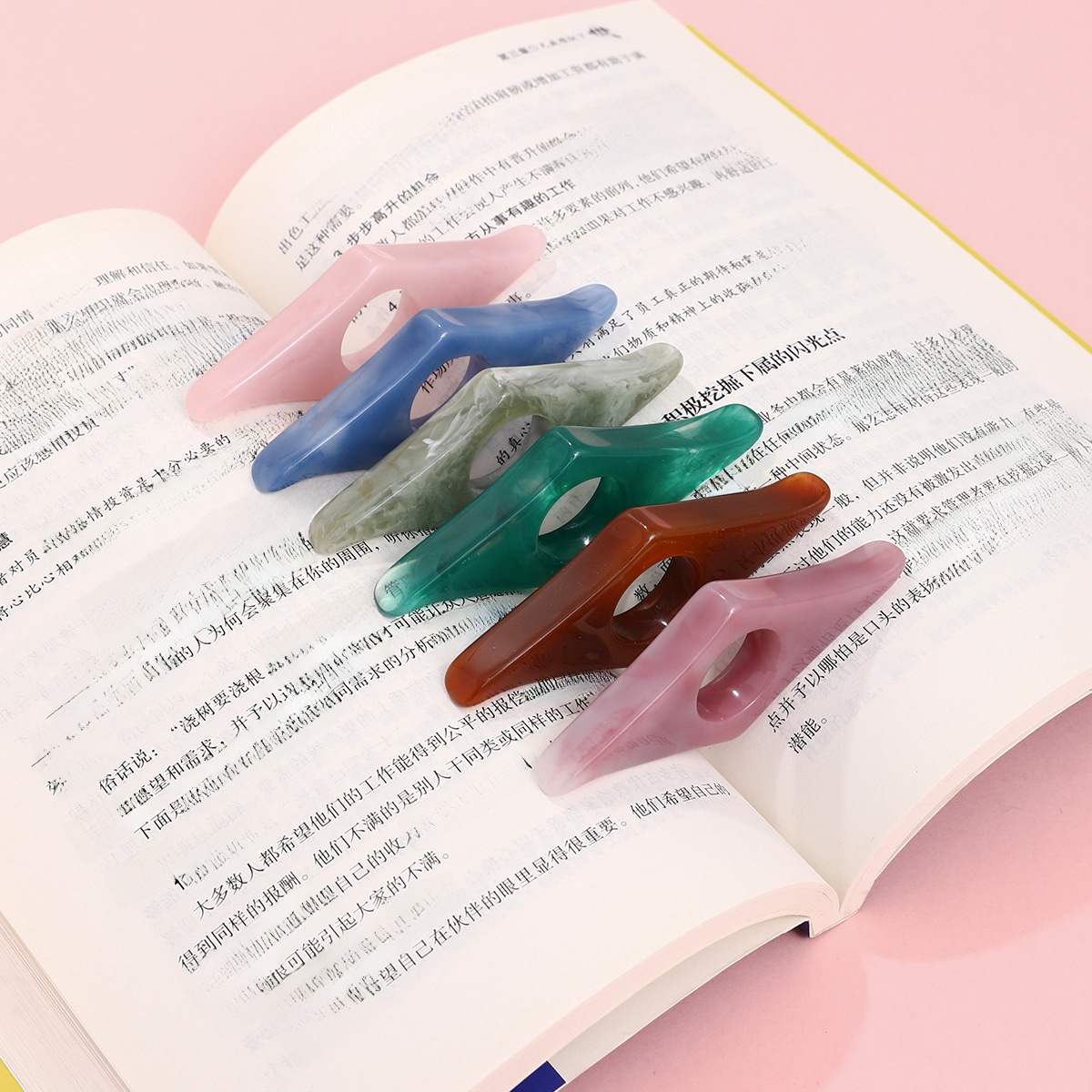
Resin Thumb Book Page Holder Creative Book Spreader Bookmark Reading Assistant Accessory For Office School Home Library Book Lovers Gifts
$1.38
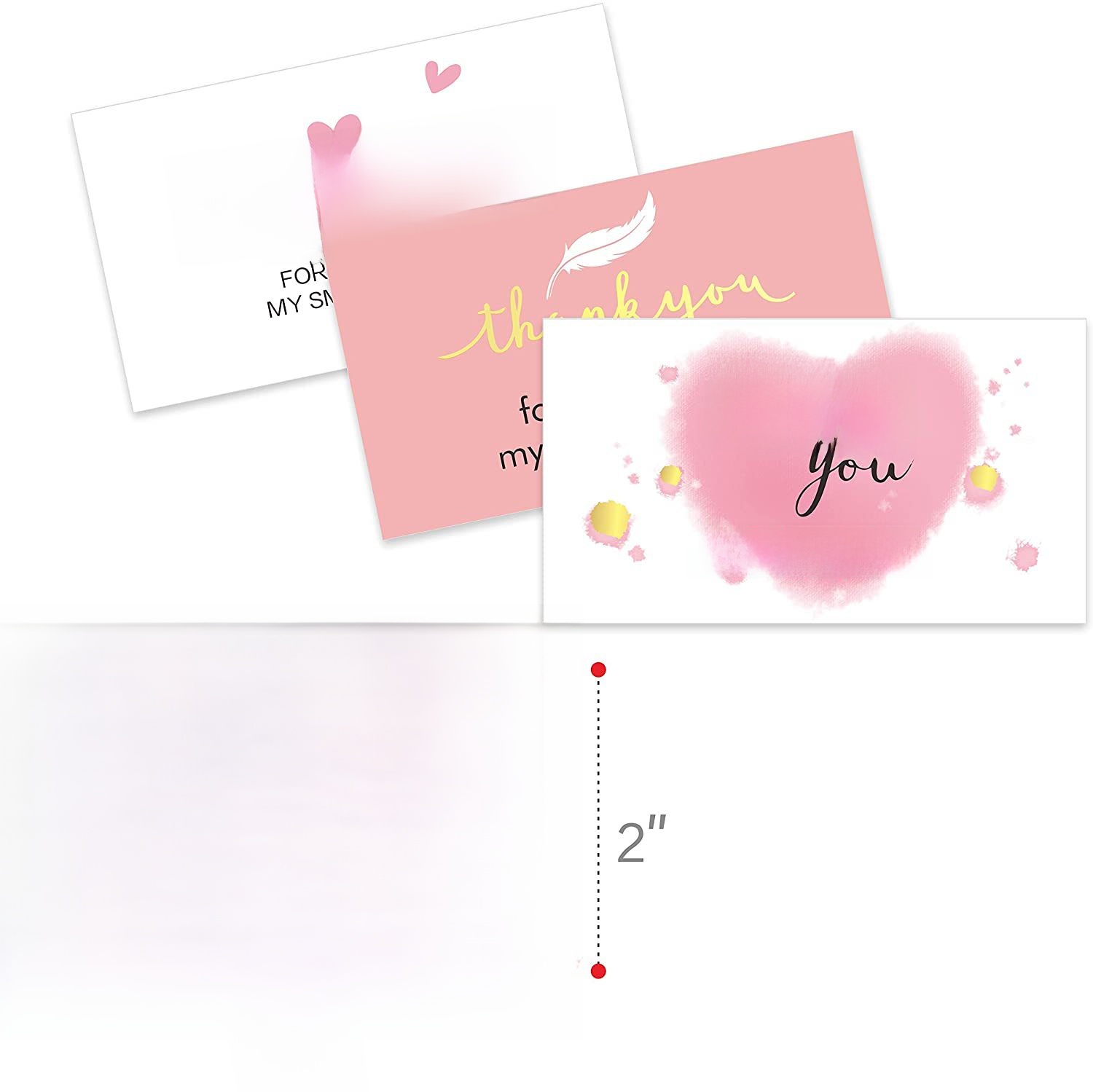
50PCS Small Business Thank You Cards 300GSM Copperplate Paper Pink Gold Foil Stamping After-sales Appreciation Cards For Gift Packaging Decor Online Shop Customers
$0.52

50Pcs Holographic Thank You for Supporting My Small Business Cards Rainbow Laser Gradient Greeting Cards for Business Package Decoration Gift Inserts Customers Appreciation Labels
$0.72
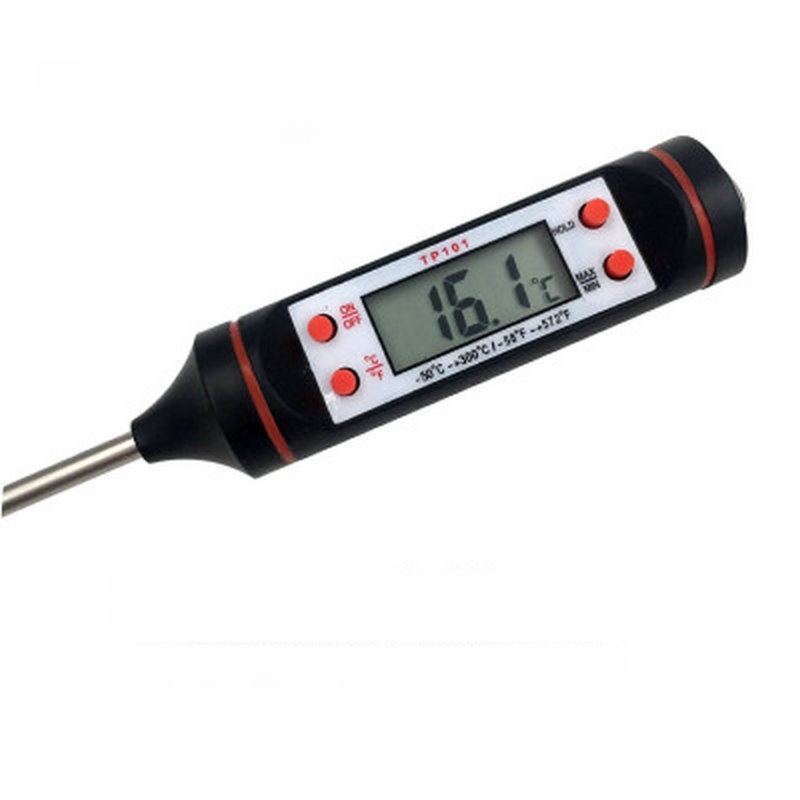
Professional Digital Meat Thermometer Instant Read Food Temperature Probe with 304 Stainless Steel for Kitchen BBQ Grill Cooking Water Milk Oil
$0.79
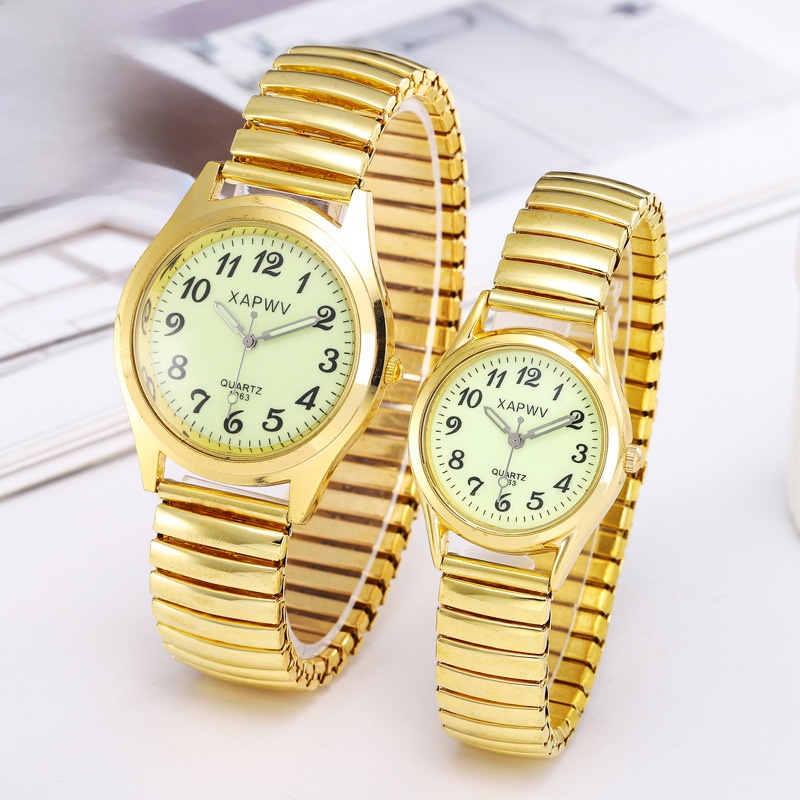
Casual Luminous Quartz Watch with Stainless Steel Elastic Band Large Easy Read Arabic Numerals Retro Couple Wristwatch for Elderly Men Women
$2.02
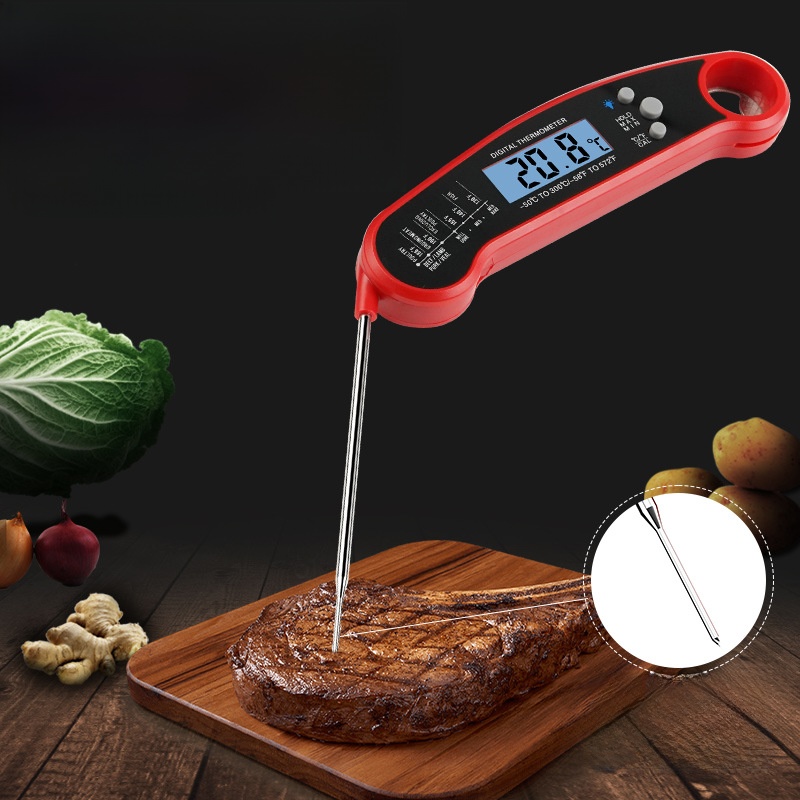
Waterproof Digital Meat Thermometer Foldable Instant Read Food Thermometer With Backlight Magnet Bottle Opener Stainless Steel Probe For Cooking BBQ Grill
$7.35
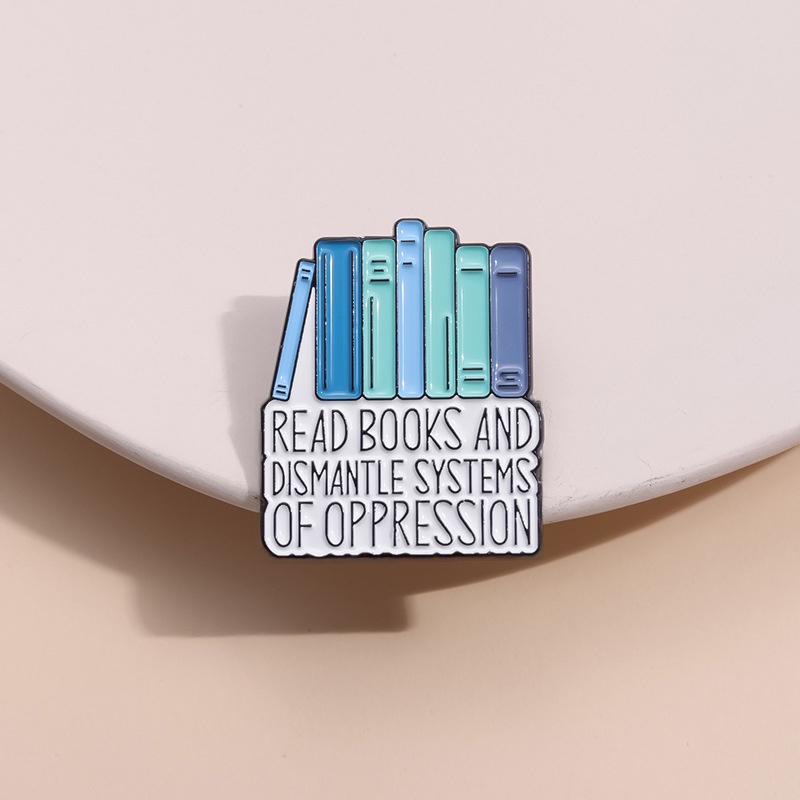
Read Books And Dismantle Systems Of Oppression Enamel Pin Zinc Alloy Book Stack Brooch Social Justice Literary Accessory For Jackets Bags Unisex
$0.52
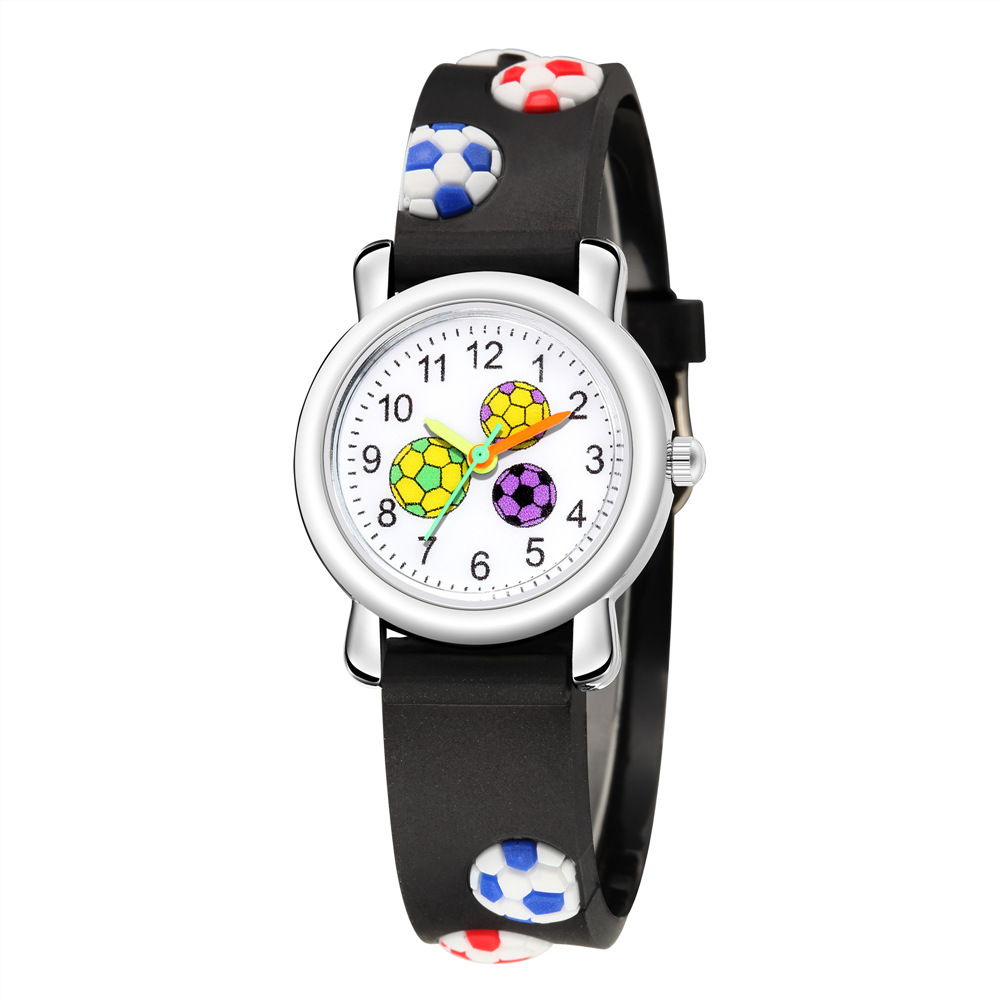
Children's Quartz Watch With 3D Relief Football Soccer Pattern Silicone Strap Alloy Case Easy To Read Arab Numerals Students Sporty Gift Wristwatch
$1.87
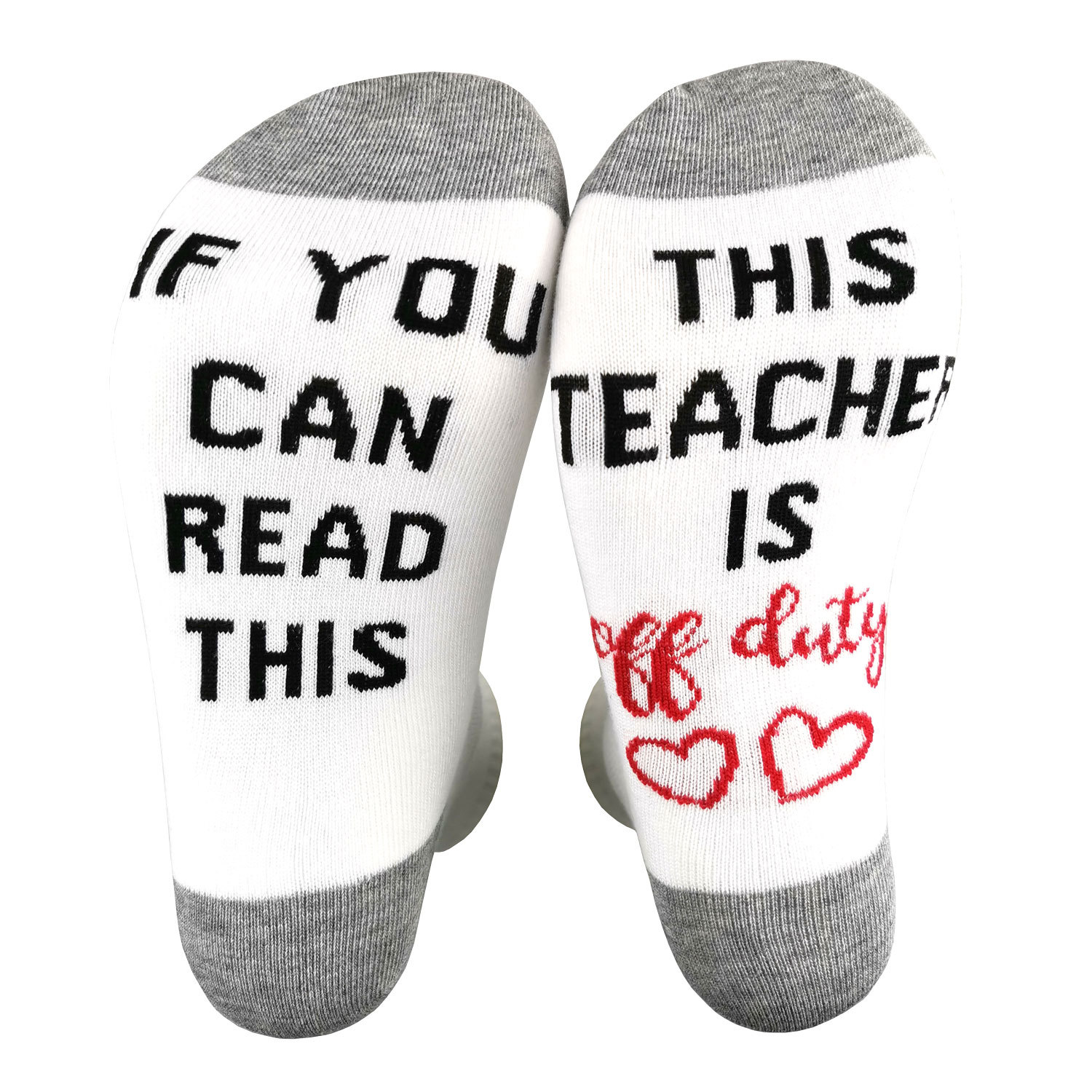
Funny Crew Socks Combed Cotton Breathable Teacher Nurse Theme Gifts Casual Mid Calf Socks For Women Men If You Can Read This Socks
$1.30
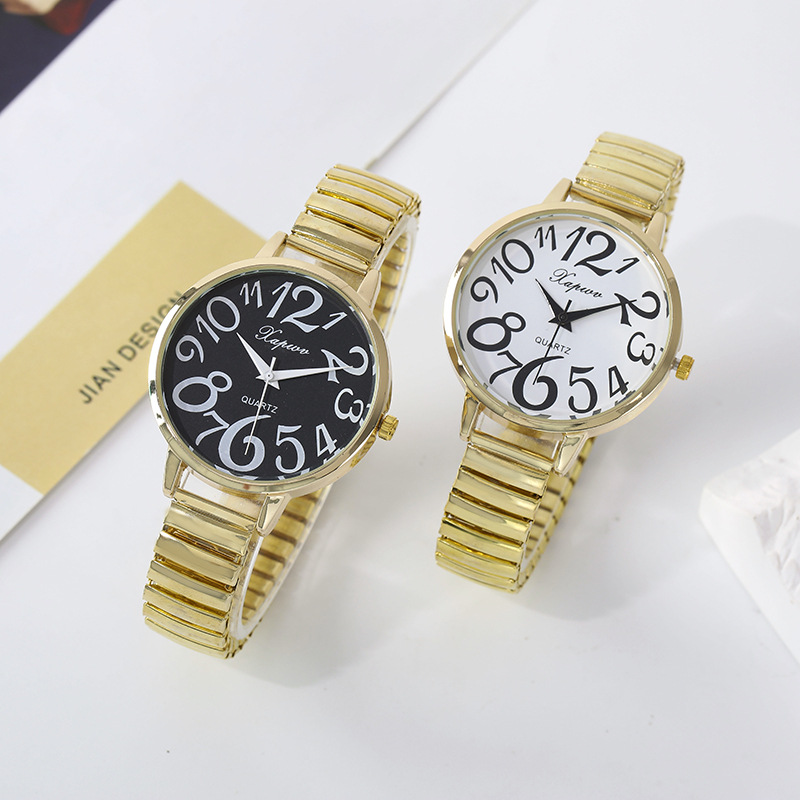
Women's Quartz Watch With Large Arabic Numerals Dial Stainless Steel Expansion Band Easy To Read High Visibility Dial Retro Casual Ladies Elderly Wristwatch
$3.60
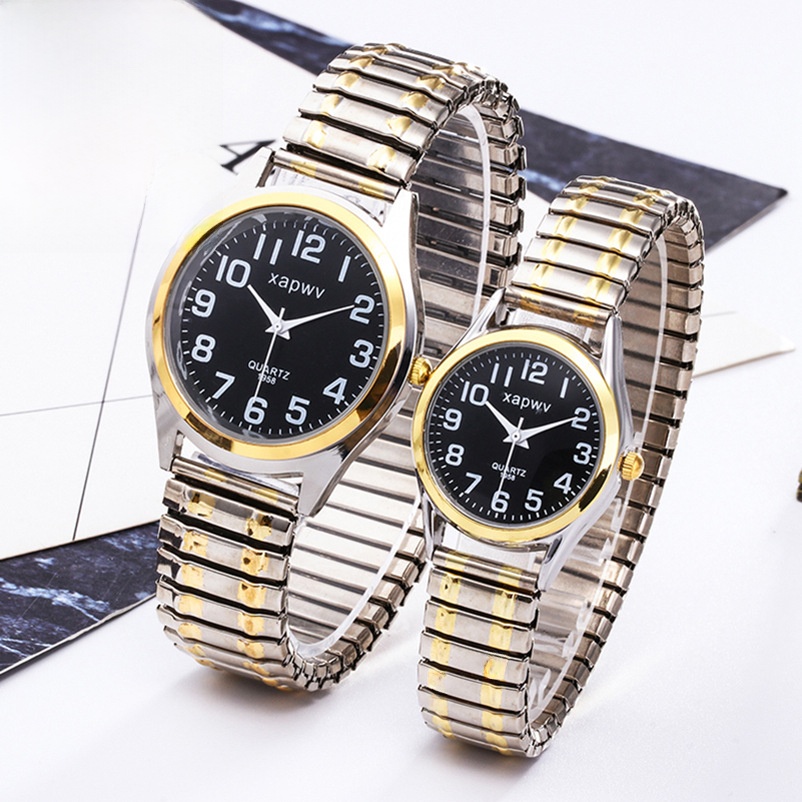
Classic Couple Quartz Watch With Elastic Stainless Steel Band Large Arabic Numerals Easy To Read Vintage Casual Wristwatch For Men Women Elderly Gift
$1.96
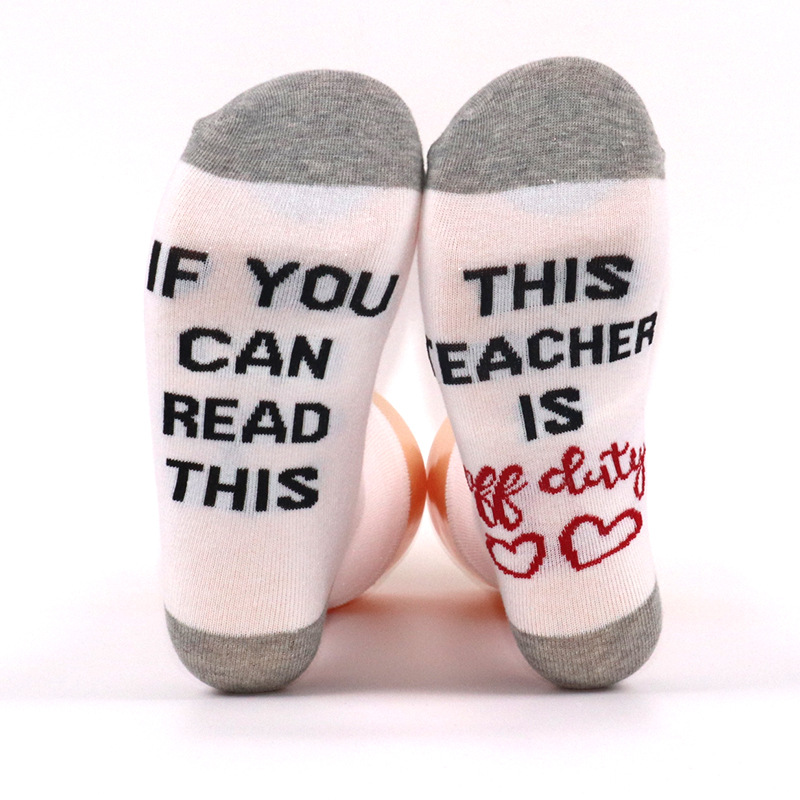
If You Can Read This Funny Letter Print Crew Socks Cotton Blend Mid-Tube Socks For Teacher Nurse Novelty Gift Unisex Casual Breathable Hosiery
$1.12
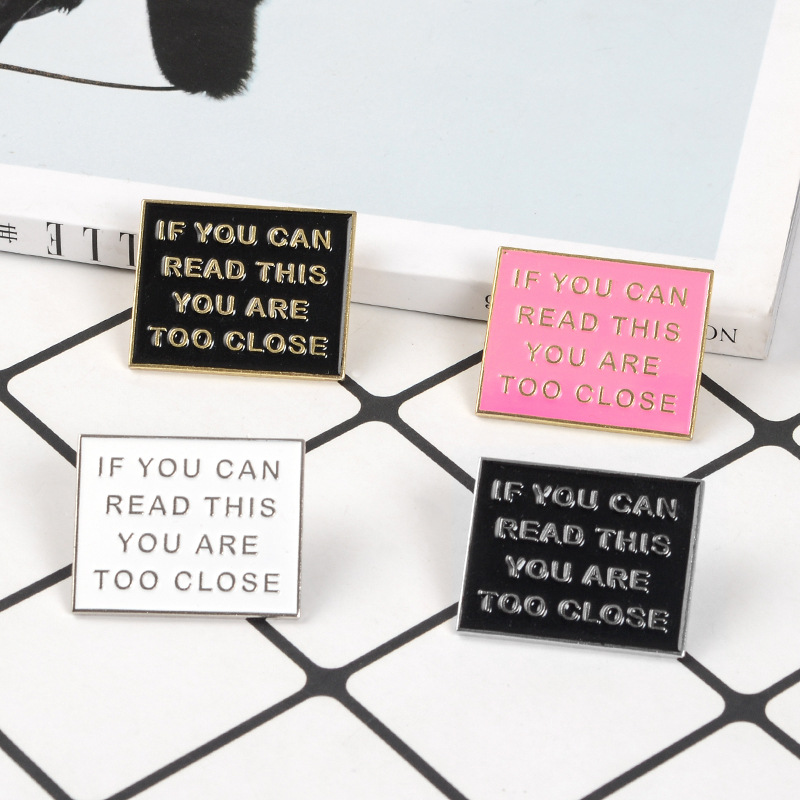
Funny Slogan Enamel Pin Zinc Alloy Square Brooch If You Can Read This You Are Too Close Badge Jewelry For Clothes Backpack Decoration Men Women
$0.50
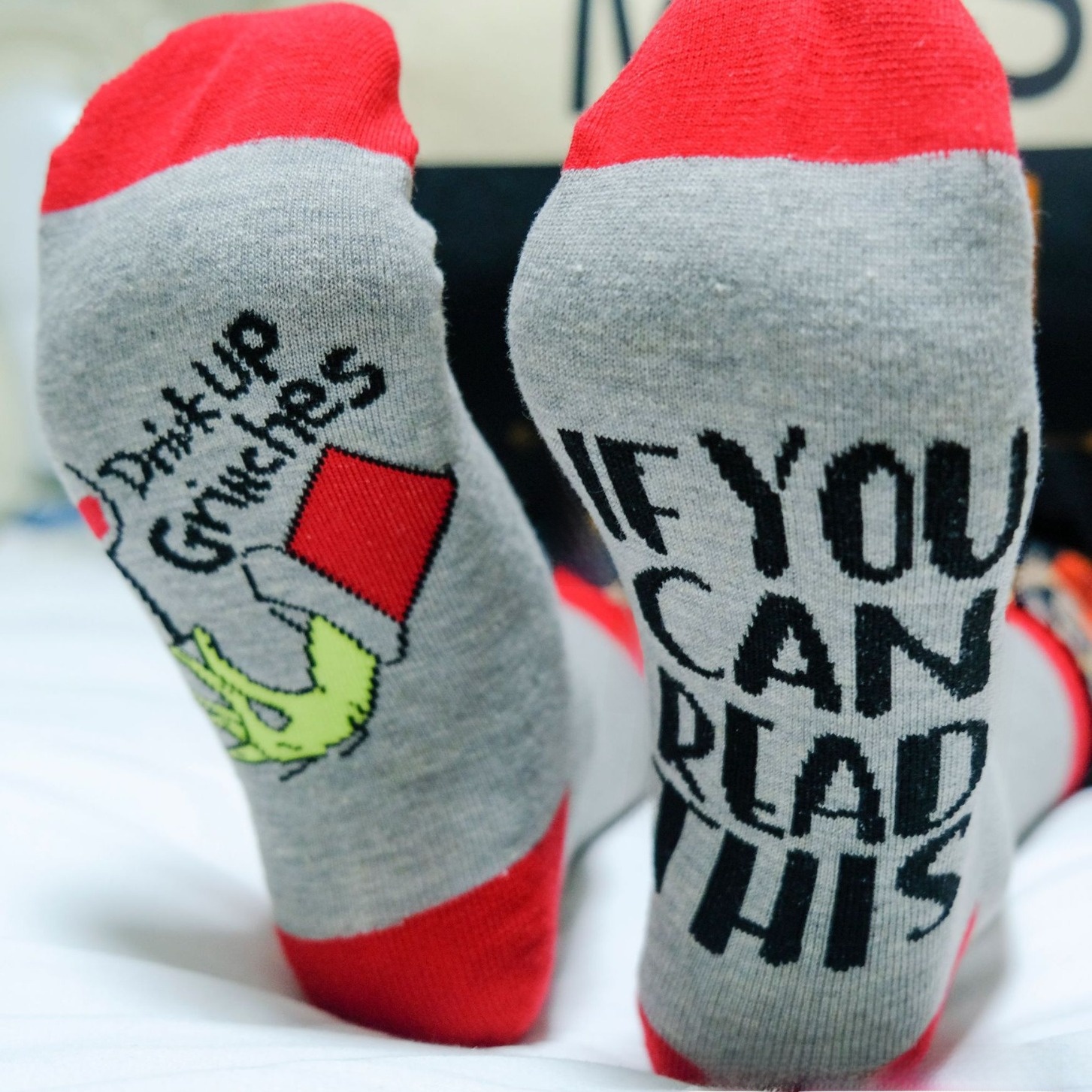
Funny Christmas Cotton Blend Lettering Socks If You Can Read This I'm Chillin With My Gnomies Casual Winter Crew Socks For Men Women Holiday Gift
$1.44
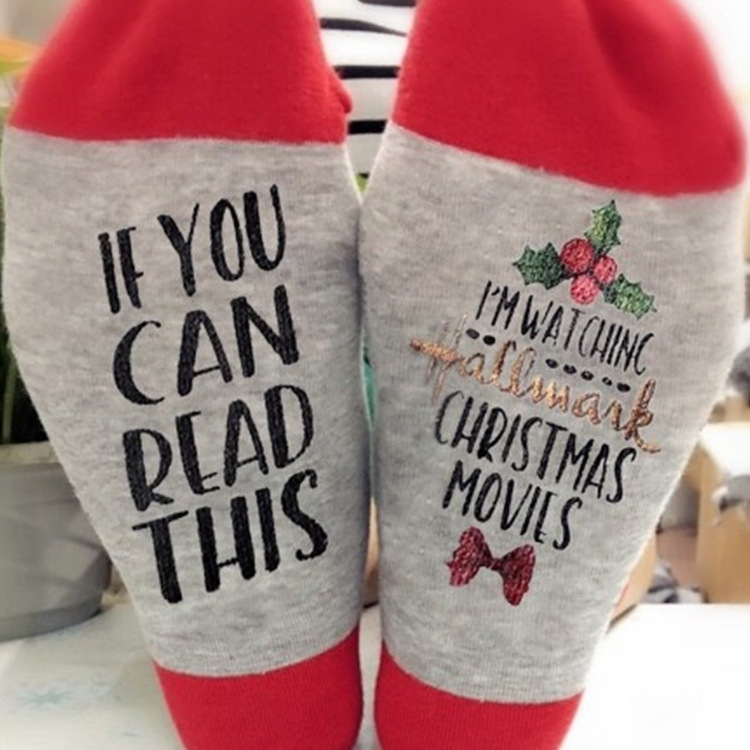
Funny Christmas Cotton Blend Crew Socks With Novelty Slogan If You Can Read This I Am Watching Christmas Movies For Men Women Home Party Gift
$1.44
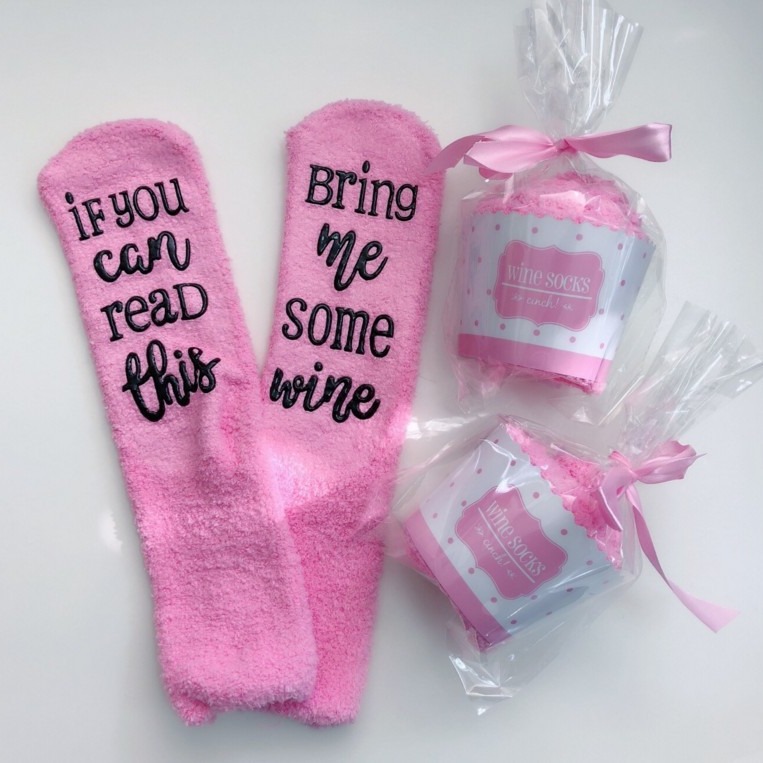
If You Can Read This Bring Me Some Wine Coffee Floor Socks Thick Coral Fleece Warm Anti-Slip Fuzzy Socks For Women Men Home Birthday Gift
$1.04
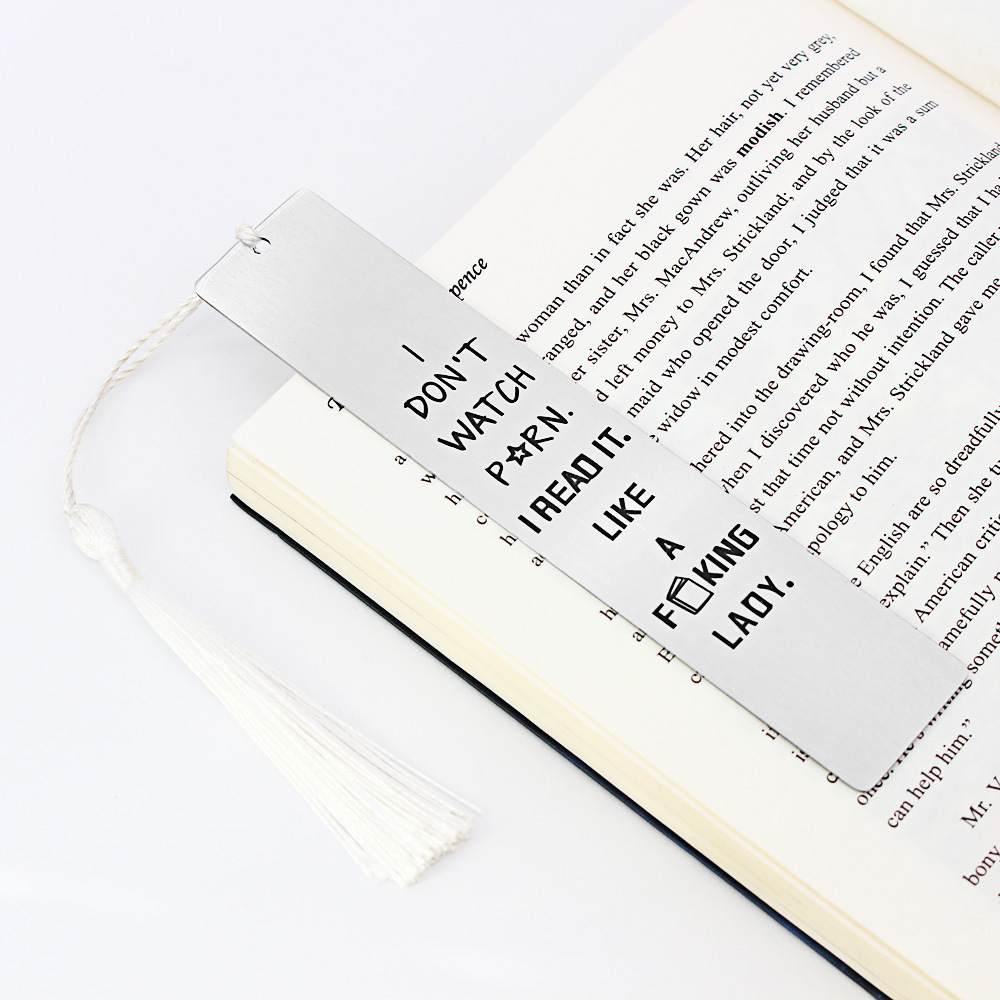
Stainless Steel Engraved Bookmark With White Tassel Funny Quote I Read It Like A Lady Creative Lettering Book Mark Reading Accessory Gift For Book Lovers Women Men
$0.72
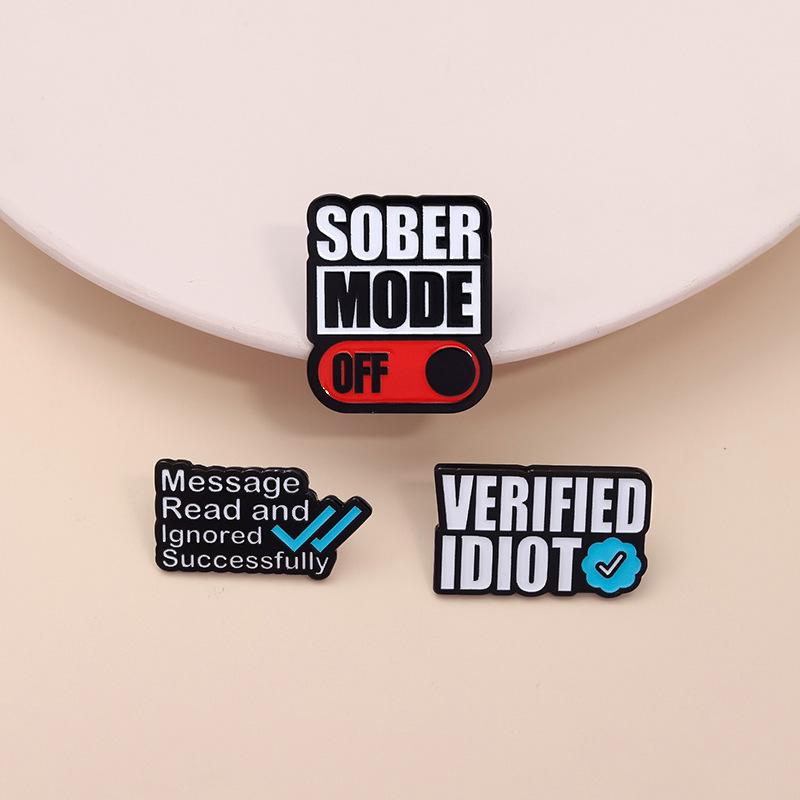
Funny Text Enamel Pins Set Zinc Alloy Verified Idiot Message Read and Ignored Successfully Sober Mode Off Brooch Badge For Clothing Backpack Lapel Decorative Gift Unisex Fashion Accessories
$0.45
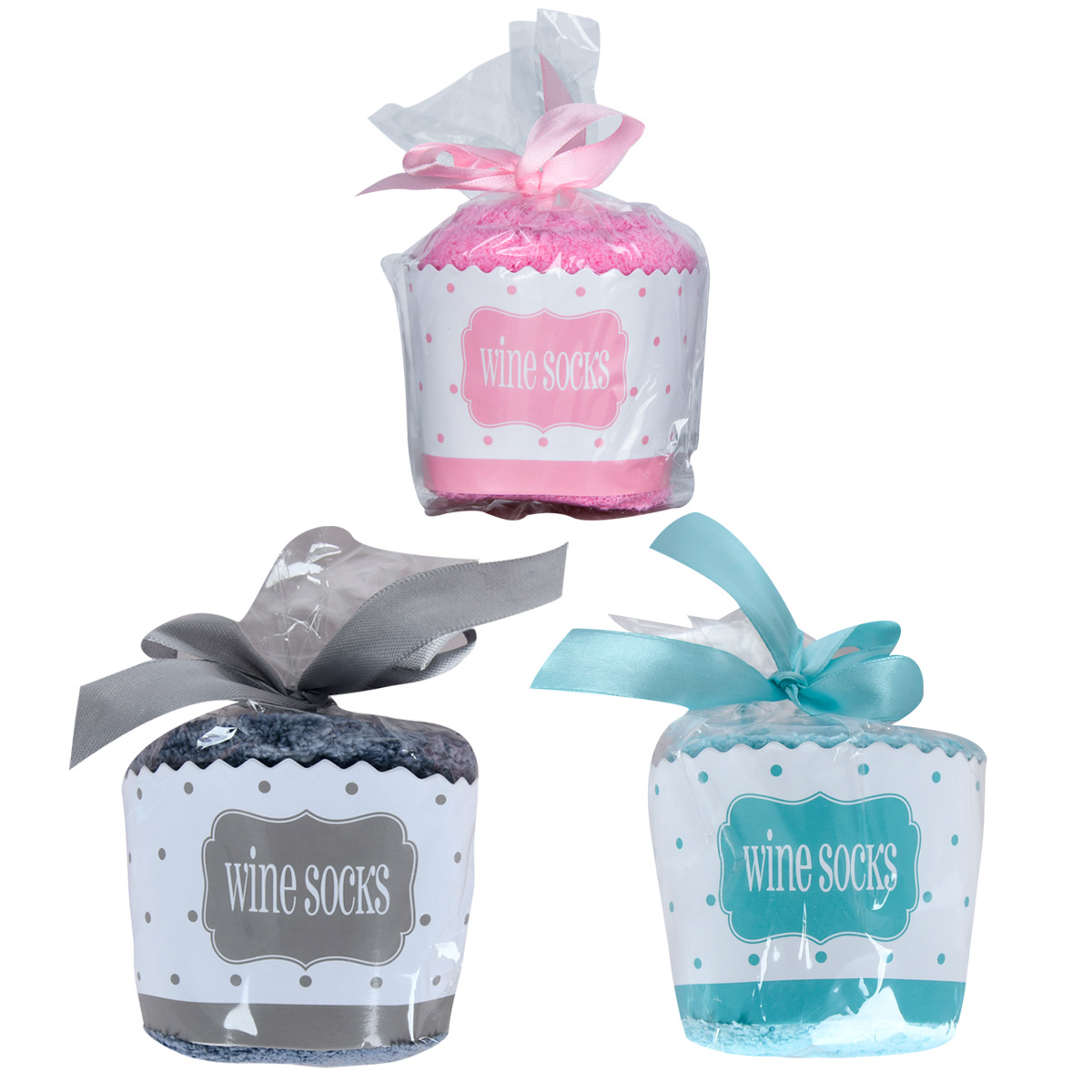
Funny If You Can Read This Bring Me Some Wine Socks Cotton Blend Plush Novelty Cupcake Gift Socks For Women Men Unisex Mid-calf Warm Floor Socks For Party Home Holiday
$1.30
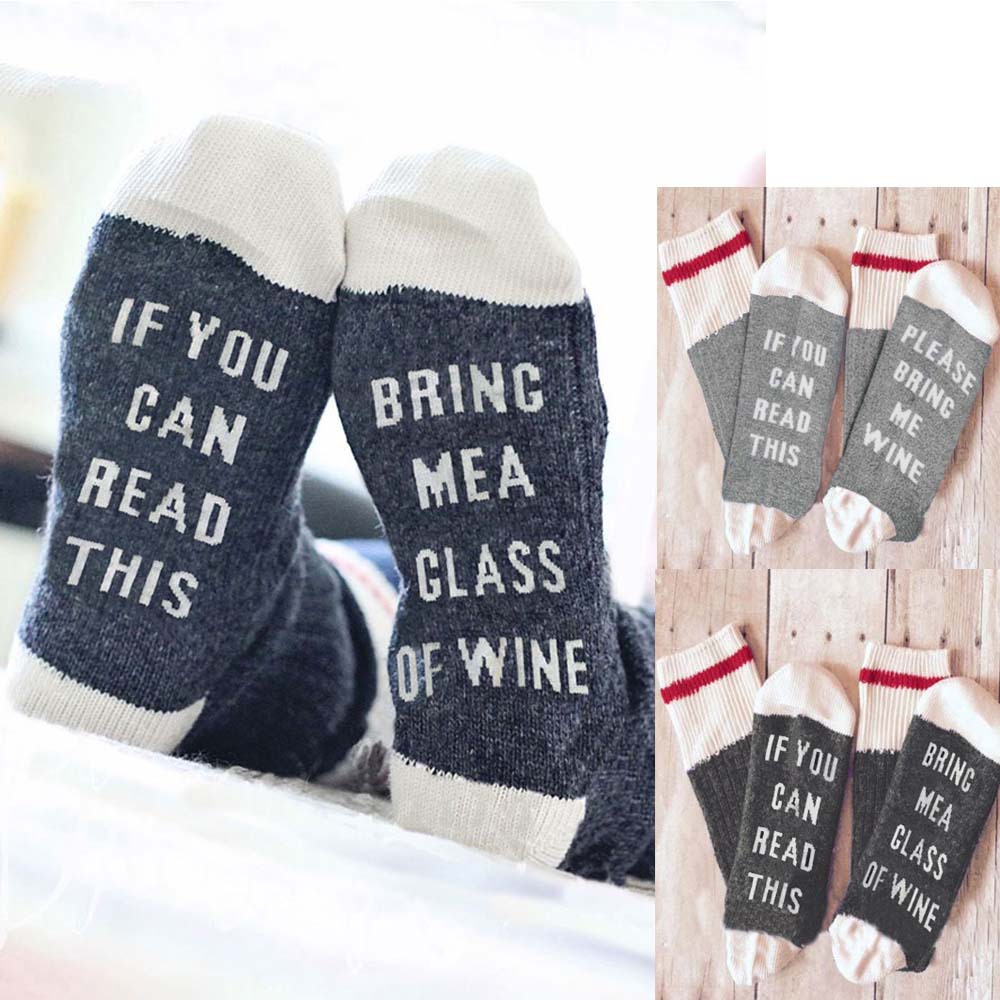
Novelty Crew Socks Cotton Blend Funny Letter Print If You Can Read This Bring Me A Glass Of Wine Casual Mid Tube Socks For Men Women Gift Anti-slip Breathable Knitted Hosiery
$1.04
Bundle Orders to Simplify Your Refund Claim
When ordering from a single vendor, bundling products under one purchase order makes it easier to get a unified proforma invoice. This reduces documentation chaos and increases the chances of a successful tariff refund claim.
Book Lover Starter Pack
First-time importer buying reading accessories for a new Etsy shop
- Resin Thumb Book Page Holderhero
- Stainless Steel Engraved Bookmarkcomplement
Order 200 units total. Apply HTS code 4420.90 for wooden/plastic goods. Estimated refund ~$12.
Kitchen Gadget Bundle for BBQ Influencers
Shopify product tester testing meat thermometers and accessories
- Professional Digital Meat Thermometerhero
- Waterproof Digital Meat Thermometerupsell
- 50PCS Small Business Thank You Cardscomplement
Order 100 of each. Ensure each item has separate HTS code on invoice. Refund potential ~$35.
Funny Socks & Pins Multi-Variety Bundle
Diversified selection for a pop-up stall; easy to sell at events
- Funny Crew Socks If You Can Read Thishero
- Funny Slogan Enamel Pin If You Can Read Thiscomplement
- If You Can Read This Bring Me Some Wine Floor Socksupsell
Bundle at $1.30/unit average. Refund per order of 300 units ~$9. Combine all under one commercial invoice.