
Trend Report · May 10, 2026
How to Avoid Giving Your Address to the Wrong Buyer – A Playbook for New Flippers
A step‑by‑step playbook for resellers to avoid giving their address to scammers, based on a real near‑miss. Includes buyer vetting, product bundles, and platform tactics.
Thank God I Didn’t Give My Address
The holiday season brings a flood of new resellers eager to flip inventory for extra cash. But it also attracts scammers who target those still learning the ropes. A recent Reddit post captures the feeling perfectly: “Thank god I didn’t give whoever this is my address.” The seller, who started flipping with a friend, was excited about a sale that seemed normal at first. Then came the message that tipped them off, leaving them disgusted and a little bummed.
This is not an isolated incident. As more people launch side hustles on platforms like Facebook Marketplace, Craigslist, and even Shopify, the risk of address harvesters and fake buyers grows. The timing window is narrow: early December when many begin their first selling experiments, but before they’ve built the habits to spot red flags. If you’re a new operator, this playbook will help you avoid the same mistake and keep your transaction safe.
Why This Window of Opportunity Matters Now
The source story reveals a common pain point: “Did I miss an obvious sign earlier or was there really no way to tell?” Many resellers have no formal training in buyer vetting. They rely on enthusiasm and good faith. But scammers exploit that eagerness. The window of opportunity is right now because the lessons learned from this near‑miss can be applied immediately before you ship a single order.
For wholesale buyers on DayJewel, the takeaway is clear: sourcing product is only half the battle. The other half is managing the sale channel safely. The growth_score of 97 for this trend indicates high commercial relevance – not because the scam itself is a trend, but because the demand for “how to sell safely” spikes whenever new resellers enter the market. By establishing operational safeguards now, you protect your margin, avoid chargebacks, and build a reputation that attracts real buyers.
Who Needs This Playbook?
This playbook is written for three types of operators who are most vulnerable to address scams and fake inquiries. Each profile faces a different risk, but the same core need: verifying the buyer before sharing personal information.
Shopify seller
You list your address on invoices or return labels. Scammers may pose as interested buyers to harvest your physical location for fraudulent returns or doxxing.
Flea-market or pop-up stall operator
You often use social media to advertise your booth location. Fake buyers can request a private sale and use your address to harass you or steal inventory.
New flipper selling on marketplace apps
You’re just starting, often using Facebook or OfferUp. The excitement of a quick sale clouds judgment, and you may give out your address too freely.
Implementation Stages
Validate the Buyer
Trigger: When you receive an inquiry about a listed item – especially within the first hour of listing.
Ask a contextual question: “Which item are you interested in?” or “Where did you see my listing?”
✓ A real buyer answers quickly and specifically. A scammer often gives vague replies like “the one you have” or ignores the question.
✗ Skipping this question means you may engage with a bot that will later ask for your address to harvest it.
Check the buyer’s profile history (join date, reviews, mutual friends on marketplace).
✓ If profile is brand new or has no activity, flag it. Established profiles with positive reviews reduce risk.
✗ Not checking profiles leads you to trust a fake account that will disappear after collecting your address.
Secure Your Address Logic
Trigger: Before you ever type your address in a message or invoice.
If selling on platforms without built‑in address masking, set up a P.O. box or virtual mailbox immediately. Budget $15–30/month.
✓ You can confidently share this address without risking your home location. Cost is deductible as a business expense.
✗ Using your home address for multiple sales increases the chance of a disgruntled or scam visitor appearing at your door.
Use platform‑generated shipping labels (e.g., eBay, Poshmark) that hide your address from the buyer.
✓ The buyer only sees a return address if you opt in; otherwise it’s the platform’s hub.
✗ Manually typing your address on an invoice exposes it permanently; you can’t retract a text or image.
Build Trust Signals to Attract Genuine Buyers
Trigger: Once you’ve sourced inventory and created your listing.
Include a clear photo of the product with a handwritten note that says your business name (not your personal address). Use a Thank You sticker pack in the shot.
✓ Legitimate buyers see professionalism and feel confident purchasing; scammers are often deterred by too much detail.
✗ Photos without branding invite copycat listings and make it easier for scammers to impersonate you.
Add a short FAQ in your listing description that states “I never ask for or share my address before payment.”
✓ Educates potential buyers and pre‑filters those who would pressure you.
✗ Leaving the listing generic means scammers assume you’re a soft target.
Handle the Transaction – Payment and Fulfillment
Trigger: When a buyer agrees to purchase and asks for payment details.
Require payment via a traceable method (PayPal Goods & Services, credit card via Square, or platform checkout). Never accept “gift” payments.
✓ You have buyer protection and can issue refunds if needed – scammers avoid traceable methods.
✗ Accepting cash app payments without buyer protection leaves you vulnerable to chargebacks or address fishing.
After payment clears, provide the P.O. box address only – and confirm the buyer’s name matches the shipping label.
✓ You maintain control and can reject mismatched names. Many scams rely on sending to a different recipient.
✗ Shipping to a name not on the order voids insurance and gives the scammer an opening to claim you sent the wrong package.
Post‑Sale Follow‑Up and Learning
Trigger: After the package is shipped or the deal is completed.
Send a short thank‑you message (using a template) and ask for a positive review. Avoid further address sharing.
✓ Good reviews build your reputation, making it harder for scammers to get traction. Verified reviews attract real buyers.
✗ Neglecting follow‑up means you miss the chance to build a loyal customer base; you’ll rely on one‑off sales with higher scam risk.
Log every suspicious inquiry in a simple spreadsheet (date, platform, username, red flag). Review after 10 sales to spot patterns.
✓ You’ll learn which platforms generate more scams and can adjust your selling strategy accordingly.
✗ Ignoring patterns means you repeat the same mistakes – the source who said “thank god I didn’t give my address” now knows to log every weird message.
How to Sell Safely and Profitably
Selling attitude‑driven accessories like the Creative Enamel Lapel Pin Set or the “I Will Shit On Everything” pigeon pin works best when you frame your product as a statement piece for people who value independence and caution. That same audience is often wary of scams themselves, so your transparent process becomes a selling point. A common mistake new flippers make is thinking the sale is the finish line. In reality, the vetting and fulfillment process is what separates a safe profit from a stolen address or chargeback. Always reinvest a small portion of your margin into protective measures: a P.O. box, a label printer, and a bundle of thank‑you cards from DayJewel. For example, if you buy the Attitude Starter Bundle (cost $2.50) and sell it at $5.99, your net after fees is about $4.50. Investing $0.50 into a P.O. box per transaction keeps your location safe. Below are three tactics tailored to specific channels, each with honest risk notes.
List the Ouch Pigeon Pin or Never Give Up Necklace for local pickup only. Meet at a public place like a coffee shop or police station lobby. Never share your home address. Use the platform’s messaging system only; if the buyer tries to move to text or email, that’s a red flag.
⚠ Local pickup slots are limited – you may lose time if scammers book meetings and don’t show up. Also, some buyers will still try to haggle in person.
Set up your store with a virtual address for returns. Offer the Thank You Sticker Pack as a free add‑on for orders over $10 to increase AOV. Use Shopify Shipping to hide your personal address. For the seasonal bundle (Thanksgiving banner + gnome rug), run a “Safe Holiday Deals” email campaign.
⚠ You’ll need to invest in initial ads ($50–100) to test the market, and returns on low‑cost items may eat your margin if you don’t set a no‑return policy.
Since transactions are in‑person, you eliminate the address‑sharing risk entirely. Display your attitude pins and the “Everything” canvas tote on a grid wall. Accept only cash or tap‑to‑pay (Square). Use the “Give Thanks” seasonal banners as backdrop decor to attract foot traffic.
⚠ Weather and foot traffic unpredictability can result in zero sales some days. Also, you need a business license and may need to pay sales tax per event.
Trend‑Aligned Products from DayJewel
These wholesale products are ideal for resellers who want low‑cost, high‑attitude inventory that aligns with the “thank god I didn’t give my address” mindset. They appeal to buyers who value wit and caution – perfect for pop‑ups and online stores that emphasize personality.
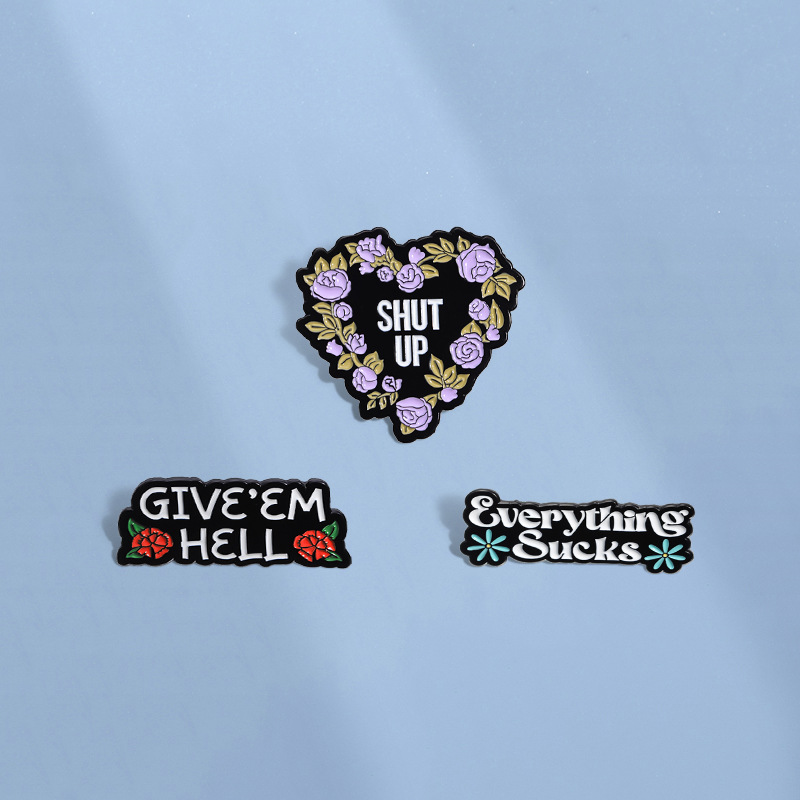
Creative Enamel Lapel Pin Set Alloy Flower Letter SHUT UP Everything Sucks GIVE EM HELL Badge Punk Style Brooch For Clothes Backpack Jewelry Unisex
$0.45
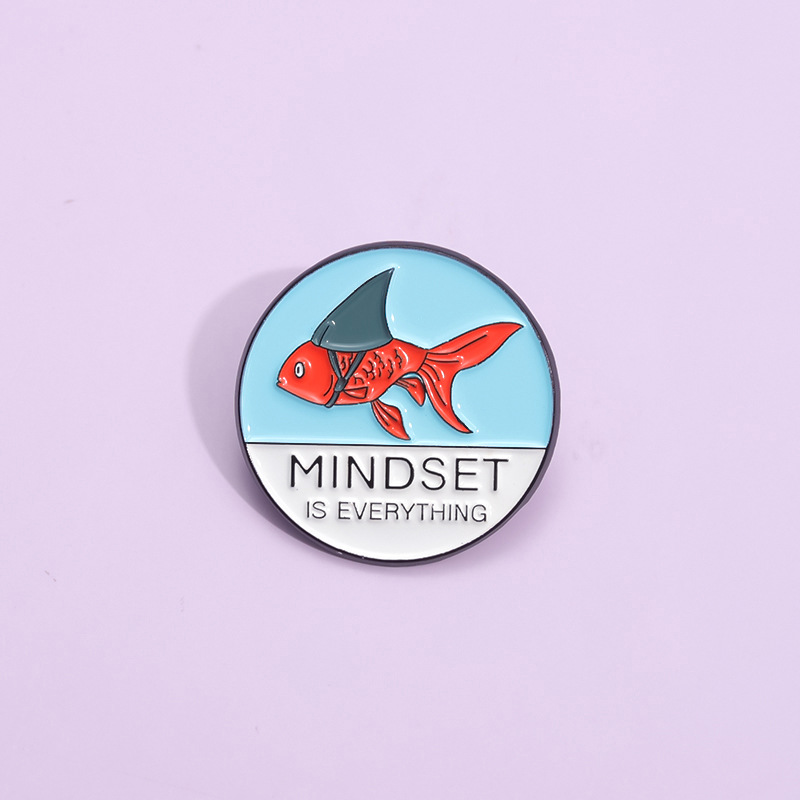
Mindset Is Everything Enamel Pin Round Zinc Alloy Goldfish With Shark Fin Brooch Badge For Backpack Clothing Decoration Fashion Jewelry Gift
$0.55
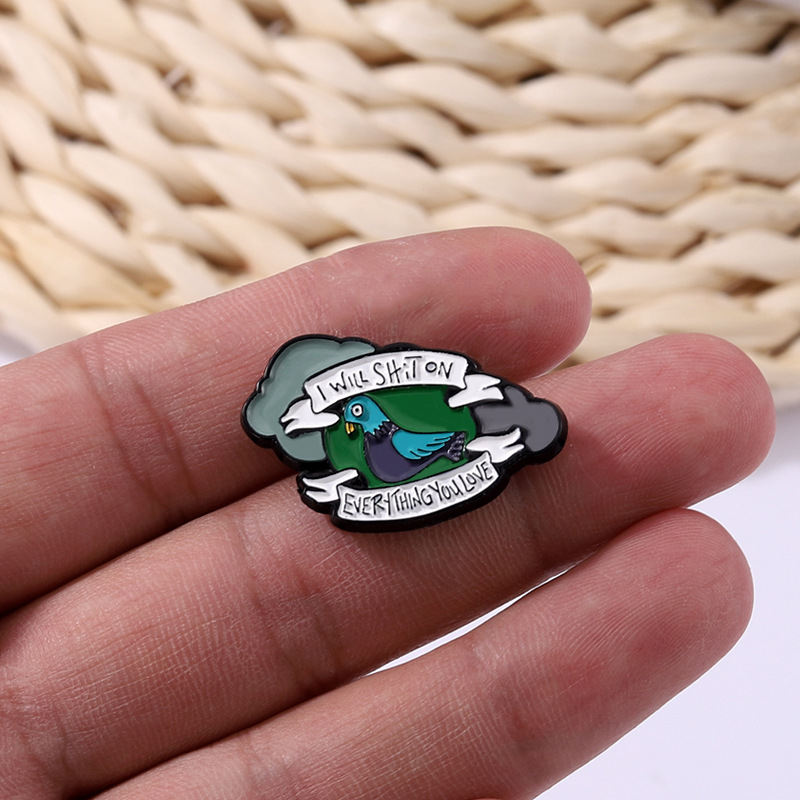
Humorous Enamel Pigeon Brooch Pin I Will Shit On Everything You Love Quote Cartoon Bird Animal Alloy Lapel Pin For Backpack Denim Jacket Hat Accessories Unisex Gift
$0.63
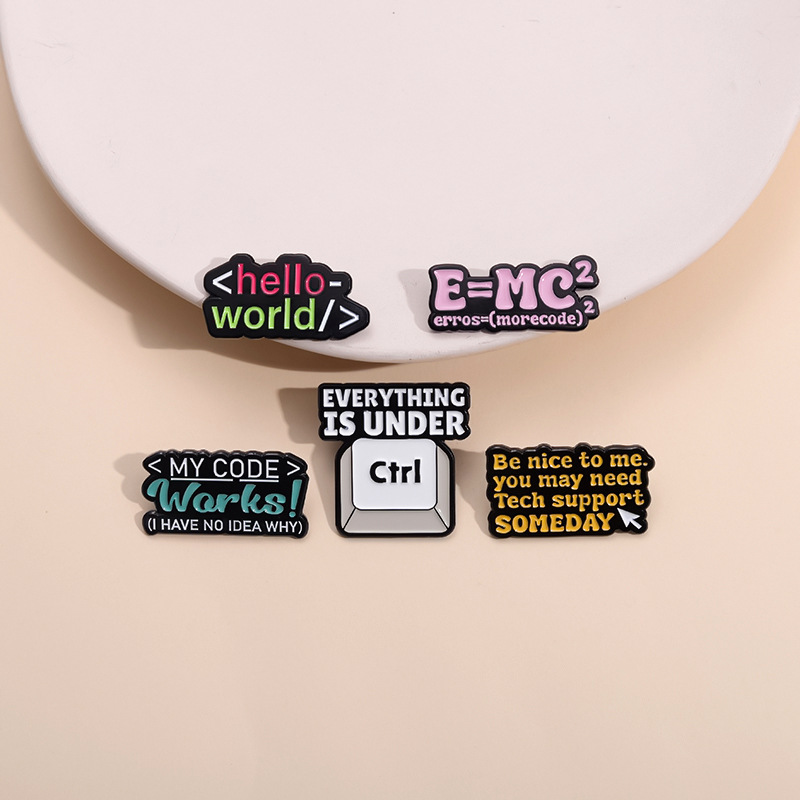
Programmer Geek IT Enamel Pins Lapel Brooch Zinc Alloy Code Hello World Tech Support Everything Is Under Ctrl Computer Science Jewelry Gift For Men Women
$0.55
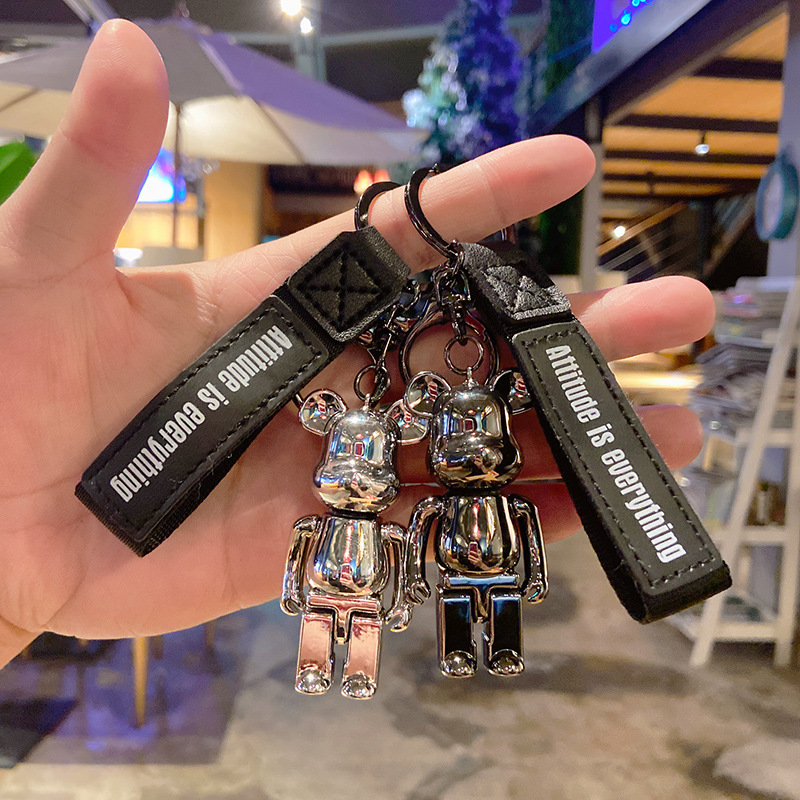
Electroplated Metallic Bearbrick Style Keychain With Attitude Is Everything PU Leather Strap Fashion Bear Bag Pendant Key Ring For Car Keys Backpack Accessory
$0.92

Never Give Up Iced Out Letter Pendant Necklace Hip Hop Alloy Rhinestone Cuban Link Chain Punk Streetwear Jewelry For Men Women
$1.96

Hip Hop Never Give Up Letter Pendant Necklace Zinc Alloy Rhinestone Pave Cuban Link Chain Gold Silver Jewelry For Men Streetwear
$1.52
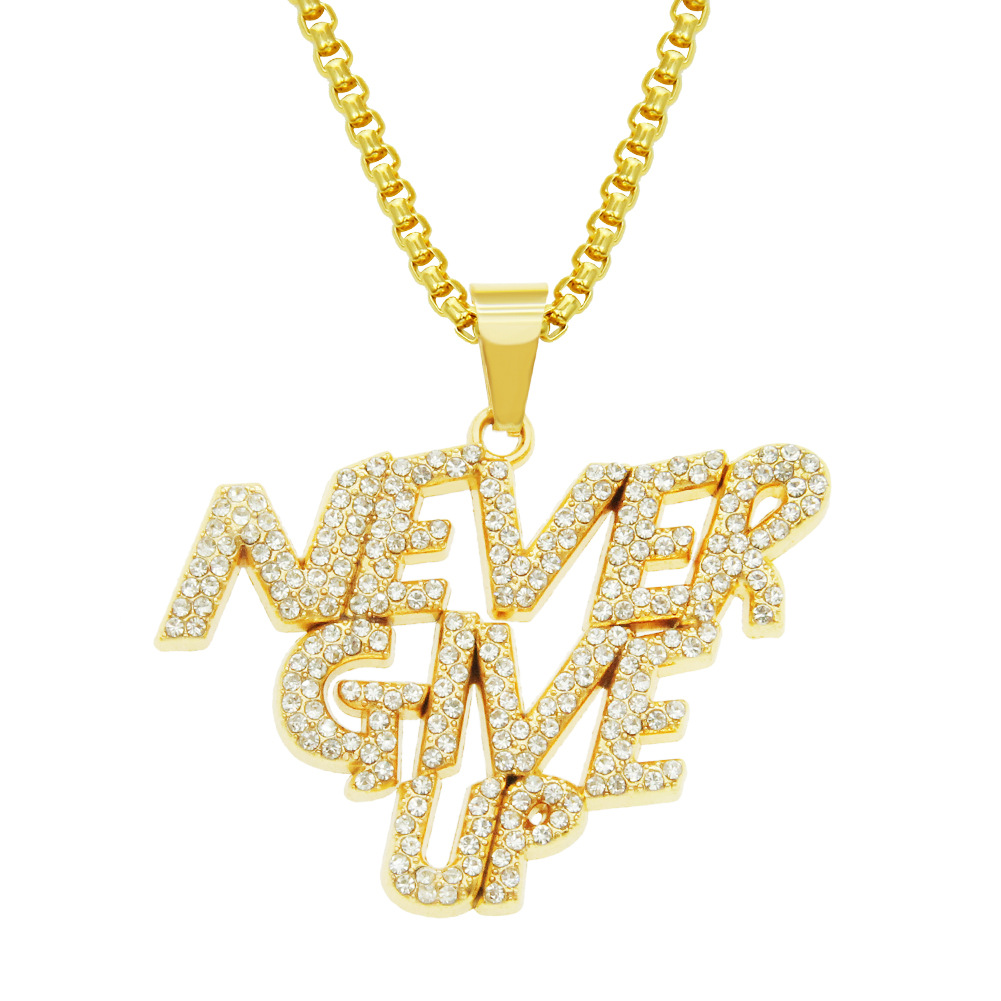
Hip Hop Never Give Up Letter Pendant Necklace Iced Out Rhinestone Alloy Zinc Iron Chain Bling Jewelry For Men Women
$2.55
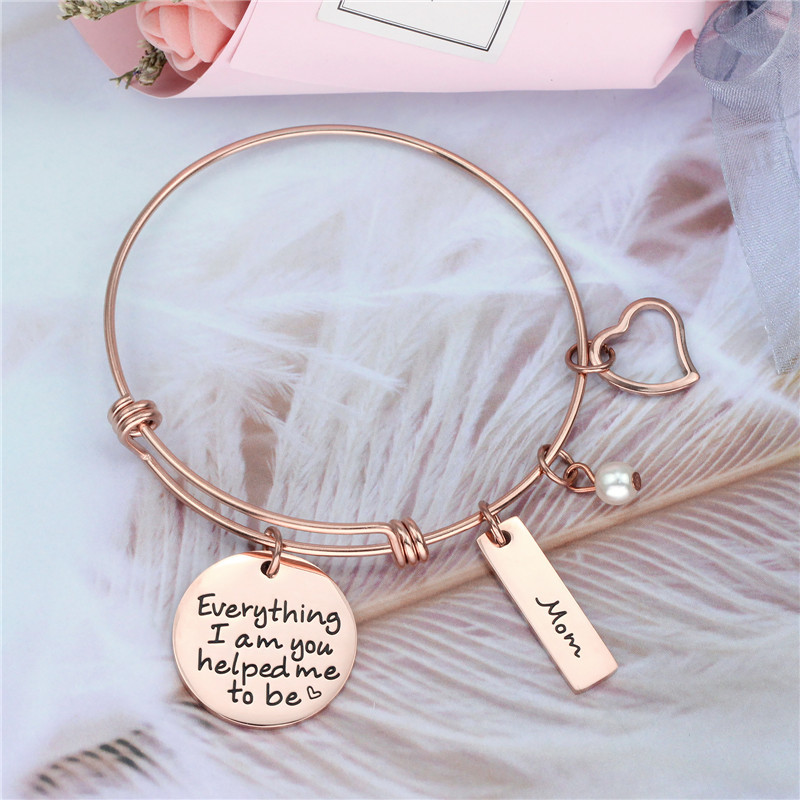
Adjustable Stainless Steel Charm Bangle Bracelet With Heart Pearl Mom Engraved Disc Everything I Am You Helped Me To Be For Mother's Day Gift Women Sentimental Jewelry
$2.99
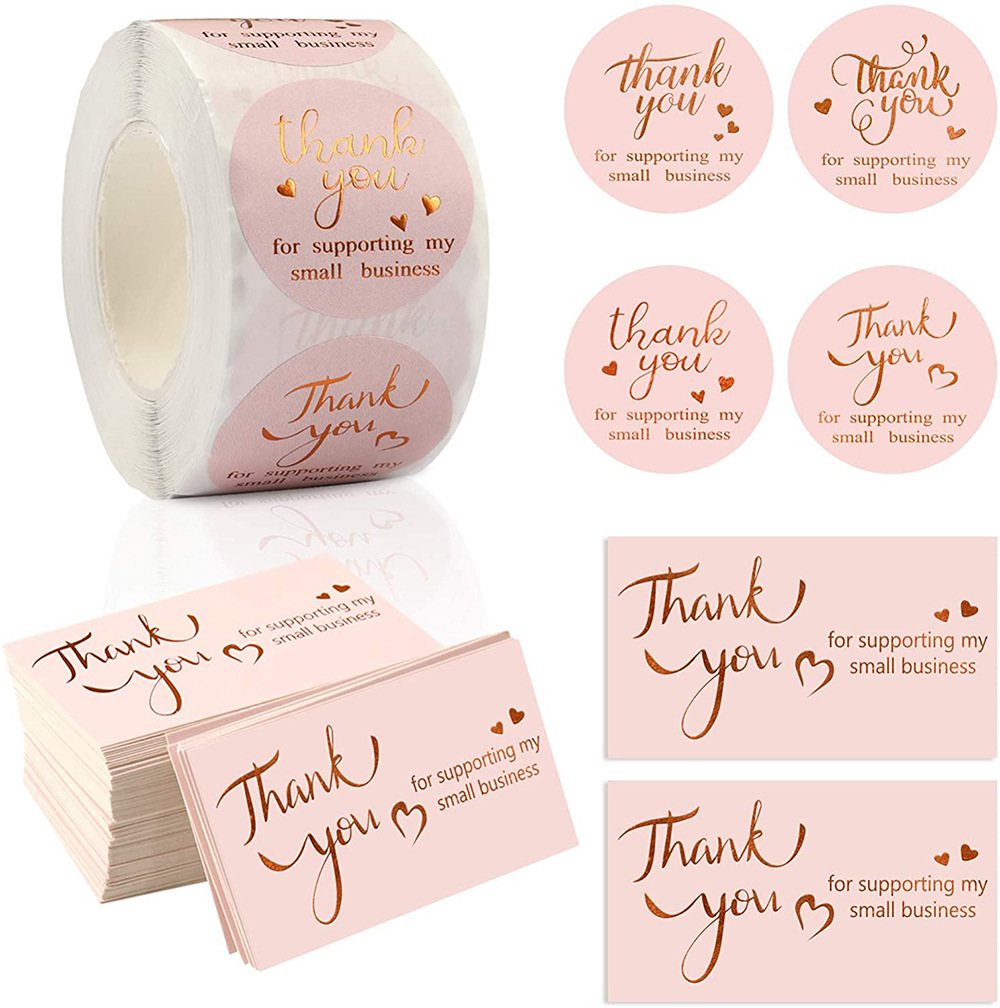
Pink Gold Foil Thank You For Supporting My Small Business Stickers 500PCS Roll And 50PCS Thank You Cards Set For Business Packaging Decor
$0.92

Vintage Hand Painted Thank You Cards Blank Handwritten Greeting Cards For Wedding Birthday Party Small Business Coated Paper Thank You Note Cards Pack For Gift Decor 50Pcs 25Pcs Set
$0.43

Thanksgiving Turkey Party Decorations Set Give Thanks Banner With Cake Toppers Autumn Harvest Paper Party Favors For Home
$0.58
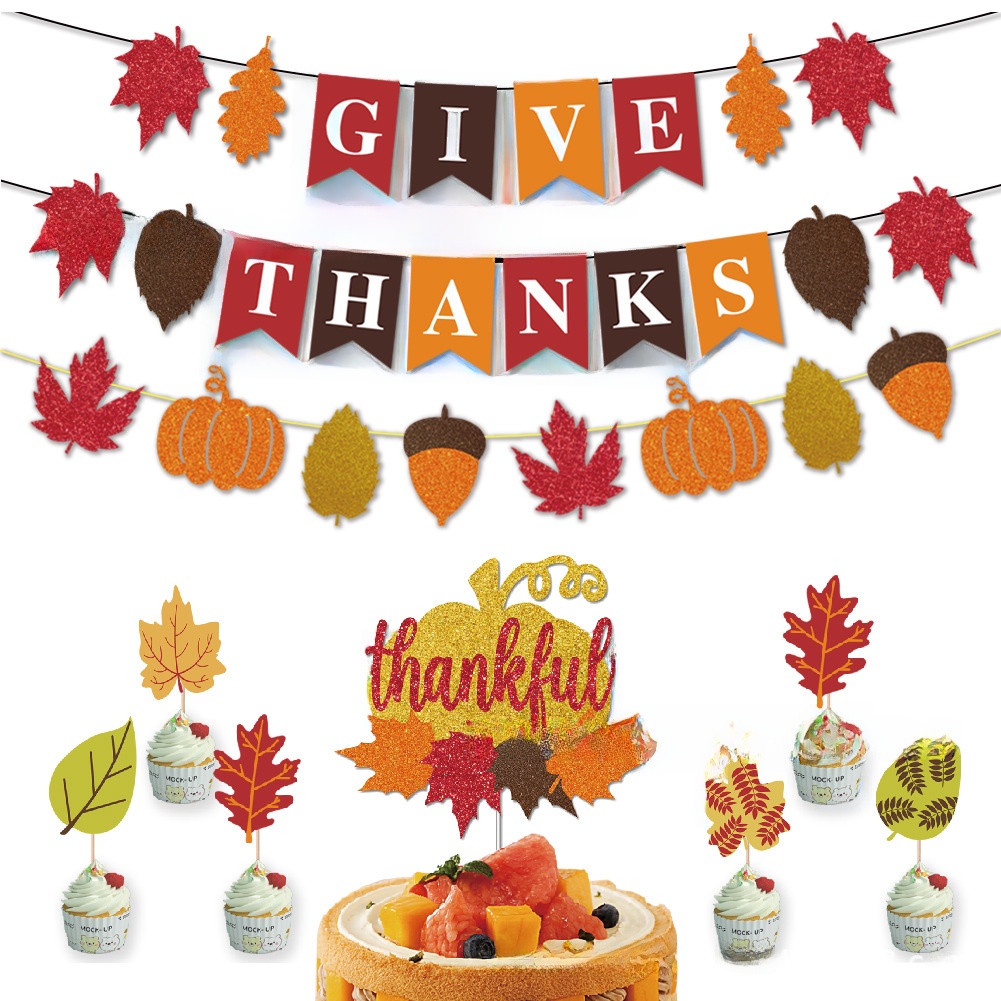
Thanksgiving Decoration Set Glitter Give Thanks Banner Maple Leaf Pumpkin Cake Toppers For Autumn Fall Harvest Party Home Decor
$0.27

Christmas Banner Felt Non-woven Merry Christmas Garland Sled Moose Snowflake Hanging Bunting For Xmas Party Home Decor
$0.85
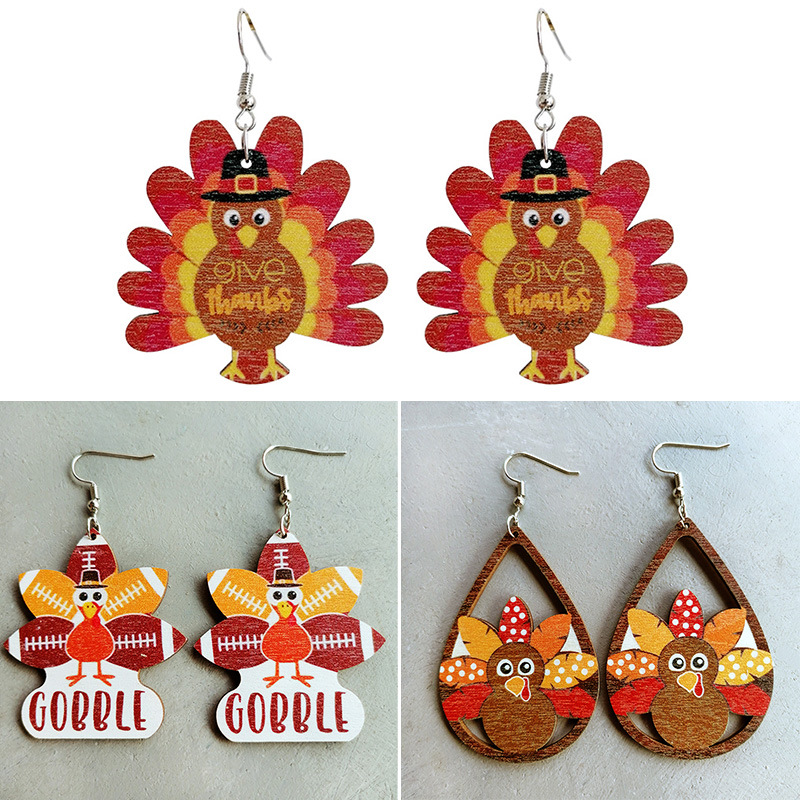
Thanksgiving Turkey Wood Earrings For Women Give Thanks Gobble Pattern Teardrop Football Shape Wooden Drop Dangle Earrings Autumn Festive Jewelry Gift
$0.65
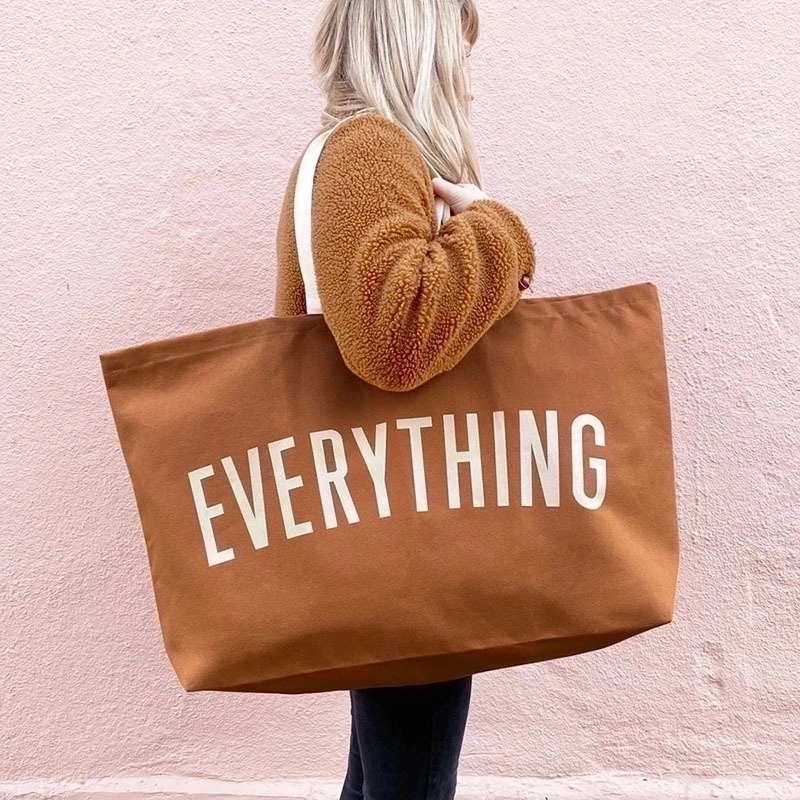
Oversized Canvas Tote Bag EVERYTHING Letter Print Large Capacity Weekend Travel Shopping Handbag For Women Minimalist Fashion Shoulder Bag
$5.16
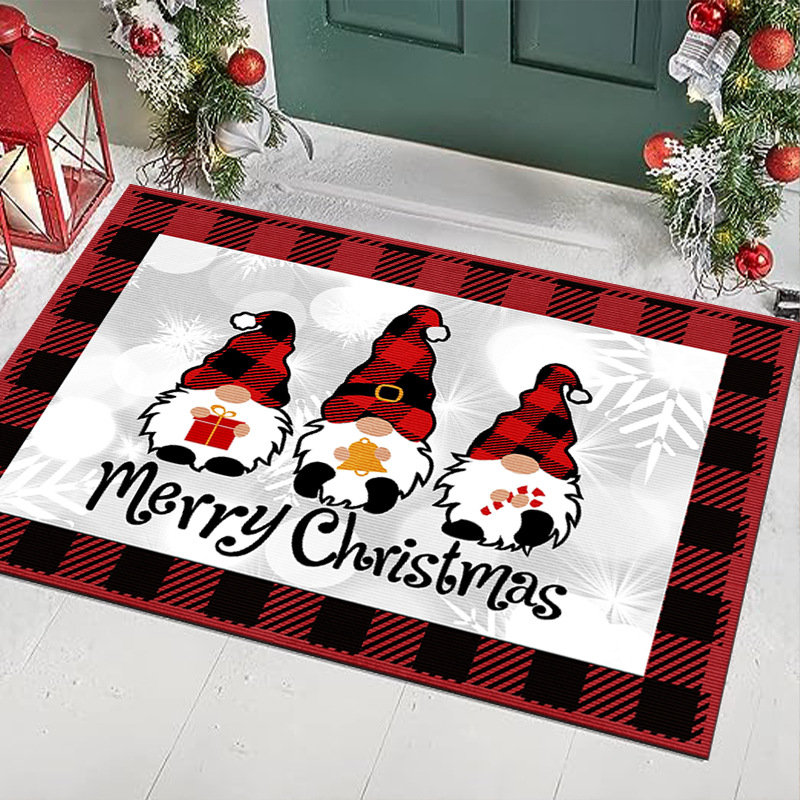
Merry Christmas Gnome Door Mat Non-Slip Crystal Velvet Entrance Rug Buffalo Plaid Decorative Floor Mat For Indoor Outdoor Home Kitchen Decor Merry Everything Gnomes Rug
$1.18

Christmas Cartoon Birds Window Sticker PVC Self-Adhesive Wall Decal Snowflakes Holly Branch For Glass Door Home Decor Festive Winter Theme Everything Is Magical When It Snows
$1.24
Bundled for Margin and Safety
Bundles help you move multiple SKUs in one transaction, increasing average order value while reducing the risk of dealing with too many individual buyers. Each bundle below targets a specific scenario a new reseller faces, and each includes a complementary item that reinforces trust or attitude.
Attitude Starter Bundle
For the first‑time flipper testing the market with low‑cost, high‑margin pins. The bundle pairs two popular enamel pins with a never‑give‑up necklace to create a $4‑6 bundle with $2.50 cost.
- Creative Enamel Lapel Pin Set – SHUT UP Everything Sucks GIVE EM HELLhero
- Mindset Is Everything Enamel Pin – Goldfish with Shark Fincomplement
- Never Give Up Iced Out Letter Pendant Necklaceupsell
Bundle at $5.99 vs. $6.05 separately – you earn 60% margin vs. 55% a la carte.
Thank You / Trust Builder Bundle
For the seller who wants to include packaging that reassures buyers and builds repeat business. Use the thank‑you stickers and note cards to create a professional unboxing experience that also helps you verify the buyer’s identity (they can share a photo of the package).
- Pink Gold Foil Thank You For Supporting My Small Business Stickers 500PCS + 50 Thank You Cardshero
- Vintage Hand Painted Thank You Cards Blank 50Pcs/25Pcs Setcomplement
- Oversized Canvas Tote Bag EVERYTHING Letter Printupsell
Bundle at $6.49 vs. $7.51 separately – cost $2.20, margin 66%.
Seasonal Safe Seller Bundle (Thanksgiving / Christmas)
For the reseller who wants to test seasonal demand while keeping buyer verification simple. These decorations and a door mat create a themed assortment that can be sold as a set, reducing the number of individual transactions and thus scam exposure.
- Thanksgiving Give Thanks Banner Paper Turkey Maple Leaf Garlandcomplement
- Thanksgiving Give Thanks Banner – Turkey, Maple Leafcomplement
- Merry Christmas Gnome Door Mat – Merry Everything Gnomeshero
Bundle at $2.99 vs. $3.67 separately – cost $1.23, margin 59%.