
Trend Report · May 12, 2026
How to Source Mystery Tees Like The Souled Store Mystery Tee for Your Shopify Store
Wholesale sourcing checklist for mystery tee products like The Souled Store mystery tee. Includes supplier vetting, bundle ideas, profit margins, and low-budget testing tactics for Shopify sellers.
The Souled Store Mystery Tee Sourcing Opportunity
The Souled Store mystery tee is a product category built on surprise: customers pay for a t-shirt without knowing the design, receiving a random pop-culture or niche graphic. The model works because it drives repeat purchases and social sharing — buyers love to unbox and reveal the design. A Reddit user asked 'Has anyone bought the souled store mystery tee? Thinking of buying one,' signaling both curiosity and trust in the concept. For wholesale buyers, this is a low-CAC entry point into apparel. You don’t need to stock dozens of SKUs; one mystery listing can serve as a rotating inventory of designs. Now is the right time because blind-box culture (think collectible toys) has trained consumers to expect and enjoy uncertainty. As a sourcing agent briefing a new buyer: the opportunity lies in pairing a base product (a blank tee) with print-on-demand or bulk-printed stock that can be packed at random. The Souled Store mystery tee model shows that the product itself is simple — the value is in the reveal experience.
Why Mystery Tees Are Newly Sourceable and Profitable
Mystery tees have become more accessible for importers and small wholesalers because of two shifts: first, low-MOQ print-on-demand services let you test with zero inventory risk; second, Chinese and local print factories now offer “random design” packages at $4–7 per unit, mixing leftover stock or fast-selling prints. The category is newly profitable because the surprise element lets you charge a premium—most branded mystery tees retail at $25–35 while the cost of goods (including packaging) sits around $6–10. That is a 60–70% gross margin before shipping. The Reddit curiosity confirms that buyers are already looking for this product, so demand pull exists. Unlike seasonal fashion, mystery tees have no expiry—you can run a “mystery draw” every month with new print batches. The downside: sell-through risk is higher if the random designs are generic or ugly. You need a strong selection process to ensure each shirt is at least “wearable.”
Who Should Source Mystery Tees
Mystery tees work best for sellers who already have a following or a niche audience (anime, gaming, memes, horror). First-time importers can start with small test orders of 50–100 units from a supplier offering mixed prints. Established Shopify store owners can use mystery tees as a weekly drop or email-list growth hack. Flea-market or pop-up stall operators can print “$20 mystery tee” signs and watch foot traffic convert. The fit is strongest for those who can film unboxing content for TikTok or Instagram Reels—the unboxing is the marketing.
Shopify seller
Low SKU count means simpler catalog management; high margin covers ad spend; mystery hook drives repeat buyers.
Flea-market / pop-up stall operator
Impulse purchase environment; you only need one bin of random tees; no need to display every design.
First-time importer
Test with low MOQ (50 pcs) using a supplier who offers random print mix; risk is $200–500 not thousands.
Sourcing Vetting Checklist for Mystery Tees
Phase 1: Supplier Identification
✓ Search for “mystery tee random design” on Alibaba, Global Sources, or Maker's Row.
Why: Standard sourcing keywords will uncover factories that pack mixed designs. Avoid suppliers who only sell single-design prints.
✓ Request a digital catalog of the “possible designs”. Even in a mystery pack, you need to know the range.
Why: Prevents you from selling ugly or offensive designs. You can filter out themes not suited to your brand.
✓ Check for business license and Trade Assurance or PayPal protection.
Why: Protects your deposit if the shipment fails. Mystery items are non-returnable, so pre-shipment protection is critical.
Phase 2: Sample Ordering
✓ Order 10–20 units of the mystery tee sample pack (approx. $50–100).
Why: You must see the actual print quality, fabric hand, and design variety before committing to 100+.
✓ Wash and dry the sample tees at least three times.
Why: Print cracking or fading after washing is the #1 customer complaint for mystery tees. Test this before selling.
✓ Request a “worst case” sample from the random pack — ask the supplier to send their most unpopular design.
Why: If the “ugly” tee is still wearable, your customers will be happy with any design. If it looks like a misprint, your mystery box will get refund requests.
Phase 3: Quality Control
✓ Define a “pass” threshold: at least 90% of designs must be visually appealing to a neutral audience.
Why: Mystery tees rely on the average experience being good. If 30% are duds, your store will get negative reviews despite the mystery novelty.
✓ Check the fabric composition (100% cotton recommended for print).
Why: Polyester blends may not take print as well and can feel cheap. Cotton pre-shrunk tees are the standard.
✓ Measure the tees against your size chart; allow ±0.5 inch tolerance.
Why: Inconsistent sizing is a top reason for returns on mystery tees because you cannot show the fit by design.
Phase 4: Pricing & MOQ Negotiation
✓ Ask for a “random print” discount — typically 10–20% below single-design orders because the supplier can use leftover stock.
Why: Mystery packs often use inventory that would otherwise be waste; use this leverage.
✓ Confirm MOQ and payment terms in writing (50% deposit, 50% before shipment).
Why: Avoid 100% upfront payment. Mystery items are harder to inspect before shipping.
✓ Calculate landed cost: FOB price + freight + customs + packaging. Keep total under $10 per tee for retail $25–30.
Why: If landed cost exceeds $10, your margin drops below 60% after platform fees and ads.
Phase 5: Shipping & Logistics
✓ Choose air freight for the first order (7–15 days) despite higher cost—speed reduces time-to-market risk.
Why: Mystery tees are trend-driven; a 45-day sea freight delay could kill your launch momentum.
✓ Ask the supplier to pack each tee in a poly bag with a “sealed” sticker to prevent tampering.
Why: Mystery value is lost if the customer can see the design through the package. Sealed bags also prevent warehouse workers from cherry-picking.
✓ Prepare customs paperwork with HS code 610910 (cotton t-shirts).
Why: Incorrect HS code can delay clearance. Use a freight forwarder for the first shipment if you are new.
Sourcing Steps to Sell Mystery Tees Profitably
Selling mystery tees is not a marketing challenge — it is a sourcing challenge. The product itself is simple; the differentiation comes from curation speed, print quality, and the unboxing experience. Start by identifying three supplier candidates: one print-on-demand (Printful, Printify), one Alibaba bulk custom printer, and one local screen printer. Order samples from each. Compare wash durability, fabric weight, and design variety. Once you pick a supplier, place a starter order of 50–100 units with mixed designs. Pre-sell using a “limited mystery drop” on your Shopify store or TikTok Shop to gauge demand before holding inventory. The key risk: if designs are weak, you will not get repeat buyers. Mitigate by curating each design yourself if the supplier offers a “custom mix” option. Use DayJewel accessories as freebies to boost perceived value — for example, include a temporary tattoo sticker ($0.03) or an enamel pin ($0.47) in each package. This increases the chance of an unboxing video and reduces the sting of a less-liked design.
Select 20–30 designs from their catalog, set up one “mystery” listing that rotates the design per order. No inventory holding.
⚠ Higher cost per unit means thinner margin; you cannot offer freebies like accessoies without cutting further into profit.
Negotiate with a supplier for 100+ pcs of random designs from their existing print library. Request a sample batch first.
⚠ Design quality is uncertain; you might receive 30% poor designs. Also, MOQ may be too large to test trending niches.
Buy blank t-shirts ($2.50–4 each) and hire a local printer to apply your own mystery designs (e.g., .pngs you own). Print 50–100 at a time.
⚠ Higher upfront design investment; you cannot scale quickly because local printer capacity is limited. But you control the creative completely.
Trend-Aligned Products from DayJewel to Bundle with Mystery Tees
To amplify the mystery experience, pair your tees with accessories that match the surprise-and-reveal vibe. The following DayJewel products work as add-ons or standalone mystery items in a blind box.
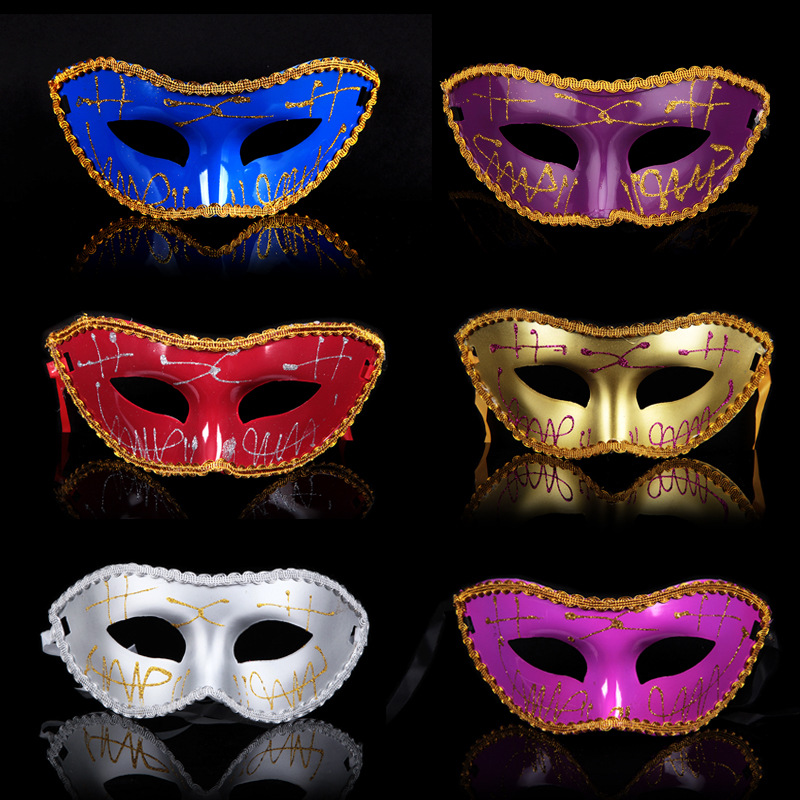
Vintage Venetian Masquerade Mask Half Face Glitter Plastic Mask With Braided Trim For Carnival Party Costume Ball Women Men
$0.35
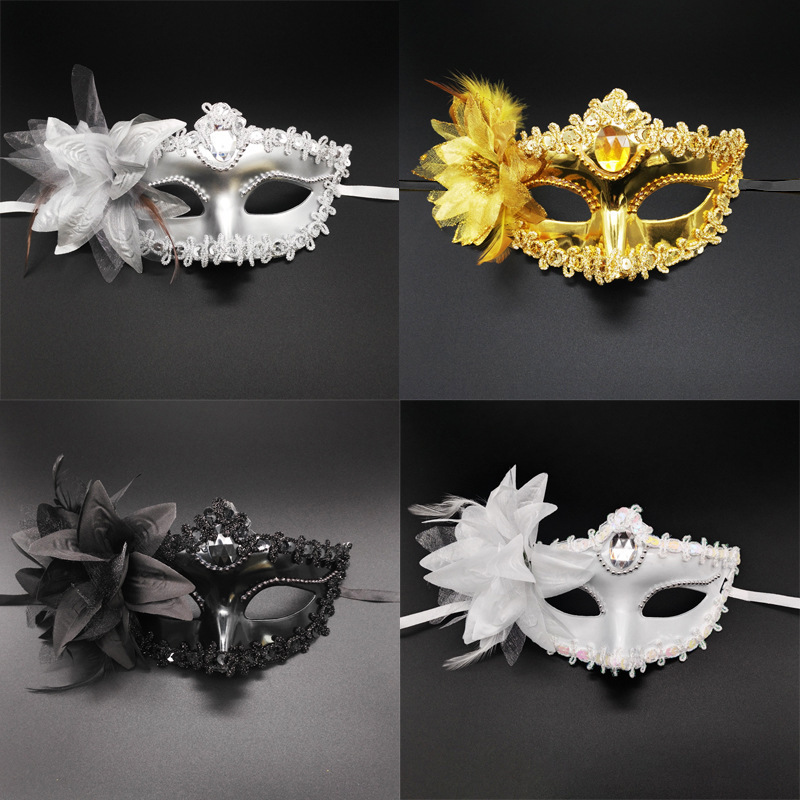
Venetian Masquerade Mask With Lily Flower Feather Rhinestone Half Face Electroplated Plastic Mask For Halloween Costume Party Carnival Wedding Women Accessories
$0.72
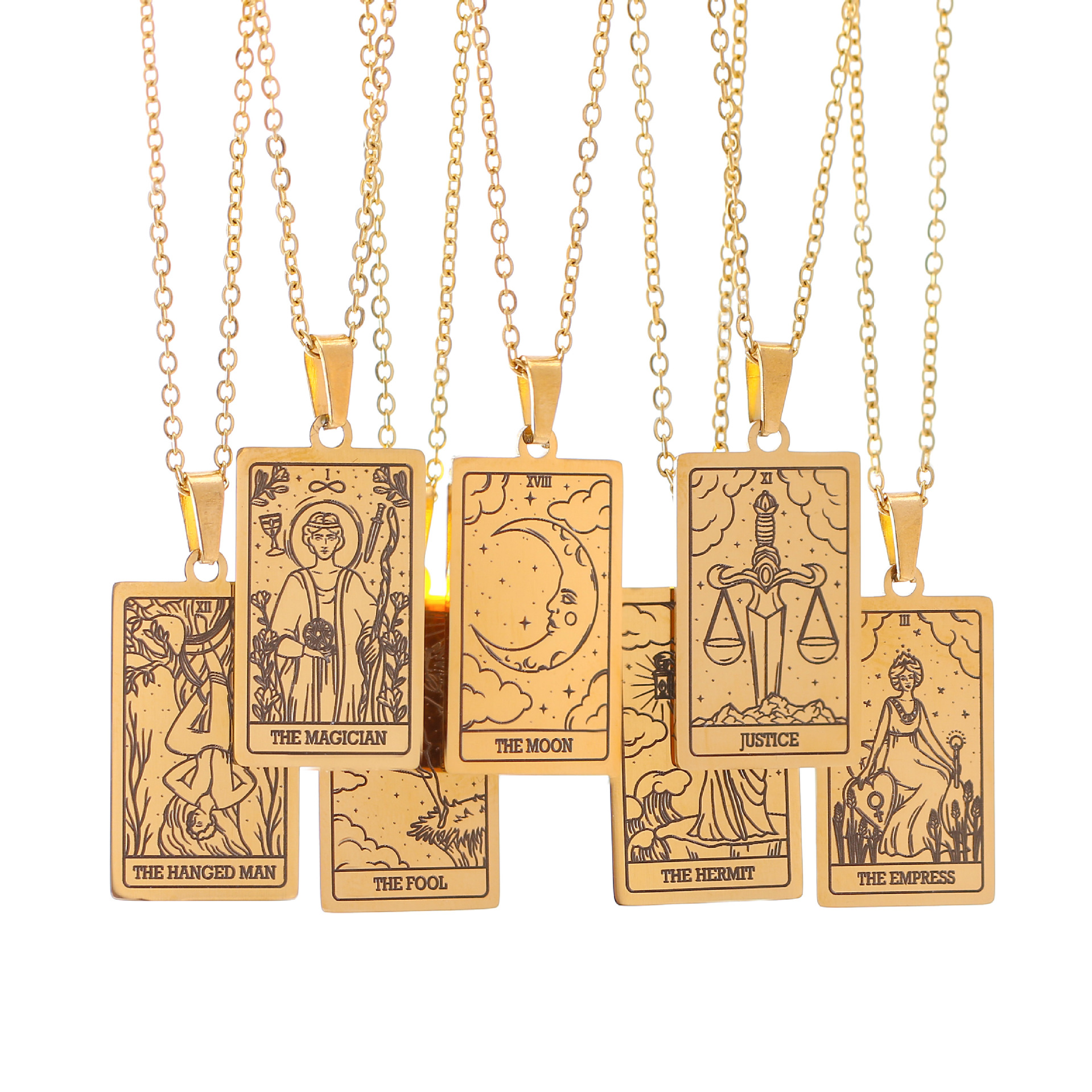
Vintage Tarot Card Pendant Necklace 304 Stainless Steel Vacuum Gold Plated Rectangular Mystery Arcana Long Chain Jewelry Women Men Gift Mystery Jewelry
$1.62
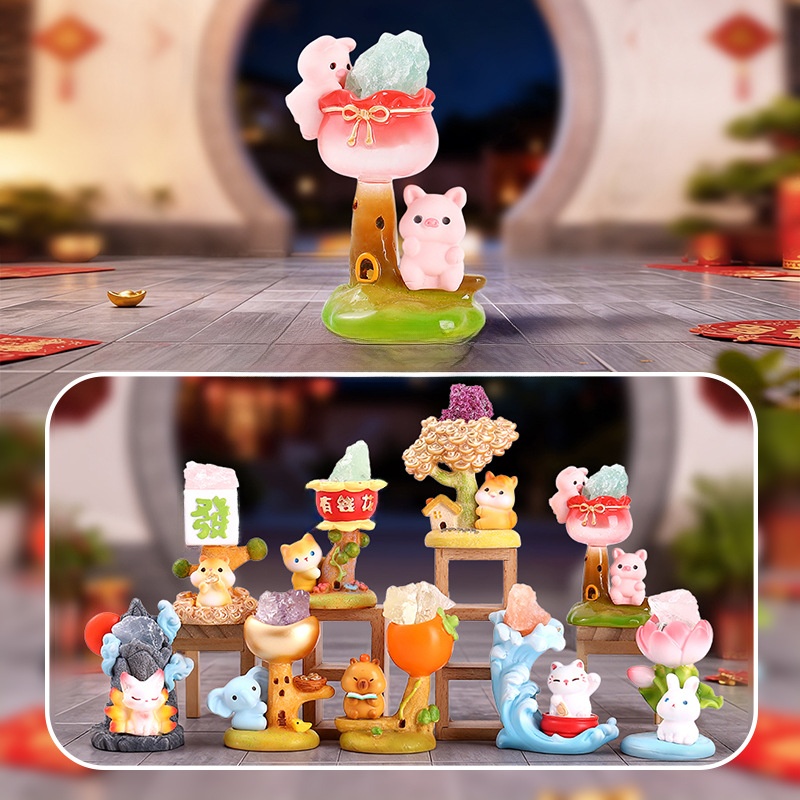
Cute Animal Blind Box Mystery Figure Resin Cartoon Desktop Ornament For Home Office Decor Lucky Charm Series Surprise Gift For Kids Students Mystery Box Collectible
$9.20
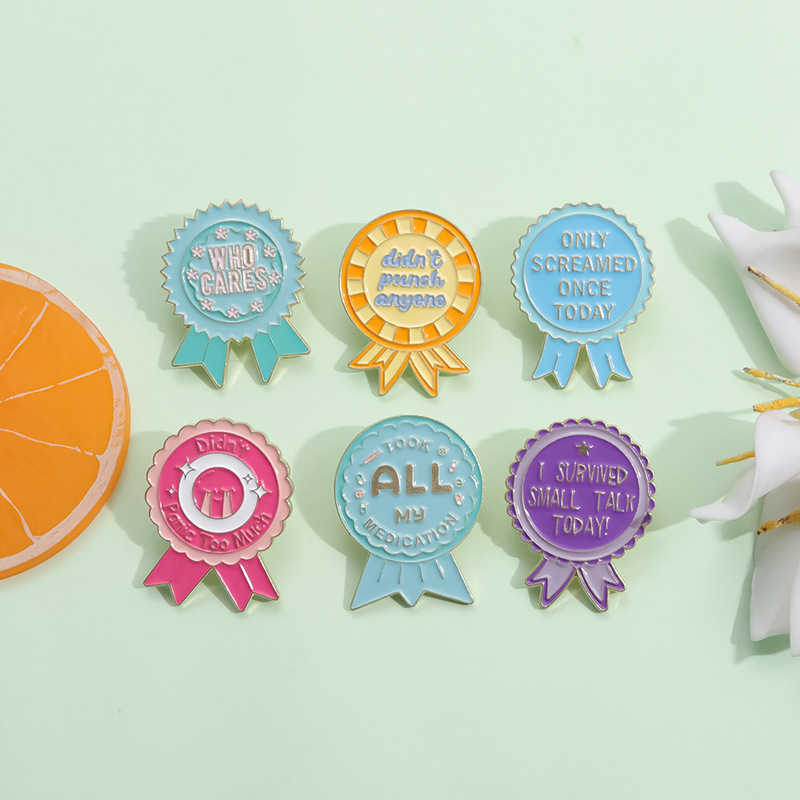
Funny Medal Enamel Pin Alloy Metal Badge With Humorous English Slogans Didn't Punch Anyone I Survived Small Talk Today Brooch For Backpack Clothing Jacket Accessory Men Women Jewelry Gift
$0.47
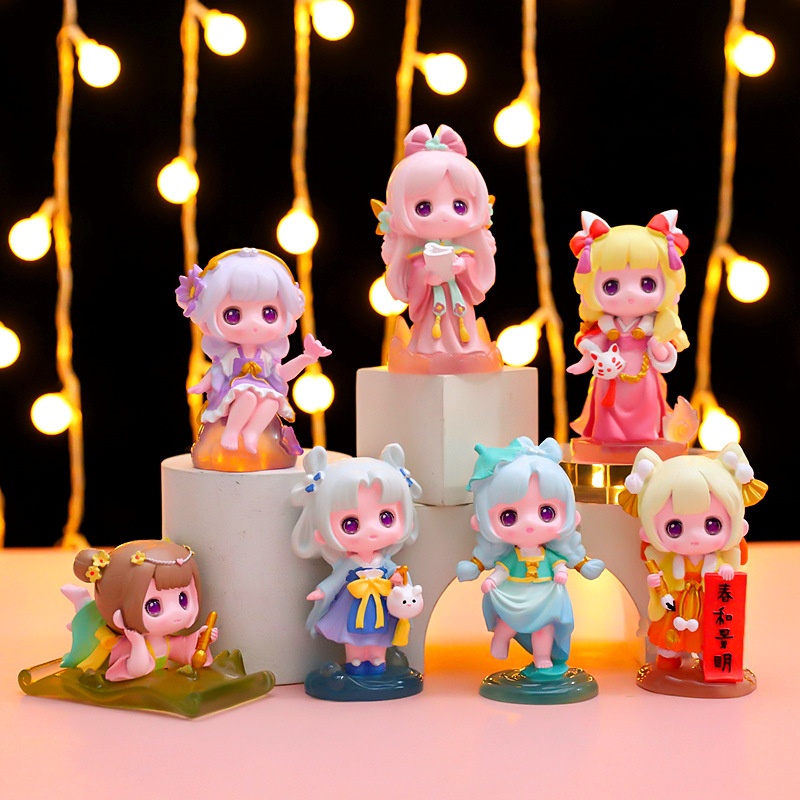
Cute Q-Version Ancient Chinese Hanfu Girl Blind Box Figures Resin PVC Mystery Box Desktop Ornaments Trendy Cartoon Animal Statues Collection Mystery Gift For Home Office Decor
$1.40
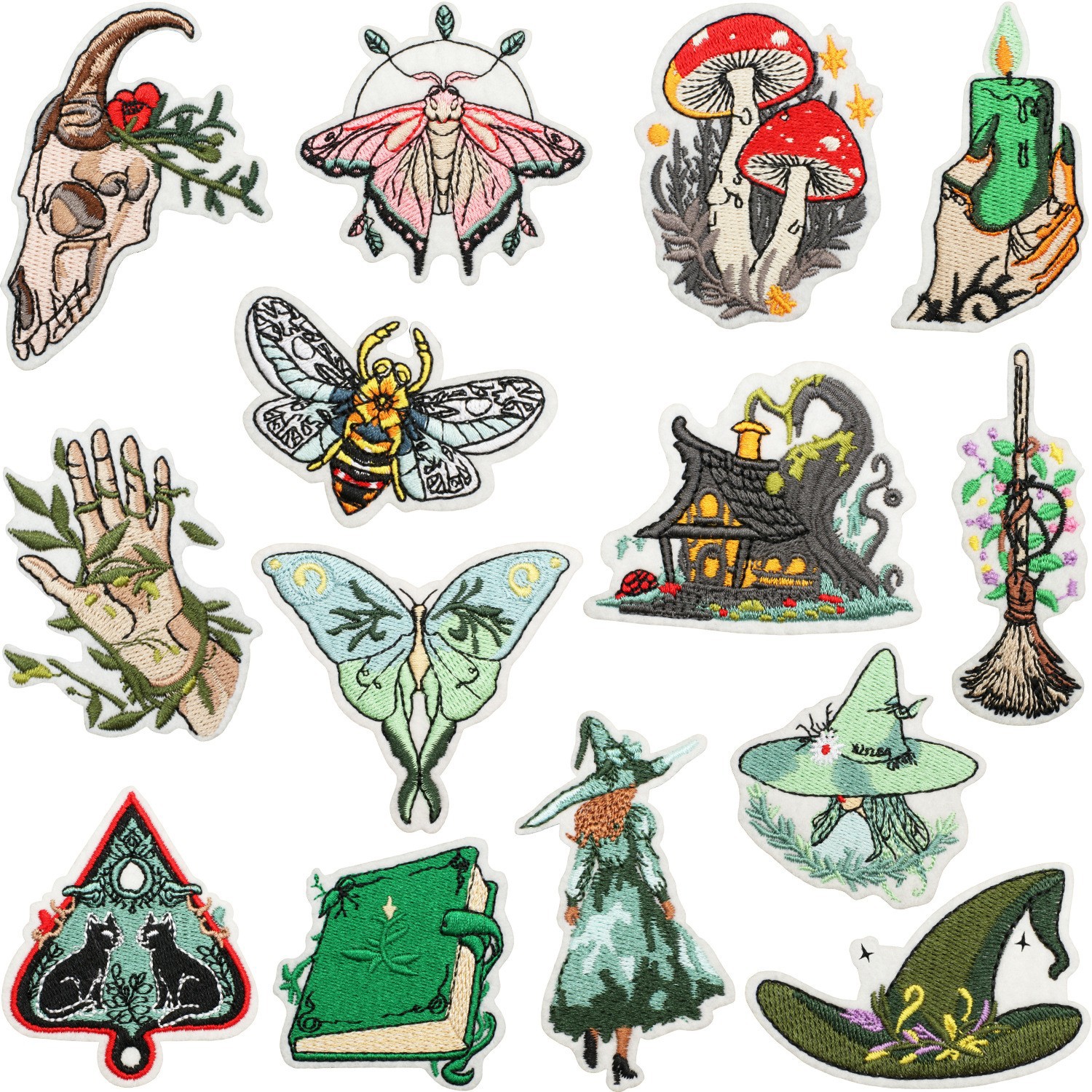
Jungle Mystery Magic Witch Embroidery Patches Iron On Polyester Thread Fabric Patches Cartoon Mushroom Moth Skull Candle Decorative Badges For Clothing Bags DIY Accessories Gothic Mystery Style Appliques
$0.23
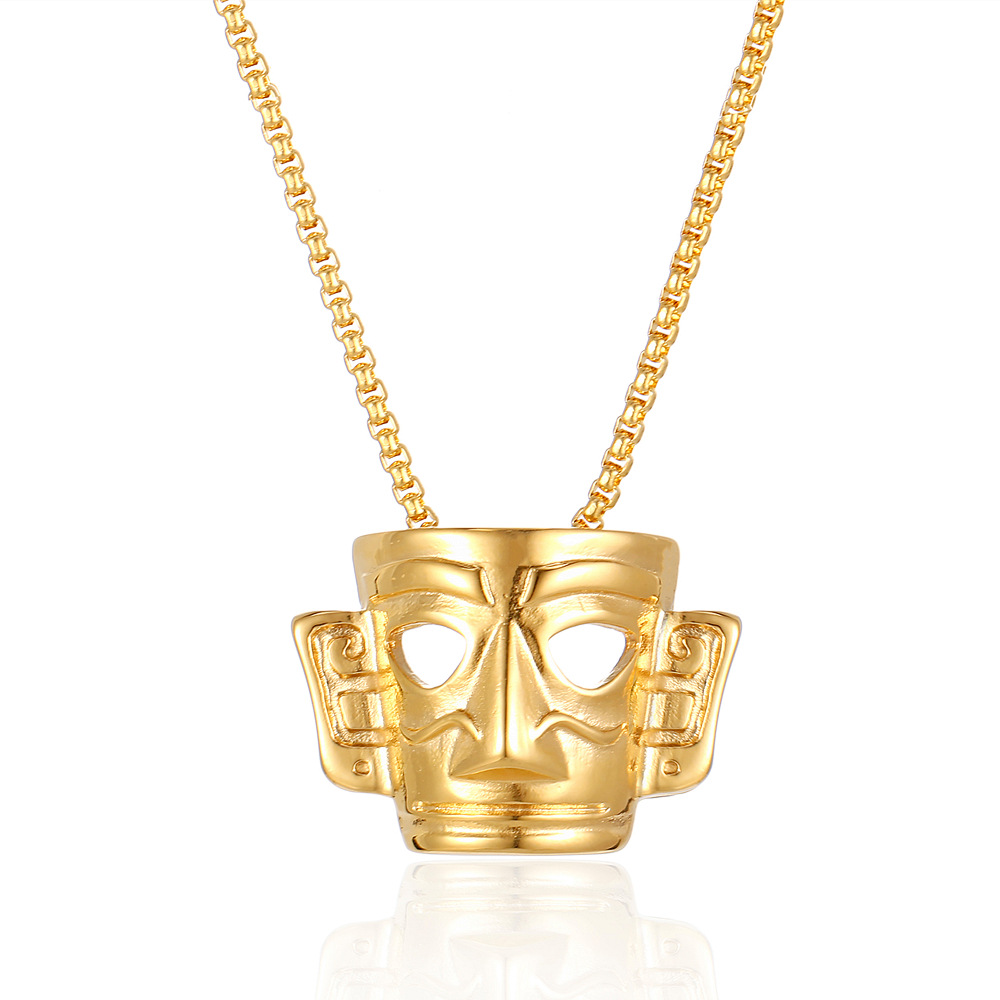
Vintage Mystery Mask Pendant Necklace Titanium Steel Retro Totem Jewelry For Men Women
$4.14
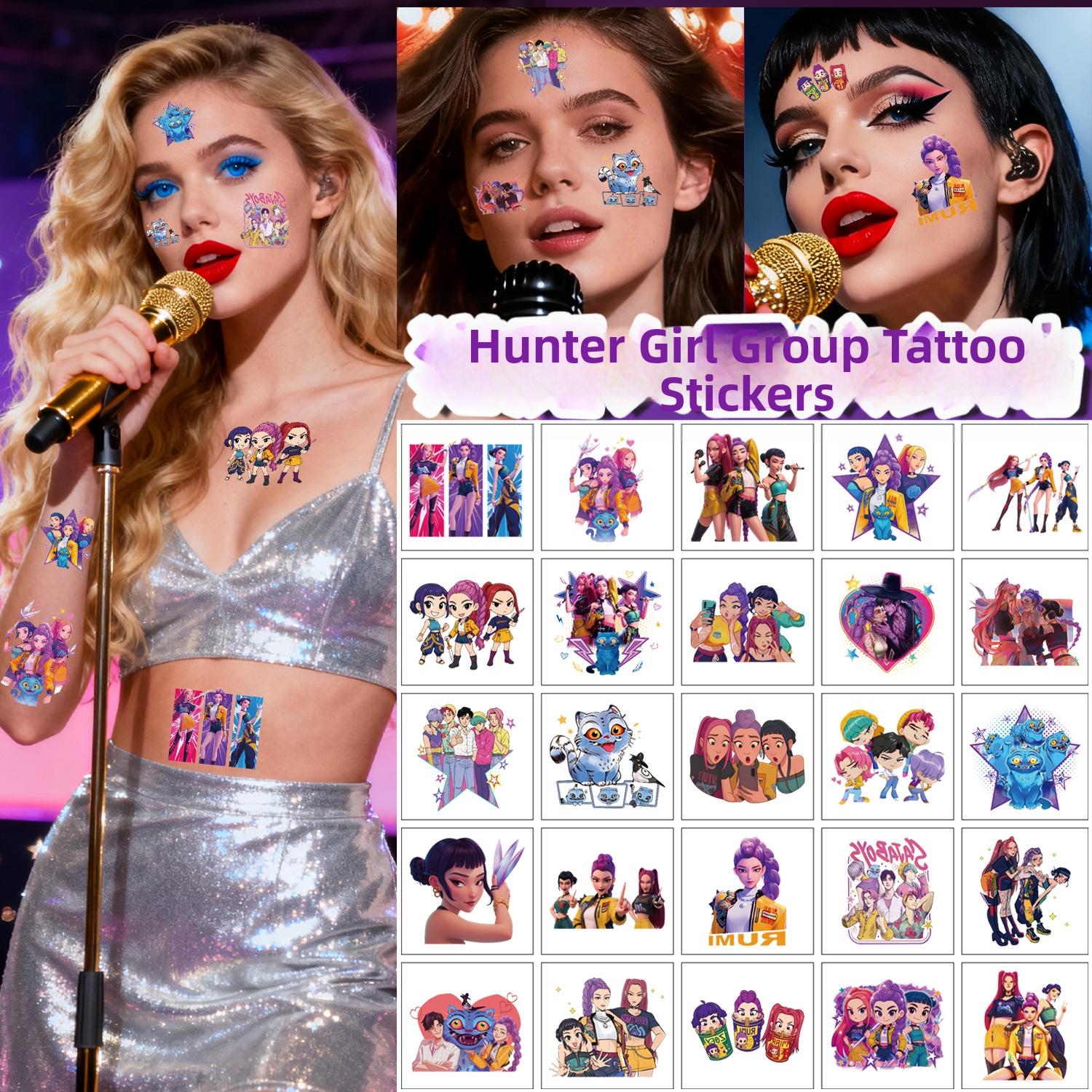
Waterproof Temporary Tattoo Stickers Anime Girl Group Mystery Horror Theme Cartoon Body Art Decals for Party Makeup
$0.03
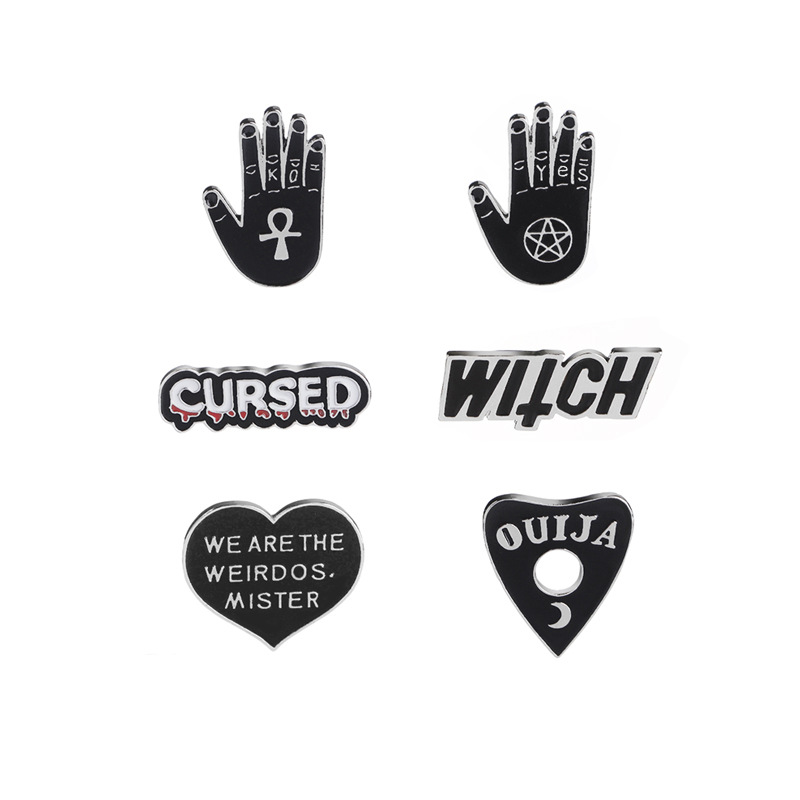
Gothic Enamel Brooch Pin Set Alloy Mystery Witch Cursed Ouija Palm Heart Badges For Clothes Backpack Decoration Jewelry
$0.42
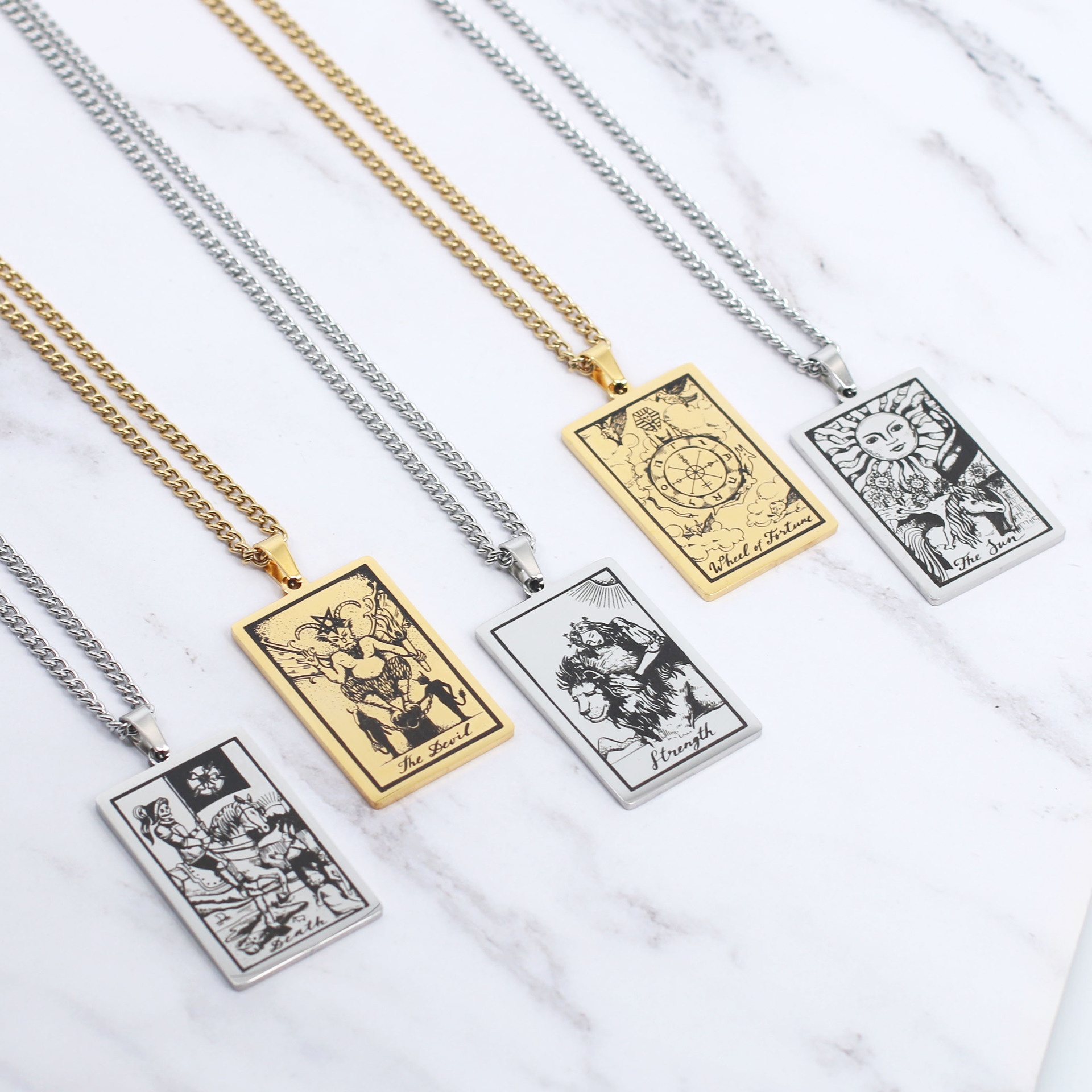
Stainless Steel Tarot Card Pendant Necklace For Men Women Retro Occult Rectangle Medallion Daily Party Mystery Jewelry Gift
$1.69
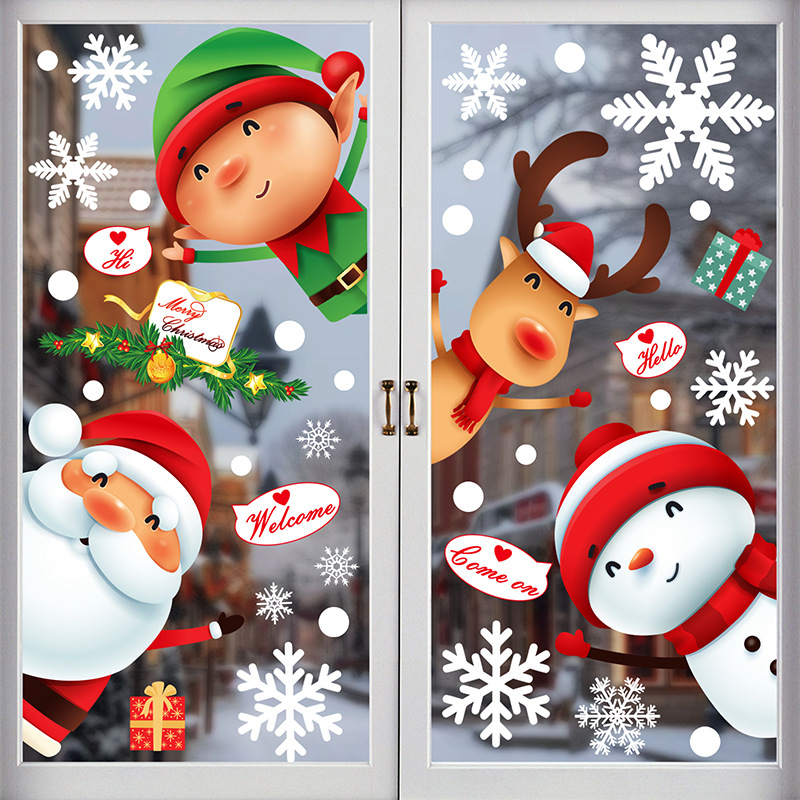
Christmas Static Stickers Cute Santa Claus Reindeer Snowflake Store Glass Window Stickers
$1.37
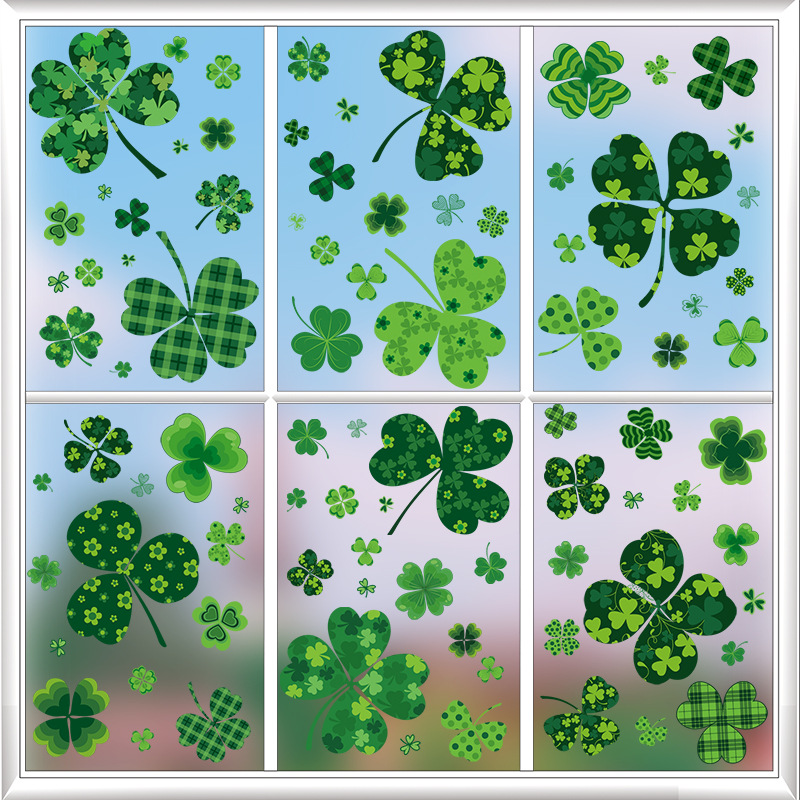
Irish Saint's Day Stickers Festive Shamrock Store Atmosphere Decoration Glass Electrostatic Stickers
$2.31
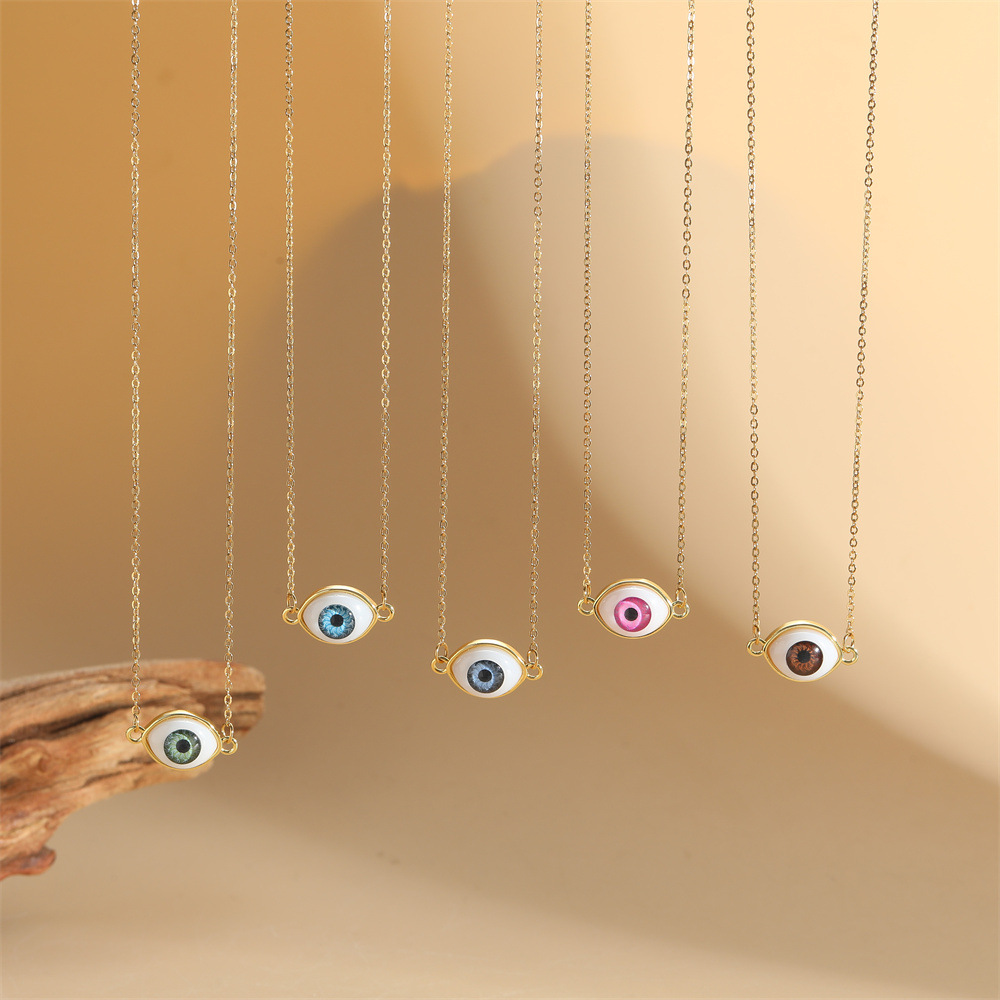
Evil Eye Pendant Necklace Gold Plated Copper Resin Eye Charm Necklaces For Women Simple Gothic Mystery Jewelry Daily Commute Accessories
$1.89
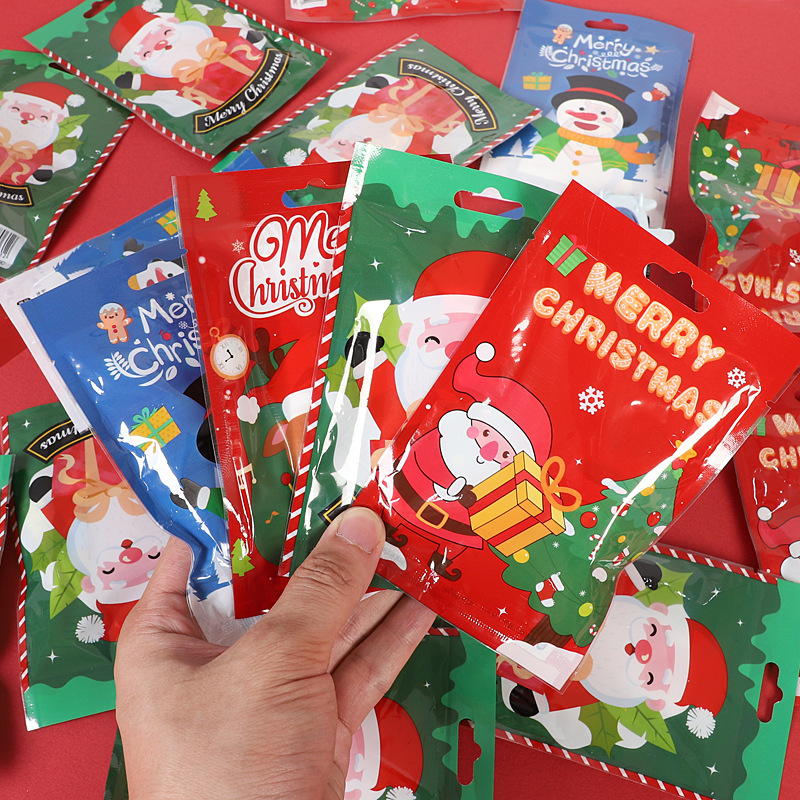
Christmas Mystery Blind Bag Santa Claus Snowman Pattern Plastic Party Favor For Kids School Classroom Award Prizes Stationery Toy Gift
$0.06
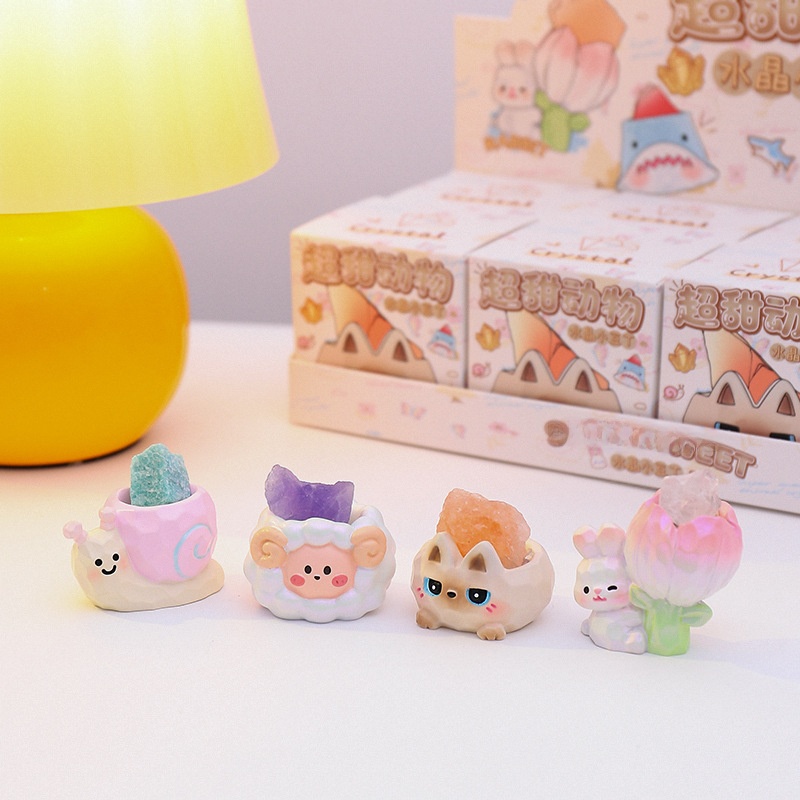
Cute Cartoon Animal Crystal Blind Box Mystery Toy Resin Natural Stone Desktop Figurine Aromatherapy Diffuser Ornament Home Decor Birthday Gift
$8.18
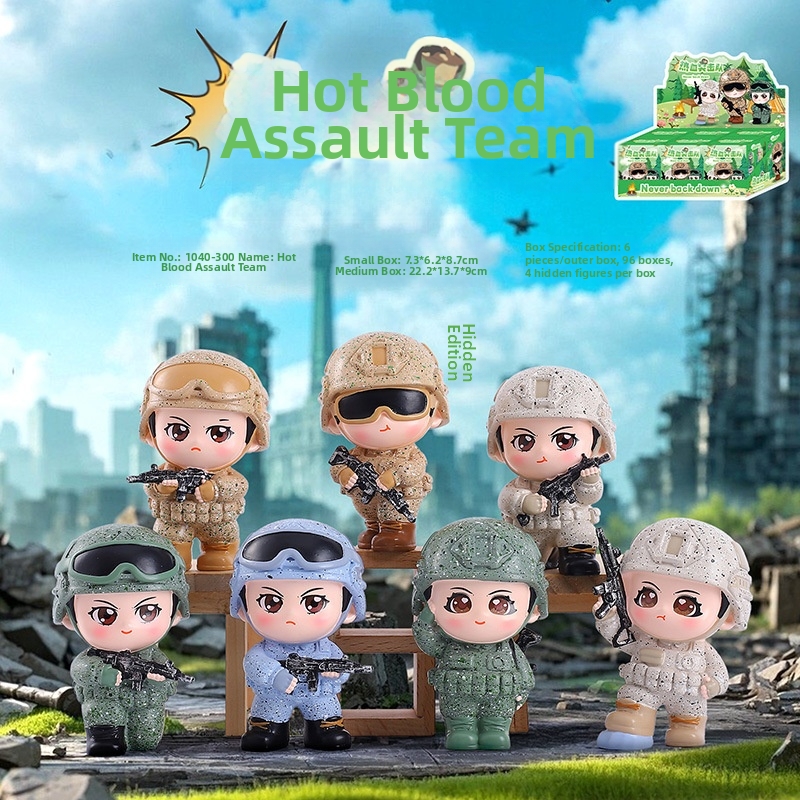
Collectible Cartoon Soldier Resin Blind Box Figurine Mystery Box Desktop Ornament For Home Office Decor Creative Gift For Boys Men
$10.37
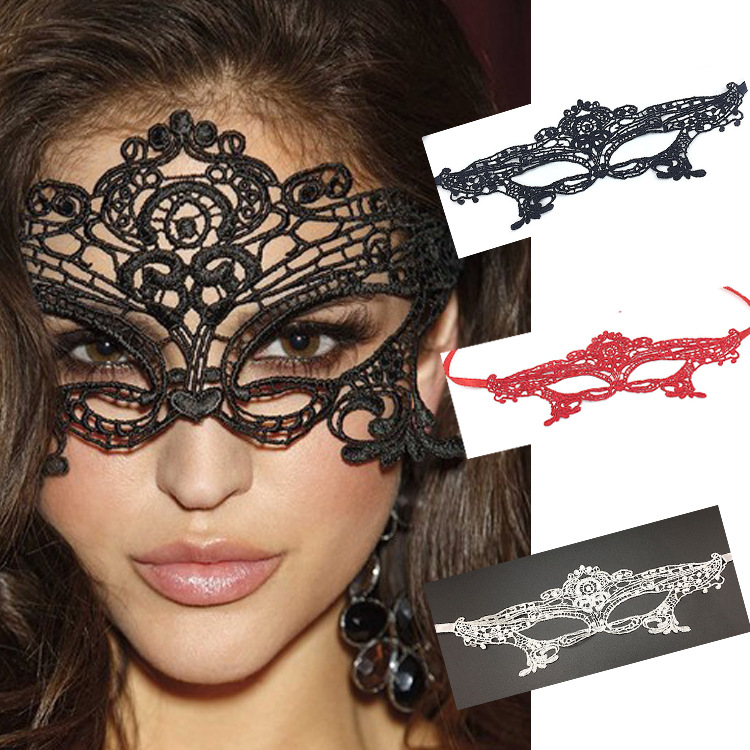
Sexy Lace Masquerade Mask Hollow Out Venetian Queen Eye Mask For Women Halloween Party Carnival Costume Props Gothic Mystery Accessory
$0.44
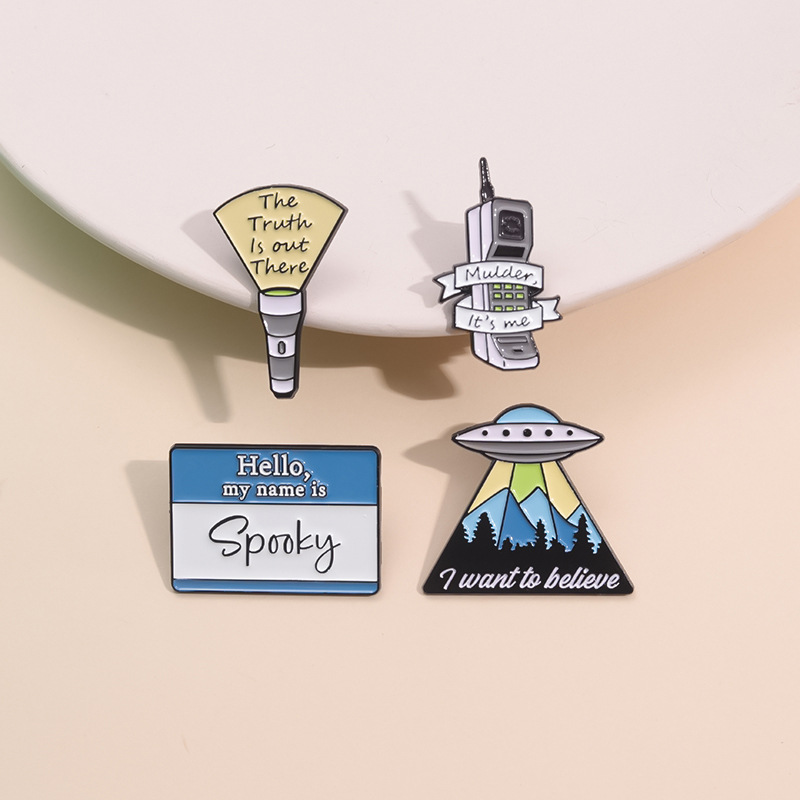
Creative Sci-Fi Mystery Enamel Pin Zinc Alloy UFO Flashlight Vintage Phone Brooch For Backpack Jacket Decor Trendy Jewelry Unisex Accessory
$0.47
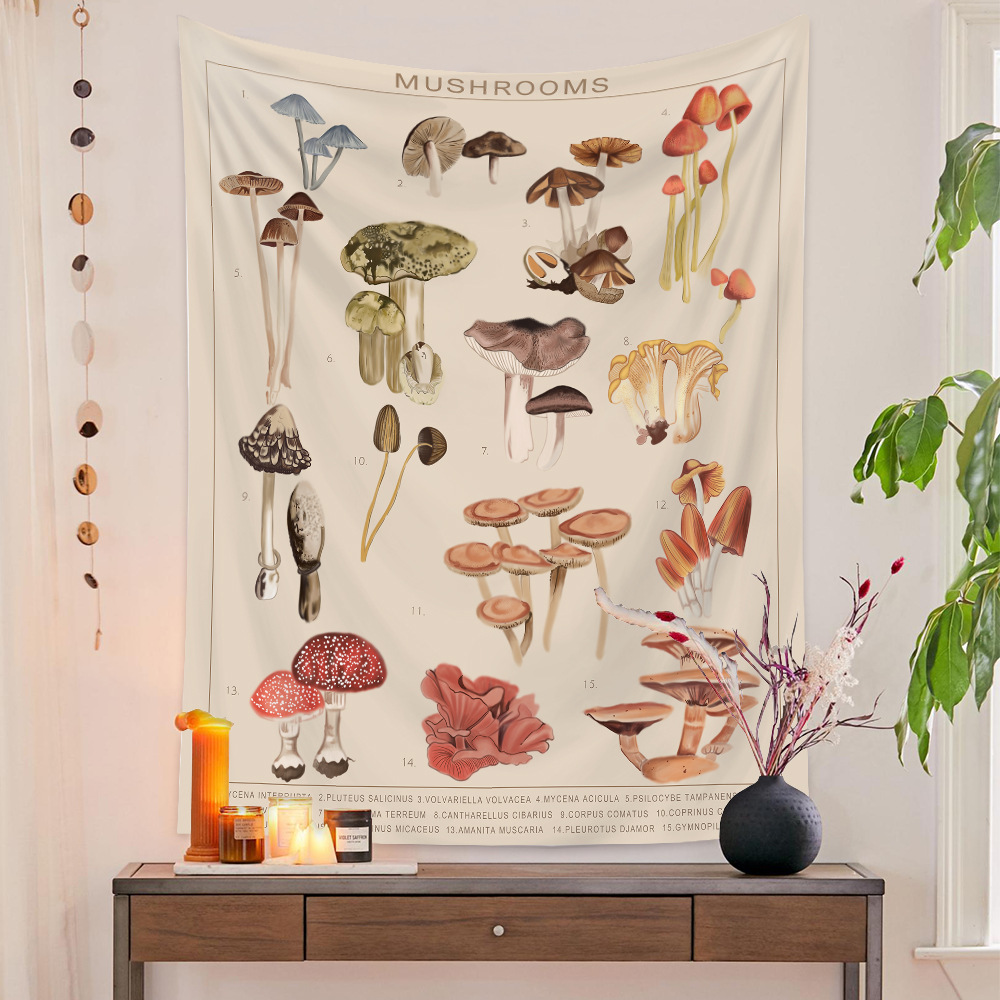
Vintage Mushroom Tapestry Polyester Wall Hanging Retro Botanical Herbs Nature Wall Decor For Bedroom Living Room Dorm Aesthetic Witchcraft Mystery Tapestries
$2.46
Curated Bundles for Mystery Tee Retailers
Bundling increases average order value and deepens the mystery experience. Each bundle below is designed for a specific sales scenario and uses DayJewel accessories that complement mystery tees.
Mystery Tee Add-On Pack
New Shopify store wanting to upsell at checkout
- Funny Medal Enamel Pin Alloy Metal Badge With Humorous English Sloganscomplement
- Vintage Venetian Masquerade Mask Half Face Glitter Plastic Maskhero
- Waterproof Temporary Tattoo Stickers Anime Girl Group Mystery Horror Themeupsell
Add-on pack retails at $12–15; COGS from DayJewel is about $0.85. That is a 93% margin on the add-on.
Occult Mystery Bundle
Pop-up stall targeting gothic, tarot, or witchy aesthetics
- Vintage Tarot Card Pendant Necklace 304 Stainless Steelhero
- Evil Eye Pendant Necklace Gold Plated Copper Resincomplement
- Gothic Enamel Brooch Pin Set Alloy Mystery Witch Cursed Ouija Palm Heartupsell
Bundle at $18 vs $23 separately; individual COGS totals $4.25, leaving $13.75 gross profit per bundle.
Blind Box Surprise Bundle
TikTok shop launch with unboxing content strategy
- Cute Animal Blind Box Mystery Figure Resin Cartoon Desktop Ornamenthero
- Cute Q-Version Ancient Chinese Hanfu Girl Blind Box Figurescomplement
- Collectible Cartoon Soldier Resin Blind Box Figurinecomplement
Three blind boxes purchased together from DayJewel cost about $20.41; retail bundle at $45 yields 55% margin. Risk: blind boxes are heavy, so shipping may be higher.