
Trend Report · May 19, 2026
AliExpress Return System vs Amazon: What Every Wholesale Buyer Must Know
A case teardown of an AliExpress buyer's refund experience reveals key differences from Amazon. Learn how return policies affect sourcing profits for resellers and boutique owners.
The AliExpress Refund Dilemma: A Real Case Study
A buyer purchased an iMAX B6 charger on AliExpress for €31.29. It arrived defective, showing a "connection break" error during battery check. The seller offered a partial refund of €9.44 without returning the item. The buyer asked: if I send it back, will AliExpress automatically refund the full amount like Amazon? This incident highlights a critical blind spot for new entrepreneurs: platform return policies differ significantly. While Amazon's A-to-z Guarantee often provides full refund upon return, AliExpress operates on a merchant-negotiated system where partial refunds are common and return shipping costs fall on the buyer. For those sourcing inventory for resale, understanding these nuances is vital for protecting margins.
The pattern extends beyond this charger. Many startups begin by sourcing from global marketplaces to minimize upfront costs. But the refund structure can eat into profits when defective inventory arrives. The seller's offer of €9.44 (roughly 30% of cost) reflects how AliExpress encourages resolution without returns. For a reseller, accepting a partial refund might be more cost-effective than paying return shipping (often €10–€15) and risking no full refund. This case underscores the need to factor in potential losses from defective products when calculating margins.
Why This Matters for Wholesale Buyers
The primary pattern is the systemic difference between Amazon's buyer-centric return policy and AliExpress's seller-favoring negotiation. This matters because more entrepreneurs are using multiple platforms for sourcing. The summary reveals the user expected Amazon-like treatment, but discovered AliExpress's process is not automatic. That expectation gap leads to cash flow surprises. For wholesale buyers on DayJewel, understanding these mechanics helps them choose suppliers wisely. The replicable lesson: always verify the return and refund terms before placing bulk orders. On AliExpress, partial refunds are standard; you may need to build a 'defect allowance' into your cost structure.
The seller's initial offer of €9.44 is an opening negotiation, not a final settlement. This pattern of 'refund negotiation' is common on AliExpress, unlike Amazon's automated system. For boutique owners, this means each supplier relationship requires policy due diligence. For example, when sourcing jewelry or accessories from global marketplaces, a 5% defect rate could lead to significant margin erosion if partial refunds are the only recourse. The source case is a concrete warning: don't assume your business will be protected like it would on Amazon.
Who Benefits Most from This Insight
Any reseller who sources from multiple platforms needs to internalize this case. The refund policy differences directly impact cash flow and profit margins. The following profiles are best positioned to apply the lessons:
Shopify seller
If you source from AliExpress for your Shopify store, understanding partial refund dynamics helps you set realistic COGS and safety stock levels. Accepting partial refunds might be better than return logistics destroying margins.
Flea-market stall operator
You often buy in bulk; defective items can't be returned to customers. Knowing you might only get 30% back from AliExpress incentivizes ordering samples first and using DayJewel for core stock.
Etsy seller
Similar concerns when using AliExpress as a supplier for custom orders. A defective component can delay deliveries. Vetting suppliers with clear refund policies is critical.
What Happened
A buyer ordered an iMAX B6 charger for €31.29 on AliExpress. Upon testing, they encountered a 'connection break' error during battery check/charging. They contacted the seller, who offered a partial refund of €9.44 without requiring the item to be returned. The buyer then turned to online forums asking if AliExpress's return system works like Amazon's — specifically, if returning the item guarantees a full refund. This moment captures the inflection point: the gap between expectation and reality for cross-platform buyers. The seller's offer reveals AliExpress's incentive structure: avoid return shipping by offering a fraction of the cost. The user's confusion highlights a systemic issue for small-scale importers who assume uniform buyer protection.
The Replicable Pattern
Platforms with merchant-centric dispute resolution systematically favor partial refunds over returns. This pattern repeats across many AliExpress transactions.
Evidence: The seller offered €9.44 on a €31.29 item — roughly 30% — indicating a standard approach. The source shows seller's offer without return and user's suspicion that full refund may not be automatic.
Buyers (and resellers) must calculate the cost of acceptance versus the cost of return. The decision hinges on item value vs shipping cost.
Evidence: Returning a €31.29 charger from Europe to China could cost €10–15, potentially exceeding the partial refund. The pattern: for low-value items, accepting partial refund is often rational.
The expectation of Amazon-level protection can lead to financial surprises; due diligence on platform policies is essential.
Evidence: User explicitly asked 'like Amazon?' — showing they assumed similar protection. The source summary confirms this expectation mismatch.
How to Apply This Pattern to Your Sourcing Strategy
This case offers clear lessons for any operator sourcing from global marketplaces. First, treat any platform's refund policy as a line item in your cost of goods sold. If partial refunds are the norm, build a 5-10% defect percentage into your pricing. Second, test small batches before scaling; this buyer lost €31.29 on a single item, but a bulk order of 100 units with a 5% defect rate would lose over €150. Third, consider switching to platforms with transparent return policies, like DayJewel, where quality is consistent and returns are straightforward. For those continuing to use AliExpress, always initiate a dispute immediately upon receiving defective items. The seller's partial refund offer is a negotiation starting point — you may counter with evidence to get a higher amount. But the time and effort spent on disputes reduces your margin. The better long-term play is to source from suppliers who offer either Amazon-level returns or low enough prices to absorb occasional losses. DayJewel's wholesale catalog offers that balance: low unit prices with reliable quality, eliminating the refund headache.
Accept partial refunds for low-cost items (<$5) to avoid return shipping. Use the refund as a margin buffer.
⚠ Repeated partial refunds can lead to 10%+ margin erosion if defect rates are high.
Source from DayJewel's curated catalog where returns are straightforward and quality is vetted. Use bundled pricing to lower per-unit cost.
⚠ Higher upfront minimum order quantities may increase inventory risk if products don't sell.
Combine AliExpress for testing and DayJewel for core inventory. Use DayJewel items as hero products and AliExpress for trend-testing low volumes.
⚠ Managing two supply chains increases operational complexity.
Products Relevant to This Trend
While the case involves a charger, the same sourcing principles apply to fashion jewelry and accessories. The following products from DayJewel can help you diversify away from risky AliExpress sourcing, with known quality and transparent return policies.
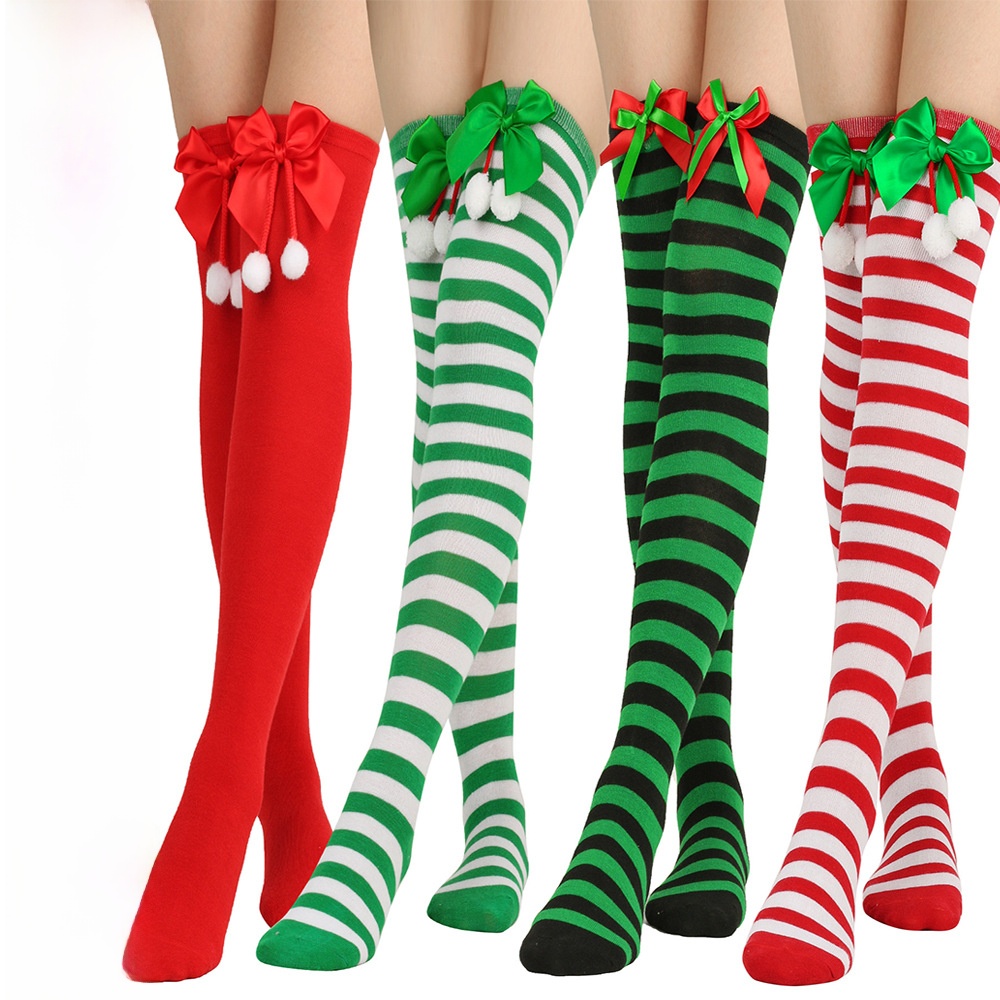
Amazon Supply Christmas Daily Necessities Christmas Socks Black And Green Striped Bow Socks Gloves Dance Costume Props
$1.44
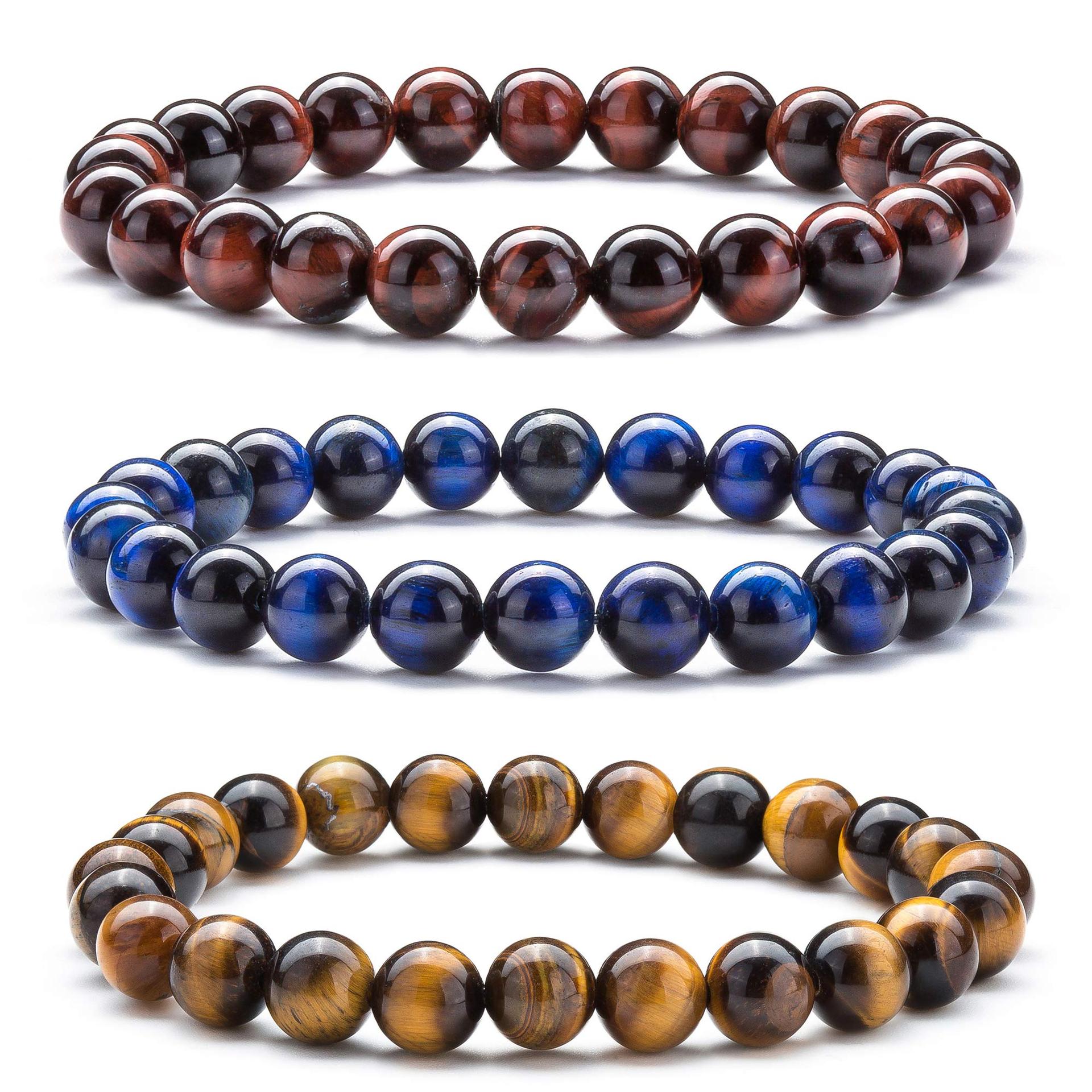
Natural Lava Stone Tiger Eye Agate 8mm Beaded Bracelet Handmade Elastic Diffuser Healing Stone Jewelry For Women Men Daily Travel Accessory
$0.27
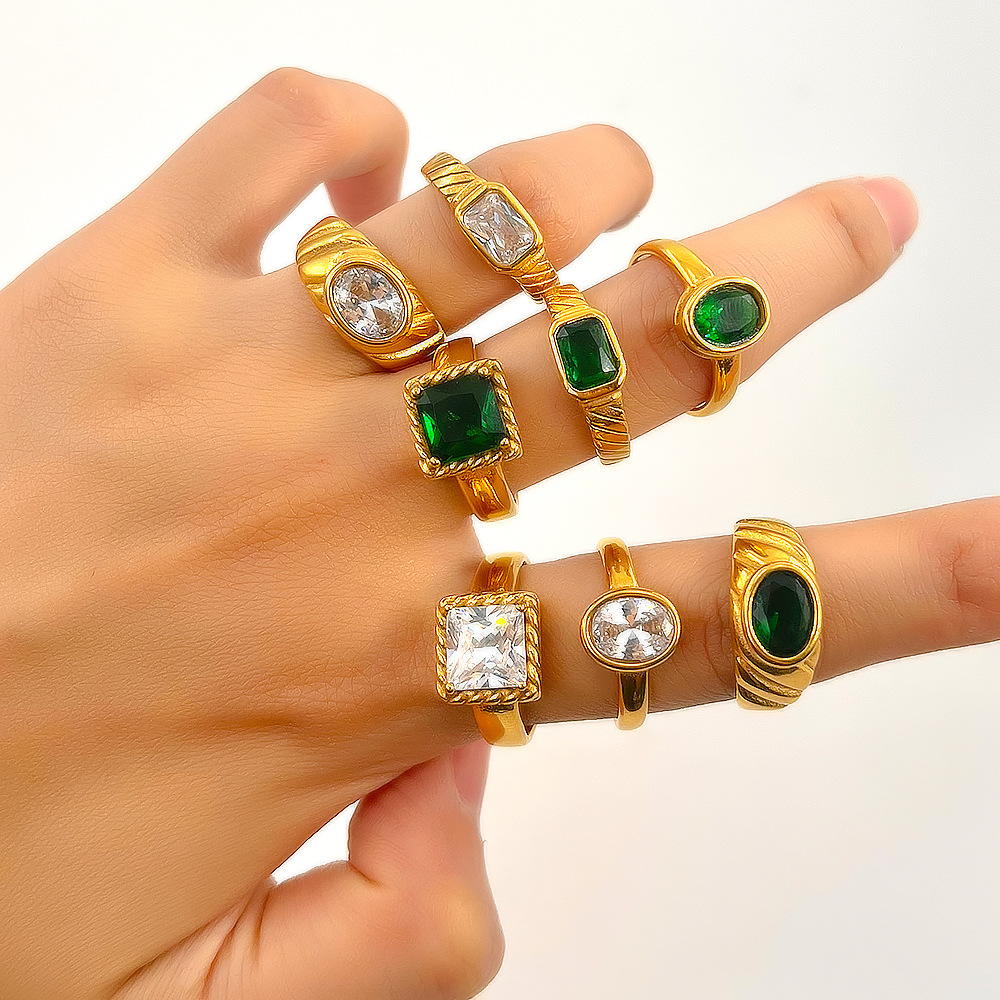
Vintage Stainless Steel Open Adjustable Ring With Oval Square Zirconia Gold Plated Geometric Texture Ring For Women Party Daily Jewelry Accessory
$3.46
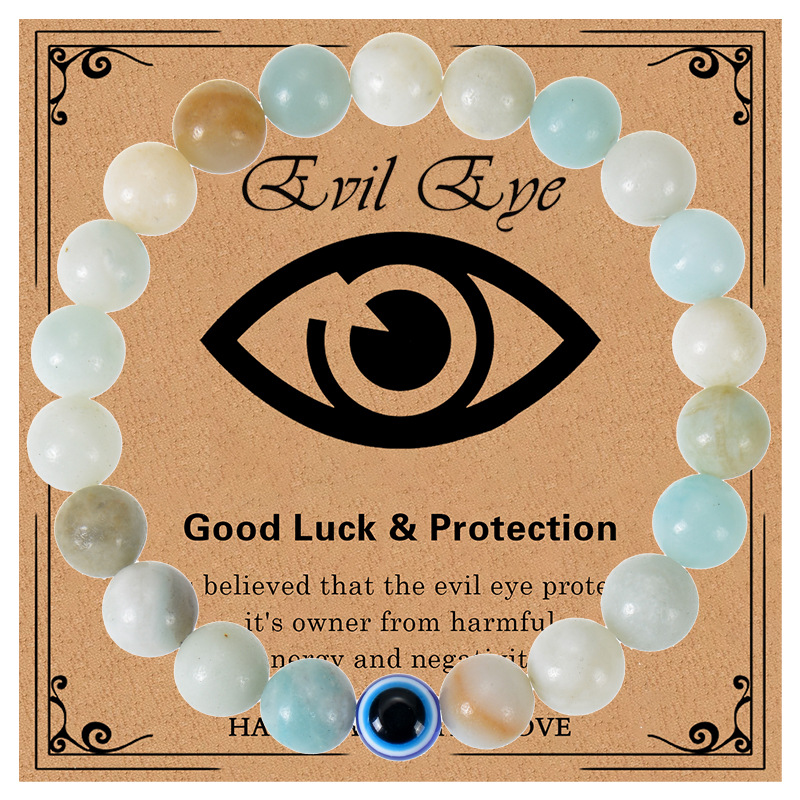
Natural Amazon Stone Evil Eye Beaded Bracelet Handmade Elastic Protection Jewelry For Women Girls Gift Ethnic Style Beaded Bangles
$1.18
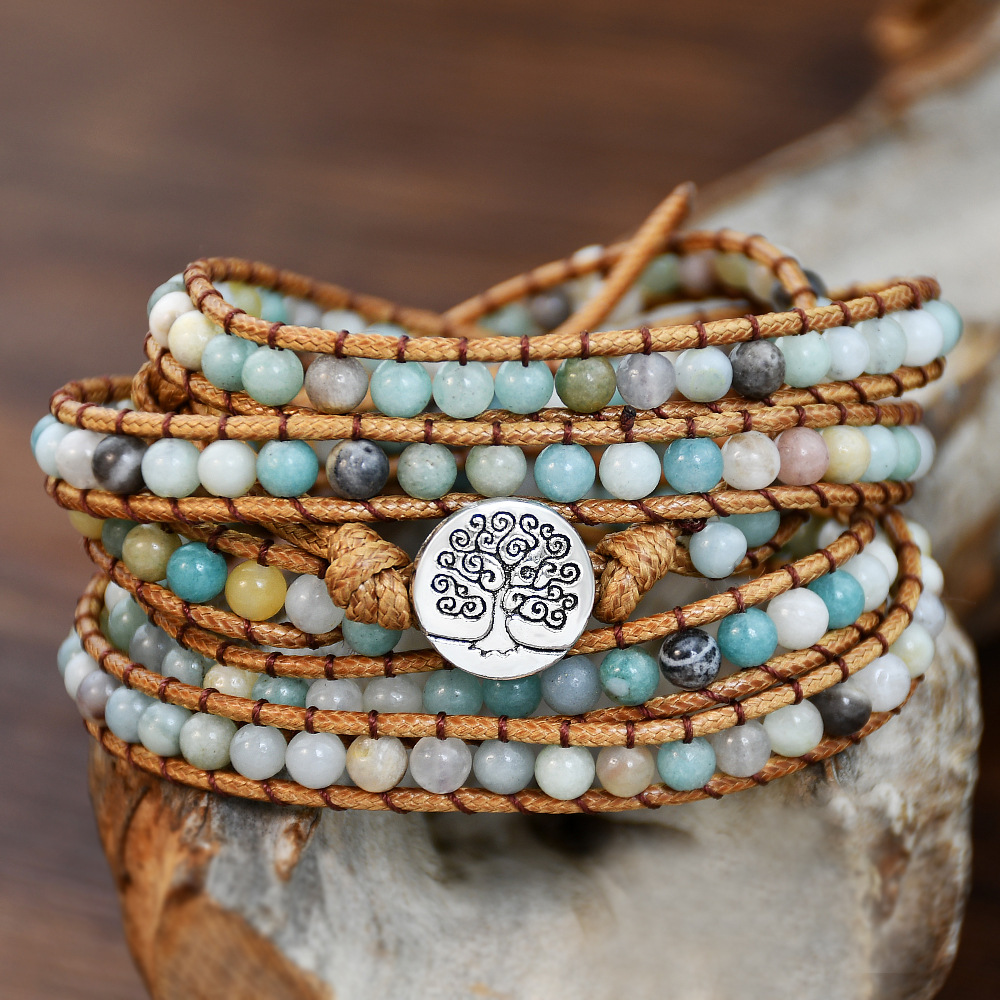
Bohemian Natural Amazon Stone Woven Wrap Bracelet With Tree of Life Charm Handmade 5-Layer Bead Strand Leather Rope Jewelry For Women Travel Daily
$6.76
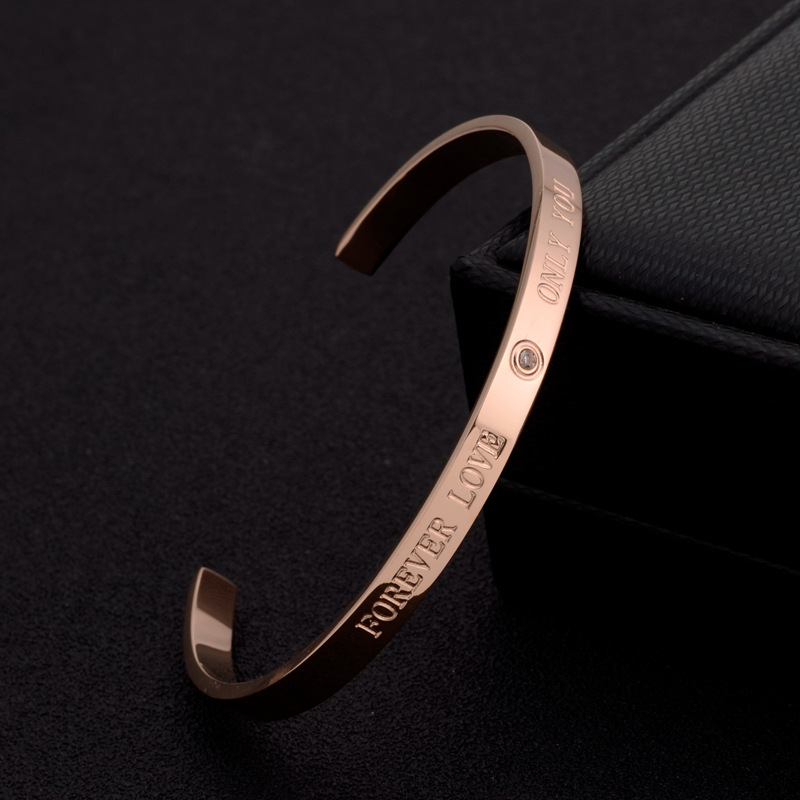
Forever Love Only You Rose Gold Stainless Steel Open Bangle With Zirconia Cuff Bracelet For Women Minimalist Fashion Jewelry Romantic Gift
$3.73
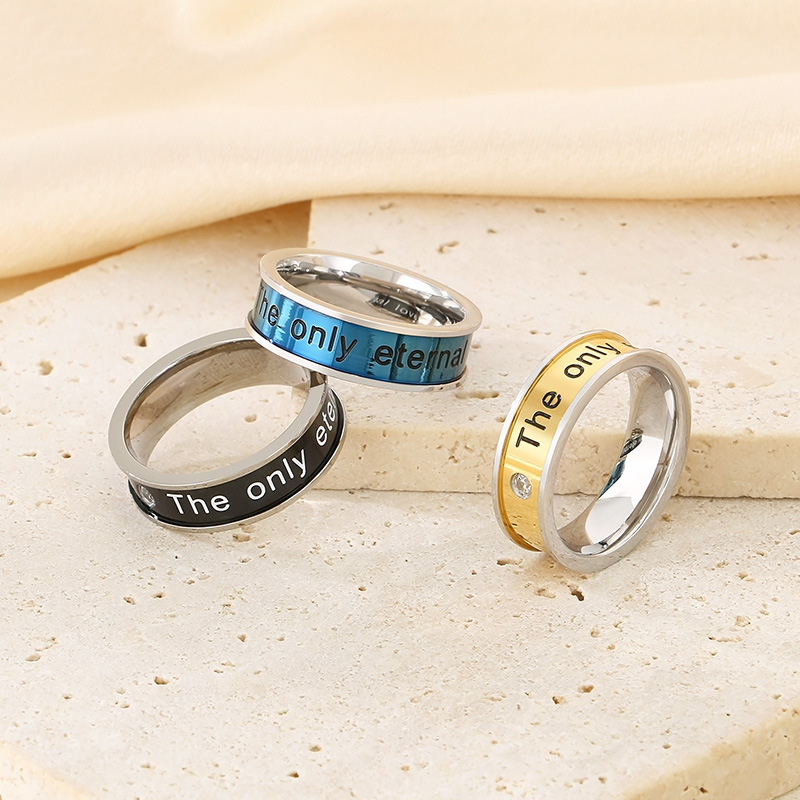
Stainless Steel Zirconia Inlaid Couple Ring Engraved The Only Eternal Fashion Band For Wedding Engagement Anniversary Men Women Jewelry
$1.57
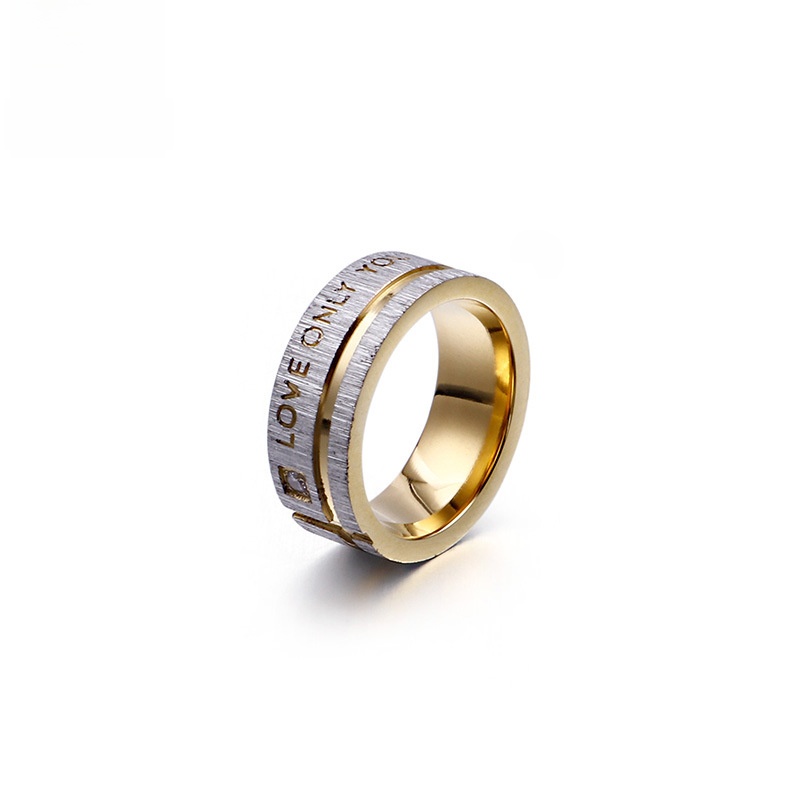
316L Stainless Steel Brushed Ring With Zirconia Love Only You Engraved Bi-color Gold Silver Couple Wedding Band For Men Women Romantic Jewelry
$1.57
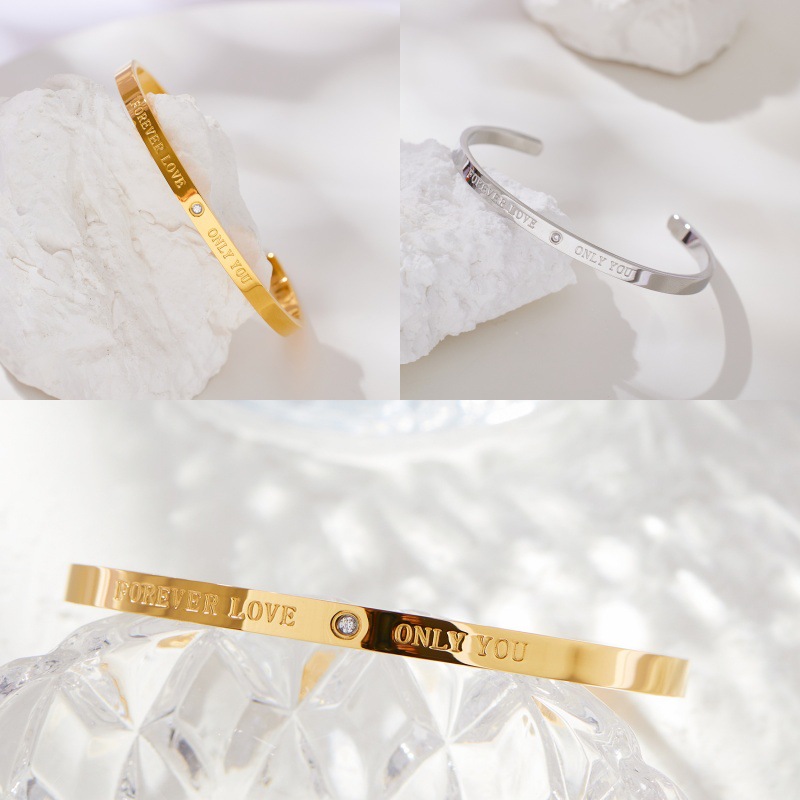
Engraved Forever Love Only You Stainless Steel Cuff Bracelet 18K Gold Plated Zirconia Open Bangle for Women ins Style Valentine's Day Jewelry Gift
$1.26
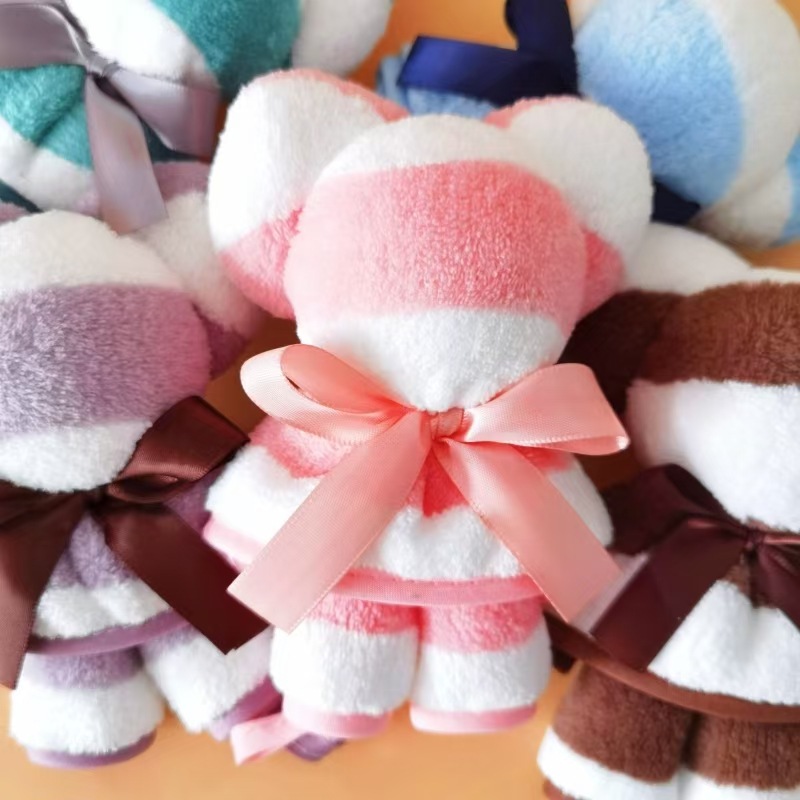
Creative Bear Shaped Towel Coral Fleece Absorbent Striped Hand Towel With Bow Tie Ribbon For Wedding Birthday Party Return Gift Guest Favors
$0.63
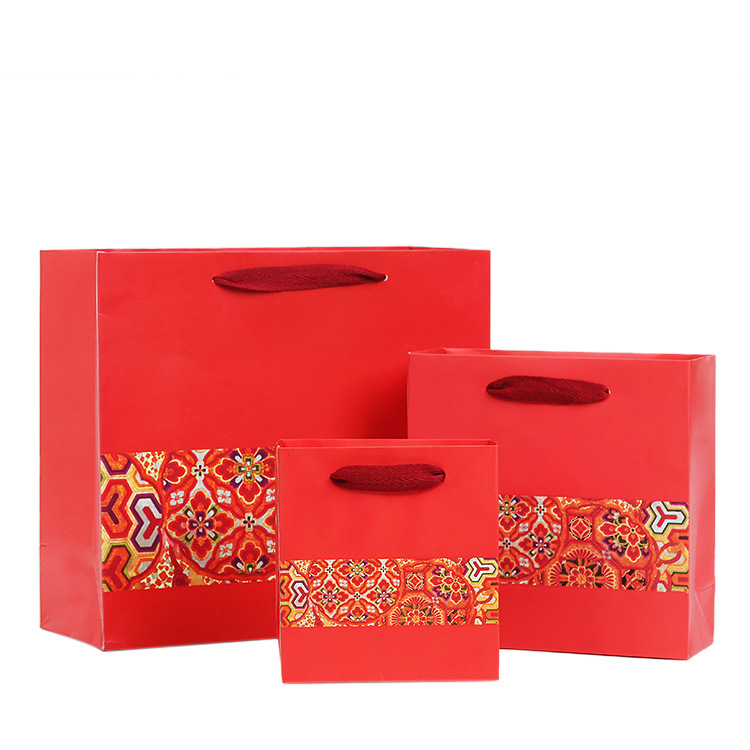
Chinese Ethnic Style Red Gift Paper Bag With Handles Flower Pattern Packaging Bag For Wedding Birthday Party Favor Return Gifts
$0.19

Cartoon Animal Paper Gift Bags Cute Waterproof White Cardboard Handbags For Kids Birthday Party Favors Wedding Return Gift Packaging Totes
$0.20
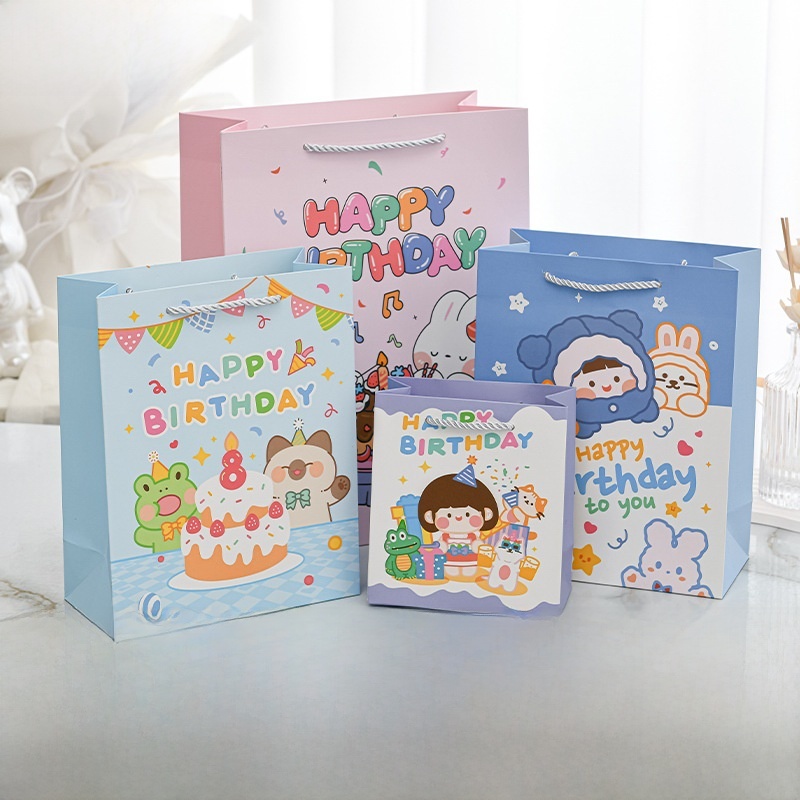
Cartoon Birthday Gift Paper Bags Portable Cardboard Handheld Gift Wrapping Bags With Handle For Kids Party Favors Wedding Guest Return Presents
$0.27
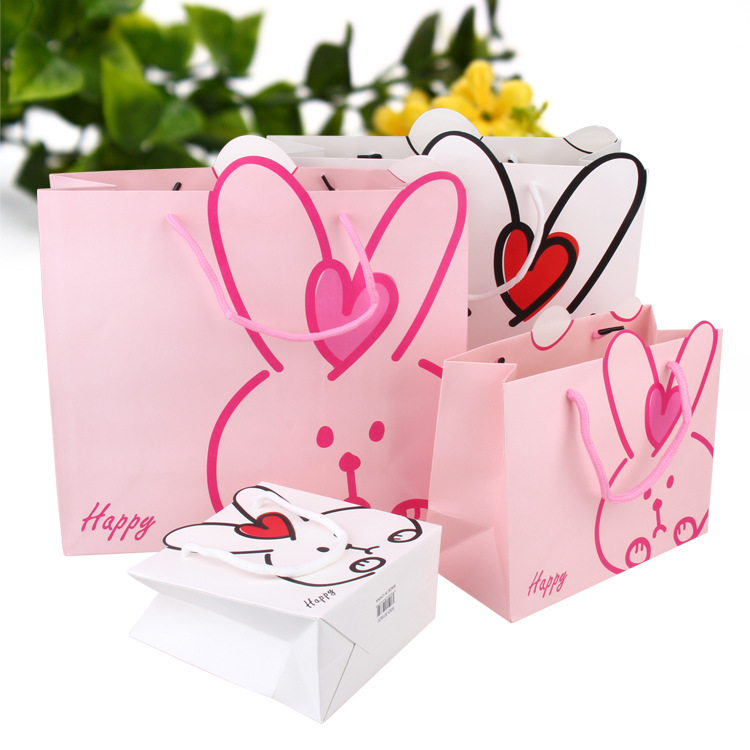
Cartoon Rabbit Gift Bag White Cardboard Handheld Paper Packaging Bag For Birthday Party Baby Shower Return Gift Small Medium Large Bags
$0.19
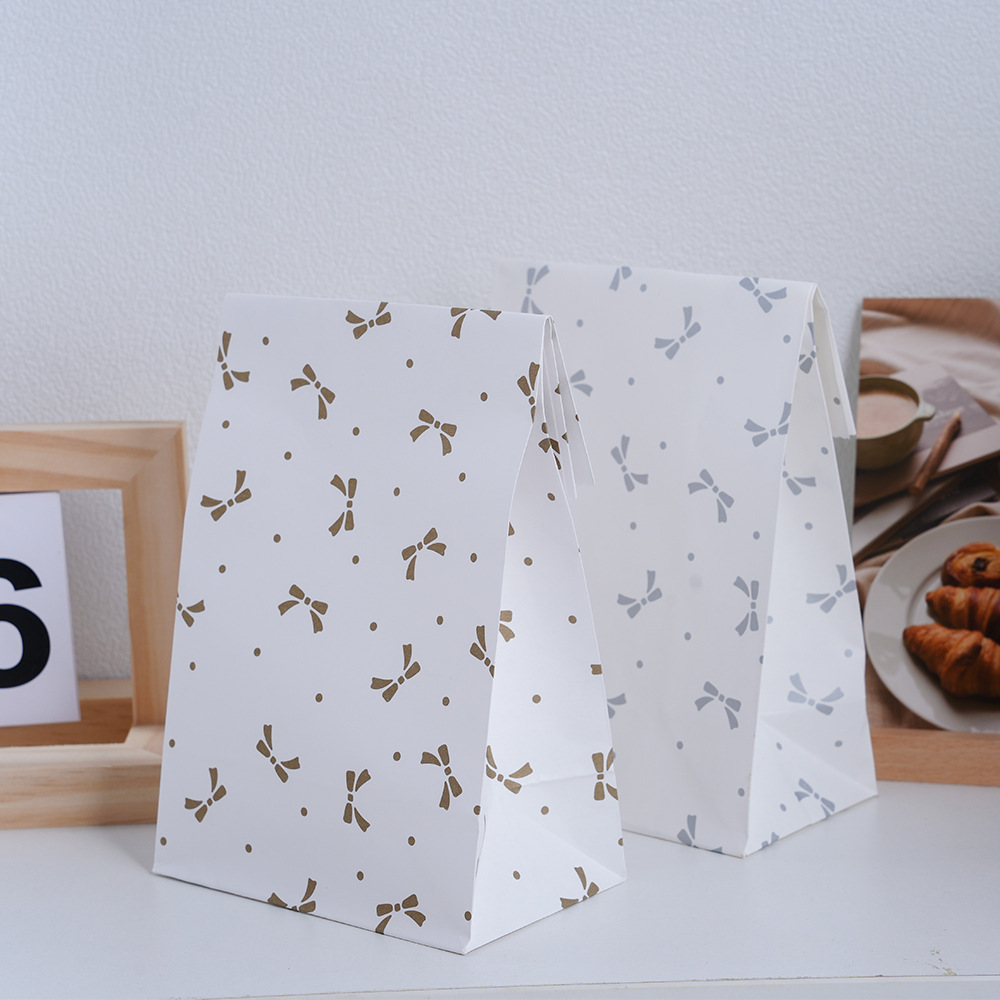
Gold Silver Bowknot Polka Dot Paper Gift Bags Small Flat Packaging Bags For Bakery Cookies Candy Party Favors Wedding Return Gifts Packaging
$0.16
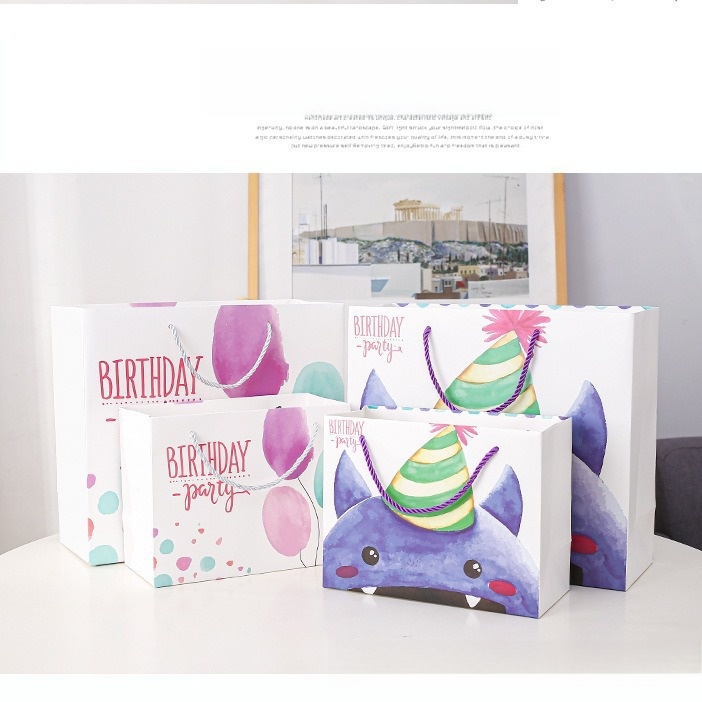
Cartoon Birthday Party Gift Bag White Cardboard Tote With Braided Handle For Kids Return Gifts Watercolor Balloon Monster Pattern Large Medium Small
$0.20
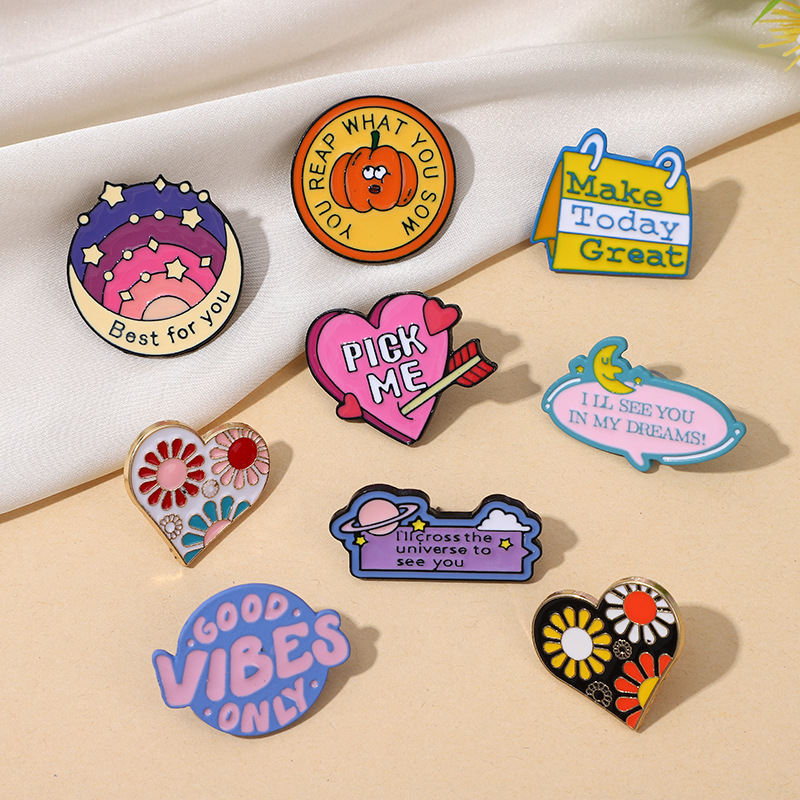
Creative Enamel Pin Badge Colorful English Quote Best For You Good Vibes Only Enamel Brooches For Backpack Clothing Jewelry Gift Unisex
$0.47
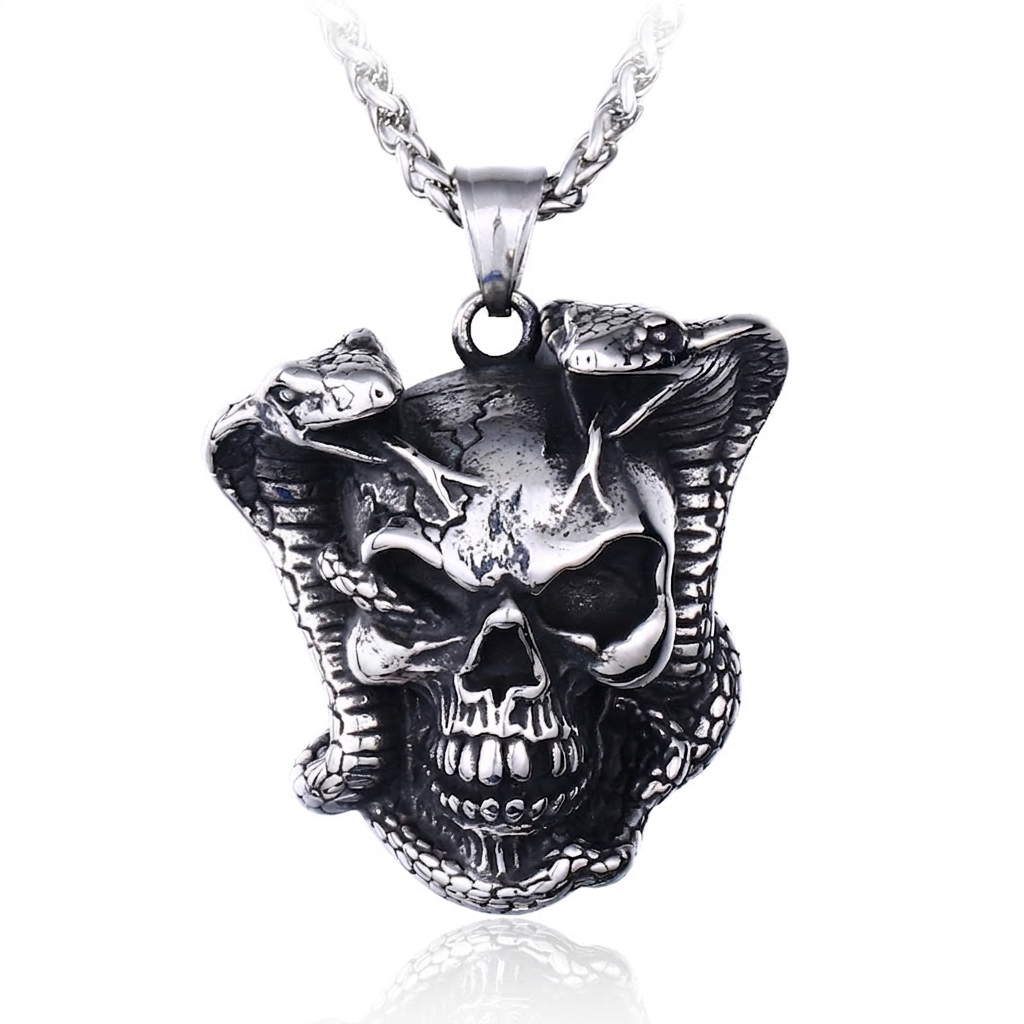
Skull And Double Snake Pendant 316L Stainless Steel Oxidized Finish Gothic Punk Rock Biker Jewelry For Men
$3.09
![Only Clothes] Second Generation Blind Box Clothes Vinyl Face Pendant Cloth Cloth Sit Party Series Baby Clothes Adorable](https://cdn.everfulwholesale.com/image/O1CN015GkZej1TqMbIrujzL_!!3552492433-0-cib.jpg)
Only Clothes] Second Generation Blind Box Clothes Vinyl Face Pendant Cloth Cloth Sit Party Series Baby Clothes Adorable
$1.59
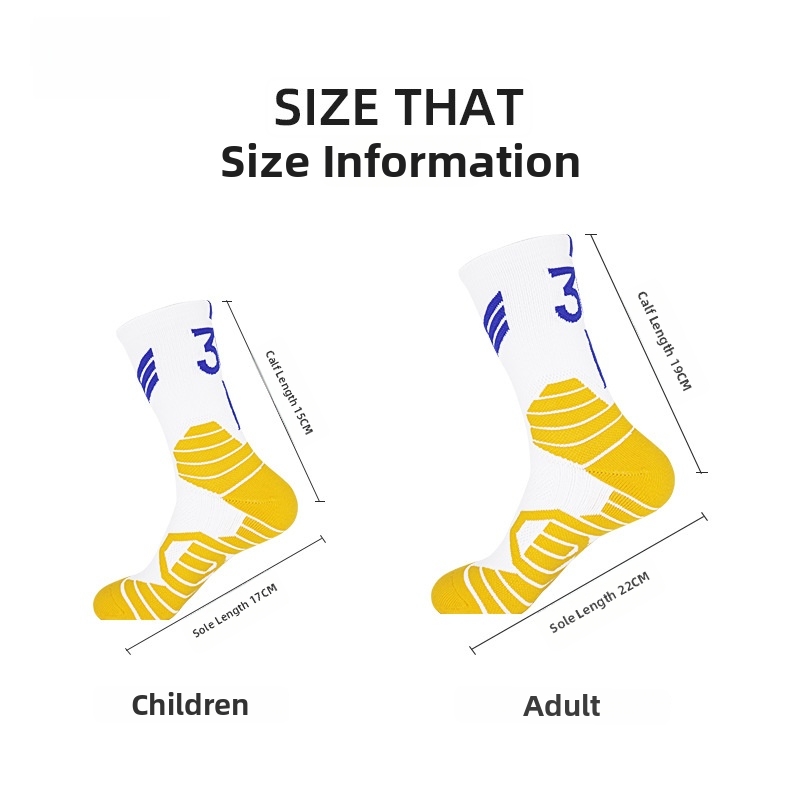
Professional Basketball Socks For Men Women Youth Thickened Cushioned Towel Bottom Sports Crew Socks Athletic Performance Training Number Socks Polyester Cotton Blend Breathable Sweat Absorbent Socks
$1.53
Smart Bundles for Sourcing Success
Bundling products from DayJewel reduces per-unit cost and minimizes the risk of dealing with unreliable suppliers. Here are three bundles tailored to the insights from our case study.
AliExpress Alternative Starter Bundle
For a first-time reseller wanting to test the market without AliExpress headaches.
- Natural Lava Stone Tiger Eye Agate 8mm Beaded Bracelethero
- Natural Amazon Stone Evil Eye Beaded Braceletcomplement
- Vintage Stainless Steel Open Adjustable Ring With Zirconiaupsell
Bundle at $4.50 vs $5.00 separately — saving 10% and avoiding partial refund negotiations.
Return Gift Sourcing Bundle
For boutique owners offering small return gifts with purchases.
- Creative Bear Shaped Towel Coral Fleece Striped Hand Towelhero
- Chinese Ethnic Style Red Gift Paper Bag With Handlescomplement
- Gold Silver Bowknot Polka Dot Paper Gift Bagsupsell
Bundle at $0.85 per set vs $0.98 separately — ideal for high-volume return gifts.
Only You Romantic Bundle
For Valentine's Day sellers wanting low-risk items with strong margins.
- Forever Love Only You Rose Gold Stainless Steel Open Banglehero
- 316L Stainless Steel Brushed Ring With Zirconia Love Only You Engravedcomplement
- Engraved Forever Love Only You Stainless Steel Cuff Bracelet 18K Gold Platedupsell
Bundle at $4.50 vs $6.56 separately — high margin potential for Etsy or Shopify.