
Trend Report · May 14, 2026
The 'Item Unavailable in Your Location' Problem: A Seller's Case Teardown
A customer ordered but can't see the listing anymore. Learn how geo-blocking errors hurt repeat sales and how to fix it for your cross-border accessories business.
The 'Item Unavailable in Your Location' Problem
A buyer placed an order for stainless steel grilling trays. The item was already sorted in their country, in transit. Then the listing vanished. Trying to access it returned: "this item's currently unavailable in your location." Switching the "ship to" setting to different countries—where the item wasn't blocked—didn't help. Even after reading advice that changing the default shipping address would reveal the listing, the buyer got nothing. That moment—a paid customer locked out of the product page—is the inflection point. It signals a broken link between inventory truth and storefront visibility. For accessories sellers using platforms like Shopify or Etsy, this scenario repeats whenever shipping zones are misconfigured or product listings are tied to overly narrow geo-restrictions. The buyer's frustration is your lost repeat revenue.
The source highlights a store selling mostly stainless steel grilling/baking trays, but the same pattern applies across categories—including fashion jewelry, flag pendants, and enamel pins. When a listing becomes invisible in a region where orders have already been fulfilled, trust cracks. The seller probably set a location restriction thinking it would prevent orders from certain countries, but didn't account for existing customers or shipments already in transit. This isn't a rare glitch. It's a symptom of poor listing management that directly impacts customer lifetime value.
Why This Pattern Matters Now
Cross-border e-commerce is booming. Shopify store owners, Etsy sellers, and pop-up operators regularly tap into international demand for accessories like national flag bracelets, country enamel pins, and world map necklaces. But with opportunity comes complexity. Many sellers set location restrictions based on limited carrier coverage or fear of high shipping costs, then forget to update them. The result: a buyer in Canada who previously bought a World Cup silicone wristband suddenly sees "unavailable" when trying to re-order. That buyer won't try again. The pattern is emerging because the cost of geo-blocking errors is now higher—customer acquisition is expensive, and retention is fragile. The source's example of trying multiple different countries without success shows how blunt the tool is. Sellers need surgical precision: restrict only where you cannot fulfill, not entire regions.
For accessories wholesalers buying from DayJewel, this translates to a critical operational rule: your products are physical and shippable to most countries. If you block a country where you've already sold, you're leaving money on the table. The key transferable insight is to align your listing's shipping zones with your actual fulfillment capability—and to leave a buffer for in-transit orders. That buffer is simple: never restrict a product in a country where any order from that product is still being delivered.
Who Can Act on This Pattern
This teardown is most valuable for sellers who manage international orders across multiple platforms. If you ship flag-themed jewelry or enamel pins to more than three countries, you've likely already encountered the 'unavailable' error. The profiles below show which operators are best positioned to repeat the lesson.
Shopify seller
Uses Shopify's shipping profiles to set per-product country restrictions. Can easily audit and remove outdated blocks using bulk editing.
Etsy seller
Etsy's location settings are item-level. A wrong click can hide a listing from a buyer who just purchased.
Pop-up / flea-market operator
Often sells across borders informally. If you list on Instagram or a basic store, you might not realize a geo-block is active until a customer complains.
What Happened
A buyer ordered stainless steel grilling/baking trays from an online store. The item was received by the local postal service in their country—"currently being sorted." When the buyer tried to access the product page again to check details or re-order, they got: "this item's currently unavailable in your location." The listing was gone. They tried changing the 'ship to' country to several different locations where the item was presumably not blocked, but the message persisted. Another user had suggested that entering a different default shipping address (not just the country) would work, but that also failed. The buyer also noticed that a bunch of other items in the same store—mostly in the same category of stainless steel trays plus some other products—had also disappeared. The store had seemingly geo-restricted its entire catalog after the buyer's order was already in transit. That inflection point—a live order coexisting with a blocked listing—is the story's core.
The Replicable Pattern
Geo-restrictions should be based on actual fulfillment capability, not saved settings from last month.
Evidence: The item was already sorted in the buyer's country, meaning the seller could fulfill there. Yet the restriction blocked it. The pattern: sellers set and forget shipping zones, ignoring current order data.
Consistent listing visibility across countries builds repeat sales. Inconsistent visibility destroys them.
Evidence: The buyer wanted to re-order or engage with the same item but couldn't. That one friction point may prevent a second purchase entirely. The seller lost future revenue from a proven customer.
Inventory and listing settings must be synchronised with order lifecycle.
Evidence: If an order is in transit to a country, that country should be unblocked for that SKU at least until delivery is complete. The seller's blanket restriction didn't account for this.
How to Apply This Pattern to Your Accessories Business
First, audit your shipping profiles. On Shopify, go to Settings > Shipping > Shipping Profiles. Look for any profile that excludes a country by name. If you sell items like the North American Country Flag Necklaces ($0.42) or the European City Landmark Enamel Pins ($0.50), you likely want them available in every country unless you have a carrier restriction (e.g., no DHL to Serbia). Remove blanket exclusions and instead use product-specific exclusions only where you have hard evidence of fulfillment failure. Second, implement a "buffer zone" policy. For any product that has an open order in a particular country, do not restrict that product in that country until the order is marked delivered. You can automate this with a Shopify flow: detect inbound orders and prevent shipping profile changes for those SKUs in those countries. Third, test your listings monthly. Use a VPN to browse your store from three different countries. Add a top-selling sku (e.g., 240218 Braided National Flag Leather Bracelet at $0.47) to the cart. If you see "unavailable", you've found a silent revenue leak.
Review all shipping profiles and remove country restrictions from products that ship via standard postal carriers. Include only specific exceptions (e.g., lithium battery items).
⚠ You may accidentally accept orders from countries with no reliable carrier. Mitigate by using a shipping automation app that blocks only at checkout.
Check each listing's 'Shipping' section for 'Which locations do you ship to?' Set to 'Worldwide' for most accessories. Only narrow for items that are heavy or fragile.
⚠ Worldwide shipping may lead to returns from countries with high postage costs. Offer tracked shipping only for orders over $15.
If you list on Facebook, ensure your shipping settings don't exclude any country. Facebook defaults to 'Local', which can hide your listing from past buyers in other regions.
⚠ No geo-restrictions means you might get a buyer from a country with high shipping rates. Build that into your price (e.g., $0.25 wristband + $4 shipping).
Top Products to Sourcing for Cross-Border Success
These DayJewel products are highly relevant to the 'different countries, same category' issue. They sell well internationally and require accurate shipping zone management. Use them as test items to audit your own store's location settings.
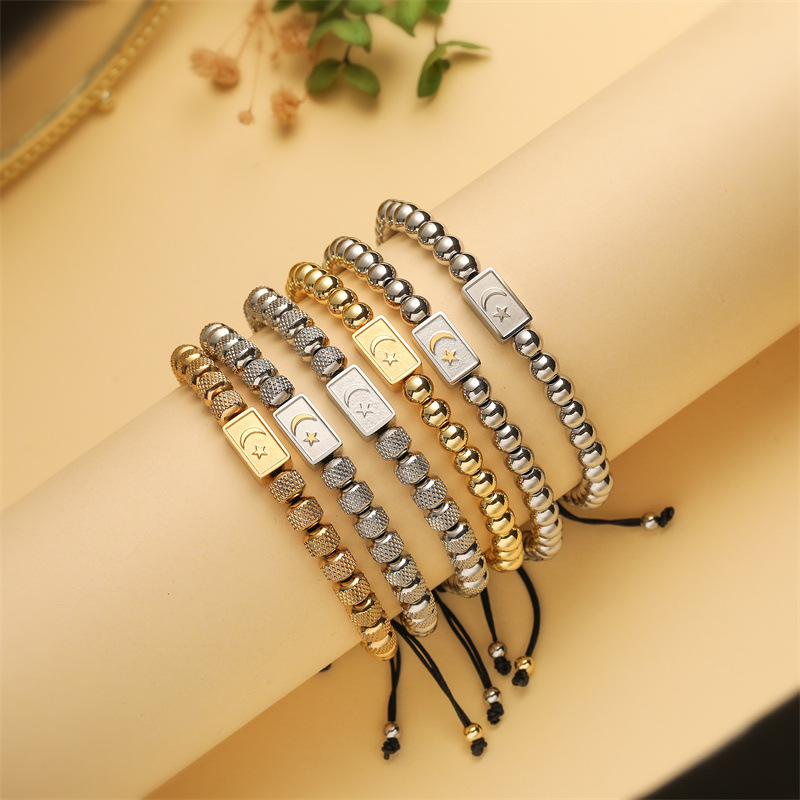
Men's Star Moon Beaded Bracelet Hand Woven Adjustable Rope Chain Stainless Steel Alloy Beads Square Charm Retro Punk Style Jewelry For Men Boys Daily Party Accessories
$3.64

5Pcs Reading Theme Enamel Pin Set Alloy Books Cat Hourglass Brooches Currently Reading Certified Bookworm Future Author Badges For Bibliophiles Writers
$0.47
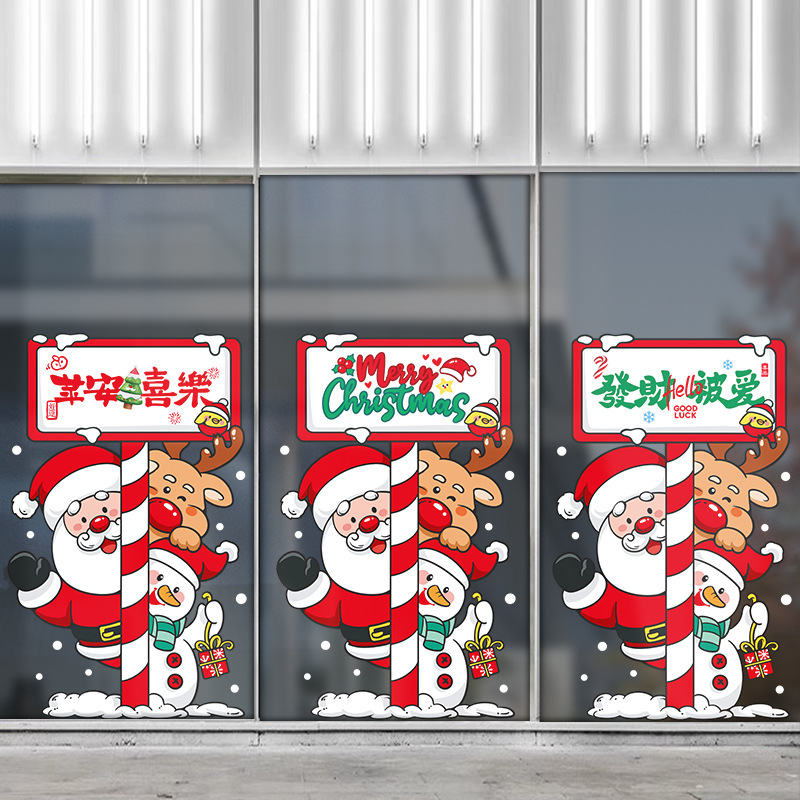
Christmas Window Stickers Static Cling PVC Santa Claus Snowman Reindeer Pattern Double Sided Same Color Decals For Shop Glass Door Home Holiday Party Decoration
$2.59
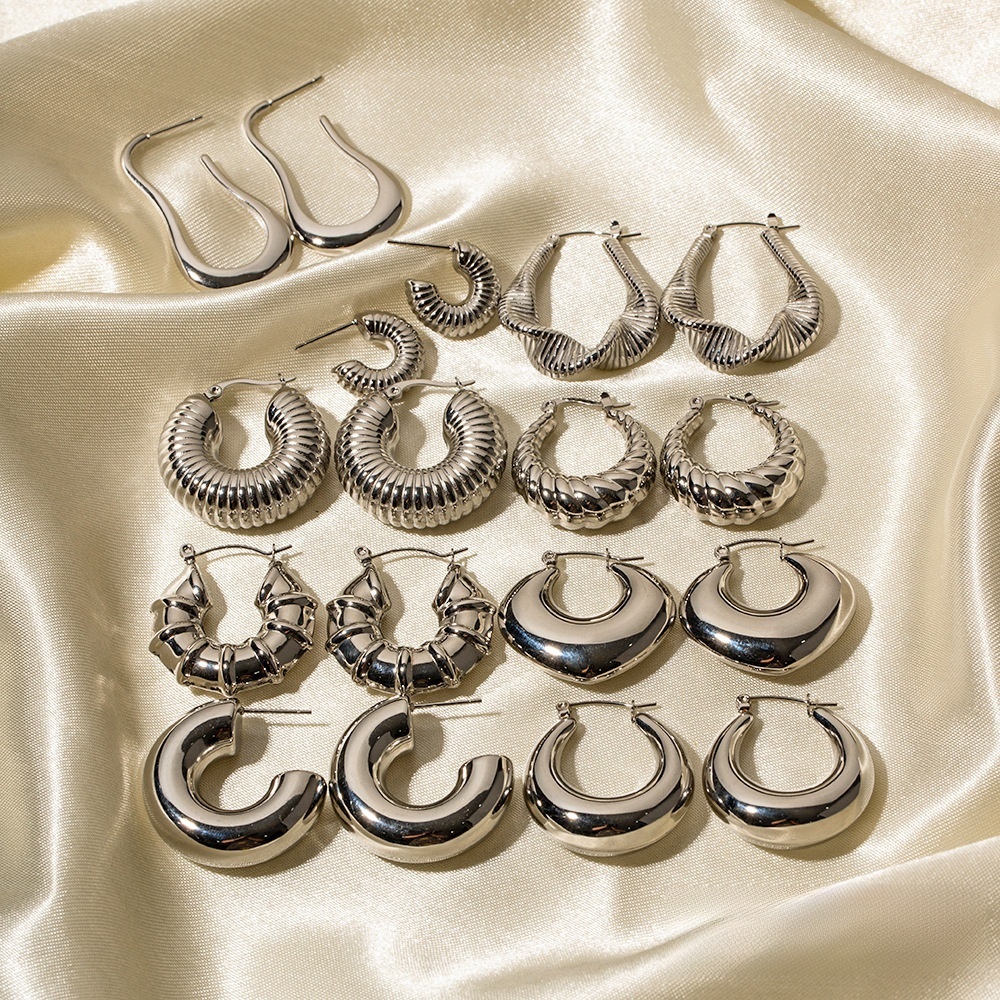
Minimalist Stainless Steel Hoop Earrings For Women French Style Glossy C-Shape U-Shape Geometric Silver Earrings INS Influencer Same Style Hypoallergenic Daily Jewelry
$2.49
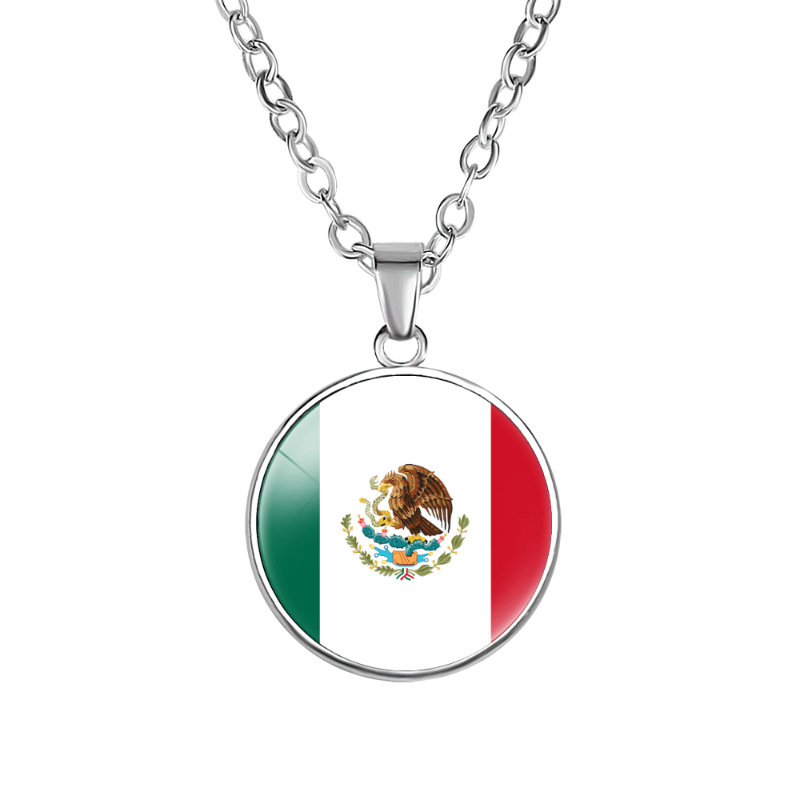
North American Country Flag Necklaces: United States Canada Mexico Belize Dominica Cuba
$0.42
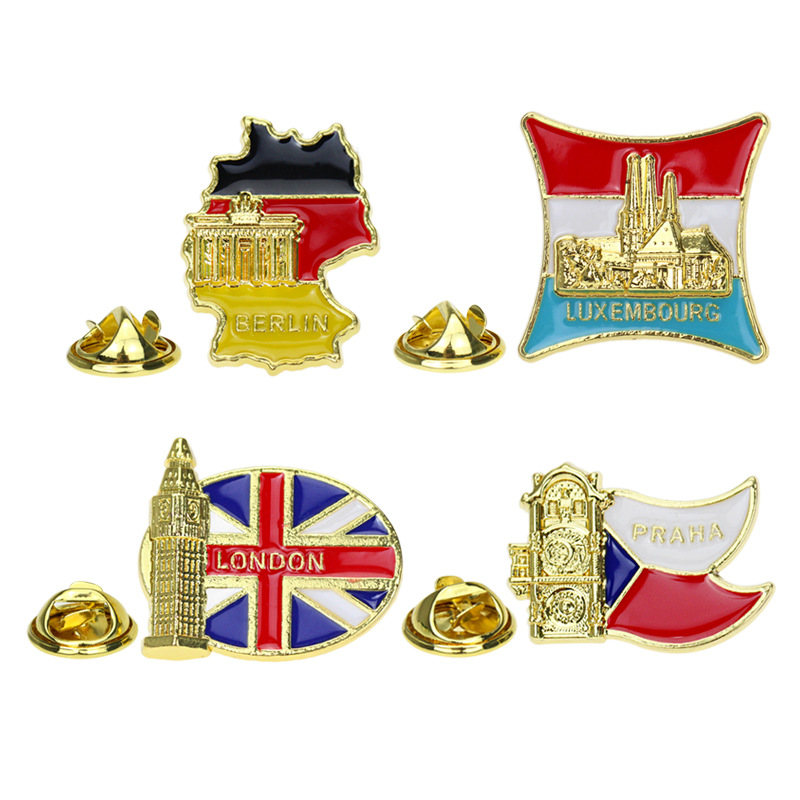
European City Landmark Enamel Pins Zinc Alloy Flag Souvenir Brooches Berlin London Luxembourg Prague Travel Jewelry For Men Women
$0.50
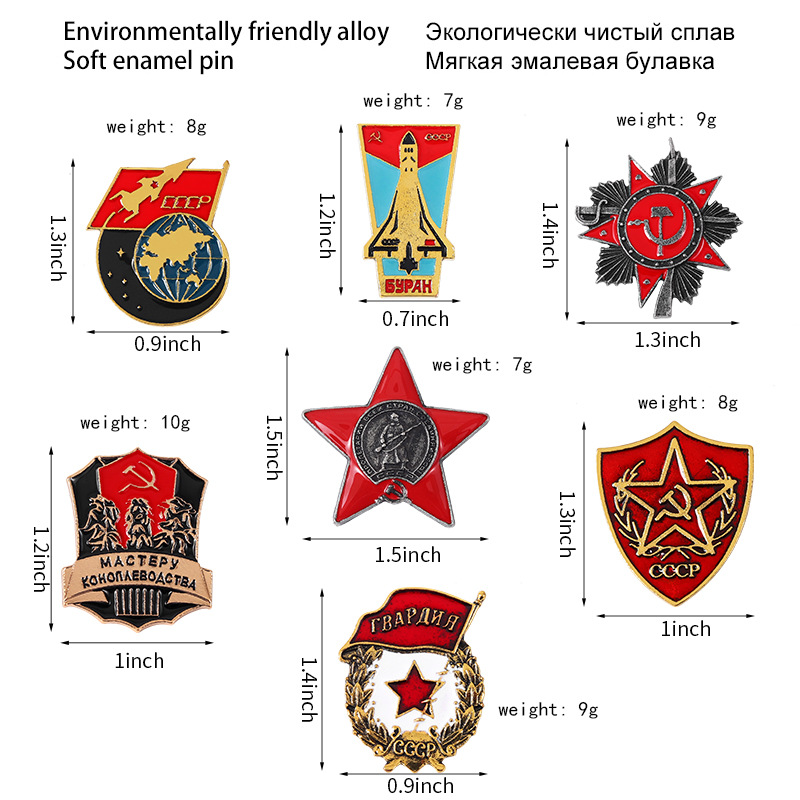
Vintage Soviet Union CCCP Enamel Badge Pin Alloy Red Star Hammer Sickle Military Brooch For Collection Cosplay Accessories
$0.47
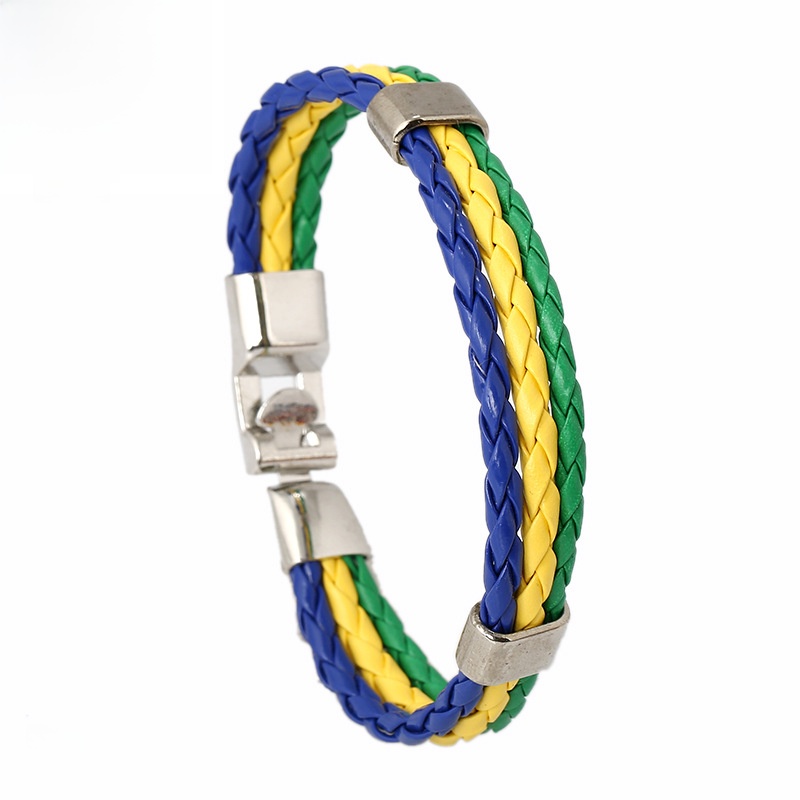
Braided National Flag Leather Bracelet PU Leather Alloy Magnetic Buckle World Cup Country Flag Hand Wristband for Men Women Fans Jewelry
$0.47
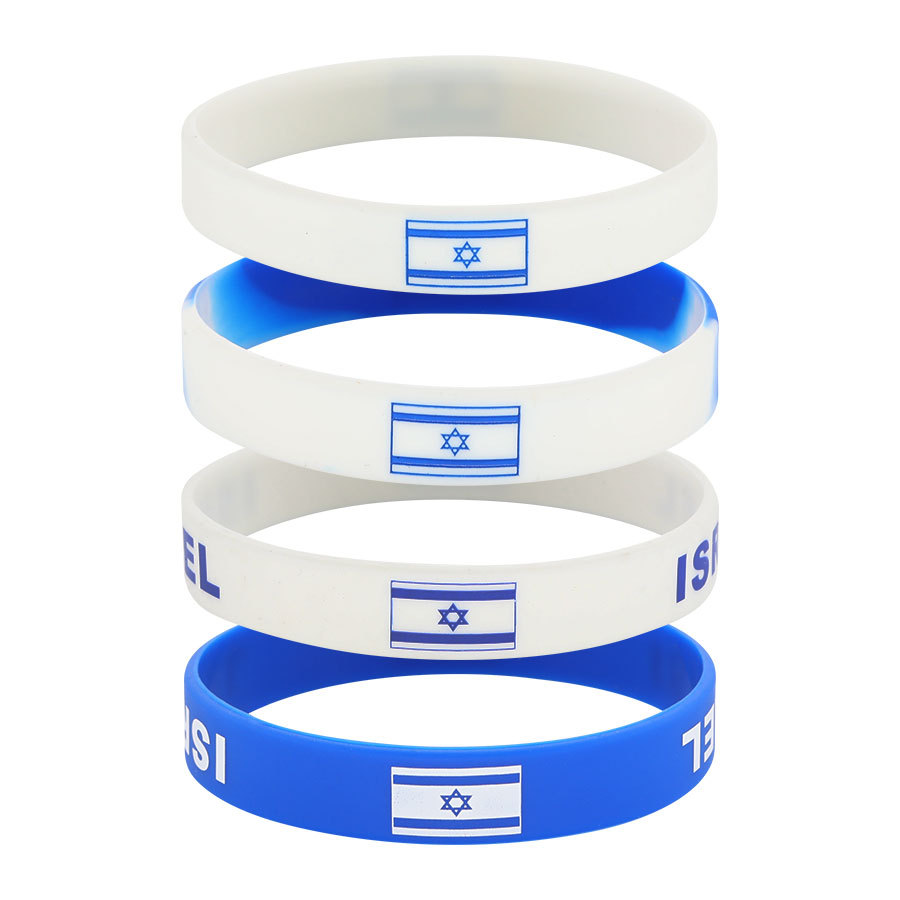
Elastic Silicone Bracelet With Israel Flag Print Classic Blue White Country Identity Wristband For Football Sports Fans
$0.25
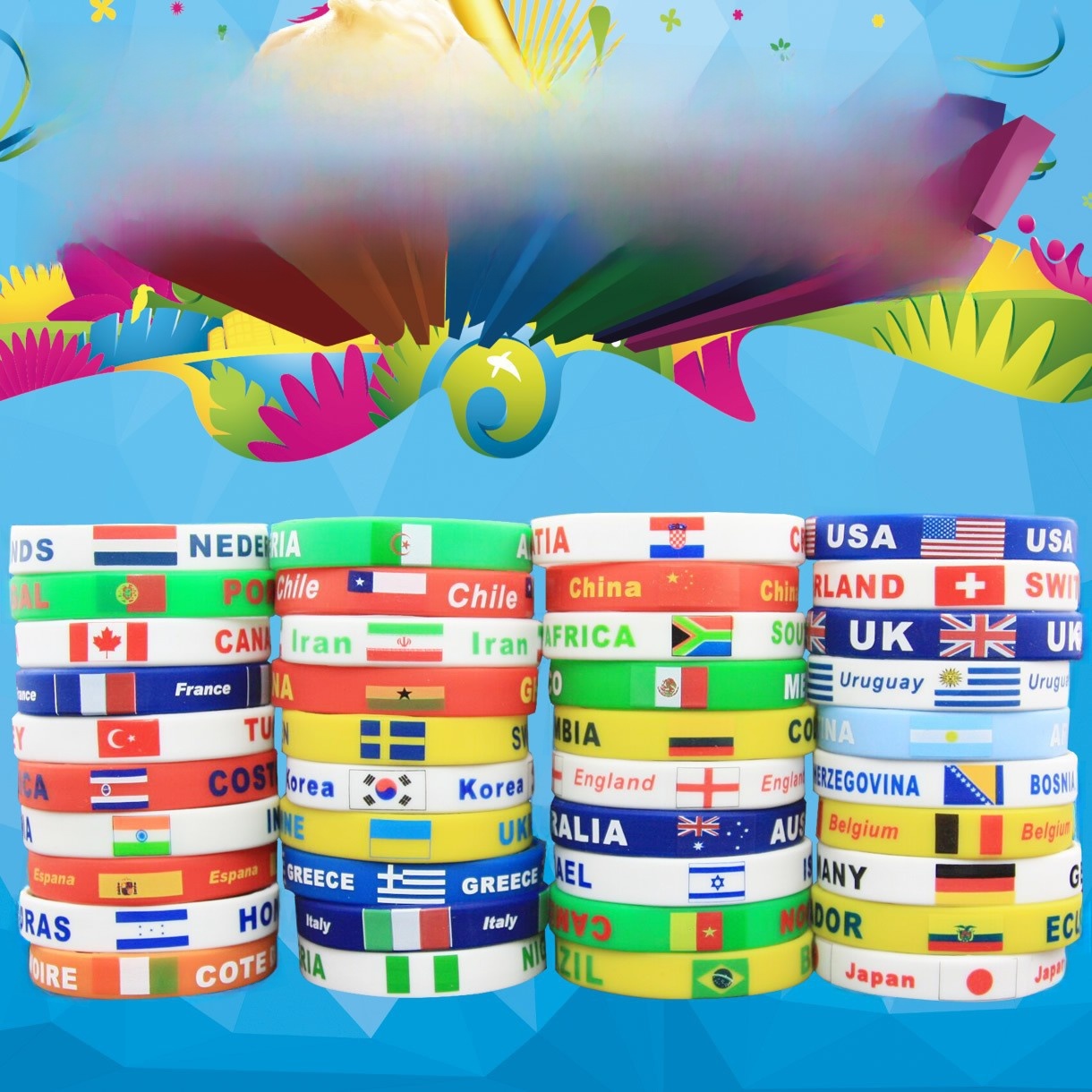
National Flag Silicone Wristbands Sporty Elastic Bracelet Soccer Fans World Cup Party Accessory For Unisex Adults Kids
$0.25
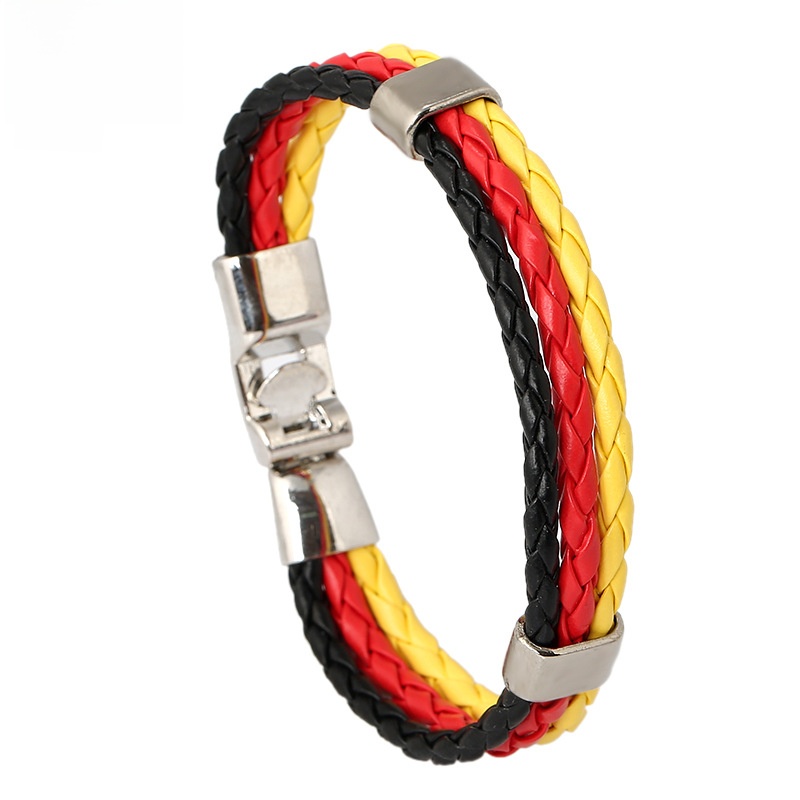
National Flag Woven Bracelet PU Leather And Alloy Braided Wristband World Cup Sports Match Party Fan Jewelry For Men Women Casual Fashion Jewelry
$0.47
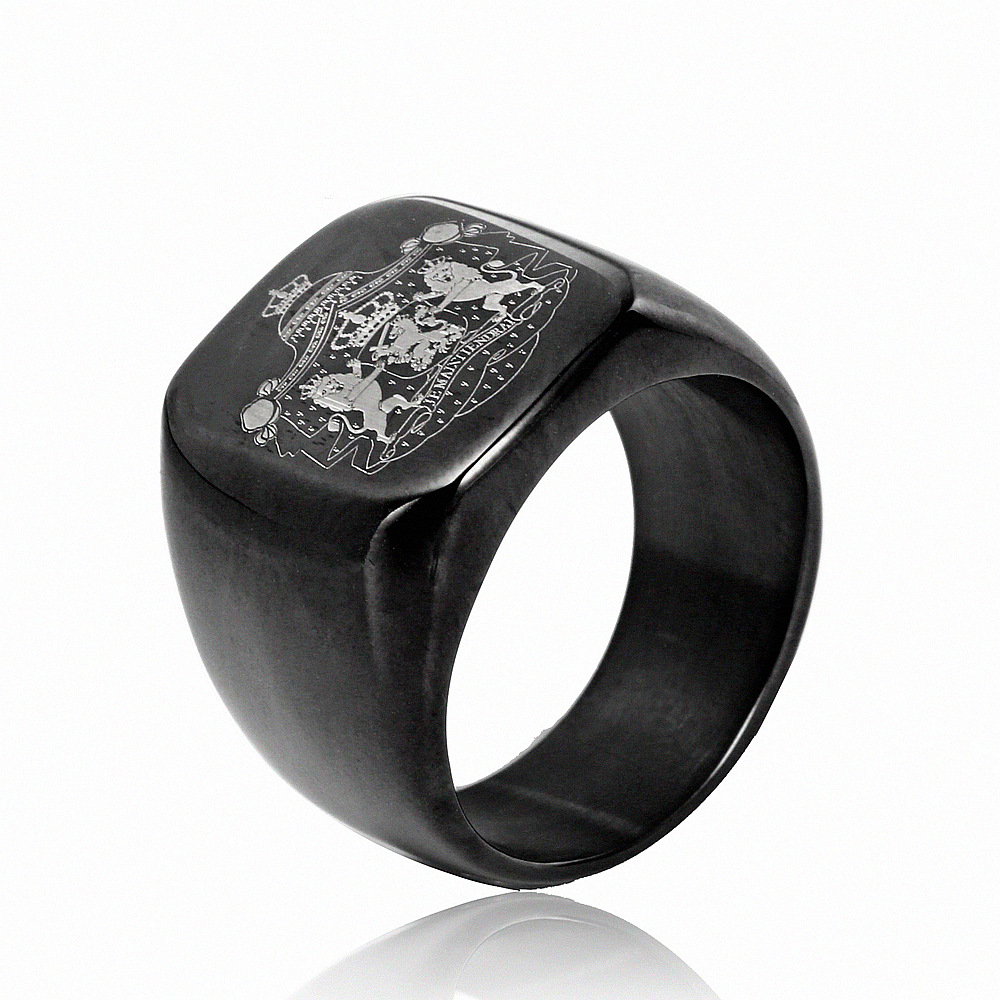
Vintage Netherlands France Coat of Arms Signet Ring Stainless Steel Lion Crown Heraldic Shield Punk Band Ring for Men Retro Biker Jewelry Gift
$2.83
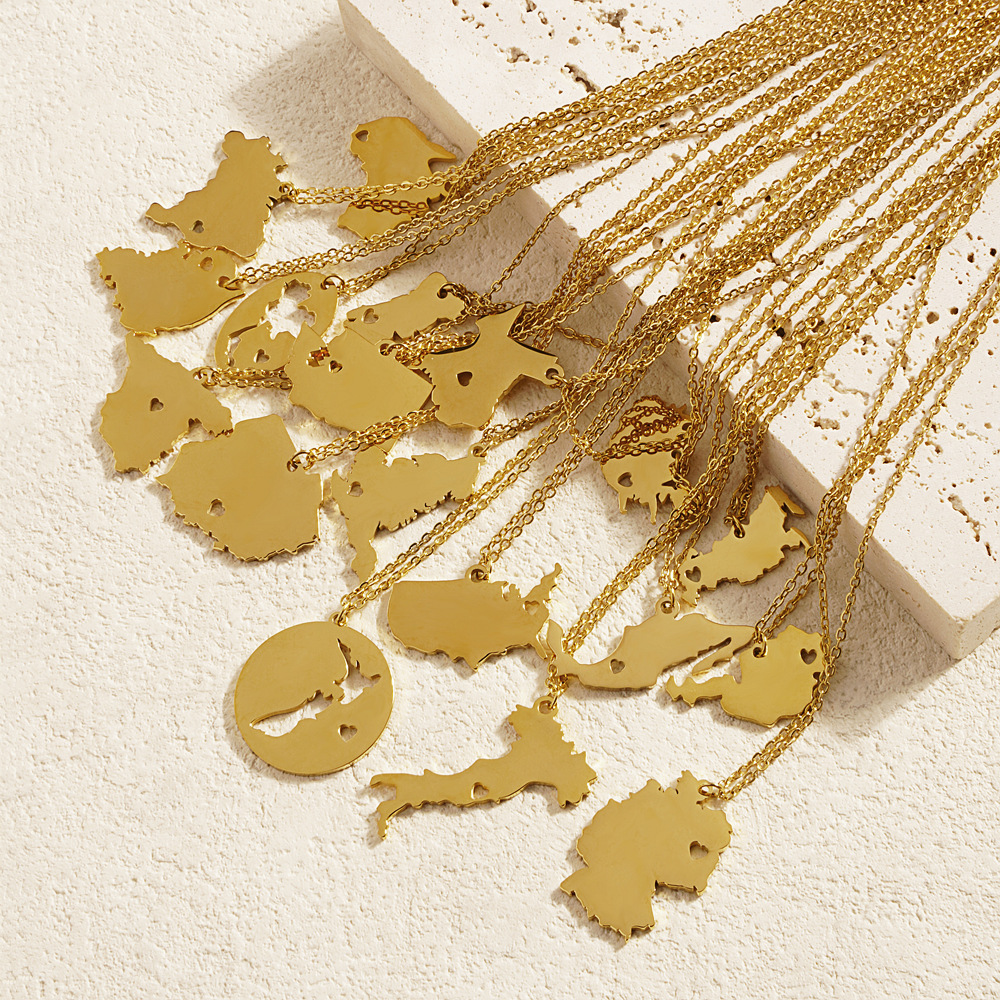
Stainless Steel Hollow Heart World Map Pendant Necklace Minimalist Geographic Country Outlines Jewelry Travel Souvenir Gifts For Women
$1.70

Autism Awareness Enamel Pin Brooch Set Alloy Puzzle Heart Square Colorful Badge "Different Not Less" Pins For Clothing Bag Accessories
$0.47
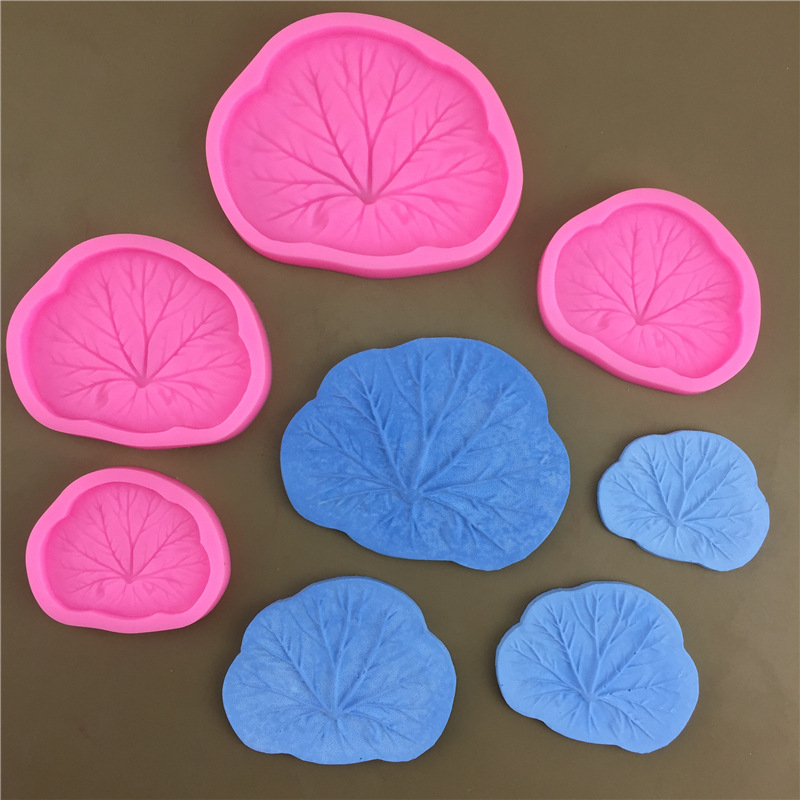
Lotus Leaf Silicone Mold Different Sizes Lily Pad Fondant Decoration Tool For Cake Chocolate Plaster Resin Craft DIY Baking Accessories
$0.18
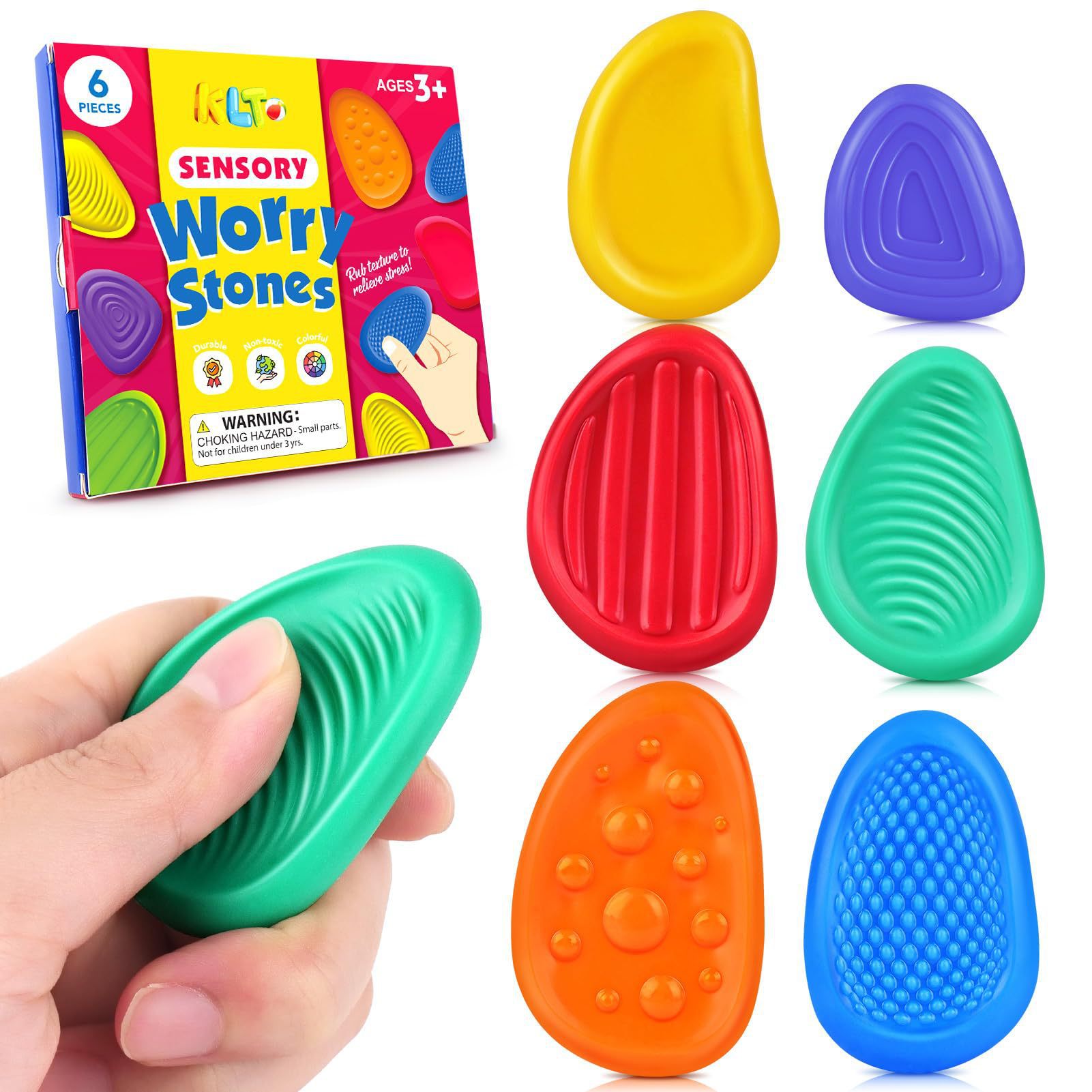
Sensory Worry Stones For Kids Anxiety Stress Relief Silicone Fidget Toys With Different Textures Colorful Decompression Stones For Boys Girls
$1.59
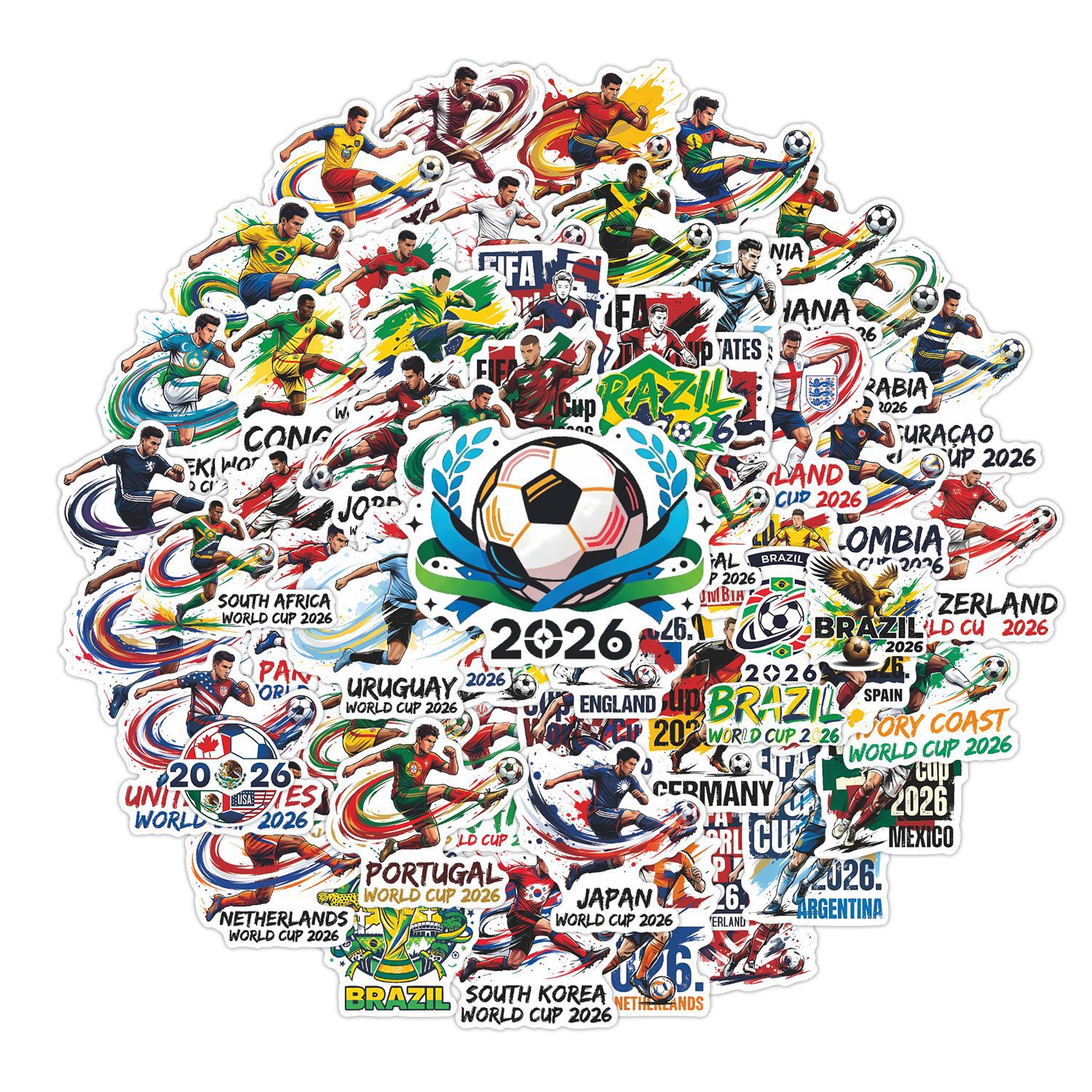
60 World Cup Multi-country Team Stickers 2026 Football Fan Luggage Notebook Diy Decorative Stickers
$0.75
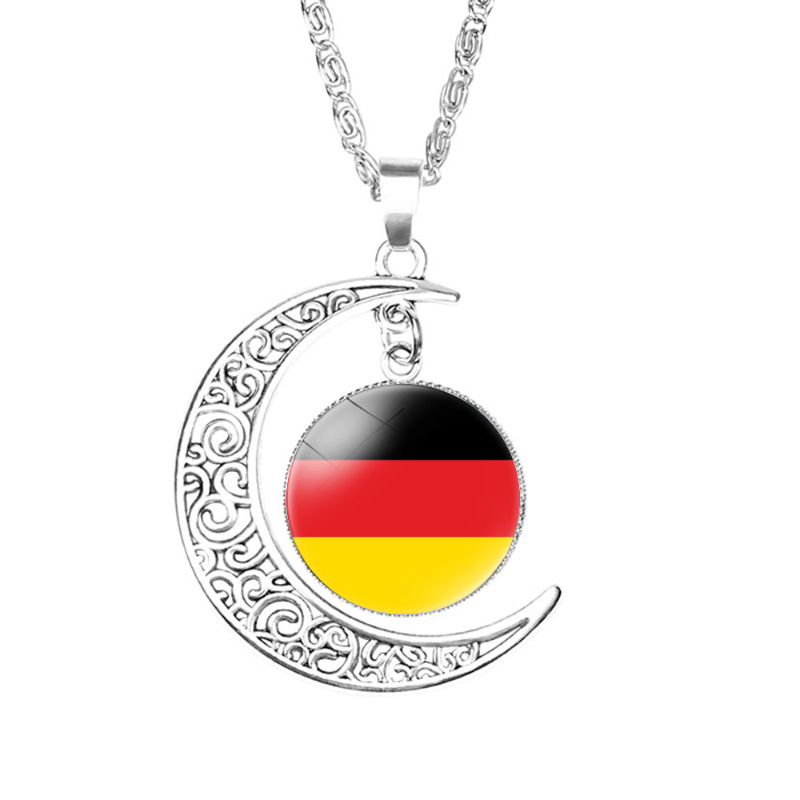
European Country Flag Moon Pendant Necklace Alloy Glass Cabochon Crescent National Pride Retro Jewelry For Women Men
$0.52
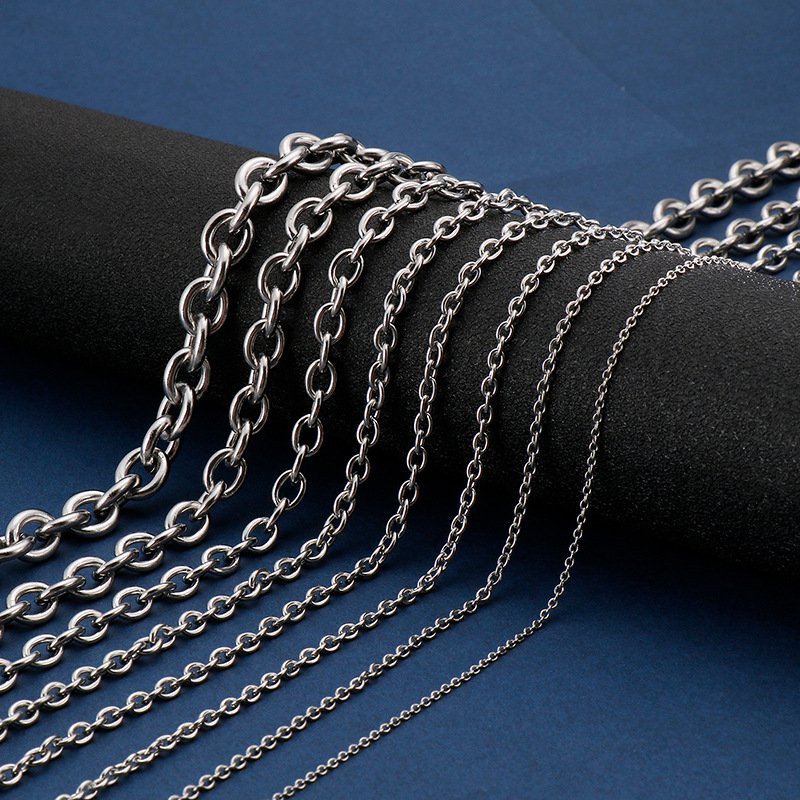
Stainless Steel Link Chain Necklace For Men Women Gold Silver Minimalist O-Chain Hip Hop Jewelry Gift Different Sizes 45-90cm Length Fashion Accessory
$0.48

4-in-1 Multi-functional Jar Opener Non-slip Rubber Lining Manual Bottle Opener Kitchen Gadget For Different Cap Sizes Easy Grip Manual Tool
$0.34
Build Cross-Border Bundles to Test Multiple Markets
Bundling flags and landmarks from different countries lets you test multiple shipping zones at once. If one product in the bundle triggers a geo-block, you'll see it immediately. These bundles also appeal to international buyers who want variety.
Globe-Trotter Star Bundle
Shopify seller launching a 'World Pride' or 'International Day' campaign. Targets customers in multiple countries who want symbolic jewelry.
- Stainless Steel Hollow Heart World Map Pendant Necklacehero
- Braided National Flag Leather Braceletcomplement
- European Country Flag Moon Pendant Necklaceupsell
Bundle at $6.99 vs $9.66 separately — saves 28%. Risk: if you restrict Europe, the flag moon pendant will be hidden, breaking the bundle.
Cross-Border Starter Kit
New Etsy seller wants to test demand in the US, Canada, and UK without overcommitting inventory. Uses silicone wristbands for low-risk shipping.
- Elastic Silicone Bracelet With Israel Flag Printhero
- National Flag Silicone Wristbandshero
- 60 World Cup Multi-country Team Stickerscomplement
Bundle at $1.99 vs $3.00 separately. Risk: stickers are light, but if the 'ship to' country is blocked for one of the flag wristbands, the whole bundle won't display.
Retro Geo-Flex Bundle
Flea-market vendor who sells vintage-inspired accessories at pop-ups. Wants to offer a 'pick your country' option online without creating 20 separate listings.
- European City Landmark Enamel Pinshero
- Vintage Netherlands France Coat of Arms Signet Ringupsell
- Vintage Soviet Union CCCP Enamel Badge Pincomplement
Bundle at $4.99 vs $6.30 separately. Risk: the Soviet pin may be restricted in certain countries due to historical content, causing the same 'unavailable' error.