
Trend Report · May 10, 2026
How to Use the Weekly Newbie Q&A Thread to Validate Jewelry Sourcing Decisions
Use the weekly dropshipping critique thread to validate jewelry products. A 5-stage operational guide for new stores sourcing from DayJewel.
#Weekly Newbie Q&A and Store Critique Thread - May 09, 2026
The #Weekly Newbie Q&A and Store Critique Thread - May 09, 2026 is the single highest-signal feedback loop for new dropshippers. Every week, hundreds of beginners post their stores and get raw critiques from peers who have no incentive to flatter. The thread is gated: you need positive comment karma and a 24-hour-old account to participate. That filter keeps out spam and ensures the feedback comes from active community members.
For a jewelry or accessories store, this thread is gold. The critics will immediately spot weak product photos, unclear value props, and mismatched pricing. They won't hold back. If you can survive a critique thread with a solid DayJewel sourcing strategy, you have a store that converts.
Timing matters now because mid-2026 sees a wave of new sellers entering jewelry dropshipping. Getting early, honest feedback before you sink budget into ads separates stores that fail in week two from those that run profitably for months.
Why This Feedback Window Is Critical Right Now
The weekly thread acts as a free, real-time product validation lab. When you post your store, critics will question your product selection, your pricing, and your site structure. If you have sourced jewelry from DayJewel—like the Karma Circle Pendant Necklace or the Weekly Stud Earrings Gift Set—they will tell you whether those SKUs look like commodity junk or real value.
This live testing beats any survey or focus group. The thread's structure forces specific critiques: "Your hero image is blurry" or "That necklace at $19.99 won't stick because AliExpress sells it for $2." You walk away with a prioritized action list.
Plus, the karma and account age requirement creates a low barrier but keeps the thread productive. If you are new, you can build karma by commenting helpfully on other stores first. That social investment pays back when you get detailed, constructive critiques in return.
Who Benefits Most From This Playbook
This operational guide is for dropshippers who have a DayJewel account or are about to create one, and who want to use the weekly critique thread to pressure-test their product mix before buying ads. The thread is ideal for first-time store owners who are unsure which jewelry styles to stock and for existing Shopify sellers who want to add a new category.
Shopify seller
Can post their existing store and get feedback on jewelry product pages, pricing, and bundle layout. The critique will highlight margin issues—e.g., pricing a $0.65 earring set at $9.99 might look cheap if the presentation is weak.
Flea market / pop-up stall operator
Even if you sell IRL, the thread's advice on product differentiation applies. Many stall operators test new items via a low-risk Shopify store first. The thread validates which DayJewel SKUs have enough perceived value to justify a $15–$20 price point.
Implementation Stages
Prepare Your Store for Critique
Trigger: You have a live Shopify store with at least 6 DayJewel products uploaded and basic pricing set.
Pick 6-12 products from DayJewel's catalog—focus on a cohesive theme like minimalist jewelry or weekly earring sets. Upload clean product images and write 150+ character descriptions.
✓ You have a focused store that critics can evaluate for niche clarity, product quality, and pricing.
✗ If you upload random 20 products from different categories, critics will call your store unfocused and you'll waste feedback on structural issues instead of product specifics.
Set your margins: retail price at 3-4x wholesale cost for items under $2 (e.g., $0.65 earring set at $9.99) and 2.5-3x for items over $10 (e.g., $15.27 sweatshirt at $39.99).
✓ Pricing that looks competitive but sustainable. Critics can give feedback on whether the value proposition matches the price.
✗ If you price too low, critics will say you're leaving money on the table. Too high, and they'll warn you won't convert. Both are fixable, but you'll waste an iteration cycle.
Review your store's loading speed, mobile responsiveness, and checkout flow. Add trust badges (SSL, secure checkout).
✓ Your store passes the basic 'would I buy here?' sniff test. Critics won't waste your time on technical issues.
✗ Skipping this stage means you'll get critiques like 'Your site is slow on mobile' instead of useful product-level feedback on the Karma Circle Pendant.
Submit to the Weekly Thread
Trigger: Your store is live, priced, and you have built at least 10-20 comment karma by helping others in previous threads.
Reply to the AutoModerator's sticky comment in the #Weekly Newbie Q&A and Store Critique Thread - May 09, 2026. Include your store URL, a 2-sentence niche description, and 1-2 specific questions.
✓ Your post is visible to the community. By asking specific questions, you increase the odds of getting actionable answers rather than generic tips.
✗ If you post a link with no context and no specific question, you'll get ignored or get one-word responses like 'It's okay.' You lose the feedback opportunity.
Check the thread every 2-4 hours for the next 48 hours. Reply to every critique with a thank-you and follow-up question.
✓ Engagement pushes your comment up and attracts more eyes. The karma from replies also boosts your account standing.
✗ If you post and disappear, critics assume you don't care. Your thread dies, and you get only one or two opinions.
Analyze Feedback for Sourcing Opportunities
Trigger: You have received at least 5-10 distinct critiques. You notice patterns.
Categorize feedback into three buckets: product presentation, pricing, and site UX. For example, if 3 people say 'the necklace image looks stocky,' that's a product presentation issue.
✓ You identify the top 3-5 changes that will have the biggest impact on conversion. Prioritize product-level fixes since they relate to your DayJewel sourcing.
✗ If you treat all feedback equally, you may fix a minor UX issue while ignoring that your Karma Circle Pendant page lacks size details—a high-impact miss.
For product-level feedback, assess if the issue is with the sourcing itself or the presentation. If critics say 'that necklace looks cheap,' decide: upgrade to a higher-tier DayJewel product (e.g., the 316L Stainless Steel version from $0.39 to $1.93) or retake photos with a lifestyle image.
✓ You make a data-driven decision about whether to swap SKUs or invest in better imagery. This directly improves sell-through risk.
✗ If you ignore the feedback and assume 'they just don't get it,' you'll keep a weak product that will bleed ad budget.
Validate Product Ideas with Small Orders
Trigger: You've identified 2-4 products that critics praised (or that you improved based on feedback).
Order samples of those products from DayJewel (if not already stocked) to check actual quality. For example, order the 5 Pairs Pearl Earring Set ($0.65) and the Double Interlocking Rings Necklace ($1.93).
✓ You can confirm the product quality matches the listing photos. Hand the sample to a friend for honest feedback.
✗ If you skip sampling, you risk advertising a product that looks worn or different from photos. This leads to returns and bad reviews.
Create 2-3 ad variations for the validated products using the improved images. Run low-budget tests ($5/day for 3 days) on Facebook or TikTok.
✓ You see initial CPC and ATC rates. Compare against your margin to estimate viability.
✗ If you scale ads before validating the product page and pricing with the thread feedback, you burn cash on unoptimized pages.
Implement Changes and Scale
Trigger: At least one product shows >$10 profit per sale from the ad test with a >2% conversion rate.
Roll out the winning bundle (e.g., Weekly Earring Starter Set) as a featured collection. Update your product pages with the feedback-driven improvements (better copy, lifestyle images, size chart).
✓ Your store has a clear hero product set. Future submitters can copy your approach.
✗ If you launch multiple untested bundles at once, you dilute your store focus and make it harder to attribute success to a single product.
Return to the next weekly thread and post your updated store. Mention 'I implemented the feedback from last week—here's what changed.' This builds community goodwill and yields a second round of sharper critiques.
✓ You get validation of your improvements and catch any remaining issues. This loop builds a store that converts at 3-4%.
✗ If you never go back to the thread, you miss the chance to cement relationships and get ongoing free optimization.
Selling Strategy After a Successful Critique Thread Run
The weekly thread is not just for validation—it's a training ground for your sales copy and positioning. Once you have a store that the community approves of, you can push the same value propositions in your ads. For example, if critics loved that your Karma Circle Pendant comes with a wish card, highlight that in your creatives. Common mistake: sellers treat the thread as a one-time check and never return. The real power is iterative refinement: post, fix, post again. Each cycle tightens your product-market fit. Use the thread to test new DayJewel arrivals every month. Another mistake: hiding your affiliate or dropshipping nature. Critics can smell a generic store with no brand story. If you are sourcing from DayJewel, be transparent about the 'handcrafted feel' or 'curated weekly designs.' That honesty actually boosts trust and conversion rates.
Target women 18-35 interested in 'karma' and 'minimalist jewelry.' Use a carousel ad featuring the Double Interlocking Rings Necklace and the Karma Circle Pendant side-by-side with a caption: 'Stack your karma with our 2-for-1 bundle.'
⚠ Facebook's algorithm may struggle to find audience if you target too narrow. Start broad and retarget site visitors.
Create a 15-second video showing the Weekly Earring Starter Set being unboxed with the caption 'Which pair are you wearing Monday?' Use the trend of 'weekly earrings' to get viral views.
⚠ TikTok organic reach is volatile. If the video doesn't hit the algo, you may get only a few hundred views. Pair with Spark Ads.
List the Karma & Boho Necklace Combo as a 'Meaningful Gift Set' for $18.99. Use the Karma Circle Pendant's wish card as a selling point. Optimize for 'karma jewelry' and 'interlocking rings necklace' keywords.
⚠ Etsy's algorithm heavily weights reviews. Without 10+ reviews, your listing won't rank well. Fulfill orders quickly to build ratings.
Top Product Picks for Critique-Ready Jewelry Stores
The following DayJewel products are strong candidates to feature in your store when you submit it to the weekly thread. They have clear differentiation—like the geometric Karma Circle Pendant or the multi-pair earring sets—and reviewers will quickly tell you if your pricing or presentation needs adjustment.
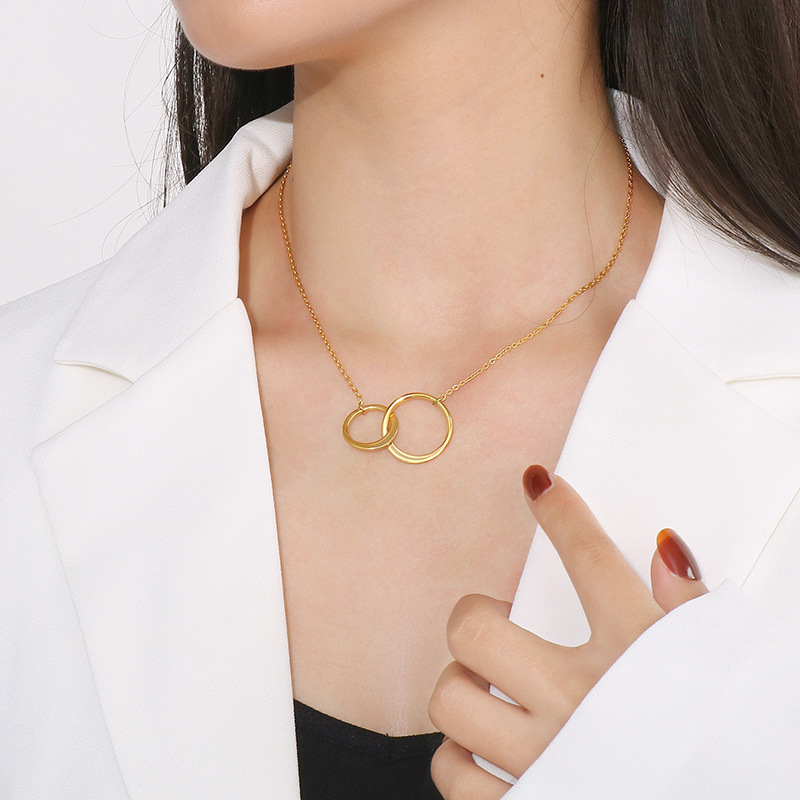
Minimalist 316L Stainless Steel Double Interlocking Rings Pendant Necklace For Women Elegant Gold Plated Geometric Karma Circle Jewelry Daily Wear
$1.93
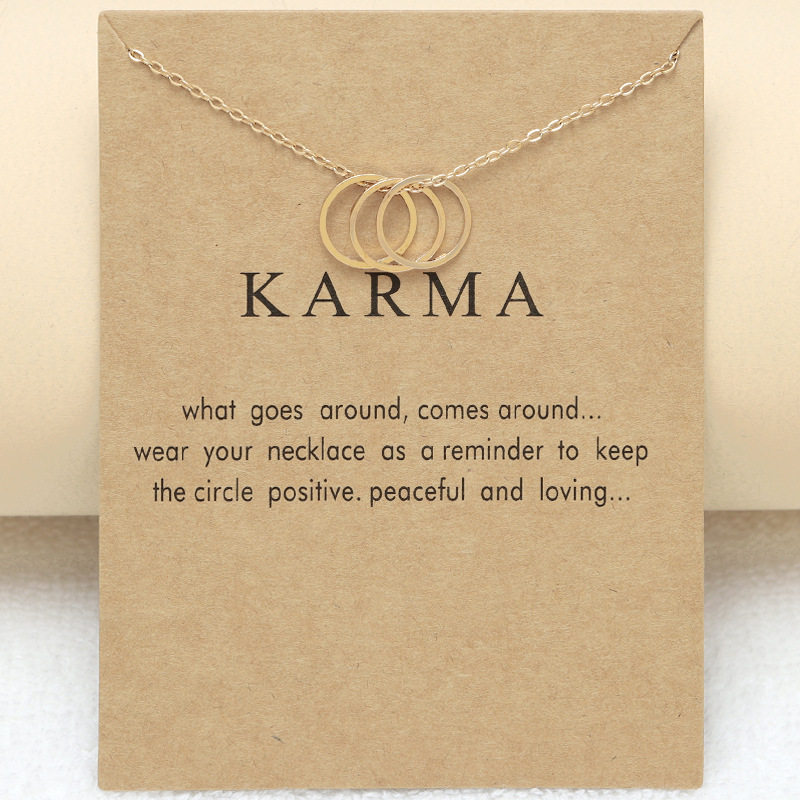
Karma Circle Pendant Necklace Gold Silver Plated Copper Interlocking Three Rings Geometric Link Chain With Wish Card For Women Jewelry Gift
$0.39

Round Alloy Metal Enamel Pin Badge Modern Karma Is A Cat Design Decorative Brooch For Backpack Clothing Hat Jacket Accessory Unisex Jewelry Gift
$0.82
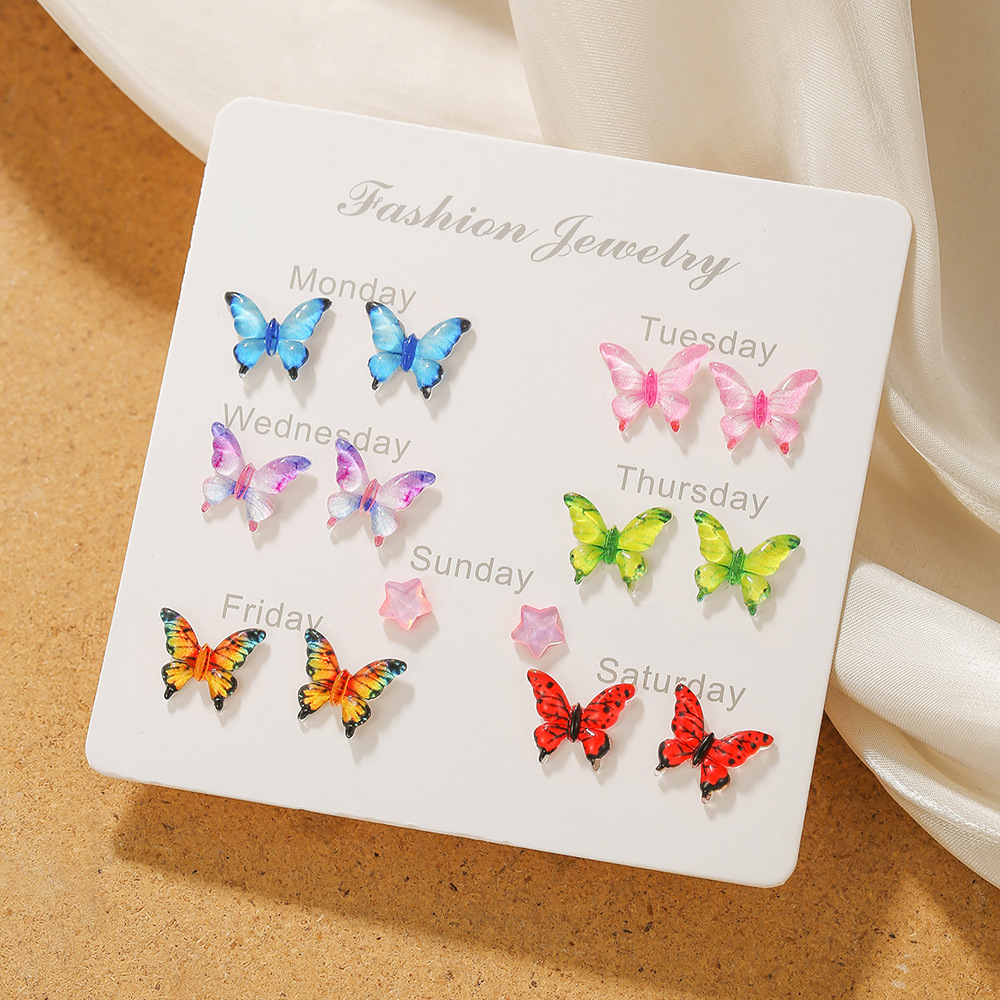
Colorful Butterfly Star Resin Stud Earrings Set Weekly Jewelry Gift Alloy Flower Rose Earrings for Women Girls
$0.52
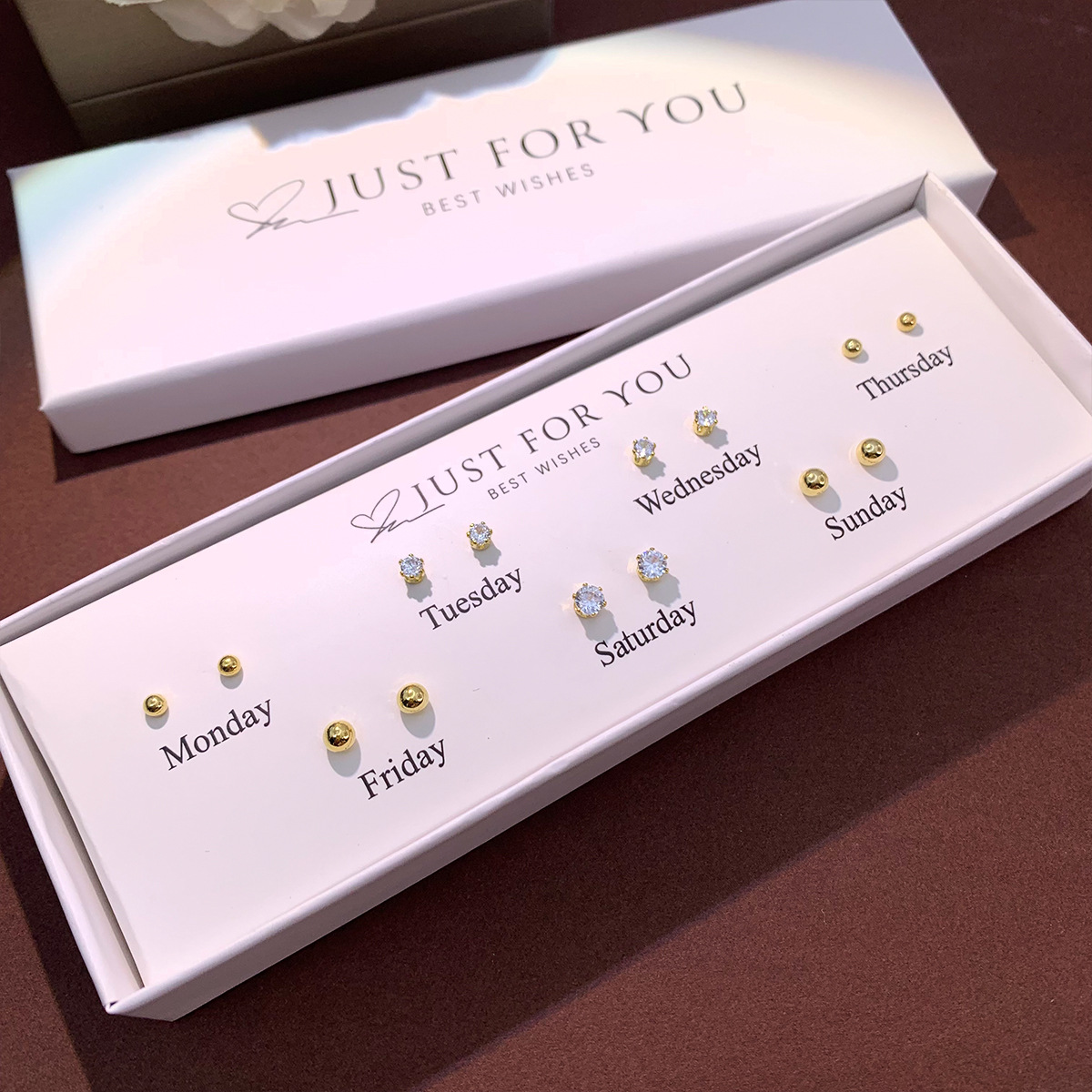
Weekly Stud Earrings Gift Set Copper Zirconia Pearl Earrings Daily Multi-pair Studs With Gift Box For Women Student Jewelry
$2.62
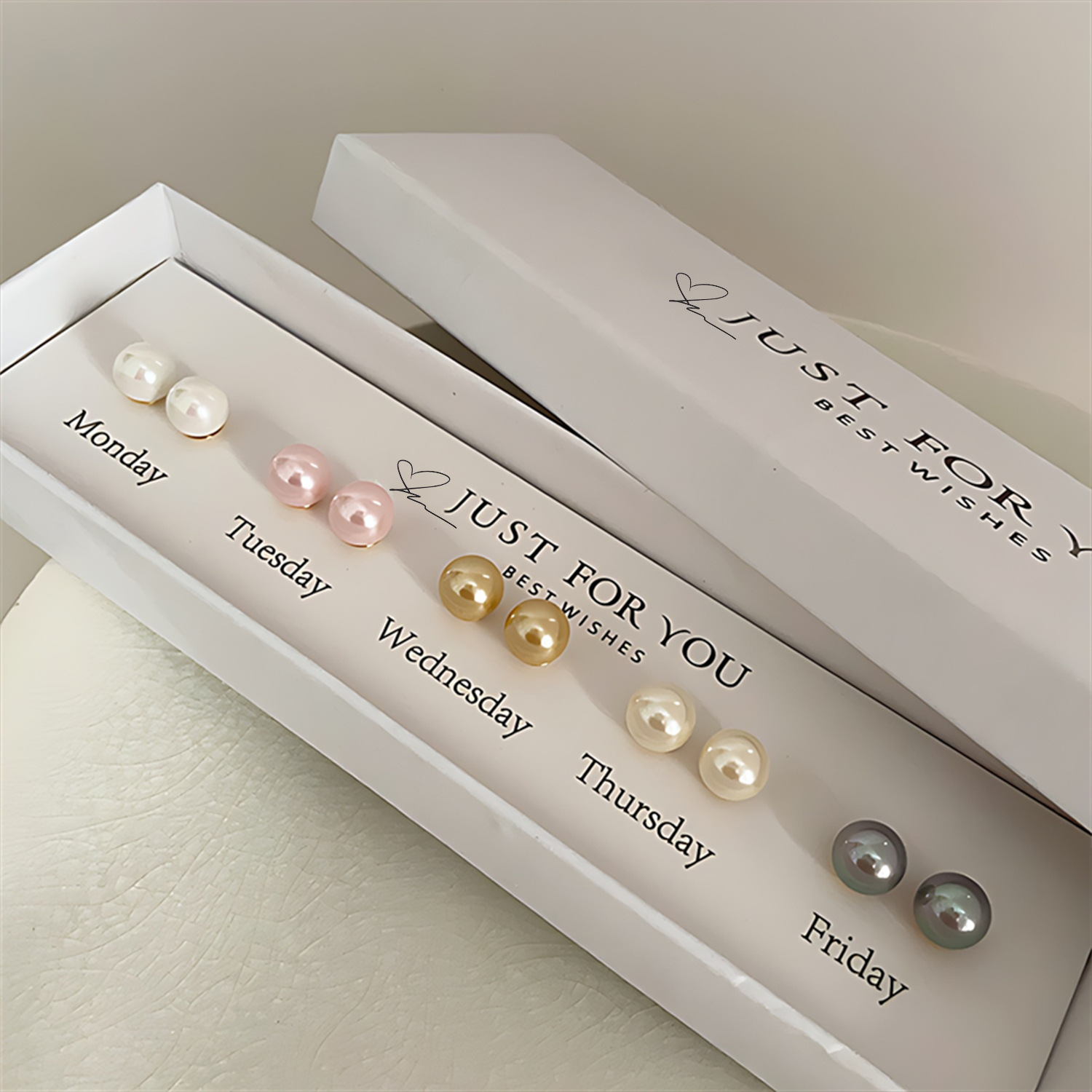
5 Pairs Pearl Earring Set Copper Zirconia Stud Clip-on Earrings Monday to Friday Weekly Jewelry Gift Set For Women
$0.65
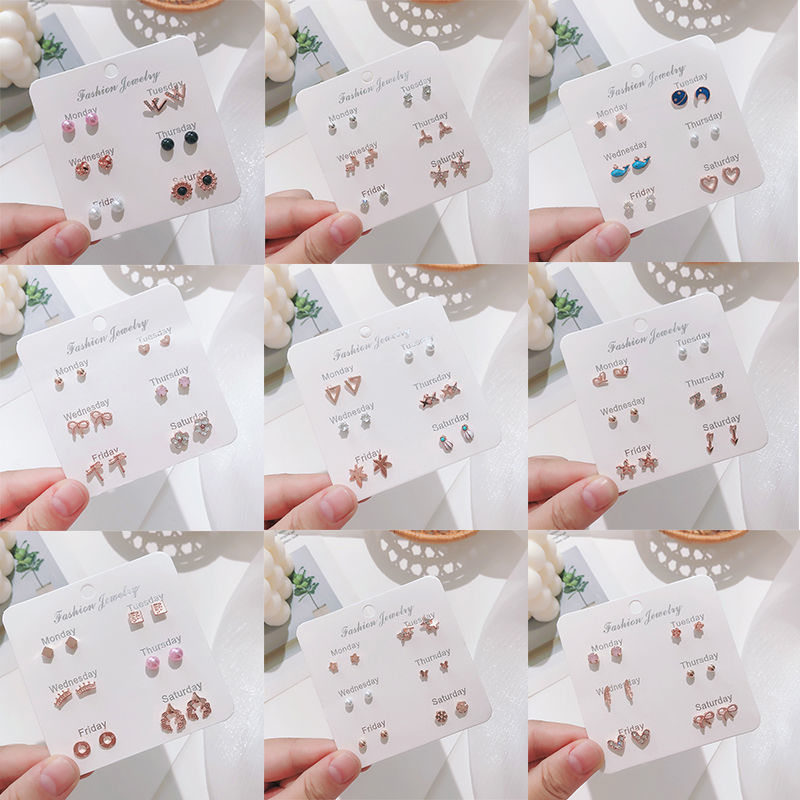
Fashion Alloy Pearl Rhinestone Stud Earring Set For Women 6-9 Pairs Minimalist Heart Star Flower Zirconia Weekly Daily Jewelry Gift
$0.52
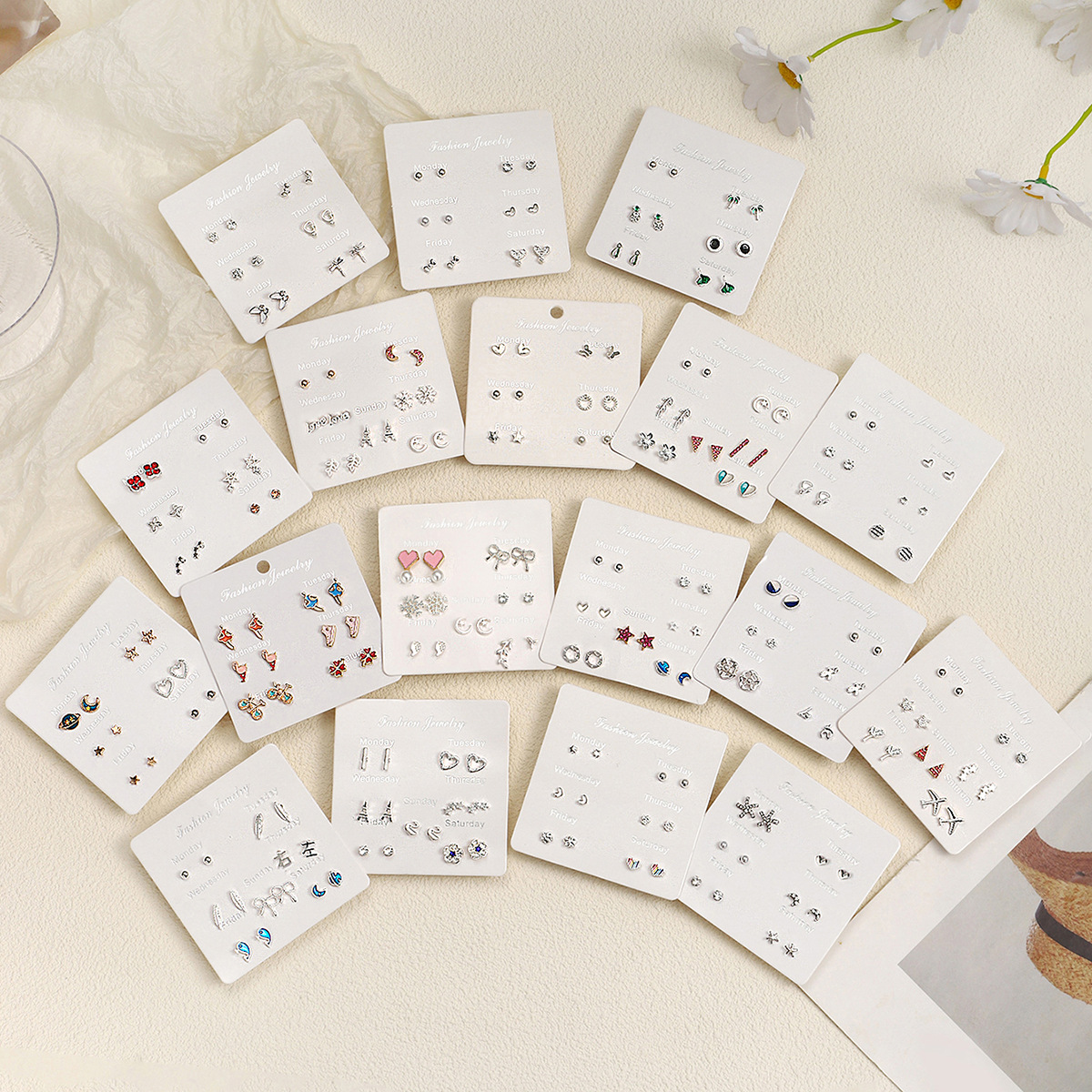
Trendy Weekly Stud Earring Sets Alloy Stainless Steel Pin Rhinestone Faux Pearl Cute Animal Heart Stud Earrings For Women Girls Daily Jewelry
$0.50
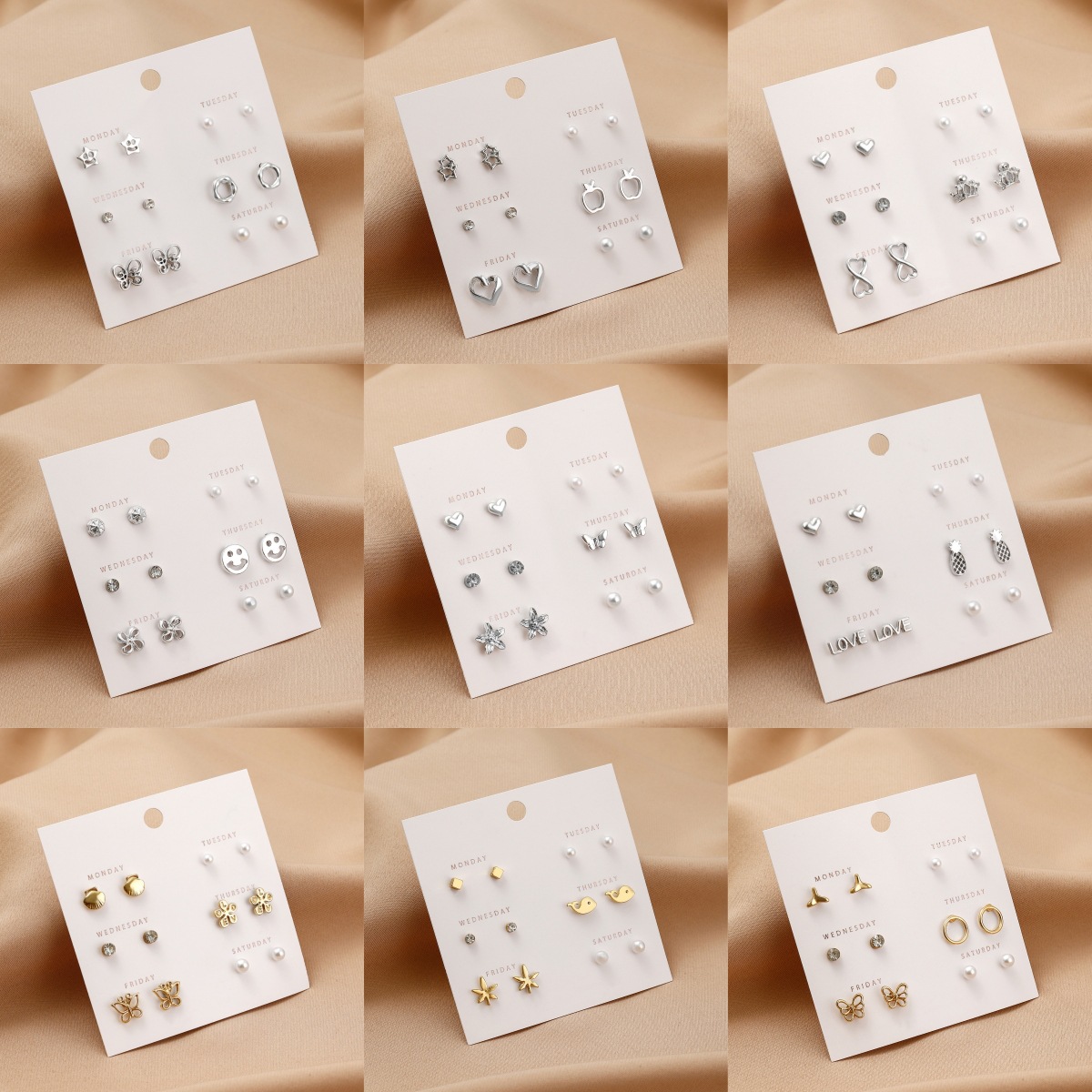
6 Pairs Weekly Earring Set Alloy Faux Pearl Rhinestone Heart Butterfly Stud Earrings For Women Daily Wear Jewelry Set
$0.60
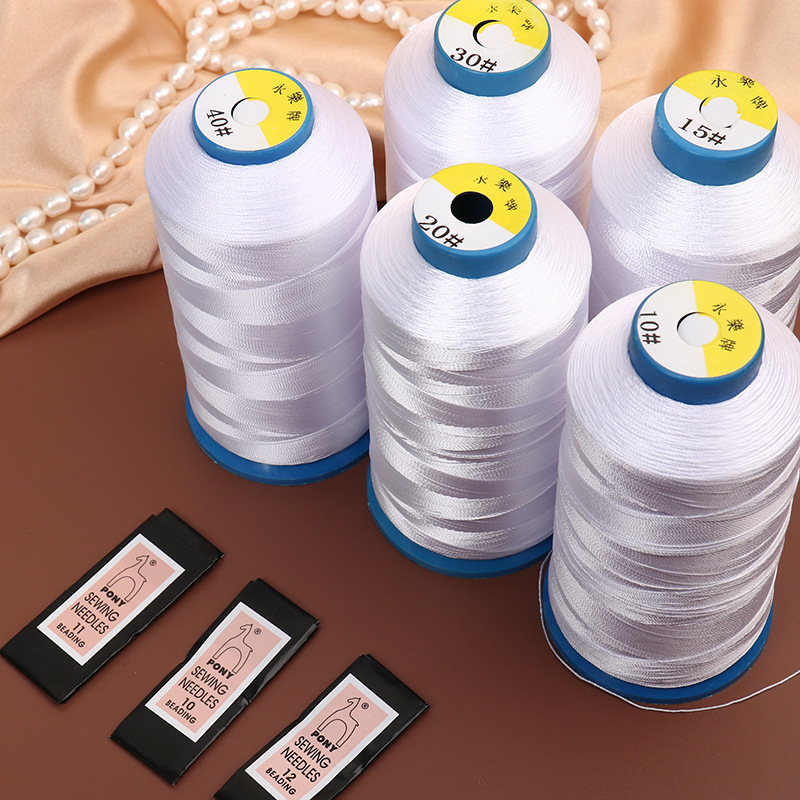
Professional DIY Beading Needle And Thread Set Stainless Steel Pearl Stringing Needles With White Cotton Beading Cord For Jewelry Making Handmade Craft Sewing Tools
$0.26
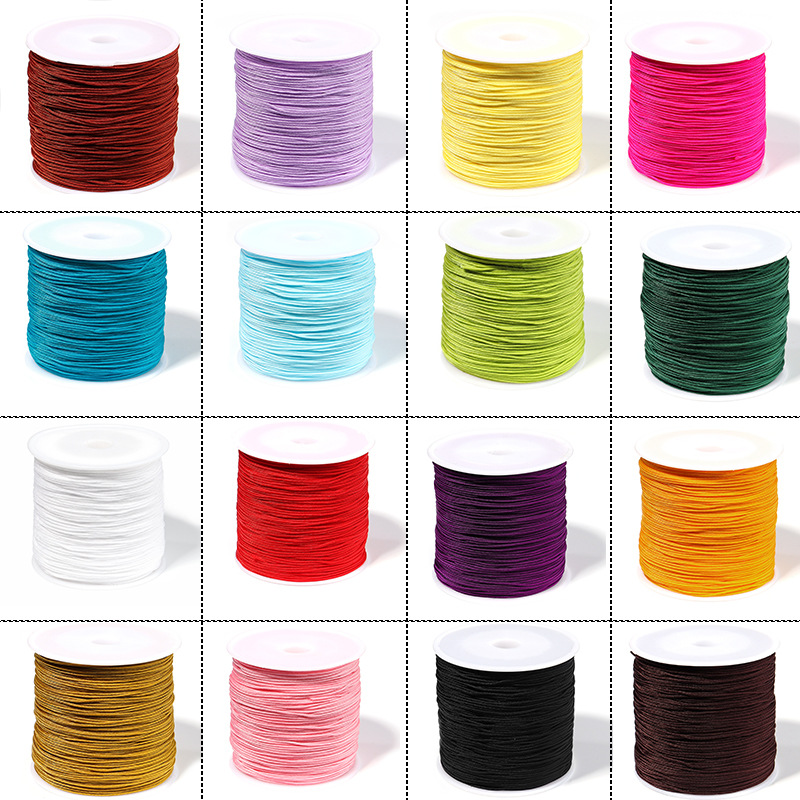
Braided Cord Nylon Polyester Chinese Knot Thread For DIY Jewelry Making Bracelet Necklace Weaving Traditional Jade Thread
$2.07
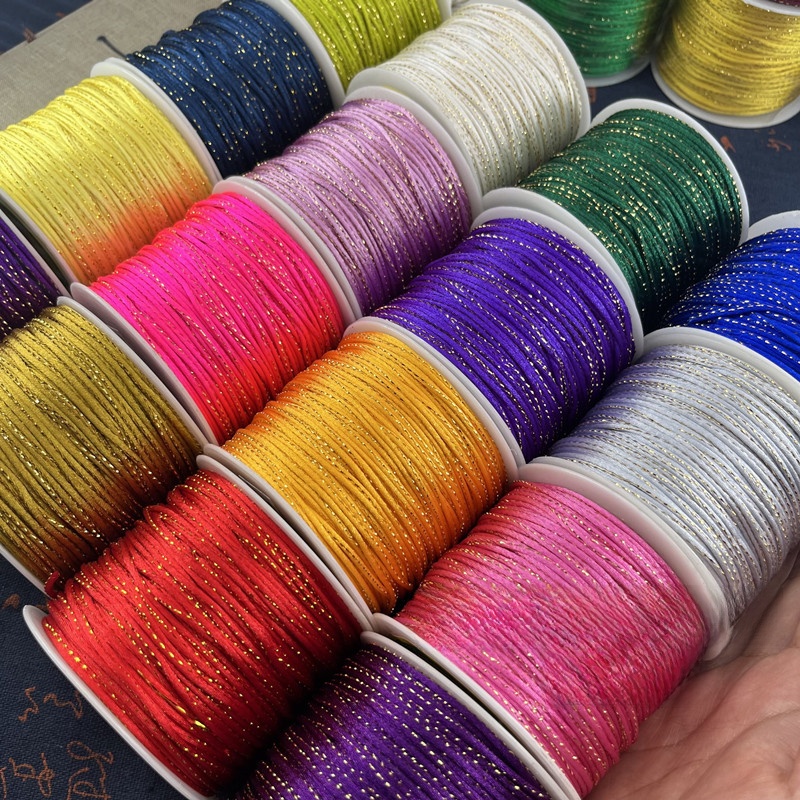
Nylon Chinese Knot Cord With Metallic Gold Thread Braided Thread For Jewelry Making DIY Bracelet Necklace Handcrafted Craft Supply
$4.03
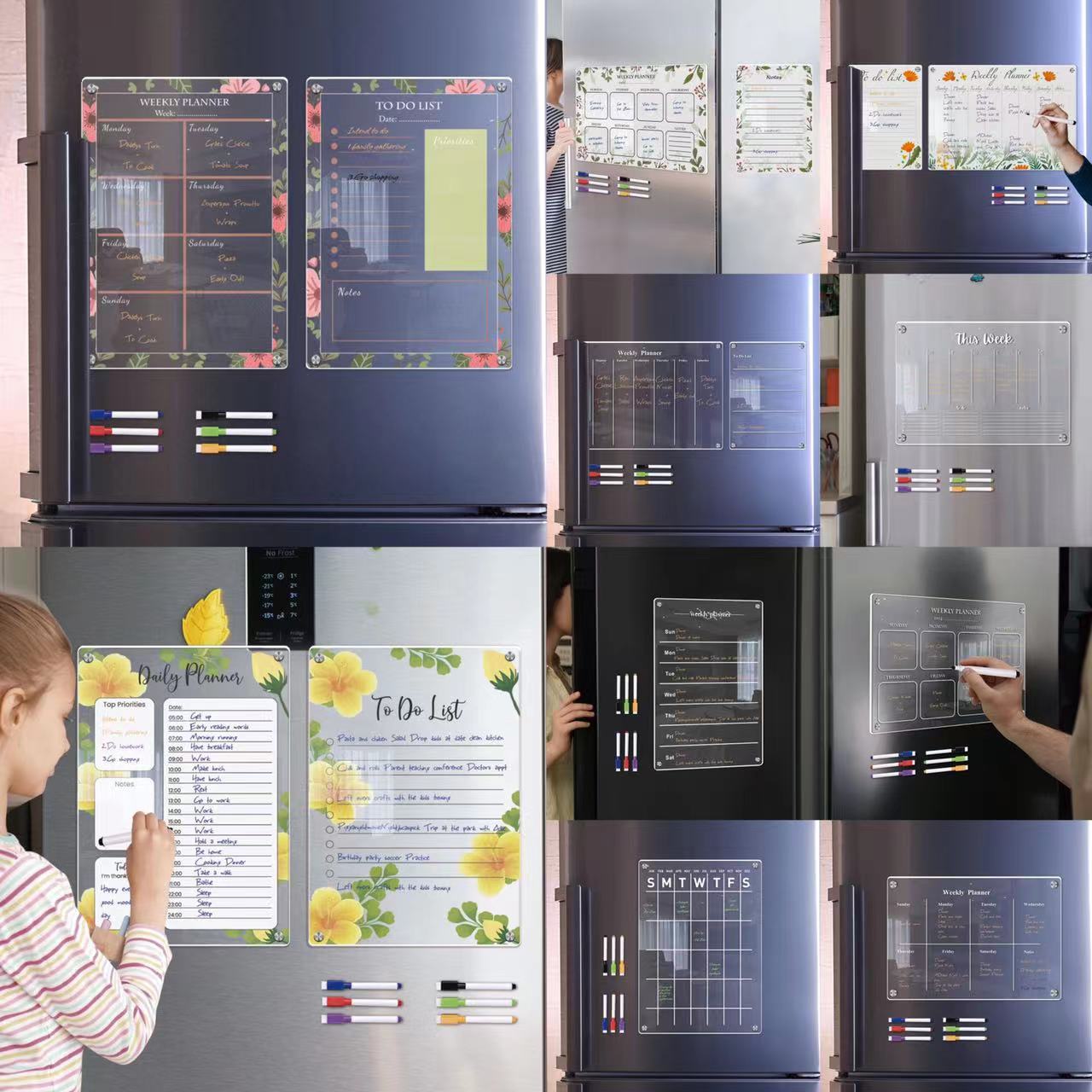
Magnetic Acrylic Dry Erase Board For Fridge Weekly Monthly Planner Calendar Set With Markers Memo Message Board Refrigerator Decoration
$0.43
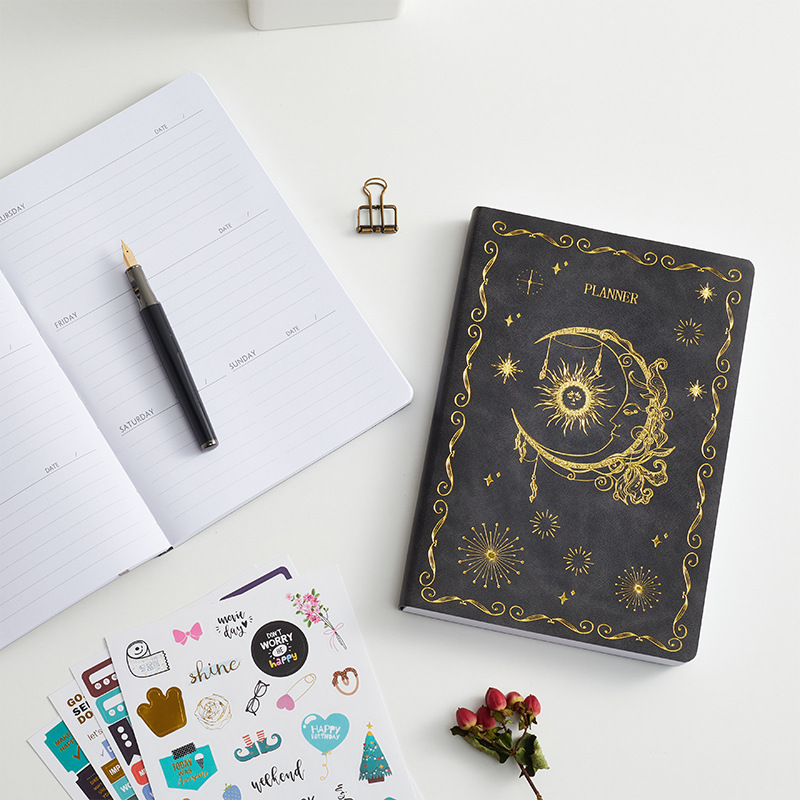
A5 PU Leather Undated Weekly Planner Celestial Sun Moon Stars Bronzing Notebook Office Business Journal Schedule Book With Stickers
$0.84
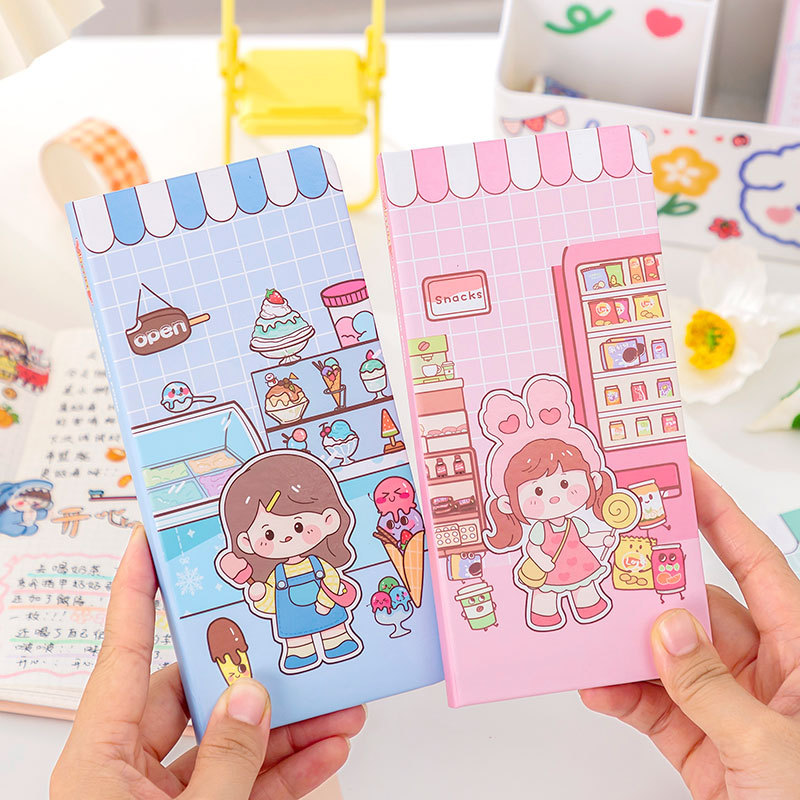
Cute Cartoon Girl Weekly Planner Notebook Ins Style High Aesthetics Weeks Grid Page Student Memo Portable Handheld Journal School Office Supplies
$1.37
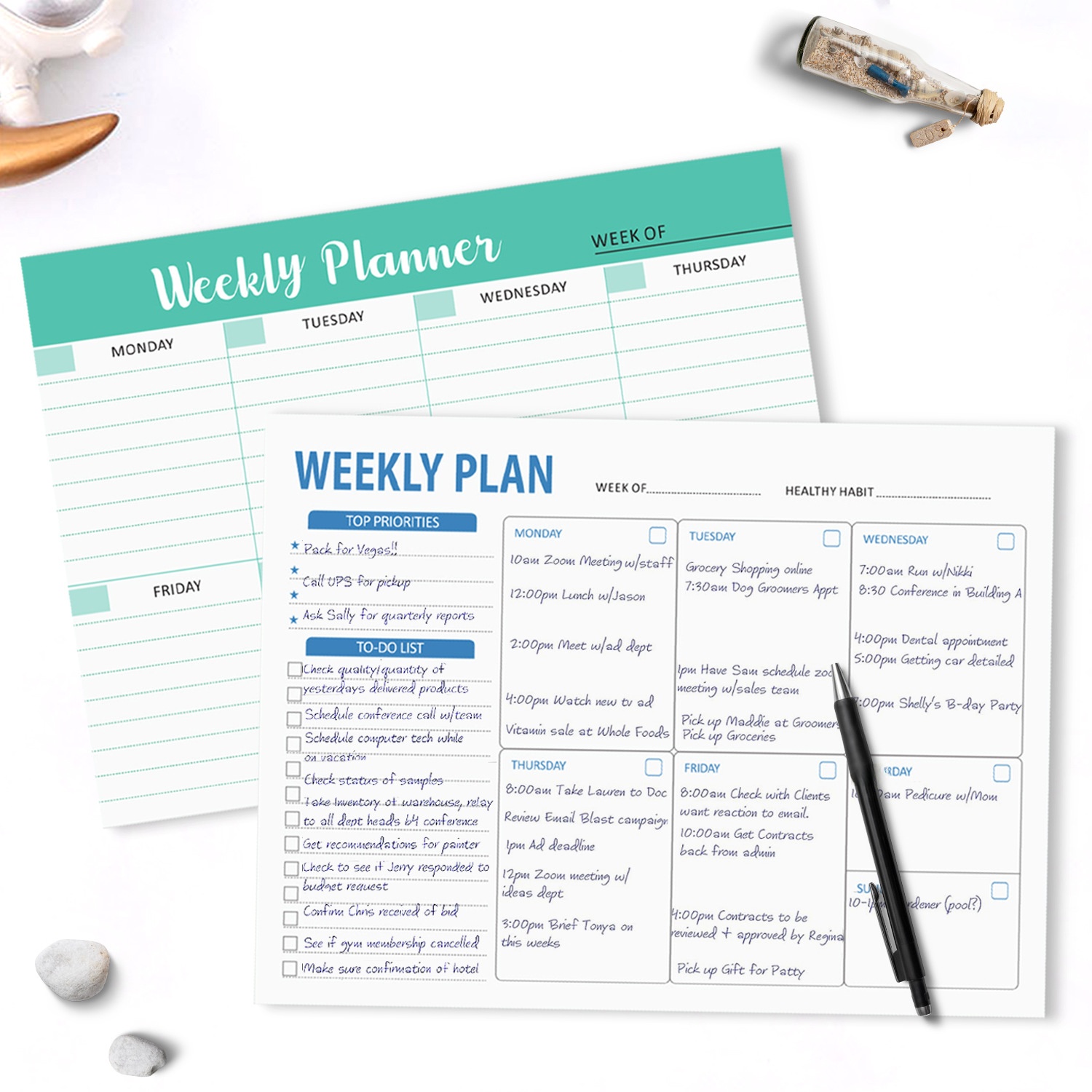
Weekly Monthly Daily Planner Notepad 100g Thick Paper Schedule Organizer With Habit Tracker Meal Plan Grocery List For Office School Home
$1.10
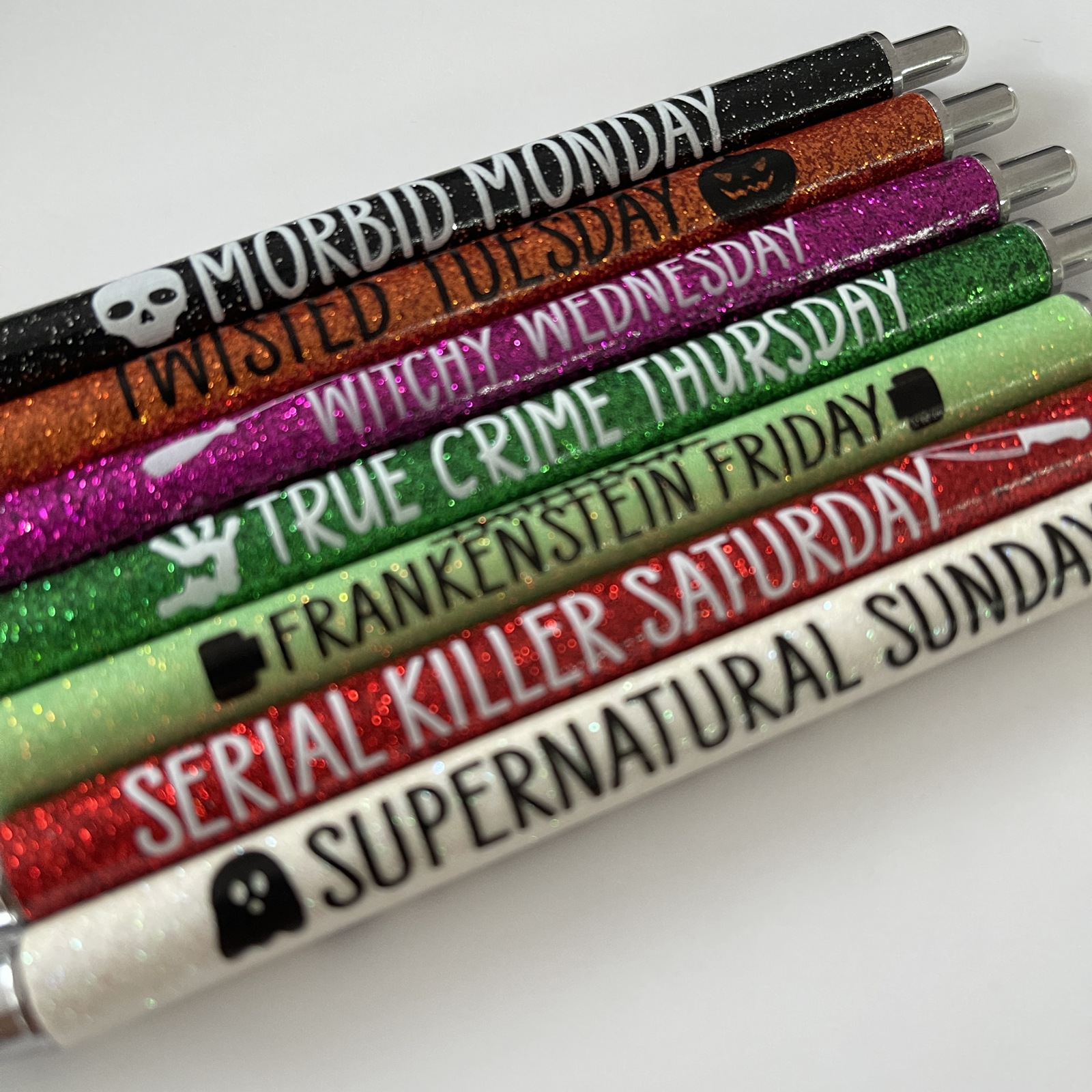
Halloween Christmas Glitter Ballpoint Pens Metal Retractable Weekly Themed Pens For Office School Party Gothic Stationery
$6.92
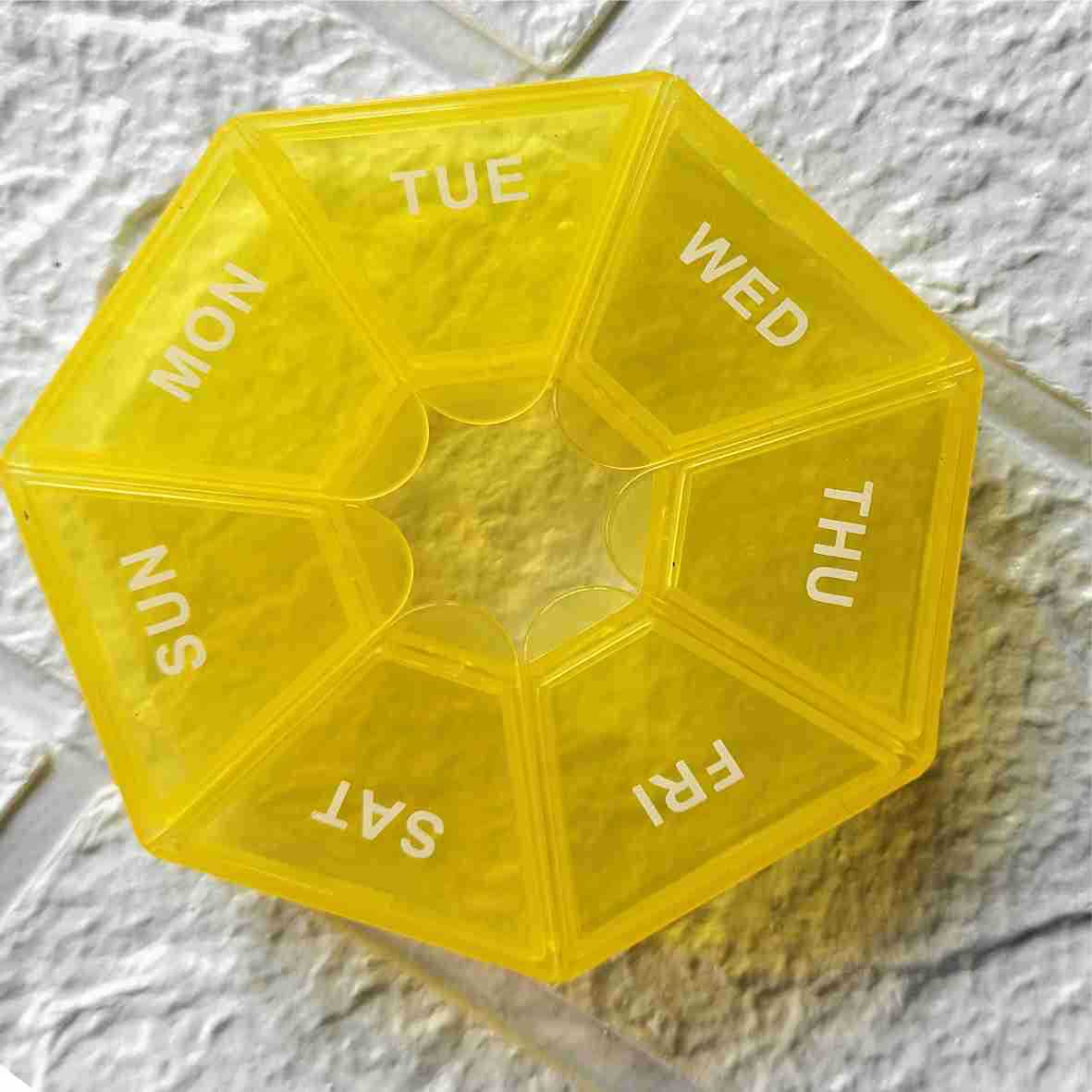
Portable Weekly Pill Organizer 7 Compartments PP Plastic Rotatable Small Medicine Box for Daily Travel Health Care Storage Case
$0.24
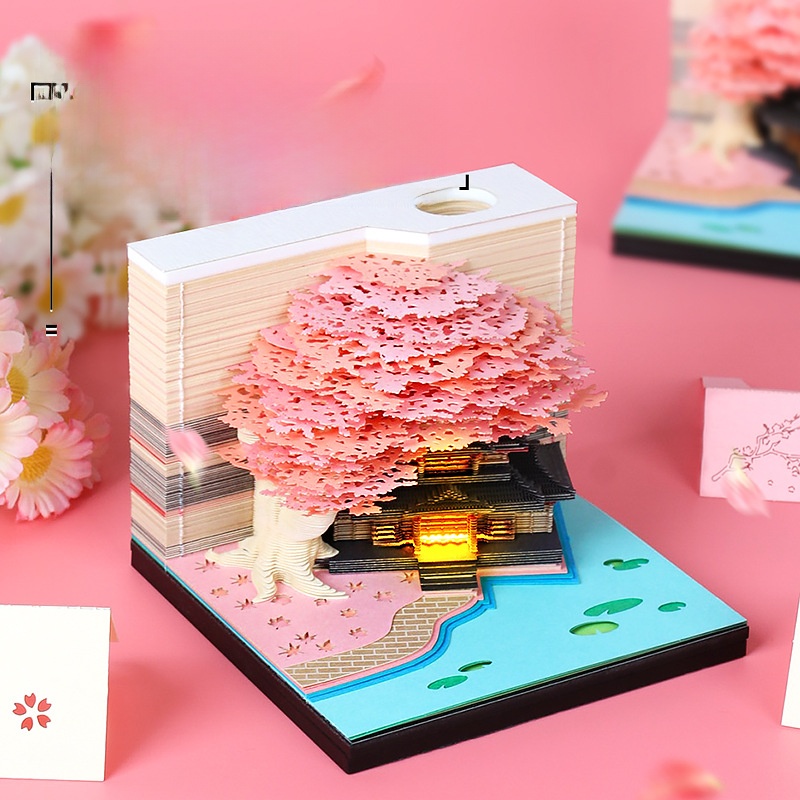
3D Paper Carved Calendar Weekly LED Light Memo Pad Creative Desktop Decoration Specialty Paper Art Stationery Gift With Pen Holder
$10.09
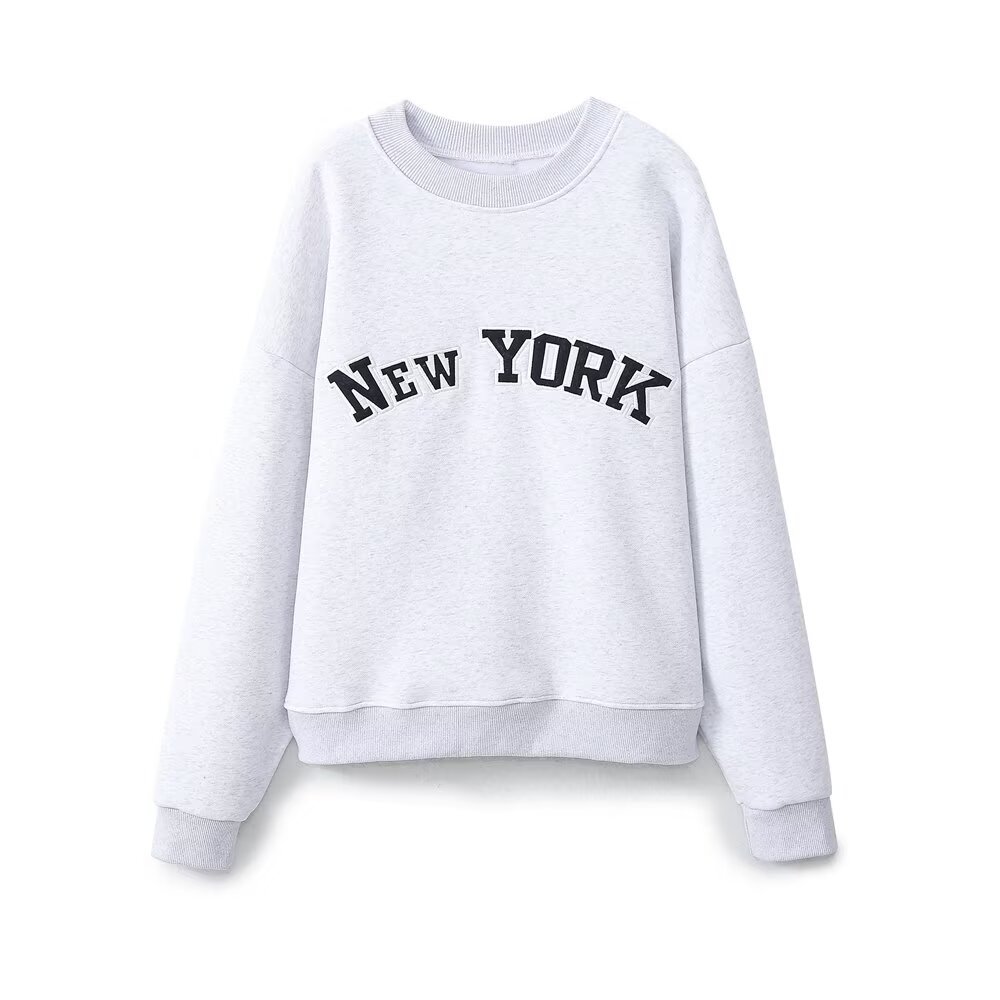
Women's Casual Cotton Blend Letter Embroidery Sweatshirt Loose Fit Round Neck Pullover Long Sleeve Fleece Top New York Print Grey Jumper
$15.27
Bundle Ideas That Survive Critique Thread Scrutiny
Bundling jewelry products raises average order value and makes your store look more curated—exactly the kind of detail critics respect. Below are three bundles built from DayJewel inventory. Each bundle has a clear scenario, and the pricing note shows you the margin gain over selling individually.
Weekly Earring Starter Set
New buyer testing earring demand with low risk. Submit this bundle to the thread and ask if $14.99 seems fair for 6 pairs.
- Weekly Stud Earrings Gift Set Copper Zirconia Pearlhero
- 5 Pairs Pearl Earring Set Copper Zirconia Stud Clip-oncomplement
- Fashion Alloy Pearl Rhinestone Stud Earring Set 6-9 Pairsupsell
Bundle cost: $0.65 + $0.52 + $2.62 = $3.79. Bundle at $14.99 vs. $17.98 separately—still 295% margin on COGS.
Karma & Boho Necklace Combo
For stores targeting spiritual / meaning-driven jewelry. The karma rings and cat pin tie together thematically.
- Minimalist 316L Stainless Steel Double Interlocking Rings Pendanthero
- Karma Circle Pendant Necklace Gold Silver Plated Coppercomplement
- Round Alloy Metal Enamel Pin Badge Modern Karma Is A Catupsell
Bundle cost: $1.93 + $0.39 + $0.82 = $3.14. Bundle at $18.99 vs. $22.99 separately—reviewers will flag if you don't justify the value.
Weekly Planner + Jewelry Gift Set
Targeting the self-care / organization audience. The planner pairs with a small earring set for a complete weekly package.
- A5 PU Leather Undated Weekly Planner Celestial Sun Moon Starshero
- 6 Pairs Weekly Earring Set Alloy Faux Pearl Rhinestone Heart Butterflycomplement
- Weekly Monthly Daily Planner Notepad 100g Thick Paper Schedule Organizercomplement
Bundle cost: $0.84 + $0.60 + $1.10 = $2.54. Bundle at $12.99 vs. $15.73 separately—low risk test for $10 profit per sale.