
Trend Report · May 19, 2026
What Am I Doing Wrong? The Engagement-but-No-Sales Playbook
Your brand gets likes but no sales? Here's a step-by-step playbook to diagnose why high engagement isn't converting and fix your store.
What Am I Doing Wrong?
You just launched a brand, run TikTok and Meta ads, get solid engagement — comments, saves, likes — and over a hundred website visits a day. Yet zero sales. If that sounds familiar, you’re not alone. Countless new sellers ask “What am I doing wrong?” when high ad engagement fails to convert. The typical culprit isn’t the ad itself, but a gap between interest and purchase intent. In a market where attention is cheap and conversion is expensive, brands that skip the diagnostic stage end up burning ad budget on vanity metrics. This playbook walks you through the exact stages to isolate the friction and turn those engaged browsers into paying customers — fast.
The window to act is narrow. Ad platforms are saturating fast. Your cost-per-click will only rise as more brands flood the same audiences. If you don’t identify where the leak is now — product-market fit, pricing, store UX, or checkout friction — you’ll waste weeks and hundreds of dollars before seeing any revenue. The operational approach here treats your store as a funnel that needs pressure-testing, not just more traffic.
Why the Engagement-Without-Sales Gap is Your Biggest Opportunity Right Now
Every week, dozens of new Shopify and boutique owners run into the same wall: people click, comment, and save, but wallets stay shut. The reason this gap exists now more than ever is that ad platforms have optimized for surface-level engagement (likes, saves, video completion) over purchase intent. Your ads may be entertaining, but they aren’t driving conviction. The brands that will win are the ones that proactively diagnose each layer of the purchase funnel before scaling spend.
Because most sellers blame the product or the audience first, they pivot too soon — changing products, raising budgets, or chasing the next trend. The real edge comes from methodically testing one variable at a time: offer clarity, social proof, ease of checkout, and perceived value. The brands that master this diagnostic cycle in their first 30 days capture market share that sloppy competitors leave on the table. If you fix this now, your store becomes a conversion machine instead of a traffic black hole.
Who This Playbook Is For
If you’re seeing strong engagement but no orders, you’re likely in one of these three operator profiles. Each has a slightly different root cause, but the diagnostic stages apply to all.
Shopify seller
Just launched a brand, spending $50-200/day on Meta and TikTok ads, generating 100+ site visits daily but zero conversions. Likely issue: product price-to-perceived-value mismatch or poor mobile checkout flow.
Boutique owner
Running a pop-up or Instagram store with high comment engagement but no link-in-bio sales. Need to test lower-ticket items and reduce decision friction.
TikTok shop starter
Selling via TikTok Shop with viral content but 0% conversion rate. Often missing trust signals like customer reviews, sizing guides, or fast shipping estimates.
Implementation Stages
Validate Product-Market Fit
Trigger: After first 100 visits and 0 sales
Survey your engaged commenters (DM 20 people who saved your post) and ask what would make them buy.
✓ You'll hear objections like 'price too high', 'not my size', or 'need more photos'.
✗ If you skip this, you'll keep guessing and waste ad spend on the wrong fix.
Add one low-ticket accessory from DayJewel (e.g., Metal Keychain at $0.52 wholesale) as a 'test purchase' product.
✓ If someone buys the keychain, you know purchase intent exists at a lower price point.
✗ No purchase still? Price is not the main issue — move to Stage 2.
Audit Website and Checkout Flow
Trigger: Stage 1 done, still no sales, or sales appear for low-ticket items but not main products
Record a mobile session of you going through your own checkout — note any click that requires extra steps (account creation, captcha, slow loading).
✓ You'll find at least one friction point (e.g., 5-step checkout instead of 2).
✗ If you don't test on mobile, you'll miss the main cause: 80%+ of your traffic is on phones.
Add trust badges (secure checkout, free returns) visible above the Add to Cart button.
✓ Expected 20-50% increase in add-to-cart rate if trust was the barrier.
✗ No change? The problem is likely your product or pricing.
Optimize Ad Creative and Targeting
Trigger: Store and pricing fixed, but still 0% conversion
Swap out your current ad creative from a 'lifestyle' shot to a 'solve a problem' angle. Example: 'Stop overpaying for basic tees — get premium quality for $X.'
✓ Engagement may drop slightly, but conversion rate should improve if the new angle attracts buyers, not just lookers.
✗ If you keep running the same creative, you'll keep attracting the same non-buying audience.
Narrow targeting. Duplicate your winning ad set but restrict audience to 'engaged shoppers' or 'high-intent audiences' (purchase history with similar brands).
✓ Higher cost-per-click but better conversion rate — your target ROI metric should shift from traffic volume to purchase rate.
✗ Ignoring audience quality leads to wasted spend on people who only 'like' content.
Post-Purchase & Retention Loop
Trigger: First sale achieved
Send a thank-you email within 1 hour of purchase, including a discount code for next order and a request for review or photo.
✓ Averaging 10-20% repeat purchase rate if the product delivers on promise.
✗ Skipping this step loses your highest-value channel: existing customers who already bought.
Use the first customer's feedback to adjust your main product listing — if they mention fit or material, update your description.
✓ Better product page copy leads to higher conversion for new visitors.
✗ Ignoring feedback keeps the loop broken for the next batch of visitors.
How to Turn Engagement into Sales
You already have the hard part: people stop and look. Now you need to convert that attention into transactions. The most common mistake new brands make is scaling ad spend before fixing the store itself. Every dollar you spend on traffic to a broken funnel is a dollar wasted. The tactics below focus on three channels where your engaged audience already lives. Each tactic uses specific products from DayJewel’s catalog to illustrate how you can test your way to a sale. Remember: conversion is a system, not a single fix. If you adjust one variable at a time — price, trust signal, checkout length, offer clarity — you’ll find the leak. The bundles and products listed earlier give you low-risk options to run these tests without overhauling your entire inventory.
Create a 'limited-time bundle' video featuring the Hip Hop Dog Tag Necklace ($2.83) + Mini Keychain ($0.52) for $9.99 + free shipping. Use a direct 'Shop Now' button in the video. Run for 3 days on $10/day.
⚠ If your TikTok Shop setup isn't approved or the product page is slow, you'll get cart abandonment despite the video going viral.
Test two ad sets: one featuring the streetwear bundle (Cargo Pants + Dog Tag) at $39.99, another featuring the low-ticket bundle (Beanie + Keychain) at $12.99. Monitor add-to-cart rate, not just CTR.
⚠ Instagram’s algorithm often shows ads to people who 'like' fashion but never buy. You may need to exclude 'fashion enthusiasts' and target 'online shoppers' instead.
Offer a free sticker pack (100PCS Graffiti Stickers $1.73) with any purchase to capture emails. Send a 3-email sequence: order confirmation, shipping update, and a 15% off 'We'd love your feedback' email after delivery.
⚠ Low open rates if you use a generic sender name. Always send from a real person's name or the brand name directly.
The Right Products to Test the Fix
When you’re diagnosing a conversion problem, you need products that are low-risk, visually compelling, and easy to add to an existing store. The following items from DayJewel’s wholesale catalog work well as test SKUs — they’re trending, affordable, and cover multiple categories your engaged audience might actually buy.
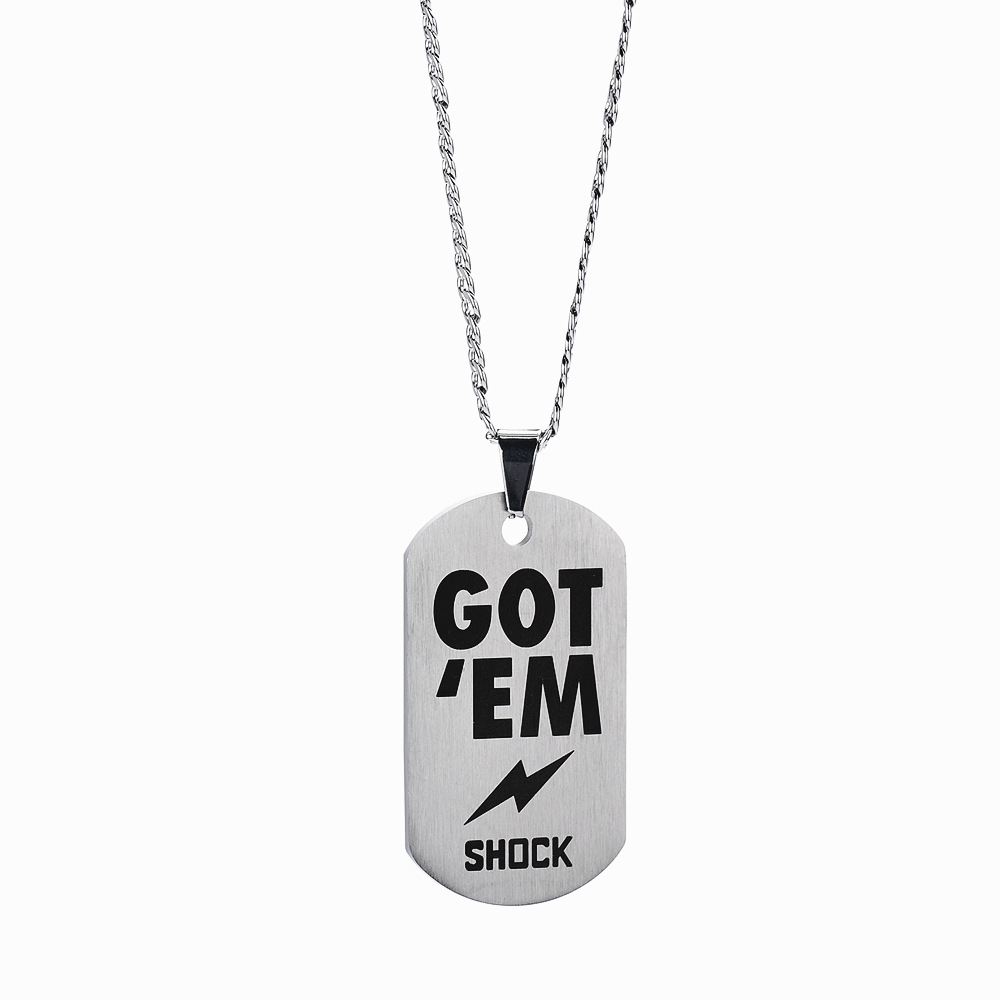
Hip Hop Dog Tag Necklace Stainless Steel Polished Engraved Letter Pendant Trendy Gothic Jewelry For Men Women
$2.83
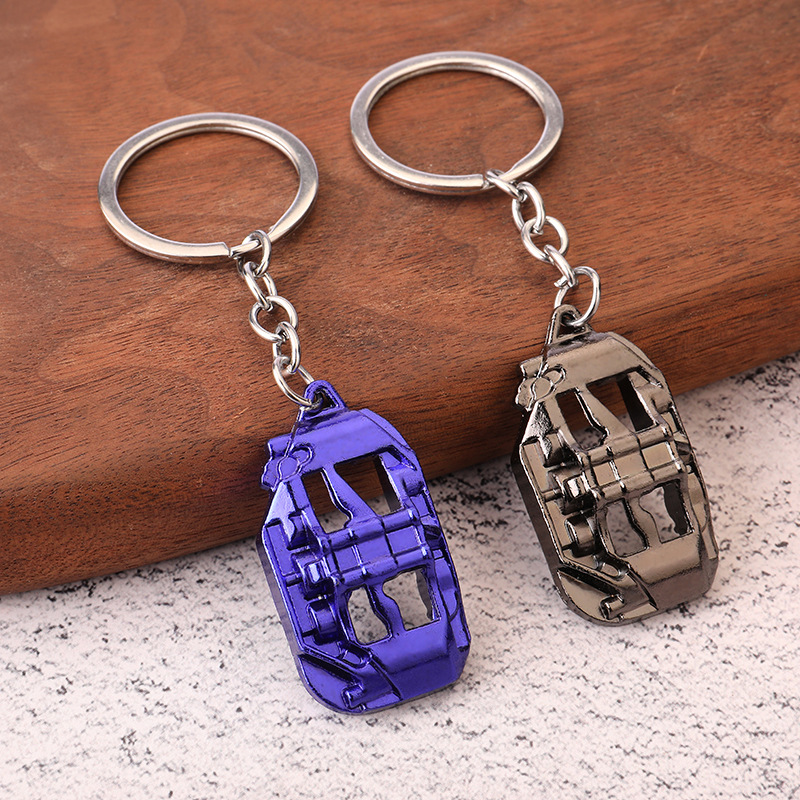
Men's Metal Keychain Car Modification Caliper Key Pendant Promotional Gift Trendy Brand Keychain
$0.52
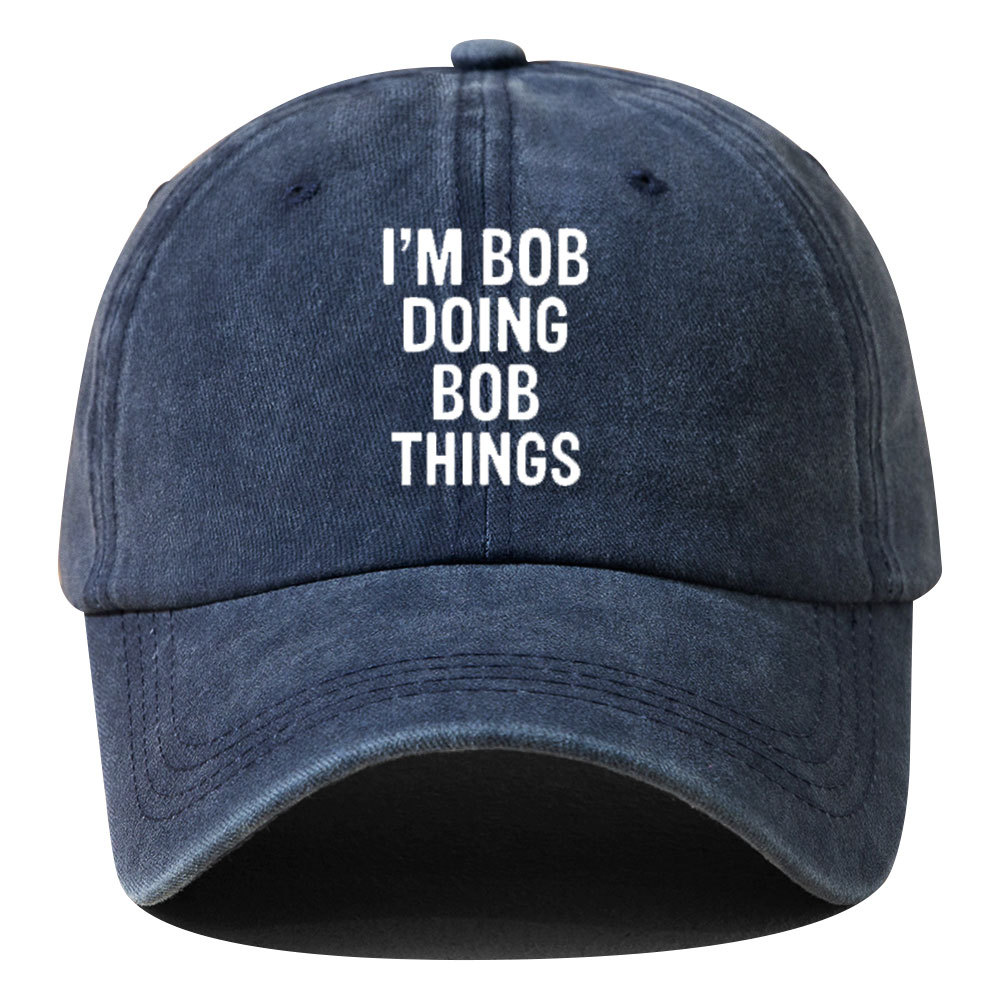
Vintage Washed Cotton Baseball Cap For Men Women Distressed Adjustable Dad Hat With I'M BOB DOING BOB THINGS Slogan Print Casual Soft Top Outdoor Sun Hat
$2.16
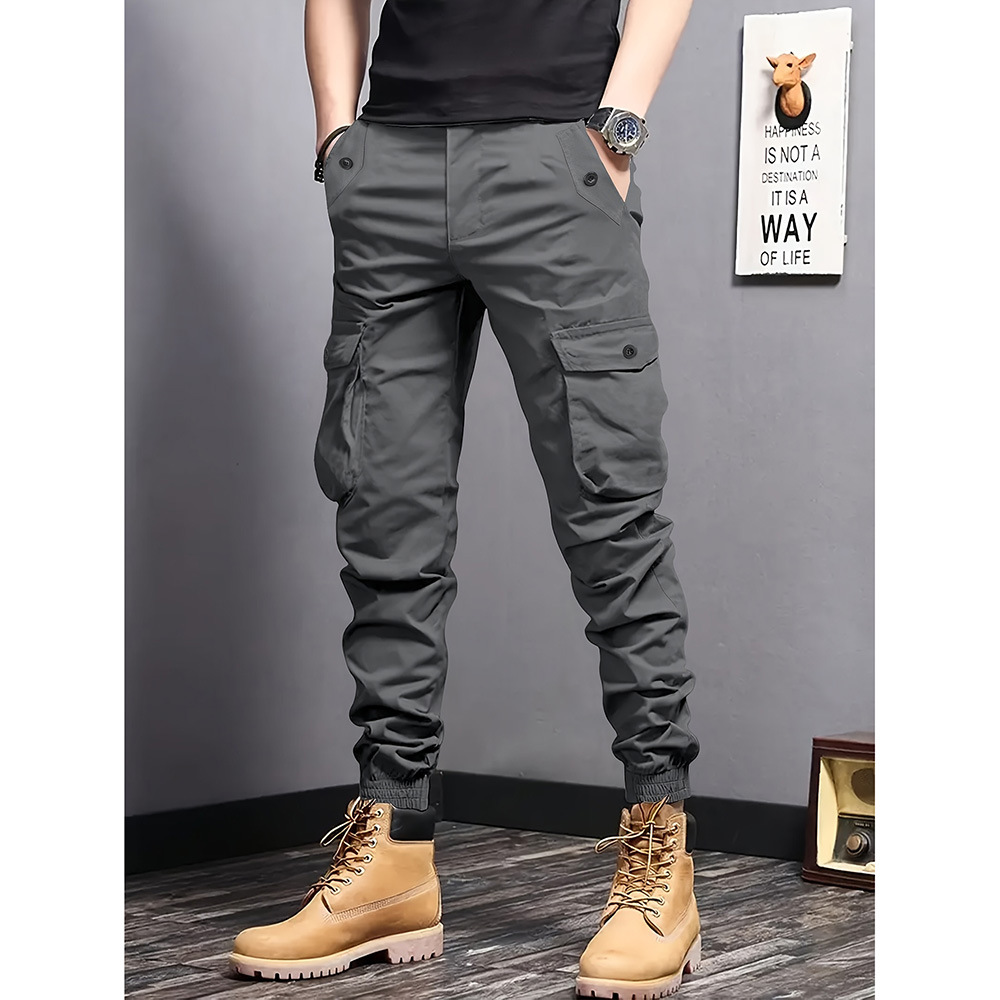
Men's Loose Fit Cargo Pants Polyester Multi-Pocket Tapered Leg Casual Outdoor Streetwear Street Brand Functional Spring Autumn Long Trousers
$8.07
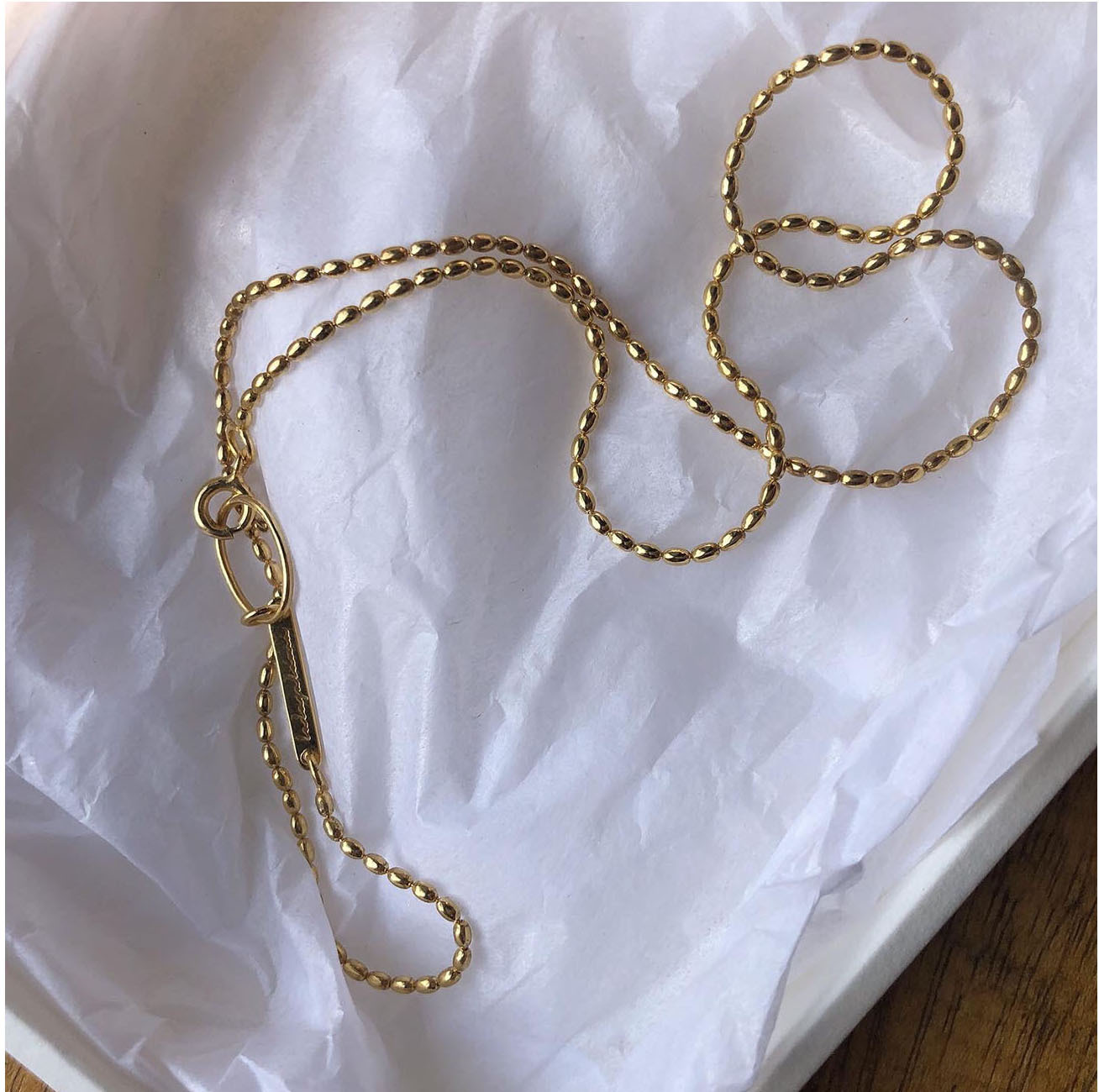
Minimalist S925 Sterling Silver Olive Bead Chain Necklace With Geometric Pendant 18K Gold Plated Personalized Brand Tag Necklace For Women Jewelry
$39.78
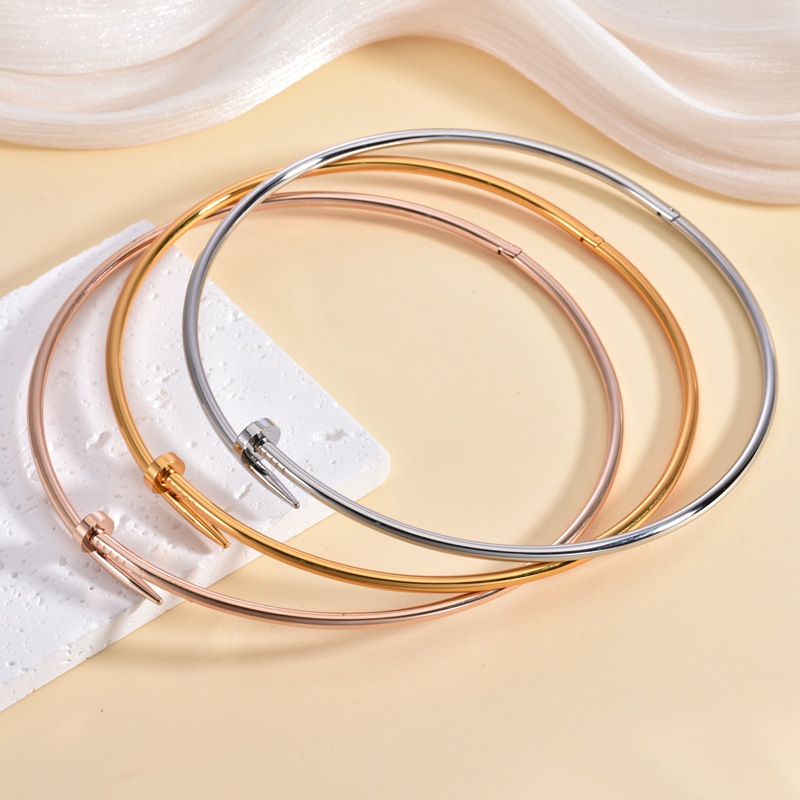
Minimalist Stainless Steel Nail Choker Necklace For Women Luxury Zirconia Inlaid Industrial Style Polished Titanium Steel Collar Jewelry Without Brand Name
$6.03
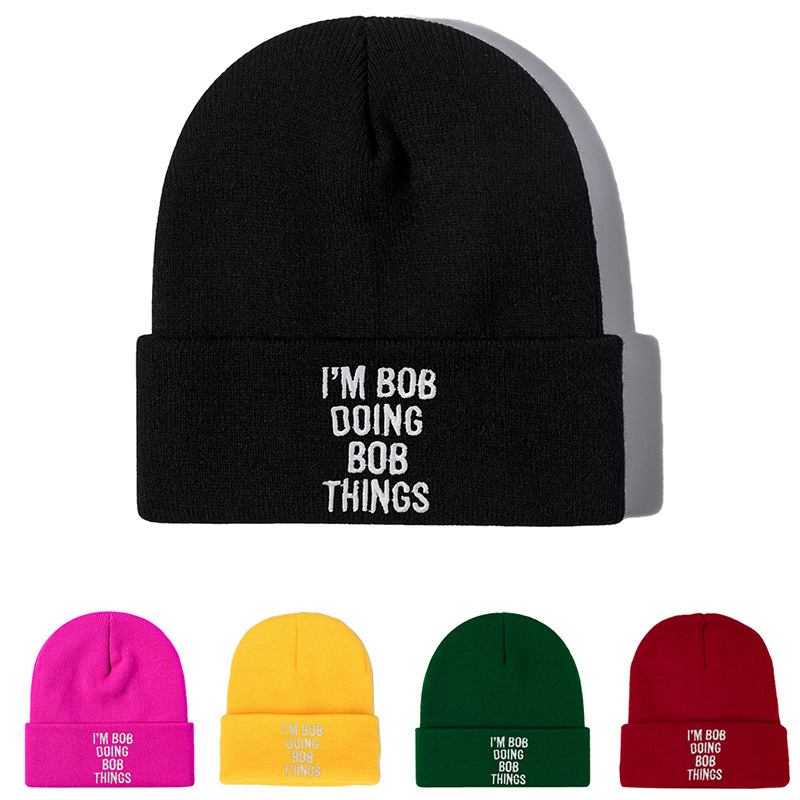
Unisex Winter Warm Knit Beanie Hat 100% Acrylic Soft Embroidered I'M BOB DOING BOB THINGS Lettering Cuffed Skull Cap For Men Women Daily Casual Versatile Outdoor Sports Accessories
$2.16
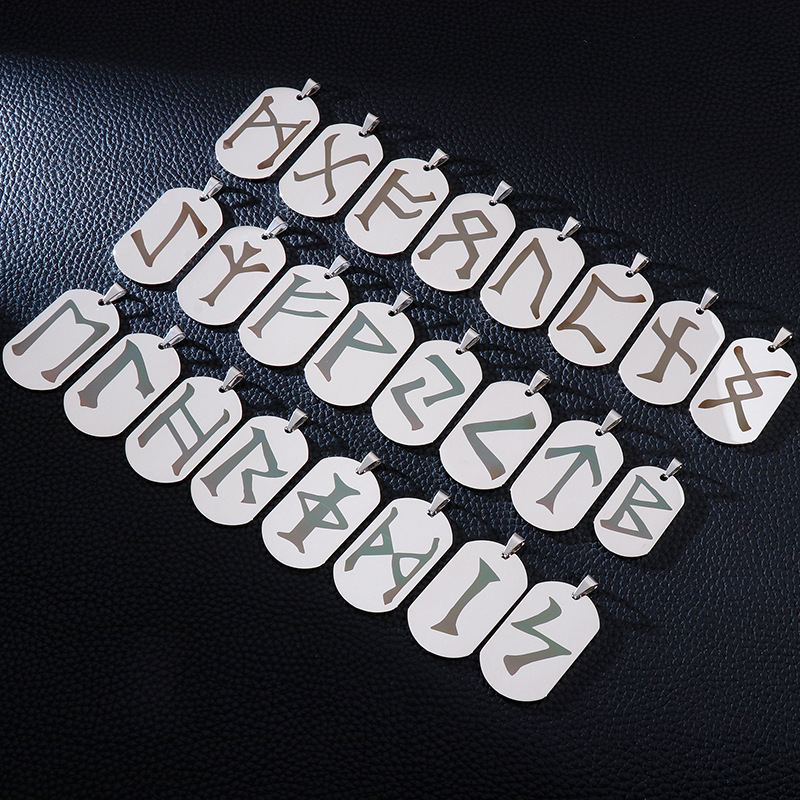
316L Stainless Steel Norse Rune Dog Tag Pendant Necklace Brand Of Sacrifice Engraved Titanium Steel Vintage Nordic Punk Jewelry For Men Women
$2.29
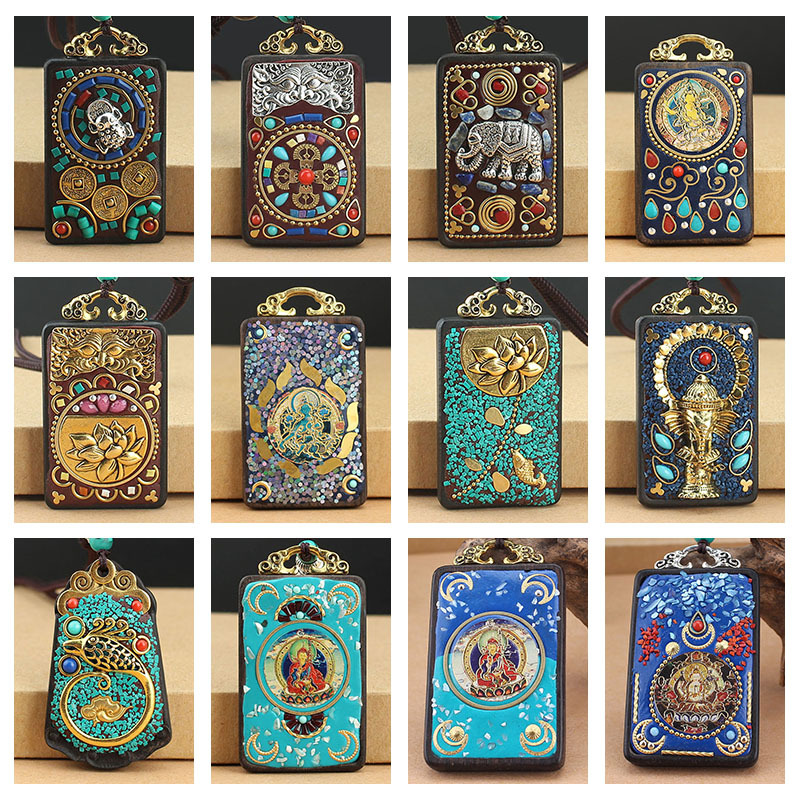
Handmade Nepal Ethnic Thangka Ebony Wood Pendant Necklace Religious Ganesha Buddha Lotus Wushi Brand Vintage Jewelry For Men Women Simulated Turquoise Braided Rope
$1.52

100PCS Waterproof PVC Graffiti Stickers Pack For Laptop Luggage Skateboard Guitar Helmet Bumper Decals Cool Brand Logo Rock Cartoon Mixed Stickers For Teens Adults
$1.73
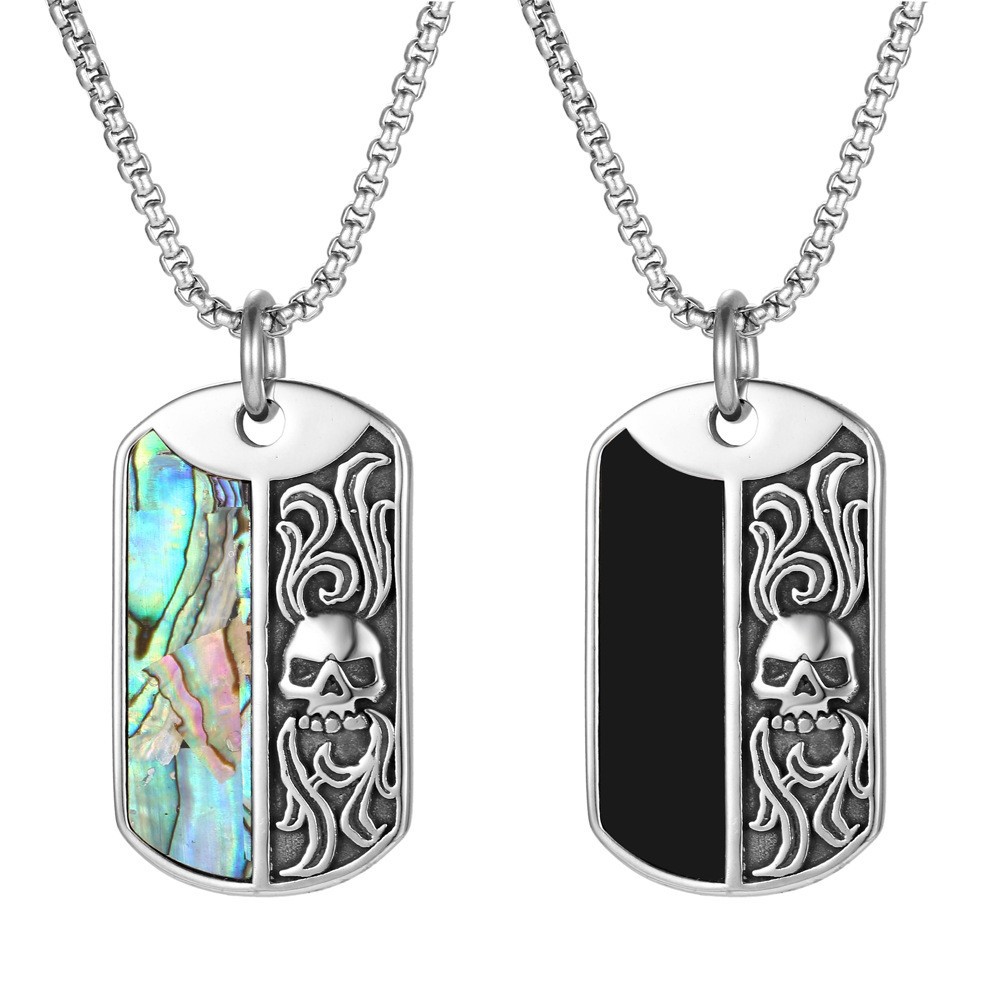
Men's Punk Stainless Steel Skull Dog Tag Necklace With Abalone Shell Inlay Gothic Flame Pattern Military Brand Pendant Cool Hip Hop Jewelry For Men
$3.80
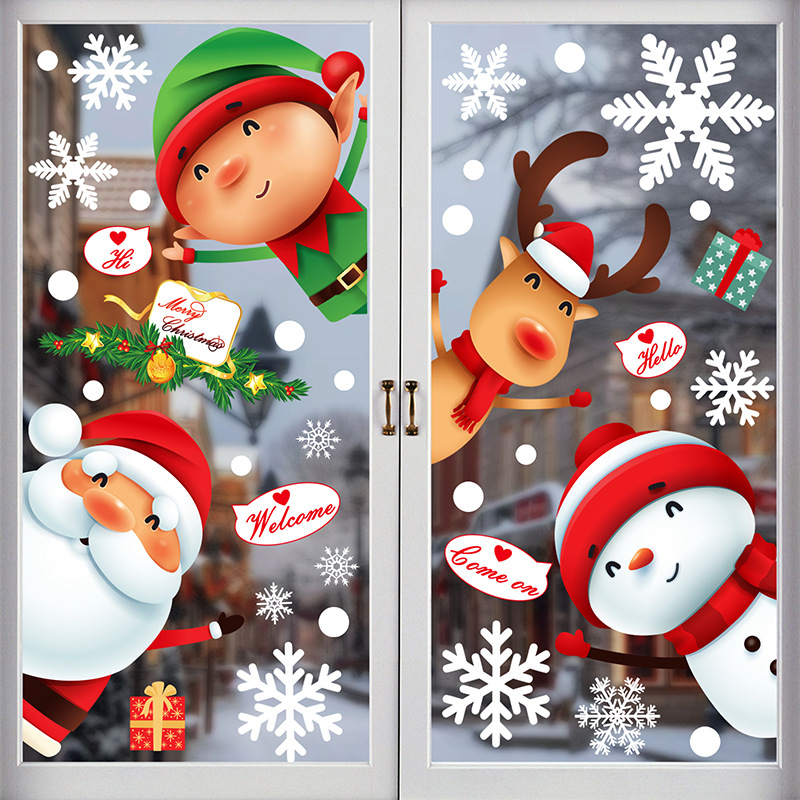
Christmas Static Stickers Cute Santa Claus Reindeer Snowflake Store Glass Window Stickers
$1.37

Irish Saint's Day Stickers Festive Shamrock Store Atmosphere Decoration Glass Electrostatic Stickers
$2.31

Christmas Stickers Winter Santa Claus Electrostatic Window Stickers Mall Store Window Display Glass Stickers
$1.23
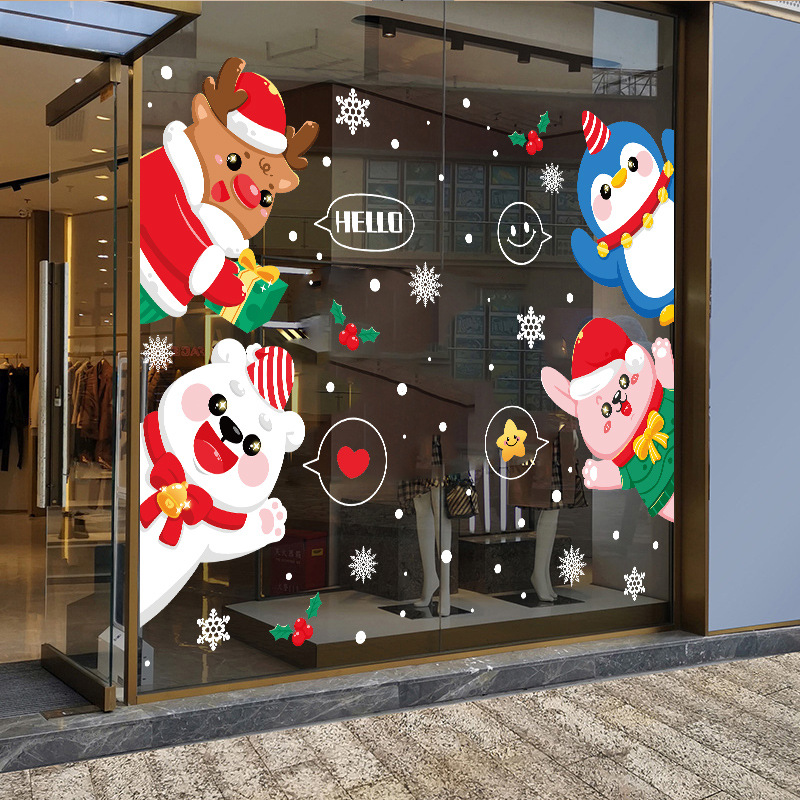
Christmas New Year Decoration Welcome Window Sticker Festive Atmosphere Mall Store Christmas Reindeer Glass Sticker
$1.44
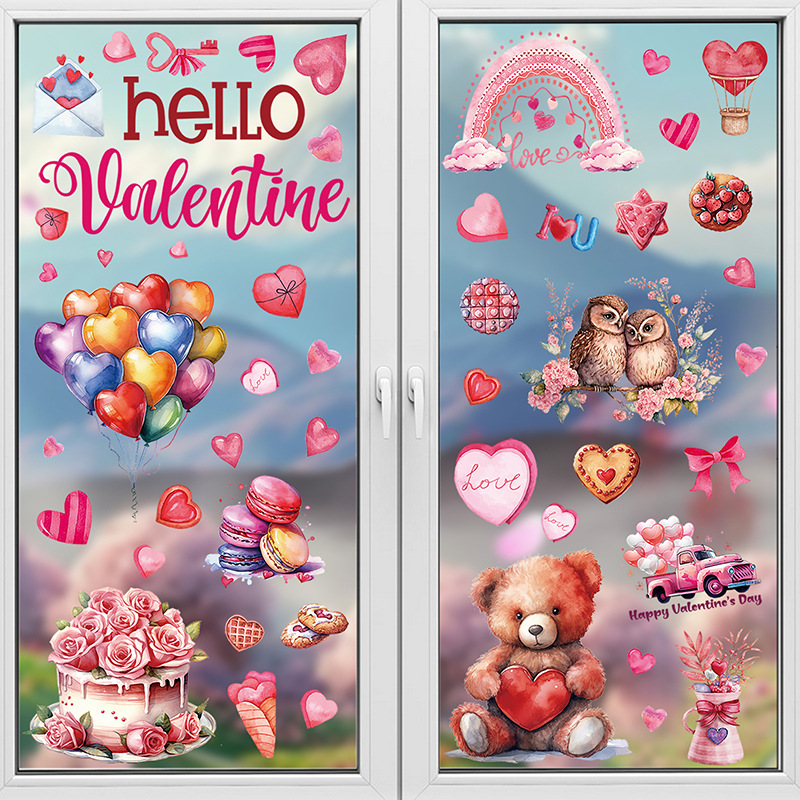
Valentine's Day Glass Stickers 2026 Balloon Cute Bird Window Decoration Stickers For Mall And Store Decoration
$2.33

2023 Qixi Valentine's Day Heart Flag Confession Proposal Mall Hotel Store Wedding Room Restaurant Decoration Wedding
$0.58
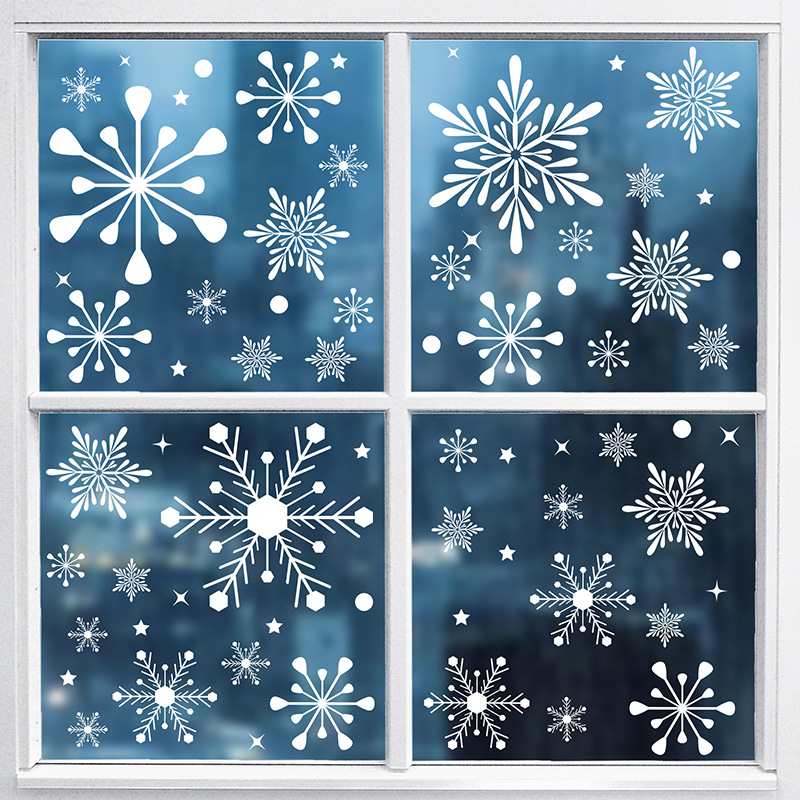
Snowflake Electrostatic Stickers For Christmas Decoration New Year Window Stickers Shopping Mall Store Window Glass Decorative Stickers
$2.45

Nordic Christmas Fabric Velvet Reindeer Figurine Gift Boxes Set For Holiday Party Home Store Window Display Ornaments
$19.88
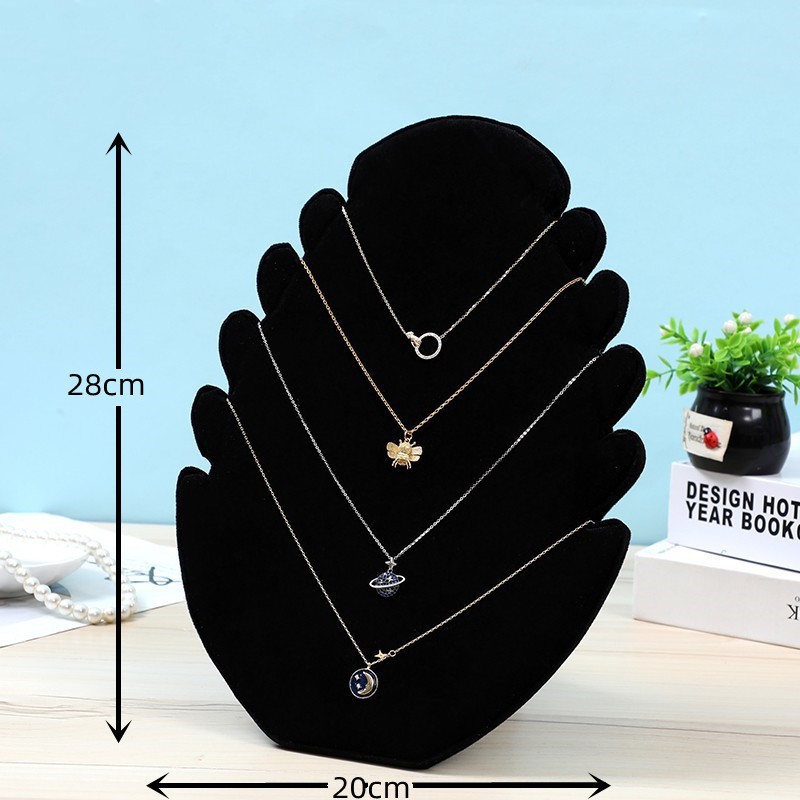
Leaf Shape Velvet Linen Necklace Display Stand Jewelry Organizer Holder For Retail Store Countertop Show Pendant Display Board
$2.71
Bundles That Solve the Conversion Gap
Bundling works because it increases perceived value while giving you margin to test different price points. Each bundle below targets a specific diagnostic stage — from testing demand to improving store aesthetics.
Low-Ticket Test Bundle
You want to see if your audience actually buys anything. Start with ultra-low commitment items to prove purchase intent.
- Men's Metal Keychainhero
- 100PCS PVC Graffiti Stickersupsell
- Vintage Washed Cotton Baseball Capcomplement
Bundle at $6.99 vs $9.69 separately — low risk for buyer, tests willingness to pay.
Brand Aesthetic Bundle
Your store looks bare or trust is low. Use display items and unisex accessories to build a professional vibe.
- Unisex Winter Warm Knit Beanie Hathero
- Leaf Shape Velvet Linen Necklace Display Standcomplement
- Vintage Washed Cotton Baseball Capupsell
Bundle at $12.99 vs $15.18 separately — margin ~60%
Streetwear Starter Bundle
Your clothing brand audience likes your style but needs accessories to complete the look. Add these to your store as upsells.
- Men's Loose Fit Cargo Pantshero
- 316L Stainless Steel Norse Rune Dog Tag Pendant Necklacecomplement
- Hip Hop Dog Tag Necklace Stainless Steelupsell
Bundle at $24.99 vs $28.19 separately — high perceived value, tests cross-category buying