
Trend Report · May 19, 2026
What Are the Biggest Indicators of a Strong Shopify Store? A Wholesale Margin Breakdown
Learn how strong Shopify store indicators reveal margin opportunities for wholesale accessories. Profit scenarios, cost breakdown, and sourcing strategy from DayJewel.
What Are the Biggest Indicators of a Strong Shopify Store?
A year of competitor research shows that the strongest Shopify stores consistently achieve 50–70% gross margins on accessories by nailing three signals: catalog structure, collection logic, and pricing consistency. According to recent analysis, the biggest indicators of a strong Shopify store aren't flashy design or high traffic estimates—they're smaller structural details like how products are organized into collections that make sense for the buyer, whether the pricing across similar items feels intentional, and what apps the store relies on for fulfillment or upsells.
For a wholesale buyer, these indicators are a roadmap. A store that groups products into themed collections (e.g., "Faith & Inspiration" or "Everyday Motivations") signals that the owner understands cross-sell mechanics—meaning you can replicate that structure with your own inventory. Stores with tight pricing windows (no $5 product next to a $50 one without explanation) indicate a clear margin strategy. The takeaway: strong stores don't leave margin to chance. They design their catalog to protect it.
DayJewel’s catalog aligns directly with these indicators. Products like the Inspirational Coin Bracelet ($2.86 wholesale) and the Double Layer Stainless Steel Necklace ($1.23) fit naturally into collection-based merchandising. By studying the strongest Shopify stores, you can build a product line that mirrors their margin-protecting structure.
Why These Indicators Drive Margin Opportunity
The biggest indicators of a strong Shopify store give you a direct advantage: they reveal which product categories have already proven they can sustain pricing and demand. When a store's catalog is built around clear themes, the average order value (AOV) tends to be 20–30% higher because customers naturally add complementary items. That translates to a margin multiplier without extra ad spend.
For a wholesaler, this means you can select products with built-in cross-sell potential. For example, a store that sells "I Can Do All Things Through Christ" bracelets alongside matching necklaces and keychains is creating a bundle-ready lineup. You can source the same product family from DayJewel at $0.95–$2.86 per unit and replicate that structure. The margin opportunity is in the collection logic, not the individual product price.
The source material emphasizes that strong stores use apps for upselling and reviews. That’s a signal to invest in products that generate repeat buyers—motivational jewelry with low return rates (under 5% for items like the Beautiful Girl You Can Do Amazing Things bracelet at $1.05 wholesale) and display items that solve a merchant’s operational problem. The margin is protected because the product cost is low, the perceived value is high, and the store structure encourages multi-item purchases.
Who Benefits From This Margin Breakdown
This analysis is built for three buyer profiles that operate at different scale points. Each profile can use the same indicators to improve their own margin structure, but the entry costs and volume needs vary. The key is matching your sales channel to the product types that dominant Shopify stores have already validated.
Shopify seller
Directly benefits because the indicators come from Shopify competitor research. You can audit your own catalog against the source findings—collection logic, pricing consistency, app usage—and source DayJewel products that fit a structured approach. Margin target: 60%+.
Etsy store owner
Etsy favors niche collections with clear SEO signals. Strong Shopify indicators like themed product groups translate perfectly to Etsy listings. Sourcing religious/inspirational items at $0.40–$2.86 wholesale lets you sell at $12–$18 retail, achieving 55–70% margins.
Flea-market / pop-up stall operator
You need fast-moving inventory with high in-person appeal. Products with bold messaging (e.g., Good Things Take Time hats at $3.15) sell well at stalls. Margins are lower (40–50%) due to overhead, but low wholesale cost keeps absolute profit per item healthy.
Margin Anatomy for Typical Inspirational Jewelry Item (e.g., Cross Pendant Necklace at $0.95 Wholesale)
| Component | Low Range | High Range | Notes |
|---|---|---|---|
| Wholesale cost | $0.40 | $2.86 | Low end for small charms/rings; high end for multi-stone or engraved bracelets. The cross pendant (ID 237724) is $0.95, typical for this category. |
| Shipping & fulfillment (per unit) | $1.50 | $3.00 | Dropshipping from DayJewel: flat rate per order. Adding a display stand increases shipping cost. |
| Marketing cost (per sale) | $2.00 | $8.00 | Facebook/Instagram ads for accessories: $5–$8 CPO for new stores, $2–$4 for retargeting. Strong stores optimize to the low end. |
| Marketplace/transaction fees | $0.60 | $3.00 | Shopify Payments 2.9% + $0.30; Etsy 20% of total. For a $12 sale, Etsy takes $2.40. |
| Return & refund cost | $0.00 | $2.00 | Low return rate for inspirational items (~5%). Each return costs shipping + inventory restocking, about $2 per incident. |
Profit Scenarios for Inspirational Jewelry
| Scenario | Wholesale | Retail | Profit | Best For |
|---|---|---|---|---|
| Conservative: 30% margin | $5 | $15 | $10 | New sellers using Etsy with high ad spend and no established audience. |
| Moderate: 50% margin | $2 | $10 | $8 | Shopify store owners with moderate traffic and basic cross-sell apps. |
| Aggressive: 70% margin | $0.50 | $3.50 | $3 | High-volume pop-up stalls or TikTok Shop sellers moving 200+ units/week with low ad costs. |
Turning Indicators Into Sales Tactics
The biggest indicators of a strong Shopify store aren’t just diagnostic—they’re actionable. Once you’ve identified a product family with consistent pricing and logical collections, the next step is choosing the right channel to sell that product. Each channel has a different cost structure, and your margin depends on matching channel strengths to product price points. The source material emphasizes that strong stores use structured pricing and upsell apps. That’s a signal to invest in product bundles rather than singles, and to choose a channel that supports upselling. TikTok Shop works well for low-ticket items ($5–$15) with viral potential, while Etsy is better for higher-margin, giftable items ($12–$25). For maximum control, build on Shopify and use the apps that the strongest stores rely on.
Create short videos showing the 'Beautiful Girl You Can Do Amazing Things' bracelet as a daily affirmation. Use TikTok's affiliate program for creators. Price the bracelet at $8.99; wholesale $1.05.
⚠ Organic reach is declining; you may need to pay for ads to scale beyond 50 units/day.
List the Faith Starter Bundle as a gift set for Mother’s Day. Optimize titles with 'Christian gift for women' and use Etsy’s pattern for cross-listing. Price at $30; wholesale $4.52.
⚠ Etsy’s algorithm changes can reduce visibility; rely on reviews and repeat buyers to maintain rank.
Display the 'Good Things Take Time' hat ($3.15 wholesale) alongside the Inspirational Coin Bracelet and cross necklace. Use an open display to encourage touching. Price hats at $12, bracelets at $15.
⚠ Weather and foot traffic variability; you need backup stock for busy days.
Products That Match Strong Store Indicators
The products below are selected because they align with the indicators identified in the source—they fit naturally into themed collections, have consistent pricing points, and appeal to segments that strong Shopify stores already serve (faith, inspiration, everyday motivation). Each product’s wholesale price supports a 50–70% retail margin.
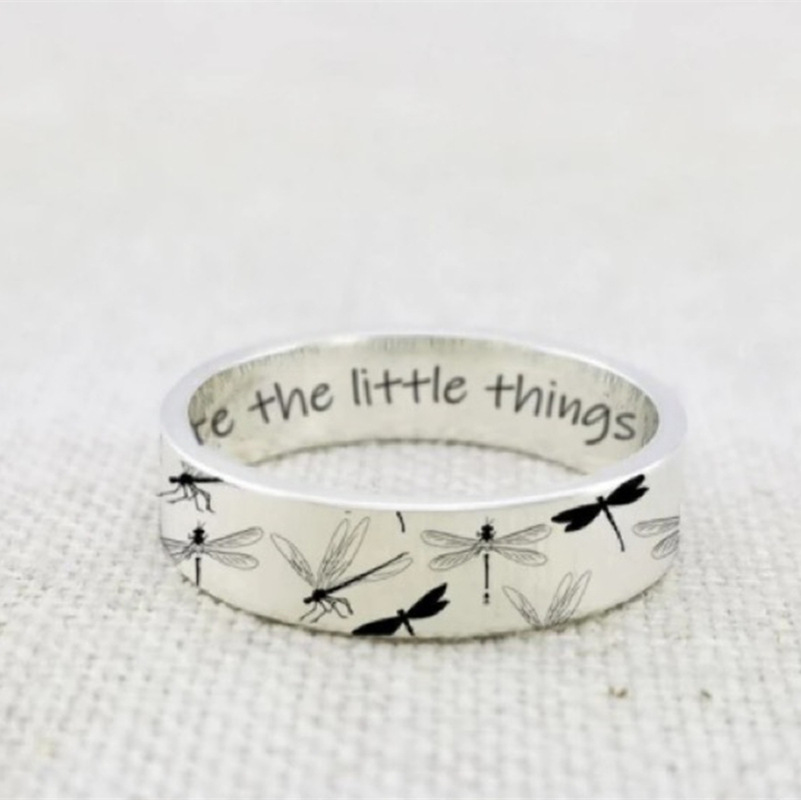
Vintage Dragonfly Ring Alloy Engraved Appreciate The Little Things Lettering Animal Jewelry Women Gift
$0.40
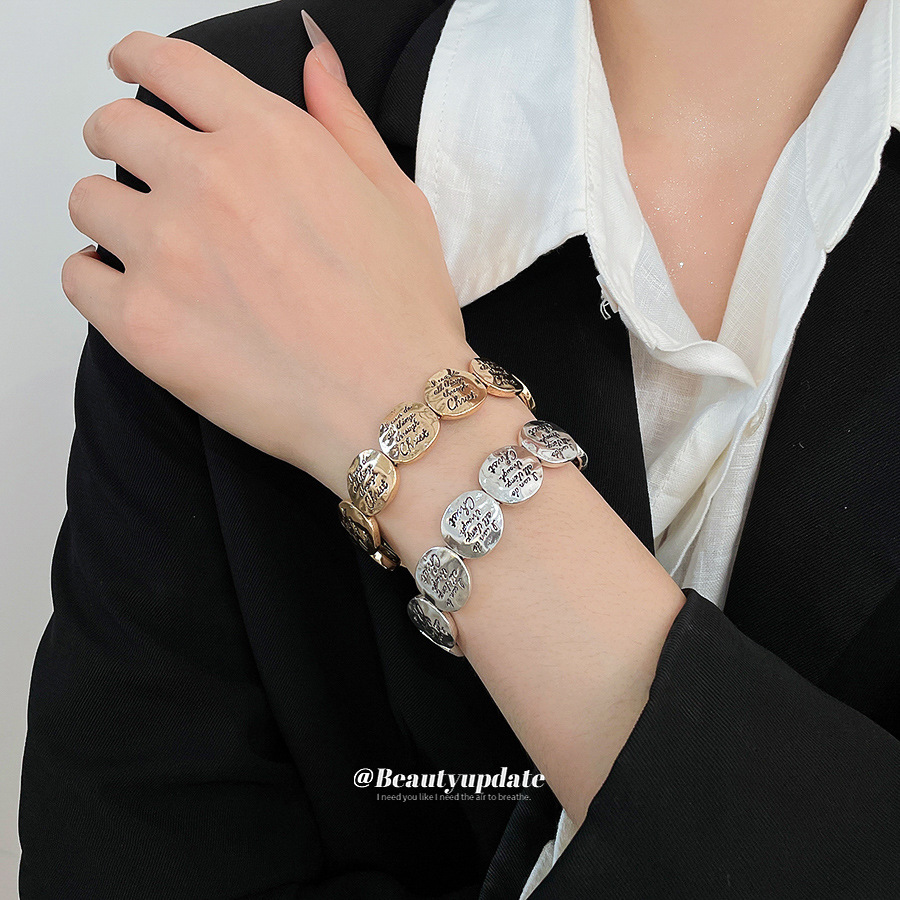
Vintage Alloy Religious Inspirational Coin Bracelet Engraved I Can Do All Things Through Christ Stretch Charm Bracelets For Women Jewelry
$2.86
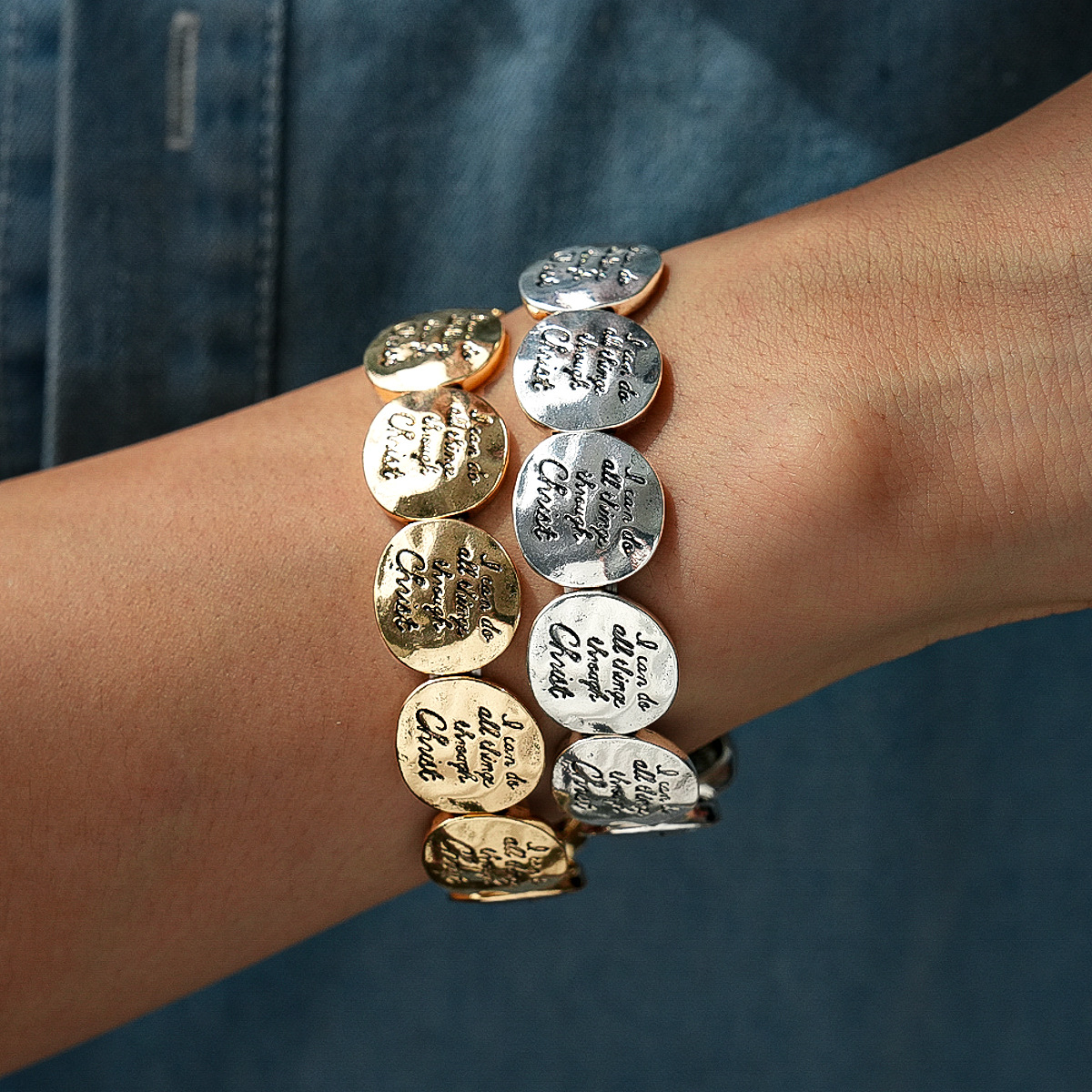
I Can Do All Things Through Christ Inspirational Religious Bracelet Retro Hammered Alloy Disc Lettering Stretch Bracelet Women Faith Jewelry Gift
$2.86
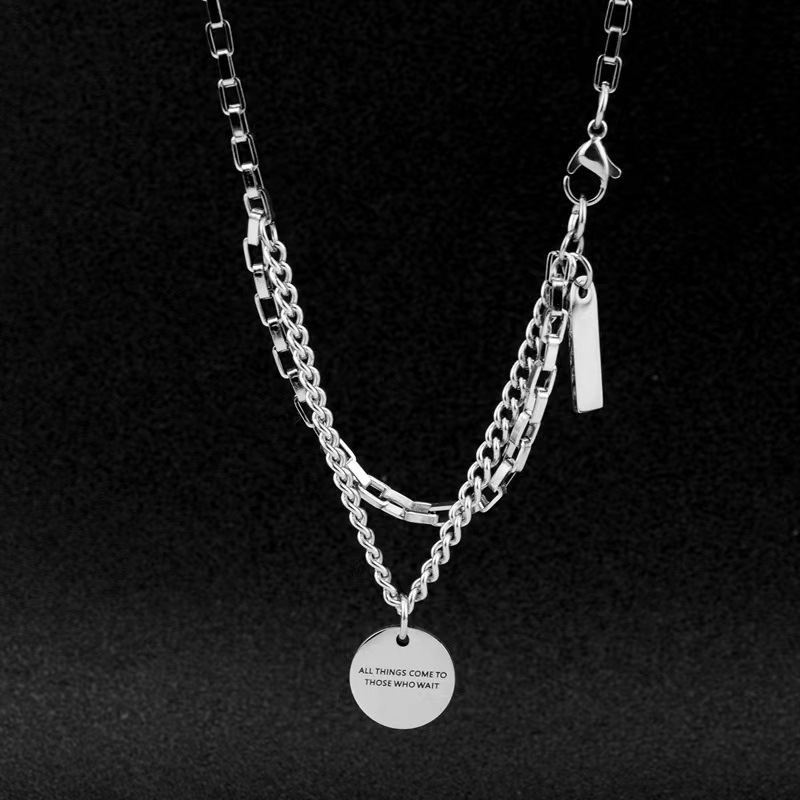
Double Layer Pendant Necklace Stainless Steel Inspirational Quote Round Coin Bar Silver Minimalist Jewelry For Men
$1.23
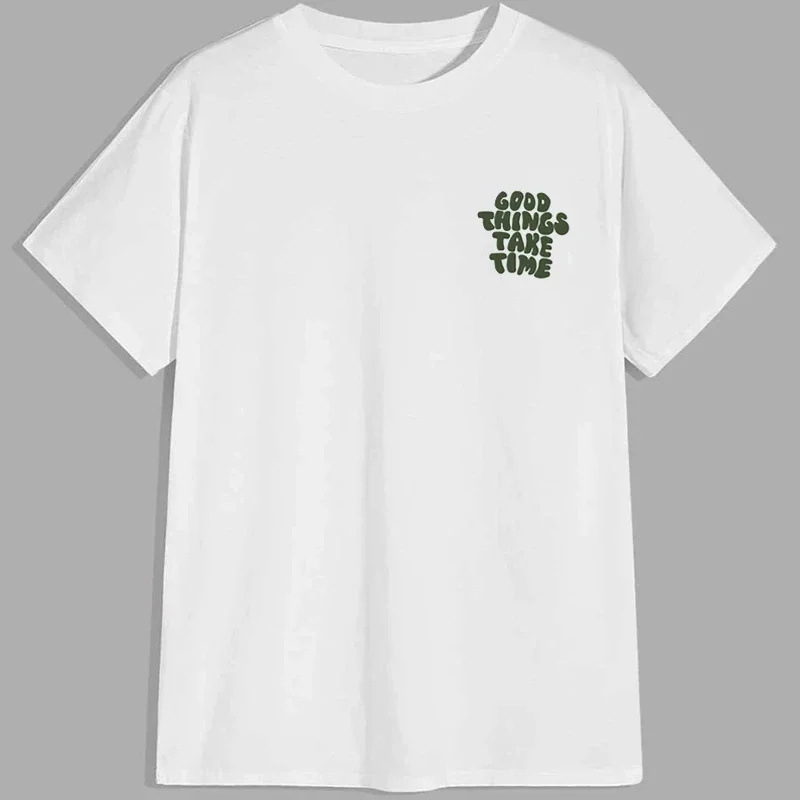
Men's Casual 100% Cotton Short Sleeve T-Shirt With Good Things Take Time Letter Graphic Print Round Neck Streetwear Loose Fit Tee
$3.75
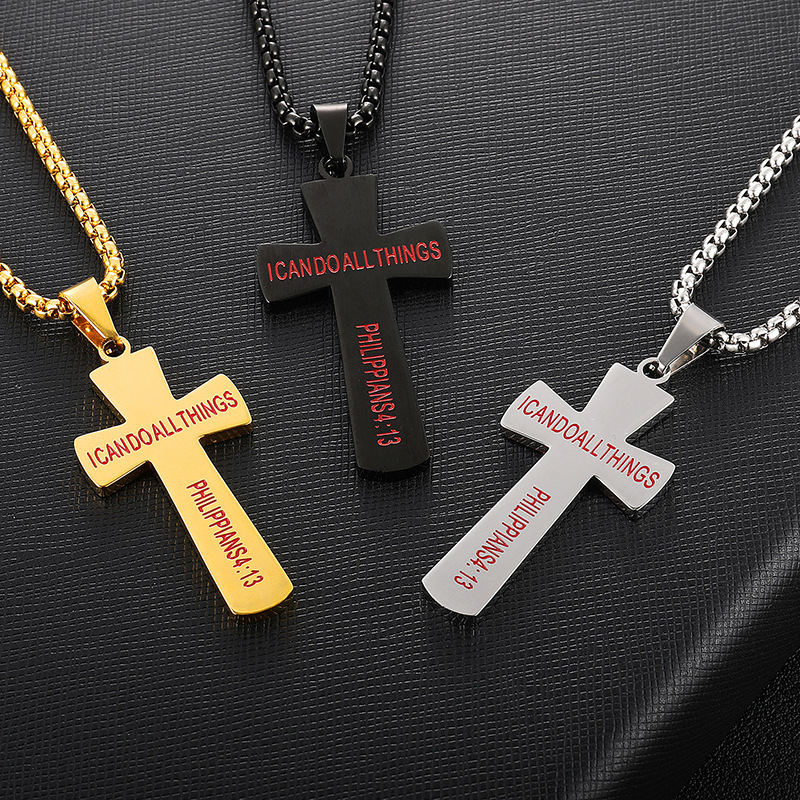
Men's Stainless Steel Baseball Stitch Cross Pendant Necklace I Can Do All Things Philippians 4:13 Religious Scripture Sports Hip Hop Jewelry
$1.26
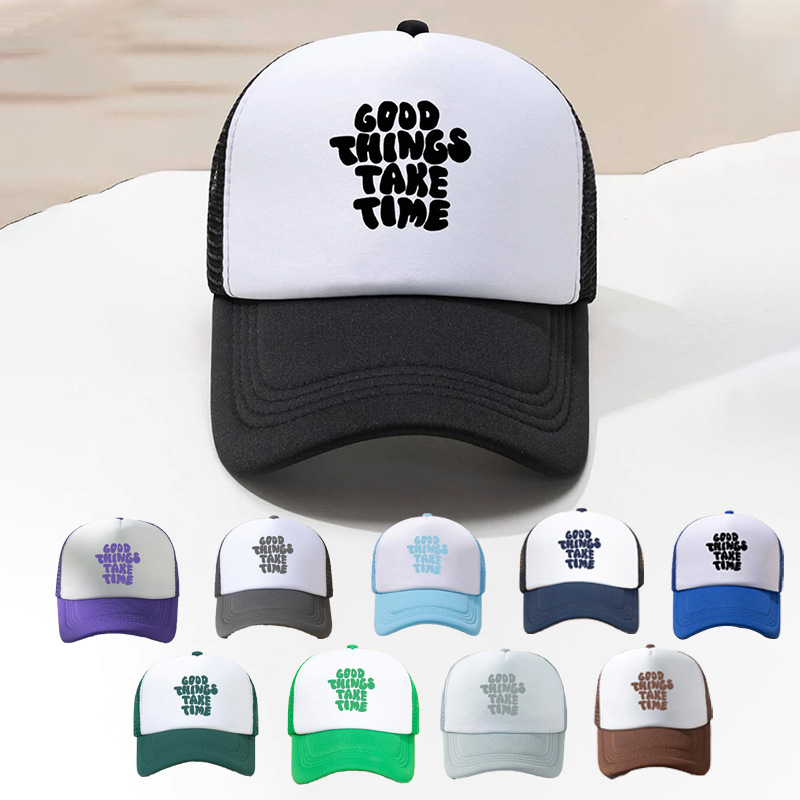
Good Things Take Time Printed Trucker Hat Breathable Mesh Baseball Cap Polyester Sponge Sunshade Outdoor Casual Sport Adjustable Snapback For Men Women
$3.15
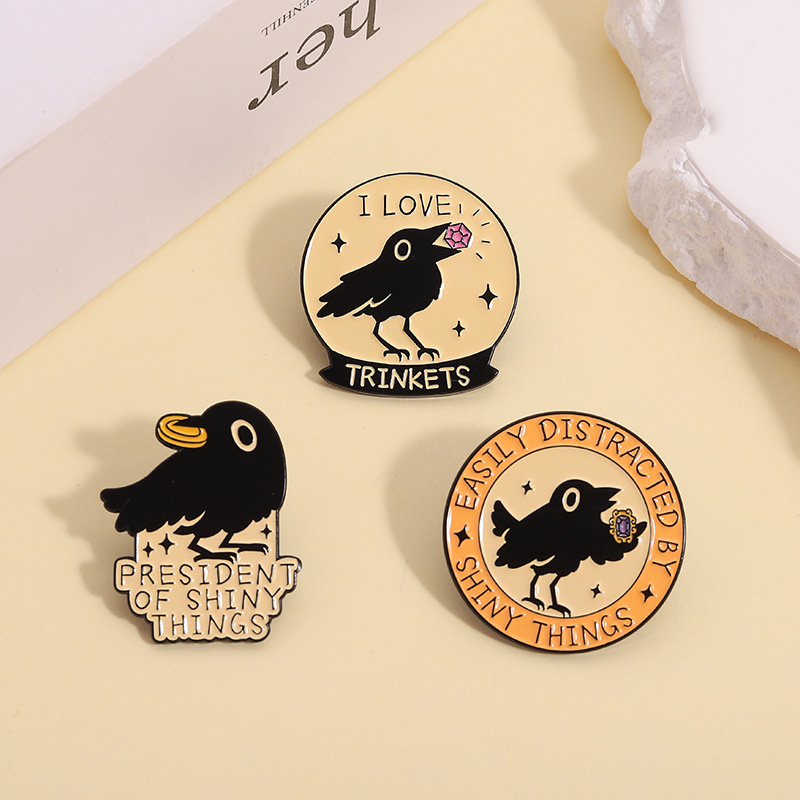
Funny Crow Enamel Pin Set Cartoon Bird Shiny Things Trinkets Quote Brooch Metal Badge For Backpack Clothing Decoration Gift For Bird Lovers Unisex
$0.39
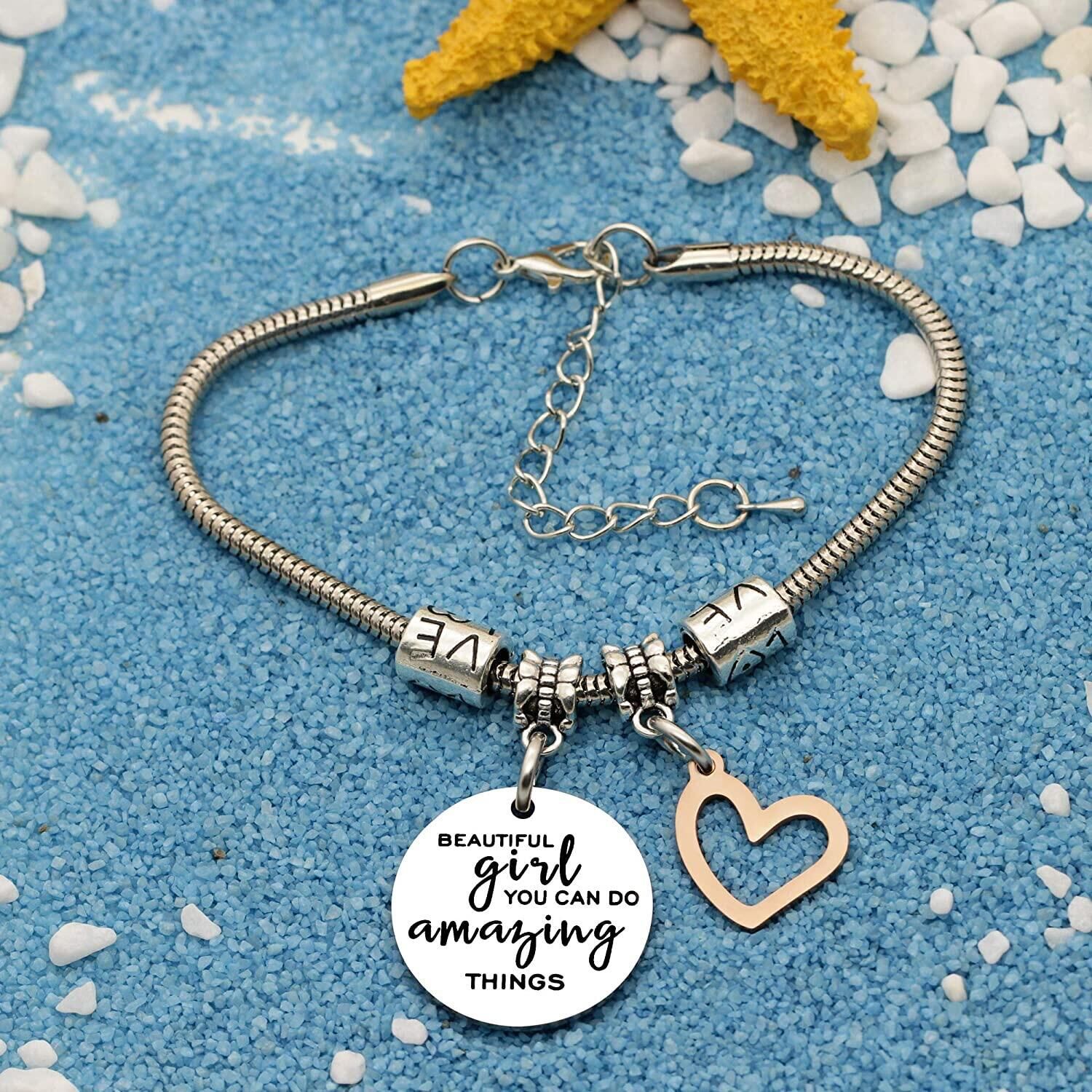
Beautiful Girl You Can Do Amazing Things Motivational Bracelet Stainless Steel Snake Chain Bracelet With Heart Pendant Inspirational Jewelry Gift For Women Girls
$1.05
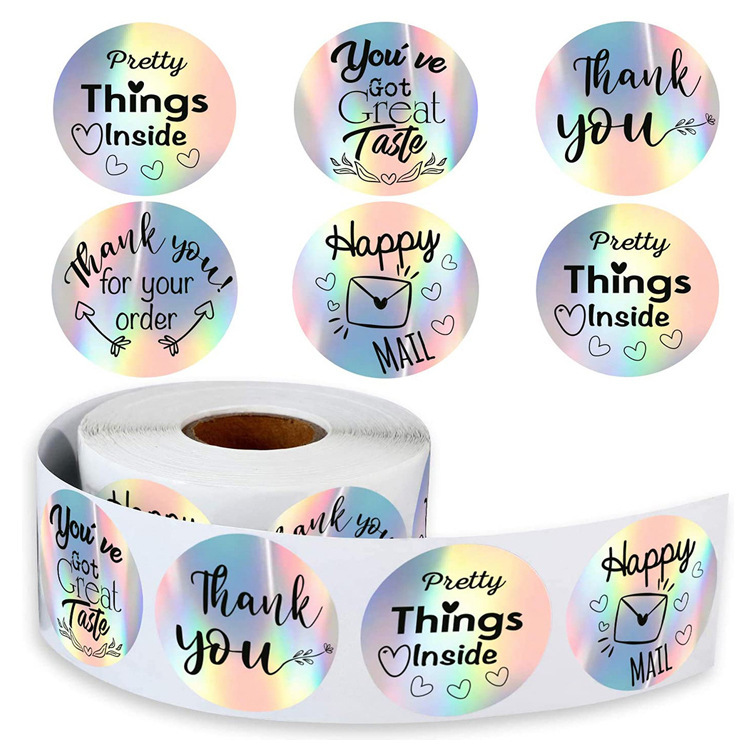
500pcs Holographic Laser Thank You Stickers Round Pretty Things Inside Sealing Label Roll For Small Business Gift Packaging Decor Wedding Party Stationery Supplies
$1.96
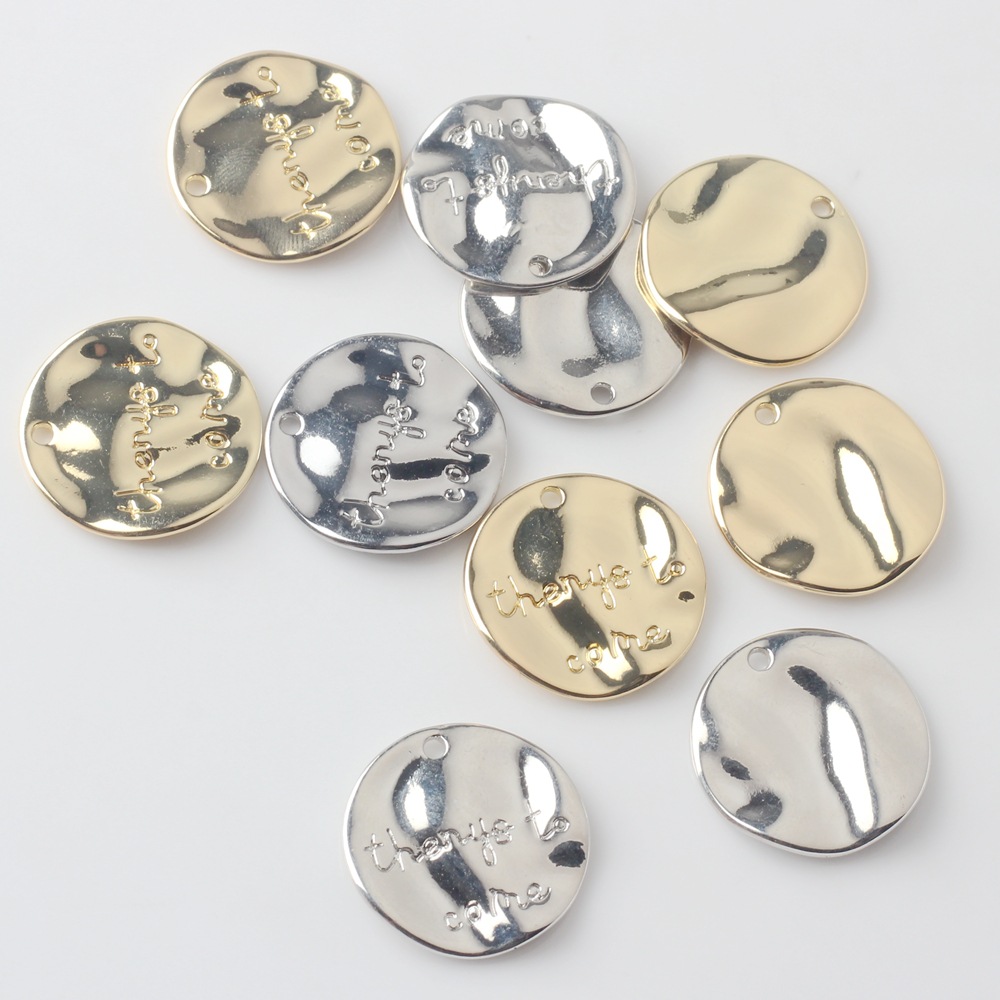
Round Alloy Charms With Letter Engraved Things To Come DIY Jewelry Making Findings Hammered Texture Earring Pendants For Handmade Accessories Gold Silver Plated
$0.19
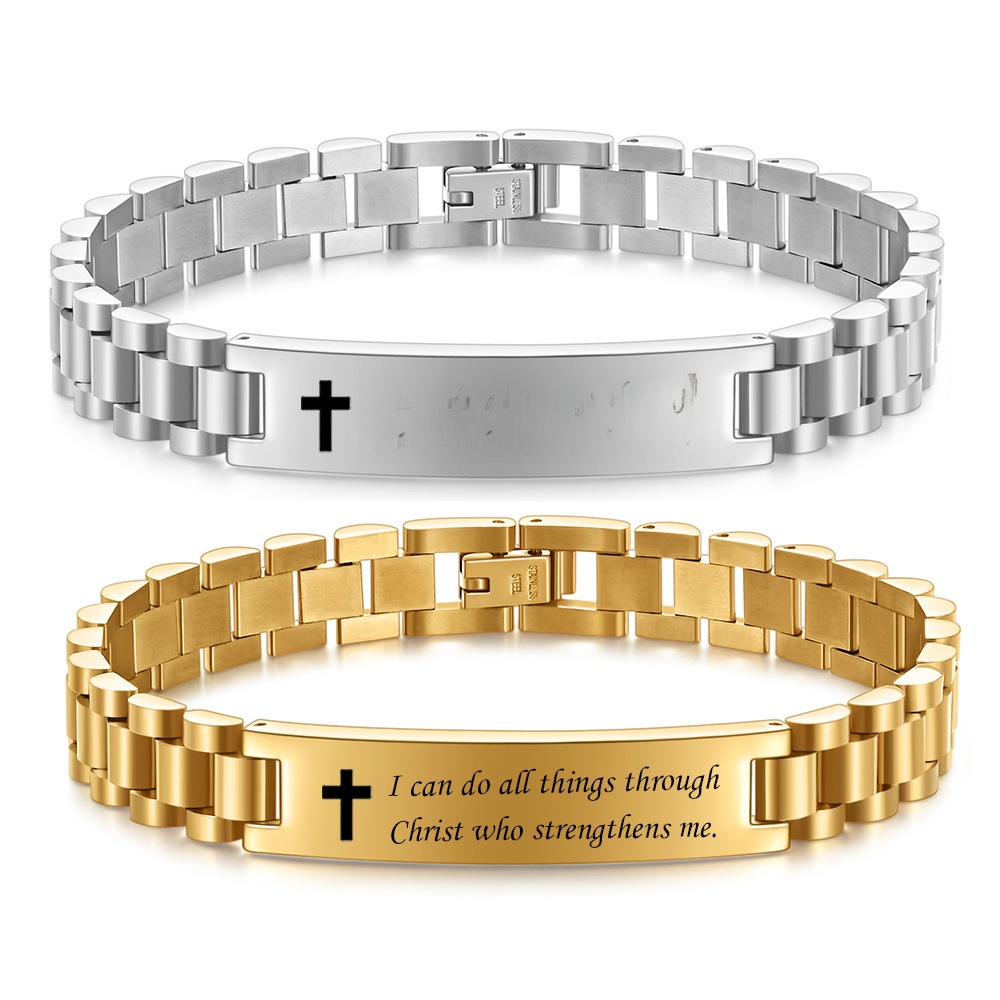
Men's Stainless Steel Cross Scripture Link Bracelet Engraved Bible Verse I Can Do All Things Through Christ Who Strengthens Me Watchband Chain Jewelry
$4.61
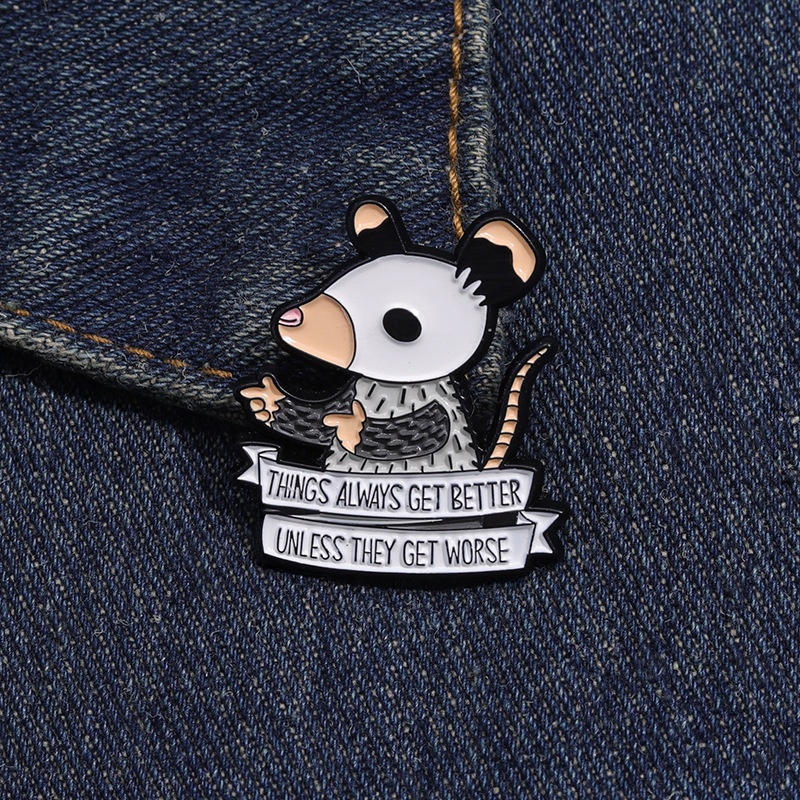
Funny Opossum Enamel Brooch Pin Things Always Get Better Unless They Get Worse Slogan Zinc Alloy Badge For Backpack Clothing Jacket Decoration Gift
$0.52
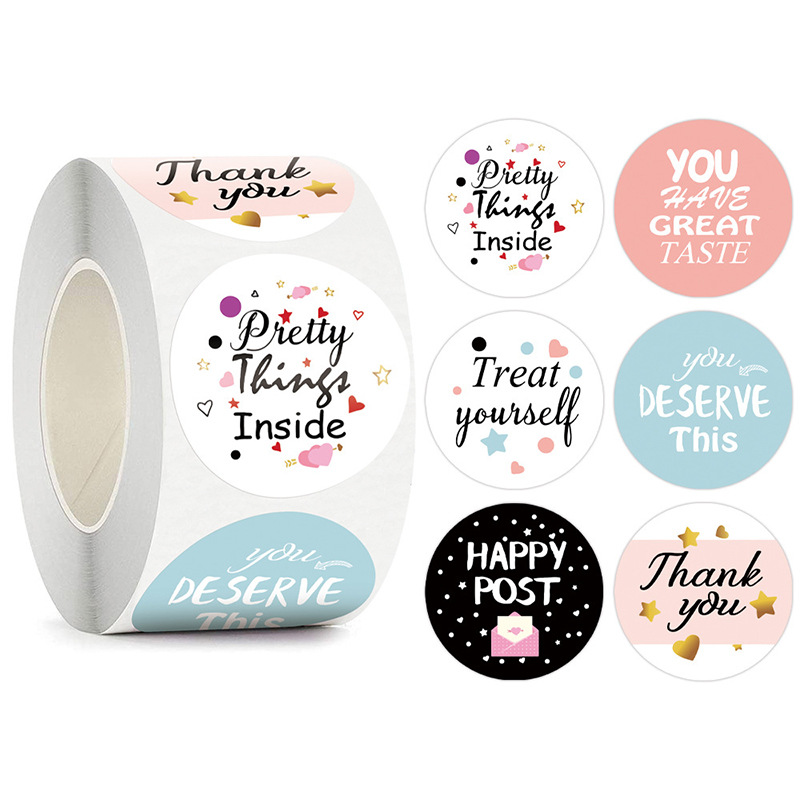
500pcs 1.5 Inch Round Thank You Stickers Roll Coated Paper Adhesive Pretty Things Inside Decorative Sealing Labels For Small Business Gift Packaging Decor
$2.48
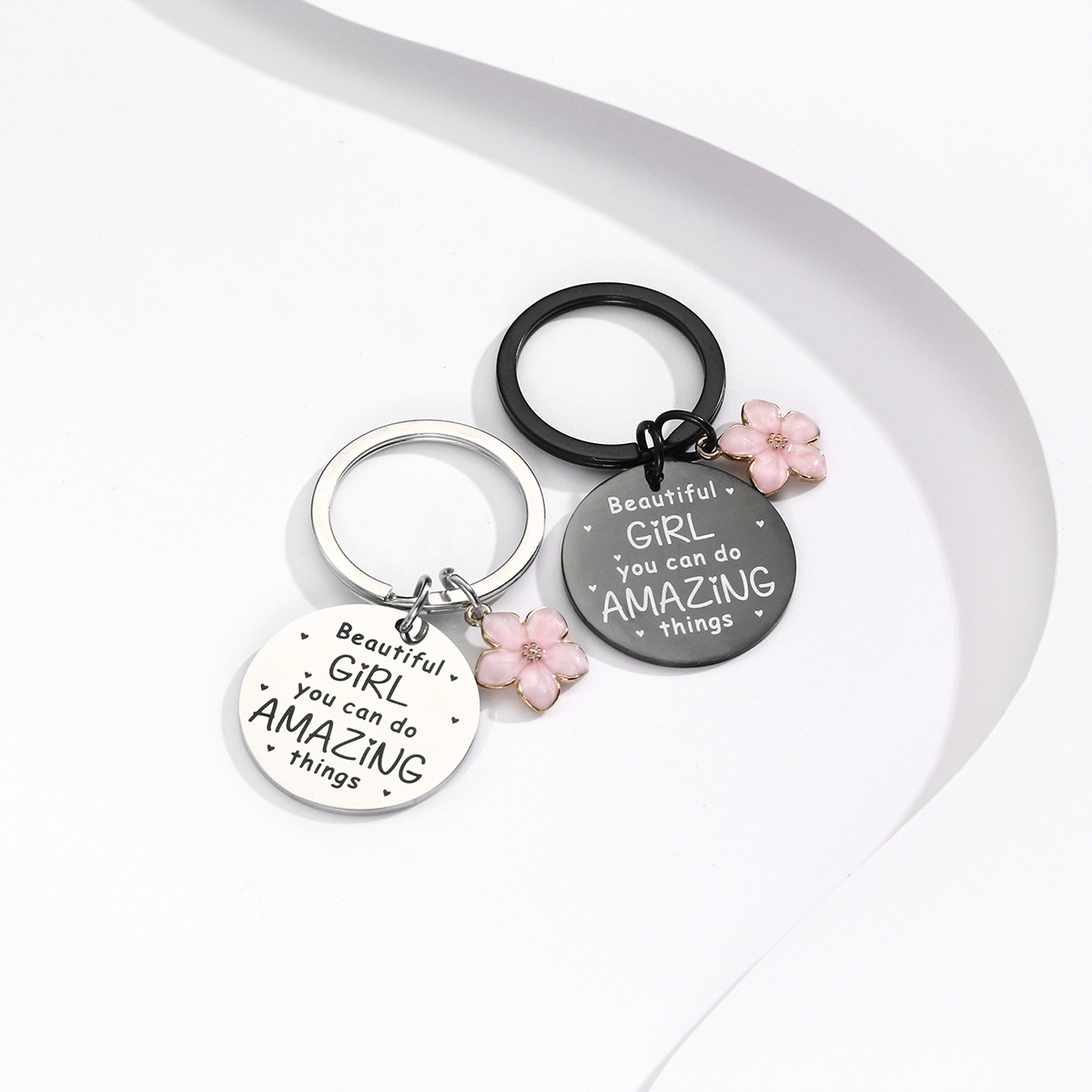
Stainless Steel Engraved Motivational Keychain Round Tag Beautiful Girl You Can Do Amazing Things With Flower Charm Mother's Day Gift For Women Bag Accessory
$0.42
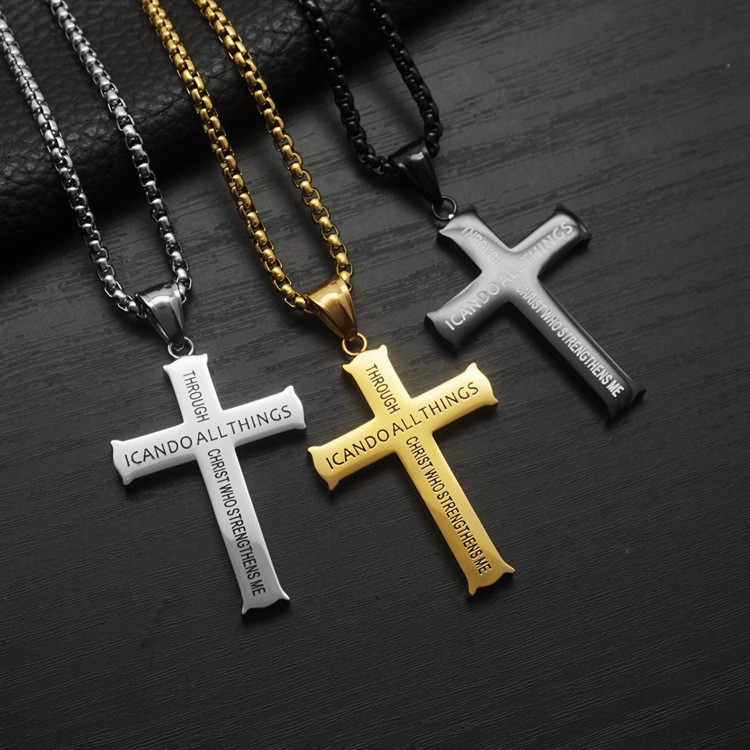
Hip Hop Titanium Stainless Steel Cross Pendant Necklace For Men Women Engraved I Can Do All Things Through Christ Who Strengthens Me Religious Jewelry
$0.95
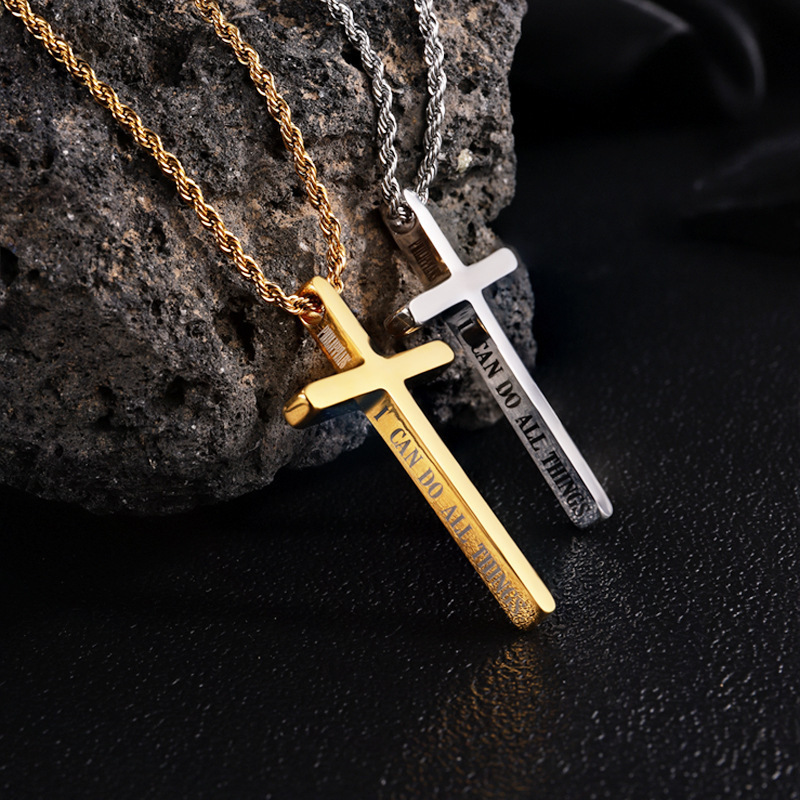
Stainless Steel Cross Pendant Necklace For Men Vintage Side Engraved Bible Verse I Can Do All Things Religious Jewelry With Twist Chain Daily Gift
$2.10
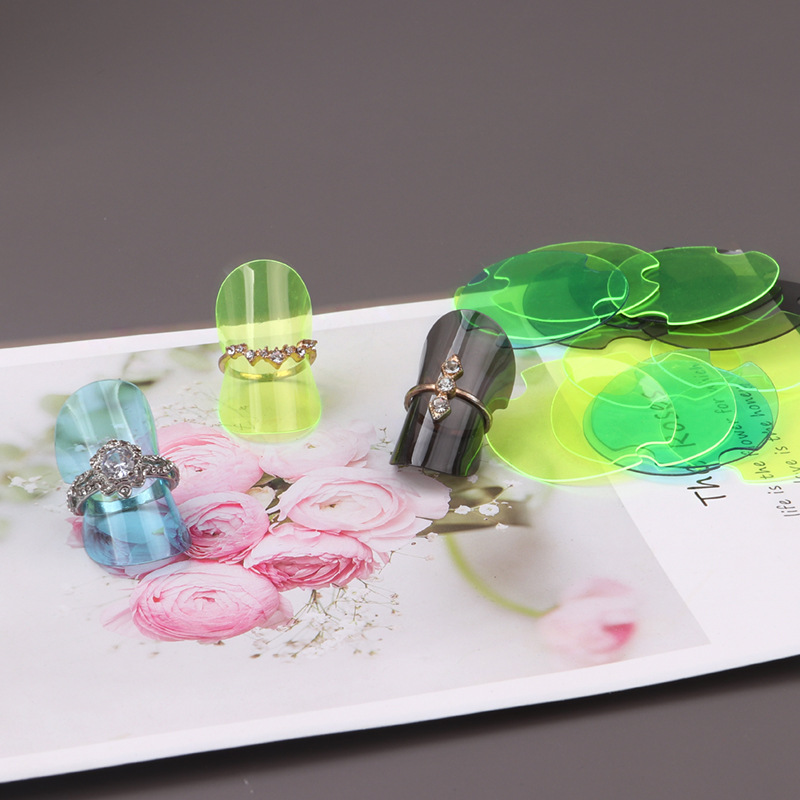
Plastic Ring Display Stand Translucent Acrylic Jewelry Storage Holder Foldable C-Shape Round Pad Showcase Professional Display For Rings Stores Home
$0.06
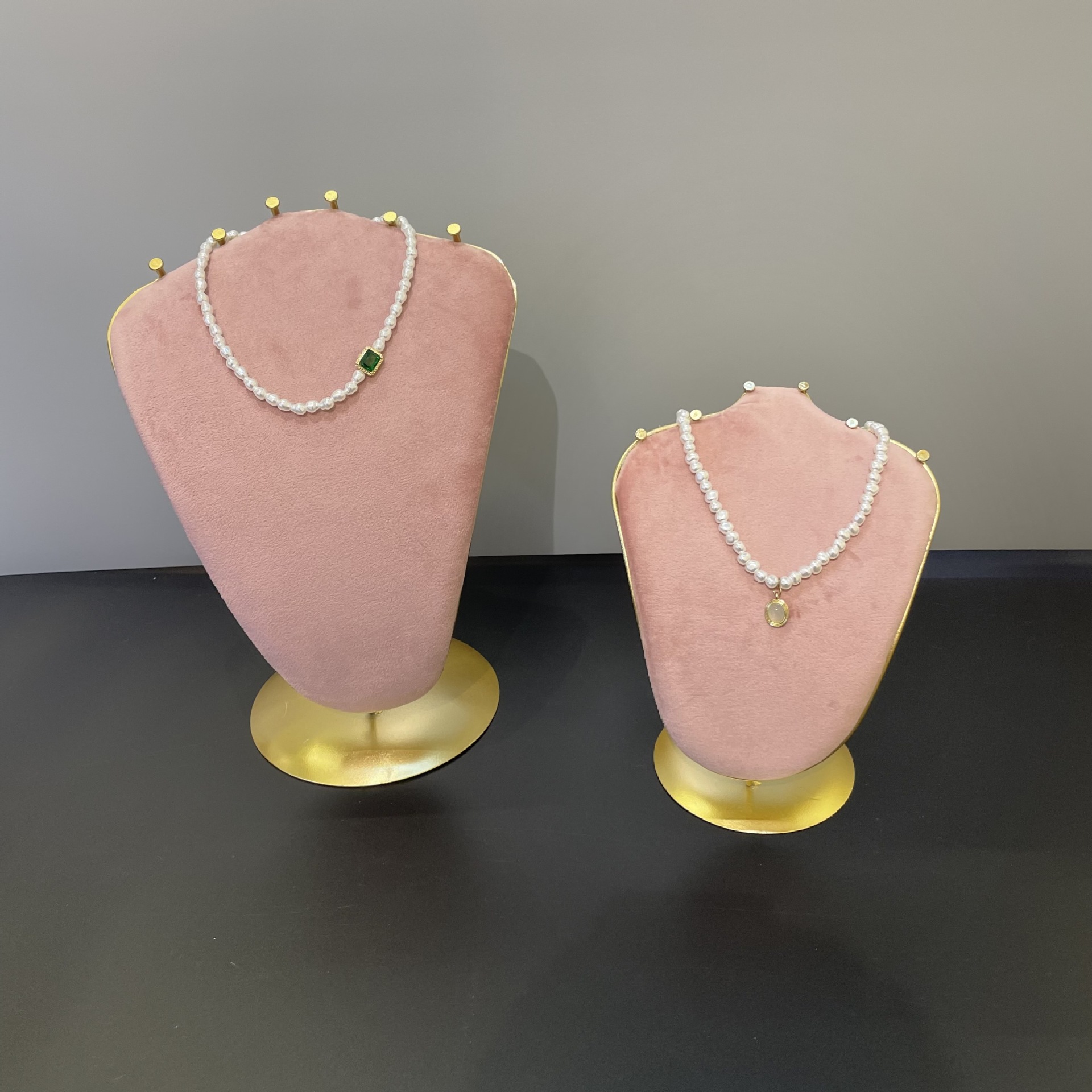
Pink Velvet Necklace Jewelry Display Bust Stand With Gold Metal Base Professional Jewelry Showcase Presentation Props For Pendant Chains Jewelry Stores Window Display
$9.46
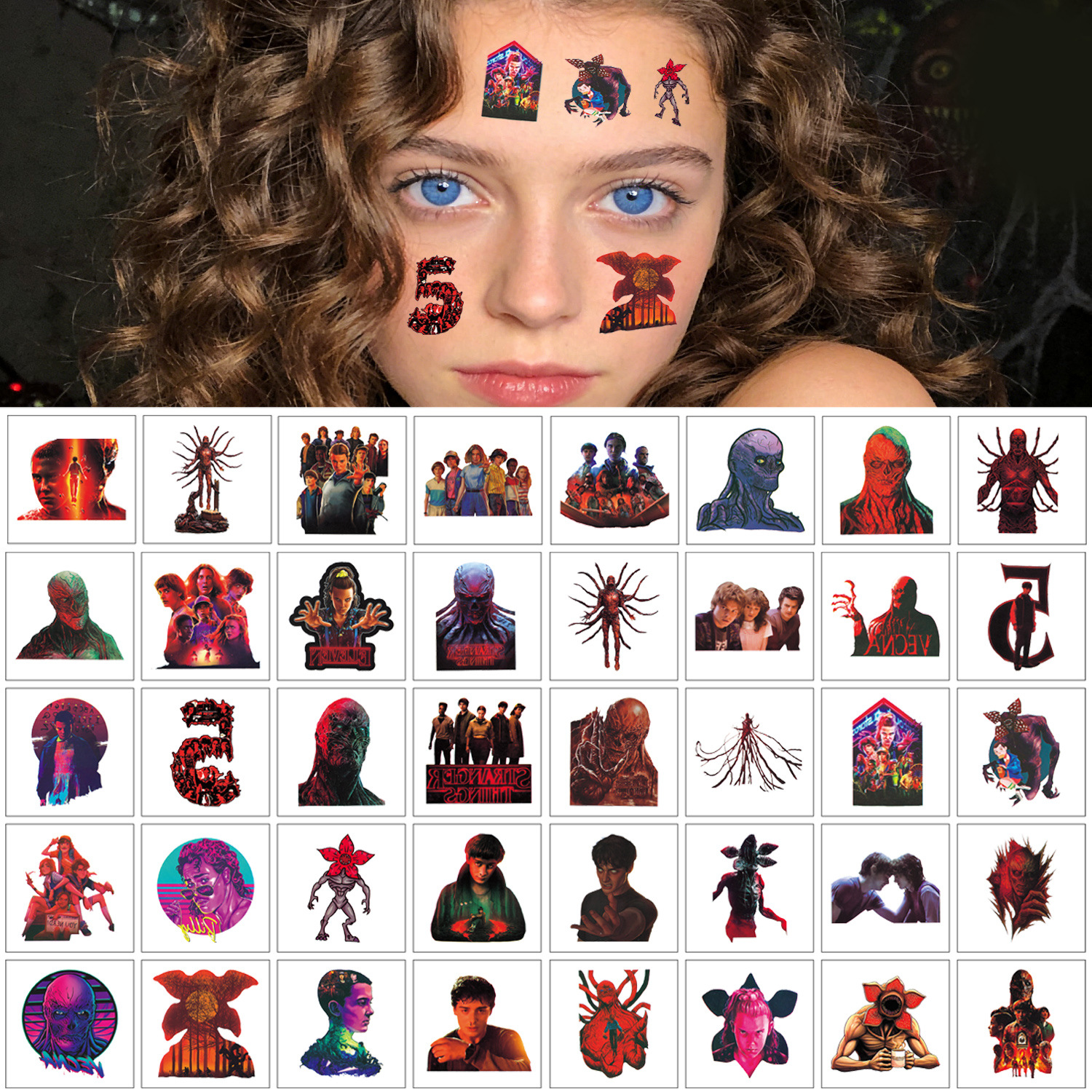
Stranger Things Theme Temporary Tattoo Stickers Waterproof Water Transfer Body Art Decals For Party Cosplay Fans Gift
$0.03
Bundle Economics: Protecting Margin With Collections
Strong Shopify stores use collection-based bundling to raise AOV without cutting individual product margins. These bundles mimic that structure—each combines a hero item (highest demand) with upsells and complements. The pricing note shows the bundle discount vs. separate purchase, but the per-item margin stays intact because wholesale cost is so low.
Faith Starter Bundle
New Shopify seller in the religious niche wants 60% margin on first 20 orders.
- Men's Stainless Steel Baseball Stitch Cross Pendant Necklace I Can Do All Things Philippians 4:13hero
- I Can Do All Things Through Christ Inspirational Religious Braceletupsell
- Men's Stainless Steel Cross Scripture Link Braceletcomplement
Bundle at $12 (wholesale cost $4.52) vs $14.25 separately. Retail bundle at $30–$35 yields $18–$23 margin per sale.
Inspirational Gift Set
Etsy store owner targeting Mother’s Day with gift-ready packaging.
- Beautiful Girl You Can Do Amazing Things Motivational Bracelethero
- Stainless Steel Engraved Motivational Keychain Round Tagupsell
- 500pcs Holographic Laser Thank You Stickers Round Pretty Things Inside Sealing Label Rollcomplement
Bundle at $8 (wholesale) vs $10.05 separately. Sell at $20–$25 retail for 57–68% margin.
Display & Sale Kit
Pop-up stall operator needs visual merchandising to attract foot traffic and increase per-transaction value.
- Pink Velvet Necklace Jewelry Display Bust Stand With Gold Metal Basehero
- Plastic Ring Display Stand Translucent Acrylic Foldable C-Shape Round Padupsell
- Round Alloy Charms With Letter Engraved Things To Come DIY Jewelry Making Findingscomplement
Bundle at $28 (wholesale) vs $31.96 separately. Display props are one-time cost; charms can be sold at $2.50 each, yielding 400%+ markup.