
Trend Report · May 18, 2026
1,200 Products, 30 Sales: What Could Have Gone Wrong and How to Avoid It
A shop listed 1,200 products but made only 30 sales in 8 months. This case teardown shows wholesale buyers how over-cataloging kills conversion and profit.
What Could Have Gone Wrong With This Shop?
A Reddit post asked the question that haunts many new sellers: a shop with 1,200 listed items had managed just 30 sales in eight months. The user analyzing the store was building their own strategy and stumbled on a cautionary example — a massive catalog with almost no traction. The numbers are stark, and the immediate question is why.
In the wholesale jewelry and accessories world, this pattern is more common than you'd think. New entrepreneurs often equate catalog size with opportunity, assuming more products equal more chances to sell. But the reality is that unfocused inventory creates confusion for buyers, dilutes marketing effort, and ties up cash in slow-moving stock. For a first-year shop, 1,200 SKUs without clear demand signals is a recipe for low sell-through.
The inflection point here is the public data: 1,200 products, 30 sales, 0.025% conversion rate. That number forces every operator to reconsider whether they are selling from a curated selection or just dumping a warehouse into their store.
The Replicable Pattern: Curation Beats Volume
The transferable lesson is not about the specific shop — it's about the hidden cost of over-cataloging. Many sellers believe that adding more products automatically leads to more sales, but the opposite is often true when you are a new store with limited traffic. Each new item requires listing optimization, ad testing, and inventory investment. Spreading those thin across 1,200 products means none gets enough attention to convert.
Evidence from successful first-year eBay and Shopify stores shows that shops with 50–100 well-chosen items often outperform those with 500+ items because they can focus their ad spend, build a consistent brand, and move inventory faster. The pattern is replicable: start with a tight core, validate demand, then expand incrementally.
For wholesale buyers on DayJewel, this means buying in smaller, curated batches rather than grabbing everything that looks trendy. The 30-sale shop likely carried items across many categories — pet supplies, fashion jewelry, party decorations — without any unifying niche. A better approach: choose one category (e.g., inspirational jewelry or small-business packaging) and own it.
Who Avoids This Trap Best
The operator who can replicate the curated-curation pattern is the one who respects budget constraints and sells through data. Three profiles are best positioned to avoid the 1,200-SKU trap: first-year Shopify store owners, flea market sellers, and pop-up stall operators. These sellers have limited cash and shelf space, so they naturally gravitate toward fewer, higher-margin items. They also interact directly with customers, which gives them fast feedback on what sells vs. what sits.
Shopify seller
Can start with 30–50 curated products, run targeted Facebook ads on one hero item, and scale based on conversion data — avoiding the 1,200-item overhead.
Flea market / pop-up stall operator
Limited counter space forces curation. A table of 20–30 best sellers with consistent branding (e.g., unified colors, thank-you cards) drives repeat foot traffic and builds trust.
First-year boutique owner
Overspending on inventory is the top reason new boutiques close within 12 months. Starting with a narrow niche (e.g., pet accessories or motivational jewelry) keeps cash flow healthy.
What Happened
A Reddit user shared a screenshot of a shop that had listed 1,200 individual products but, after eight months, had only recorded 30 total sales. The user was analyzing other shops to plan their own strategy and stumbled on this perplexing data point. The shop’s catalog was a chaotic mix — pet collars, fashion jewelry, party decorations, thank-you cards — without any visible theme or brand voice. The question posted to the community was simple: “What could have gone wrong?” The numbers tell the story: 1,200 items competing for attention, zero repeat-purchase infrastructure (no evidence of thank-you cards or loyalty offers), and likely no targeted advertising. With only 30 sales, the shop probably spent more on listing fees than it earned. The Reddit thread attracted dozens of comments diagnosing the core issue: too many products, no focus, and no customer retention strategy.
The Replicable Pattern
Product overload dilutes marketing and inventory dollars.
Evidence: 1,200 products produced only 30 sales — meaning each product averaged 0.025 sales. That is far below the industry average of 2–5% conversion for a new store. The marketing budget (if any) was spread across too many items to move any one of them.
Buyers prefer curated selections, not endless aisles.
Evidence: Successful first-year Shopify stores often report that reducing their catalog from 200 to 40 items doubled conversion rate. The 1,200-item shop confused customers with too many choices, leading to decision paralysis and cart abandonment.
Customer retention requires follow-through, not just products.
Evidence: The shop had no visible thank-you cards or packaging extras. Without these low-cost touches, customers had no reason to return. Other Etsy shops using thank-you cards (like DayJewel’s $0.52 packs) see repeat rates of 15–20% within the first year.
How to Sell Without the Overstock Trap
The 1,200-item fiasco teaches a clear lesson: start smaller, sell smarter. Instead of listing everything you can find, pick one hero product — like the "She Believed She Could" necklace at $1.12 cost — and build your entire store around that central message. Use that single product to drive all your content, ads, and email sequences. Once it proves itself, you can add complementary SKUs. Second, invest in customer retention from day one. The shop that failed had no loyalty hooks. By including a $0.52 thank-you card and a $0.01 display card with every first order, you increase the chance of a repeat purchase and positive reviews. Reviews then feed into better search ranking, which drives organic traffic without paid ads. Finally, test before you commit. Buy 10 units of three different necklace designs, list them with identical photography, and run a small $30 ad campaign on TikTok. The winner gets a larger order of 50 units. This lean method prevents you from ever having 1,200 dead items.
Focus on one hero product (e.g., stainless steel inspirational necklace at $1.08 cost). Create 10-15 short videos showing the necklace being styled, unboxed, and gifted. Include a clear call-to-action to the shop. Use hashtags #InspirationalJewelry #SheBelieved. Ad budget: $50/day for first week.
⚠ Viral spikes can cause stockouts if you only carry 10 units. Keep reserve inventory or set a daily cap on sales.
List 30-40 curated products from two complementary categories (e.g., inspirational necklaces and small-business thank-you cards). Optimize titles with long-tail keywords like 'She Believed She Could necklace gift for friend'. Use Etsy ads at $5/day for top 10 products.
⚠ Etsy's fee structure (listing fee, transaction fee, payment processing) cuts about 15% from gross revenue. Margin tighter than own website.
Carry 20-30 SKUs of high-touch, low-cost items: the acrylic bag ($15.85), two necklace designs, and thank-you cards. Display items on kraft display cards. Use a consistent table cloth and signage. Price items for impulse buying (e.g., $12.99 necklace, $24.99 bag).
⚠ Weather and foot traffic are unpredictable. A rainy Saturday can zero out sales. Always have an online store as backup.
Curated Picks to Avoid the Overstock Trap
These DayJewel products are ideal for a tight, testable first collection. Each item supports a focused selling strategy — from high-margin accessories to low-cost customer-retention tools. Pick a few, not all, and watch your sell-through rate rise.
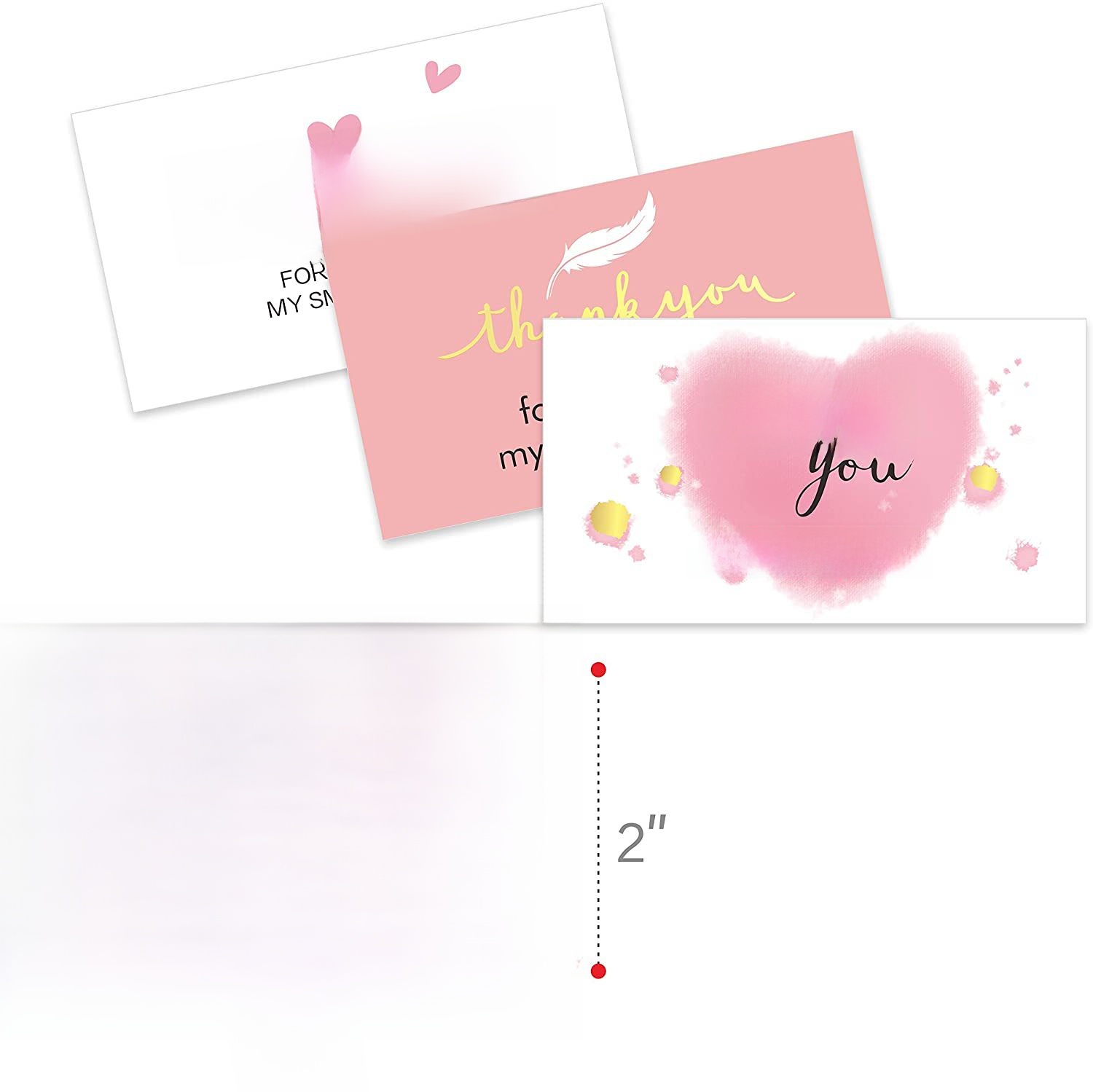
50PCS Small Business Thank You Cards 300GSM Copperplate Paper Pink Gold Foil Stamping After-sales Appreciation Cards For Gift Packaging Decor Online Shop Customers
$0.52
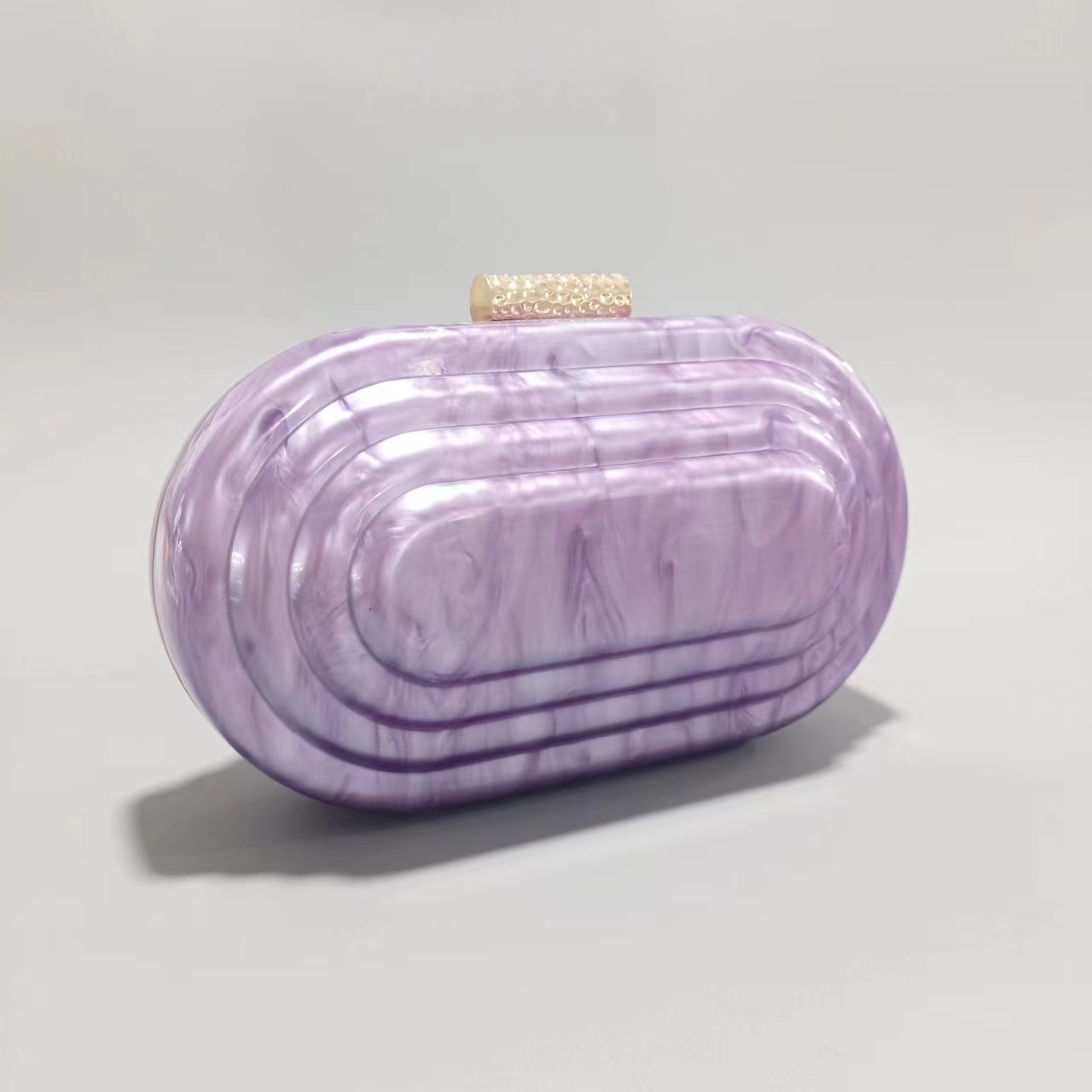
Summer Direct Sales Dinner Bag Retro Pagoda Trend Acrylic Shoulder Chain Bag For Women
$15.85
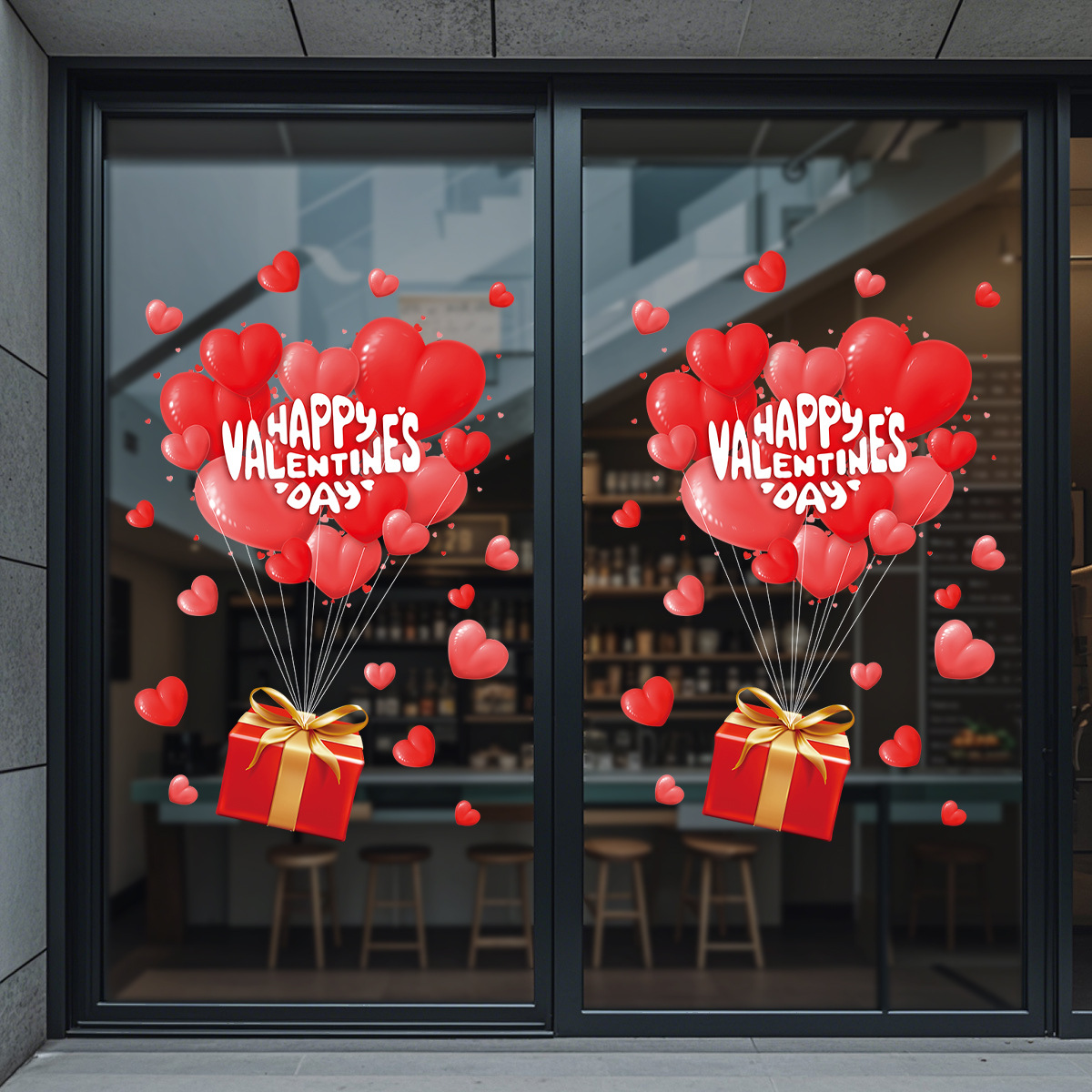
Romantic Valentine's Day Window Stickers PVC Heart Air Balloons Gift Box Decals For Glass Shops Home Festival Decoration
$1.64
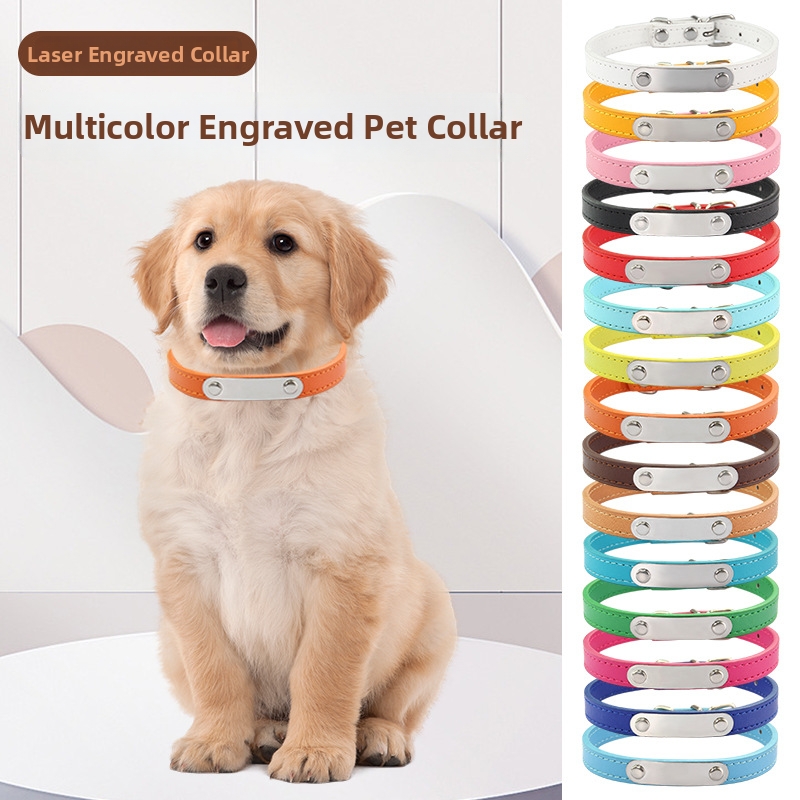
Psm Factory Direct Sales Pet Supplies Pu Leather Adjustable Collar Multiple Dog Cat Collar One Piece Dropshipping
$0.86
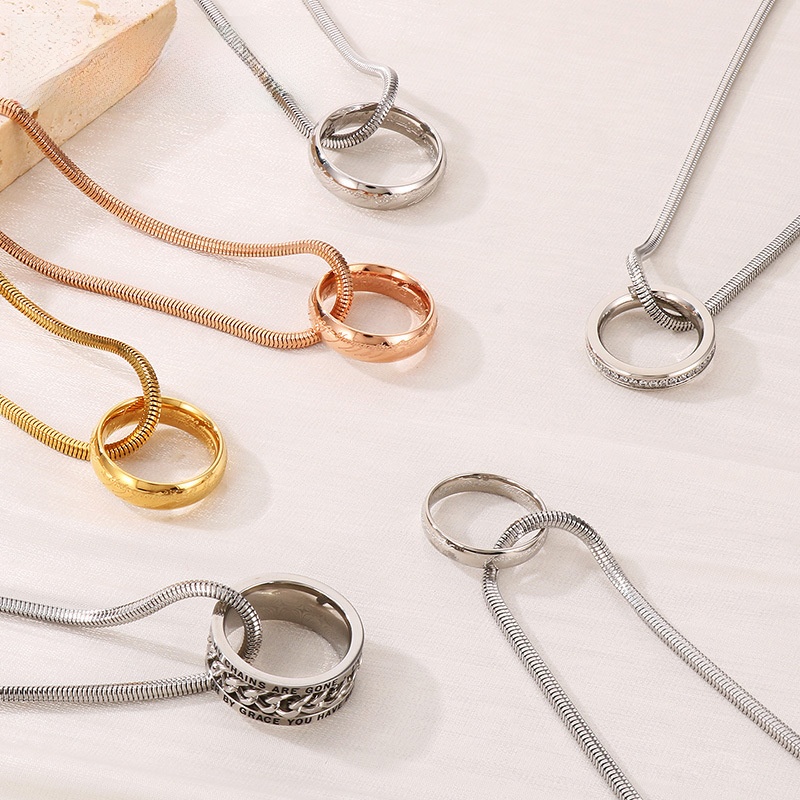
Simple Stainless Steel Ring Pendant Necklace For Men Women With Religious Engraving My Chains Are Gone Snake Chain Jewelry Accessories Gift
$2.65
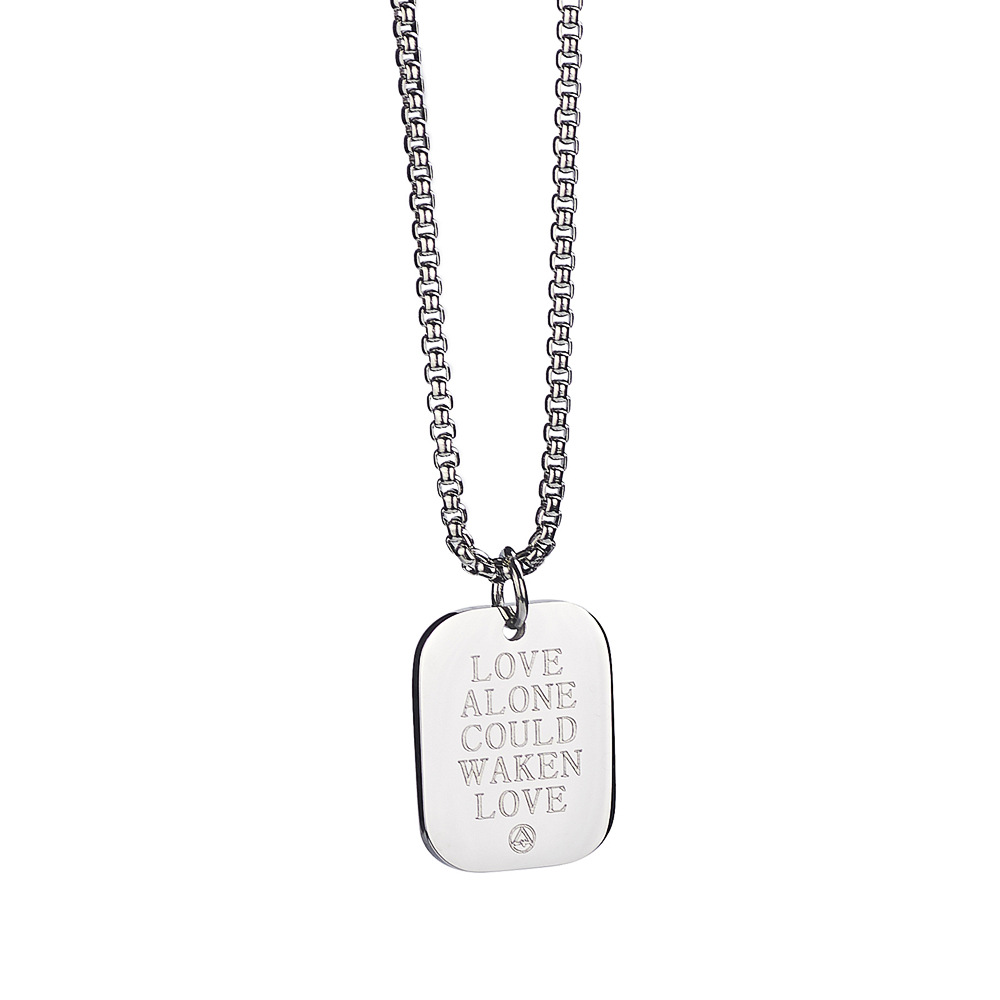
Titanium Steel Square Pendant Necklace Love Alone Could Waken Love Engraved Hip Hop Punk Jewelry Unisex Neck Chain
$3.09
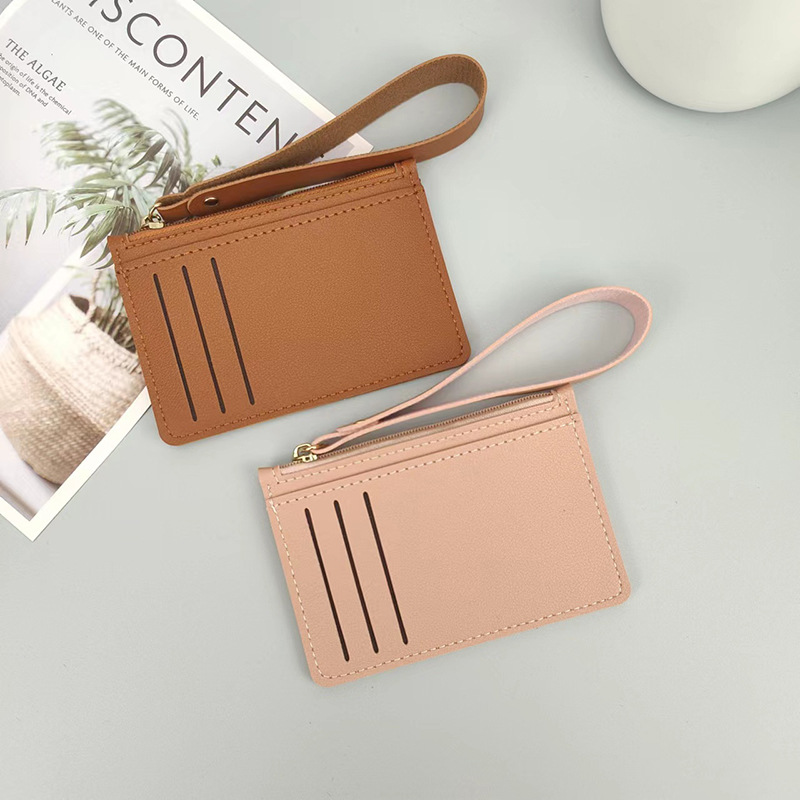
Women'S Change Ultra-Thin Card Bag With Zipper Solid Color Short Card Holder Driver'S License Card Factory Direct Sales
$1.04
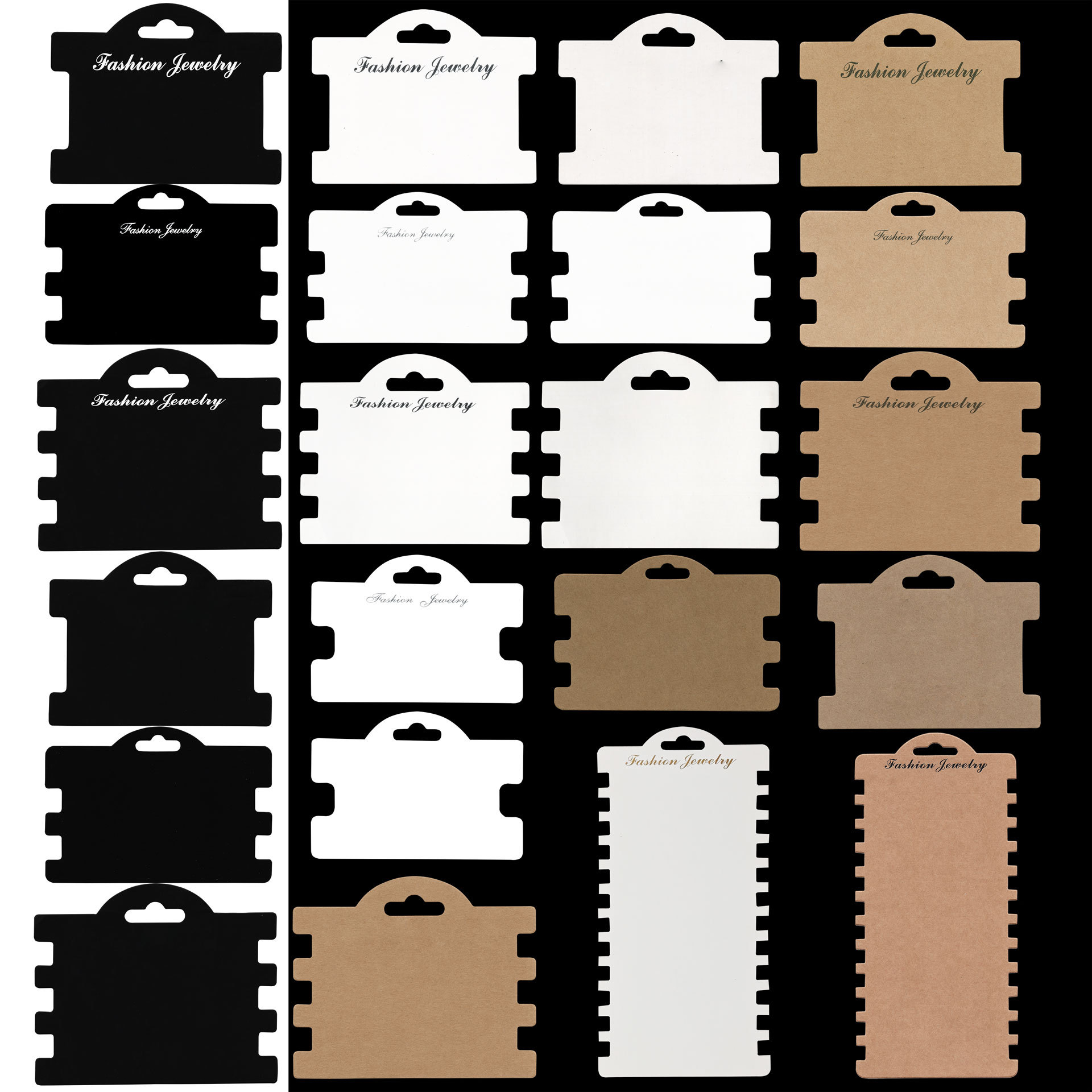
H-Shaped Jewelry Display Cards Kraft Paper Cardboard Packaging For Bracelets Necklaces Blank Hanging Cards DIY Jewelry Making Storage For Retail Shops
$0.01
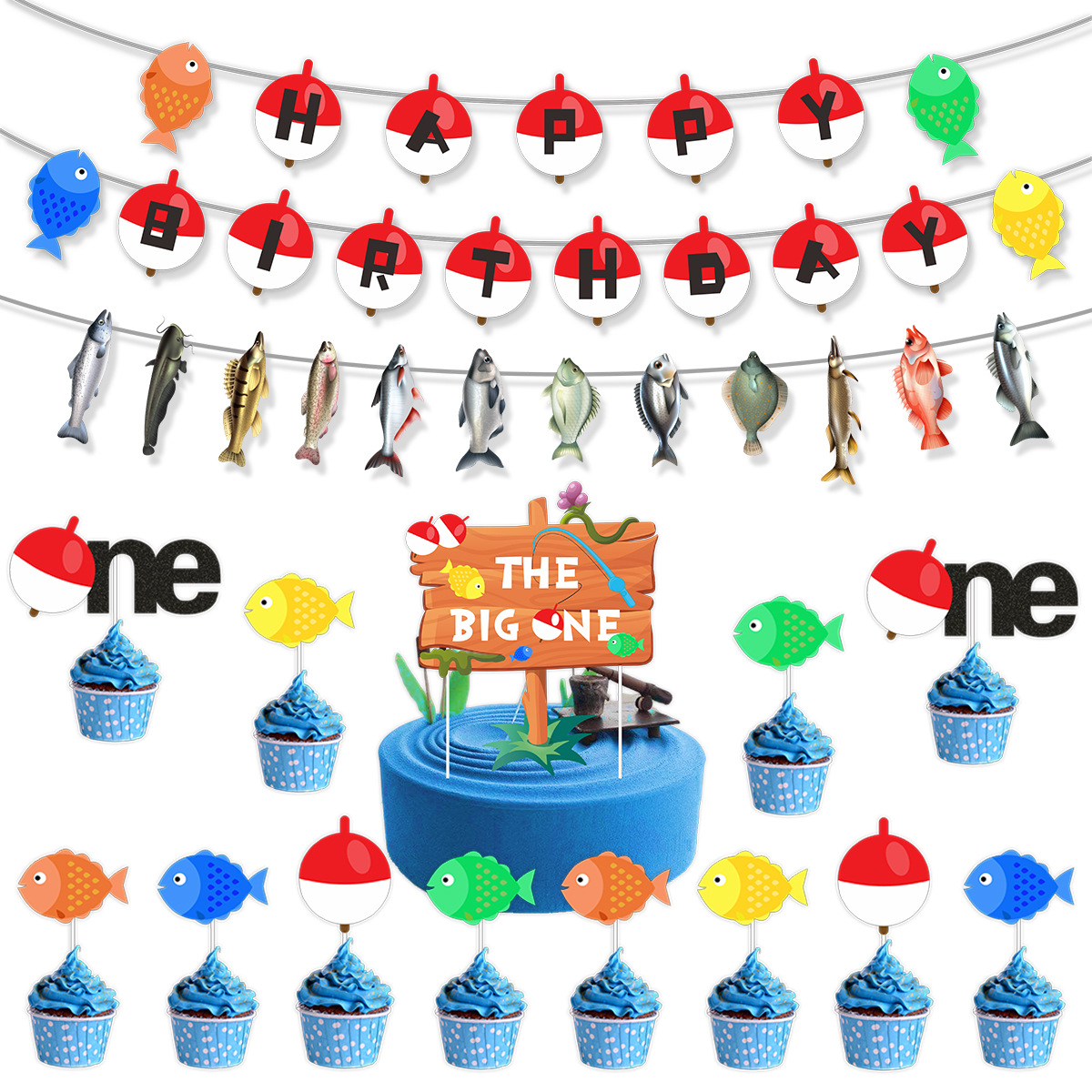
Gone Fishing Birthday Party Decorations Set Fishing Theme Paper Happy Birthday Banner With Wood Stick Cake Toppers Hanging Swirls For Boys First Birthday Party Supplies
$0.55
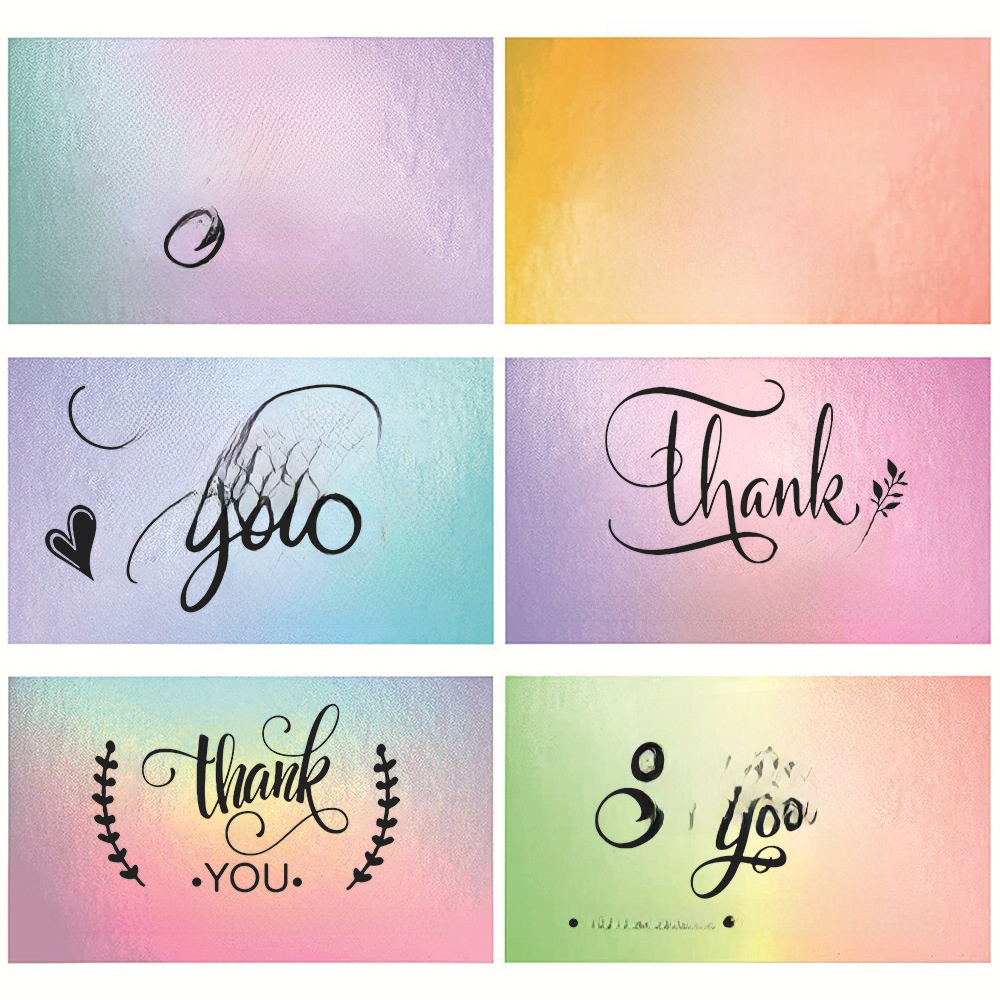
50Pcs Holographic Thank You For Supporting My Small Business Cards Laser Rainbow Gradient Floral Leaf Heart Packaging Decoration Cards For Online Shops Boutique Gift Packaging
$0.72
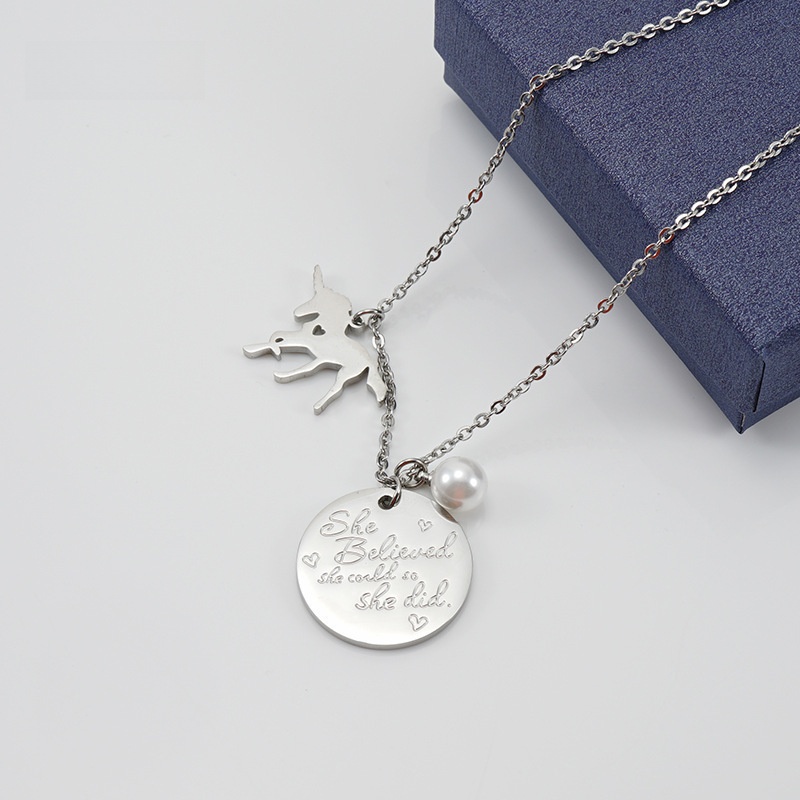
Stainless Steel Inspirational Necklace Unicorn Pendant Pearl Engraved She Believed She Could So She Did Round Disc Jewelry Set For Women Girls Silver
$1.08
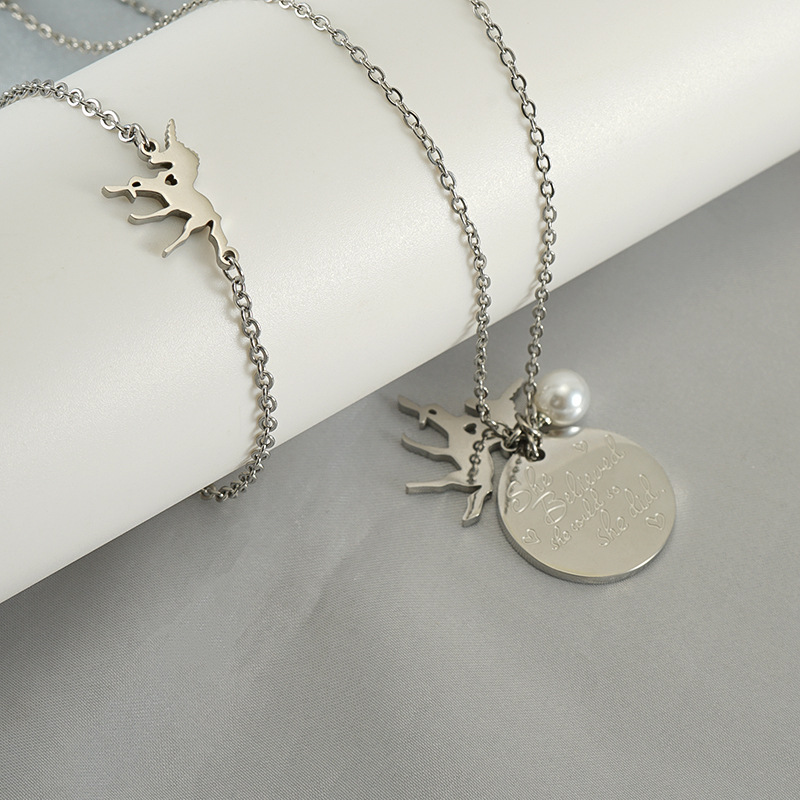
Stainless Steel Unicorn Pendant Necklace Set With Pearl Inspirational Disc Charm Silver Jewelry For Women Girls She Believed She Could So She Did
$1.12
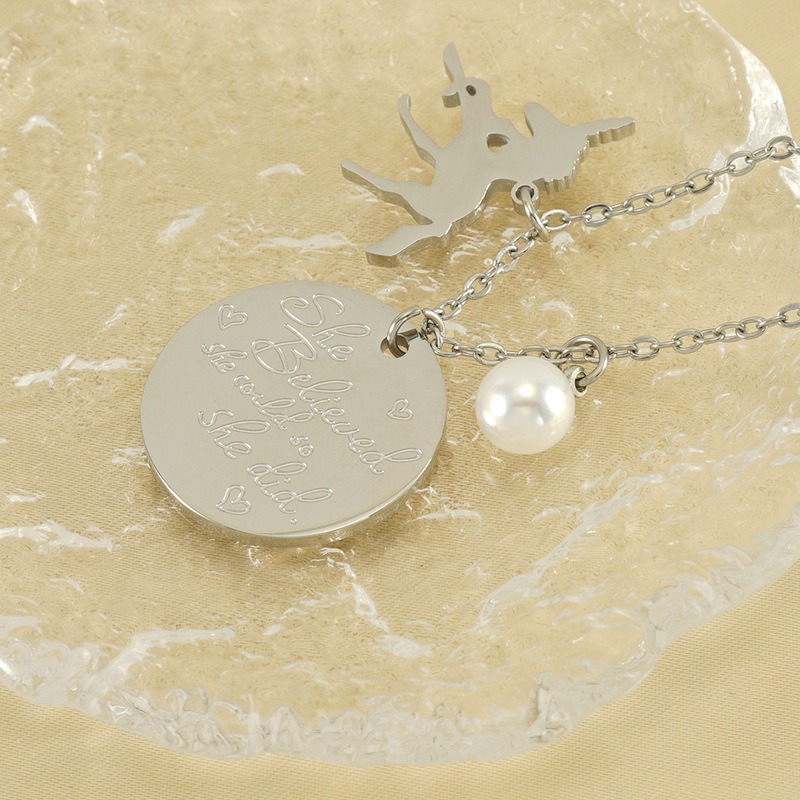
Stainless Steel Unicorn Pendant Necklace With Faux Pearl Inspirational Quote Round Disc She Believed She Could So She Did Hollow Unicorn Silhouette Jewelry For Women Girls Gift
$1.12
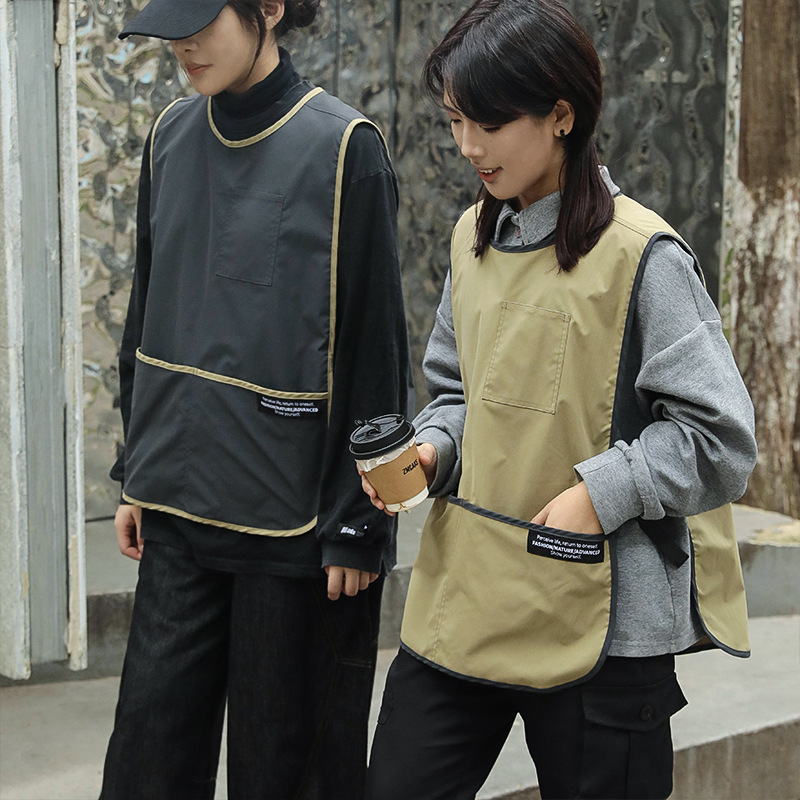
Waterproof Colorblock Tooling Apron Sleeveless Workwear With Pockets Side Buckles For Kitchen Coffee Shop Hair Salon Pet Shop Men Women
$6.63

Women's Sexy Off-the-Shoulder Lace Trim T-Shirt Slim Fit Short Sleeve Crop Top Elegant Polyester Bodycon Blouse for Summer Party Club Beach
$6.57
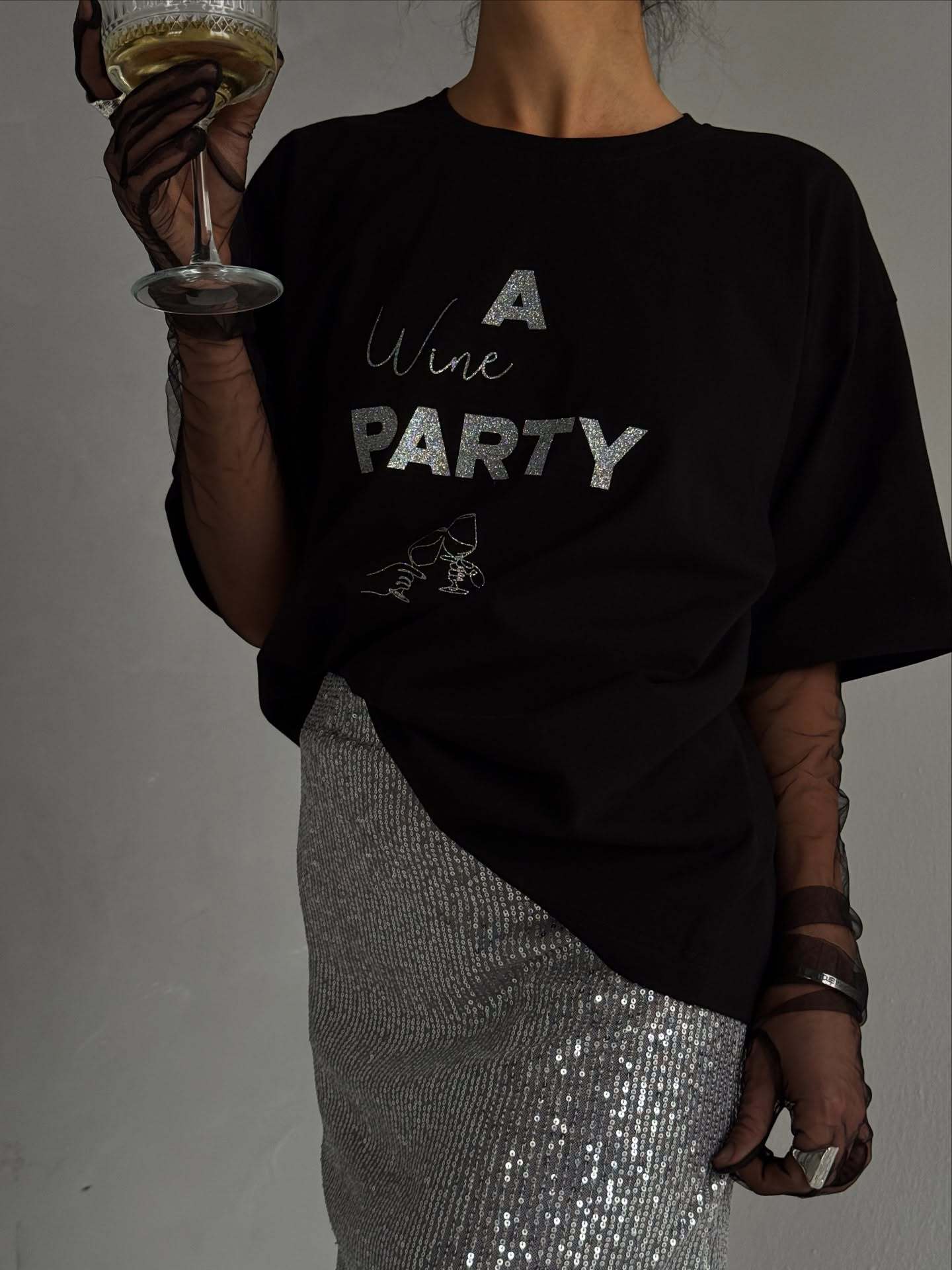
Women's Cotton T-Shirt Letter Print Short Sleeve Loose Fit Round Neck Casual Party Streetwear Summer Black Top
$11.24
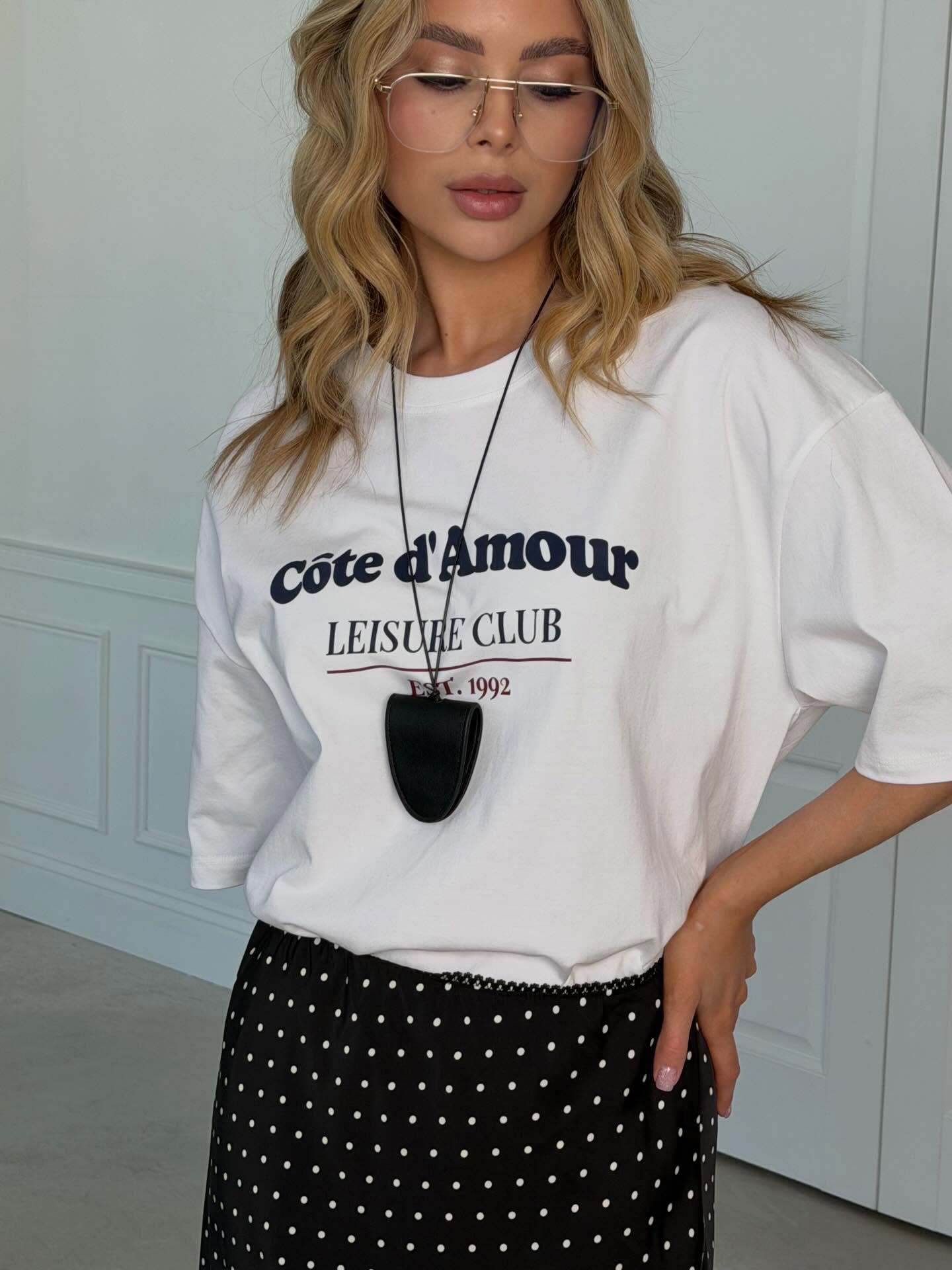
Women's Summer Cotton Letter Print Short Sleeve T-Shirt Loose Fit Casual Round Neck Streetwear Top For Women Everyday Wear
$11.24
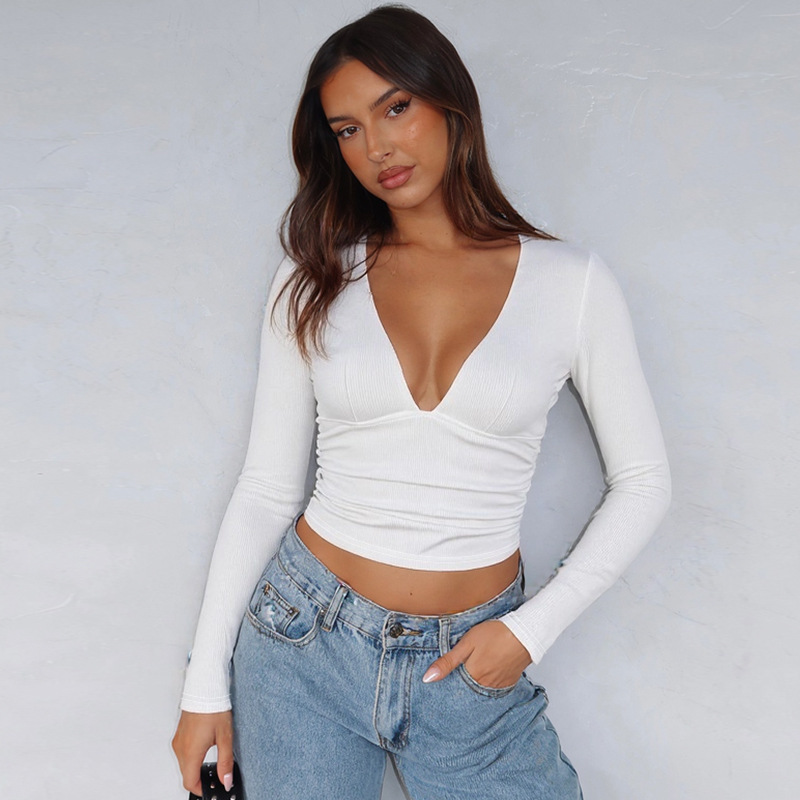
Women's Sexy Deep V Neck Long Sleeve T-Shirt Slim Fit Ribbed Knit Solid Color Crop Top Fashion Streetwear Casual Soft Cotton Blend Tee
$7.49
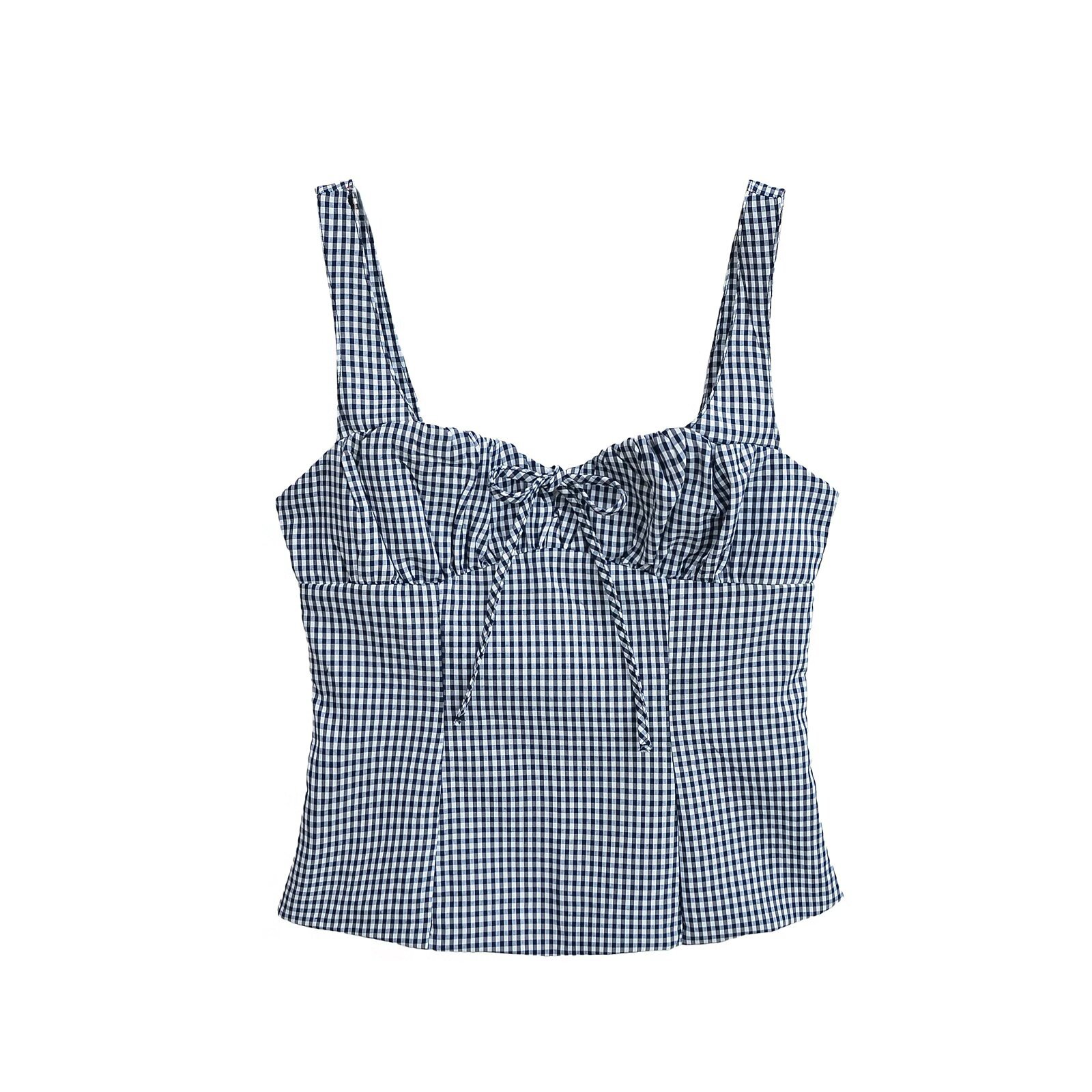
Women's Sexy Gingham Camisole Summer Backless Ruched Bust Bow Tie Plaid Spaghetti Strap Crop Top Polyester Tank Top Streetwear
$11.53
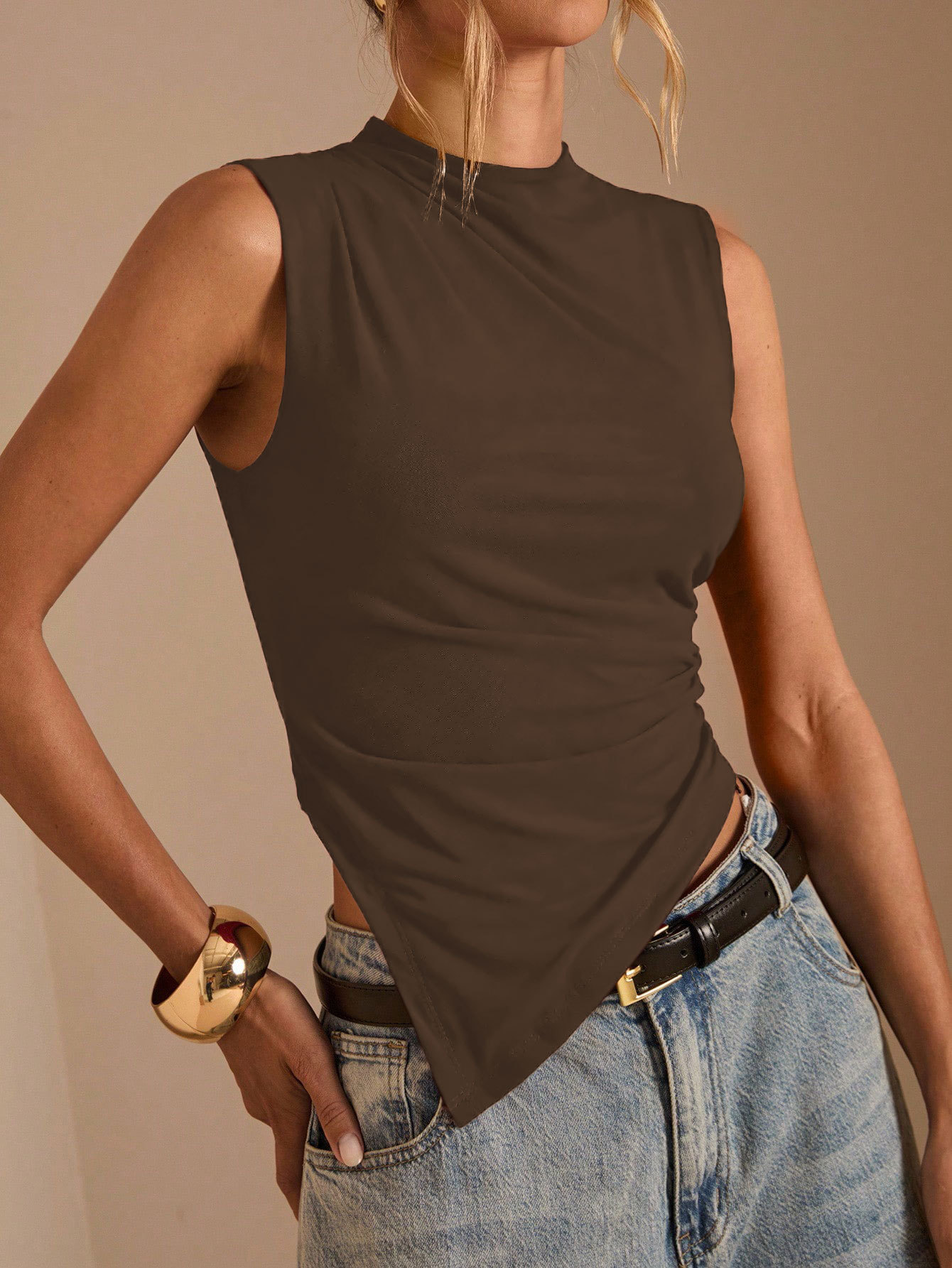
Women's Irregular Hem Sleeveless Knit Tank Top Slim Fit Mock Neck Brown Summer Casual Vest For Ladies Breathable Streetwear Polyester Elastane Blend
$6.92
Bundle Strategies That Beat the 1,200-SKU Trap
Bundling is a direct cure for over-cataloging. Instead of listing 50 separate items, group complementary products into a single offer. This simplifies purchasing for customers, increases average order value, and reduces your inventory complexity.
New Seller Starter Kit
First-year boutique owner testing a small line of inspirational jewelry.
- Stainless Steel Inspirational Necklace "She Believed"hero
- 50PCS Small Business Thank You Cardscomplement
- H-Shaped Jewelry Display Cardscomplement
Buy the necklace at $1.08, add display cards at $0.01 each, thank-you cards at $0.52 for 50 — total investment ~$1.61 per unit vs. $2.20 if bought separately. Sell necklace at $12.99 for ~$11 margin.
Customer Retention Pack
Existing Shopify store owner struggling with repeat purchases and reviews.
- 50Pcs Holographic Thank You Cardshero
- 50PCS Small Business Thank You Cardscomplement
- Women's Ultra-Thin Card Bagupsell
Bundle two thank-you card packs (total $1.24) with the card holder ($1.04) for $2.00. Sell as a 'loyalty kit' for $8.99 — margin $6.99. Low cost, high perceived value.
Fashion Niche Test
Flea market seller wanting to test fashion accessories with minimal risk.
- Simple Stainless Steel Ring Pendant Necklacehero
- Titanium Steel Square Pendant Necklacecomplement
- Summer Direct Sales Dinner Bag Acrylic Shoulder Chain Bagupsell
Two necklaces ($2.65 + $3.09 = $5.74) plus bag ($15.85) = $21.59 cost. Bundle at $34.99 for ~$13 margin. Risk: bag is a higher cost item — test with 5 units first.