
Trend Report · May 10, 2026
Flea Market Inventory Playbook: What shirt sizes to bring to flea market
Learn how to split 50 sports shirts across sizes to maximize sales at your flea market booth, then add high-margin accessories from DayJewel.
What shirt sizes to bring to flea market
Launching a first-run flea market stall with only 50 sports shirts forces a tough decision: which sizes do you bring? The question "What shirt sizes to bring to flea market" gets asked every weekend by new vendors who realize a bad size split can leave them with unsold inventory while customers walk away empty-handed.
With a 50-unit limit, every slot counts. Overload on XL and you're stuck with stock that won't move until next month. Understock Medium and you lose the biggest buyer segment. The goal is to match real demand on the ground, not guess from online averages.
This playbook walks you through the size split logic, then shows how to layer in high-margin add-ons from DayJewel's wholesale catalog to boost your per-customer revenue without adding more shirt SKUs.
Why the timing window matters now
Flea market season ramps up as weather warms, and early-season shoppers are often more deliberate buyers. They're looking for deals but also quality. If you nail your size mix on the first run, you build a reputation that carries through the season.
The 50-shirt cap isn't a limitation—it's a forcing function. You must think like a lean operator: test one size profile, prove demand, then reinvest. The vendors who skip this step and bring a random assortment often end up discounting leftovers at the end of the day.
This moment is also prime time to add complementary products—like pet grooming tools or jewelry displays—that sell well at flea markets and don't compete with your shirt stock. DayJewel's catalog gives you inexpensive, packable items that turn a $10 shirt buyer into a $15 ticket.
Who should use this playbook
This is built for new flea market vendors with limited capital and a single category focus. It also applies to Shopify sellers testing physical retail for the first time, and pop-up operators who want to optimize a small footprint.
Flea market first-timer
You have one product line (sports shirts) and need a size strategy that prevents dead stock.
Shopify seller going offline
You want to test real-world demand for your designs without committing to full-size runs.
Pop-up stall operator
You rotate inventory weekly and need a repeatable bundle method to increase average order value.
Implementation Stages
Validate Size Demand
Trigger: You have a quote for 50 shirts and a market date in 7–14 days.
Visit the flea market one weekend before your debut. Count how many shirts each vendor sells and note sizes customers ask for.
✓ You'll have a rough demand curve: e.g., 60% M/L, 20% S, 20% XL.
✗ Skipping this leads to a blind split that leaves you with 15 unsold XLs.
Order 50 shirts split as close to observed demand as possible. Build in a 2-shirt buffer for swaps.
✓ First-day sell-through rate of 70%+.
✗ Over-optimizing one size can still cause shortage—carry 3 extra in the next size.
Source Low-Risk Add-Ons
Trigger: Shirt sizes are ordered and you have a remaining budget of $20–50.
Select 3 product types from DayJewel that fit your booth: e.g., pet flea comb, LED wand, and a display stand for your shirts.
✓ Total cost under $30 for 30 add-on units.
✗ Choosing too many SKUs dilutes focus—stick to 3 max.
Bundle each add-on with a shirt at the point of sale using a sign like 'Add a flea comb for $1'.
✓ 20–30% of shirt buyers take the offer, boosting average ticket by $1–2.
✗ Not training yourself to ask every time loses 15%+ in potential revenue.
Optimize After Day One
Trigger: You've completed the first market day and have sales data.
Count remaining shirts by size. Note which add-ons sold best. Adjust next week's size split accordingly.
✓ Second week shows 80%+ sell-through and at least one add-on category nearly sold out.
✗ Ignoring sell-out patterns means you repeat the same miss—update your order before the next market.
Remove the slowest add-on and replace with a new test product (e.g., switch from pet repeller to jewelry display tray).
✓ Fresh inventory keeps regulars interested and increases repeat buyers.
✗ Staying static leads to bored customers and lower foot traffic conversion.
How to sell your flea market inventory (shirts + add-ons)
Selling at a flea market is fast and noisy. Your pitch needs to grab attention in 3 seconds. For shirts, hold a popular size in hand and call out: "Medium sports shirts, $10—last one in this size!" That creates urgency. For add-ons, place them at eye level on a jewelry display stand (like DayJewel's velvet tray) so customers touch them while you handle the shirt transaction. Common mistake: You unpack all 50 shirts and stack them flat. Instead, hang 20 shirts on a portable rack and keep the rest behind. Rotate sizes as they sell. Put the add-ons on a small table in front. This layout draws people in and gives you talking points.
Arrange shirts by size with clear price tags. Place the pet flea comb and LED wand in a basket near the cash box. Offer a bundle: 'Any shirt + any add-on for $11 total.'
⚠ If the flea market is slow, you'll discount to clear stock. Keep add-on prices low enough that you can always make a $1 profit.
Post a photo of your shirt selection with sizes mentioned. Write 'Flea market this Saturday—reserve your size.' Bring reserved shirts to the booth.
⚠ Reserved shirts might no-show. Overbook by 10% and offer the extra to walk-ins.
Top add-on products from DayJewel that sell at flea markets
Once your shirt size split is dialed, add these low-cost, high-perceived-value items to your booth. They complement the casual sports shopper who may also have a dog, want to display jewelry at home, or grab a fun party light for a kid.
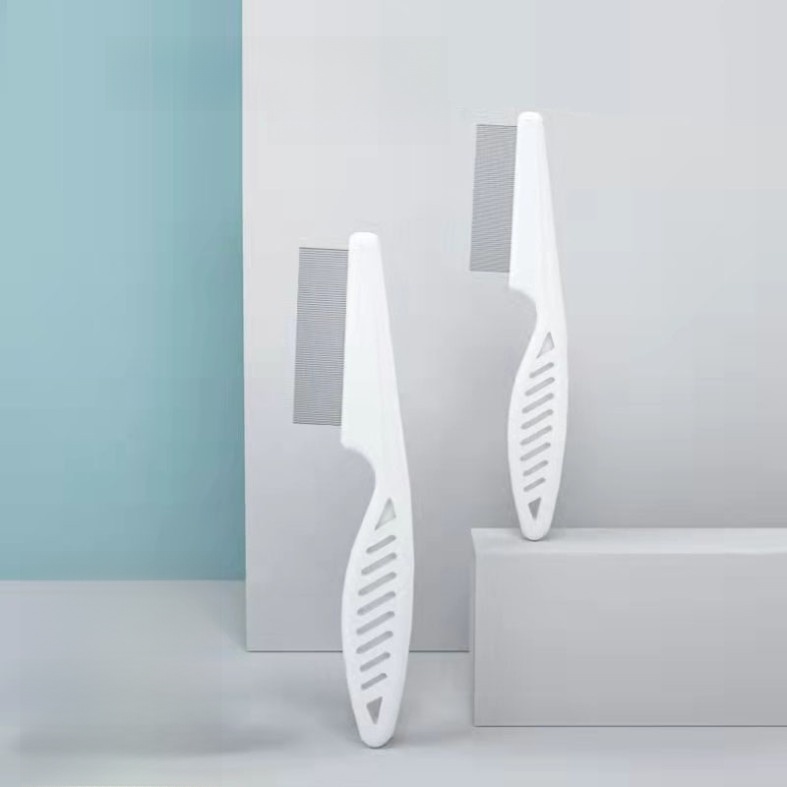
Pet Flea Comb Stainless Steel Fine Tooth Grooming Brush For Dogs And Cats Flea Removal Tool With Ergonomic Handle
$0.22
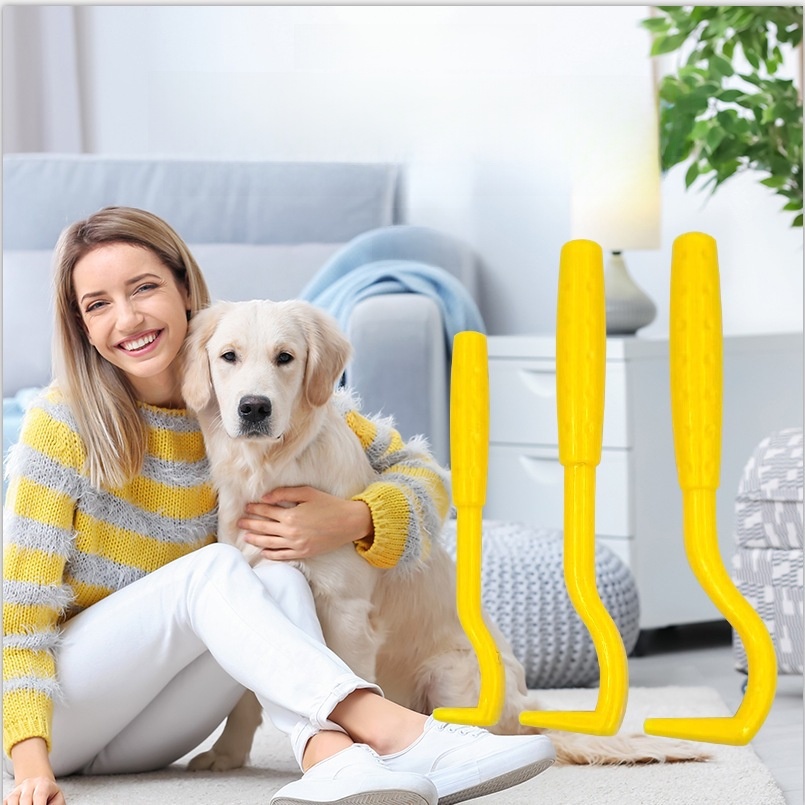
3pcs Pet Tick Remover Tool Set Professional ABS Plastic Flea Extractor Hooks For Dogs And Cats Safe Grooming Tools In Three Sizes
$0.13
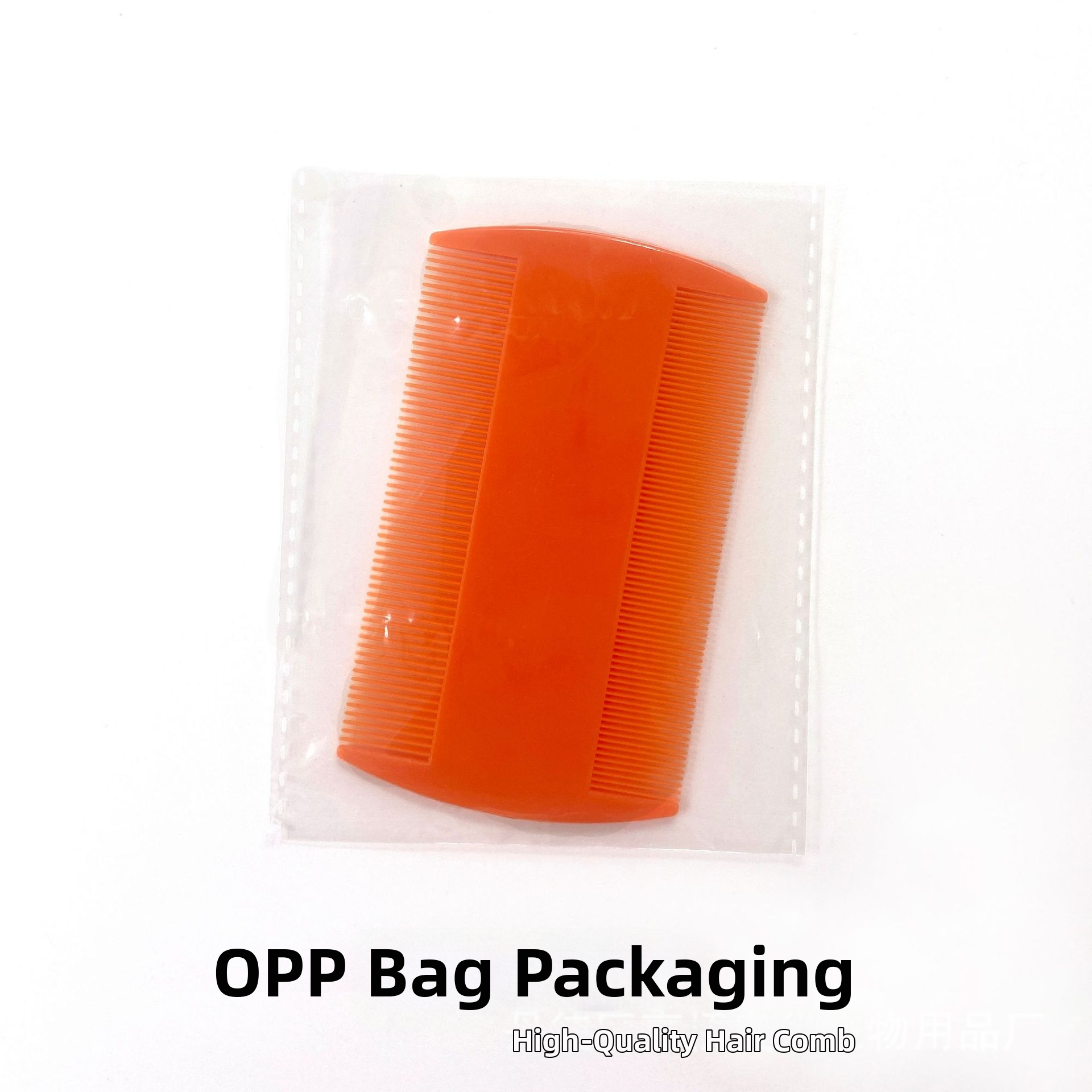
Double Sided Pet Flea Comb Portable Fine Tooth Plastic Grooming Brush For Dogs And Cats Removes Floating Hair And Parasites Solid Color Pet Care Tool
$0.14
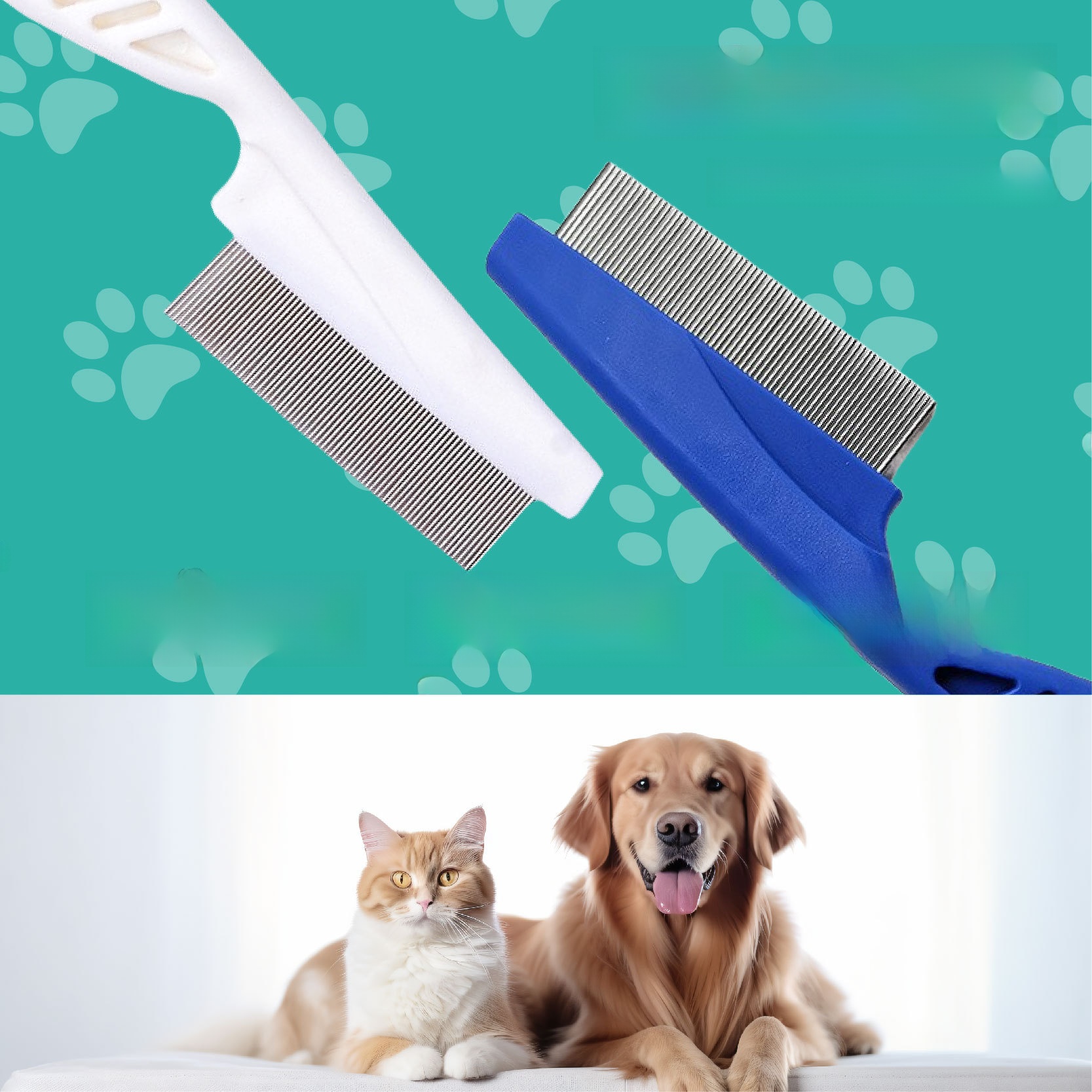
Stainless Steel Pet Flea Comb Fine Tooth De-shedding Tool For Cats And Dogs Portable Plastic Anti-Slip Handle Grooming Brush For Massaging And Cleaning Loose Pet Hair
$0.17
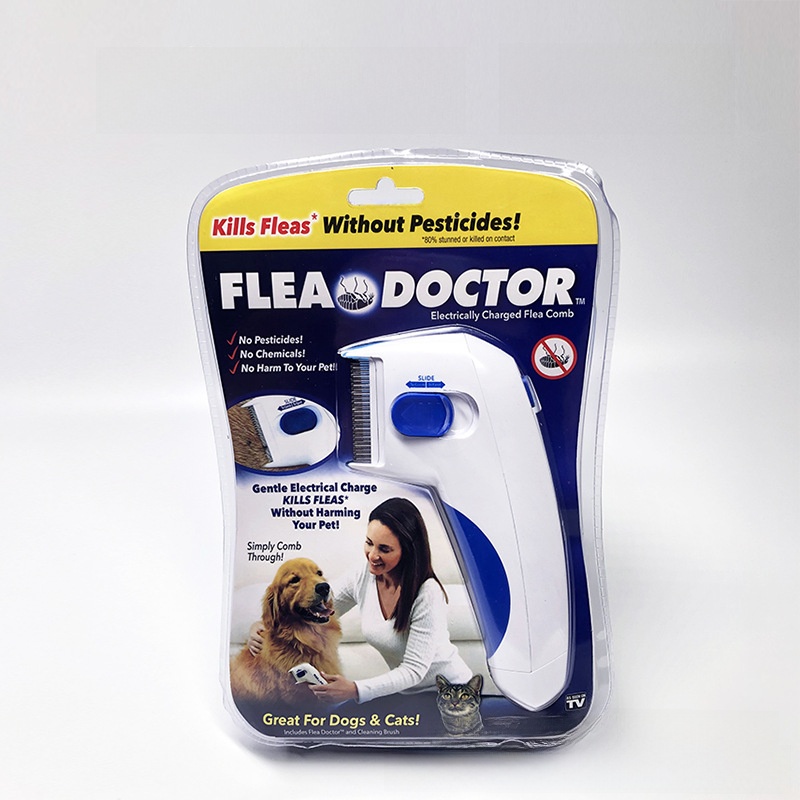
Electric Pet Flea Remover Comb ABS Plastic Metal Teeth Physical Lice Treatment Tool For Dogs Cats Home Grooming Accessory Blue White
$2.16
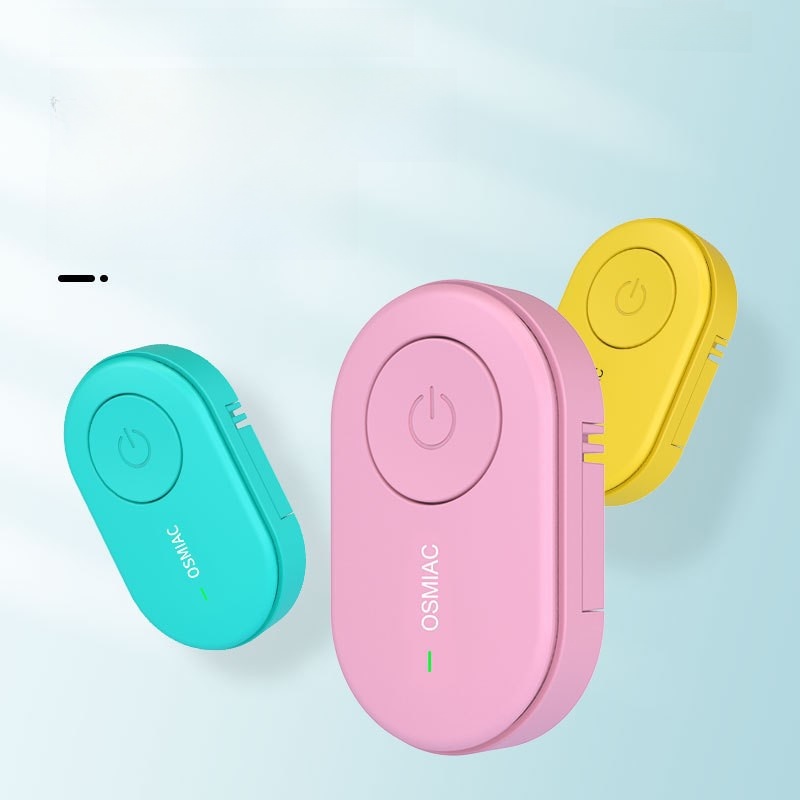
Portable Ultrasonic Pet Pest Repeller Electronic Flea Tick Mosquito Repellent With Back Clip For Dogs Cats Humans Outdoor Home Use Lightweight Plastic Device
$1.59
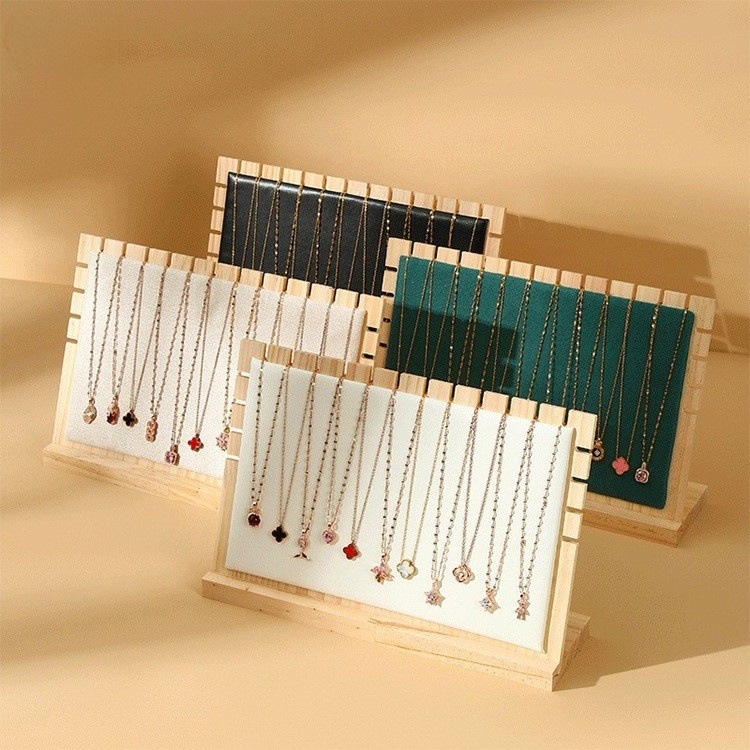
Bamboo Wood Necklace Display Stand PU Leather Velvet Jewelry Rack Organizer Holder For Showcase Market Shop Countertop Home Storage
$0.75
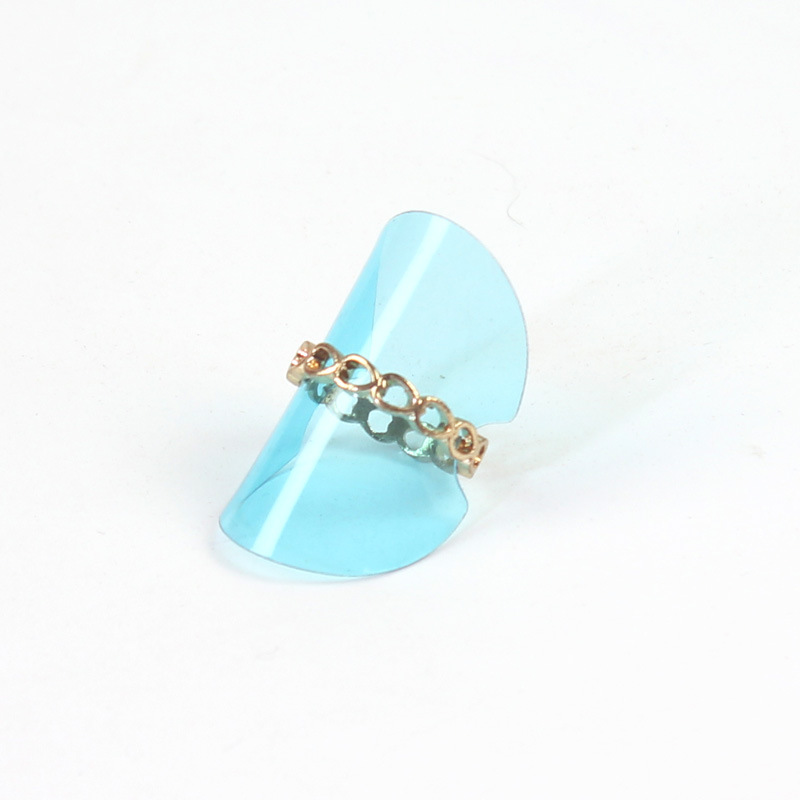
100PCS Plastic Ring Display Stand Blue C-Shape Ring Holder For Jewelry Retail Showcase Market Stall Props Minimalist Ring Organizer
$0.04
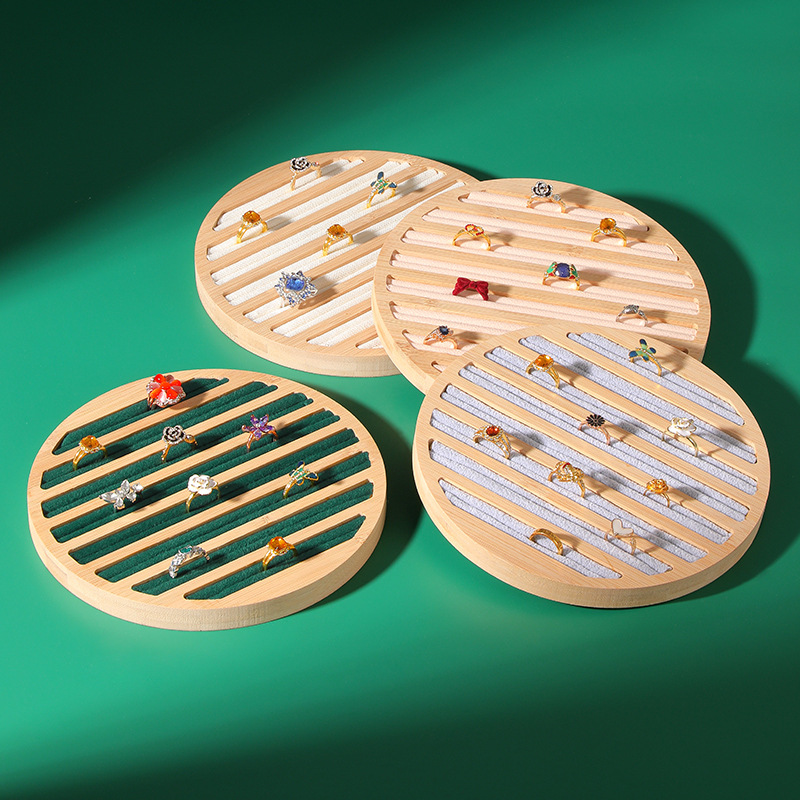
Bamboo Wood Round Jewelry Ring Display Tray Organiser Velvet Linen Holder Circular Jewelry Storage Plate For Showcase Market Vendor Home Decor
$3.73
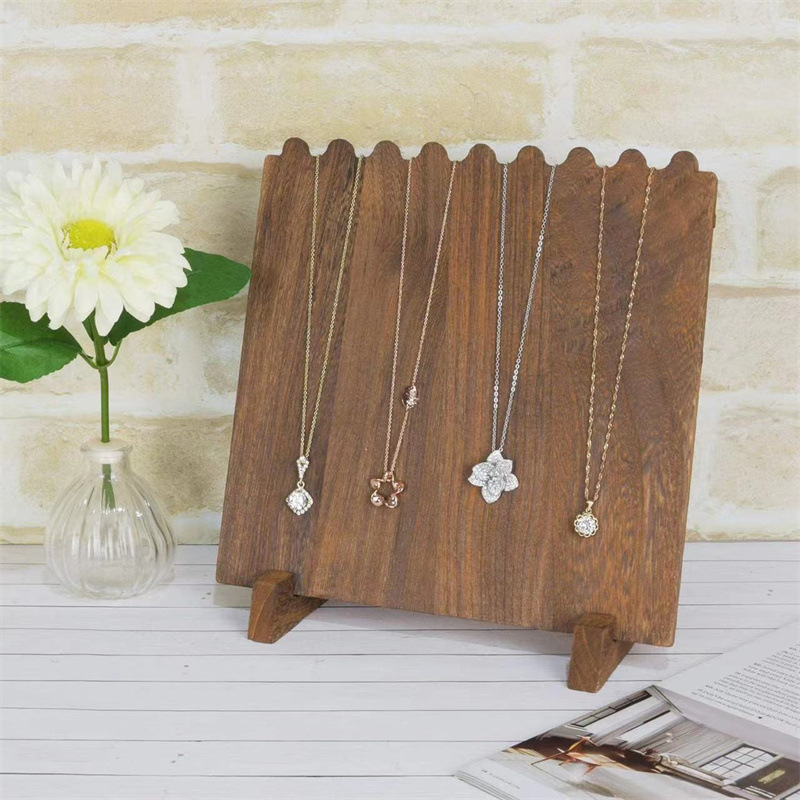
Solid Wood Necklace Display Stand Bamboo Jewelry Storage Rack Modern Minimalist Bracelet Organizer For Shop Market Stall Display Women Wood Grain
$5.76
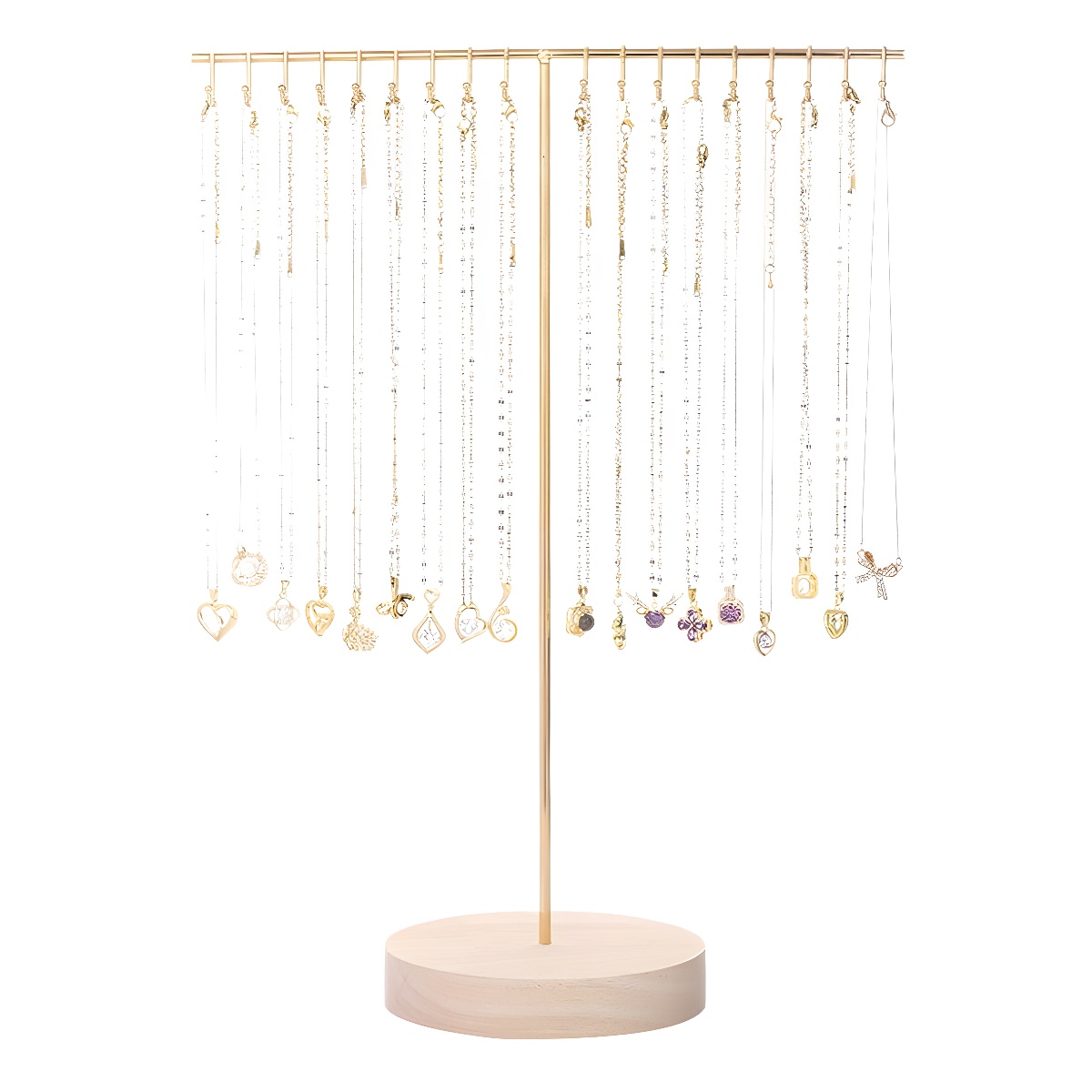
Minimalist Iron Jewelry Display Stand With Wooden Base 18 Hooks Removable Necklace Organizer Holder For Home Market Stall Countertop Pendant Storage Rack
$4.48
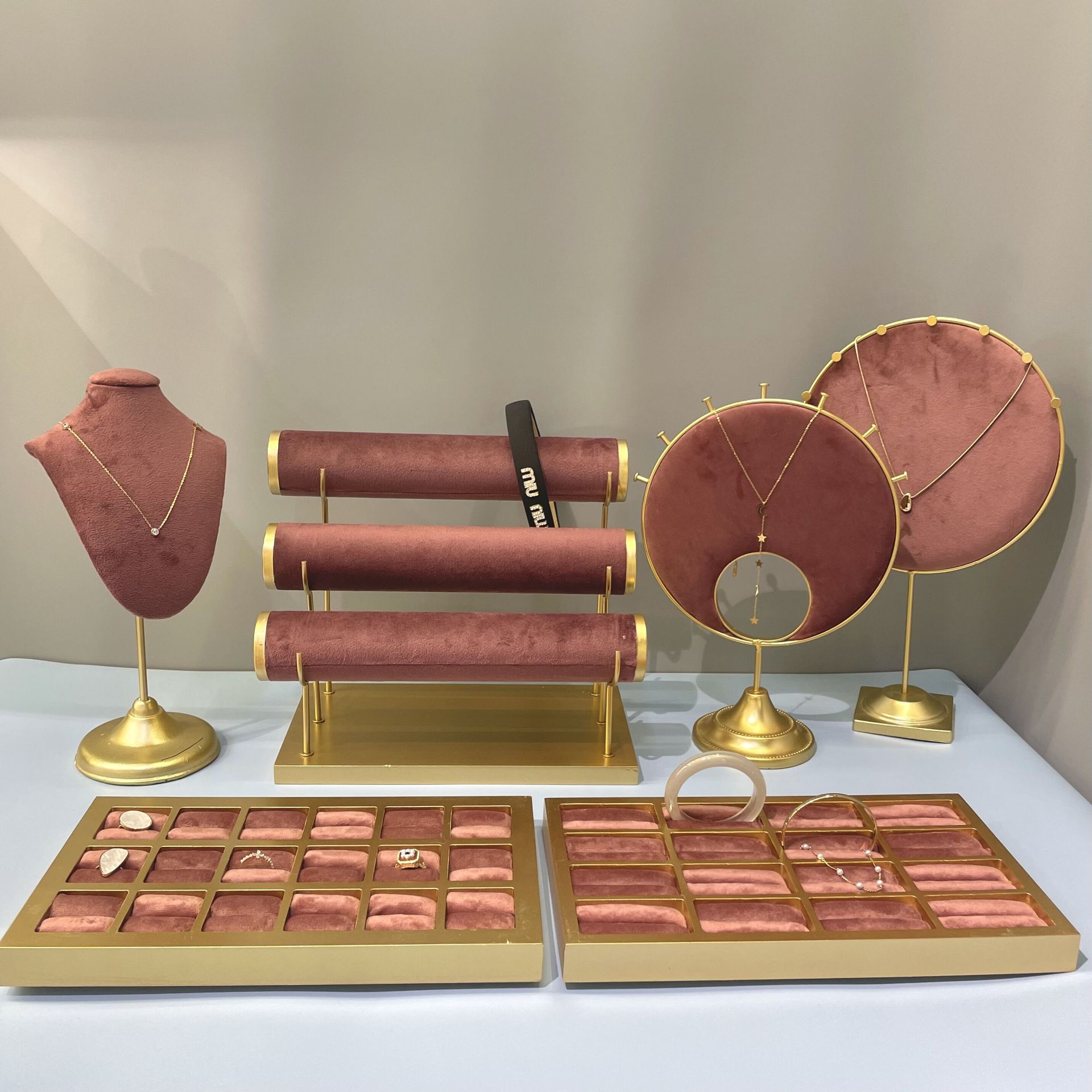
Velvet Jewelry Display Stand Metal Bracelet Necklace Holder Ring Organizer For Countertop Night Market Booth High-End Dusty Rose Gold Metal Rack
$9.71
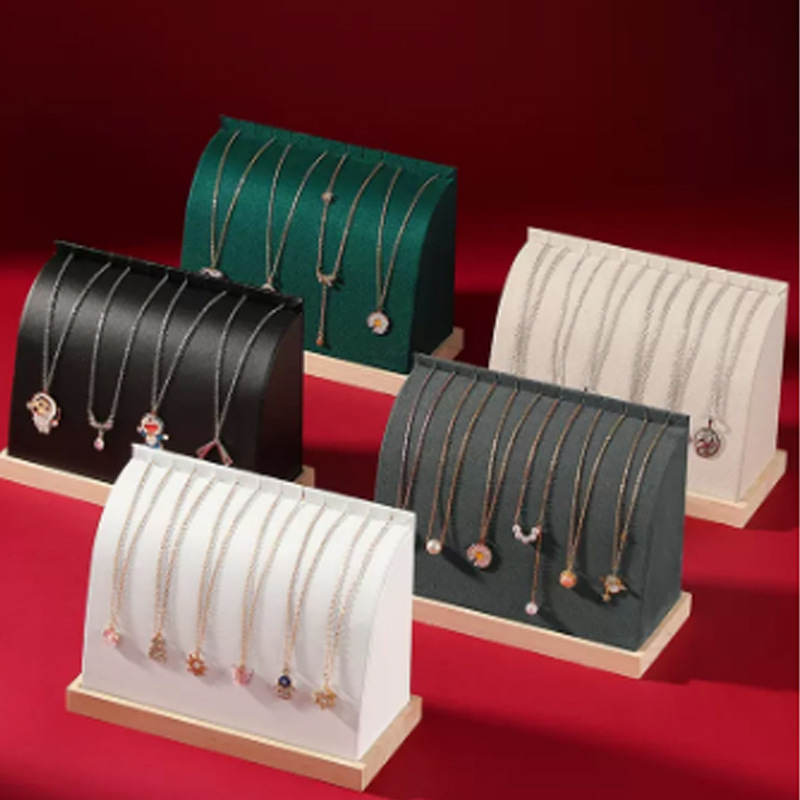
Professional Curved Necklace Display Stand With Solid Wood Base PU Leather Velvet Jewelry Pendant Organizer Holder For Shop Showcase Counter Market Stalls
$3.98
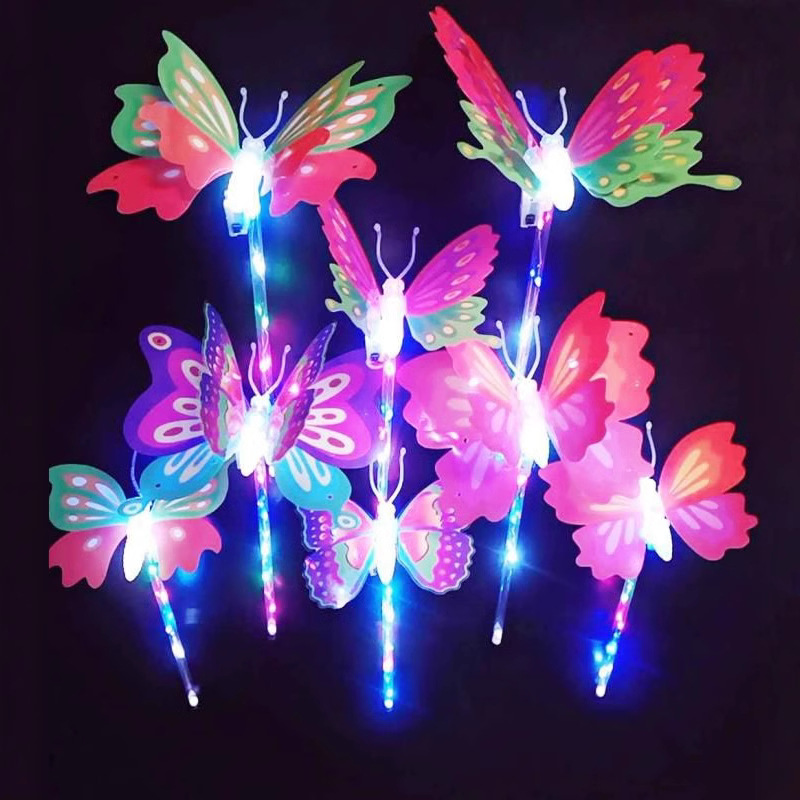
LED Glow Butterfly Fairy Wand Toy Colorful Light Up Star Heart Shape Magic Stick For Kids Birthday Party Concert Festival Night Market Decoration
$0.37
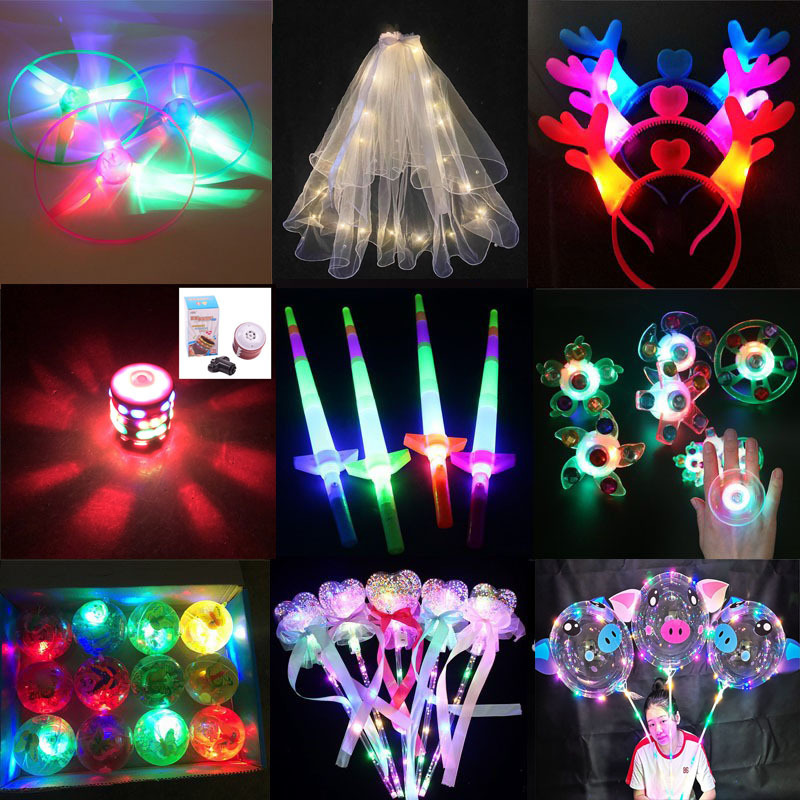
LED Light-up Glowing Party Toys For Kids Adults Glow Headband Magic Wand Flash Airplane Spinner Pen Finger Light Night Market Gifts Party Favors
$0.08
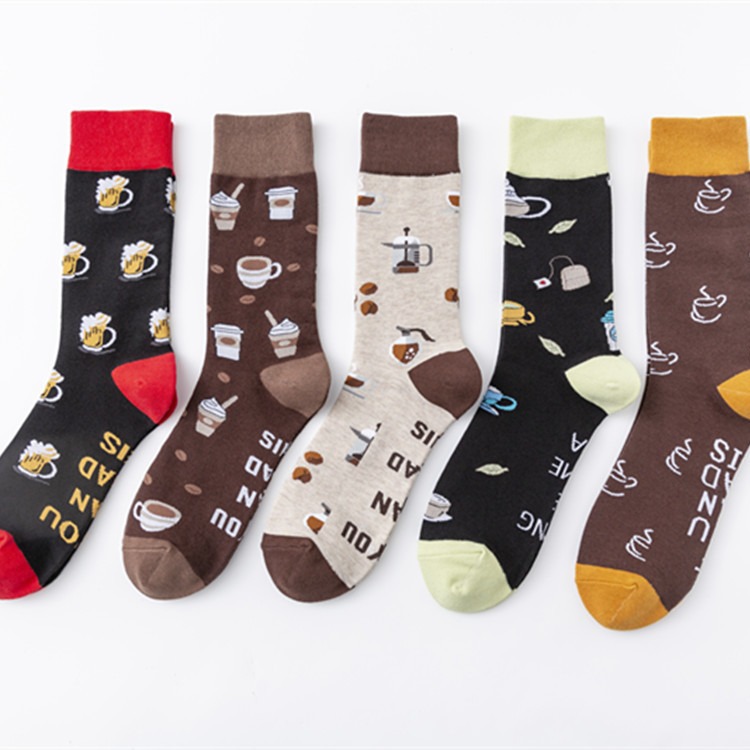
Funny Humorous English Slogan Crew Socks Cotton Blend Novelty Graphic Print Drink Food Pattern Socks Bring Me Beer Coffee Wine Socks For Men Women Gift
$1.23
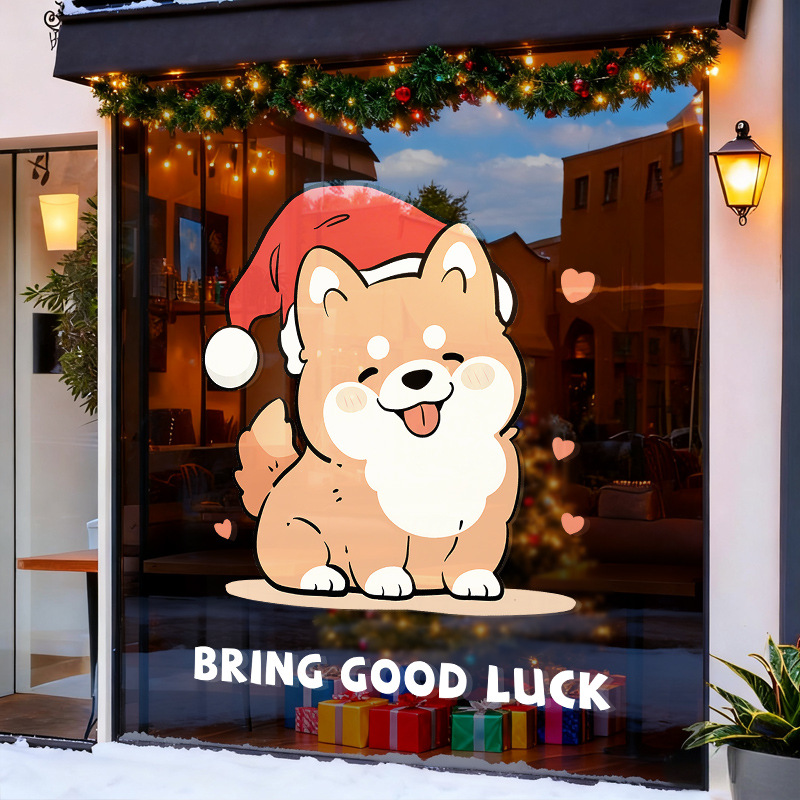
Christmas Window Sticker Static PVC No Glue Double Sided Cartoon Dog With Santa Hat Bring Good Luck For Shop Mall Glass Home Holiday Decoration
$3.15
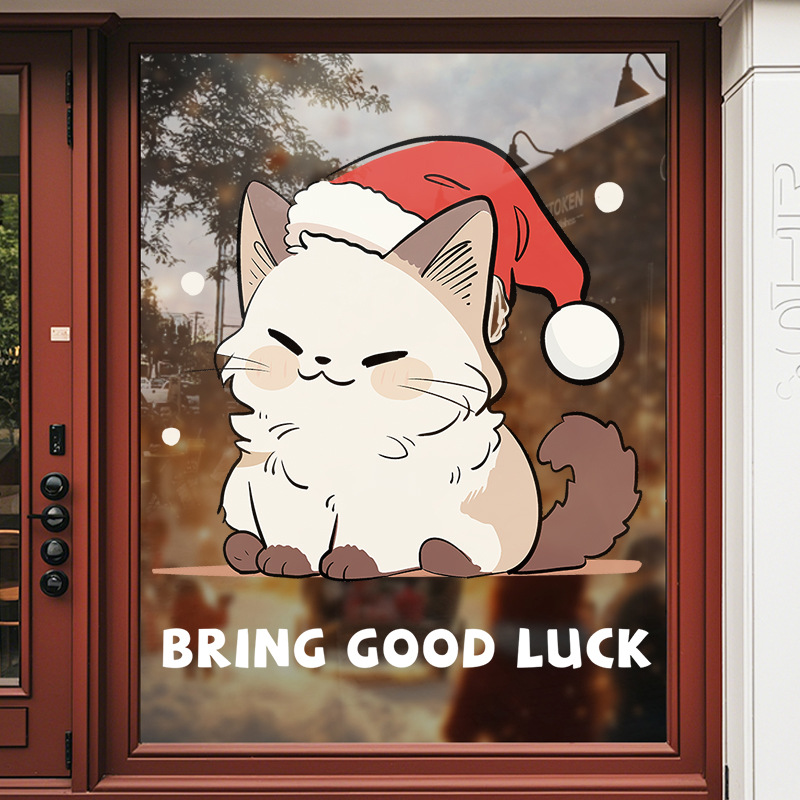
Christmas Window Stickers PVC Static Cling Double Sided Color Cartoon Cat Bring Good Luck Decals For Glass Door Holiday Party Home Decoration
$2.84
Bundle ideas to boost per-customer ticket without adding shirt SKUs
Bundling lets you escape the 50-shirt margin ceiling. Add one or two of these item combos to your display and watch average sale climb.
Pet Owner Quick Kit
Sports shirt buyer mentions their dog at the booth. Offer this as an impulse add.
- Pet Flea Combhero
- 3pcs Pet Tick Remover Tool Setupsell
- Portable Ultrasonic Pet Pest Repellercomplement
Bundle at $3.50 vs $4.18 separately. Your cost is ~$0.94, margin ~$2.56.
Jewelry Display Starter
Wives or girlfriends waiting while the buyer shops shirts—catch that impulse.
- Bamboo Wood Necklace Display Standhero
- Bamboo Wood Round Jewelry Ring Display Trayupsell
- Minimalist Iron Jewelry Display Stand With Wooden Basecomplement
Bundle at $8.50 vs $10.99 separately. Your cost ~$4.24, margin ~$4.26.
Night Market Fun Pack
Parents with kids buying shirts—add a glow toy and festive socks.
- LED Glow Butterfly Fairy Wand Toyhero
- LED Light-up Glowing Party Toys For Kids Adultsupsell
- Funny Humorous English Slogan Crew Sockscomplement
Bundle at $1.50 vs $1.98 separately. Your cost ~$0.30, margin ~$1.20.