
Trend Report · April 30, 2026
Full Container Used Shoe Sourcing: Suppliers, Pricing & Strategy
Learn where to source a 20ft container of used shoes at €2.5–€3.3/kg, plus supplier tips, pricing strategy, and bundles for Shopify store owners.
Where Can I Source a Full Container (20ft) of Used Shoes? EU / Global Suppliers?
The second-hand footwear trade is gaining traction among resellers who want to tap into the growing demand for affordable, sustainable shoes. If you've been asking 'Where can I source a full container (20ft) of used shoes? EU / global suppliers?', you're not alone. The key is finding reliable suppliers who can deliver at the right price point—typically €2.5–€3.3 per kg for unsorted or Grade A material.
Most buyers start by searching for European or UK-based suppliers to reduce shipping costs and lead times, but global options from China and other regions can offer competitive pricing. The challenge is verifying quality and trust: unsorted containers may contain unsellable pairs, while Grade A sorted loads command higher margins. Understanding the trade-off between price per kg and sorting level is critical to your first shipment's profitability.
This guide breaks down the sourcing process, supplier vetting, and how to turn a 20ft container into a profitable inventory stream for your Shopify store or boutique. We'll cover everything from pricing strategy to bundling accessories that complement your shoe stock.
Why This Sourcing Trend Matters for Resellers
The used shoe market is expanding as consumers prioritize value and eco-friendly fashion. A 20ft container allows you to bring in 400–600+ pairs at a landed cost that undercuts new-in-box alternatives by 50% or more. For Shopify sellers and boutique owners, this means higher margin windows—if you can sort and grade efficiently.
The source summary highlights a specific budget range (€2.5–€3.3/kg) and the need for trusted suppliers in Europe, UK, or globally. This reflects a real operational question: how do I balance price with reliability? Many first-time buyers underestimate sorting costs and time. Grade A loads reduce your prep work but increase upfront spend. Unsorted containers are cheaper but require labor to separate sellable pairs from trash. Getting this balance right separates profitable resellers from those stuck with inventory that won't sell.
Beyond price, the trend signals growing ecommerce curiosity: the search volume for container shoe sourcing is climbing (growth score 87), but commercial readiness is moderate (score 48). This means early adopters can carve out a niche before the market saturates.
Who Should Source Used Shoes in Containers?
This sourcing strategy fits operators who have space to store and sort bulk footwear, plus the patience to learn grading. It's not for someone wanting to dropship single pairs directly from a supplier—container buying requires upfront capital and hands-on quality control. However, the payoff can be strong for the right business model.
Shopify seller
If you already run a second-hand or vintage shoe store, a full container can cut your cost per pair to under €1.50 after sorting, leaving room for branded marketing and bundling accessories.
Dropshipper
Container sourcing is bulk-only, so dropshippers would need to hold inventory and ship themselves. It works if you plan to list individual pairs on marketplaces like eBay, but you must factor in storage and fulfillment costs.
Boutique buyer
Boutiques with physical or online presence can curate Grade A pairs for premium pricing. A container allows you to cherry-pick the best styles and sell the rest at discount, maximizing overall return.
How to Sell Used Shoes from a Container Shipment
Once your container lands, the real work begins: sorting, cleaning, grading, and listing. You must decide on sales channels based on your labor capacity and target customer. Bulk wholesaling to other resellers moves inventory fast but at lower per-pair margins. Retail selling requires more effort but can double or triple your profit per shoe. Below are three specific sales approaches with estimated margins and honest risks. All assume a landed cost of ~€1.00 per unsorted pair (at €2.5/kg for ~400 pairs per 20ft container) plus sorting/cleaning costs.
List shoes individually with detailed photos and a 'pre-loved' narrative. Target niche styles (vintage sneakers, cowboy boots) for higher ASP. Grade A pairs go first; unsorted can be sold as mystery bundles.
⚠ Slow turnaround unless you invest in professional product photography; returns from fit issues eat into margin.
Sort into 'economy' (€5–10) and 'premium' (€15–25) tables. Cash sales eliminate shipping fees and buyer regrets. Bundle multiple pairs for family discounts.
⚠ Limited reach; you rely on foot traffic and weather. Unsold pairs may need to be donated or discounted further.
Sell graded bundles (e.g., 20 mixed pairs Grade B) to other shop owners who lack sourcing contacts. Use platforms like WhatsApp groups or trade forums.
⚠ You need a network and trust; bad batches will damage your reputation. Payment terms may include credit risk.
Shoe-Themed Products to Complement Your Inventory
While your container supplies the core product (used shoes), adding small accessories can increase average order value and delight customers. The following items from our catalog tie directly to the shoe niche—from cleaning tools to novelty keychains and motivational pins that resonate with the 'trying' spirit of sourcing.
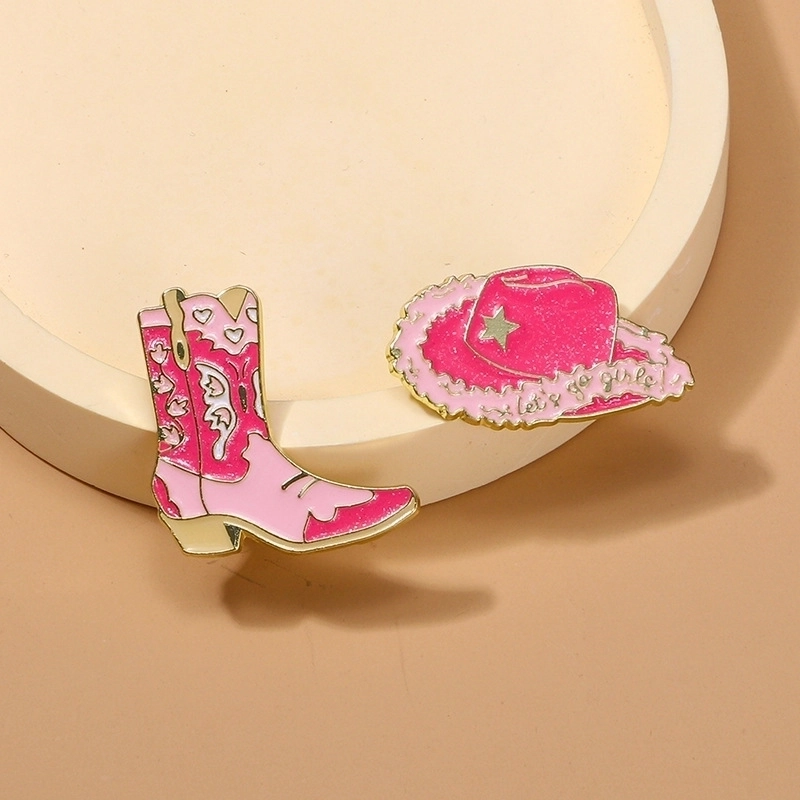
Pink Cowboy Hat And Boots Enamel Pin Set Cartoon Zinc Alloy Glitter Brooches Let's Go Girls Badge For Clothing Bags Backpacks Women Girls Fashion Jewelry Accessories
$0.39
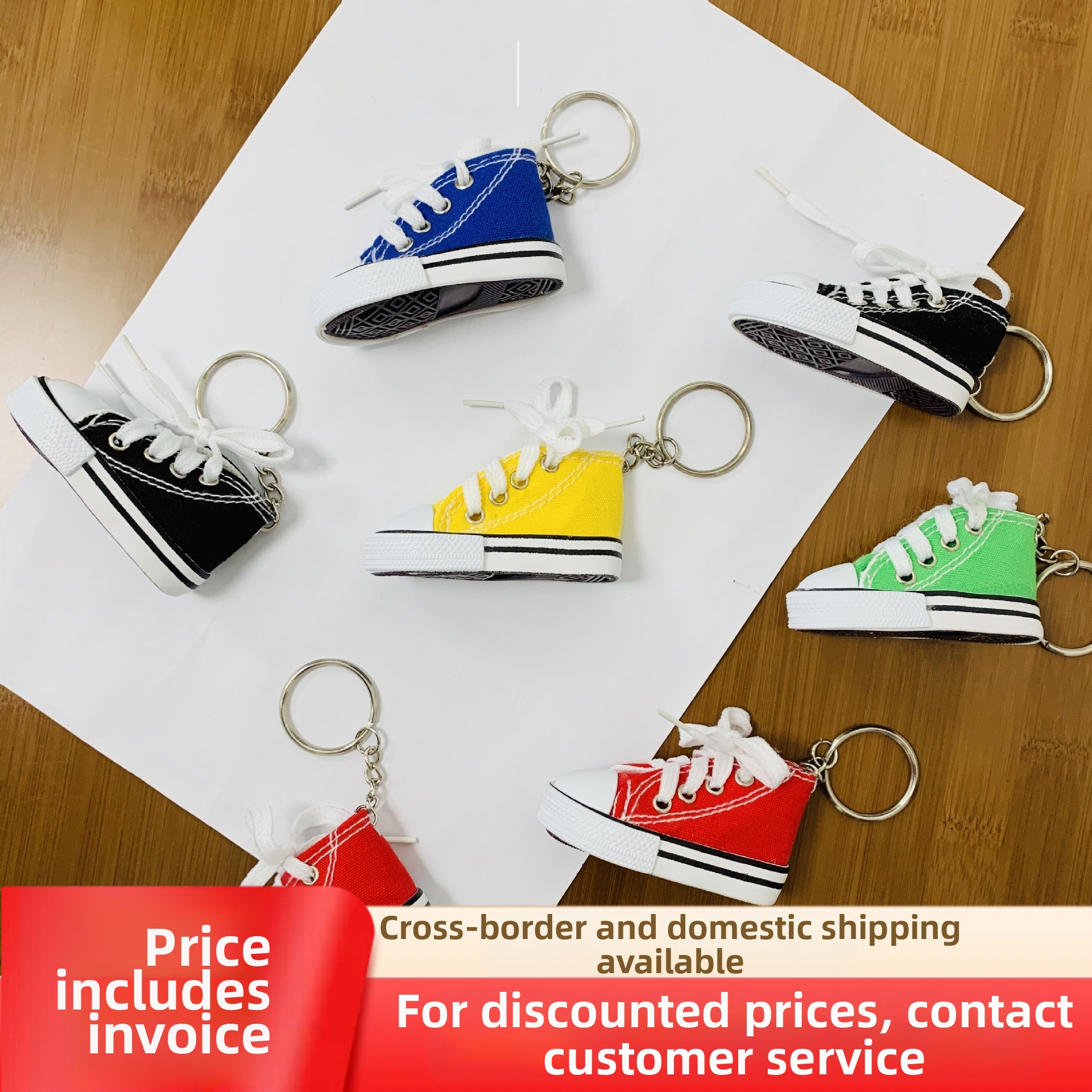
Mini Canvas Shoes Keychain Fashion Sneakers Pendant Charm For Motorcycle Bicycle Side Stand Decor Creative Canvas Rubber Small Shoes Bag Ornament Keyring
$0.45
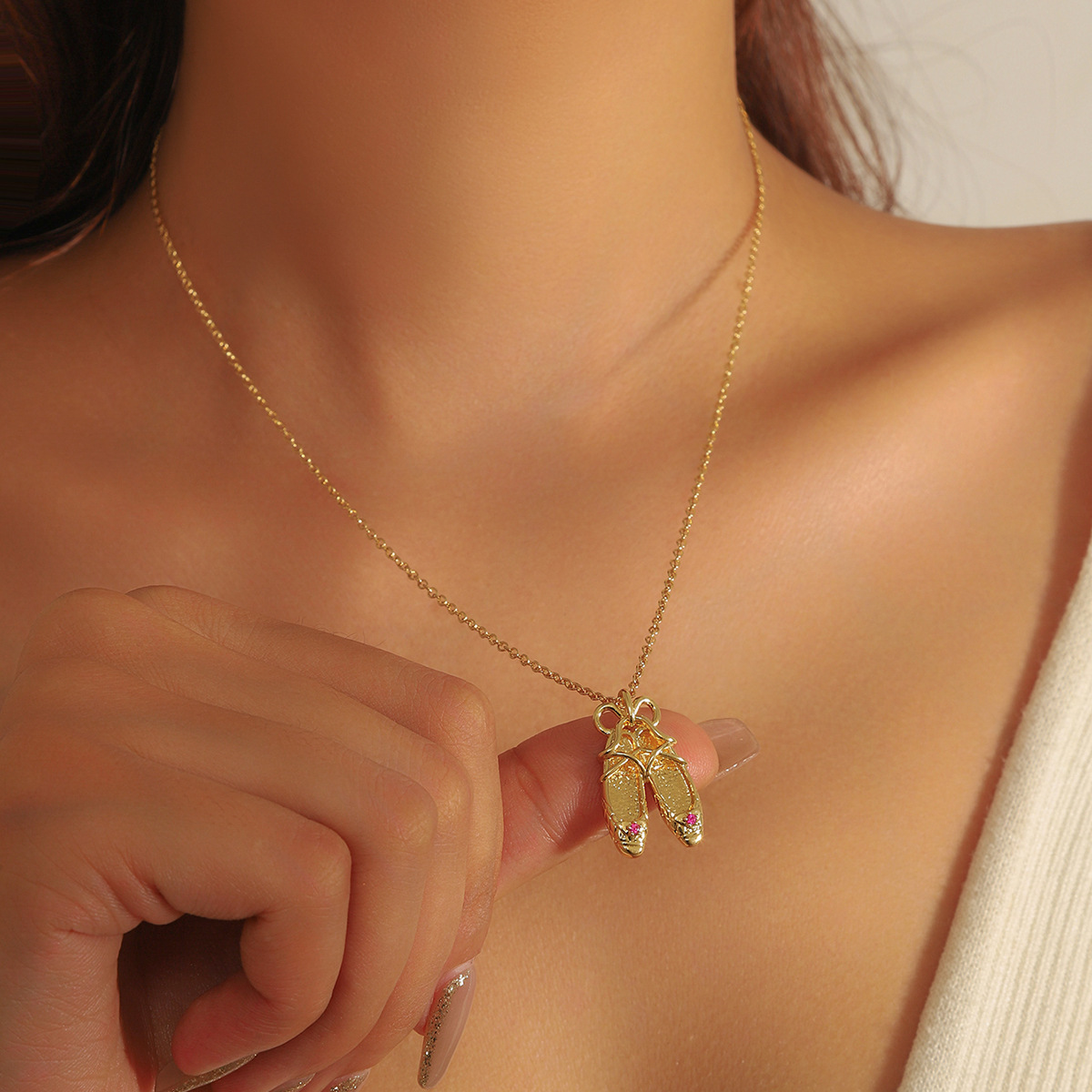
Ballet Shoes Pendant Necklace Copper With Sparkling Rhinestone Dainty Charm Elegant Jewelry For Women Girls Ballet Lovers
$0.94
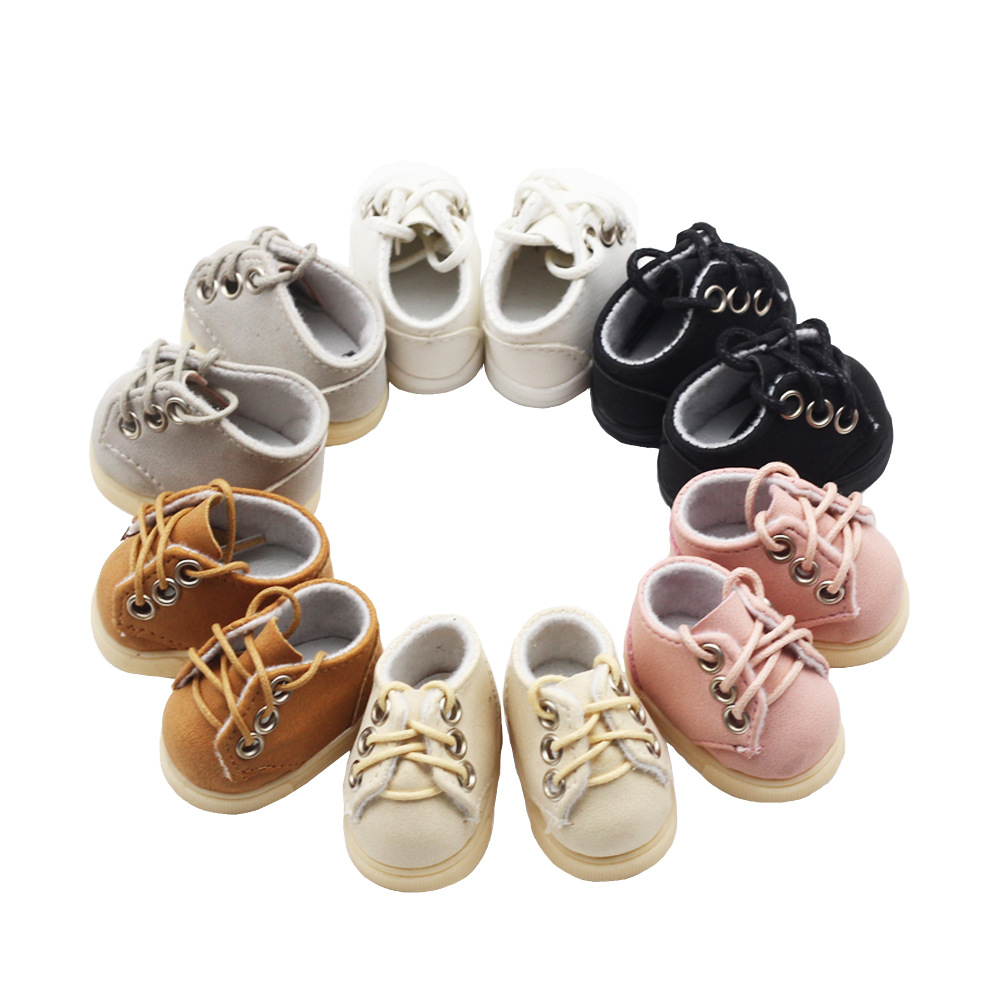
Miniature Doll Shoes Faux Suede Lace-up Sneakers For 15-20cm Cotton Dolls 1/6 BJD Doll Accessories Casual Mini Shoes For Kids Girls DIY Toy Accessories
$2.31
Breathable Mesh Pet Shoes For Small Medium Dogs Anti-Slip Rubber Sole Puppy Boots Reflective Magic Tape Walking Shoes Comfortable Soft Dog Sandals For Summer Outdoors 4Pcs Set
$1.38
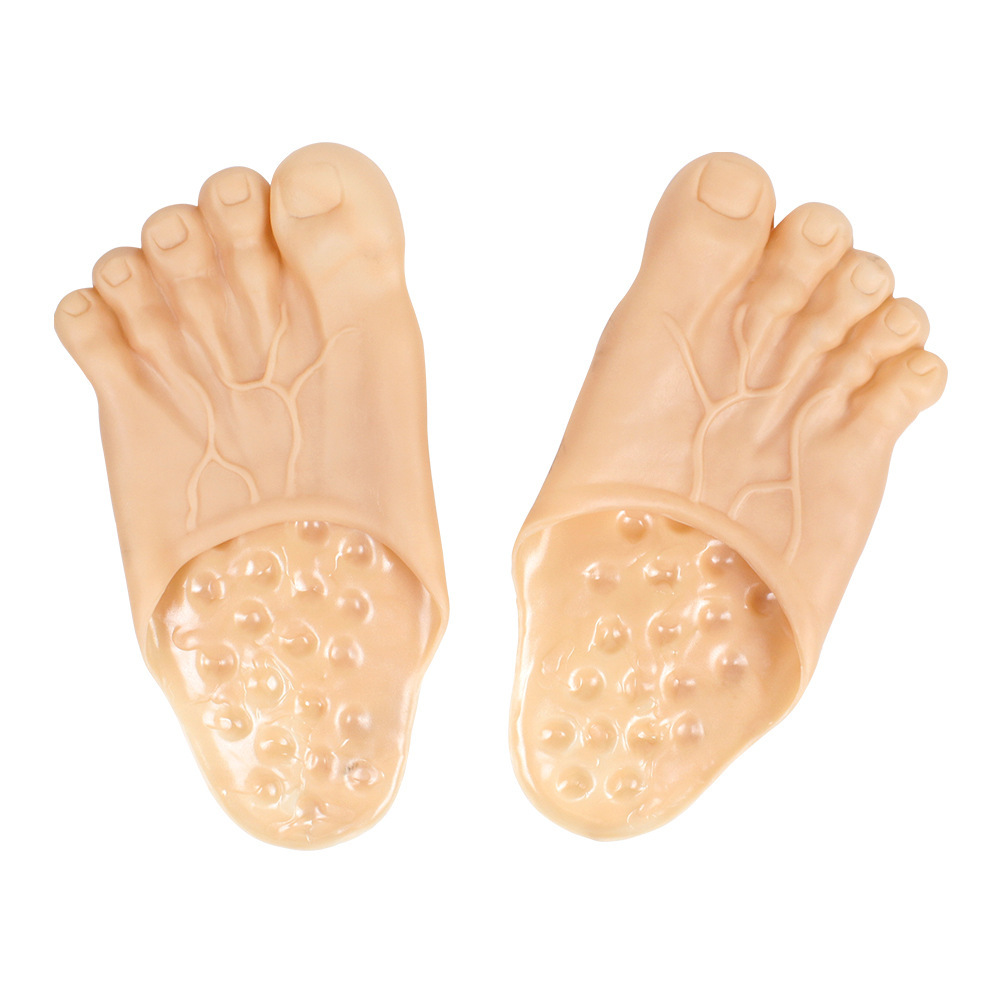
Funny Halloween Big Foot Slippers PVC Cosplay Costume Props Spoof Giant Feet Shoes For Masquerade Party Performance
$2.45
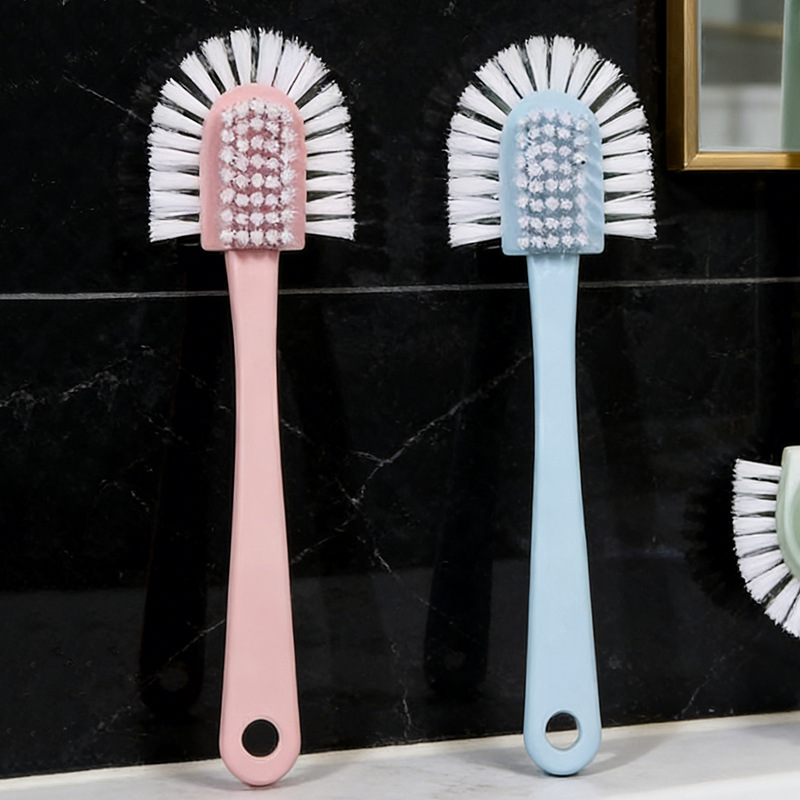
Multifunctional Plastic Five-Sided Shoe Brush With Hard Bristles Long Handle Laundry Cleaning Tool For Household Shoes Clothes
$0.13
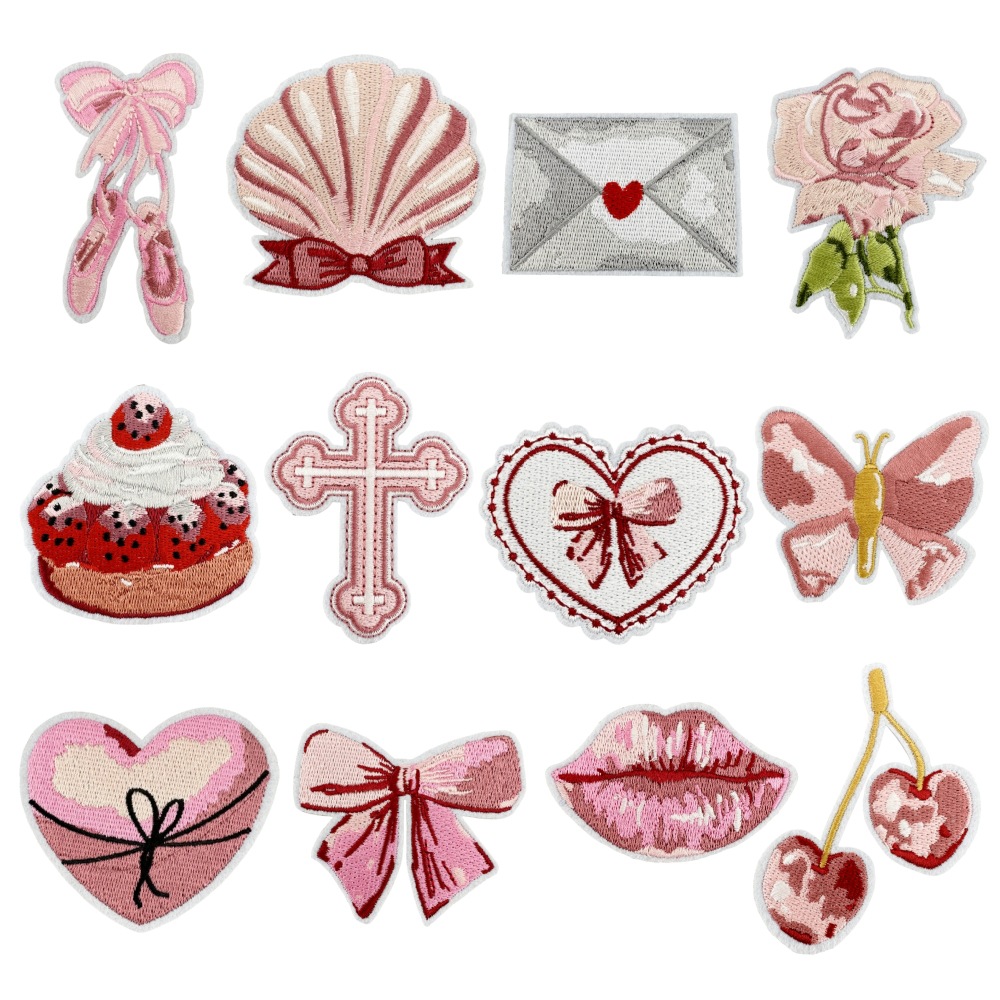
Sweet Polyester Embroidery Patches Heart Bow Shell Ballet Shoes Iron On Patches For DIY Clothing Bags Jackets Decoration
$0.20
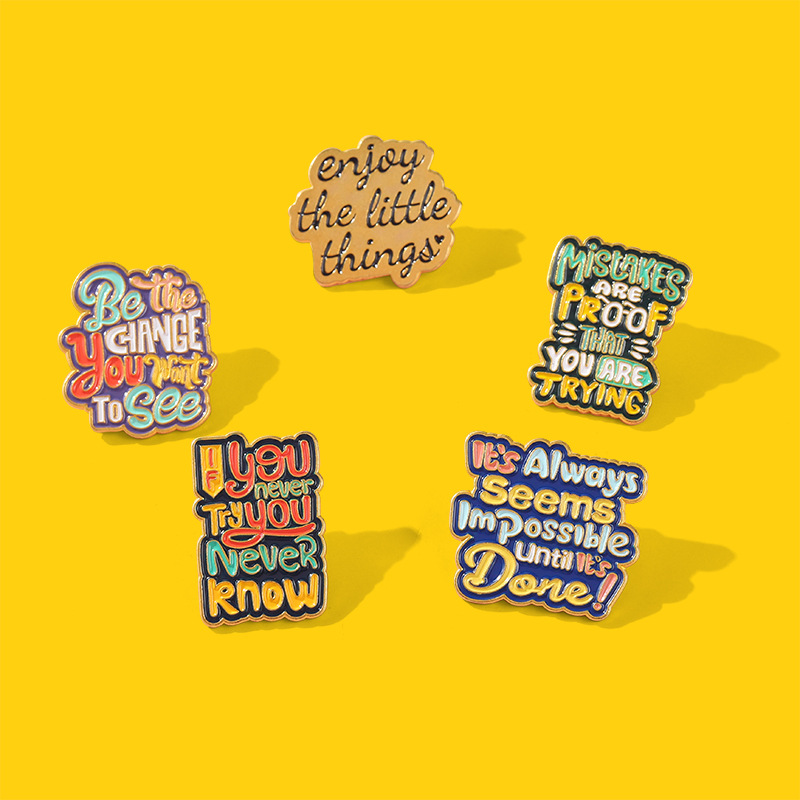
Retro Alloy Enamel Brooch Pin Set Inspirational English Quotes Mistakes Are Proof You Are Trying Badge For Women Students Clothes Backpack Decoration Jewelry
$0.47
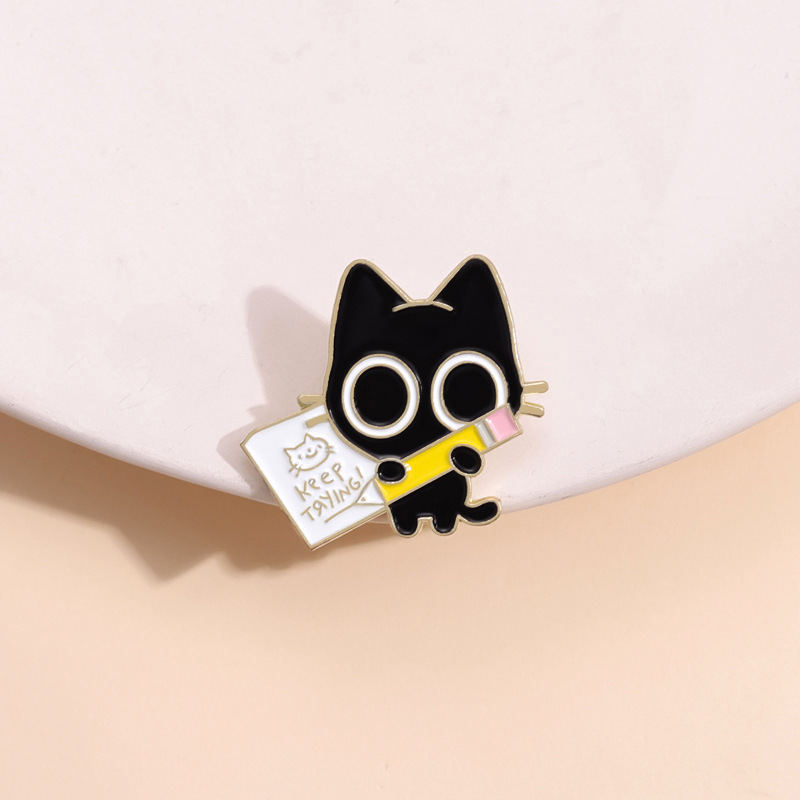
Cute Cartoon Black Cat Enamel Brooch Alloy Metal Inspirational Keep Trying Letter Badge Pin For Backpack Clothes Hat Accessories Jewelry Gift For Kids Students
$0.58
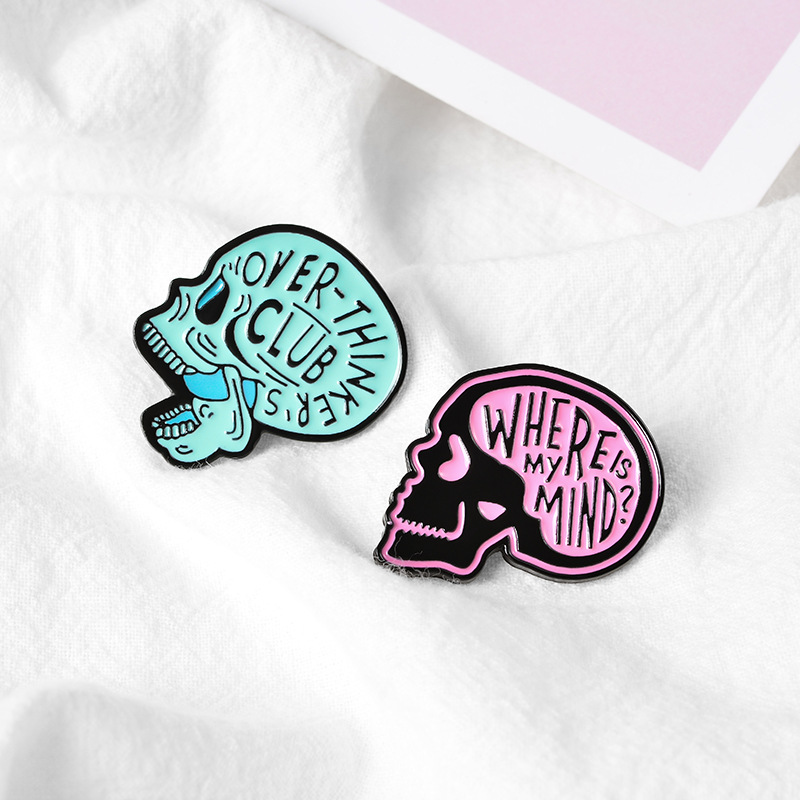
Punk Skull Enamel Brooch Pin Set Alloy Metal Letter Print Badges Over-Thinker's Club Where Is My Mind Accessories For Jackets Backpacks Unisex Jewelry
$0.52
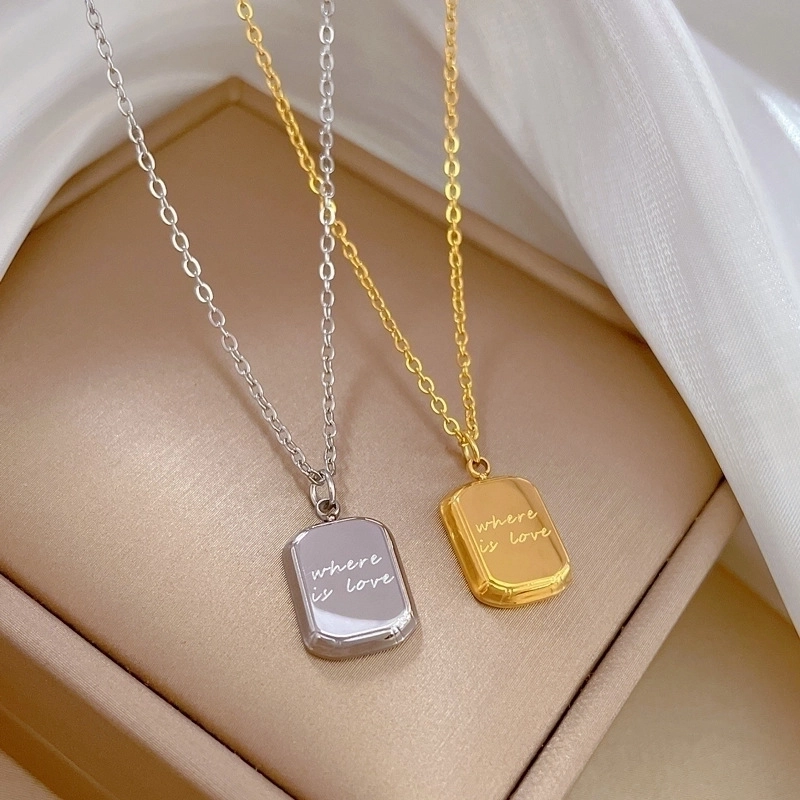
Titanium Steel Square Brick Pendant Necklace Gold Plated Where Is Love Engraved Minimalist Clavicle Chain For Women
$1.09
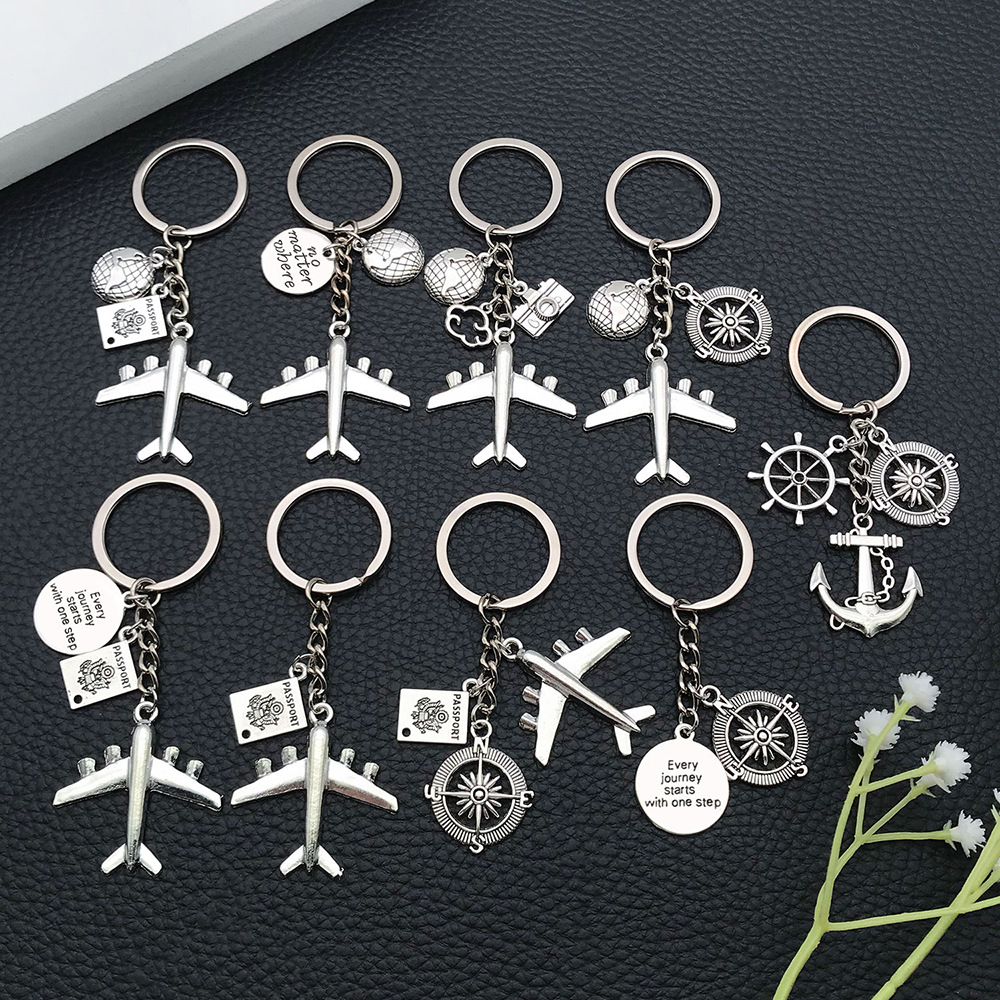
Antique Silver Zinc Alloy Travel Airplane Keychain With Globe Compass Passport Pendant No Matter Where Letter Tag For Travelers Backpack Decoration Key Ring
$0.28
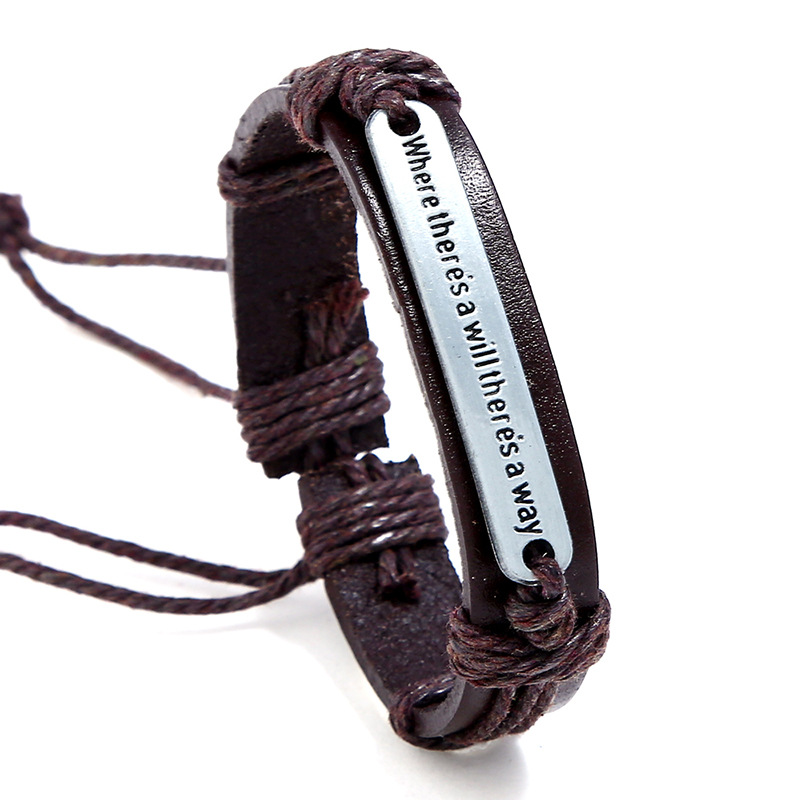
Vintage Woven Cowhide Leather Bracelet With Engraved Quote Metal Plate Where There's A Will There's A Way Adjustable Braided Hemp Rope Alloy Jewelry For Men Women
$0.47
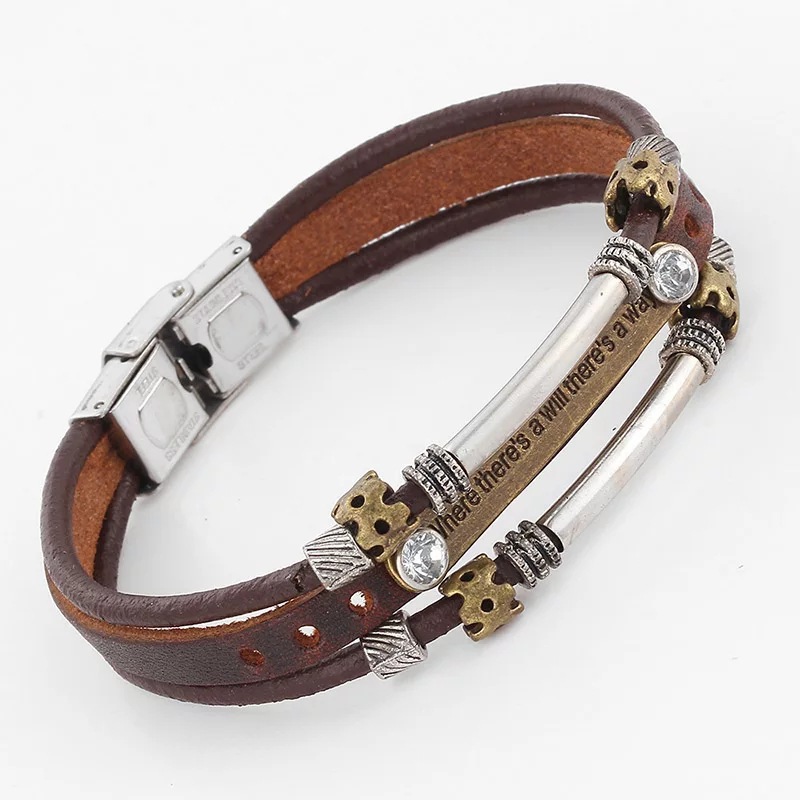
Multilayer Leather Bracelet Engraved Inspirational Quote Genuine Cowhide Alloy Retro Punk Vintage Jewelry For Men Women
$1.28
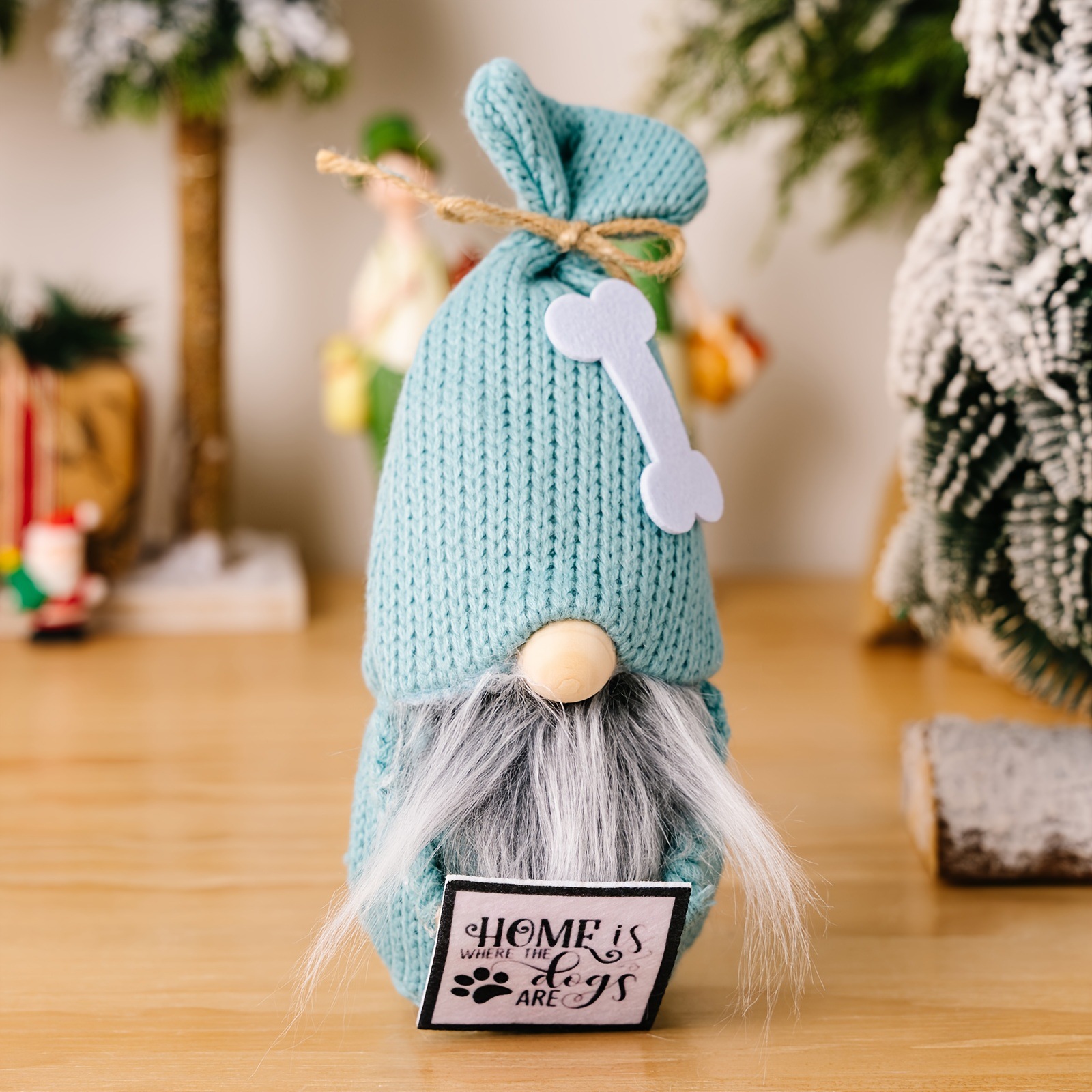
Christmas Gnome Plush Decoration Handmade Swedish Tomte Elf With Knitted Hat Bone Decor Holding Home Is Where The Dogs Are Sign For Holiday Home Decor
$2.74
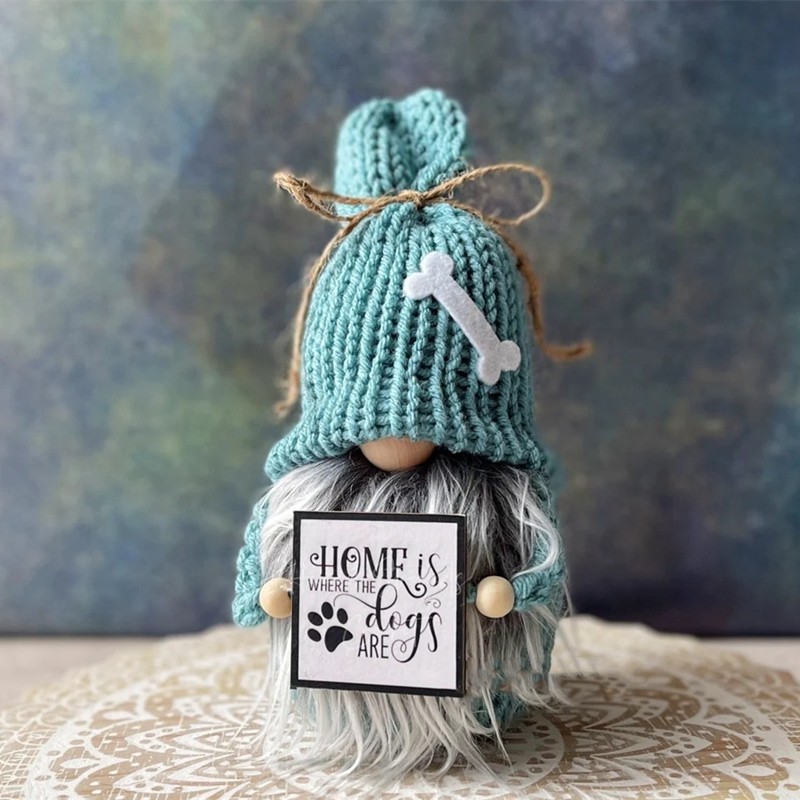
Christmas Gnome Decorations Pet Theme Knitted Faceless Doll With Reindeer Antlers Bone Fish Sign Home Is Where The Dogs Are Nordic Plush Tabletop Ornaments For Christmas Holiday Party Home Decor
$2.88
Boost Margins with Bundles: Shoe Care + Motivation
Bundling works for this trend because it solves two problems: customers need a way to maintain their new-to-them shoes, and you want to move more volume per transaction. By pairing a practical item (shoe brush) with a sentimental or fun accessory (keychain, pin), you create a memorable unboxing experience and increase per-order revenue.
First Pair Care Kit
A buyer picks up a single pair of used sneakers from your shop. They want to freshen them up before wearing.
- Multifunctional Plastic Five-Sided Shoe Brushhero
- Sweet Polyester Embroidery Patches Heart Bow Shell Ballet Shoesupsell
- Mini Canvas Shoes Keychaincomplement
Bundle at $1.50 vs $0.76 separately (brush $0.13, patches $0.20, keychain $0.45). You increase perceived value while clearing accessory inventory.
Reseller Motivation Bundle
A new reseller who is 'trying' to break into the used shoe trade buys from you. They need inspiration and a small token of progress.
- Retro Alloy Enamel Brooch 'Mistakes Are Proof You Are Trying'hero
- Cute Cartoon Black Cat Enamel Brooch 'Keep Trying'upsell
- Multi-Layer Genuine Leather Bracelet 'Where There's A Will'complement
Bundle at $2.50 vs $2.37 separately (pins $0.47+$0.58, bracelet $1.28). Tight margin, but the real value is customer loyalty—include a free thank-you note.
Pet & Travel Shoe Combo
A customer buys your used walking shoes or boots and also has a small dog that needs protection during walks.
- Breathable Mesh Pet Shoes for Small Medium Dogshero
- Antique Silver Travel Airplane Keychain 'No Matter Where'upsell
- Funny Halloween Big Foot Slipperscomplement
Bundle at $4.00 vs $4.11 separately (pet shoes $1.38, keychain $0.28, slippers $2.45). The slippers are a novelty upsell—risk: may not fit every customer's sense of humor.