
Trend Report · April 30, 2026
Wholesale FBA Supplier Vetting: Red Flags You Learn the Hard Way
Learn the supplier red flags that wholesale FBA sellers discovered the hard way, including MAP issues, exclusivity surprises, and bad terms, to protect your margins and avoid costly mistakes.
Wholesale FBA sellers: what red flags do you look for when vetting a new supplier that you learned the hard way?
The question popped up on Reddit from a user new to wholesale, seeking advice beyond the obvious. The community delivered: bad payment terms, MAP violations, and exclusivity surprises are the hidden traps that cut into margins and cause account suspensions. One seller described signing a contract only to find their supplier listed the same products on Amazon at a lower price — a direct MAP breach. Another warned about exclusivity clauses buried in fine print, locking sellers into single-supplier dependency. These aren't rare edge cases; they're common hard lessons for wholesale FBA sellers who focus too much on price per unit and skip the contract language. When sourcing flags, jewelry packaging, or graduation decor, the same red flags apply. A supplier offering a $0.10 hand flag might seem like a steal, but if they don't enforce MAP, you'll be racing to the bottom on Amazon within weeks. The key takeaway: vet every term before the first purchase order, and test with small samples to uncover issues before scaling.
Why These Red Flags Matter for Wholesale Sourcing
The source thread reveals a pattern: sellers who bypassed rigorous vetting early on faced margin erosion, policy violations, and wasted inventory. The core issues — bad terms, MAP problems, exclusivity surprises — directly affect sell-through risk and profitability. For example, a seller who ignored a supplier's vague MAP policy lost 40% of their margin when the supplier slashed the price on Amazon, forcing the seller to match or lose the buy box. Another got locked into an exclusivity clause that prevented them from sourcing cheaper alternatives later, crushing their ad budget. These lessons are especially relevant for high-volume categories like world cup flags and party decorations, where price pressure is intense. By understanding these red flags upfront, you can structure agreements that protect your test budgets and SKU depth. The trend signals a growing awareness among new wholesale FBA sellers that supplier vetting is not optional — it's a survival skill.
Who Benefits from This Supplier Vetting Guide
Any operator sourcing products for resale — especially through Amazon FBA — can apply these red flags immediately. The profiles below show who gains the most from structured vetting.
Shopify seller
You run a private storefront and rely on consistent pricing across channels. MAP violations from your supplier will torpedo your pricing strategy and trigger customer complaints. Vetting for MAP enforcement is non-negotiable.
Dropshipper
You need suppliers who ship reliably without brand conflict. Exclusivity surprises can lock you out of certain products mid-campaign. Check terms early to avoid fulfillment at scale disruptions.
Boutique buyer
You curate small batches of flags, jewelry, and decor for boutique sales. Bad terms on minimum order quantities or return policies can tie up cash in slow-moving inventory. Learn to spot these red flags before committing.
How to Use Supplier Vetting to Improve Your Sales Strategy
Smart vetting doesn't just prevent losses — it helps you build a leaner, more profitable operation. When you confirm a supplier's terms upfront, you can focus on what matters: testing ad angles, optimizing bundles, and scaling proven products. Use these tactics to turn supplier red flags into a competitive advantage.
Sample each supplier's product and test Amazon's algorithm with a small batch (e.g., 50 units of a $1.56 flag). Use early results to gauge whether MAP is enforced before committing to larger quantities.
⚠ Supplier may not honor sample order discount; you lose $1-2 per unit on shipping if they cheap out on packaging.
Negotiate a written MAP agreement as part of your initial contract. Offer a small exclusivity in exchange for better pricing on a bundle of jewelry display cards and charms. Verifies that the supplier respects brand boundaries.
⚠ Supplier might demand a minimum order volume that exceeds your test budget — walk away if terms are inflexible.
Request a clear return policy and lead time guarantee before listing graduation or party flags. A single supplier delay can tank your seller rating. Start with 2-3 SKUs to verify reliability.
⚠ Supplier may misrepresent stock levels — order a small sample pack to cross-check inventory accuracy.
Featured Products for Your Sourcing Test
These products are ideal for testing a new supplier's reliability and terms. Their low unit cost and high perceived value make them perfect sample items — you can evaluate packaging, shipping speed, and MAP enforcement without heavy upfront investment.
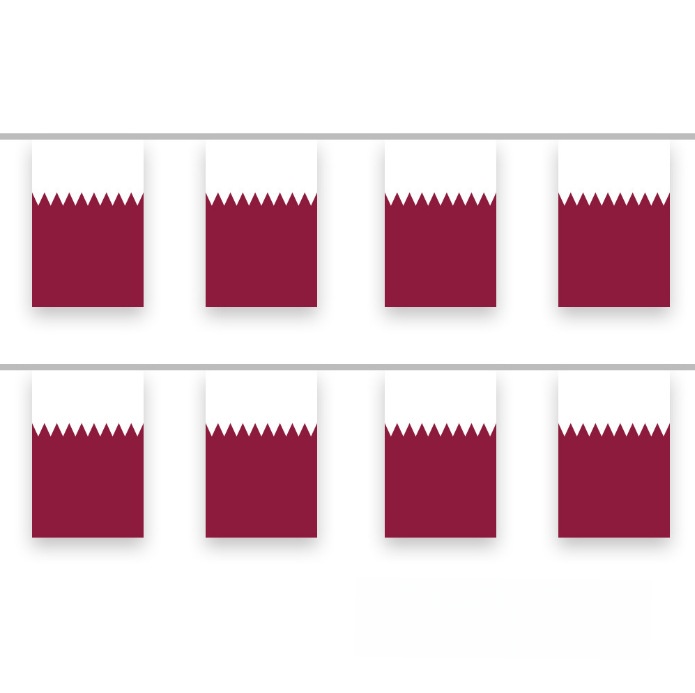
Polyester Qatar Bunting Flags String Flags For Soccer Party Decorations Maroon White Sawtooth National Flags For Events
$1.56
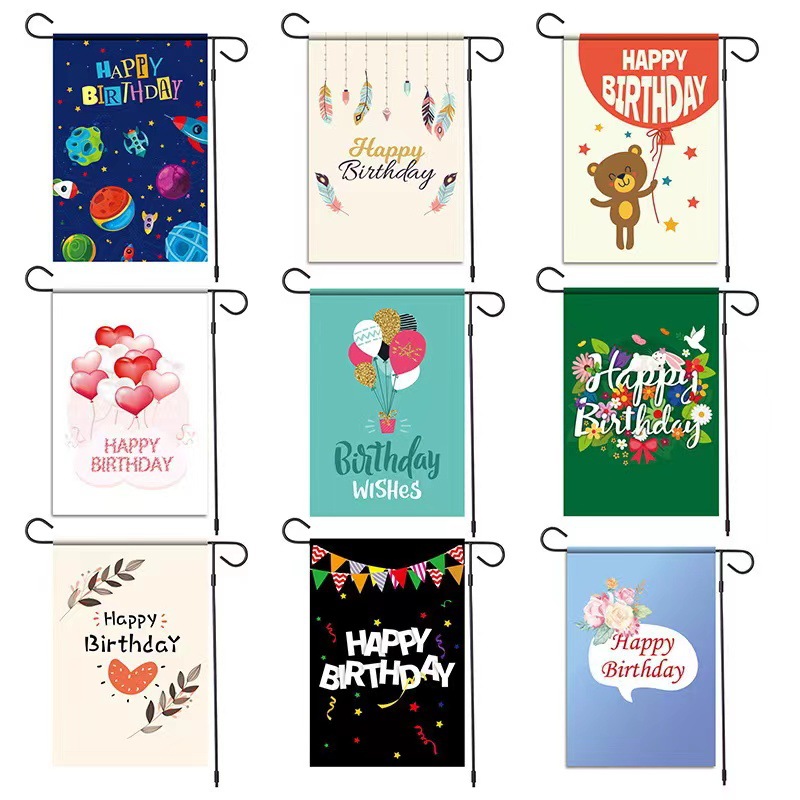
Happy Birthday Garden Flag Set With Metal Stand Double Sided Oxford Cloth Weather Resistant Outdoor Yard Lawn Banner Decorative Party Sign For Home Garden Decor
$1.78

Polyester Car Window National Flags With Plastic Pole Durable Weather Resistant Vehicle Hanging Flags For Sports Events Parade Celebration Decorative Flags
$0.40
2026 World Cup Flags Fan Supplies Sports Event Cheering Props Flags Banners
$2.42

International National Flags String Bunting Banner Polyester Hanging Decorative Pendant Flags for Bar Club Sports Party Decoration
$1.15
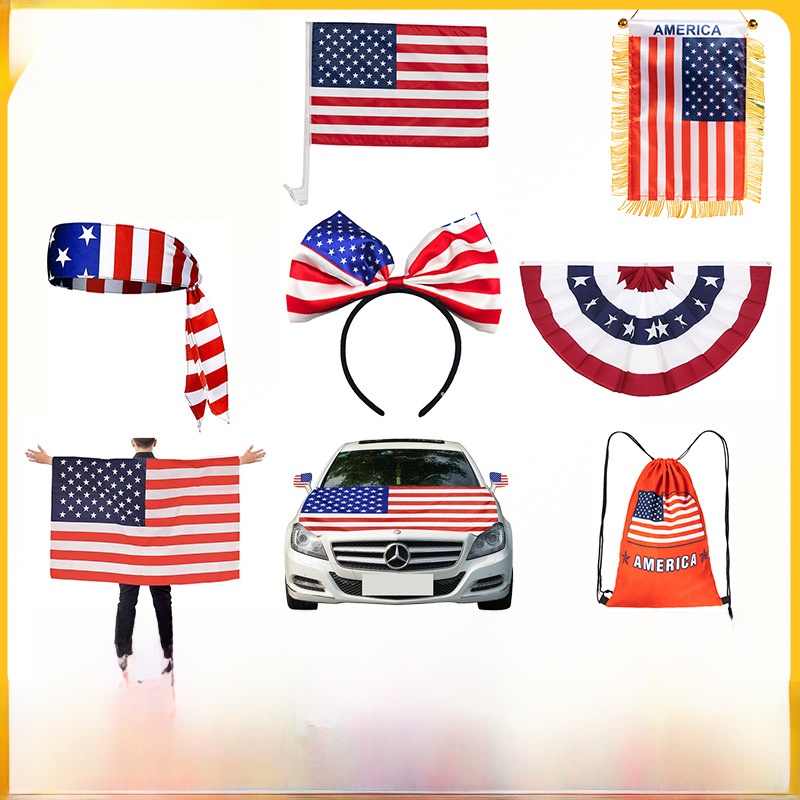
2026 Usa-can-usa World Cup Fan Products: Cheer Props Decorative Shawls Flags Hand Flags Headbands And Hairbands
$0.72
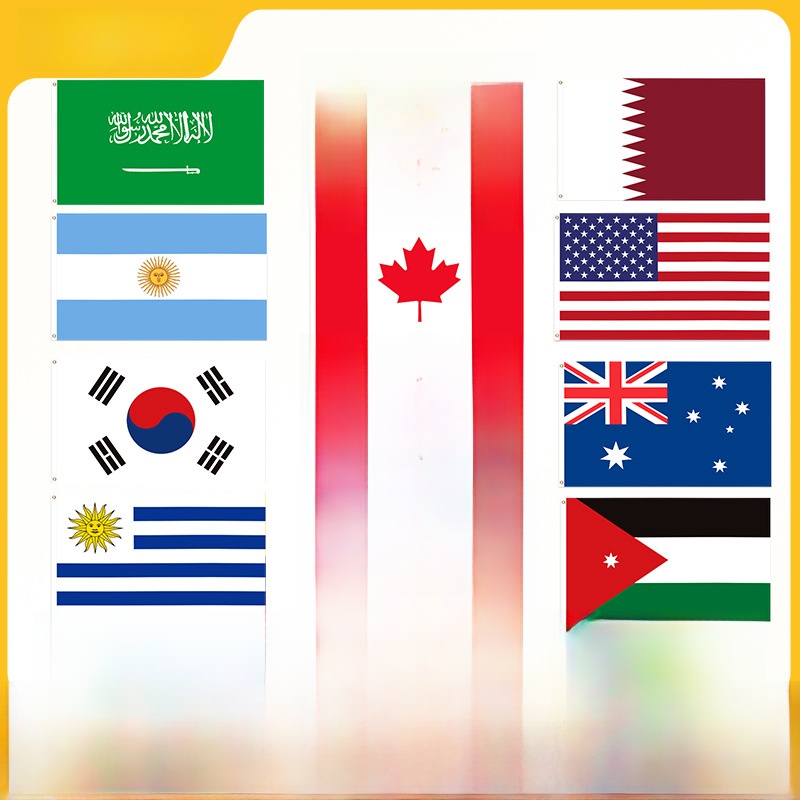
Polyester National Flags With Two Metal Grommets For World Cup Sports Events Celebrations Outdoor Party Decorations Country Flags
$1.67
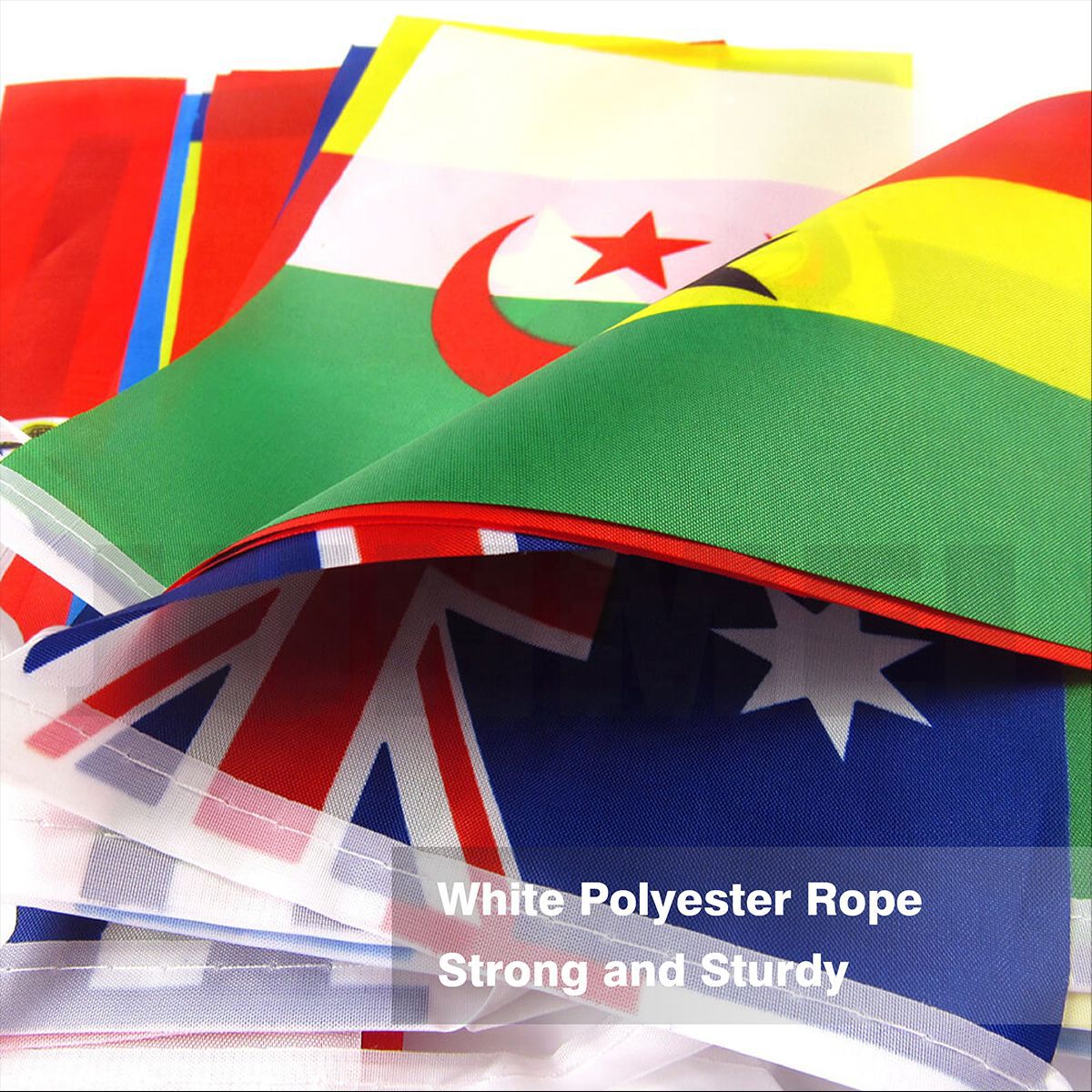
World National Hand Held Flags With Pole Polyester Printing Mini Flags For World Cup Sports Events Parade Party Celebrations Decor
$0.10
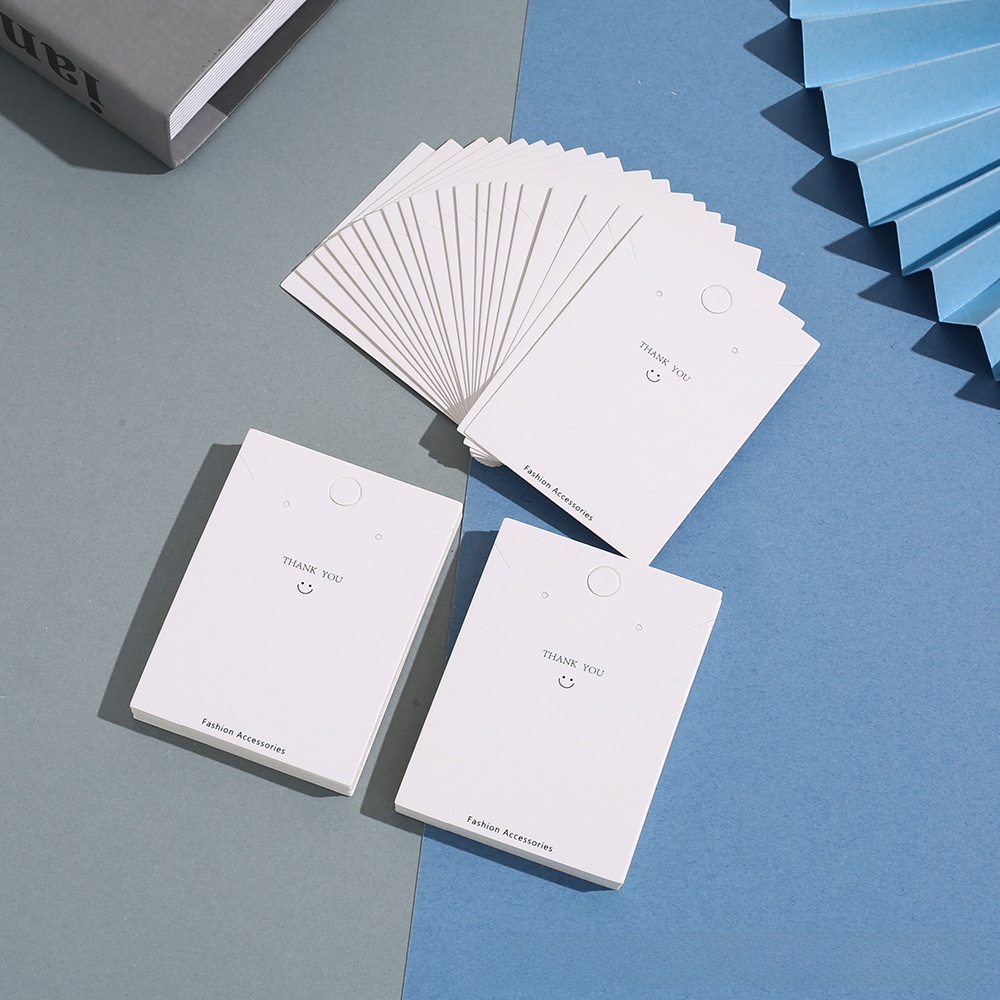
White Paper Jewelry Display Cards And OPP Bags Set Thank You Printed Cardboard Earring Necklace Packaging Cards For Jewelry Sellers Display Accessories
$0.02
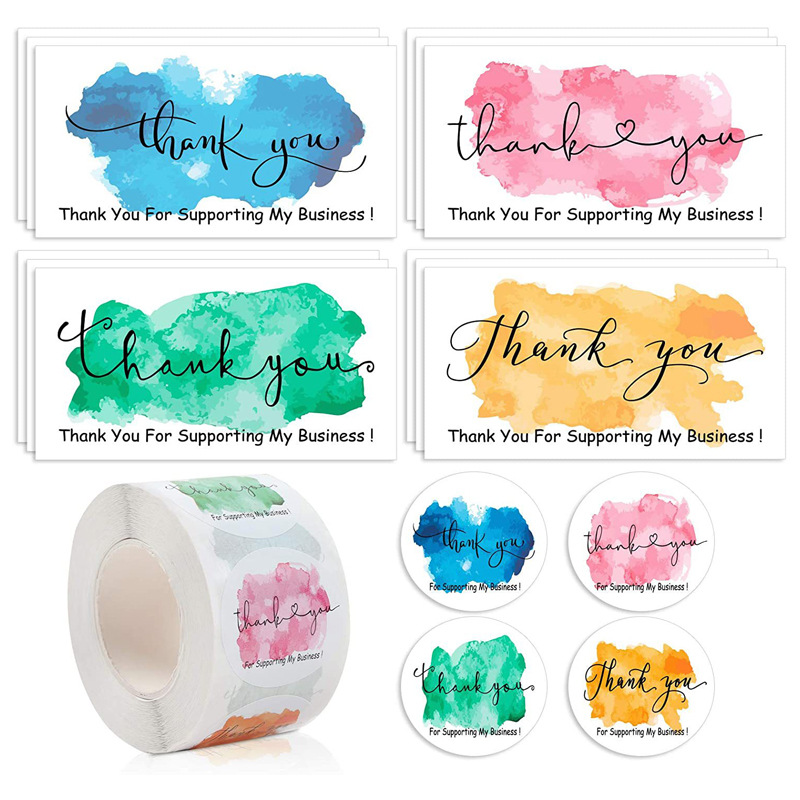
Watercolor Thank You Stickers And Cards Set For Small Business Paper Self-Adhesive Labels For Gift Packaging Decor Stationery For Online Sellers
$0.03

Metallic Happy Birthday Banner Triangle Bunting Flags Gold Silver Rose Gold Cardboard Pull Flags Hanging Decorations For Baby Kids 1st Birthday Party Celebration
$0.26
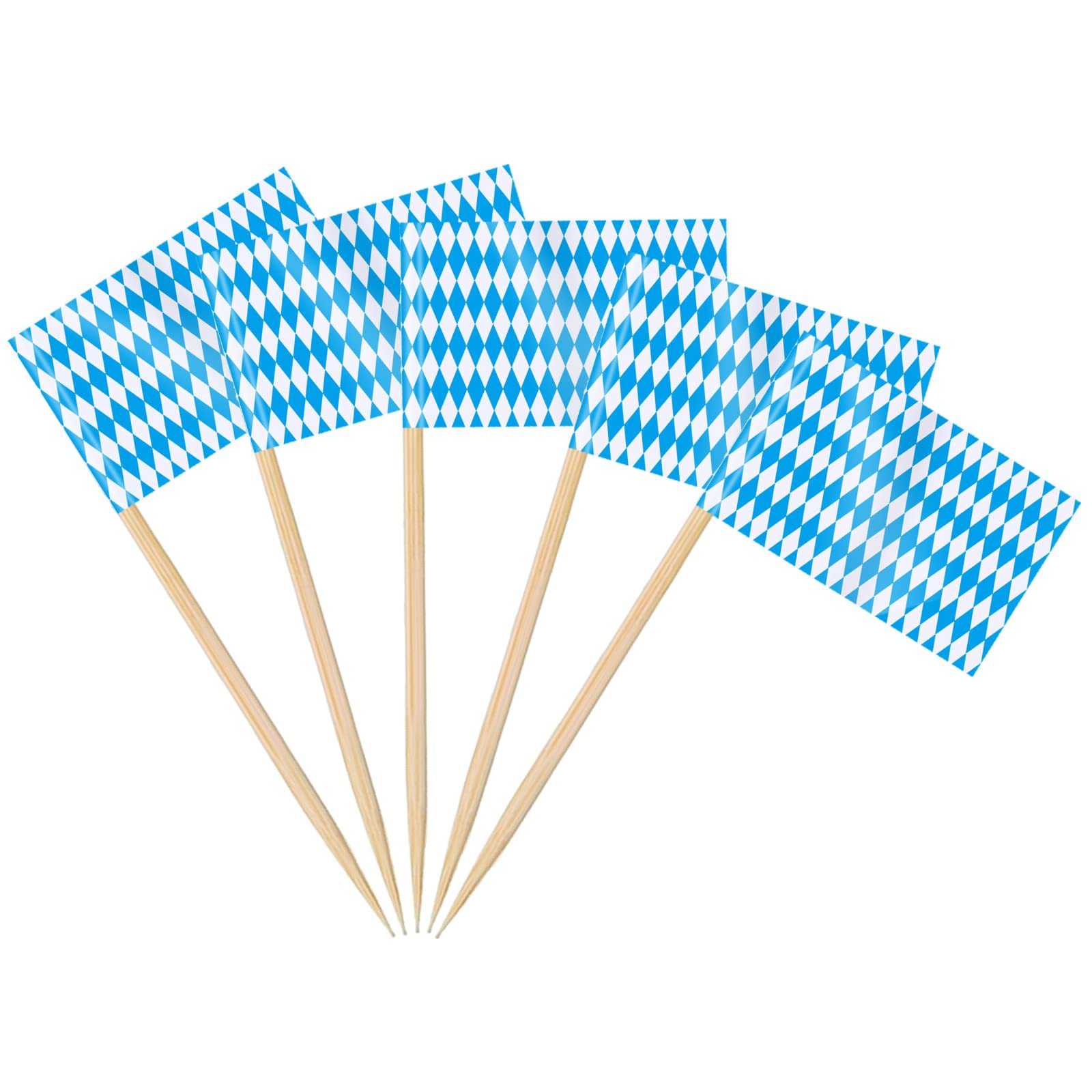
100PCS German Flag Toothpick Flags Oktoberfest Blue White Grid Cake Toppers Mini Decoration Flags With Wood Sticks For Munich Festival Party Buffet Supplies
$0.98
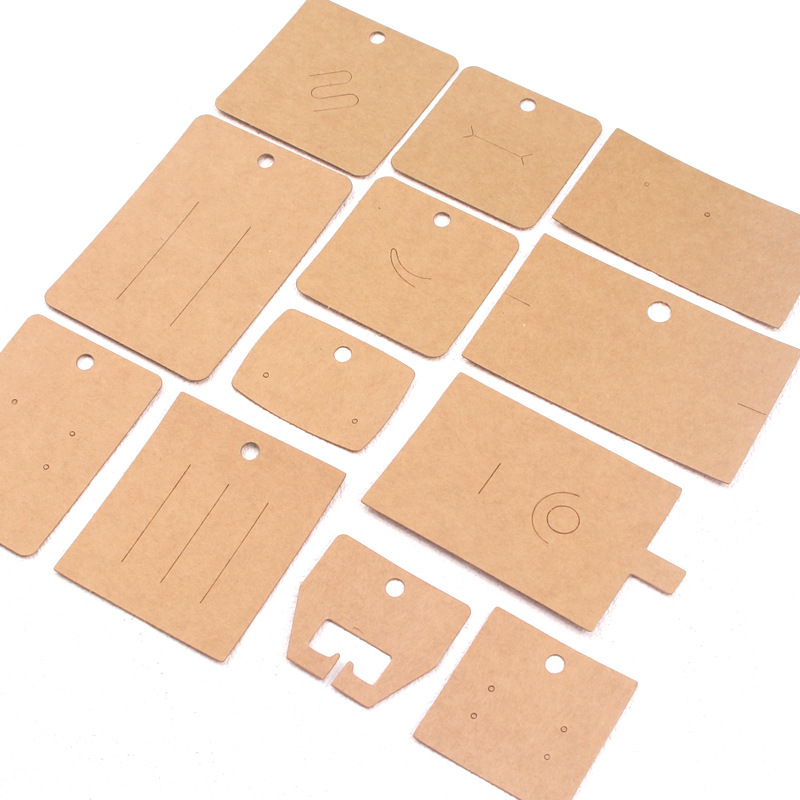
100PCS Blank Kraft Paper Jewelry Display Cards For Earrings Necklaces Bracelets Hair Clips Minimalist Jewelry Packaging Hanging Cards DIY Handmade Jewelry Tags For Sellers
$0.01

304 Stainless Steel Bowknot Pendants DIY Jewelry Making Findings For Necklace Earrings Fashion Metal Bow Charms Accessories Wholesale
$0.36
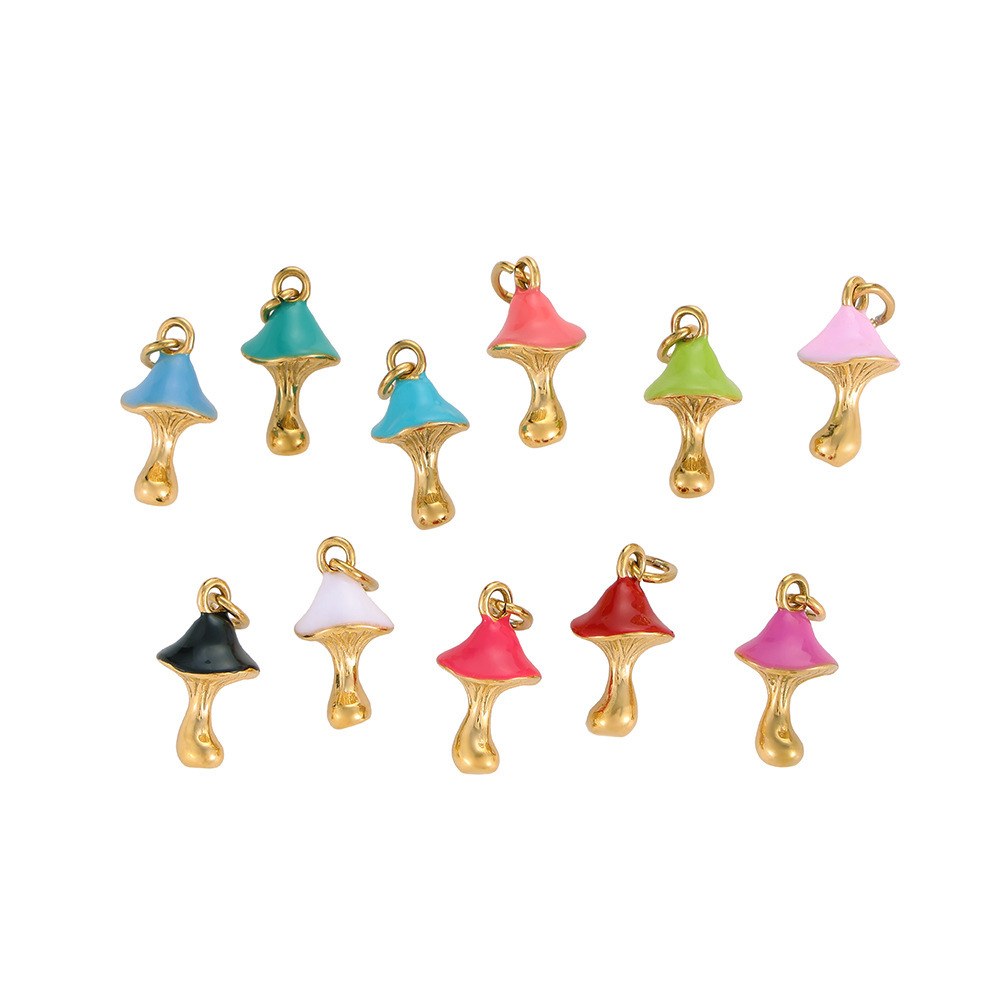
Stainless Steel Enamel Mushroom Pendants Colorful Cute Mini Mushroom Charms For DIY Jewelry Making Necklace Bracelet Accessories Wholesale
$0.89
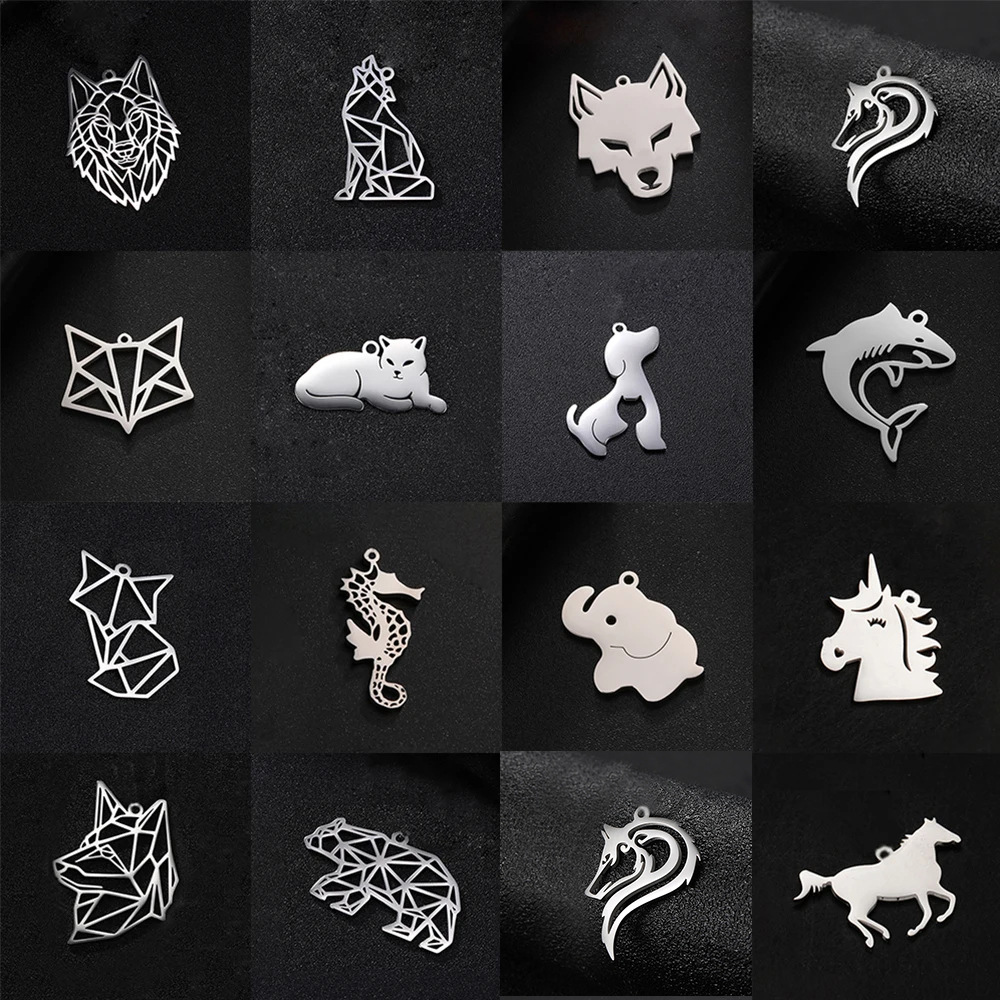
DIY Stainless Steel Animal Pendants Geometric Wolf Cat Dog Shark Horse Charms For Jewelry Making Necklace Keychain Accessories Wholesale
$0.39
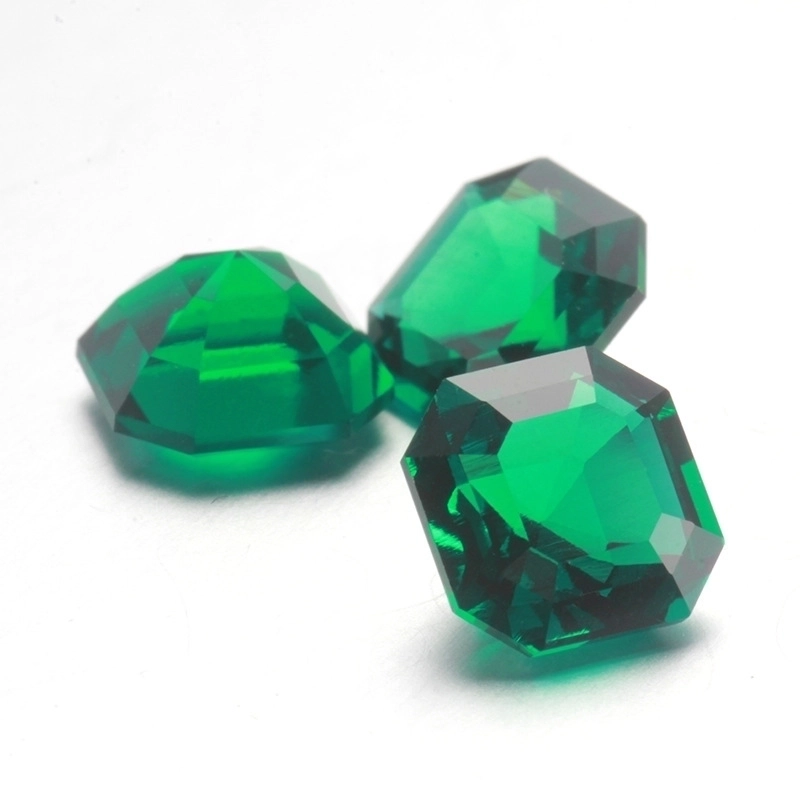
Luxury Hydrothermal Emerald Loose Stone Recycled Zambian Green Gemstone Asscher Octagon Cut For DIY Jewelry Making Rings Necklaces Wholesale
$2.74

Graduation Season Photography Props Graduation Ceremony Party Decorations Photo Background Accessories Flags
$1.44
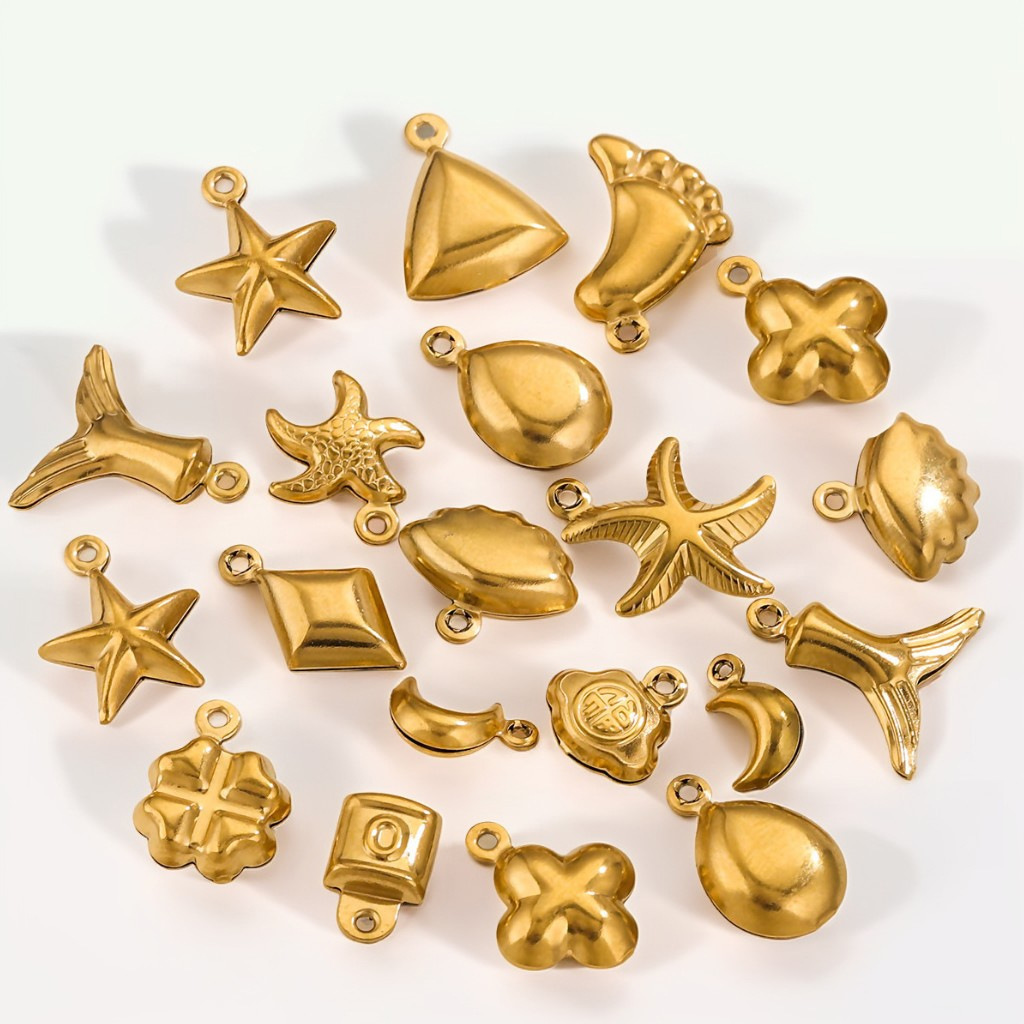
18K Gold Plated Stainless Steel DIY Charms Pendants For Jewelry Making Handmade Heart Starfish Shell Moon Clover Charms Findings Wholesale
$0.05

Graduation Season Cake Toppers University Graduation Ceremony Cake Decoration Inserts Party Decoration Flags
$0.29
Bundles That Minimize Supplier Risk
Bundling products from a single supplier reduces the number of vendor relationships and simplifies vetting. These bundles are designed for scenarios where you need to test a supplier's terms while maximizing sell-through potential.
World Cup Fan Starter Pack
A dropshipper wants to test Amazon FBA for 2026 World Cup gear without overcommitting. This bundle includes flags and fan accessories from one supplier to evaluate MAP enforcement and shipping speed.
- 2026 World Cup Flags Fan Supplieshero
- 2026 Usa-can-usa World Cup Fan Productsupsell
- World National Hand Held Flags With Polecomplement
Bundle at $3.50 vs $4.24 separately (approx. 17% saving) — tests if supplier respects MAP when you promote the bundle.
Party Decor Test Bundle
A Shopify store owner wants to enter the party decoration niche but is wary of supplier exclusivity clauses. This bundle of bunting flags and garden flags allows them to check for hidden restrictions.
- Polyester Qatar Bunting Flags String Flagshero
- Happy Birthday Garden Flag Set With Metal Standupsell
- Metallic Happy Birthday Banner Triangle Bunting Flagscomplement
Bundle at $3.00 vs $3.60 separately — low commitment; if supplier adds a surprise exclusivity clause, you lose only 3 units.
Jewelry Seller Starter Kit
A boutique buyer needs packaging and charms but fears bad payment terms (e.g., net 60 with no discount). This bundle tests the supplier's flexibility on payment and MOQ.
- White Paper Jewelry Display Cards And OPP Bags Sethero
- Watercolor Thank You Stickers And Cards Setupsell
- 18K Gold Plated Stainless Steel DIY Charms Pendantscomplement
Bundle at $0.08 vs $0.10 separately — tiny investment to uncover if the supplier charges hidden fees on small orders.