
Trend Report · May 16, 2026
Why Is My Shipping Now at Almost $9? A Seller's Dilemma Unpacked
Why buyers see higher shipping costs than your label. This teardown reveals the pattern and how to adjust pricing for accessories.
What Happened: The $9 Shipping Glitch
A Reddit seller posted a sharp frustration: their listing for a 3oz, 7x4x1 bubble mailer with USPS Ground Advantage showed $9 shipping to potential buyers, while the actual label cost stayed between $5 and $6. This gap isn't a one-off — it's a systematic mismatch between what carriers quote at checkout and what sellers pay. The seller confirmed the same discrepancy across multiple listings, all using identical packaging and weight. The inflection point? A buyer likely abandoned the cart over an inflated shipping cost, pushing the seller to dig into the numbers.
This case isn't about a glitch in the Reddit poster's account — it's about how carrier rate tables, zone calculations, and marketplace display logic can diverge. For sellers of lightweight accessories like jewelry or small gifts, shipping often outweighs the product cost. A $3-4 phantom surcharge can kill conversion, especially on items priced under $10. The pattern here is structural: many sellers trust the checkout display but miss that buyer-facing rates can include a markup or reflect a different zone (e.g., the far end of the rate table).
The seller's specific details — Ground Advantage, 3oz, 7x4x1 — are classic dimensions for e-commerce packaging. That makes the lesson broadly applicable. If you're moving small items like enamel pins or rings, your displayed shipping might be silently throttling your margins and your sales. The fix requires auditing your listings, adjusting dimensions, or switching to flat rate.
The Replicable Pattern: Buyer vs Seller Shipping Discrepancy
This isn't a story about one Redditor — it's a replicable pattern where calculated shipping on marketplaces like Etsy, Shopify, or eBay shows a higher rate than the seller's actual cost. The driver is simple: carrier algorithms estimate the worst-case zone and may add a few dollars for handling. Meanwhile, the seller buys a label for the actual zone, which is cheaper. The gap becomes a hidden tax on conversion.
Operators who recognize this pattern can flip it. By testing flat rate shipping options, reducing package dimensional weight, or embedding shipping into product prices, they can offer customers a price closer to reality. The winning sellers won't just fix one listing — they'll audit their entire catalog. The evidence in the source is clear: the seller confirmed multiple listings showed the same jump. That means the issue is systemic, not random. For wholesale buyers sourcing accessories at low per-unit costs, even a $2 discrepancy per order eats into the already thin margin window.
The key variable is awareness. Most sellers never check what a buyer sees. This pattern repeats daily. The transferable insight: run a test order on your own store every quarter, or ask a friend to screenshare a checkout. If your shipping quote is higher than your label cost, you have found money left on the table.
Who Can Exploit This Pattern?
Any reseller shipping lightweight items is exposed. The pattern hits hardest when product value is low and shipping is a large portion of the total cost. Two profiles are best positioned to act:
Shopify seller
You use calculated shipping from carrier rates. The gap between buyer view and label cost directly reduces conversion. Adjusting dimensions or switching to flat rate can save $3-4 per order.
Etsy seller
Etsy's calculated shipping often includes a handling fee or zone algorithm. With many listings for under $10 items (e.g., sticker packs or earrings), a $9 quote kills cart completion. Auditing your shipping profiles recovers marginal profit.
What Happened
A Reddit seller operating multiple listings for lightweight accessories noticed an anomaly. Their packages were exactly 3oz, in a 7x4x1 bubble mailer, shipped via Ground Advantage. The label cost was consistent — $5 to $6 depending on zone. But the checkout page showed $8.99 to buyers. The seller cross-checked several listings: all showed the same $9 figure. At first they thought it was a single listing bug, but the pattern held across different products. The frustration wasn't just the extra $3-4 — it was the mystery of why the system quoted something the seller never agreed to pay. The post asked for help, and the comments revealed this is a known issue with calculated shipping on marketplaces that add a handling buffer or use the farthest zone rate as the default.
The Replicable Pattern
Carrier rate display logic often uses a worst-case zone rate, plus a hidden handling margin.
Evidence: The seller's $5-6 label vs $9 quote proves a delta exists even with correct weight and dimensions. The difference aligns with adding 2-3 zones of rate distance.
Sellers must audit not just their own costs, but what the buyer sees.
Evidence: The seller only discovered the gap by accident (buyer feedback). Had they run a test checkout earlier, they could have adjusted before losing sales.
The problem scales: multiple listings had the same issue, indicating a systemic algorithm, not a manual entry error.
Evidence: The seller's phrase 'this is for multiple listings' signals the pattern is tied to account settings or carrier integration, not individual product variations.
How to Turn This into a Selling Advantage
Once you know about the $9 quote gap, you can design a pricing strategy that neutralizes it. The simplest move: switch to flat rate shipping of $5.99 or offer free shipping on orders over $20. This eliminates the buyer sticker shock and aligns quotes with your actual cost. For multi-item orders, encouraging bundles (like the ones listed above) increases AOV enough to cover the shipping cost and still stay competitive. Another tactic is to slightly increase product prices and advertise free shipping. For a $1.57 wholesale ring, price it at $12.99 with free shipping. Your total cost (product + $5.50 label) is ~$7, leaving a $5.99 margin. Meanwhile, a single $8 ring with $9 shipping quote crushes conversion. Buyers mentally subtract $9 before deciding; free shipping feels like a deal. The most advanced operators use dimensional weight audits. By switching to bubble mailers that are 6x4x0.5, they keep weight under 3oz and dimensions small enough to avoid rate jumps. The products from DayJewel in these bundles support exactly that strategy.
Set a fixed shipping profile for accessories under 4oz at $5.99, overriding calculated shipping for each listing. Test for 30 days and compare conversion rate.
⚠ Fixed rates may undercharge for far-zone customers; you eat the extra $1-2 occasionally.
Use carrier-calculated shipping but add a handling fee of $1.50 to offset the occasional zone difference. Or switch to flat rate per shipping zone.
⚠ Buyers in nearby zones may feel overcharged if your flat rate includes a buffer.
Enroll in FBA if volume supports it; their rates are consistent. For MFN, use Amazon’s shipping settings or set a standard shipping price.
⚠ Initial inventory shift to FBA requires upfront investment in packaging and labels.
Packaging Products to Align Shipping Costs
To minimize the displayed shipping gap, sellers need to use the lightest, most compact packaging possible. These shipping supplies help reduce dimensional weight and keep accurate dimensions. Many also double as branded inserts that justify a small handling fee.
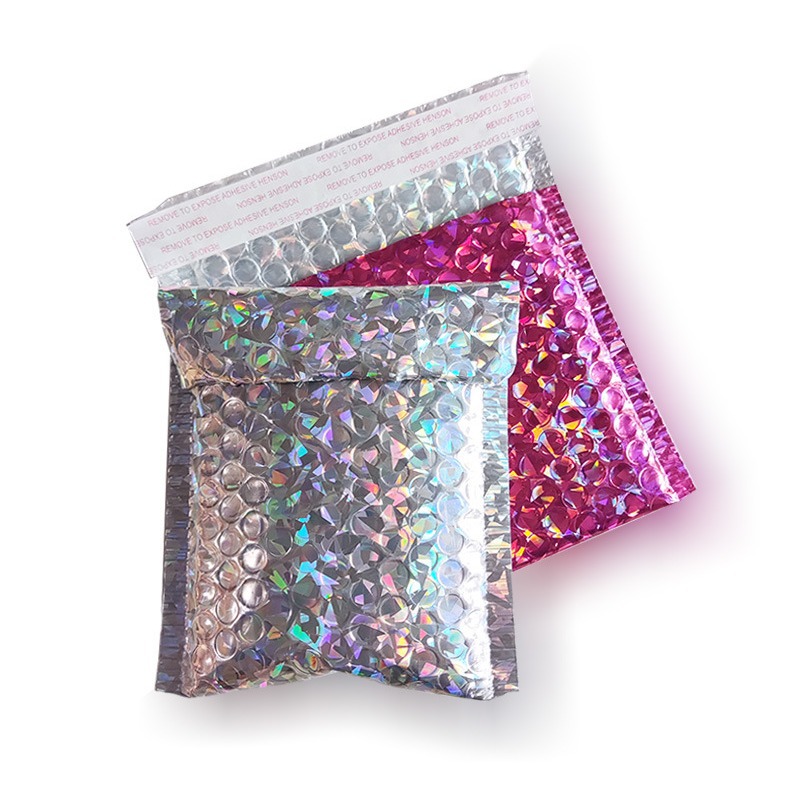
Holographic Laser Bubble Mailers Thickened Shockproof Waterproof Self Adhesive Padded Shipping Envelopes Hologram Laser Metal Film Shipping Bags For E-commerce Gift Packaging
$0.09
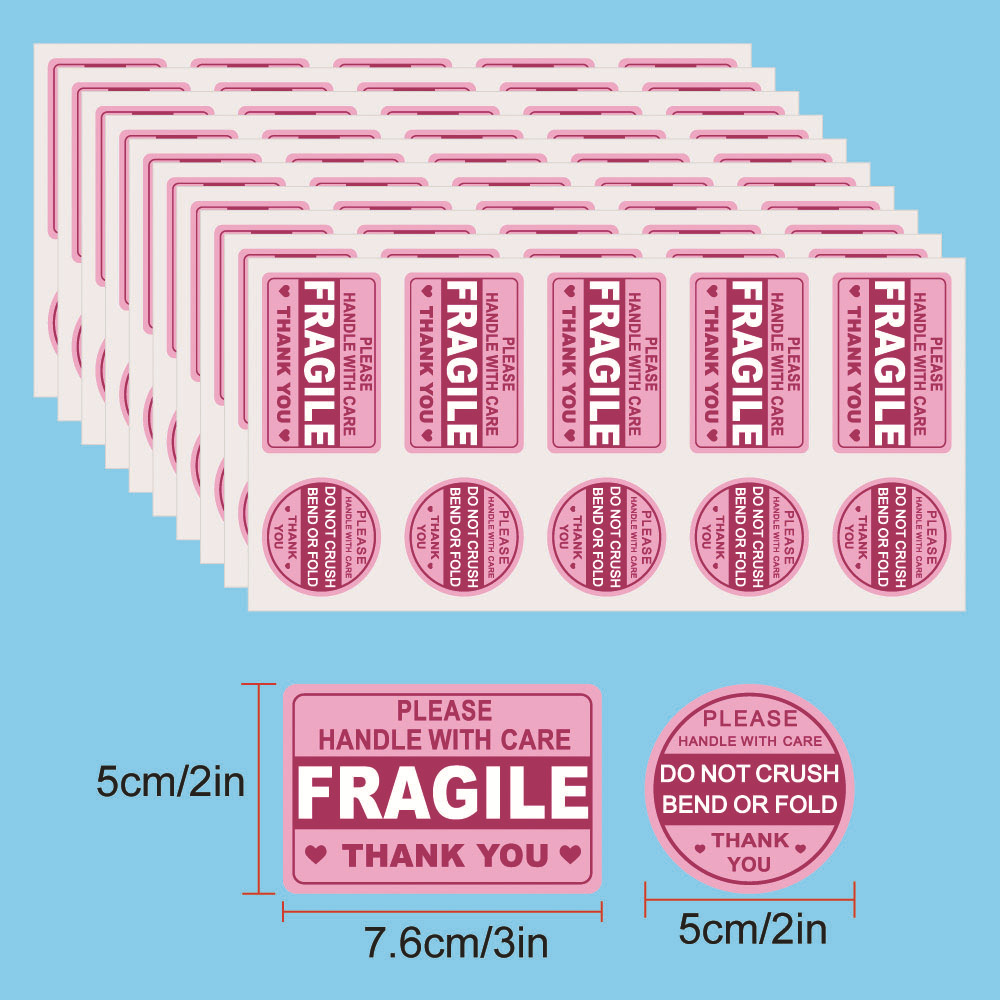
100PCS Pink Fragile Stickers Handle With Care Warning Labels Do Not Crush Bend Or Fold Self-Adhesive Shipping Labels For Shipping Moving Packaging Supplies
$0.46
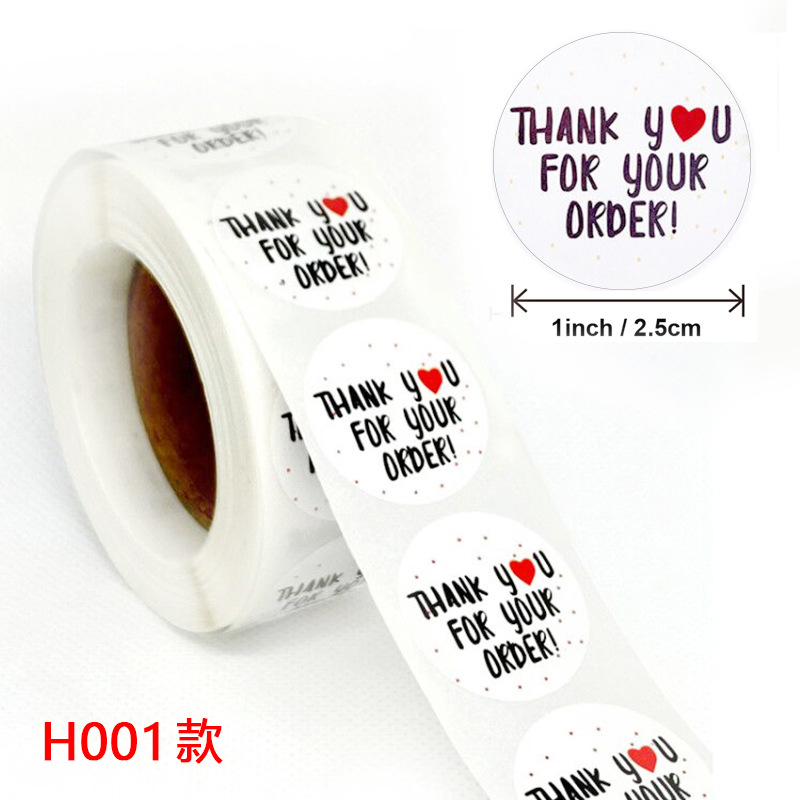
Thank You Stickers Roll Round Paper Labels For Business Shipping Gift Box Sealing Baking Heart Pattern Hand Lettering Bulk
$0.26
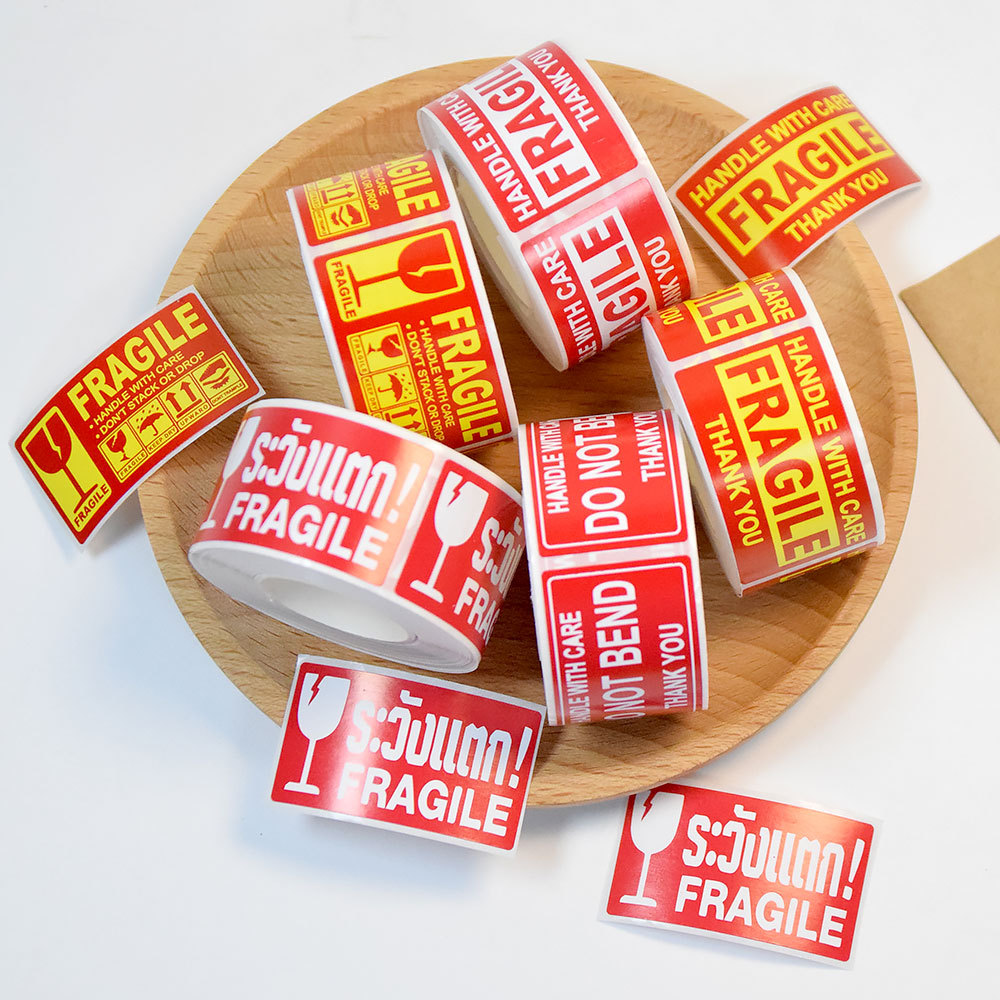
250Pcs Fragile Handle With Care Warning Label Stickers Self Adhesive Red Yellow Shipping Labels For Moving Packaging Mailing Fragile Items 45x25mm
$0.33
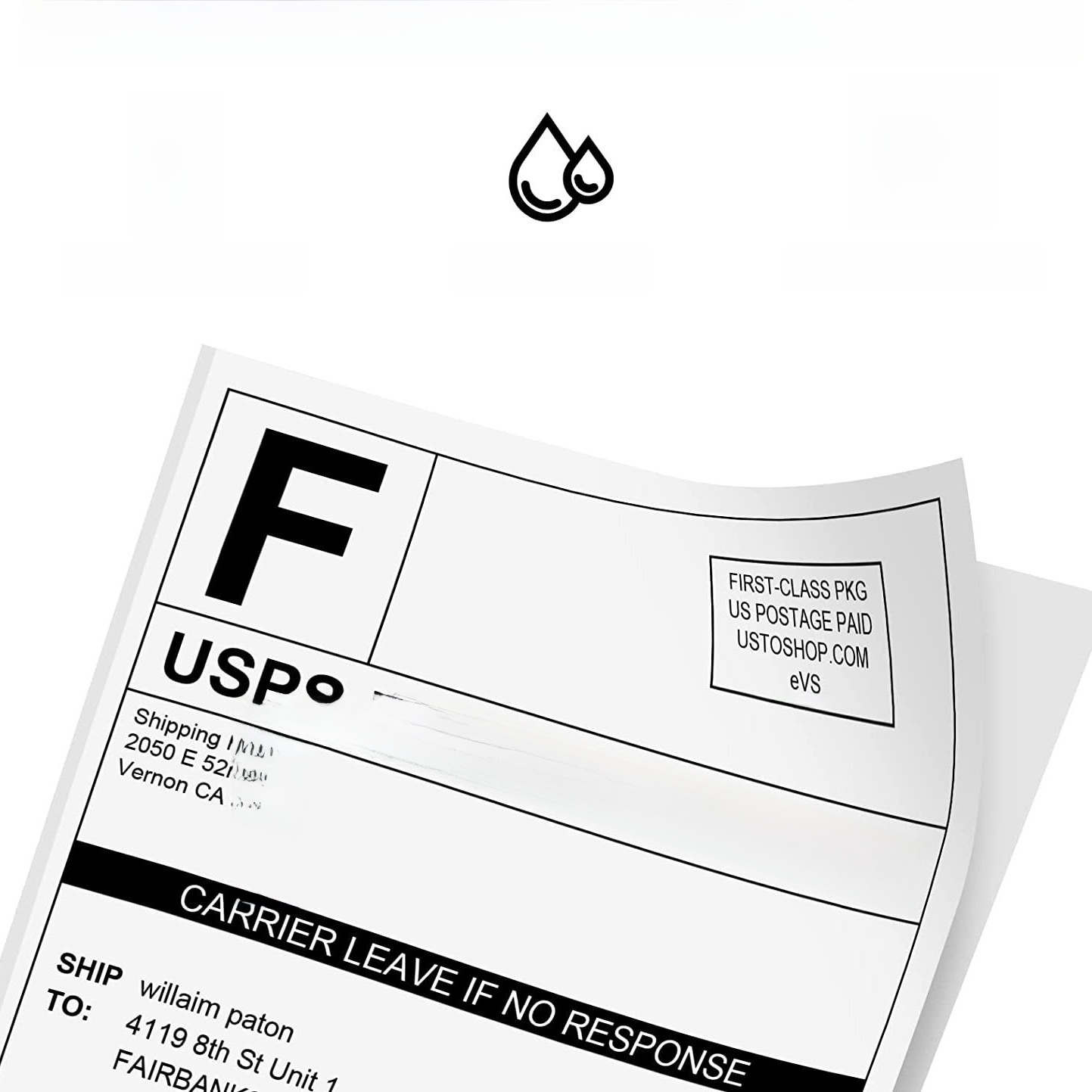
Waterproof Thermal Shipping Labels Adhesive Logistics Mailing Stickers For Printer Office Home Warehouse Storage Multi-size BPA Free Thermal Label Paper
$3.72
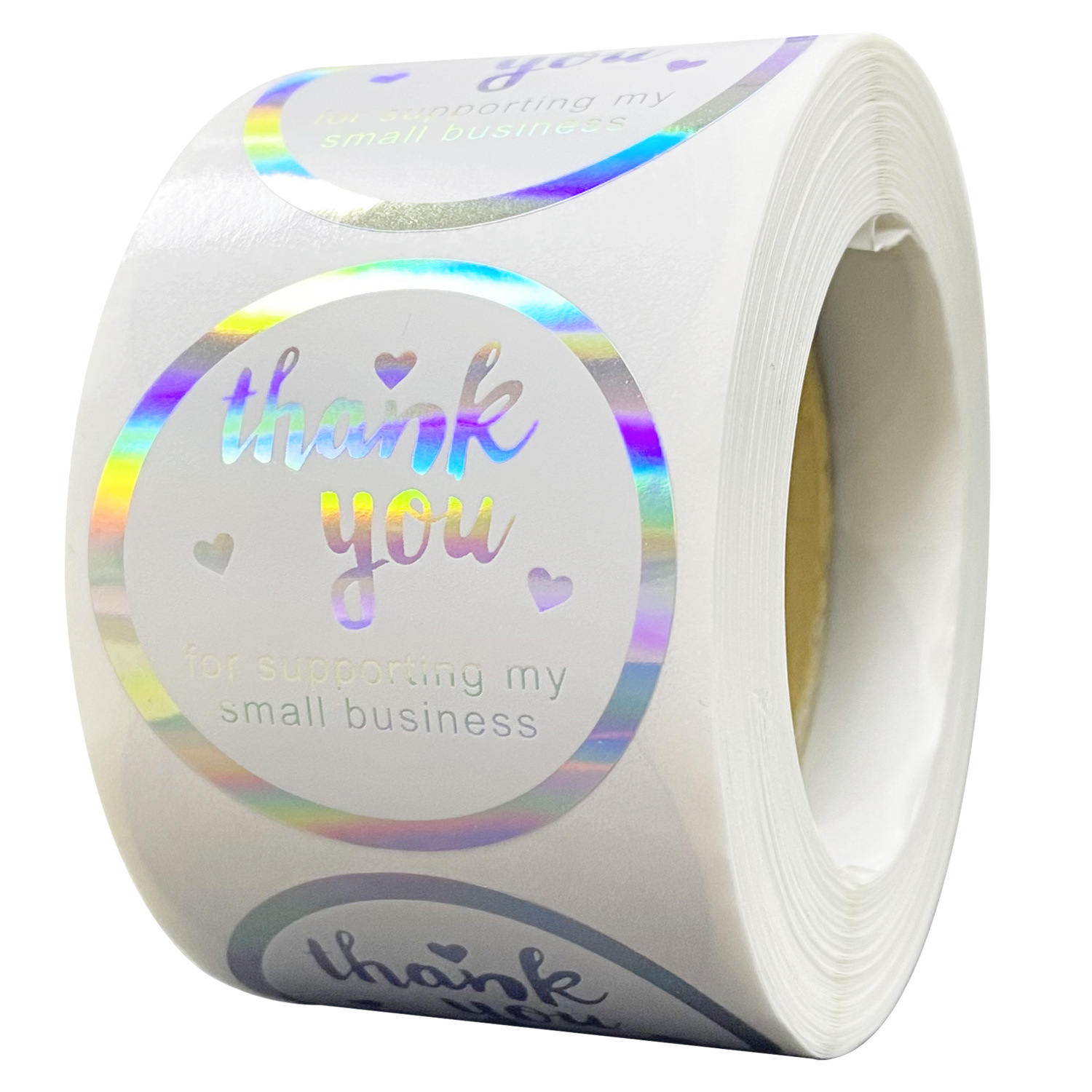
500pcs Roll Holographic Thank You Stickers Rainbow Laser Round Self Adhesive Labels For Small Business Packaging Gift Box Sealing Shipping Decor
$0.81
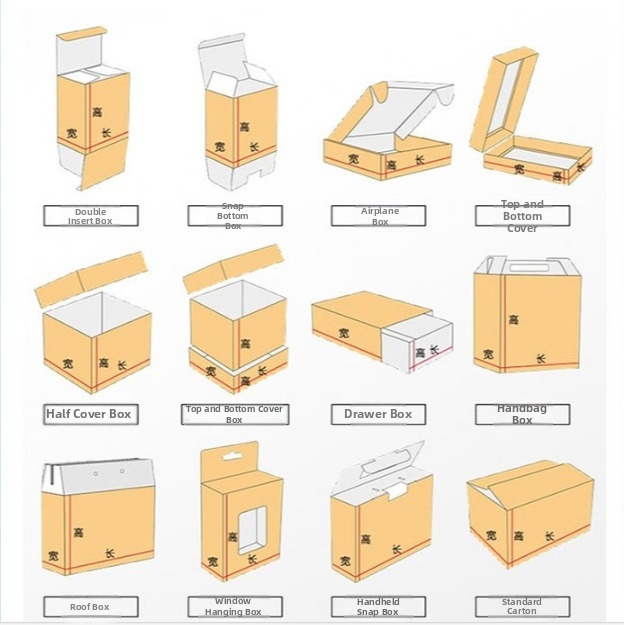
Folding Shipping Boxes Extra Hard Corrugated Mailing Box Small Airplane Boxes For Postcard Glass Film Cosmetics Multi-Color 3-Layer Cardboard Packing Supplies
$0.07
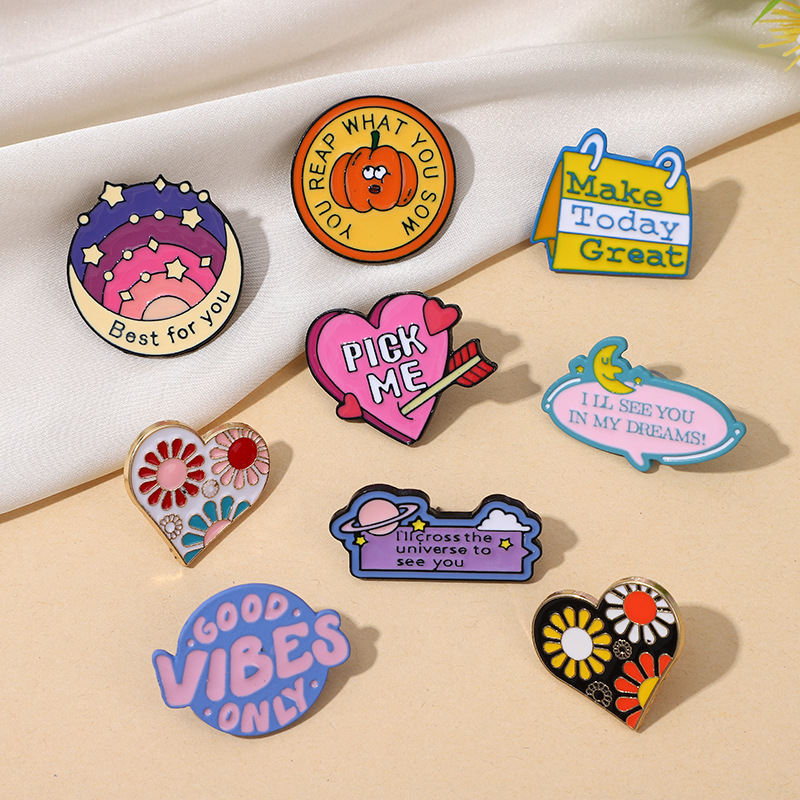
Creative Enamel Pin Badge Colorful English Quote Best For You Good Vibes Only Enamel Brooches For Backpack Clothing Jewelry Gift Unisex
$0.47
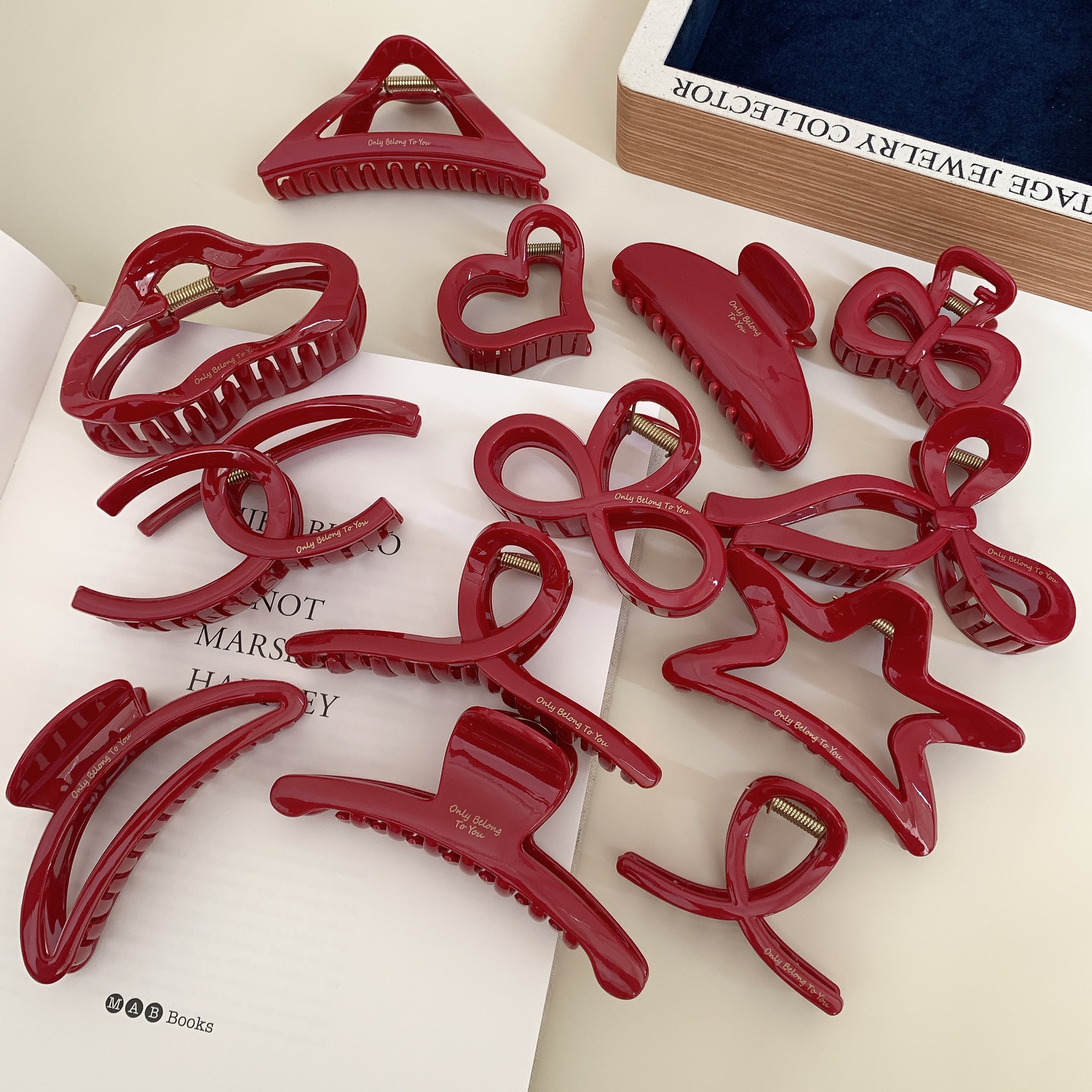
Large Cherry Red Hair Claw Clips Glossy PS Plastic Geometric Shark Clips With Only Belong To You Lettering For Women Thick Hair Accessories Heart Star Bow Shapes
$0.43
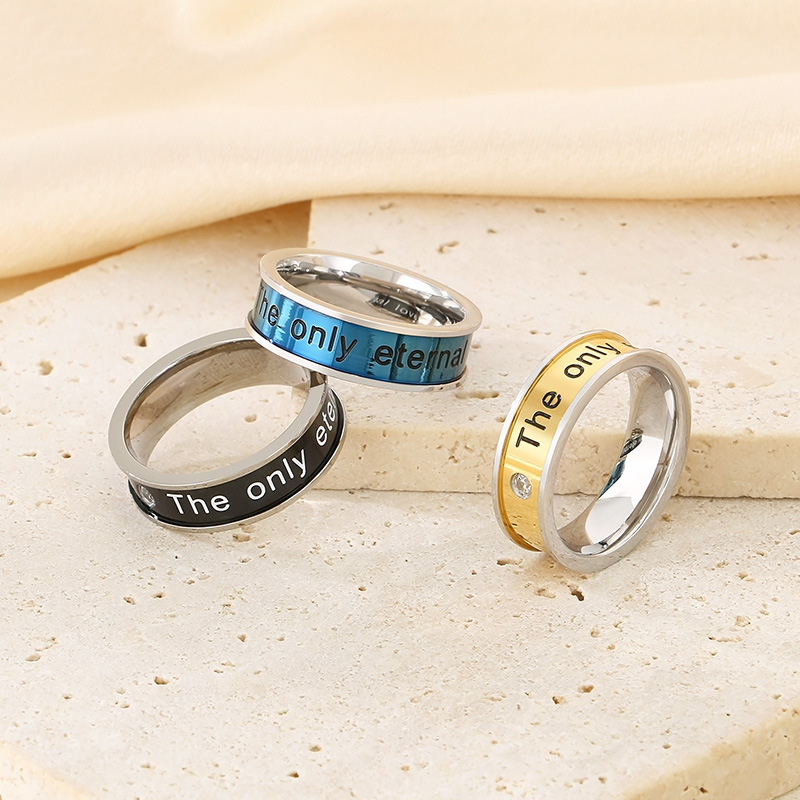
Stainless Steel Zirconia Inlaid Couple Ring Engraved The Only Eternal Fashion Band For Wedding Engagement Anniversary Men Women Jewelry
$1.57
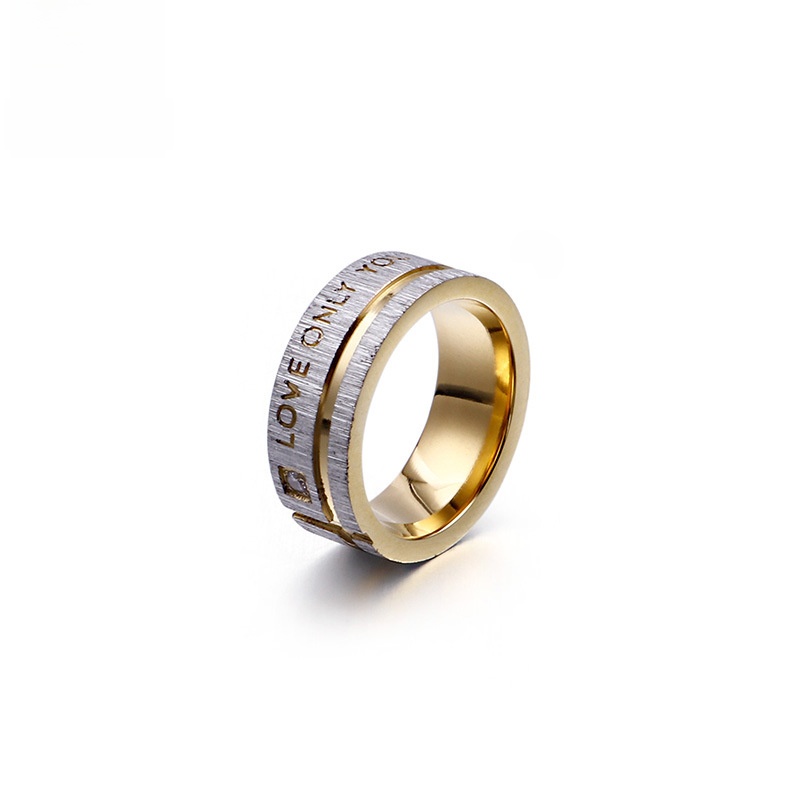
316L Stainless Steel Brushed Ring With Zirconia Love Only You Engraved Bi-color Gold Silver Couple Wedding Band For Men Women Romantic Jewelry
$1.57
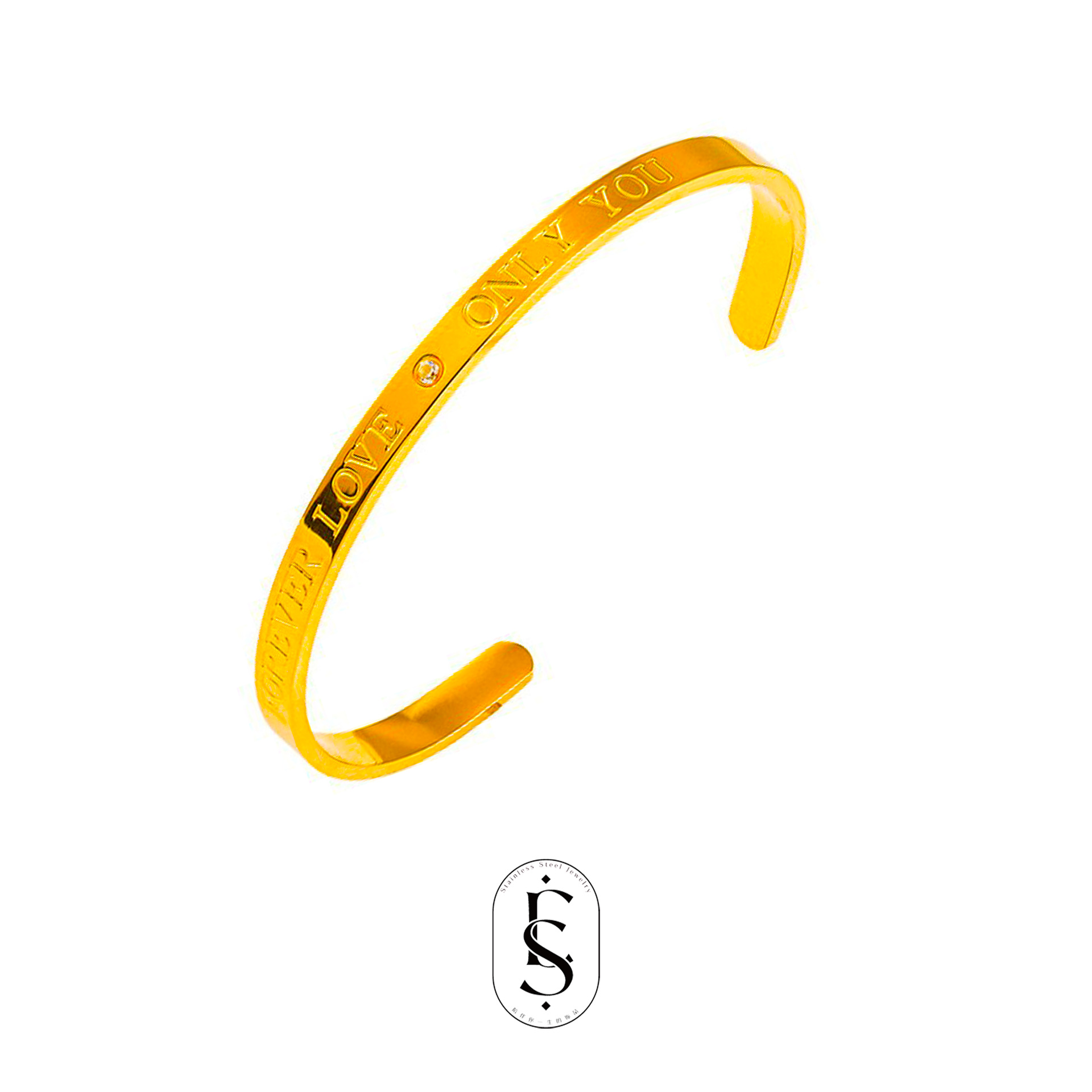
18K Gold Plated Stainless Steel C-Shaped Bangle Engraved Forever Love Only You Letter Zirconia Open Cuff Bracelet For Women Couples Trendy Jewelry
$1.31
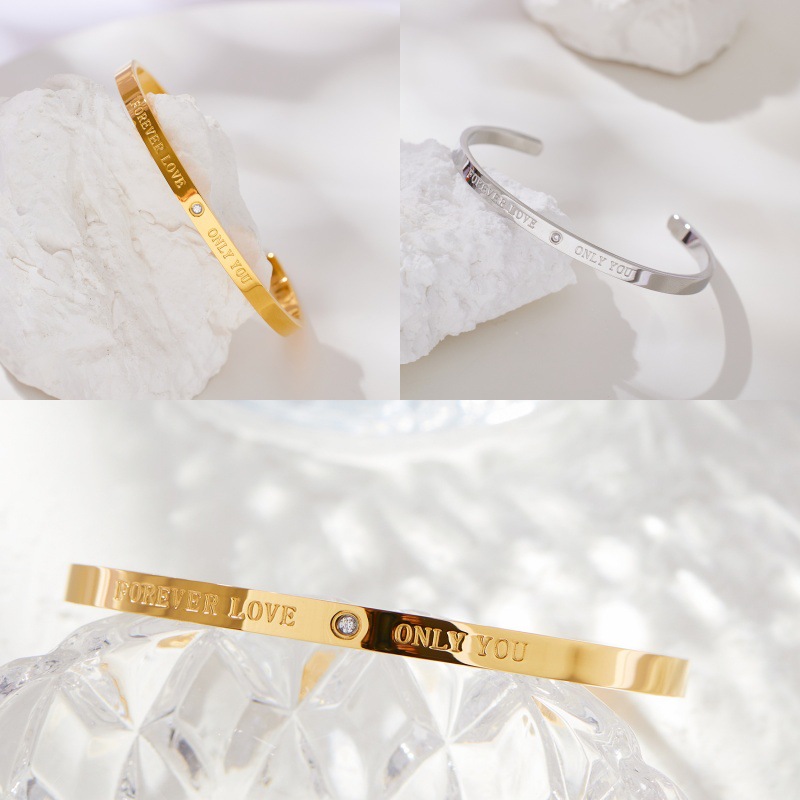
Engraved Forever Love Only You Stainless Steel Cuff Bracelet 18K Gold Plated Zirconia Open Bangle for Women ins Style Valentine's Day Jewelry Gift
$1.26
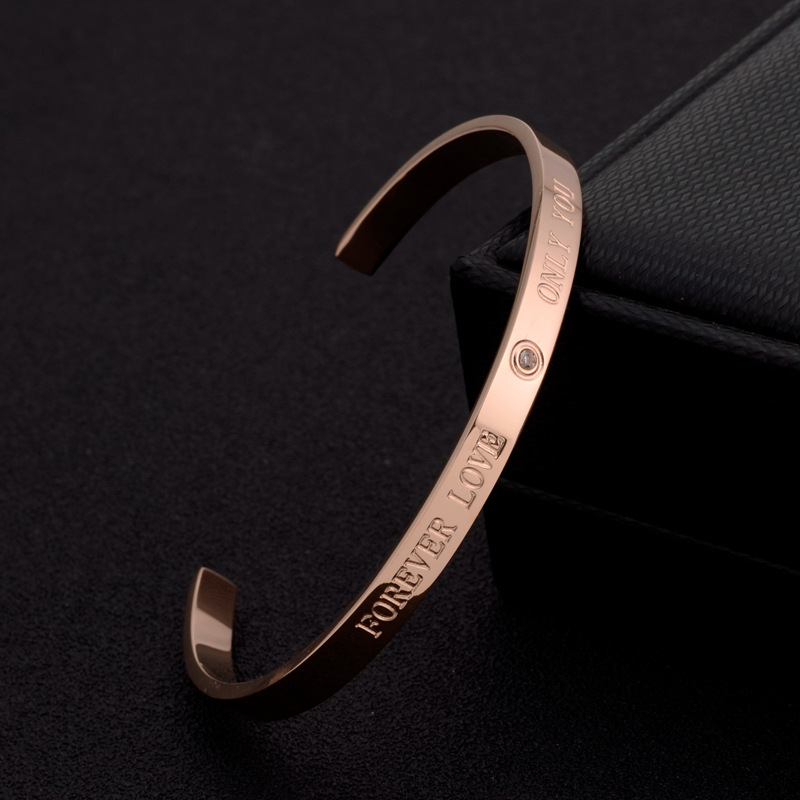
Forever Love Only You Rose Gold Stainless Steel Open Bangle With Zirconia Cuff Bracelet For Women Minimalist Fashion Jewelry Romantic Gift
$3.73
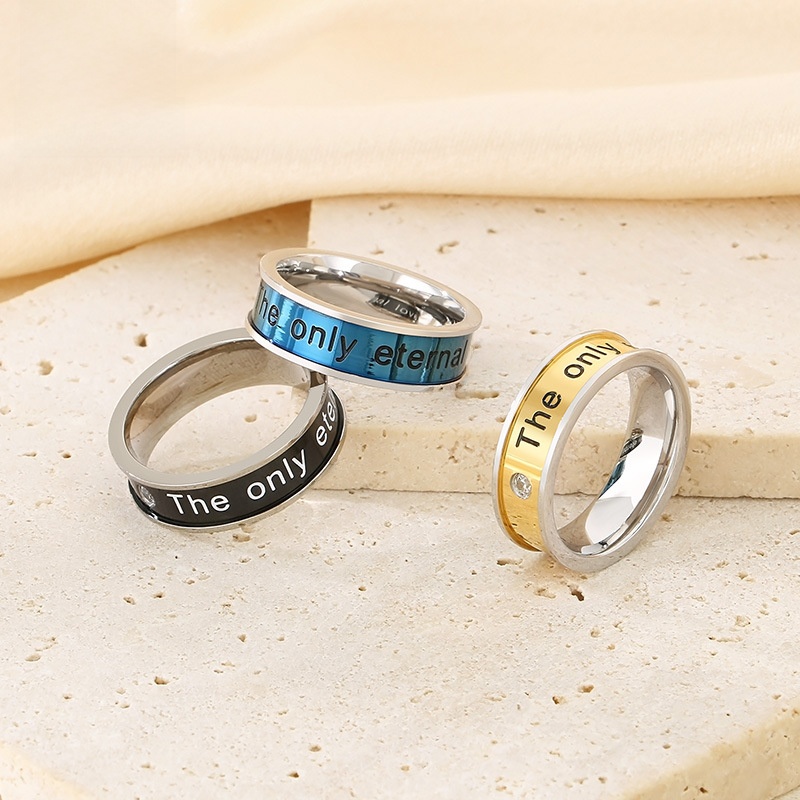
Fashion Stainless Steel Couple Rings Set Engraved The Only Eternal Inlaid Zirconia Minimalist Polished Wedding Band Jewelry For Women Men Gold Black Blue
$1.57
Smart Bundles for Shipping Efficiency
Bundling products increases average order value, allowing you to absorb shipping costs or offer free shipping without margin collapse. Each bundle below addresses the $9 shipping issue by encouraging larger orders.
Free Shipping Threshold Kit
A Shopify store selling enamel pins and jewelry wants to offer free shipping on orders over $20 to avoid the $9 quote.
- Holographic Laser Bubble Mailershero
- Thank You Stickers Rollcomplement
- Waterproof Thermal Shipping Labelsupsell
Bundle cost ~$0.50 per order. If buyer adds $20 in products, you can cover actual label cost ($5-6) and keep margin. Single-item orders still face $9 quote.
Jewelry Gift Set with One Mailer
A small boutique that ships rings and bracelets to Etsy buyers. Bundling items in one envelope reduces per-item shipping cost.
- Stainless Steel Zirconia Couple Ringhero
- Forever Love Only You Rose Gold Bangleupsell
- Creative Enamel Pin Badge Good Vibes Onlycomplement
Ship all three in one bubble mailer. Total weight under 4oz. Actual label $5-6, but buyer sees $9 for single item. Bundle price $5.87 wholesale, sell for $19.99 with free shipping.
Shipping Starter Audit Pack
New seller wants to test if their current packaging causes the $9 quote. They need supplies for exact measurement and branding.
- Holographic Laser Bubble Mailershero
- 250Pcs Fragile Handle With Care Labelscomplement
- Folding Shipping Boxes Extra Hard Corrugatedupsell
Total supply cost ~$0.50 per pack. Test three package sizes to see which yields the lowest buyer-side quote. Avoid boxes if weight exceeds 4oz.