
Trend Report · May 19, 2026
Why Most Stores Skip Pre-Purchase Questions — and How Adding Them Lifts Your Margin
Place 3-4 targeted questions on every SKU page to reduce buyer uncertainty, lower return rates by 20-40%, and improve net margins on wholesale accessories.
Why Most Store Don’t Do This? The Margin Case for Pre-Purchase Questions
The question "why most store dont do this ?" comes from a simple observation: when customers are unsure about a product, they either don't buy or they return it after trying. Each return eats into your margin — shipping, restocking, product damage. For accessory sellers, return rates typically run 10-30%. A single $5 item returned can cost $3-4 in logistics, leaving you with near-zero profit. The proposed fix is cheap: add 3-4 common pre-purchase questions on every SKU page to filter mismatched buyers before checkout. That small text block can cut returns by 20-50% depending on your product category.
Operationally, it means replacing generic product descriptions with decision-support copy. For a raincoat, the questions might be "Are you looking for waterproof or water-resistant?" For a phone lanyard, "Do you need a detachable clip?" The cost to implement is near zero — just copy and CSS — yet the margin improvement is immediate. Every return you prevent adds that product's full wholesale-to-retail spread back into your pocket.
Margin Opportunity: Fewer Returns = Higher Net Profit
The margin boost comes from two angles: direct savings on return processing and indirect savings from higher conversion. When a buyer reads a question that tells them "this isn't for you," they may still buy a different product on your site instead of bouncing. That reduces your ad cost per sale. For a typical boutique selling $15 earrings at $5 wholesale, a 15% return rate means losing $0.75 per sold unit in return costs. Halving that to 7.5% saves $0.375 per unit — on 1000 units, that's $375 extra profit. No increase in ad spend, no new products.
This is especially effective for accessories with many variants: metal type, size, color. The common question "Is your skin sensitive to nickel?" for earrings can prevent a return that costs you $4 to process. With wholesale earring pairs at $1.50-3.50, one avoided return equals the margin from selling 2-3 more units. The strategy works best for categories with high return-hassle costs like jewelry, phone straps, and party supplies. Sellers who implement pre-purchase questions report that their return rate drops by a third within 30 days.
Who Should Implement This?
Any operator selling items where fit, material, or functionality is a common friction point. The setup cost is minimal, so even a new Shopify store with 50 SKUs can test it in an afternoon.
Shopify seller
Low-hanging fruit: most Shopify themes let you add an accordion or Q&A section per product. Insert the questions once, save on return label costs for each avoided return.
Flea-market / pop-up stall operator
Physical operators can print a small card with the same questions and place it next to product displays — reduces the 'buy and return' cycle from customers who change their mind after the event.
Etsy / Amazon reseller
Amazon's refund policy (A-to-z) is strict; pre-purchase questions reduce risk. On Etsy, including questions in your listing description can lower the 'item not as described' claim rate.
Margin Anatomy of Pre-Purchase Question Implementation
| Component | Low Range | High Range | Notes |
|---|---|---|---|
| Copywriting per SKU | $0.00 | $5.00 | If you write it yourself, cost is $0. If you hire a VA at $10/hr, and they write questions for 2 SKUs per hour, it's $5 per SKU. |
| Design/development (if custom UI needed) | $0.00 | $50.00 | Free on Shopify with apps; custom theme could cost $50-$200 one-time. |
| Testing & monitoring time | $0.00 | $20.00 | 30 minutes per month to check return rate changes. At $20/hr, that's $10. |
| Total implementation cost for 50 SKUs (first year) | $0.00 | $270.00 | If you outsource everything, worst-case $270. DIY is free. |
Profit Scenarios: Before vs After Pre-Purchase Questions
| Scenario | Wholesale | Retail | Profit | Best For |
|---|---|---|---|---|
| Conservative: 20% return rate → 15% (5% reduction) | $5.00 | $15.00 | $10.00 gross; $1.20 less return cost per unit | Sellers who only add questions to the top 20% of return-prone SKUs |
| Moderate: 25% return rate → 15% (10% reduction) | $5.00 | $15.00 | $10.00 gross; $2.40 more net per unit sold | Shopify stores that implement on all 100+ SKUs |
| Aggressive: 30% return rate → 10% (20% reduction) | $5.00 | $15.00 | $10.00 gross; $4.00 more net per unit sold | Amazon sellers with strict return policies who add questions to every listing |
Tactics: Putting Pre-Purchase Questions to Work
The core technique is simple: for each SKU, write the 3-4 most common return-causing questions and place them directly below the 'Add to Cart' button. The tone should be helpful, not defensive. Example: "Not sure if this fits? Check these 3 questions before buying." This positions you as a trusted advisor. For physical pop-ups, print the same questions on a small tent card. For market stalls, hand the buyer a printed slip with the questions before they pay. To scale, export your return reason data from Shopify or Etsy, group by product, and write the questions that address the top reason. Test with 10 products for 30 days. Track return rate change. If it works, roll out to all SKUs. The cost is time — no ad spend increase.
Add an accordion section with the heading 'Before you buy, answer these 3 questions' and list them. Use the free 'Tabs+P' app to maintain consistent formatting across all products.
⚠ Some buyers may skip the section if it's not prominent. Place it near the button, not below the fold.
Add a dedicated bullet: '3 Quick Checks Before Adding to Cart:' followed by the questions. Amazon allows up to 5 bullets, so use one for this.
⚠ Amazon may interpret questions as 'negative' if phrased poorly. Use neutral language like 'For the best fit, check your car model' for our Gear Shift Hoodie Cover.
Print a small cardboard tent card (101.6x152.4 mm) with the 3-4 questions and place it next to the product. Use our Cartoon Paper Gift Bags ($0.20) to hold the cards.
⚠ Customers may ignore the card if the display is crowded. Make the font large and position at eye level.
Products to Test This Strategy On First
These wholesale items from DayJewel have variable attributes that cause returns (metal sensitivity, size, function). Adding 3-4 matching questions can cut your return cost per unit.
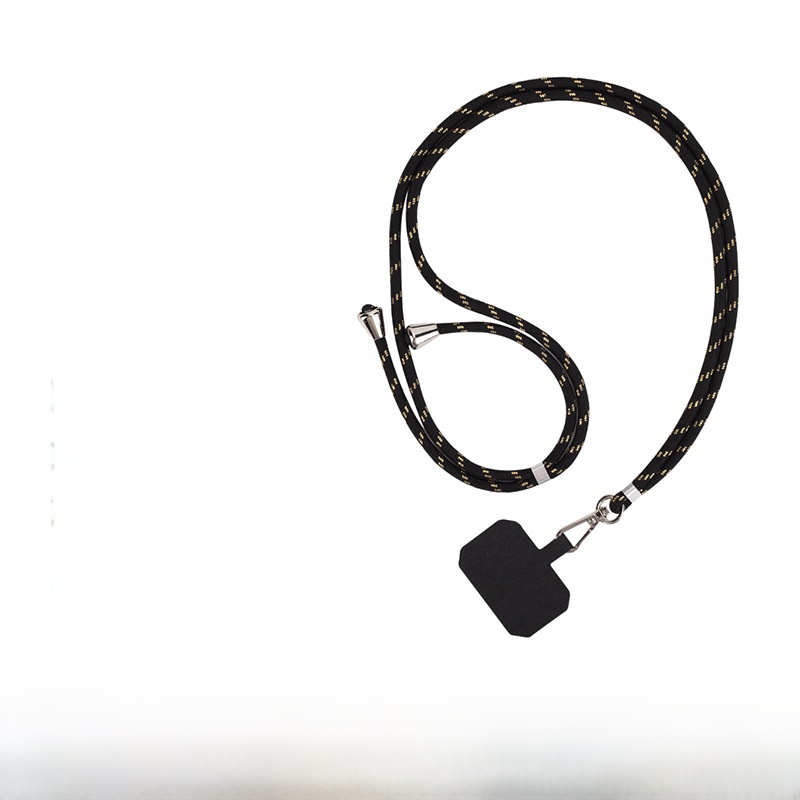
Universal Adjustable Phone Lanyard Braided Polyester Rope Anti-lost Crossbody Neck Strap With Metal Buckle And Secure Patch For Most Smartphones Women Men
$1.00
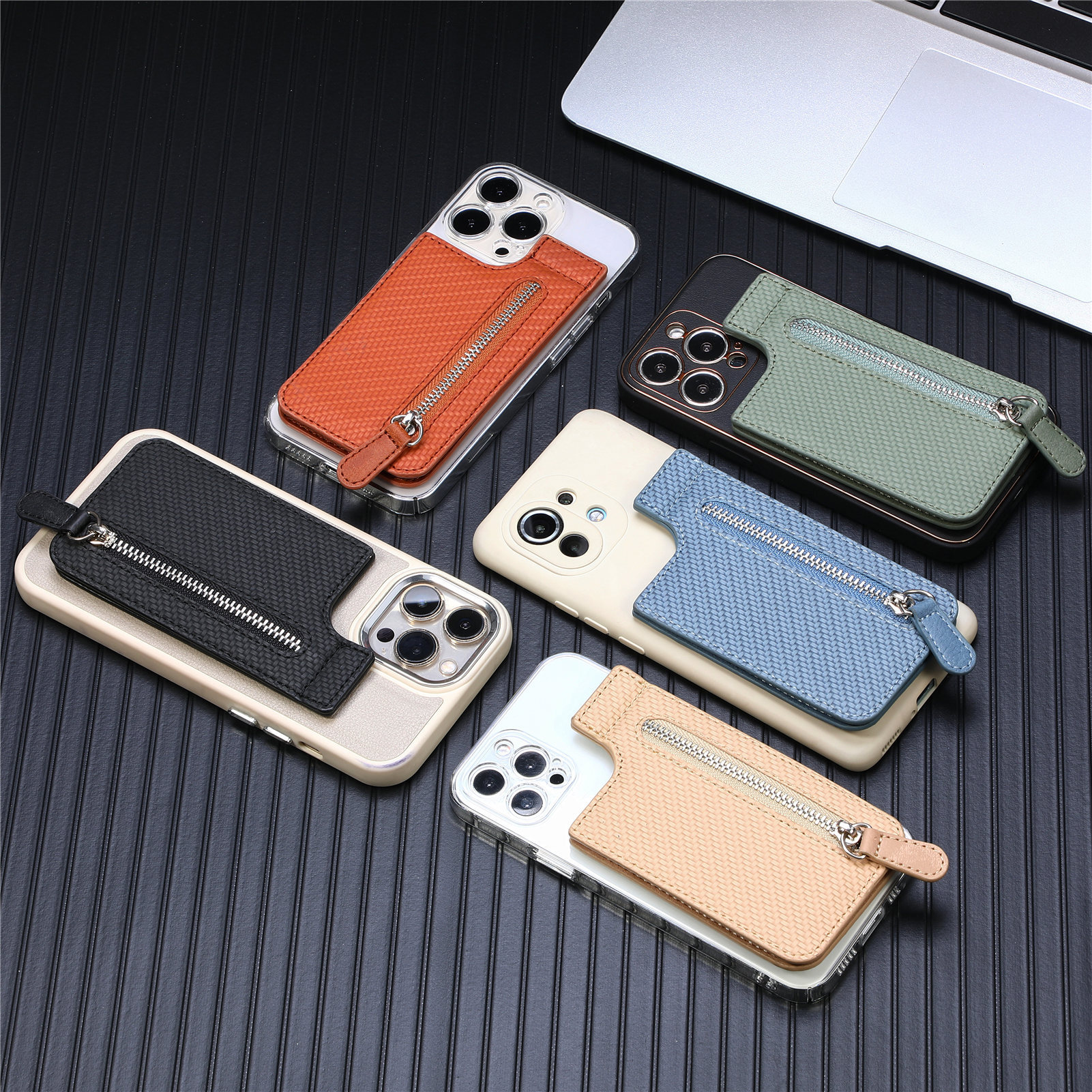
Universal Adhesive Cell Phone Wallet Card Holder Woven Leather Zipper Phone Back Pouch With Multi-Angle Stand Credit Card Sleeve For Most Smartphones
$2.46
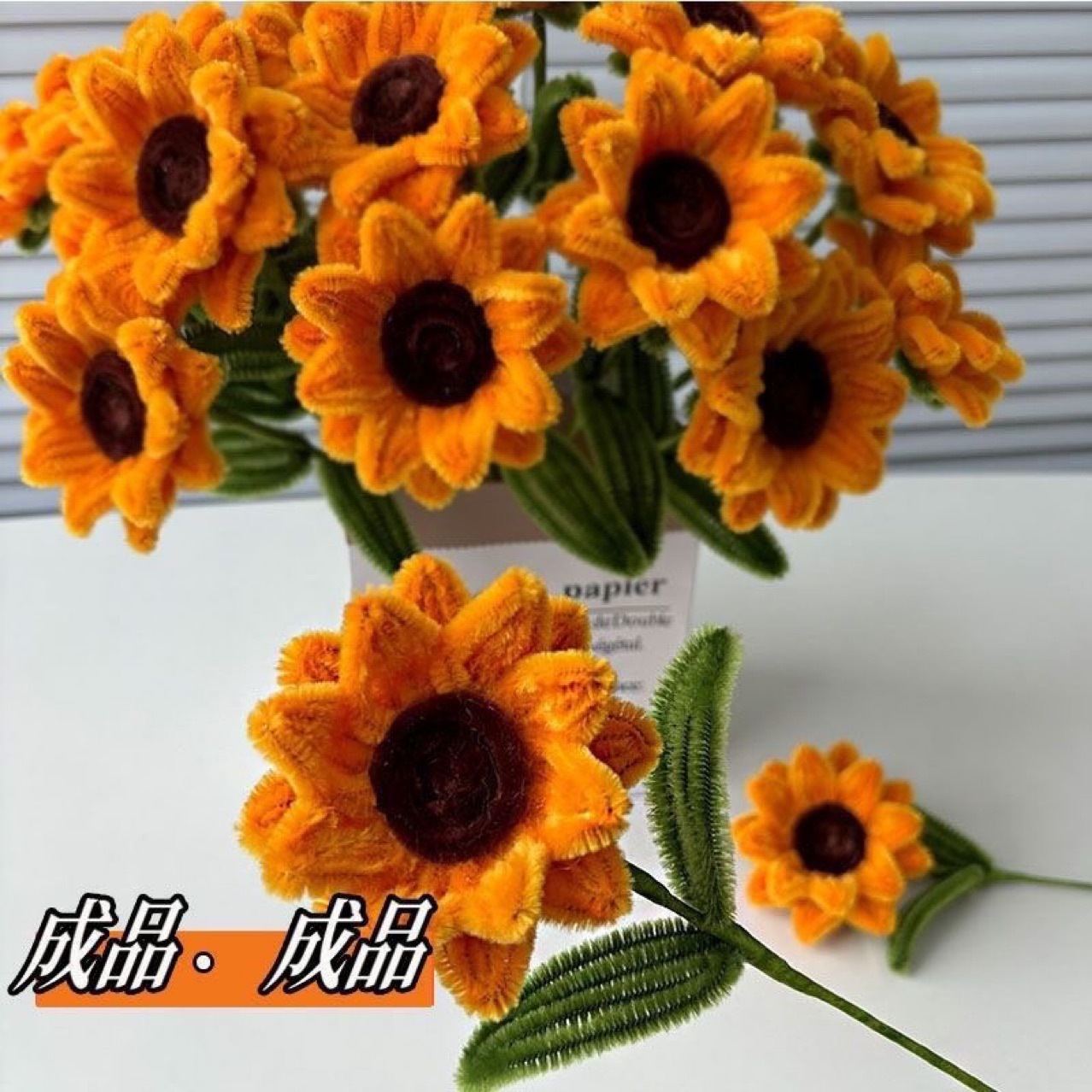
Handmade Chenille Stem Sunflower Finished Product With Gift Bag Creative Plush Knitted Flower For Home Office Decor Teachers Day Graduation Gift
$0.72
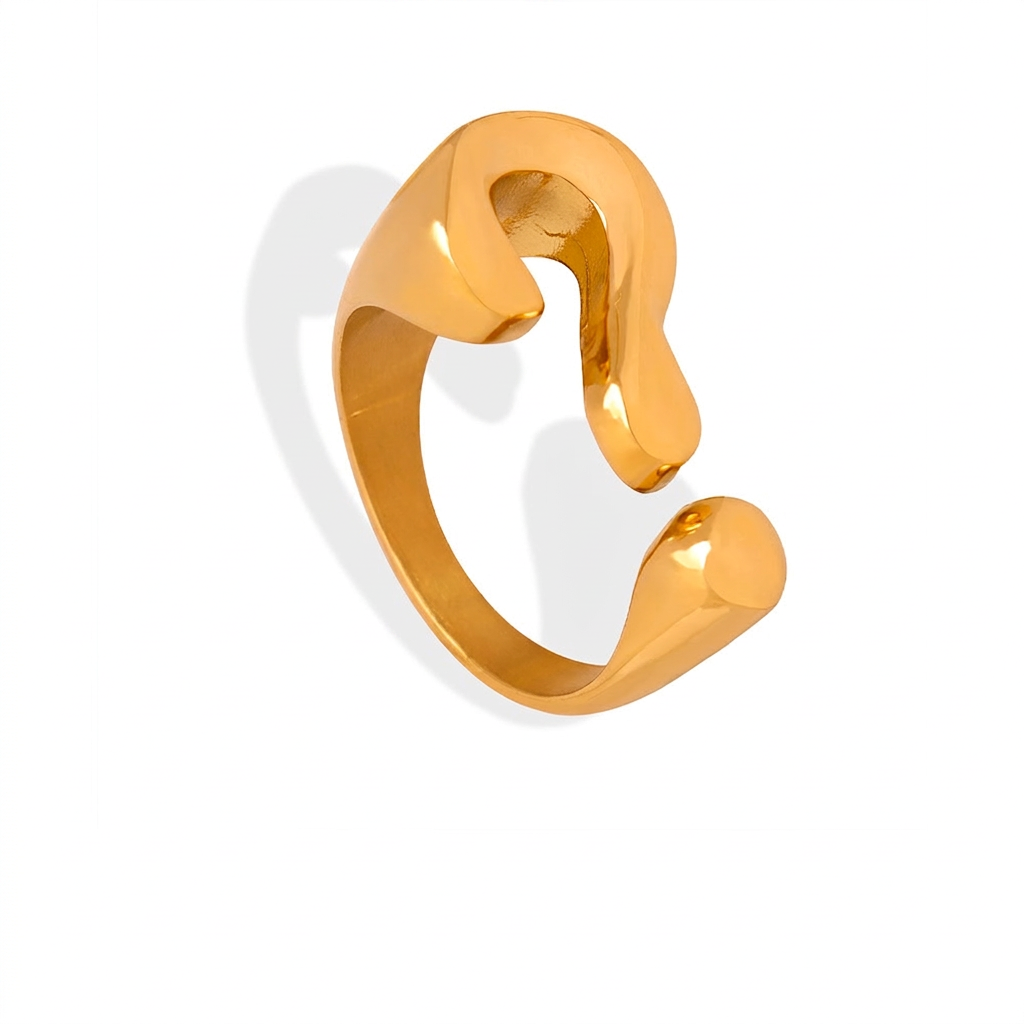
Minimalist Question Mark Open Ring Titanium Steel Gold Plated Irregular Smooth Adjustable Jewelry For Women Niche Design
$3.54
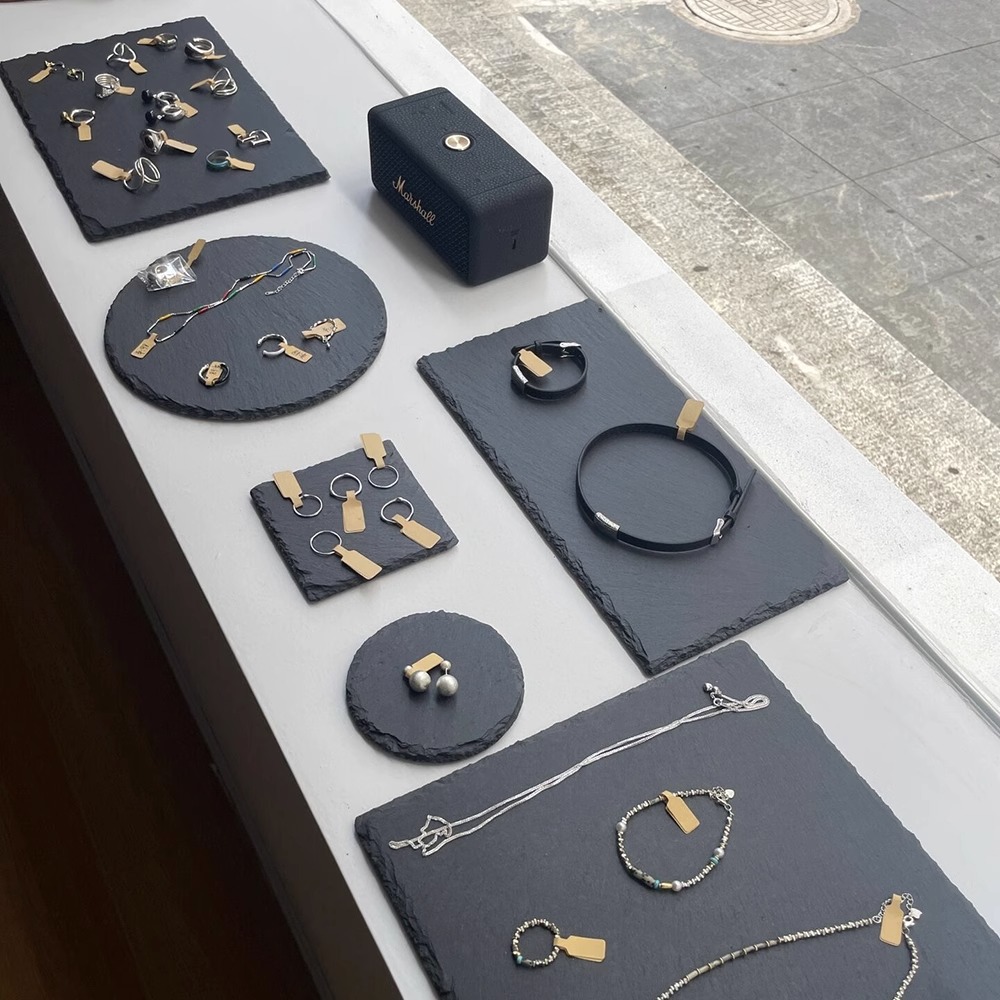
Ins Style Black Natural Slate Stone Jewelry Display Plate Minimalist Photography Background Prop Natural Texture Rock Tray for Product Shooting Home Decor
$1.87
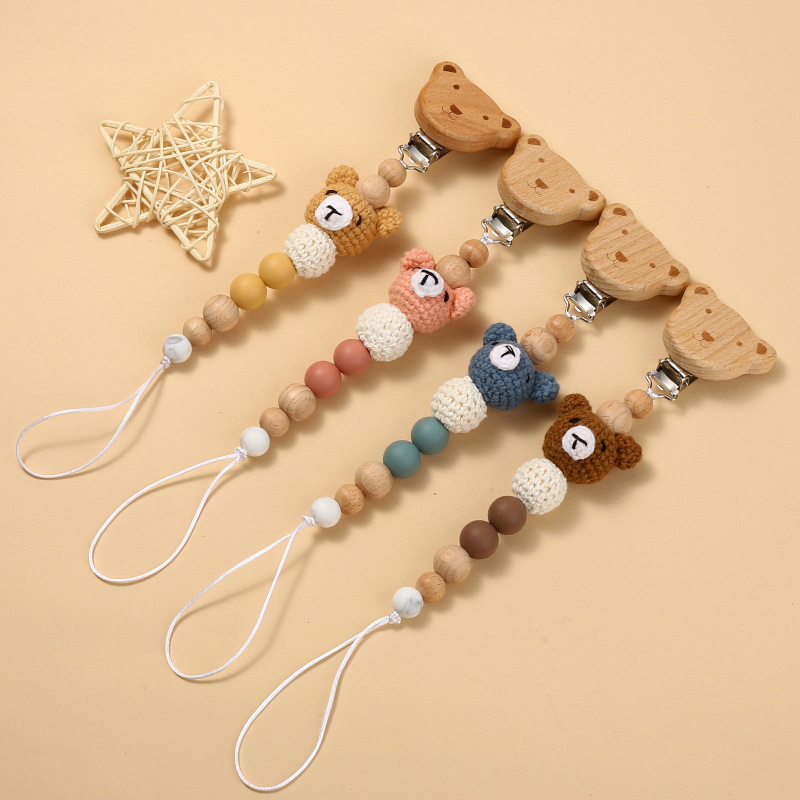
Handmade Crochet Bear Baby Pacifier Clip With Beech Wood Silicone Beads Teething Toy Chain For Infant Soother Holder Binky Strap Soothing Product
$2.74
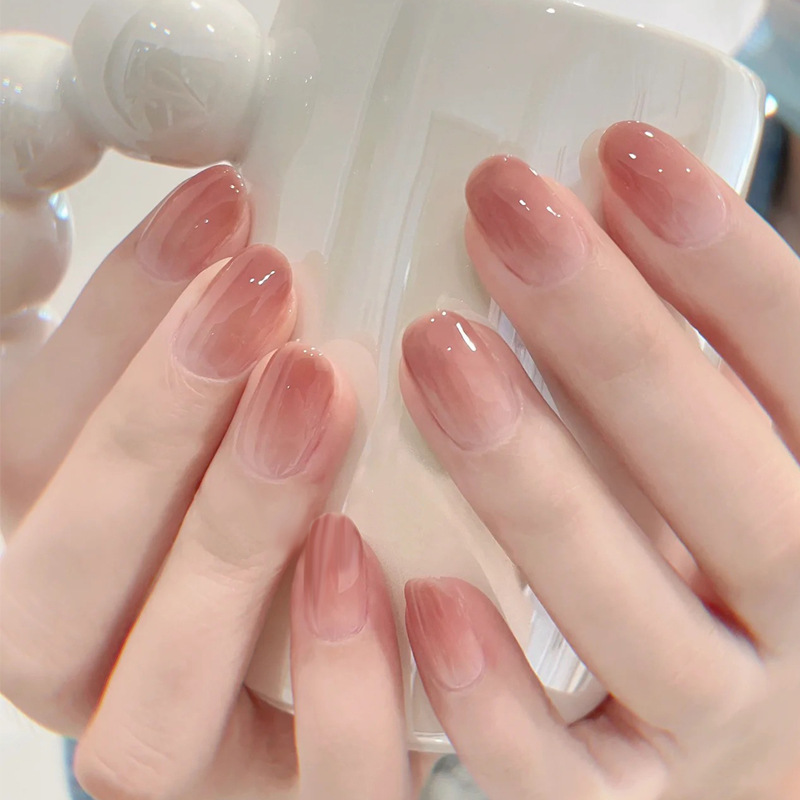
Wearing Nail Pieces Advanced Sense Summer Pure Desire Style Handmade Nail Pieces New Product 30 Pieces Naked Skin Fake Nail Patch Size
$0.72
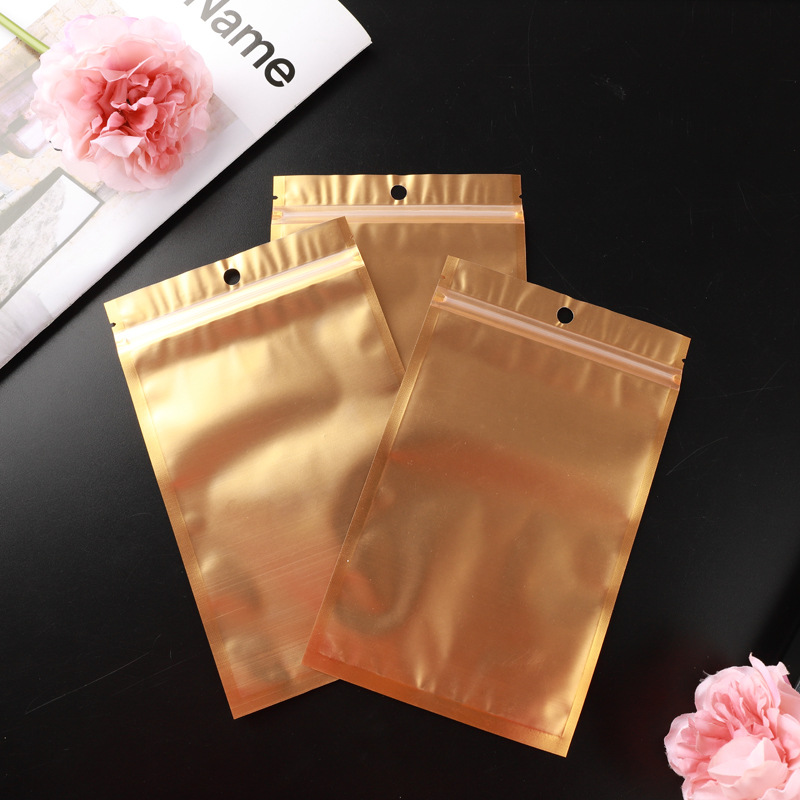
Gold Silver Aluminum Foil Zip Lock Bags With Clear Front Window And Hanging Hole Resealable Plastic Packaging Pouches For Jewelry Accessories Product Storage
$0.02
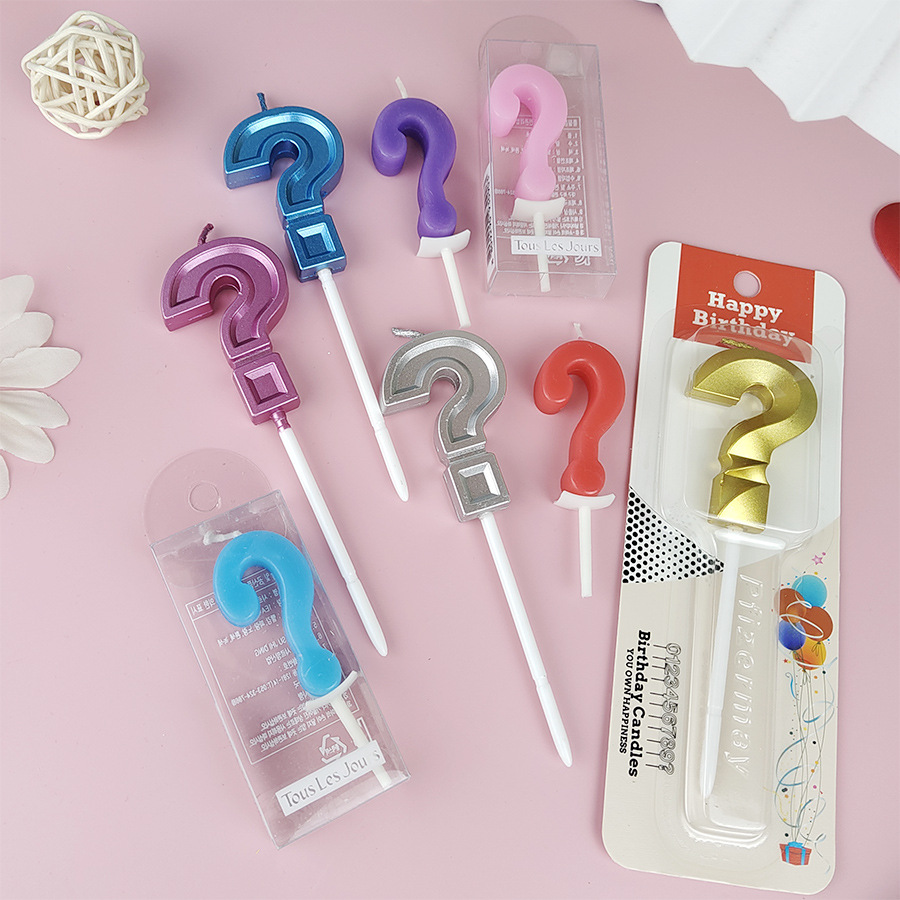
Creative Question Mark Shape Birthday Candles Paraffin Wax Metalic Finish Cake Decorations For Birthday Party Celebration Supplies Party Favors
$0.33
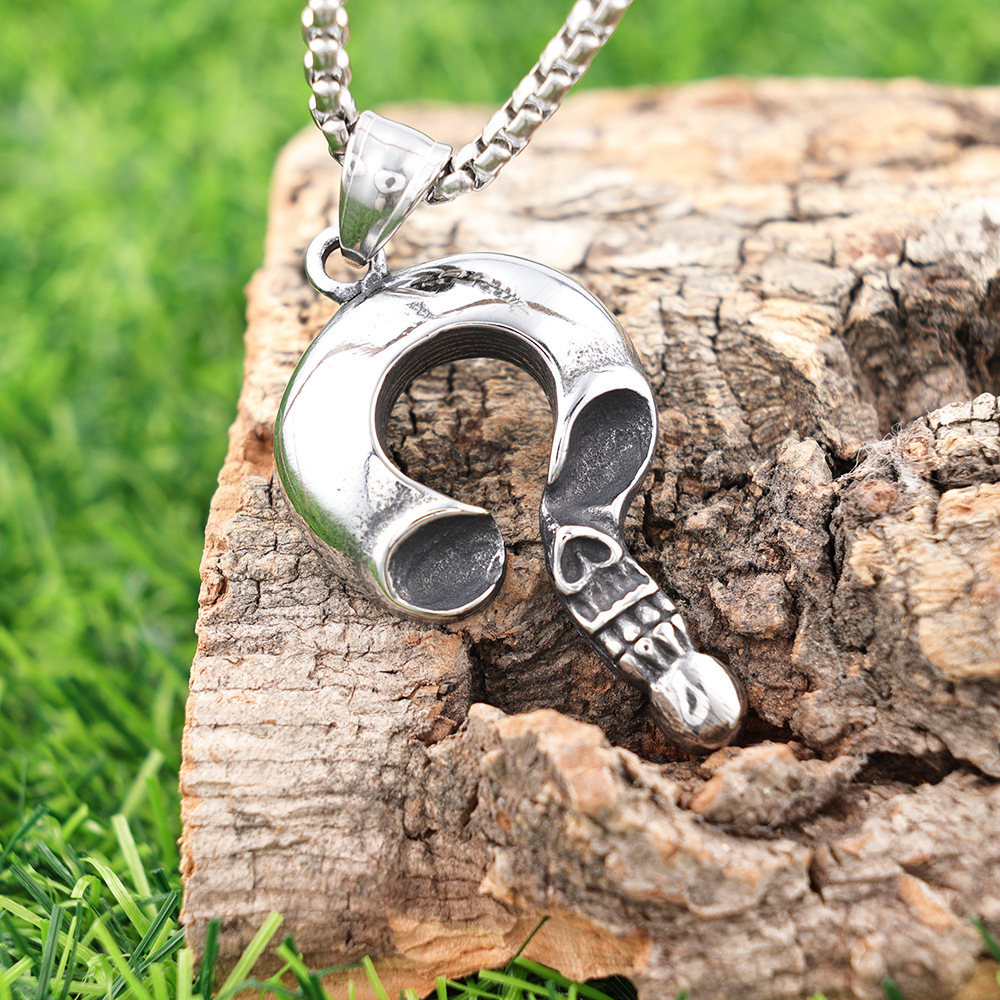
Punk Gothic Stainless Steel Skull Question Mark Pendant Necklace With Box Chain For Men Women Dark Style Jewelry Halloween Gift
$3.37
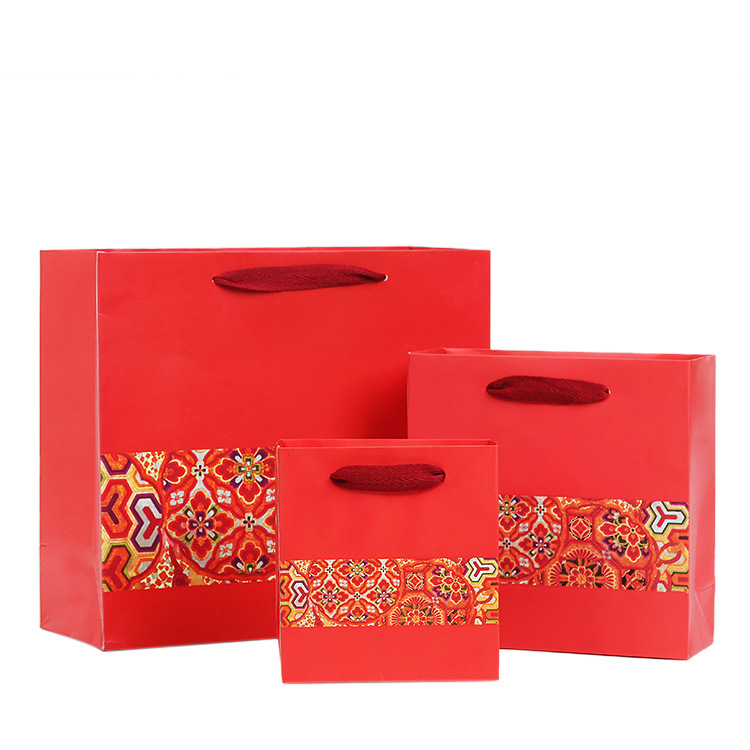
Chinese Ethnic Style Red Gift Paper Bag With Handles Flower Pattern Packaging Bag For Wedding Birthday Party Favor Return Gifts
$0.19
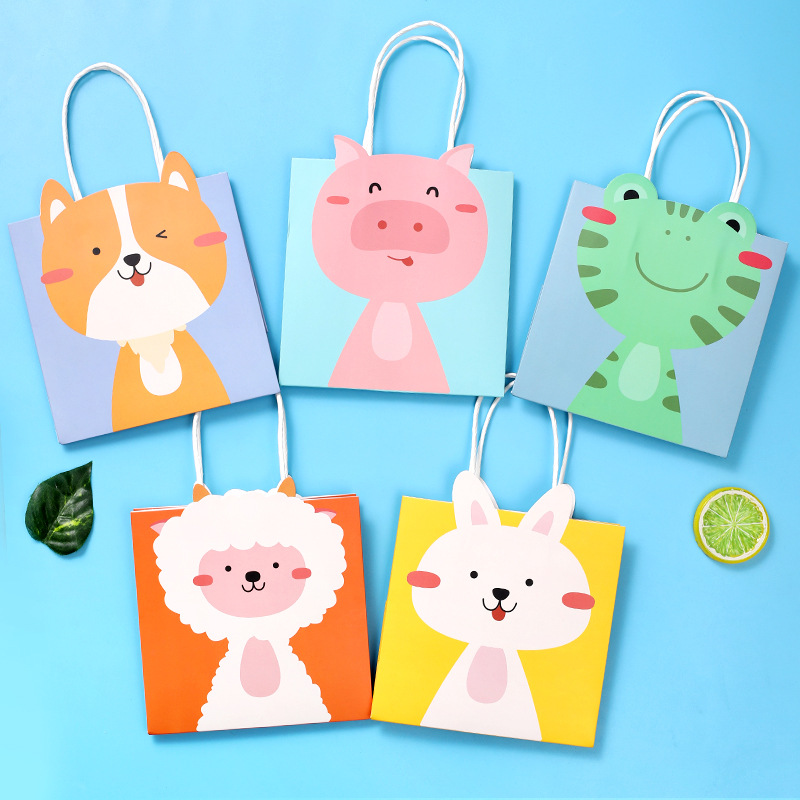
Cartoon Animal Paper Gift Bags Cute Waterproof White Cardboard Handbags For Kids Birthday Party Favors Wedding Return Gift Packaging Totes
$0.20
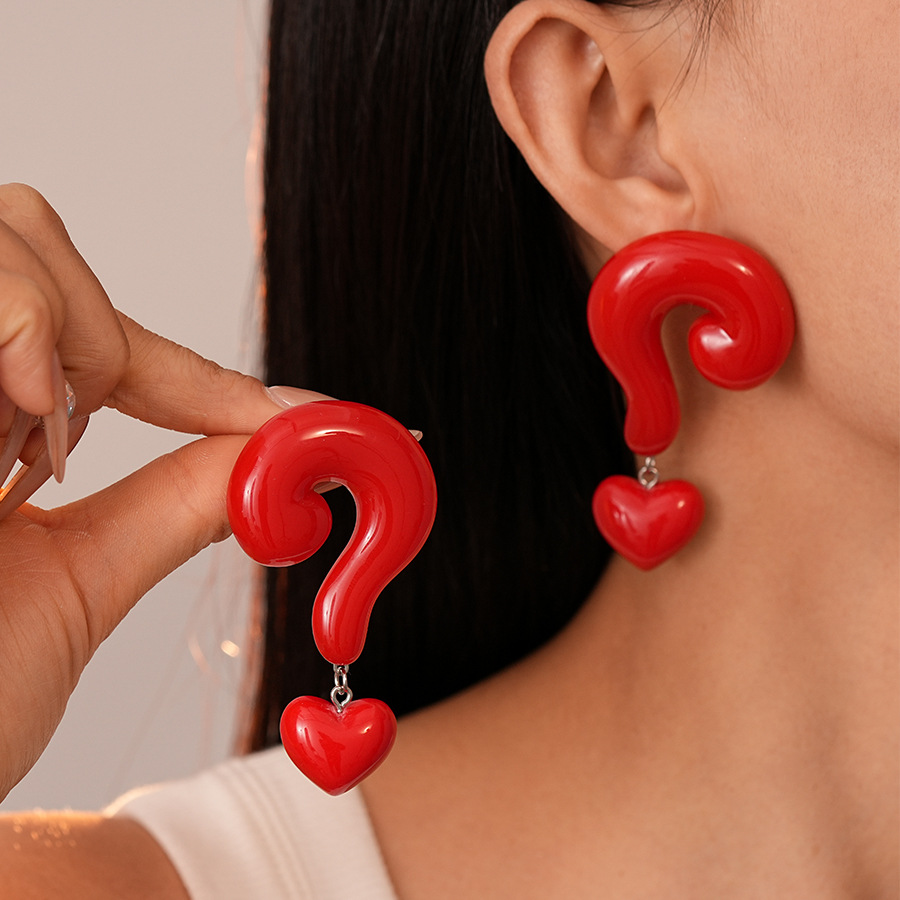
Exaggerated Question Mark Heart Pendant Earrings With S925 Sterling Silver Pin Resin Alloy Pop Art Fashion Jewelry For Women Y2K Accessories
$1.81
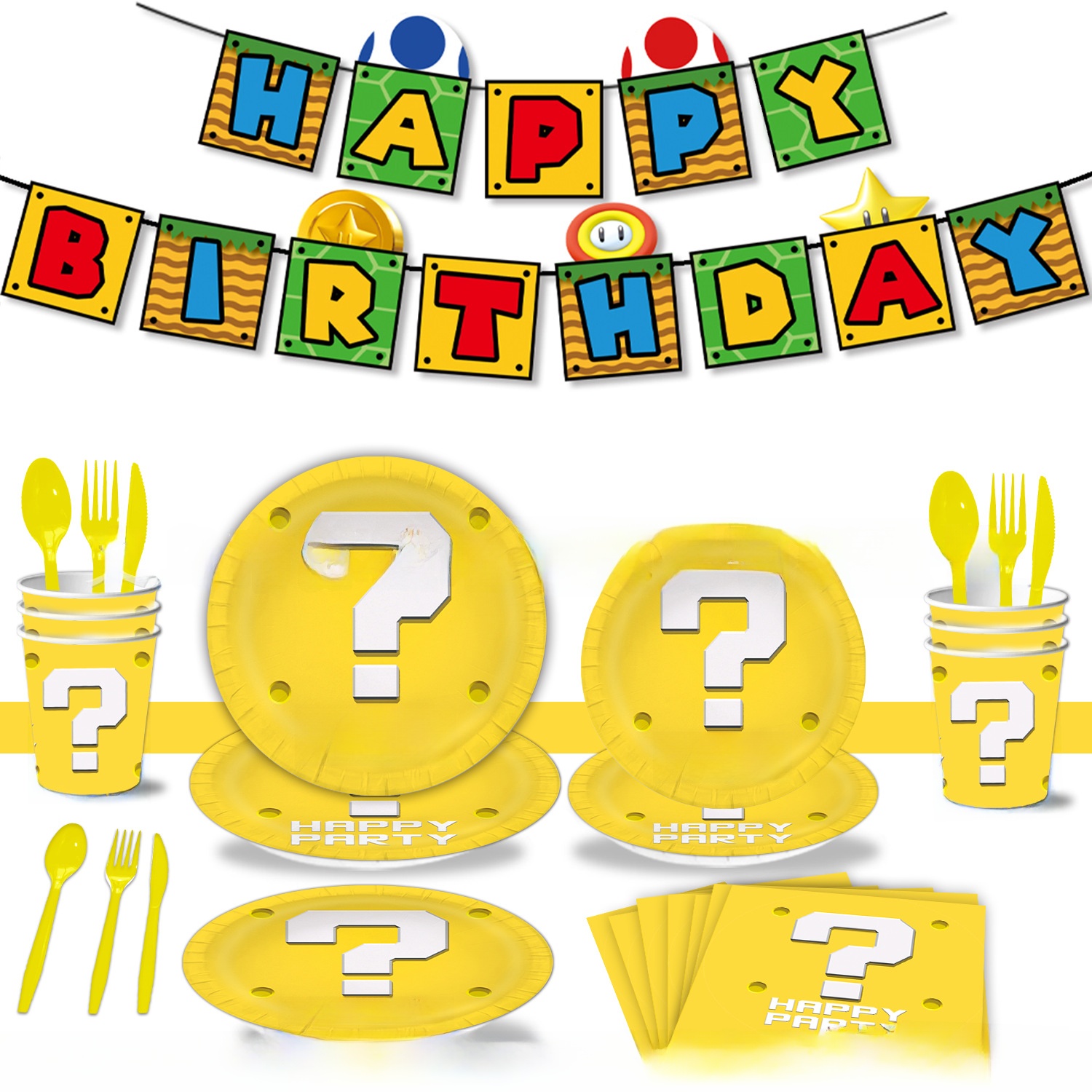
Yellow Question Mark Theme Party Supplies Disposable Tableware Set Paper Plates Cups Napkins For Kids Birthday Party Decoration Mario Style Set
$0.47
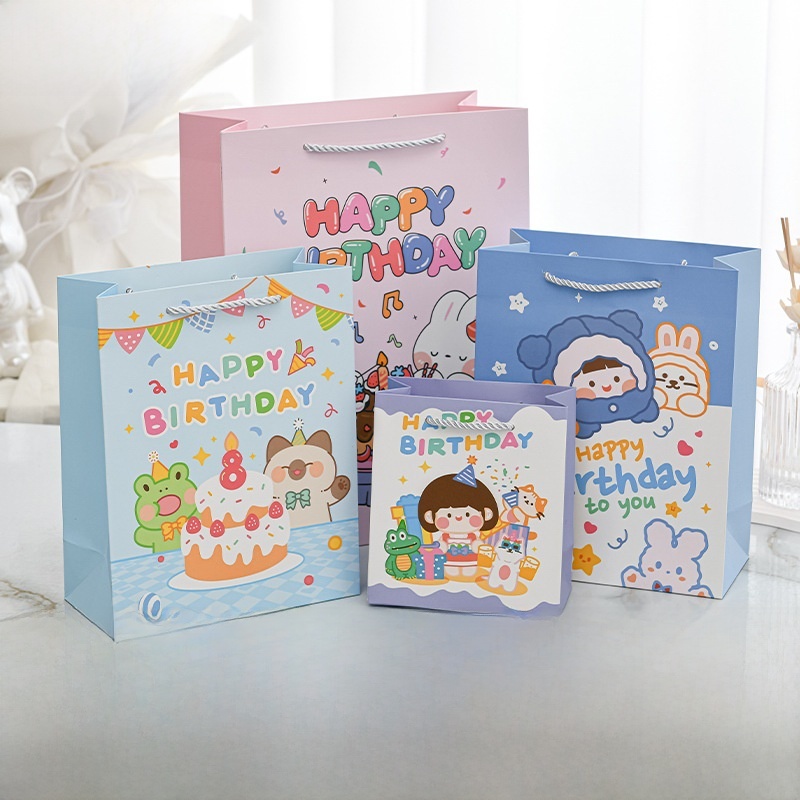
Cartoon Birthday Gift Paper Bags Portable Cardboard Handheld Gift Wrapping Bags With Handle For Kids Party Favors Wedding Guest Return Presents
$0.27
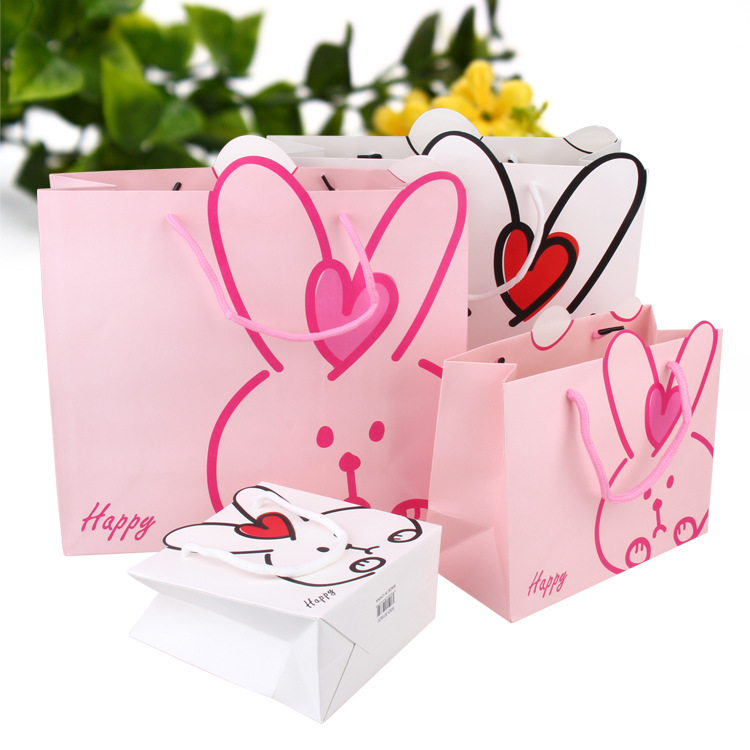
Cartoon Rabbit Gift Bag White Cardboard Handheld Paper Packaging Bag For Birthday Party Baby Shower Return Gift Small Medium Large Bags
$0.19
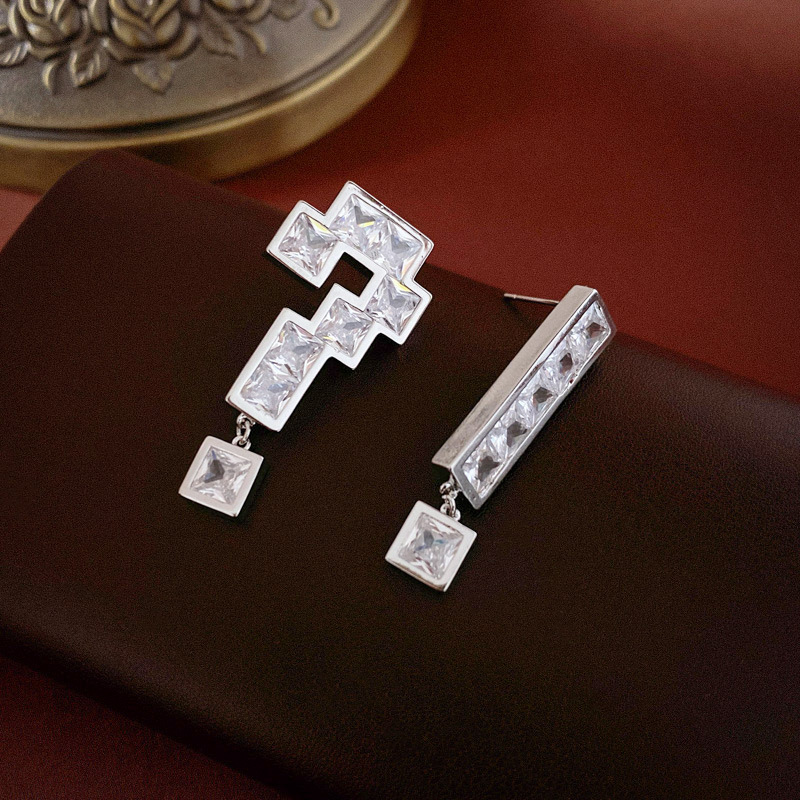
Unique Asymmetric Pixel Art Question Mark Exclamation Mark Earrings Copper Silver Plated Square Zirconia Punctuation Symbol Jewelry For Women Girls Daily Fashion
$3.01
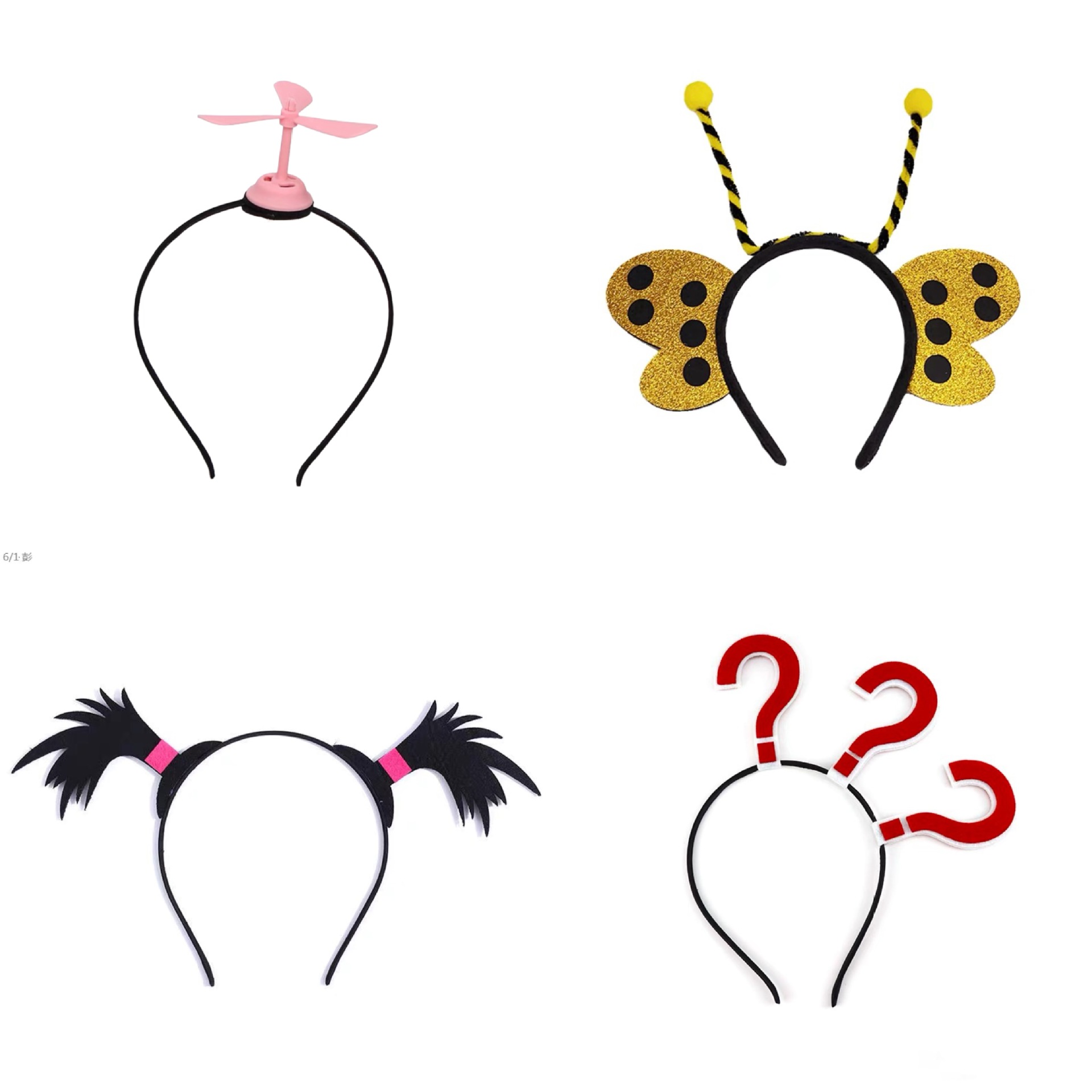
Funny Personalized Cartoon Headband Creative Pigtail Question Mark WiFi Propeller Hair Hoop For Party Live Stream Cosplay Props Women Men Hair Accessories
$0.39
Bundle Ideas: Combine Question-Generating Products with Pre-Purchase Copy
Pair the products most prone to returns with items that help you display the pre-purchase questions physically (for pop-ups) or digitally (for packaging inserts). These bundles build your confidence in the strategy.
Return-Reduction Starter Bundle
New boutique testing the strategy with 10 SKUs
- Minimalist Question Mark Open Ringhero
- Ins Style Black Natural Slate Stone Jewelry Display Platecomplement
- Gold Silver Aluminum Foil Zip Lock Bagsupsell
Individually $3.54 + $1.87 + $0.02 = $5.43 wholesale. Bundle at $4.80 — you save $0.63 per kit, which equals the cost of one returned item's label.
Party & Event Return-Proof Pack
Pop-up stall selling birthday party supplies
- Yellow Question Mark Theme Party Supplies Disposable Tableware Sethero
- Creative Question Mark Shape Birthday Candlescomplement
- Cartoon Birthday Gift Paper Bagscomplement
Separately $0.47 + $0.33 + $0.27 = $1.07 wholesale. Bundle at $0.90 — the 17-cent discount is smaller than the $3 average cost of a return. Avoided returns make this bundle extremely margin-positive.
Jewelry Confidence Bundle
Shopify store selling earrings and necklaces with metal sensitivity issues
- Exaggerated Question Mark Heart Pendant Earringshero
- Punk Gothic Stainless Steel Skull Question Mark Pendant Necklaceupsell
- Stainless Steel DIY Mini Symbol Charms Question Markcomplement
Wholesale $1.81 + $3.37 + $0.09 = $5.27 solo. Bundle at $4.70 saves $0.57. The real profit comes from preventing nickel-allergy returns — each avoided $4 return effectively adds $4 back.